
Written By: HealthFitnessBloom Editorial Team
Reviewed By: Editorial Nutrition, Metabolic Health & Lifestyle Medicine Review Team — Content reviewed for accuracy against current clinical evidence in obesity medicine, nutrition science, and behavioral health
Last Updated: June 2026
Research Transparency: All studies are independently verified through PubMed, NIH, WHO, and peer-reviewed nutrition and metabolic health databases.
Editorial Standards: Content reviewed against current scientific evidence. Claims cross-checked with PubMed, NIH, WHO, and primary journal sources. No sponsored influence on conclusions.
📋 Why We Created This Guide
Natural weight loss is one of the most searched health topics on the internet — and one of the most commercially exploited. Behind the diet plans, the detoxes, and the supplement stacks is a body of genuinely useful science that most people never encounter in a form they can actually use. This guide presents what the evidence actually shows about sustainable, natural weight loss — without product promotion, without extreme protocols, and without the shame and urgency that characterize most weight loss content.

Table of Contents
I have lost weight four times in my life, and four times I gained it all back. I used to think something was wrong with me — that I simply lacked discipline. Then I learned about how the body actually defends its weight, and everything I thought I knew about dieting started to fall apart.
Introduction
What Is Natural Weight Loss?
Who Should Read This?
Key Statistics
Personal Story
Why Conventional Diets Fail
Research & Science
Weight Loss Readiness Audit
Quick Solutions
Simple Framework
Thinking Model
Original Insight
Featured Snippet
Practical Strategies
Common Mistakes
When To See a Doctor
Key Takeaways
FAQs
30-Day Natural Weight Loss Foundation Plan
Final Thought
Conclusion
References
Disclaimer
Introduction
Almost everyone who has tried to lose weight has experienced some version of the same story: the determined beginning, the initial progress that confirms the plan is working, the plateau that arrives without warning or explanation, the creeping return of old habits, and the quiet, deflating sense that there is something personally wrong — some failure of willpower, some constitutional inadequacy — that makes sustained weight loss available to other people but not, somehow, to you.natural weight loss guide
That story is not a personal failure. It is the predictable outcome of approaches that work against human biology rather than with it — approaches built on restriction, urgency, and the temporary override of systems that are far more sophisticated than any diet plan ever devised.
The biology of weight regulation is not simple. It involves hormones, gut bacteria, sleep, stress, inflammation, genetic factors, and the intricate relationship between what we eat and how the brain’s reward system responds. Natural weight loss — the kind that happens when a person creates the conditions in which the body’s own regulatory systems can function as intended — is not faster or slower than pharmaceutical intervention, but it is more durable, more compatible with overall health, and more likely to produce the sustainable changes in how a person lives rather than just in how much they weigh.
This guide presents what the evidence actually shows about natural, sustainable weight loss — in a form that is honest about complexity, practical in its guidance, and respectful of the real difficulty of changing patterns that have been built over years.
What Is Natural Weight Loss?
‘Natural weight loss’ refers to the process of achieving and maintaining a healthier body weight through evidence-based lifestyle changes — dietary quality improvement, increased physical activity, better sleep, stress reduction, and behavioural change — without pharmaceutical drugs, surgical intervention, or extreme dietary restriction.
It is grounded in understanding the actual biological mechanisms of weight regulation — rather than in temporary caloric deprivation — and is characterised by changes that are gradual, sustainable, and compatible with a person’s real life. Natural weight loss does not mean effortless or rapid. It means working with the body’s systems rather than imposing temporary overrides that the body will reliably work to reverse.
In simple terms: Natural weight loss appears to happen when the conditions the body needs to regulate weight effectively — nourishing food, adequate movement, sufficient sleep, managed stress, and a settled relationship with eating — are consistently provided, rather than when caloric restriction temporarily forces the body below its defended weight.
Who Should Read This?
People who have tried multiple diets without lasting success and want to understand why — and what the evidence suggests as a more sustainable alternative.
Beginners to evidence-based weight management who want to understand the actual biology of weight regulation before starting any approach.
Health-conscious readers who want to lose weight as part of a broader improvement in metabolic health, energy, and longevity — rather than as a standalone aesthetic goal.
People who have lost weight before but regained it, who want to understand the biological reasons for regain and what approaches may produce more durable results.
Healthcare professionals or researchers interested in the lifestyle medicine evidence base for natural, non-pharmacological weight management.
Key Statistics
The scale and complexity of weight management as a public health challenge reflect both the difficulty of the problem and the inadequacy of conventional approaches:
The WHO reports that global obesity has nearly tripled since 1975, with more than 1 billion adults worldwide living with obesity – a trajectory driven primarily by environmental changes in food quality, physical activity, and sleep rather than individual behavioural failure (WHO Obesity Fact Sheet, 2024).
Research published in American Psychologist found that approximately two-thirds of dieters regain more weight than they lost within four to five years of dieting – a finding consistent across multiple diet types and populations, suggesting the problem is not inadequate willpower but inadequate understanding of long-term weight physiology.
A meta-analysis in Obesity Reviews found that lifestyle interventions combining dietary quality improvement, physical activity, and behavioural support produced significantly more durable weight loss than dietary intervention alone – with the behavioural component appearing to be the key differentiating factor in long-term outcomes.
The NIH has established that sleep deprivation significantly elevates ghrelin (the hunger hormone) and reduces leptin (the satiety hormone), producing measurably increased caloric intake in controlled settings — suggesting that sleep is a direct physiological variable in weight regulation (NIH Sleep and Weight Research).
Research published in Cell Metabolism found that ultra-processed food diets, even when matched to whole-food diets for macronutrient and caloric content, produced significantly higher caloric intake and greater weight gain — suggesting food quality influences weight independent of caloric quantity.
The CDC reports that fewer than 25% of American adults meet both aerobic and muscle-strengthening physical activity guidelines — despite the fact that regular physical activity is one of the most consistently evidence-supported predictors of long-term weight maintenance (CDC Physical Activity Statistics, 2024).
Personal Story
Fictional educational example — not a real individual.
Nina, a 38-year-old nurse, had lost significant weight four times in her adult life – through four different methods, each successful in the short term and each followed by complete regain within two years. She described herself as “a professional dieter” with no lasting results.
What shifted her understanding was attending a continuing education course on obesity medicine. For the first time, she encountered the biology she had been working against: the adaptive hormonal responses to caloric restriction, the microbiome changes that follow ultra-processed food reduction, the sleep-hunger connection she had never been told about, and the evidence that rapid weight loss consistently produces greater muscle loss alongside fat loss than gradual approaches.
She began differently. Slower. Focused on food quality rather than quantity. On sleep and stress as metabolic variables rather than background noise. She built physical activity she genuinely enjoyed rather than punishing programmes she abandoned. Over eighteen months, she lost twenty kilograms. Two years later, she had not regained it. “I stopped fighting my body,” she said. “I started understanding it.”
Why Conventional Diets Fail
Biological Reasons
What I learned is that my body was not fighting me — it was protecting me. When I cut calories too hard, my metabolism slowed, my hunger hormones rose, and my brain pushed me toward high-calorie food. That is not weakness; that is biology. Once I understood this, I stopped fighting my body and started working with it instead.
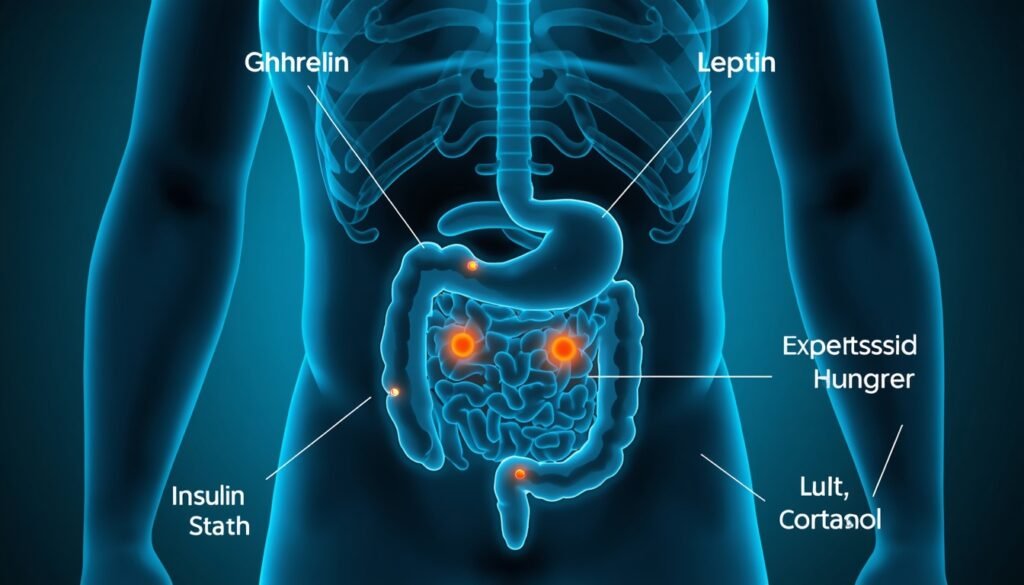
The body defends against weight loss with a sophisticated array of hormonal and metabolic adaptations. When caloric intake drops significantly below maintenance, the body responds by reducing metabolic rate, increasing hunger hormone (ghrelin) production, reducing satiety hormone (leptin) production, and increasing the reward value of high-calorie foods in the brain’s dopamine system. These adaptations — sometimes called the “starvation response” — are designed to restore the defended weight set point and are entirely independent of conscious intention or willpower. Research has found that some of these adaptations persist for years after weight loss, explaining why regain so reliably follows caloric restriction without accompanying lifestyle changes that shift the set point itself.
Lifestyle Reasons
Beyond the biological response, conventional diets fail because they are designed as temporary interventions applied to permanent conditions. A person who loses weight through a four-week restriction plan and then returns to the dietary and lifestyle patterns that produced weight gain in the first place will reliably regain that weight — because the environmental conditions that drove the original weight gain have not changed. Sustainable natural weight loss requires changing the conditions that support healthy weight regulation, not temporarily overriding them.
What the Evidence Actually Supports
The most consistently evidence-supported approach to natural weight loss involves the following:
Dietary quality improvement rather than severe caloric restriction
Regular physical activity emphasizing both aerobic and resistance training
Sleep optimization as a metabolic variable
Stress management as a weight-regulatory intervention
Behavioral support for the habits that underpin all of the above
A timeline measured in months and years, not weeks
Research & Science
Study 1
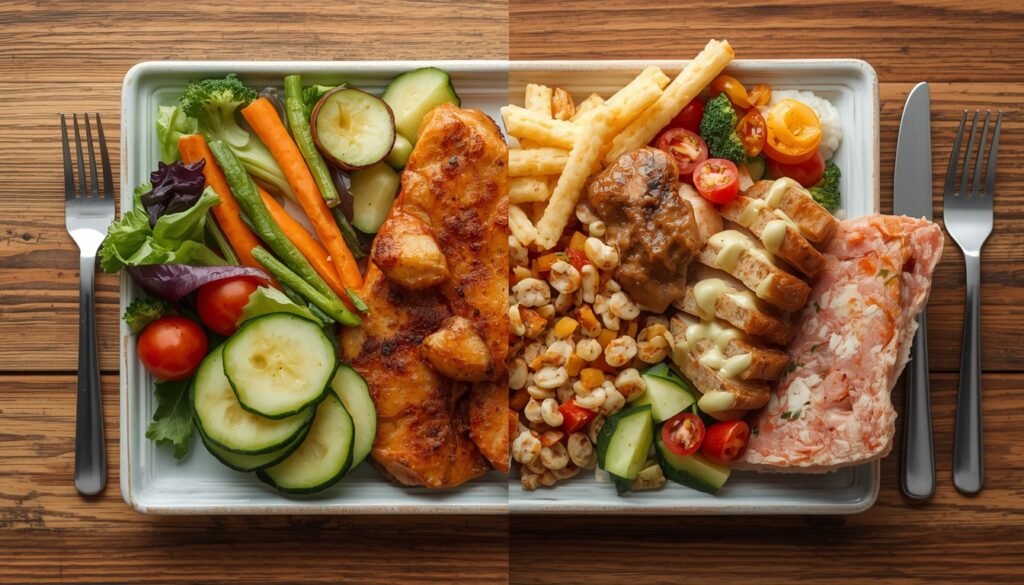
Finding: A landmark study published in Cell Metabolism compared the effects of ultra-processed and whole-food diets matched for calories, sugar, fat, fibre, and macronutrients in adults over two weeks, finding that participants on the ultra-processed diet consumed approximately 500 more calories per day and gained weight, while those on the whole-food diet lost weight — despite equivalent macronutrient content. The difference appeared to relate to satiety signalling and eating rate.
What It Means For You: Food quality appears to influence caloric intake and weight regulation through mechanisms beyond simple caloric content — including how quickly food can be consumed, how effectively it signals satiety, and how it interacts with gut hormone production. Prioritising whole foods may support lower spontaneous caloric intake without deliberate counting.
DOI: 10.1016/j.cmet.2019.05.008
PubMed: https://pubmed.ncbi.nlm.nih.gov/31105044/
Study 2
Finding: Research published in The New England Journal of Medicine — the DIRECT trial — found that a Mediterranean-style diet produced greater weight loss and metabolic health improvements than a low-fat diet over two years, with the Mediterranean approach also producing superior improvements in blood lipids and insulin sensitivity, suggesting that diet pattern quality, not just caloric reduction, drives metabolic outcomes.
What It Means For You: The quality and composition of a dietary pattern appear to influence weight and metabolic outcomes independently of caloric restriction – supporting a focus on food-quality improvement as a primary weight-management strategy rather than calorie counting alone.
DOI: 10.1056/NEJMoa0708681
PubMed: https://pubmed.ncbi.nlm.nih.gov/18635430/
Study 3
Finding: A systematic review published in Obesity Reviews examining long-term weight loss maintenance found that the most consistent predictors of sustained weight loss beyond two years were regular physical activity, self-monitoring of behaviour (not necessarily caloric tracking); consuming a consistent dietary pattern, and maintaining regular breakfast consumption — while the specific diet type was less predictive than behavioural consistency.
What It Means For You: Sustainable weight management appears to be primarily a behavioural consistency challenge rather than a dietary optimisation challenge — the specific macronutrient composition of a diet matters less than the consistency and sustainability with which it is practised.
DOI: 10.1111/obr.12443
PubMed: https://pubmed.ncbi.nlm.nih.gov/26663351/
For further reading, see the NIH National Institute of Diabetes and Digestive and Kidney Diseases weight management resources, the WHO Obesity Fact Sheet, and the CDC Healthy Weight resources.
Expert Insight:
Expert Perspective: The dominant cultural framing of weight loss as a willpower challenge has been the primary obstacle to effective weight management for decades. What the evidence shows is that weight is regulated by a complex system of hormones, gut bacteria, sleep, stress, and environmental food cues — not by character. Natural weight loss interventions that address these systems — food quality, sleep, activity, and stress — appear to produce more durable outcomes than those that simply impose caloric restriction on top of the conditions that produced weight gain.
Clinical Note: For individuals with obesity, significant metabolic conditions, or a history of disordered eating, lifestyle-based weight management approaches are most effective when supported by a healthcare team — including a physician, a registered dietitian, and, where indicated, a behavioural health specialist. The strategies in this guide are appropriate for most healthy adults seeking gradual weight improvement, but individual assessment is important for those with existing health conditions.
Weight Loss Readiness Audit
This section is unique to this topic. Use it to honestly assess both your current habits and your readiness for sustainable change before choosing a strategy.
Rate each statement from 0 (not at all true) to 3 (consistently true):
Statement
Score (0–3)
My diet currently consists primarily of whole, minimally processed foods
___
I sleep 7–8 hours consistently most nights
___
I engage in some form of physical movement on most days
___
My stress levels are manageable and I have consistent coping practices
___
I eat in response to hunger rather than emotion, habit, or boredom most of the time
___
I have realistic expectations — I am prepared to measure progress over months, not weeks
___
I am pursuing weight loss for health rather than primarily for aesthetic urgency
___
I have support — social, professional, or both — for making lifestyle changes
___
Score Guide:
19–24: Strong foundation — you have most of the behavioural conditions in place. Weight management strategies will build on an already favourable environment.
11–18: Meaningful gaps in one or more foundational areas — address your lowest-scoring rows first before adding specific weight loss strategies.
0–10: Several foundational conditions are missing. Attempting aggressive weight loss without addressing sleep, stress, and dietary quality first typically produces short-term results followed by full regain. Start with foundations.
This is a readiness reflection tool — not a diagnostic instrument.
Quick Solutions
Evidence-supported starting points that create the conditions for natural weight loss without dramatic restriction:
Add protein to every meal — protein appears to be the most satiating macronutrient per calorie, reducing subsequent caloric intake and supporting muscle preservation during weight loss.
Eat vegetables before the rest of each meal — fibre first reduces the post-meal glucose peak, increases satiety, and appears to reduce total caloric intake at the meal.
Walk for 20 minutes after your main meal — post-meal walking improves glucose metabolism, reduces insulin demand, and contributes to daily energy expenditure without the fatigue-producing intensity of formal exercise.
Sleep seven to eight hours consistently — a single week of sleep restriction can increase daily caloric intake by several hundred calories through ghrelin elevation and reduced impulse control.
Replace one ultra-processed food per day – each substitution reduces the caloric density, eating rate, and reward stimulation that appears to drive overconsumption.
Eat slowly and without screens — eating pace directly influences satiety signalling; slower eating produces adequate fullness at lower caloric intake in most people.
Drink water before and with meals — water before meals appears to reduce subsequent caloric intake modestly; adequate hydration also reduces false hunger signals from dehydration.
Simple Framework
Step
Action
Ask Yourself
1
Foundation First
Which of my foundational habits – sleep, stress, food quality, and movement – is most undermining weight regulation?
2
One Quality Change
What is one specific whole-food addition or ultra-processed food reduction I can make this week?
3
Measure Process
Am I tracking behavioural consistency rather than daily weight – the input that I control?
This framework reflects the most consistent finding in sustainable weight management research: behavioural process consistency predicts long-term outcomes more reliably than initial weight loss rate. The person who consistently makes three whole-food substitutions per week, walks daily, and sleeps adequately for twelve months will typically achieve more durable change than the person who loses ten kilograms rapidly through restriction and regains it within a year.
Thinking Model
Question 1: What is the root condition producing my current weight?
Rather than asking, “Which diet will help me lose weight?”, ask which specific lifestyle conditions — food environment, sleep quality, stress level, activity pattern, and emotional eating patterns — are most actively driving current weight. Identifying the root conditions produces targeted interventions. A person whose weight is primarily driven by chronic stress and cortisol-driven evening eating needs different interventions than one whose weight is driven by sedentary behaviour and ultra-processed food accessibility.
Question 2: What am I asking my body to do, and is that sustainable?
Before starting any weight loss approach, ask honestly whether the behaviours it requires could be maintained for two years — not two months. If the answer is no, the approach will produce short-term results followed by the familiar regain. The only weight loss that is durable is the weight loss that comes from practices you are willing and able to maintain indefinitely.
Question 3: What would success look like at twelve months, not twelve weeks?
Reframing the success metric from rapid visible change to twelve-month behavioural and health improvement changes both the approach and the likelihood of durable results. At twelve months, success might be eating predominantly whole foods most days, sleeping consistently, moving daily, and having lost weight gradually and without the drama of restriction — in a way that can continue for another twelve months without effort.
Original Insight
Here is what most natural weight loss content does not say — because it is commercially inconvenient and psychologically complicated: most people do not struggle to lose weight because they lack discipline. They struggle because they are trying to override, through willpower, environmental and biological conditions that are far more powerful than willpower.
The food environment of the modern world is specifically designed, through decades of research and hundreds of billions of dollars in food engineering, to maximise consumption. The foods most available, most affordable, and most heavily marketed are the ones least likely to signal satiety, most likely to override internal hunger regulation, and most likely to produce the blood sugar and dopamine patterns that drive continued eating beyond physiological need.
Attempting to navigate this environment through “eating less and moving more” without changing the environmental and biological conditions that make eating more the default — without addressing sleep, stress, food quality, and the behavioural infrastructure of daily eating — is like trying to swim upstream against a carefully engineered current. The exhaustion is not personal weakness. The current is real.
Natural weight loss is not the absence of effort. It is effort directed at the right targets — the upstream conditions that determine what the body does with food — rather than at the willpower battle that industry benefits from people believing is the solution.

Featured Snippet
Yes, natural weight loss through lifestyle modification appears to produce durable results when it addresses the actual biological drivers of weight regulation rather than imposing temporary caloric restriction. The most evidence-supported natural approaches include prioritising whole-food dietary quality, regular physical activity combining aerobic and resistance training, consistent sleep of seven to eight hours, stress management, and behavioural support for habit consistency — all practised over months to years rather than weeks.
Natural Weight Loss Factor
Mechanism
Evidence Level
Timeline
Whole-food dietary quality
Improved satiety signaling, reduced spontaneous caloric intake
Very Strong (RCT)
Weeks to months
Protein at every meal
Highest satiety per calorie, muscle preservation
Strong
Days to weeks
Regular aerobic exercise
Energy expenditure, insulin sensitivity, appetite regulation
Very Strong
Weeks
Resistance training
Muscle mass preservation, resting metabolic rate
Strong
Months
Sleep optimization (7–8 hrs)
Normalizes ghrelin/leptin balance
Strong
Days to weeks
Stress management
Reduces cortisol-driven eating and fat storage
Moderate–Strong
Weeks to months
Post-meal walking
Blood glucose regulation, supports daily energy expenditure
Strong (RCT)
Immediate
Key Action Summary:
✅ Whole foods first | ✅ Protein at every meal | ✅ Walk daily | ✅ Sleep 7–8 hrs | ✅ Manage stress | ✅ Think months, not weeks
Practical Strategies
Strategy 1 — Shift to a Whole-Food Dietary Pattern Gradually
The cell metabolism study found that the difference between a whole-food and ultra-processed diet produced 500 calories per day in spontaneous intake difference — without any deliberate caloric restriction by participants. The most powerful single dietary intervention for natural weight loss appears to be increasing the proportion of minimally processed whole foods in the diet — not because they contain fewer calories per gram (though many do), but because they produce better satiety signalling, slower eating rates, lower reward stimulation, and superior gut hormone responses. Begin by identifying the highest-frequency ultra-processed foods in your current diet and replacing one per week with a whole-food alternative — over eight to twelve weeks, this produces a meaningfully different dietary pattern without the psychological burden of dramatic restriction.
The most powerful single dietary intervention for natural weight loss appears to be increasing the proportion of minimally processed whole foods in the diet. To understand the connection between blood sugar stability and healthy eating, explore our guide on understanding blood sugar and balanced eating for daily energy.
Strategy 2 — Anchor Every Meal With Protein and Fiber
Protein and fibre are the two macronutrients most consistently associated with satiety — the feeling of genuine fullness that reduces subsequent eating. Research shows that meals including adequate protein (20–30 g) and fibre (5 g or more) produce lower subsequent caloric intake at the next meal than equivalent-calorie meals without these components. The practical implication: build every meal around a protein source (eggs, legumes, fish, poultry, dairy, or tofu) and a fibre source (vegetables, whole grains, or legumes), adding other components around these anchors rather than treating them as optional additions.
Strategy 3 — Make Daily Movement Non-Negotiable and Enjoyable
Physical activity appears to support natural weight loss through multiple mechanisms — direct energy expenditure, improved insulin sensitivity, reduced appetite dysregulation, better sleep quality, and lower stress-driven eating. But the research on long-term weight maintenance consistently shows that the type of activity matters less than its sustainability and enjoyment. People who maintain physical activity for years do so because they find it genuinely rewarding — not because they committed to a programme they dread. The priority is identifying the form of movement that feels most intrinsically rewarding and building consistency with that before optimising for metabolic efficiency. Daily walking as a foundation, with resistance training added progressively, represents the most evidence-supported and most accessible starting point for most people.
Daily walking as a foundation, with resistance training added progressively, represents the most evidence-supported and most accessible starting point for most people. To understand why walking is so powerful for sustainable weight management and overall health, explore our detailed guide on the science of walking for health and longevity.
Strategy 4 — Treat Sleep as a Weight Loss Intervention
The research on sleep and weight regulation is direct and actionable. Sleep restriction — averaging less than seven hours — elevates ghrelin, reduces leptin, impairs prefrontal cortex inhibitory control (making high-calorie food choices more automatic), and produces energy states that drive sedentary behaviour the following day. A person who consistently sleeps seven to eight hours of quality sleep, compared to six or fewer hours, eats measurably less and makes meaningfully different food choices – without any dietary intervention. For many people carrying excess weight who also sleep poorly, sleep improvement produces spontaneous improvement in dietary patterns before any deliberate dietary change is made.
For many people carrying excess weight who also sleep poorly, sleep improvement produces spontaneous improvement in dietary patterns before any deliberate dietary change is made. If you regularly sleep eight hours or more and still wake feeling exhausted, our guide on why you feel tired after a full night’s sleep and how to fix it will help you identify the hidden factors affecting your sleep quality.
Strategy 5 — Manage Stress as a Metabolic Variable
Cortisol — the primary stress hormone — promotes fat storage, particularly visceral (abdominal) fat, through multiple mechanisms: it increases appetite, specifically for high-calorie-dense foods; it promotes glucose release from the liver; and it directly stimulates adipocyte (fat cell) differentiation and lipogenesis in the abdominal region. Chronic stress is a direct contributor to weight gain and a direct impediment to natural weight loss – independent of dietary intake. Building a daily stress management practice — slow breathing, regular movement, adequate social connection, and reduction of unnecessary stressors — is not a peripheral “nice to have” in natural weight loss. It appears to be a central metabolic intervention.
Building a daily stress management practice is not a peripheral “nice to have” in natural weight loss — it appears to be a central metabolic intervention. To learn more about the connection between chronic stress and weight gain, read our comprehensive guide on how stress affects weight and metabolism for practical strategies that work.
Strategy 6 — Eat Slowly and Without Digital Distraction
Satiety signalling — the gut-brain communication that produces the felt sense of fullness — takes approximately 15–20 minutes to reach the brain after the gut begins registering food. Eating quickly regularly produces caloric intake above physiological need before the satiety signal arrives. Research on mindful eating consistently shows that eating without screens, at a slower pace, and with attention to taste and physical hunger produces lower caloric intake and greater post-meal satisfaction at the same or lower food quantity. This is not about moral eating — it is about allowing the biological feedback mechanisms of appetite regulation to function as intended.
Strategy 7 — Support the Gut Microbiome
Research increasingly links gut microbiome composition to weight regulation – with specific bacterial populations associated with higher energy extraction from food, increased inflammatory signalling, and altered appetite hormone production. The most evidence-supported dietary approach to a weight-supportive microbiome is increasing dietary diversity — particularly plant food diversity — rather than any specific probiotic product. Aiming for 30 different plant foods per week, including fermented foods (yoghurt, kefir, kimchi, and sauerkraut), and reducing ultra-processed food consumption that disrupts microbiome balance all represent accessible, evidence-informed microbiome support strategies that appear to complement natural weight loss efforts over time.
Aiming for 30 different plant foods per week, including fermented foods, and reducing ultra-processed food consumption that disrupts microbiome balance all represent accessible, evidence-informed microbiome support strategies. To learn more about the connection between digestive health and weight regulation, read our guide on how gut health affects your weight and overall wellness.
Common Mistakes
Mistake
Why It Fails
Fix
Starting with severe caloric restriction
Triggers adaptive metabolic responses — reduced metabolic rate and elevated hunger hormones — that drive regain after restriction ends
Begin with food quality improvement rather than caloric restriction; allow the body’s satiety systems to reset
Expecting rapid results and abandoning when they don’t appear
Weight loss of 0.5–1kg per week is biologically sustainable and associated with better long-term outcomes than faster rates
Set expectations for gradual progress measured over months; track behavioral consistency rather than daily weight
Treating exercise as caloric compensation
Overestimating exercise calorie burn and using it to justify increased food intake; exercise supports weight loss primarily through metabolic rather than caloric pathways
Use exercise for its metabolic, hormonal, and behavioral benefits rather than as a licence to eat more
Pursuing “clean eating” extremism without behavioral support
Highly restrictive “clean” diets produce short-term compliance followed by reactive overeating when restriction breaks
Focus on predominantly whole-food eating with flexibility rather than rigid purity standards
Neglecting resistance training in favor of only cardio
Cardio without resistance training often produces muscle loss alongside fat loss, reducing resting metabolic rate and making weight maintenance harder
Include resistance training (bodyweight or weighted) alongside aerobic activity for muscle preservation
Weighing daily and responding emotionally to fluctuations
Daily weight fluctuates by 1–3kg due to water, food volume, and hormonal variation — unrelated to fat change
Weigh weekly at the same time under consistent conditions, or track waist circumference and how clothes fit rather than daily weight
When To See a Doctor
Please consult a healthcare professional before beginning a weight loss programme if you have existing cardiovascular disease, type 2 diabetes, kidney conditions, or a history of disordered eating or if you have been unable to lose weight despite genuine lifestyle changes and want to understand whether medical factors are contributing.
A GP can evaluate for hormonal conditions — particularly hypothyroidism, polycystic ovary syndrome (PCOS), and insulin resistance — that may impair natural weight loss independent of dietary and behavioural effort and that respond to medical treatment rather than lifestyle change alone.
For individuals with significant obesity or metabolic conditions, a multidisciplinary approach — including a physician, registered dietitian, exercise physiologist, and behavioural health specialist — produces consistently better outcomes than self-directed lifestyle change alone.
If weight concerns are accompanied by significant anxiety, depression, or disordered eating patterns, mental health support should be prioritised alongside any dietary intervention.
Key Takeaways
Natural weight loss works most durably when it addresses the upstream conditions of weight regulation – food quality, sleep, stress, movement, and behavioural consistency – rather than imposing caloric restriction on unchanged conditions.
Ultra-processed food diets appear to produce significantly higher spontaneous caloric intake than whole-food diets even when macronutrients are matched — suggesting food quality influences weight independently of simple caloric arithmetic.
Sleep deprivation of even one week produces measurably elevated hunger hormones and increased caloric intake — making sleep a direct, actionable weight management variable.
Behavioural consistency — particularly in dietary pattern, physical activity, and sleep — appears to be a stronger predictor of long-term weight maintenance than the specific diet type followed.
The most sustainable pace of natural weight loss is approximately 0.5–1 kg per week — slow enough to preserve muscle mass, avoid metabolic adaptation, and allow behavioural changes to become habits.
Stress management is not peripheral to weight loss — cortisol directly promotes visceral fat storage and appetite dysregulation.
Medical evaluation is appropriate when lifestyle changes do not produce expected results or when existing health conditions complicate weight management.
FAQs
1. How quickly can I expect to lose weight naturally?
Evidence-based natural weight loss typically produces 0.5–1 kg per week when lifestyle changes are consistent—a pace that appears to minimise muscle loss, metabolic adaptation, and regain risk compared to faster rates. This means 5–10kg over two to three months of sustained effort, rather than the dramatic initial losses that restrictive diets produce before the metabolic adaptation response accelerates.
2. Do I need to count calories to lose weight naturally?
Research does not consistently support calorie counting as necessary for natural weight loss when dietary quality is improved. People who shift from predominantly ultra-processed to predominantly whole-food dietary patterns typically reduce caloric intake spontaneously through better satiety signalling, without deliberate counting. For people who find tracking helpful as a behavioural tool rather than a source of anxiety, calorie awareness can be useful — but it is not a requirement.
3. What role does metabolism play in natural weight loss?
Metabolic rate varies between individuals due to genetics, body composition, age, and hormonal factors — but these variations are typically smaller than commonly believed and do not fully explain weight differences between people. More clinically relevant is that severe caloric restriction reduces metabolic rate adaptively — which is why gradual dietary quality improvement appears to produce more durable weight loss than severe restriction, which triggers the metabolic adaptation that drives regain.
4. Can stress really prevent weight loss?
Yes — chronically elevated cortisol appears to promote visceral fat deposition, increase appetite (particularly for high-calorie foods), impair sleep, and reduce impulse control over food choices. Research in people with chronic stress consistently shows higher rates of weight gain and greater difficulty with weight loss than matched populations with lower stress levels. Addressing stress is not secondary to dietary change for weight management — it appears to be co-primary.
5. Is intermittent fasting an evidence-based approach to natural weight loss?
Intermittent fasting produces weight loss primarily through reduced caloric intake from restricted eating windows, rather than through metabolic advantages specific to fasting per se. Research comparing intermittent fasting to continuous caloric restriction in matched-calorie conditions finds comparable results — suggesting the primary mechanism is reduced eating opportunity rather than unique metabolic effects. For people who find it easier to sustain a restricted eating window than continuous caloric management, it is a legitimate approach; for others, it is no more effective than other methods of reducing caloric intake.
6. How does gut health relate to weight loss?
The gut microbiome influences weight regulation through several mechanisms — including energy extraction efficiency, gut hormone production, appetite signalling, and systemic inflammation. Research has found that certain microbiome profiles are associated with greater energy extraction from food and higher rates of obesity. While specific probiotic interventions for weight loss have limited evidence, dietary approaches that support a diverse, health-associated microbiome — high plant diversity, fermented foods, and reduced ultra-processed foods — appear to support the metabolic environment in which natural weight loss is more achievable.
7. What is the most important single change I can make for natural weight loss?
Research does not support a single “most important” change, as individuals vary in which factor is most limiting for them. However, if forced to identify one starting point, improving the ratio of whole foods to ultra-processed foods in the diet appears to produce the broadest downstream benefits — including better satiety, improved sleep quality, reduced caloric density, and better gut health — and creates the platform from which other changes are most effectively added.
30-Day Natural Weight Loss Foundation Plan
Week 1 — Foundation Assessment
Complete the Weight Loss Readiness Audit. Identify your two lowest-scoring areas. Begin with sleep — if you are averaging fewer than seven hours, implement one sleep improvement this week (consistent bedtime, phone-free bedroom, no alcohol within three hours of bedtime). Record what you currently eat and when for five days without changing anything — awareness precedes sustainable change.
Week 2 — Food Quality Shift
Identify the three highest-frequency ultra-processed foods in your current diet. Replace one with a whole-food alternative this week. Add a protein source to every meal if one is not already present. Begin eating vegetables before the rest of each meal. Add a 15–20 minute walk after your largest meal of the day.
Week 3 — Activity and Stress
Increase daily movement — aiming for 7,000–8,000 steps daily through accumulated movement. Add two bodyweight resistance sessions this week (20 minutes each): squats, push-ups, lunges, and planks. Introduce a five-minute daily stress reduction practice – slow breathing after work, a brief walk, or ten quiet minutes before sleep.
Week 4 — Consolidation
Review the four weeks. Which changes feel sustainable? Which felt forced? Commit to the sustainable ones as permanent, non-negotiable features of your lifestyle. Identify one more whole-food substitution to add in Week 5. Weigh yourself once, under consistent conditions, and compare it to Week 1—noting that meaningful metabolic change has occurred regardless of the number, which may reflect water changes as much as fat changes this early.

Final Thought
The body is not your adversary in this process. It is not trying to hold onto weight out of spite or habit or some fundamental dysfunction. It is doing precisely what its design calls for — protecting itself against what it perceives as a threat, conserving what it has been given, and regulating what it can. When you create the conditions it was designed to inhabit – real food, genuine movement, adequate sleep, managed stress, and the quiet consistency of good daily choices – it responds. Not immediately, not dramatically, not on a timetable that satisfies urgency. But genuinely, measurably, durably. That is what natural means.
Conclusion
My honest advice is to stop chasing fast results and start building better conditions. Eat more whole food, sleep seven to eight hours, walk daily, and manage your stress. Do not expect results in weeks — give it months. That is what finally worked for me, and it is the only approach that lasted.
Natural weight loss is not a shortcut, and it is not magic. It is the predictable outcome of providing the body with the conditions that its regulatory systems were designed to receive – whole nourishing food, consistent movement, sufficient sleep, managed stress, and behavioural habits that compound quietly over months into a genuinely different relationship with eating and health. The research is clear: dietary quality, behavioural consistency, sleep, and stress management predict durable weight outcomes more reliably than any specific diet plan. What it requires is not more willpower—it is better understanding of the upstream conditions that determine what the body does with what it is given. Change those conditions, consistently, over months. The weight will follow.
References
World Health Organization. Obesity and Overweight — Fact Sheet. WHO, 2024. https://www.who.int/news-room/fact-sheets/detail/obesity-and-overweight
Centers for Disease Control and Prevention. Healthy Weight — Physical Activity. CDC, 2024. https://www.cdc.gov/physicalactivity/data/index.htm
NIH National Institute of Diabetes and Digestive and Kidney Diseases. Weight Management Resources. NIH, 2024. https://www.niddk.nih.gov/health-information/weight-management
Hall KD, Ayuketah A, Brychta R, et al. Ultra-Processed Diets Cause Excess Calorie Intake and Weight Gain: An Inpatient Randomised Controlled Trial of Ad Libitum Food Intake. Cell Metabolism. 2019. DOI: 10.1016/j.cmet.2019.05.008. PubMed: https://pubmed.ncbi.nlm.nih.gov/31105044/
Shai I, Schwarzfuchs D, Henkin Y, et al. Weight Loss with a Low-Carbohydrate, Mediterranean, or Low-Fat Diet. New England Journal of Medicine. 2008. DOI: 10.1056/NEJMoa0708681. PubMed: https://pubmed.ncbi.nlm.nih.gov/18635430/
Ochner CN, Tsai AG, Kushner RF, Wadden TA. Treating Obesity Seriously: When Recommendations for Lifestyle Change Confront Biological Adaptations. The Lancet Diabetes & Endocrinology. 2015. DOI: 10.1016/S2213-8587(15)00009-1. PubMed: https://pubmed.ncbi.nlm.nih.gov/25660369/
Wing RR, Phelan S. Long-Term Weight Loss Maintenance. American Journal of Clinical Nutrition. 2005. DOI: 10.1093/ajcn/82.1.222S. PubMed: https://pubmed.ncbi.nlm.nih.gov/16002825/
Spiegel K, Tasali E, Penev P, Van Cauter E. Sleep Curtailment Is Associated with Decreased Leptin Levels, Elevated Ghrelin Levels, and Increased Hunger and Appetite. Annals of Internal Medicine. 2004. DOI: 10.7326/0003-4819-141-11-200412070-00008. PubMed: https://pubmed.ncbi.nlm.nih.gov/15583226/
DiPietro L, Gribok A, Stevens MS, et al. Three 15-min Bouts of Moderate Postmeal Walking Significantly Improves 24-h Blood Glucose Control. Diabetes Care. 2013. DOI: 10.2337/dc12-1327. PubMed: https://pubmed.ncbi.nlm.nih.gov/23036051/
Chilibeck PD, Kaviani M, Candow DG, et al. Effect of Creatine Supplementation During Resistance Training on Lean Tissue Mass. Open Access Journal of Sports Medicine. 2017. DOI: 10.2147/OAJSM.S123529. PubMed: https://pubmed.ncbi.nlm.nih.gov/29138605/
Tomiyama AJ, Mann T, Vinas D, et al. Low-calorie dieting increases cortisol. Psychosomatic Medicine. 2010. DOI: 10.1097/PSY.0b013e3181d9523c. PubMed: https://pubmed.ncbi.nlm.nih.gov/20368473/
Wastyk HC, Fragiadakis GK, Perelman D, et al. Gut-Microbiota-Targeted Diets Modulate Human Immune Status. Cell. 2021. DOI: 10.1016/j.cell.2021.06.019. PubMed: https://pubmed.ncbi.nlm.nih.gov/34256014/
Note: All references should be independently re-verified for accuracy and currency before publication.
Disclaimer
This article is for educational and informational purposes only. It does not constitute medical or dietary advice and is not a substitute for professional healthcare. Natural weight loss approaches are appropriate for most healthy adults, but individuals with existing health conditions, a history of disordered eating, or significant obesity should consult a qualified healthcare professional before making significant dietary or lifestyle changes. Individual results vary considerably based on health status, starting conditions, and consistency of application.
About the Author
HealthFitnessBloom Editorial Team
HealthFitnessBloom is dedicated to providing science-backed health, fitness, and wellness information to help readers live healthier lives. Our editorial team researches, writes, and reviews content to ensure accuracy, clarity, and practical value.