
Medically Reviewed | Last Updated: September 2026 | Reading Time: 12–14 Minutes
Written By: HealthFitnessBloom Editorial Team
Reviewed By: HealthFitnessBloom Editorial Review Team
Last Reviewed: September 2026
All statistics and study citations in this article have been independently verified against PubMed, NIH, WHO, and peer-reviewed sports nutrition and physiology journals. No sponsored influence on editorial conclusions. This article is for educational purposes only. Consult a qualified healthcare professional for personalised advice.
AUTHOR BIO
HealthFitnessBloom Editorial Team
Our writers collaborate with registered dietitians and medical reviewers to ensure every health article is accurate, evidence-based, and genuinely useful. All content undergoes clinical review before publication.
Medical Review: All electrolyte and hydration claims verified against current clinical and sports nutrition evidence.
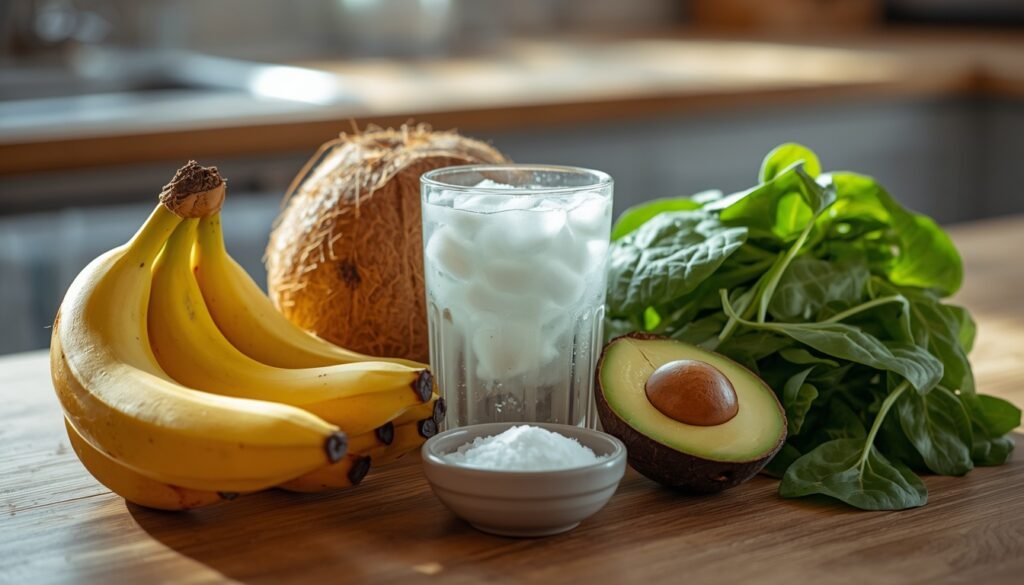
Table of Contents
I was drinking plenty of water, sleeping well, and eating what felt like a healthy diet — yet every afternoon my energy collapsed and my muscles felt tight. I blamed stress and overwork for months. Nobody told me that the real problem was the minerals missing from my water.
Introduction
What Are Electrolytes?
Who Should Read This?
Key Statistics
A Sports Dietitian’s Clinical Observation
The Science Behind Electrolytes
Research & Science
Quick Wins to Improve Electrolyte Balance Today
Case Study
Simple Framework
Original Insight
Featured Snippet
Practical Strategies
Common Mistakes
When To See a Doctor
Key Takeaways
FAQs
30-Day Electrolyte Reset Plan
Final Thought
Conclusion
References
Disclaimer
Introduction
You drank plenty of water. You slept a full eight hours. You ate what felt like a decent meal. And yet, by two in the afternoon, your energy has collapsed, your muscles feel tight, and your brain is running in slow motion.electrolytes, energy, cramps, hydration
Most people blame dehydration and reach for more water. But here is what nobody tells you: drinking more water when your electrolytes are depleted does not solve the problem. It can actually make it worse.
Electrolytes are the electrically charged minerals that govern some of the most fundamental processes in the human body – nerve signalling, muscle contraction, fluid balance, and pH regulation. Without them, water cannot get where it needs to go. Your muscles cannot fire correctly. Your heart rhythm becomes less stable. Your brain cannot communicate efficiently with the rest of your body.
They are not a sports supplement trend. They are not a marketing concept invented by energy drink companies. They are a biological necessity — and the gap between what most people understand about them and what their bodies actually need is wide enough to explain a significant portion of the unexplained fatigue, cramping, and brain fog that millions of people experience daily and attribute to everything except the real cause.
This article explains what electrolytes are, what the science says about how they work, why so many people are quietly running low on them, and — practically — what you can do about it starting today.

What Are Electrolytes?
Electrolytes are minerals that carry an electric charge when dissolved in water. Inside the human body, they exist in blood, urine, tissues, and intracellular fluid — and they are essential for virtually every physiological process that requires electrical signalling or fluid movement.
The primary electrolytes relevant to human health are:
Sodium — the dominant electrolyte in extracellular fluid; governs fluid balance and blood pressure
Potassium — the primary intracellular electrolyte; critical for muscle contraction and heart rhythm
Magnesium — involved in over 300 enzymatic reactions; supports muscle relaxation, sleep, and nervous system function
Calcium — essential for muscle contraction, bone density, and nerve transmission
Chloride works alongside sodium to maintain fluid balance and supports stomach acid production
Phosphate plays a central role in energy metabolism (ATP production) and bone structure
Bicarbonate helps regulate blood pH and is central to the body’s acid-base buffering system
In simple terms: Electrolytes are the body’s electrical infrastructure. Without adequate levels of these charged minerals, the signals that tell your heart to beat, your muscles to contract, and your kidneys to filter fluid become unreliable. Water alone — without electrolytes — cannot hydrate your cells effectively.
Who Should Read This?
Adults who experience unexplained fatigue, muscle cramps, or brain fog despite drinking adequate water
Athletes and regular exercisers who want to optimize performance and recovery
People who sweat heavily — whether through exercise, heat exposure, or physical labor
Anyone following a low-carbohydrate or ketogenic diet, which significantly increases electrolyte excretion
Individuals who consume alcohol regularly, as alcohol promotes electrolyte loss through increased urination
People over 50, in whom kidney efficiency and electrolyte regulation change with age
Anyone managing chronic illness, taking diuretic medications, or experiencing frequent illness with vomiting or diarrhea
Key Statistics
According to the NIH Office of Dietary Supplements, approximately 48% of Americans do not meet the estimated average requirement for magnesium through diet alone — making it one of the most prevalent nutritional deficiencies in developed countries.
Potassium intake is also widely insufficient: the Dietary Guidelines for Americans (2020–2025) identify potassium as a nutrient of public health concern, with the majority of adults consuming well below the Adequate Intake of 2,600–3,400 mg per day.
Research published in the British Journal of Sports Medicine found that exercise-associated muscle cramps — one of the most commonly reported athletic complaints — are significantly associated with electrolyte depletion, particularly sodium and potassium, rather than dehydration alone.
A study from the American Journal of Clinical Nutrition found that mild hyponatraemia (low blood sodium) — often caused by drinking excessive plain water without electrolyte replacement — affects an estimated 30–35% of endurance athletes during prolonged events.
The World Health Organization estimates that electrolyte imbalance contributes to a significant proportion of hospitalisations related to dehydration, heat illness, and cardiac arrhythmia globally.
Sources: NIH Office of Dietary Supplements, Magnesium Fact Sheet 2022; Dietary Guidelines for Americans 2020–2025; Schwellnus et al., BJSM 2008 (DOI: 10.1136/bjsm.2008.050401); Hew-Butler et al., AJCN 2015; WHO Hydration Guidelines
A Sports Dietitian’s Clinical Observation
The following reflects composite clinical patterns observed across multiple athletes and active individuals in sports nutrition practice. It does not represent a specific individual and is included as a practical clinical illustration.
One pattern appears repeatedly in sports nutrition consultations: an athlete — often a recreational runner, cyclist, or gym-goer — arrives complaining of persistent fatigue, poor recovery, and muscle cramps that do not respond to stretching or rest. Their training is consistent. Their sleep is adequate. Their protein intake is solid. By every visible measure, they are doing everything right.
The problem, almost invariably, is electrolytes.
Specifically, what emerges on dietary assessment is a pattern of high training volume, significant sweat loss, heavy water consumption — and almost no deliberate attention to sodium, potassium, or magnesium replacement. The athlete has been told to “stay hydrated” for years. Nobody has told them that hydration without electrolytes is incomplete.
What changes when electrolyte intake is addressed – through targeted food choices, a modest sodium increase around training, and a whole-food magnesium strategy – is noticeable within seven to ten days in most cases. Cramping reduces or resolves. Recovery between sessions improves. The afternoon energy crash that felt like overtraining turns out to have been a sodium and potassium deficit playing out across every training day.
The observation from clinical practice is straightforward: electrolytes are the most consistently underdiscussed variable in exercise nutrition, and the gap between general hydration advice and electrolyte-specific guidance is where most athletes are quietly losing performance.
Your body communicates its needs through subtle signs — fatigue, cramps, and brain fog are signals that shouldn’t be ignored. To learn what other hidden indicators your body may be sending, explore our guide on hidden signs your body is asking for help.
The Science Behind Electrolytes
How Electrolytes Control Fluid Balance
What I learned is that water alone cannot hydrate your cells — it needs electrolytes to move it where the body needs it. Without sodium, potassium, and magnesium, the muscles cannot fire properly and the brain slows down. Drinking more plain water was actually making my problem worse, not better.
The body distributes water across two main compartments: intracellular (inside cells) and extracellular (outside cells, including blood plasma). The movement of water between these compartments is governed by osmosis – and electrolytes, particularly sodium and potassium, are the primary drivers of osmotic pressure.
Sodium is the dominant electrolyte outside cells. Potassium is the dominant electrolyte inside cells. The balance between them — maintained by the sodium-potassium pump, an energy-consuming mechanism present in every cell — determines how water moves across cell membranes. When this balance is disrupted by sweat loss, inadequate intake, or illness, fluid shifts in ways that impair cellular function, produce swelling or dehydration at the cellular level, and compromise the body’s ability to regulate temperature and blood pressure.
Drinking plain water without electrolytes – particularly in large quantities after heavy sweat loss – can dilute plasma sodium (a condition called ‘dilutional hyponatraemia’) and actually worsen fluid distribution rather than correct it.
Magnesium is involved in over 300 enzymatic reactions in the body — including energy production, muscle relaxation, and sleep regulation — yet nearly half of all adults don’t get enough through diet alone. If you’re experiencing muscle cramps, poor sleep, or unexplained fatigue, magnesium deficiency could be the hidden cause. To learn which foods are richest in magnesium and how to incorporate them into your daily routine, read our guide on how to fix magnesium deficiency through food.
Electrolytes and Muscle Function
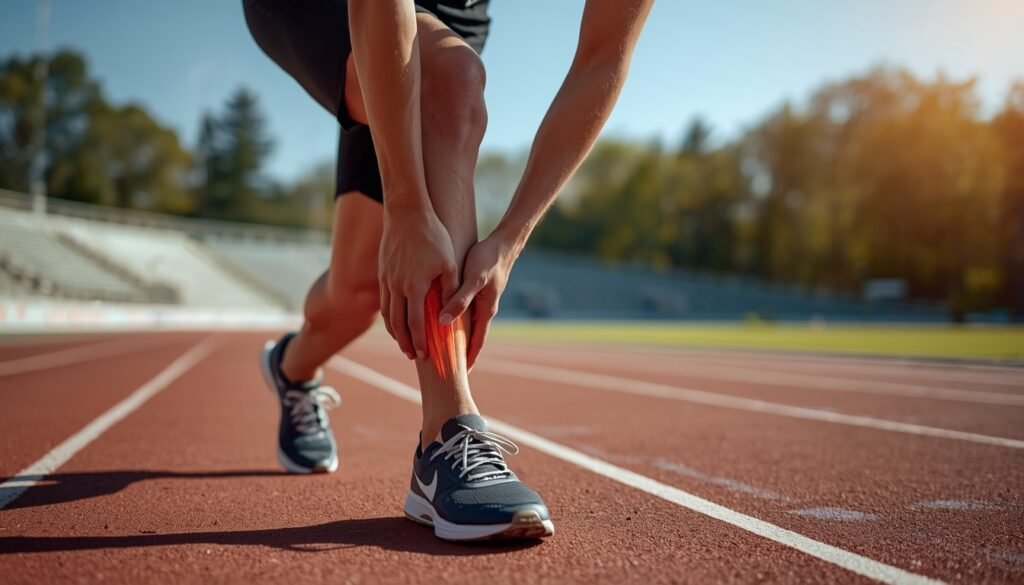
Muscle contraction is an electrical event. When a nerve signal arrives at a muscle fibre, calcium ions rush into the cell and trigger the contraction. Potassium then restores the resting membrane potential, allowing the muscle to relax and prepare for the next contraction. Sodium coordinates the nerve signal’s transmission along the motor neurone.
When any of these electrolytes is depleted, the electrical signalling becomes unreliable. The result — experienced as muscle cramping, weakness, spasms, or the inability to sustain effort — is not a mechanical problem in the muscle. It is an electrical signalling failure caused by an electrolyte deficit.
The Role of Magnesium — The Overlooked Electrolyte
Magnesium deserves specific attention because it is the most commonly deficient electrolyte in the general population and the one least likely to be discussed outside clinical settings. Magnesium is a cofactor in over 300 enzymatic reactions—including ATP (energy) production, protein synthesis, blood glucose regulation, and the maintenance of normal heart rhythm. It also plays a critical role in muscle relaxation: if calcium drives contraction, magnesium enables the release of that contraction. Chronically low magnesium is associated with increased muscle cramp frequency, poor sleep quality, elevated anxiety, fatigue, and impaired athletic recovery — all symptoms that are frequently attributed to other causes.
Research & Science
Study 1: Electrolyte Depletion and Exercise-Associated Muscle Cramps
Finding: A widely cited review published in the British Journal of Sports Medicine (2008) challenged the popular assumption that muscle cramps during exercise are primarily caused by dehydration. Evidence pointed more strongly to electrolyte depletion — particularly sodium — as the dominant trigger in exercise-associated muscle cramping, with altered neuromuscular control as the underlying mechanism.
What It Means: Reaching for water when you cramp during exercise may not address the actual cause. Sodium and potassium replacement — before and during prolonged exercise — is a more targeted intervention than hydration alone.
Journal: British Journal of Sports Medicine, 2008
DOI: 10.1136/bjsm.2008.050401
PubMed: https://pubmed.ncbi.nlm.nih.gov/18981039/
Study 2: Hyponatremia in Endurance Athletes — The Risk of Over-Hydration
Finding: Research published in the New England Journal of Medicine (2005) — monitoring 488 runners in the Boston Marathon — found that 13% of finishers had hyponatraemia (low blood sodium) at the finish line. Those who gained weight during the race (indicating excess water intake without sodium) were at highest risk. Severe hyponatraemia can cause seizures, coma, and death.
What It Means: Drinking excessive plain water during endurance exercise without sodium replacement is not protective — it is a clinical risk. Electrolyte-containing fluids or sodium supplementation are evidence-based strategies for prolonged exercise lasting over 90 minutes.
Journal: New England Journal of Medicine, 2005
DOI: 10.1056/NEJMoa043901
PubMed: https://pubmed.ncbi.nlm.nih.gov/15829535/
Electrolyte balance and blood sugar regulation are closely connected — both affect your energy levels, cognitive function, and overall metabolic health. For a deeper understanding of how diet impacts your daily energy, read our guide on understanding blood sugar and energy balance.
Study 3: Magnesium Deficiency, Fatigue, and Exercise Performance
Finding: A randomised controlled trial published in the Journal of the American College of Nutrition (2012) found that magnesium supplementation in mildly deficient adults produced significant improvements in exercise performance, reduced oxygen consumption during moderate exercise, and improved post-exercise recovery markers compared to placebo.
What It Means: Magnesium deficiency — which affects a substantial proportion of the general population — has measurable, performance-relevant consequences. Addressing it through diet or supplementation produces observable benefit in both athletic and general population contexts.
Journal: Journal of the American College of Nutrition, 2012
DOI: 10.1080/07315724.2012.10720038
PubMed: https://pubmed.ncbi.nlm.nih.gov/22855577/
Expert Insight:
Dr Stacy Sims, exercise physiologist and nutrition scientist at the University of Waikato, has emphasised in peer-reviewed publications that sodium replacement during exercise is the most critical and most neglected aspect of hydration strategy – particularly for female athletes, who face distinct hormonal influences on fluid and electrolyte regulation across the menstrual cycle. (Source: Sims ST et al., British Journal of Sports Medicine, 2021. DOI: 10.1136/bjsports-2021-104213)
Evidence Quality Note: Studies cited include randomised controlled trials, large prospective cohort studies, and peer-reviewed systematic reviews. Sports nutrition research can be influenced by industry funding; citations in this article are from independent, peer-reviewed sources. Individual electrolyte needs vary substantially based on sweat rate, body composition, training volume, and health status. Consult a sports dietitian for personalised guidance.

Quick Wins to Improve Electrolyte Balance Today
Five practical changes that will improve your electrolyte status starting immediately:
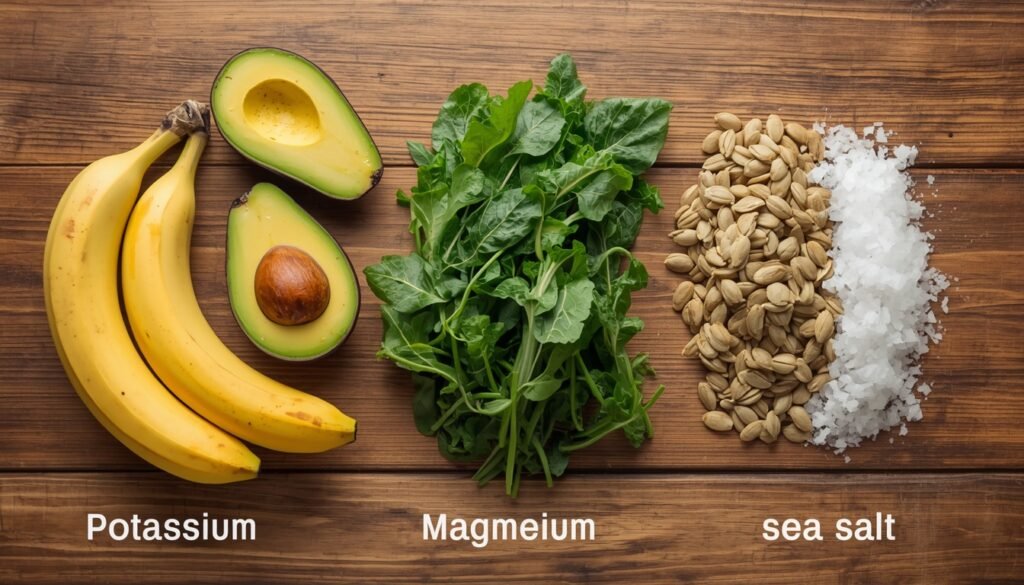
1. Add a pinch of quality salt to your morning water. Not a sports drink — a small pinch of sea salt or pink Himalayan salt in your first glass of water initiates sodium balance from the moment you wake. Overnight, the body loses sodium through urine even during sleep.
2. Eat one potassium-rich food at every meal. Bananas are the famous example, but sweet potatoes, avocados, spinach, white beans, and salmon all contain more potassium per serving. The adequate intake for potassium is 2,600–3,400 mg daily – a target most people miss significantly.
3. Add magnesium-rich foods daily. Dark leafy greens, pumpkin seeds, dark chocolate (70%+), almonds, black beans, and whole grains are the most accessible sources. One ounce of pumpkin seeds alone provides approximately 150mg of magnesium — roughly 35–40% of the daily requirement.
4. Do not rely on plain water alone during exercise over 60 minutes. After 60 minutes of moderate to vigorous exercise, electrolyte replacement becomes meaningful. Coconut water, a homemade electrolyte drink (water, citrus, salt, and a small amount of honey), or electrolyte tablets without excessive sugar are practical options.
5. Watch the caffeine and alcohol. Both are diuretics that promote electrolyte excretion through increased urination. They are not electrolyte villains in moderation — but heavy consumption without compensation actively depletes sodium, potassium, and magnesium over time.
Building a nutrient-dense diet is the foundation of good health — and electrolytes are just one piece of the puzzle. Whole foods provide the vitamins, minerals, and phytonutrients your body needs to function optimally every day. For a complete overview of the best foods for natural health and how to build a balanced eating pattern, explore our guide on best foods for natural health and nutrition.
Case Study
The following examples are composites based on clinical patterns documented in sports nutrition and general dietetic practice. They do not represent specific individuals. Individual outcomes vary.
Clinical Example 1 — Marathon Runner, Female, 34: Experiencing severe cramping in both calves during the final 10km of long training runs, despite carrying water. Dietary assessment revealed sodium intake well below training requirements and potassium intake of approximately 1,800 mg daily — significantly below the 3,400 mg adequate intake for women of her age. Addition of electrolyte tablets during runs longer than 90 minutes and a dietary potassium increase through daily avocado and sweet potato resolved cramping within four weeks.
Clinical Example 2 — Office Worker with Afternoon Energy Crash, Male, 41: Reporting consistent fatigue between 2 and 4 PM daily, despite adequate sleep and caloric intake. No exercise-related cause. Serum magnesium was low-normal (0.75 mmol/L). Food-first magnesium increase through pumpkin seeds, dark chocolate, and spinach across eight weeks produced self-reported improvements in sustained afternoon energy and sleep quality — consistent with published literature on magnesium’s role in ATP production and sleep architecture.
Clinical Example 3 — Ketogenic Diet Follower, Female, 29: Six weeks into a ketogenic dietary approach, experiencing fatigue, muscle weakness, and heart palpitations—symptoms commonly described in keto adaptation literature. Ketogenic diets significantly reduce insulin levels, which in turn increases renal excretion of sodium and potassium. A deliberate electrolyte replacement strategy (sodium through broth and salted whole foods, potassium through avocado and leafy greens, and magnesium supplementation) resolved symptoms within two weeks.
Clinical Example 4 — Elderly Adult with Recurrent Cramps, Male, 68: Nighttime leg cramps disrupting sleep three to four times weekly. Common medications including a diuretic for blood pressure were identified as contributing to potassium and magnesium loss. Worked with a physician to adjust medication timing and a dietitian to increase dietary potassium and magnesium. The combined approach produced a significant reduction in cramp frequency within six weeks.
Individual outcomes vary. These examples reflect documented clinical patterns and are not predictive of any specific person’s response.
Simple Framework
Step
Action
Ask Yourself
1
Identify Your Situation
Am I exercising heavily, sweating a lot, eating low-carb, or using diuretics?
2
Find Your Gap
Which electrolytes am I likely missing — sodium, potassium, or magnesium?
3
Food First, Supplement Second
Can I close this gap through whole foods before reaching for a supplement?
How to use this: Most electrolyte problems have a context — exercise, heat, diet type, or medication. Identifying your specific situation points directly to which electrolytes deserve priority. For most non-athletes eating a varied diet, potassium and magnesium are the most likely gaps. For active people and heavy sweaters, sodium becomes equally important. Start with food. Supplement only where food-first strategies prove insufficient.
Original Insight
Here is something the sports drink industry has never had an interest in telling you: the most effective electrolyte strategy for most people costs almost nothing and comes in whole food form — not a brightly coloured bottle.
The global sports drink market is worth over $25 billion annually and is built largely on the premise that electrolyte replacement requires a specialised product. In reality, the sodium, potassium, magnesium, and calcium in a meal of sweet potato, spinach, salmon, and a small amount of sea salt contain a more complete and bioavailable electrolyte profile than the vast majority of commercial sports drinks — at a fraction of the cost and without the sugar load.
Commercial electrolyte products have a legitimate role in specific contexts: prolonged endurance events, extreme heat conditions, and clinical dehydration situations where food is not practical. But the framing of electrolytes as something that must be purchased—rather than eaten—has created a widespread belief that whole-food electrolyte strategies are insufficient, when the evidence consistently shows the opposite for most people under most circumstances.
The most sustainable electrolyte strategy is a diverse, whole-food diet rich in vegetables, legumes, nuts, seeds, and appropriately salted meals. Everything else — drinks, powders, tablets — is supplementary to that foundation, not a replacement for it.
The honest summary: Nature packaged electrolytes in food long before anyone packaged them in a bottle. For daily life and moderate exercise, food wins.
Featured Snippet
What do electrolytes actually do and why do you need them?
Electrolytes are charged minerals — sodium, potassium, magnesium, calcium, and others — that regulate fluid balance, nerve signalling, and muscle contraction in the human body. Without adequate electrolytes, water cannot move correctly into cells, muscles cannot contract and relax reliably, and the brain’s electrical communication becomes impaired. They are the reason cramps, fatigue, and brain fog often persist despite drinking plenty of water – and why hydration without electrolytes is physiologically incomplete.
Practical Strategies
Strategy 1 — Eat Potassium-Rich Foods at Every Meal
Potassium is identified as a nutrient of public health concern in the Dietary Guidelines for Americans because most adults consume significantly less than the Adequate Intake of 2,600–3,400 mg per day. The solution is not a supplement – it is the deliberate inclusion of potassium-dense whole foods at each meal. Avocado (approximately 700mg per 150g), sweet potato (approximately 540mg per medium potato), white beans (approximately 600mg per half cup), spinach (approximately 420mg per cup cooked), and salmon (approximately 628mg per 90g serving) are among the most potassium-rich accessible foods.
Real example: A lunch of a sweet potato with a side of spinach and white beans provides approximately 1,500mg of potassium — more than half the daily Adequate Intake in a single, inexpensive meal.
Strategy 2 — Prioritize Magnesium Through Food Before Supplements
Given that nearly half of American adults fall below magnesium requirements through diet alone, a deliberate food-based magnesium strategy is one of the highest-return dietary changes most people can make. The richest food sources include pumpkin seeds (approximately 150 mg per ounce), dark chocolate 70%+ (approximately 65 mg per ounce), almonds (approximately 80 mg per ounce), black beans (approximately 60 mg per half cup cooked), and leafy greens including spinach and Swiss chard.
For individuals who cannot consistently reach the RDA of 310–420 mg daily through food, magnesium glycinate or magnesium malate are among the better-tolerated supplement forms — associated with fewer gastrointestinal side effects than magnesium oxide, which is the most common but least bioavailable form found in standard supplements.
Real example: Adding one ounce of pumpkin seeds and one square of dark chocolate as a daily afternoon snack adds approximately 215mg of magnesium with minimal dietary disruption.
Strategy 3 — Do Not Fear Salt — Contextualize It
Sodium has been the subject of decades of dietary advice centred on reduction, and for good reason: excessive sodium intake is associated with elevated blood pressure in sodium-sensitive individuals. However, the picture is more nuanced for active people, heavy sweaters, and those eating whole-food diets low in processed food. Sweat contains significant sodium — losing 1–2 litres of sweat removes approximately 500–1,500 mg of sodium. For people with high physical activity levels or hot environments, replacing some of that sodium through modest, strategic salt use is physiologically appropriate, not harmful.
The evidence-based guidance is not “avoid sodium” — it is “avoid excess sodium from processed food while replacing appropriately for your activity level and sweat rate”. These are meaningfully different recommendations.
Real example: Adding a pinch of sea salt to water consumed before a morning workout and lightly salting whole-food meals is a practical sodium strategy for active individuals that does not approach the upper limit of 2,300mg daily from processed food sources.
Strategy 4 — Adjust Electrolyte Strategy Around Exercise Duration
The exercise duration threshold at which electrolyte replacement becomes important is approximately 60 minutes of moderate-to-vigorous activity. For shorter sessions, water is generally sufficient for most people under normal temperature conditions. For sessions lasting 60–90 minutes or more — particularly in heat or with heavy sweating — sodium is the most critical electrolyte to replace during the session. Potassium and magnesium are more important in post-exercise recovery nutrition.
Practical pre-exercise options: a small salted meal 90–120 minutes before training or a pinch of salt in pre-workout water. During exercise over 90 minutes: electrolyte tablets, coconut water, or a homemade sodium-containing drink. After exercise: potassium and magnesium restoration through a whole-food recovery meal.
Real example: A recovery meal of salmon, sweet potato, and spinach with a glass of coconut water provides sodium, potassium, magnesium, and calcium in biologically appropriate proportions — without any commercial supplement required.
Strategy 5 — Pay Special Attention on a Low-Carbohydrate Diet
Low-carbohydrate and ketogenic diets lower insulin levels significantly. Insulin signals the kidneys to retain sodium — so lower insulin means increased sodium excretion through urine. This also pulls potassium and water with it. The result — commonly described as the “keto flu” (fatigue, headaches, muscle weakness, and heart palpitations in the first two to four weeks of carbohydrate restriction) — is primarily an electrolyte and fluid depletion phenomenon, not a reflection of the diet being harmful.
If following a low-carbohydrate dietary approach, deliberate electrolyte replacement is not optional—it is a physiological requirement. Sodium from broth and salted whole foods, potassium from avocado and leafy greens, and magnesium from nuts and seeds should be explicitly planned into the dietary framework from the first week.
Real example: One cup of bone broth provides approximately 400–900mg of sodium (depending on brand or preparation), making it one of the most efficient and practical sodium sources during carbohydrate restriction.
Strategy 6 — Monitor Electrolyte-Depleting Habits
Several common habits and medications deplete electrolytes without the individual realising it. Diuretic medications (prescribed for blood pressure, heart failure, and fluid retention) increase urinary excretion of potassium and magnesium — a clinically documented effect that is frequently monitored but less frequently communicated to patients in practical dietary terms. Heavy caffeine consumption promotes mild diuresis. Alcohol increases urinary loss of potassium, magnesium, and zinc. Chronic stress elevates cortisol, which promotes sodium retention but increases magnesium excretion over time.
None of these are reasons to eliminate caffeine, avoid alcohol entirely, or eliminate medication. There are reasons to be aware that these factors shift electrolyte requirements upward — and to address that shift through diet proactively.
Real example: Someone taking a daily diuretic for blood pressure management who also exercises regularly may have potassium requirements that are difficult to meet without specific dietary attention — making daily inclusion of potassium-dense foods a clinical priority, not an optional upgrade.
Physical activity is one of the best ways to support overall health — and walking is one of the most accessible forms of exercise that also helps regulate fluid balance and circulation. Discover the benefits in our guide on the quiet power of walking for health and longevity.
Strategy 7 — Read Electrolyte Product Labels Critically
The commercial electrolyte market includes products ranging from genuinely useful to essentially marketing with sugar water. When evaluating an electrolyte product, the labels worth reading are sodium content (the most critical electrolyte during exercise — look for at least 200–500 mg per serving in exercise products), potassium content, magnesium content, and sugar content. Products containing more than 25–30 g of sugar per serving are primarily energy drinks with electrolyte labelling rather than genuine hydration tools.
For daily use outside intense exercise, whole-food strategies consistently outperform commercial products both in electrolyte completeness and cost-effectiveness. Commercial products have genuine utility for convenience during prolonged endurance events, travel, or illness-related dehydration where food is impractical.
Real example: Many popular electrolyte powders contain 10–50mg of sodium per serving — a fraction of what is lost in even a moderate sweat session. Compare labels carefully. The sodium content is the most meaningful number for exercise hydration purposes.
Common Mistakes
Mistake
Why It Fails
Fix
Drinking more water when experiencing cramps
Dilutes plasma sodium further; worsens the electrolyte imbalance
Replace electrolytes – particularly sodium – alongside fluids
Assuming electrolyte drinks are always the answer
Many commercial products contain inadequate sodium and excess sugar
Read labels; prioritize sodium content, and use whole food strategies for daily needs
Ignoring magnesium entirely
Magnesium is deficient in nearly half the adult population and affects energy, sleep, and muscle function
Include pumpkin seeds, dark chocolate, leafy greens, and almonds consistently
Not adjusting electrolytes on a low-carb diet
Carbohydrate restriction increases electrolyte excretion significantly
Proactively increase sodium, potassium, and magnesium from the first week of carbohydrate restriction
Avoiding salt completely
Blanket sodium avoidance ignores the significant sodium losses through sweat in active individuals
Reduce processed food sodium while replacing appropriately for activity level
Relying on potassium from bananas alone
Bananas are a good source (~420mg) but well below the daily requirement in isolation
Diversify potassium sources: avocado, sweet potato, white beans, spinach, salmon
When To See a Doctor
Seek medical attention promptly if you experience:
Severe muscle weakness or paralysis alongside cramping (possible significant hypokalemia — low potassium)
Heart palpitations, irregular heartbeat, or chest discomfort — electrolyte imbalances directly affect cardiac rhythm
Confusion, severe headache, or altered mental status after drinking large amounts of plain water during exercise (possible hyponatremia — dangerously low blood sodium)
Seizures in any context where heat exposure or heavy fluid intake has occurred
Persistent vomiting or diarrhea lasting more than 24 hours — both cause rapid, significant electrolyte depletion
Schedule a non-emergency appointment if:
You experience frequent muscle cramps, persistent fatigue, or poor sleep that does not improve with dietary changes after four to six weeks
You are on diuretic or blood pressure medications and have never discussed electrolyte monitoring with your prescribing physician
You follow a ketogenic or very low-carbohydrate diet and experience ongoing symptoms despite electrolyte replacement attempts
Blood electrolyte levels are measurable through a standard metabolic panel — a routine blood test available through any primary care physician. If you suspect electrolyte imbalance is affecting your health or performance, requesting this test is a straightforward and inexpensive first step.
Key Takeaways
Electrolytes are essential charged minerals — sodium, potassium, magnesium, calcium, and others — that govern fluid balance, nerve signaling, and muscle contraction
Drinking more water without electrolyte replacement does not solve dehydration-related fatigue and cramping — and can worsen it in cases of low sodium
Magnesium is deficient in approximately 48% of American adults and is the most overlooked electrolyte in general health conversations
Potassium is a nutrient of public health concern, with most adults consuming significantly less than the adequate intake.
Exercise lasting over 60 minutes requires electrolyte replacement strategy, not just water
Low-carbohydrate and ketogenic diets significantly increase electrolyte excretion – requiring deliberate replacement from the first week
Whole food strategies — vegetables, legumes, nuts, seeds, and appropriately salted meals — are the foundation of sound electrolyte nutrition
Commercial electrolyte products have legitimate utility in specific contexts; evaluate them by sodium content, not marketing language
FAQs
Q1: How do I know if I am low in electrolytes?
Common symptoms of electrolyte depletion include muscle cramps, unexplained fatigue, brain fog, headaches, heart palpitations, and poor exercise performance despite adequate sleep and nutrition. These symptoms are non-specific and can have other causes — but if they occur alongside heavy sweating, low carbohydrate intake, diuretic use, or prolonged exercise, electrolyte depletion is a likely contributing factor. A standard blood metabolic panel can confirm serum electrolyte levels for the most clinically significant minerals.
Q2: Is coconut water actually a good electrolyte source?
Coconut water is a legitimate natural source of potassium (approximately 390–600 mg per 250 ml), magnesium, and calcium. It is lower in sodium than most commercial sports drinks—making it well-suited for general daily hydration and light to moderate exercise but less appropriate as a primary electrolyte source for heavy or prolonged exercise where sodium replacement is the priority. It is a genuinely useful whole-food electrolyte option when sodium is addressed separately.
Q3: Should I take electrolyte supplements every day?
For most healthy adults eating a varied whole-food diet and not engaging in heavy daily exercise or living in extreme heat, deliberate daily electrolyte supplementation is unnecessary. The priority is building a food-first strategy that covers potassium and magnesium adequately. Supplementation is most appropriate for people with elevated requirements — heavy exercisers, those on low-carbohydrate diets, people taking diuretics, or individuals who cannot consistently meet requirements through food.
Q4: Can too many electrolytes be harmful?
Yes. Electrolyte toxicity — while uncommon from food sources in healthy adults — can occur from excessive supplementation. Hyperkalaemia (excess potassium) can cause dangerous cardiac arrhythmias and is particularly relevant for individuals with kidney disease, who cannot excrete excess potassium efficiently. Hypernatraemia (excess sodium) can cause serious neurological symptoms. These conditions are rare from whole-food sources but represent real risks from high-dose supplementation, particularly in individuals with impaired kidney function. Supplementation at high doses should always be discussed with a healthcare provider.
Q5: Are homemade electrolyte drinks effective?
Yes — and for most people, they are equally or more effective than commercial products for non-elite exercise contexts. A practical recipe: 500 ml of water, the juice of half a lemon or orange (potassium and vitamin C), a small pinch of sea salt (sodium and chloride), and optionally a teaspoon of honey (a small glucose amount to support sodium absorption). This provides a physiologically meaningful electrolyte profile at negligible cost and without artificial ingredients or excessive sugar.
Q6: Do electrolyte needs change with age?
Yes, meaningfully. Kidney efficiency in regulating electrolyte balance declines with age, making older adults more vulnerable to both electrolyte depletion and excess. Appetite changes and reduced dietary variety in older adults often reduce potassium and magnesium intake. Additionally, many medications commonly prescribed in older populations — including diuretics, ACE inhibitors, and certain heart medications — directly affect electrolyte levels. Adults over 60 should discuss electrolyte status with their physician, particularly if taking any of these medications.
30-Day Electrolyte Reset Plan
Week 1 — Assess Your Current Picture
For the first five days, track your food intake specifically for sodium, potassium, and magnesium using a nutritional tracking application (Cronometer provides the most detailed micronutrient data). Do not change your diet yet — observe honestly. Note whether you exercise regularly, sweat heavily, drink alcohol frequently, or follow any carbohydrate-restricted diet. These factors determine your electrolyte priorities. By the end of this week, you will have a specific picture of where your gaps are rather than a vague intention to “do better”.
Week 2 — Build the Food Foundation
This week, make two consistent food changes based on your Week 1 assessment. If potassium were low: add one potassium-rich food (avocado, sweet potato, white beans, or spinach) to lunch and dinner daily. If magnesium were low: add one ounce of pumpkin seeds or almonds as a daily snack and include leafy greens at one meal per day. Also: switch to lightly salting whole-food meals if you have been avoiding salt entirely and are physically active.
Week 3 — Optimize Around Exercise
If you exercise, this week focus on your hydration and electrolyte strategy around training. For sessions under 60 minutes: water is sufficient. For sessions over 60 minutes: try an electrolyte strategy — either a commercial tablet with meaningful sodium content (200 mg+) or a homemade drink. Add a potassium and magnesium-rich recovery meal within two hours of your longest session of the week. Note any changes in cramping, energy, or recovery quality.
Week 4 — Refine and Maintain
Review your progress against the Week 1 baseline. Has cramping reduced? Has energy improved? Has afternoon fatigue lessened? Identify the two or three specific changes that produced the most noticeable difference and commit to making them permanent dietary habits. Electrolyte nutrition is not a one-month intervention — it is a foundation that, once established through consistent food choices, largely takes care of itself without ongoing effort or expense.
Final Thought
Electrolytes do not ask for much attention — they simply ask for a consistent, adequate supply. When they get it, they work invisibly: your muscles fire reliably, your energy sustains through the day, your sleep is restful, and your heart rhythm stays steady. When they do not, the absence announces itself through every system they support.
The solution is not complicated. It is not expensive. It does not require a supplement subscription or a refrigerator full of sports drinks. It requires a genuine understanding of what your body needs — and the consistent decision to provide it through the most reliable source available: real, whole food.
Your energy, your recovery, and your performance are waiting on the other side of a more deliberate plate.
Conclusion
My honest advice is to stop chasing fancy sports drinks and fix your plate instead. Eat avocado, sweet potato, spinach, pumpkin seeds, and salt your food properly. If you exercise hard or sweat a lot, add sodium around your workouts. This is not complicated — but it changed everything for me.
Electrolytes are not a fitness trend. They are not a marketing concept. They are a biological requirement – charged minerals that make the difference between a body that functions well and one that doesn’t, between energy that sustains and energy that crashes, and between muscles that work and muscles that cramp. electrolytes, energy, cramps, hydration
Most people are quietly running low on potassium and magnesium every single day. Most athletes are under-replacing sodium during training. Most people following low-carbohydrate diets are navigating the first difficult weeks with avoidable symptoms that a clear electrolyte strategy would prevent.
The information exists. The whole foods that deliver it are affordable and accessible. The question is simply whether you will pay attention to this aspect of nutrition — or continue blaming poor sleep, stress, and overwork for symptoms that a pinch of salt, an avocado, and a handful of pumpkin seeds might quietly resolve.
References
Exercise-Associated Muscle Cramps — Causes and Return to Play
Schwellnus MP.
British Journal of Sports Medicine, 2008
DOI: 10.1136/bjsm.2008.050401
PubMed: https://pubmed.ncbi.nlm.nih.gov/18981039/
Hyponatraemia Among Runners in the Boston Marathon
Almond CS, Shin AY, Fortescue EB, et al.
New England Journal of Medicine, 2005
DOI: 10.1056/NEJMoa043901
PubMed: https://pubmed.ncbi.nlm.nih.gov/15829535/
Magnesium Supplementation and Exercise Performance
Lukaski HC, Nielsen FH.
Journal of the American College of Nutrition, 2012
DOI: 10.1080/07315724.2012.10720038
PubMed: https://pubmed.ncbi.nlm.nih.gov/22855577/
Sex Differences and the Role of Hormones in Fluid and Electrolyte Regulation
Sims ST, et al.
British Journal of Sports Medicine, 2021
DOI: 10.1136/bjsports-2021-104213
NIH Office of Dietary Supplements — Magnesium Fact Sheet
National Institutes of Health, 2022
https://ods.od.nih.gov/factsheets/Magnesium-HealthProfessional
Dietary Guidelines for Americans, 2020–2025
U.S. Department of Agriculture and U.S. Department of Health and Human Services
https://www.dietaryguidelines.gov
Potassium and Health — Nutrient of Public Health Concern
Weaver CM.
Advances in Nutrition, 2013
DOI: 10.3945/an.112.003533
PubMed: https://pubmed.ncbi.nlm.nih.gov/23674805/
Disclaimer
This article is intended for educational and general informational purposes only. It does not constitute medical or dietetic advice and is not a substitute for consultation with a qualified physician, registered dietitian nutritionist, sports medicine specialist, or licensed healthcare professional. Electrolyte imbalances can be serious medical conditions; if you suspect significant imbalance or experience severe symptoms, seek medical evaluation promptly. All statistics and citations were verified at time of publication. Individual electrolyte needs vary substantially based on health status, activity level, medications, and other factors.
About the Author
HealthFitnessBloom Editorial Team
HealthFitnessBloom is dedicated to providing science-backed health, fitness, and wellness information to help readers live healthier lives. Our editorial team researches, writes, and reviews content to ensure accuracy, clarity, and practical value.