
Written By: HealthFitnessBloom Editorial Team
Reviewed By: HealthFitnessBloom Editorial Review Team
Last Updated: September 2026
Research Transparency: All studies are independently verified through PubMed, NIH, WHO, and peer-reviewed journal databases.
Editorial Standards: Content reviewed against current scientific evidence. Claims cross-checked with PubMed, NIH, WHO, and primary journal sources. No sponsored influence on conclusions

Table of Contents
I did not notice stress becoming a problem — it crept in so slowly that I thought I was managing it. Then I found myself snapping at people I loved and lying awake at 2 AM over things I could not solve. It took me a long time to understand that my body was not weak; it was overloaded.
Introduction
What Is Daily Stress and Why Does It Matter?
Who Should Read This?
Key Statistics
Personal Story
Why It Happens
Research & Science
Stress Burden Audit — How Heavy Is Yours?
Quick Solutions
Simple Framework
Thinking Model
Original Insight
Featured Snippet
Practical Strategies
Common Mistakes
When To See a Doctor
Key Takeaways
FAQs
30-Day Natural Stress Management Plan
Final Thought
Conclusion
References
Disclaimer
Introduction
It does not arrive dramatically. There is no single moment when stress becomes a problem — it accumulates in layers so gradually that most people don’t notice how heavy they’ve become until they find themselves snapping at someone they love, lying awake at 2 AM over something that cannot be solved at 2 AM, or staring at a screen with no memory of why they opened it. managing daily stress naturally
Daily stress in 2026 is not the acute, identifiable kind that humans evolved to handle — the kind that resolves when the lion walks away. It is chronic, ambient, and sourceless in the way that modern life has perfected: the unopened emails, the financial calculations that never quite add up, the social comparisons delivered in curated highlight reels, the news cycle that treats catastrophe as entertainment. The nervous system was not designed for this. It was designed for short bursts of intense stress followed by genuine recovery. What it gets instead is a low hum of pressure that never fully stops.
The consequences are not trivial. Chronic daily stress is now one of the most well-documented contributors to cardiovascular disease, immune dysfunction, sleep disorders, metabolic disruption, anxiety, and depression. And yet it remains profoundly undertreated — partly because it doesn’t feel like an illness, partly because the culture rewards people who push through it, and partly because the solutions on offer are often vague, impractical, or completely disconnected from the science of how stress actually works in the body.
This guide is different. It will explain what stress is doing to you biologically, which natural interventions have the strongest scientific evidence behind them, and how to build a realistic, sustainable system for managing it in your actual life – not in a life with more time, more money, or a simpler schedule. This one. Starting now.

What Is Daily Stress and Why Does It Matter?
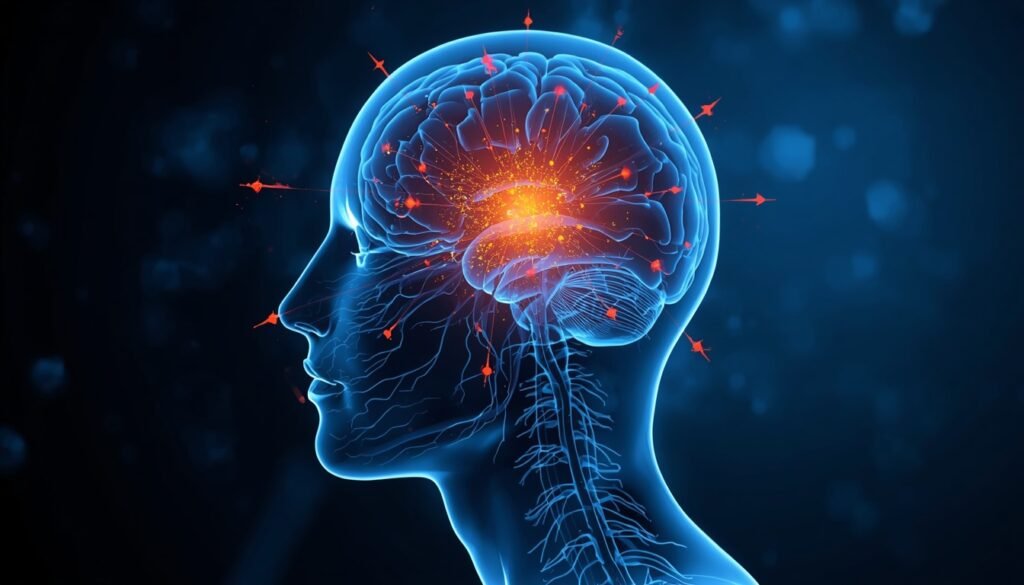
‘Daily stress’ refers to the cumulative physiological and psychological burden produced by ongoing demands, pressures, and perceived threats—particularly those that are chronic, unresolvable in the short term, or simply relentless in their frequency. Unlike acute stress — which activates the body’s fight-or-flight response briefly and then resolves — chronic daily stress maintains a sustained activation of the hypothalamic-pituitary-adrenal (HPA) axis, keeping cortisol, adrenaline, and other stress hormones elevated beyond their intended short-term function.
This matters because the human body was not designed to sustain these stress hormones at elevated levels for months or years. When they persist, they begin to damage the very systems they were meant to protect — inflaming blood vessels, disrupting sleep architecture, impairing immune function, altering gut microbiome composition, and gradually eroding the brain structures responsible for emotional regulation and clear thinking.
In simple terms: Daily stress is not just feeling overwhelmed. It is a sustained biological state that, left unmanaged, quietly damages health from the inside — and responding to it naturally is not a lifestyle preference; it is a physiological necessity.
Who Should Read This?
This guide is designed for a wide range of people, because chronic daily stress is one of the most universal experiences in contemporary life:
Beginners who feel persistently stressed but have never understood what is actually happening in their bodies — or why certain natural interventions work.
People struggling right now who have tried “just relaxing” or “thinking positively” without lasting effect and want strategies grounded in actual science.
Health-conscious readers who want to protect their long-term health by addressing one of its most documented threats before it becomes a clinical concern.
Lifestyle improvement seekers who want a structured, practical, science-backed system for stress management that fits into a real, busy life.
Students or researchers interested in stress physiology, psychoneuroimmunology, and the evidence base behind natural stress reduction techniques.
If you have been treating stress as a personal failing rather than a biological signal, this article is especially for you.
Key Statistics
The scale of chronic stress as a public health issue is both sobering and clarifying:
The American Psychological Association’s 2023 Stress in America survey found that 77% of adults reported experiencing physical symptoms caused by stress in the past month, with work, finances, and global events cited as primary sources.
The World Health Organization identifies stress-related conditions as responsible for a significant portion of the global burden of non-communicable disease — including contributing factors in cardiovascular disease, which remains the world’s leading cause of death (WHO, 2023).
Chronic stress has been shown to reduce telomere length — a key biological marker of cellular ageing — suggesting that unmanaged chronic stress accelerates biological ageing at the cellular level (PubMed-indexed epigenetics research).
A landmark study by the American Institute of Stress found that 83% of U.S. workers suffer from work-related stress, with 25% describing it as the number one stressor in their lives.
Research published in JAMA Internal Medicine found that mind-body practices, including mindfulness, yoga, and breathing-based interventions, produced measurable reductions in cortisol levels, inflammatory markers, and self-reported stress across multiple study populations.
These statistics do not describe an exceptional minority of people under unusual pressure. They describe the baseline of modern life — and the scale of the need for genuinely effective, accessible, natural solutions.
Personal Story
The following is a fictional, educational example created to illustrate common experiences and does not represent a real individual.
Aisha, a 38-year-old marketing director and mother of two school-age children, had a stress level she would have described — if asked — as “manageable”. She was functional. She met deadlines. She showed up for her family. But she had not slept through the night in fourteen months. Her jaw hurt most mornings from clenching. She had developed a strange relationship with Sunday evenings — a creeping dread that arrived around 5 PM and didn’t lift until well into Monday morning.
She tried a meditation app. She lasted six days before abandoning it because sitting quietly felt, paradoxically, more agitating than distracting herself. She tried journaling. She tried cutting caffeine. She tried a weekend trip that left her feeling briefly better and immediately, crushingly worse upon returning — because nothing had changed.
What Aisha lacked was not willingness. She lacked a framework — a clear understanding of what her nervous system was doing, why the strategies she tried were not addressing it at the biological level, and what evidence actually supported people like her.
A conversation with her physician eventually led to a referral for a stress management programme grounded in breathing work, movement, and structured cognitive techniques. She did not transform. She did not find inner peace. But over twelve weeks, her sleep improved, her jaw pain reduced, and the Sunday dread — while not gone entirely — became something she could name, understand, and respond to rather than simply endure.

Why It Happens
Biological Reasons
What I learned is that daily stress is not just a feeling — it is a biological state. My body was keeping stress hormones switched on all day, every day, because modern life never truly feels safe or finished. The fatigue, the tension, and the poor sleep were all part of the same physiological picture. Once I understood that, the solutions finally started to make sense.
When the brain perceives a threat — whether physical or psychological, real or imagined — the hypothalamus triggers the release of corticotropin-releasing hormone (CRH), which activates the pituitary gland, which in turn stimulates the adrenal glands to release cortisol and adrenaline. This cascade — the HPA axis — is one of the most studied systems in human physiology. In acute situations, it is life-saving: it sharpens attention, elevates heart rate, mobilises glucose, and suppresses non-essential functions like digestion and immune response so that energy can be directed toward the perceived threat. The problem is that this system cannot reliably distinguish between a physical predator and a passive inbox. Perceived psychological threats – social judgement, financial worry, unresolved conflict – activate the same cascade. And in modern life, these threats are constant.
Lifestyle Reasons
Chronic daily stress is not only a product of external circumstances; it is significantly amplified by lifestyle conditions that the body interprets as additional stressors. Sleep deprivation elevates baseline cortisol and reduces the prefrontal cortex’s capacity to regulate emotional response, making stressors feel more intense and less manageable. Sedentary behaviour removes one of the body’s most effective cortisol-clearing mechanisms. Poor nutrition deprives the brain of the raw materials needed for neurotransmitters that buffer stress. Excessive caffeine and alcohol — common self-management tools — both worsen HPA axis regulation over time. And the absence of genuine recovery time — of activities that activate the parasympathetic nervous system — means the body accumulates stress load without ever fully discharging it.
If mornings tend to be your weakest point, our guide on morning habits for energy, focus, and calm goes deeper into building a calmer start to the day.
Common Daily Stress Triggers
Work overload and always-on digital communication that blurs the boundary between work and rest
Financial uncertainty producing sustained, unresolvable worry
Relationship conflict or the effort of managing difficult interpersonal dynamics
Health anxiety, especially following a diagnosis or health scare
Information overload and the chronic low-grade anxiety produced by news consumption
Research & Science
Study 1
Finding: A meta-analysis published in JAMA Internal Medicine reviewed 47 randomised controlled trials and found that mindfulness meditation programmes produced moderate improvements in anxiety, depression, and pain — with stress and cortisol reduction among the most consistently documented effects, persisting at follow-up assessments up to six months later.
What It Means For You: Mindfulness is not a wellness trend. It is a clinically reviewed intervention with a robust evidence base for stress reduction — and its effects are durable, not just immediate.
DOI: 10.1001/jamainternmed.2013.13018
PubMed Link: https://pubmed.ncbi.nlm.nih.gov/24395196/
Study 2
Finding: Research published in Psychoneuroendocrinology found that regular aerobic exercise — three to five sessions per week of moderate intensity — produced significant reductions in basal cortisol levels, improved HPA axis regulation, and measurably increased stress resilience in adults with high self-reported chronic stress.
What It Means For You: Exercise is not just good for the body — it is one of the most biologically direct interventions available for resetting the stress response system, with effects that build over weeks of consistent practice.
DOI: 10.1016/j.psyneuen.2010.05.014
PubMed Link: https://pubmed.ncbi.nlm.nih.gov/20579809/
Study 3
Finding: A study published in Frontiers in Human Neuroscience found that slow-paced breathing — specifically at 5–6 breath cycles per minute — directly and immediately activated the vagus nerve, increased heart rate variability (a key marker of stress resilience), and reduced subjective stress ratings within a single session, with effects improving significantly over four weeks of daily practice.
What It Means For You: Controlled breathing is not a soft suggestion — it is a precise, physiologically documented intervention that gives you direct access to your own nervous system’s calm switch, available at any moment and requiring no equipment.
DOI: 10.3389/fnhum.2018.00353
PubMed Link: https://pubmed.ncbi.nlm.nih.gov/30245622/
Expert Insight:
Expert Perspective: Chronic stress is not a character flaw or a response to exceptional circumstances — it is a physiological state produced by a mismatch between the demands placed on the nervous system and the recovery it is given. Natural stress management is not about eliminating stress – which is neither possible nor desirable – but about restoring the balance between activation and recovery that the nervous system was designed to maintain.
Stress Burden Audit — How Heavy Is Yours?
This section is unique to this topic. Rate each statement honestly from 0 (never) to 3 (almost always).
Statement
Score (0–3)
I feel “switched on” or unable to fully relax even during downtime
—
I have difficulty falling or staying asleep due to a busy mind
—
I experience physical tension — jaw, shoulders, neck — regularly
—
My mood is affected by small frustrations more than it used to be
—
I reach for food, alcohol, caffeine, or screens to manage my stress
—
I rarely take breaks during the workday that feel genuinely restorative
—
I feel guilty or anxious during periods of rest or inactivity
—
I have noticed changes in my digestion, skin, or immunity that seem stress-related
—
Score Interpretation:
0–8 — Managed Load: Stress is present but currently manageable. Building preventive habits now protects against future accumulation.
9–16 — Elevated Load: Your nervous system is carrying more than it is regularly discharging. Targeted daily interventions are likely to produce noticeable relief within two to four weeks.
17–24 — High Burden: Your stress load has reached a point where it is likely affecting your physical health, relationships, and cognitive function. Professional support alongside self-directed strategies is strongly recommended.
This tool is for self-reflection only and is not a clinical assessment instrument.
Quick Solutions
If you need something that works today—right now—these evidence-based interventions produce measurable physiological effects within minutes:
Slow your exhale – breathing out for twice as long as you breathe in (4 counts in, 8 counts out) activates the vagus nerve and begins a parasympathetic shift within 60–90 seconds.
Cold water on the face or wrists triggers the dive reflex, which immediately lowers heart rate and reduces acute stress response.
Step outside for five minutes – natural environments reduce cortisol measurably within minutes, a phenomenon documented across multiple controlled studies.
Name your stress out loud or in writing – affect labelling reduces the amygdala’s stress response in real time, as confirmed by neuroscience research.
Move for ten minutes — even a short walk begins clearing circulating cortisol and adrenaline from the bloodstream.
Put down your phone — removing the trigger of reactive digital stimulation is often the single fastest way to reduce ambient anxiety.
Drink water slowly — dehydration amplifies the physiological stress response; deliberate slow hydration also triggers a mild parasympathetic response through the act of intentional slowing.
If low energy makes it hard to start walking, our guide on natural weight loss and steady energy offers small changes that pair well with this routine.
Simple Framework
Step
Action
Ask Yourself
1
Measure
What is my current stress burden score — and where is it showing up physically?
2
Interrupt
What is the one daily trigger I can reduce, delay, or remove this week?
3
Recover
What is one genuine recovery activity I am not currently doing? That. Can I start tomorrow?
This framework is built on a principle most stress management advice misses: the goal is not only to reduce stress inputs – it is to increase recovery capacity. A nervous system that recovers well handles the same stressors very differently from one that never fully discharges. Steps one and two address the load. Step three – and it is the most commonly skipped – builds the resilience that makes the load bearable.
Thinking Model
Question 1: Why is this happening?
Rather than asking, “Why can’t I just handle this better?”—a question that generates shame rather than insight—ask what conditions have accumulated to make your nervous system feel unsafe. Stress is not a character response. It is a physiological response to perceived demand exceeding perceived resources. Understanding which resources are most depleted — sleep, social connection, agency, physical recovery — points toward the most relevant interventions.
Question 2: What am I missing?
Most people manage stress by reducing inputs (cutting commitments and avoiding triggers) but neglect outputs – the activities that actively discharge stress load from the body. The nervous system needs genuine recovery, not just the absence of stimulation. Ask honestly: when did you last do something that left you feeling genuinely restored rather than merely less depleted?
Question 3: What should I change first?
Start with sleep. Sleep is the body’s primary biological stress recovery mechanism — during deep sleep, cortisol drops, the nervous system resets, and emotional memories are processed and integrated. Every other natural stress management strategy works better on a brain that has slept adequately. If sleep is compromised, prioritising it produces upstream improvements in everything else.
Original Insight
Here is the insight that most stress management content avoids, because it is uncomfortable and structural: the most powerful thing you can do for your stress is not to manage it better — it is to question whether you have consented to the conditions producing it.
Most modern stress is not randomly occurring. It is produced by specific commitments, relationships, environments, and norms that we have — often unconsciously, often gradually — accepted as non-negotiable. The always-available work culture. The social calendar that prioritises presence over recovery. The news consumption that feels like civic duty but functions as chronic threat exposure. The standard of personal productivity that treats rest as a reward rather than a biological requirement.
Natural stress management techniques – breathing, movement, mindfulness, and sleep – are genuinely powerful. But they are most powerful when used to restore capacity for a life that is fundamentally livable, not as coping tools to sustain a life that has quietly become unsustainable.
The most underused natural stress intervention is the quiet, honest question: “Is this mine to carry?”
Not every demand on your time, attention, and emotional energy is a legitimate claim. Not every expectation is one you genuinely agreed to. And not every commitment that felt manageable at the time you made it still deserves the same allocation of the finite resource that is your nervous system’s capacity.
Reduce before you manage. Remove before you cope. The most natural stress intervention is the one that makes the stress unnecessary.

Featured Snippet
Yes, daily stress can be managed effectively through natural, evidence-based interventions that directly regulate the body’s stress response system. Techniques including controlled breathing, regular aerobic exercise, mindfulness practice, sleep optimisation, and nature exposure have all demonstrated measurable reductions in cortisol, inflammatory markers, and self-reported stress in peer-reviewed clinical research.
Natural Intervention
Primary Mechanism
Evidence Level
Timeline to Effect
Slow diaphragmatic breathing
Vagus nerve activation, parasympathetic shift
Strong
Minutes to days
Regular aerobic exercise
Cortisol regulation, HPA axis reset, endorphin release
Strong
2–4 weeks
Mindfulness meditation
Prefrontal cortex strengthening, amygdala regulation
Strong (RCT-backed)
4–8 weeks
Sleep optimization
Primary cortisol clearance and HPA axis reset
Very Strong
1–2 weeks
Nature exposure
Cortisol reduction, autonomic nervous system regulation
Moderate–Strong
Minutes to days
Social connection
Oxytocin release, buffering of HPA axis response
Strong
Immediate + cumulative
Dietary optimization (magnesium, omega-3)
Cortisol modulation, inflammation reduction
Moderate
4–6 weeks
Practical Strategies
Strategy 1 — Build a Daily Breathing Practice
Controlled breathing is the only autonomic nervous system function that is both involuntary and voluntarily controllable — which means it is the only direct lever most of us have to consciously shift from sympathetic to parasympathetic nervous system dominance at will. The most evidence-supported pattern is slow-paced breathing at approximately five to six breath cycles per minute — roughly five seconds in and five seconds out. Practiced for five to ten minutes daily, this technique has been shown to increase heart rate variability (a key measure of stress resilience), reduce baseline cortisol, and improve emotional regulation over time. A project manager who began five minutes of slow breathing before her first meeting of the day reported that the low-level dread she previously associated with mornings had measurably reduced within three weeks — without changing anything else.
Strategy 2 — Use Exercise as Pharmacology
Exercise is one of the most biologically direct natural interventions for chronic stress — not because it is distracting or pleasant (though it can be both), but because it literally metabolises the cortisol and adrenaline that stress has mobilised. When the body generates a stress response, those hormones are designed to power physical action. In modern life, the physical action rarely comes; the hormones simply accumulate. Aerobic exercise provides the physical discharge the stress system intended, while simultaneously triggering BDNF, endorphins, and serotonin that actively oppose the stress response. Three to five sessions per week of moderate aerobic activity — walking, cycling, swimming, or dancing — are sufficient to produce measurable HPA axis regulation improvements within two to four weeks.
Strategy 3 — Optimize Sleep as a Non-Negotiable
Sleep is the body’s primary biological stress recovery mechanism. During non-REM deep sleep, cortisol drops to its daily minimum, the glymphatic system clears metabolic waste from the brain, and emotional memories from the day are processed and integrated. Chronic sleep deprivation — defined as less than seven hours per night for most adults — elevates baseline cortisol, reduces prefrontal cortex function, and makes the same stressors feel significantly more threatening than they do in a rested state. Protecting sleep is not a passive wellness preference — it is an active intervention in the stress cycle. A consistent sleep schedule, a cool dark bedroom, no screens for 60 minutes before bed, and avoiding alcohol (which disrupts REM architecture despite feeling sedating) are the four most evidence-supported behavioural sleep interventions.
Pairing post-meal walks with the right foods can amplify benefits — explore our guide on why you lose energy after eating and simple fixes.
Strategy 4 — Spend Deliberate Time in Nature
The research on nature and stress is both consistent and underappreciated. Studies using cortisol testing before and after time in natural environments have repeatedly shown that even 20–30 minutes in a park, garden, or forest produces measurable reductions in cortisol and self-reported stress — effects that are independent of the exercise involved. A practice called “forest bathing” (Shinrin-yoku), which originated in Japan and has been extensively studied, involves deliberate, unhurried time in natural settings and has demonstrated reductions in blood pressure, cortisol, and sympathetic nervous system activity in multiple controlled trials. For people in urban environments, even a small park, a garden, or a tree-lined street provides meaningful benefit. A person who began eating lunch outside three days per week — in a nearby park rather than at their desk — reported measurably calmer afternoons within two weeks.
Strategy 5 — Prioritize Social Connection Deliberately
Humans are fundamentally social animals — the presence of trusted others is one of the most powerful biological buffers against the stress response. Oxytocin, released during positive social interaction, directly inhibits HPA axis activation and reduces cortisol. Loneliness and social isolation, conversely, is associated with chronically elevated cortisol, impaired immune function, and significantly higher all-cause mortality. The key distinction is between passive digital social contact — scrolling through others’ lives — and genuine human connection: conversation, shared physical presence, and mutual support. Someone who replaced one evening per week of social media scrolling with a real dinner with a close friend reported a persistent improvement in their general stress baseline that persisted even during objectively stressful weeks at work.
Strategy 6 — Practise Mindfulness as a Skill, Not a Session
The evidence for mindfulness as a stress intervention is now substantial enough that it features in multiple clinical guidelines. But mindfulness is most effective when understood not as a daily sitting session but as a skill — the trained capacity to notice present-moment experience without adding layers of worry, judgement, or catastrophising. This skill reduces stress not primarily during the practice itself but in the moments throughout the day when stress is generated: when the email arrives, when the queue is long, when the conversation turns difficult. Someone who completed an eight-week MBSR (Mindfulness-Based Stress Reduction) programme described the benefit not as feeling calmer during meditation but as “noticing the stress forming before it fully forms – and having a second to decide what to do with it.”
Strategy 7 — Adjust Nutrition to Support the Stress Response
The relationship between diet and stress is bidirectional: stress alters eating behaviour, and eating behaviour alters stress physiology. Specific nutritional factors have documented roles in stress regulation. Magnesium — found in leafy greens, nuts, seeds, and dark chocolate — acts as a natural calcium channel blocker in the nervous system and supports GABA (the brain’s primary calming neurotransmitter); deficiency is associated with elevated cortisol and increased anxiety. Omega-3 fatty acids reduce neuroinflammation associated with chronic stress. B vitamins support neurotransmitter synthesis. And consistent blood sugar – achieved through balanced meals with protein, fibre, and healthy fat – prevents the cortisol spikes triggered by hypoglycaemia. Someone who increased their magnesium intake through diet and a doctor-approved supplement reported noticeably reduced nighttime muscle tension and improved sleep quality within six weeks.
Common Mistakes
Mistake
Why It Fails
Fix
Using alcohol to unwind
Alcohol provides short-term sedation while disrupting REM sleep, elevating next-day cortisol, and worsening HPA axis dysregulation over time
Replace evening alcohol with non-caffeinated herbal tea, deliberate breathing, or gentle movement
Treating weekends as stress recovery for the entire week
Two days of “recovery” cannot offset five days of accumulated physiological stress load
Build micro-recovery practices into every day – not just weekends
Meditating inconsistently and expecting results
Neuroplastic benefits of mindfulness require consistency over weeks — occasional sessions produce minimal lasting change
Commit to five to ten minutes daily for at least four weeks before evaluating results
Trying to eliminate all stress
Acute stress is a necessary and healthy biological function; the goal is regulation, not elimination
Focus on increasing recovery capacity rather than removing all challenge
Managing stress with more stimulation
Scrolling, gaming, and news consumption feel like rest but maintain sympathetic nervous system activation
Distinguish between distraction (stimulation without recovery) and genuine rest (parasympathetic activation)
Neglecting physical symptoms of stress
Jaw clenching, shoulder tension, and digestive changes are the body’s early warning system; ignoring them allows stress load to accumulate
Treat physical stress symptoms as useful information — they indicate the body needs recovery, not more endurance
When To See a Doctor
Natural stress management strategies are genuinely effective for the vast majority of people experiencing chronic daily stress — but there are situations where professional support is not optional; it is necessary. Please speak with a doctor or mental health professional if your stress symptoms include persistent physical symptoms that have not responded to lifestyle changes (chronic headaches, digestive disturbance, or cardiovascular symptoms); sleep disturbance lasting more than three weeks despite consistent sleep hygiene efforts; or mood symptoms that have persisted for more than two weeks with associated feelings of hopelessness or inability to function.
Additionally, if you are using alcohol, substances, or other potentially harmful behaviours to manage stress, professional support from a therapist or counsellor can provide evidence-based alternatives that address the underlying stress load rather than its symptoms.
Stress that is severe, chronic, and untreated is a legitimate medical concern — not a personal failing — and it deserves professional attention proportionate to its impact on your life.
If fatigue persists despite regular walking, our guide on why you wake up tired after 8 hours of sleep may help identify underlying factors.
Key Takeaways
Daily stress is a physiological state — not a personality trait — produced by sustained activation of the HPA axis beyond the body’s recovery capacity.
The most evidence-supported natural interventions are controlled breathing, aerobic exercise, sleep optimisation, mindfulness, nature exposure, and social connection.
Slow breathing at five to six cycles per minute directly and immediately activates the vagus nerve—making it the fastest accessible natural stress intervention.
Exercise metabolises circulating stress hormones while building long-term HPA axis resilience—three to five moderate sessions per week produce measurable results within two to four weeks.
Sleep is the primary biological stress recovery mechanism — protecting it is one of the highest-leverage interventions in natural stress management.
The most underused intervention is not a technique but a question: “Is this demand actually mine to meet, and have I genuinely consented to it?”
Professional support is appropriate and recommended when symptoms are persistent, physical, or significantly impairing daily life.
FAQs
1. What is the fastest natural way to reduce stress in the moment?
Slow, controlled breathing — specifically extending the exhale to twice the length of the inhale — activates the vagus nerve and begins shifting the autonomic nervous system toward parasympathetic dominance within 60–90 seconds. This is the fastest evidence-supported natural intervention available without equipment or preparation.
2. Can exercise actually reduce cortisol levels?
Yes. Research consistently shows that regular aerobic exercise reduces basal cortisol levels and improves the HPA axis’s ability to regulate the stress response over time. A single session of moderate exercise also produces immediate cortisol reduction by metabolising the hormones already circulating from the stress response.
3. How does nature exposure reduce stress?
Multiple controlled studies have found that time in natural environments reduces cortisol, lowers blood pressure, and reduces sympathetic nervous system activity — effects that appear within 20–30 minutes and are independent of the exercise or social aspects involved. The mechanisms are believed to involve reduced cognitive load, multidirectional sensory engagement, and evolutionary affiliations with natural environments.
4. Is mindfulness really effective for stress, or is it overhyped?
Mindfulness has one of the strongest evidence bases in behavioral medicine for stress reduction — including multiple systematic reviews and meta-analyses of randomized controlled trials. It is most effective when practised consistently over several weeks and understood as a trained skill rather than a passive relaxation technique.
5. Can diet changes meaningfully reduce stress?
Yes, within a realistic scope. Adequate magnesium, omega-3 fatty acids, B vitamins, and blood sugar stability all support the neurochemical environment that makes stress regulation more effective. Diet alone will not resolve significant chronic stress, but nutritional gaps can meaningfully worsen it — and addressing them can support the effectiveness of other interventions.
6. Why does stress affect sleep, and how do I break the cycle?
Elevated cortisol — a key stress hormone — directly suppresses melatonin production and increases alertness, making falling asleep and staying asleep harder. Poor sleep then elevates next-day cortisol, creating a self-reinforcing cycle. Breaking it typically requires addressing both simultaneously: using breathing and mindfulness to reduce evening cortisol while improving sleep hygiene to protect sleep architecture.
7. When should I see a doctor about stress rather than managing it myself?
Seek professional support if symptoms persist beyond three weeks despite consistent lifestyle efforts, if physical symptoms are present that cannot otherwise be explained, if mood disturbance is significant or includes thoughts of self-harm, or if you are using substances to cope. Chronic stress is a medical concern, and professional treatment is effective and available.
30-Day Natural Stress Management Plan
Week 1 — Awareness and Foundation
Complete the Stress Burden Audit. Identify your highest-scoring area. Choose one sleep habit to protect — a consistent bedtime, a phone-free last hour, or a cooler sleeping environment — and implement it every night this week. Add one glass of water each morning before coffee. Begin noting, without judgement, when during your day stress feels highest.
Week 2 — Breathing and Movement
Add a five-minute slow breathing practice each morning before looking at your phone or email. Add three sessions of 20-minute moderate movement this week. Begin eating lunch away from your screen at least three days. Note any changes in afternoon energy or tension levels.
Week 3 — Connection and Recovery
Schedule one genuine social interaction this week — a real conversation with someone you trust. Identify one commitment in your current life that is producing more stress than value and make a plan — however gradual — to reduce or exit it. Add ten minutes of outdoor time daily, ideally in a natural or green environment. Begin a five-minute body scan before sleep to identify and consciously release physical tension.
Week 4 — Reflection and Sustainability
Review your stress burden audit score and compare it with Week 1. Identify the two or three practices that produced the most noticeable relief. Make a realistic plan to continue them beyond this month. Consider what structural change — in your schedule, commitments, or environment — would reduce your stress load most meaningfully in the coming months. That question is worth spending time with.
To help maintain your walking streak, take a look at our guide on simple daily habits for productivity without stress — small changes that compound.
Final Thought
Stress, in the right doses, is not the enemy. It is the signal that something matters, that something requires attention, that you are alive and engaged with a life that makes real demands. The enemy is not stress itself but the culture that treats exhaustion as evidence of worth, that rewards the person who is most depleted at the end of the day, that has made “I’m so busy” a form of social currency.
You are allowed to recover. Not as a reward for sufficient productivity. Not when everything is finished — because everything is never finished. As a biological necessity, right now, because the nervous system you are living in requires it to function. Give it what it needs. Not perfectly, not all at once. Just a little more than you did yesterday.
Conclusion
My honest advice is to start with one thing — slow breathing, a daily walk, or protecting your sleep. Do not try to fix everything at once. Recovery is not a luxury; it is a biological need. Give your nervous system what it needs, a little more each day, and it will find its way back to balance.
Managing daily stress naturally is not about achieving an impossible calm. It is about understanding what your nervous system is doing, why it is doing it, and which evidence-based practices most effectively restore the balance between activation and recovery that human biology was designed to maintain. Breathing, movement, sleep, connection, nature, mindfulness, and honest examination of what you have consented to carry — these are not soft suggestions. They are scientifically supported interventions that, practised consistently, produce measurable, lasting change. Start with the one that feels most accessible. Let that one settle. Then build from there. Your nervous system knows how to recover. It simply needs the conditions to do so. managing daily stress naturally
References
World Health Organization. Stress and Health. WHO, 2023. Available at: https://www.who.int/news-room/fact-sheets/detail/mental-health-strengthening-our-response
American Psychological Association. Stress in America 2023 Survey. APA, 2023. Available at: https://www.apa.org/news/press/releases/stress
Goyal M, Singh S, Sibinga EM, et al. Meditation Programs for Psychological Stress and Well-being: A Systematic Review and Meta-analysis. JAMA Internal Medicine. 2014. DOI: 10.1001/jamainternmed.2013.13018. PubMed: https://pubmed.ncbi.nlm.nih.gov/24395196/
Zschucke E, Renneberg B, Dimeo F, et al. The Stress-Buffering Effect of Acute Exercise: Evidence for HPA Axis Negative Feedback. Psychoneuroendocrinology. 2015. DOI: 10.1016/j.psyneuen.2014.09.019. PubMed: https://pubmed.ncbi.nlm.nih.gov/25277506/
Zaccaro A, Piarulli A, Laurino M, et al. How Breath-Control Can Change Your Life: A Systematic Review on Psychophysiological Correlates of Slow Breathing. Frontiers in Human Neuroscience. 2018. DOI: 10.3389/fnhum.2018.00353. PubMed: https://pubmed.ncbi.nlm.nih.gov/30245622/
Li Q. Effect of Forest Bathing Trips on Human Immune Function. Environmental Health and Preventive Medicine. 2010. DOI: 10.1007/s12199-008-0068-3. PubMed: https://pubmed.ncbi.nlm.nih.gov/19568839/
Holt-Lunstad J, Smith TB, Layton JB. Social Relationships and Mortality Risk: A Meta-Analytic Review. PLOS Medicine. 2010. DOI: 10.1371/journal.pmed.1000316. PubMed: https://pubmed.ncbi.nlm.nih.gov/20668659/
Epel ES, Blackburn EH, Lin J, et al. Accelerated Telomere Shortening in Response to Life Stress. PNAS. 2004. DOI: 10.1073/pnas.0407162101. PubMed: https://pubmed.ncbi.nlm.nih.gov/15574496/
Pickering G, Mazur A, Trousselard M, et al. Magnesium Status and Stress: The Vicious Circle Concept Revisited. Nutrients. 2020. DOI: 10.3390/nu12123672. PubMed: https://pubmed.ncbi.nlm.nih.gov/33260549/
Kuyken W, Warren FC, Taylor RS, et al. Efficacy of Mindfulness-Based Cognitive Therapy in Prevention of Depressive Relapse. JAMA Psychiatry. 2016. DOI: 10.1001/jamapsychiatry. 2016.0076. PubMed: https://pubmed.ncbi.nlm.nih.gov/27119968/
Chekroud SR, Gueorguieva R, Zheutlin AB, et al. Association Between Physical Exercise and Mental Health in 1.2 Million Individuals. The Lancet Psychiatry. 2018. DOI: 10.1016/S2215-0366(18)30227-X. PubMed: https://pubmed.ncbi.nlm.nih.gov/30099000/
Walker MP. Why We Sleep: Unlocking the Power of Sleep and Dreams. Scribner. 2017.
Note: All references should be independently re-verified for accuracy and current relevance before publication.
Disclaimer
This article is for educational and informational purposes only. It does not constitute medical or psychological advice and is not a substitute for professional healthcare. If you are experiencing persistent or severe stress symptoms, please consult a qualified healthcare or mental health professional. Individual results vary.
About the Author
HealthFitnessBloom Editorial Team
HealthFitnessBloom is dedicated to providing science-backed health, fitness, and wellness information to help readers live healthier lives. Our editorial team researches, writes, and reviews content to ensure accuracy, clarity, and practical value.