
Written By: HealthFitnessBloom Editorial Team
Reviewed By: HealthFitnessBloom Editorial Review Team
Last Updated: September 2026
Research Transparency: All studies are independently verified through PubMed, NIH, WHO, and peer-reviewed nutrition and neuroscience databases.
Editorial Standards: Content reviewed against current scientific evidence. Claims cross-checked with PubMed, NIH, WHO, and primary journal sources. No sponsored influence on conclusions.
📋 Why We Created This Guide
Our editorial team regularly hears from readers who feel controlled by sugar cravings — people who eat “well” by most measures but find themselves reaching for something sweet in the mid-afternoon, after dinner, or under stress, despite genuinely not wanting to. This guide was written to explain why that happens at a biological level and what the current evidence actually supports for reducing it — without shame, without extreme restriction, and without selling supplements

Table of Contents
It is 3:30 in the afternoon, I am not really hungry, and yet I find myself standing at the pantry reaching for biscuits. I have done this more times than I can count. For years I thought it was a lack of willpower — until I understood what my body was actually asking for.
Introduction
What Are Sugar Cravings and Why Do They Matter?
Who Should Read This?
Key Statistics
Personal Story
Why It Happens
Research & Science
Sugar Craving Trigger Audit
Quick Solutions
Simple Framework
Thinking Model
Original Insight
Featured Snippet
Practical Strategies
Common Mistakes
When To See a Doctor
Key Takeaways
FAQs
30-Day Natural Craving Reduction Plan
Final Thought
Conclusion
References
Disclaimer
Introduction
It is 3:30 PM, and you are not particularly hungry. You ate lunch two hours ago — a decent lunch, even. But something is pulling you toward the kitchen, toward the biscuit tin, toward the chocolate bar in your desk drawer that you bought for emergencies. You know you don’t need it. You reach for it anyway. Twenty minutes later, you feel a brief satisfaction followed by something harder to name — a mild self-reproach, a slight slump, and the quiet knowledge that the same thing will happen tomorrow.why you crave sugar how to reduce cravings naturally
If this describes your relationship with sugar, you are not alone and you are not weak. What you are experiencing is one of the most precisely studied neurobiological phenomena in modern nutrition science – a craving response that involves dopamine pathways, blood sugar physiology, stress hormone patterns, gut microbiome signalling, and sleep-dependent appetite regulation simultaneously. It is a system of remarkable complexity, and it has been made significantly worse by a food environment specifically designed to exploit it.
Understanding why you crave sugar is not simply interesting. It is the prerequisite for doing anything meaningful about it. People who try to “resist” sugar cravings without understanding their biological drivers typically experience a cycle of suppression and overindulgence that produces more distress than the cravings themselves. People who understand the mechanisms – and address them specifically – report something different: cravings that gradually lose their urgency, not through willpower, but through targeted changes that address the actual biological reasons they arose.
This guide will give you that understanding and the strategies that follow from it.
What Are Sugar Cravings and Why Do They Matter?
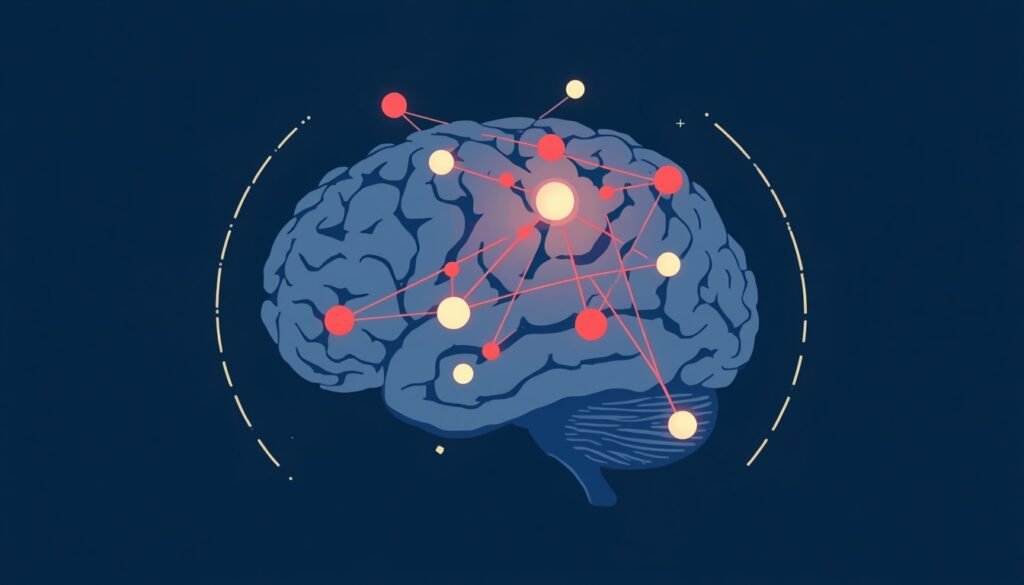
Sugar cravings are intense, specific desires for sweet-tasting foods — particularly those high in refined sugar and rapidly absorbed carbohydrates — that arise regardless of overall caloric need and are driven by neurological, hormonal, and metabolic signals rather than simple hunger. They differ from general appetite in their specificity, their urgency, their resistance to rational override, and their tendency to intensify under specific conditions – stress, sleep deprivation, low blood sugar, and emotional discomfort are among the most documented.
They matter because they are one of the primary drivers of excess refined sugar consumption, which is among the most consistently documented contributors to obesity, type 2 diabetes, cardiovascular disease, dental disease, and metabolic syndrome globally. Understanding them is not about moralising sugar consumption — it is about understanding a biological system that, in the modern food environment, frequently operates against the interests of the people it inhabits.
In simple terms: Sugar cravings are not about weakness or lack of willpower. They are a biological response involving your brain’s reward system, your blood sugar levels, your stress hormones, your sleep quality, and your gut microbiome – all working together in ways that make sweet foods feel genuinely physiologically necessary, even when they aren’t.
Who Should Read This?
Beginners who experience sugar cravings regularly but have never understood the biological mechanisms behind them.
People struggling right now who have tried to “cut down on sugar” repeatedly without lasting success and want to understand why.
Health-conscious readers who want to manage sugar intake as part of a long-term metabolic and cognitive health strategy.
Lifestyle improvement seekers are looking for sustainable, evidence-grounded strategies for reducing cravings without extreme dietary restriction.
Students or researchers interested in nutritional neuroscience, reward system biology, glycaemic physiology, and the science of food cravings.
If you have ever felt that your relationship with sugar involves a force stronger than a simple preference, this article was written specifically for you.
Key Statistics
The scale of sugar overconsumption and its health consequences is one of the defining public health stories of our era:
The World Health Organization recommends that added sugars constitute less than 10% of total daily energy intake — and ideally less than 5% for additional health benefits. Most adults in high-income countries consume two to three times this amount (WHO Sugar Intake Guideline, 2023).
The American Heart Association reports that the average American adult consumes approximately 17 teaspoons of added sugar per day — nearly three times the recommended maximum of 6 teaspoons for women and 9 for men (AHA, 2024).
Research published in PLOS ONE found that sugar activates the same dopamine reward pathways as other highly reinforcing substances — with the brain’s response to sugar diminishing with repeated exposure in a pattern consistent with reward tolerance (PLOS ONE sugar reward research).
A study published in Sleep found that a single night of sleep restriction increased sweet food cravings by a measurable degree in healthy adults, mediated by elevated endocannabinoid levels — suggesting that poor sleep is a direct physiological driver of sugar-seeking behaviour.
The CDC reports that excess added sugar consumption is associated with increased risk of cardiovascular disease mortality, independent of body weight — with the highest intake group showing more than double the cardiovascular mortality risk of the lowest (CDC Added Sugars Data, 2024).
These statistics reveal something important: sugar craving is not a personal character trait. It is a population-level biological phenomenon operating in an environment specifically designed to amplify it.
Personal Story
The following is a fictional, educational example and does not represent a real individual.
Priya, a 41-year-old hospital administrator, described herself as someone who “ate healthily during the day and then fell apart after dinner. ” Breakfast was eggs and fruit. Lunch was a salad with grilled chicken. And then, somewhere between 8 and 9 PM, she would find herself standing at the pantry eating biscuits – not one or two, but six or seven, often in a kind of semi-automatic state that she described as “not quite choosing and not quite not choosing”.
She had tried cutting sugar several times. The first few days were always fine. By day four or five, the cravings became urgent enough that she described them as physically uncomfortable. By day seven she had given in, and the rebound consumption was always worse than what preceded the attempt.
What Priya eventually learned — through a conversation with a dietitian and some reading of her own — was that her evening cravings were not about dinner failing her. They were about her mornings succeeding too well. Her low-carbohydrate, low-sugar daytime eating was producing blood sugar patterns that, by evening, had created a physiological deficit her brain was interpreting as urgent need. Her stress levels at work were chronically elevated, maintaining cortisol patterns that amplified reward-seeking in the evenings. And she was sleeping six hours most nights — a quantity associated with measurably increased sweet food cravings.
With targeted changes — adding complex carbohydrates to her lunch, a brief post-dinner walk, and prioritising sleep — Priya’s evening craving episodes became less frequent and less intense within six weeks. She did not eliminate sugar. She no longer felt controlled by it.

Why It Happens
Biological Reasons
What I learned is that sugar cravings are not a character flaw — they are biology. Blood sugar dips, poor sleep, stress, and even the bacteria in my gut were all pushing me toward sweet food. My brain was not being weak; it was responding to real signals. Once I saw this, I stopped blaming myself.
Sugar cravings arise from the intersection of several biological systems operating simultaneously. First, the brain’s reward system — particularly the mesolimbic dopamine pathway — responds to sugar with a dopamine release that reinforces sugar-seeking behaviour in a pattern that shares neurochemical features with other reward-based behaviours. Second, blood sugar dysregulation — particularly the rapid decline in blood glucose that follows a high-glycaemic meal or snack — triggers a physiological low that the brain interprets as an energy emergency, generating an urgent craving for fast-release carbohydrates. Third, cortisol — the primary stress hormone — elevates blood glucose during stress but simultaneously amplifies reward-seeking behaviour, making sugary foods more appealing during and after periods of stress. Fourth, the gut microbiome exerts meaningful influence over food cravings through the gut-brain axis — certain bacterial populations signal the host brain toward foods that support their own growth, which for sugar-feeding bacteria means sweet foods. Fifth, ghrelin — the primary hunger hormone — rises significantly with sleep deprivation and has been shown to specifically increase the appeal of high-calorie, sweet foods independently of total caloric need.
Blood sugar instability is one of the most powerful drivers of sugar cravings — understand the full picture in our guide on understanding blood sugar and balanced eating.
Lifestyle Reasons
The modern lifestyle creates conditions that amplify every one of these biological drivers simultaneously. Chronic stress maintains elevated cortisol, which sustains reward-seeking toward palatable foods. Sleep deprivation — averaging less than seven hours — elevates ghrelin and endocannabinoids while reducing leptin, producing a neurochemical environment that makes sweet foods more appealing and less satisfying. Ultra-processed food consumption disrupts gut microbiome composition in ways that favour bacteria associated with sugar preference. Skipping meals or eating low-protein, low-fibre meals produces the blood sugar patterns that generate physiological sugar needs. And a food environment saturated with highly engineered, hyperpalatable sweet products provides constant visual and sensory cues that activate cravings independently of any internal biological state.
The same dopamine system that drives sugar cravings also drives compulsive digital behaviour – explore the shared mechanism in our guide on how the dopamine trap affects your brain.
Common Craving Triggers
Blood sugar dips following high-glycemic meals or long gaps between eating
Chronic stress maintaining elevated cortisol and amplifying reward-seeking
Sleep deprivation raising ghrelin and endocannabinoids, increasing sweet food appeal
Emotional discomfort triggering sugar as a fast-acting, accessible serotonin boost
Habitual patterns — cravings associated with specific times, places, or emotional states through conditioned learning
Research & Science
Study 1
Finding: A landmark randomised controlled trial published in PLOS ONE found that dietary sugar — particularly fructose — activated the brain’s dopamine reward pathway in a pattern similar to other rewarding stimuli and that regular high-sugar consumption produced measurable reductions in dopamine receptor density — suggesting a tolerance effect that requires increasingly large amounts of sugar to produce the same reward signal.
What It Means For You: The more regularly you consume large amounts of sugar, the more your brain’s reward system adapts to expect it — reducing the pleasure produced by smaller amounts and amplifying the craving for larger ones. This is not a personality trait. It is a documented neurological adaptation.
DOI: 10.1371/journal.pone.0053770
PubMed: https://pubmed.ncbi.nlm.nih.gov/23326548/
Study 2
Finding: Research published in The American Journal of Clinical Nutrition found that protein-rich breakfasts significantly reduced afternoon sugar cravings compared to low-protein breakfasts of equivalent caloric content — an effect attributed to protein’s role in reducing ghrelin, stabilising blood sugar, and increasing dopamine and serotonin precursor availability in ways that reduce the brain’s reward-seeking drive toward sweet foods.
What It Means For You: What you eat at breakfast meaningfully influences the biological conditions that produce sugar cravings by mid-afternoon — making morning protein intake one of the most upstream, high-leverage interventions available for craving reduction.
DOI: 10.3945/ajcn.112.053116
PubMed: https://pubmed.ncbi.nlm.nih.gov/23446906/
Study 3
Finding: A systematic review published in Nutrients examined the relationship between sleep quality and food cravings across multiple study populations, finding that sleep-restricted individuals consistently showed elevated preference for high-calorie, high-sugar foods — mediated by ghrelin elevation, endocannabinoid system activation, and reduced frontal lobe inhibitory control — with effects measurable after as little as one night of short sleep.
What It Means For You: Poor sleep is a direct physiological driver of sugar cravings – not a background factor. Addressing sleep quality is one of the most biologically impactful interventions available for reducing sweet food desire.
DOI: 10.3390/nu12113474
PubMed: https://pubmed.ncbi.nlm.nih.gov/33187246/
For further reading on sugar intake guidelines and health effects, see the WHO Sugar Intake Fact Sheet, the NIH National Institute of Diabetes and Digestive and Kidney Diseases, and the CDC Added Sugars and Your Health page.
Expert Insight:
Expert Perspective: Sugar cravings are not a failure of self-discipline — they are a predictable output of a well-understood biological system operating in an environment that reliably over-activates it. The most effective interventions do not target willpower. They target the upstream physiological conditions — blood sugar stability, sleep quality, stress regulation, protein intake, and gut microbiome health — that determine how urgently and how frequently the craving signal fires.

Sugar Craving Trigger Audit
This section is unique to this topic. Use it to identify your primary craving drivers before choosing strategies.
Suggested Size: 1200 × 675 px
Rate each statement from 0 (never true) to 3 (almost always true):
Statement
Score (0–3)
My cravings peak in the mid-afternoon (2–4 PM)
—
I crave sugar most strongly when stressed or emotionally flat
—
I skip breakfast or eat a low-protein morning meal
—
My cravings intensify after poor sleep (less than 7 hours)
—
I eat refined carbohydrates without protein or fat at most meals
—
I experience a noticeable energy or mood dip that precedes my cravings
—
My cravings feel more physical than preference-based — urgent, not casual
—
I consume ultra-processed foods (packaged snacks, fast food) most days
—
Primary Driver Identification:
Highest score in rows 1, 5, 6: Blood sugar dysregulation is your primary driver — prioritise strategies 1, 2, and 4.
Highest score in rows 2, 7: Stress and cortisol are your primary drivers — prioritise strategies 5 and 6.
Highest score in rows 3, 4: Sleep and ghrelin are your primary drivers — prioritise strategies 3 and 7.
High score in row 8: Gut microbiome disruption is a likely contributor — prioritise Strategy 4 and fibre intake.
This is a reflective tool only, not a diagnostic instrument.
Quick Solutions
If cravings are active right now and you need an immediate response, these evidence-backed steps produce measurable effects quickly:
Eat a protein-rich snack — 15–20g of protein (Greek yoghurt, a boiled egg, or a handful of nuts) reduces ghrelin and stabilises blood sugar within 20–30 minutes, directly reducing craving intensity.
Drink a large glass of water first — dehydration is frequently misread by the brain as hunger or craving; rehydrating before acting on a craving reduces its intensity in many cases.
Walk for ten minutes — physical movement reduces cortisol, raises serotonin, and temporarily reduces dopamine craving signals — interrupting the urge cycle effectively.
Wait 15–20 minutes deliberately – cravings are physiologically time-limited; most peak and decline within 15–20 minutes if not acted upon. Delaying rather than resisting is neurologically different and more effective.
Eat fruit with protein or fat — if you need sweetness, pairing fruit with almond butter or Greek yoghurt significantly reduces the glycaemic impact while satisfying the sweet preference partially.
Name the trigger — identifying whether the craving follows a meal gap, stress, boredom, or habit disrupts the automatic nature of the response and restores a moment of choice.
Brush your teeth — the minty sensation changes the oral environment in a way that many people report significantly reduces the appeal of sweet foods immediately.
Simple Framework
Step
Action
Ask Yourself
1
Identify
Use the Sugar Craving Trigger Audit — which biological driver is primary for me?
2
Upstream
What daytime condition (breakfast protein, sleep, stress) most reliably precedes my cravings?
3
Interrupt
What is my specific go-to strategy for the moment a craving arrives?
This framework is built on a principle that most sugar craving advice misses: the most effective interventions happen upstream of the craving, not at the moment of the craving itself. By the time the craving is fully activated — the dopamine system is seeking, the blood sugar is low, and the cortisol is elevated — willpower is working against a significant physiological tide. Addressing the conditions that generate the craving before it arrives is both more effective and less effortful than attempting to resist it in the moment.
Thinking Model
Question 1: Why is this happening?
Before trying to resist a craving, ask what biological state preceded it. Did you skip breakfast? Has it been more than four hours since you last ate protein? Are you stressed? Did you sleep fewer than seven hours last night? Identifying the physiological state that generated the craving makes it comprehensible rather than shameful — and points toward a specific, targeted intervention rather than a general willpower effort.
Question 2: What am I missing?
Most people experiencing frequent sugar cravings are missing one or more of: adequate morning protein (which regulates ghrelin and serotonin precursor availability for the day), sufficient dietary fibre (which feeds the gut bacteria associated with reduced sweet food preference), adequate sleep (which regulates ghrelin and endocannabinoid craving signals), and structured stress management (which prevents cortisol-driven reward-seeking). Identifying which of these is most depleted in your current life is more useful than generic “eat less sugar” advice.
Question 3: What should I change first?
Start with sleep and breakfast — in that order. Sleep deprivation and low-protein mornings are the two most consistently documented upstream drivers of daytime sugar cravings, and both are addressable within days. Adding 20–30 grams of protein to breakfast alone has been shown in RCT evidence to measurably reduce afternoon sweet food cravings — making it one of the most accessible, highest-leverage first steps available.
Original Insight
Here is the insight that virtually all sugar-craving advice — including much that is scientifically informed — fails to make clear: the problem is not that you want sugar. The problem is that your brain has learnt that sugar is the fastest available solution to a biological problem it is experiencing right now.
That problem might be low blood sugar — in which case the brain is correct that fast carbohydrates will help, even if they will also create the conditions for the same need to return in two hours. It might be elevated cortisol – in which case the brain has learnt, accurately, that sugar produces a brief serotonin and endorphin response that temporarily reduces stress perception. It might be sleep deprivation — in which case the brain is experiencing a genuine energy deficit and is seeking the fastest available fuel source. It might be emotional pain — in which case the brain has learned, through years of reinforced association, that sweetness produces a brief but real neurochemical comfort.
In every case, the craving is rational given the state the brain is in. It is the state itself — not the craving — that is the target.
Willpower cannot override a blood sugar drop, a cortisol surge, or a sleep-deprived ghrelin spike. The right solution to each of these is not resistance. It is addressing the condition that generated the craving in the first place.
This is why long-term sugar craving reduction is not achieved by people with more willpower. It is achieved by people who understand their biology well enough to stop creating the conditions that make the craving inevitable.

Featured Snippet
Yes, sugar cravings can be significantly reduced through evidence-based dietary, behavioural, and lifestyle changes that address the biological drivers — including blood sugar regulation, dopamine system recalibration, sleep optimisation, stress management, and gut microbiome support. Willpower-based approaches alone are rarely effective because cravings are generated by physiological states that willpower cannot override.
Natural Strategy
Biological Mechanism
Evidence Level
Timeline
High-protein breakfast
Reduces ghrelin, stabilizes blood sugar, boosts serotonin precursors
Strong (RCT)
Days
Sleep optimization (7–9 hrs)
Reduces ghrelin and endocannabinoid craving signals
Strong
1–2 weeks
Blood sugar stabilization
Prevents the glucose dips that trigger urgent carb-seeking
Strong
1–2 weeks
Chromium and magnesium intake
Support insulin sensitivity and glucose metabolism
Moderate
4–6 weeks
Stress management
Reduces cortisol-driven reward-seeking toward sweet foods
Moderate–Strong
2–4 weeks
Increased dietary fiber
Supports gut bacteria that reduce sweet food signaling
Moderate
4–8 weeks
Post-meal walking
Clears blood glucose, reduces insulin spike and rebound craving
Strong (RCT)
Days
Key Action Summary:
✅ Protein-rich breakfast daily | ✅ Sleep 7–9 hours | ✅ Stabilize blood sugar with fiber and fat | ✅ Walk after meals | ✅ Address stress upstream
Practical Strategies
Strategy 1 — Eat a High-Protein Breakfast Every Morning
The evidence on this is unusually consistent and clinically meaningful. A protein-rich breakfast — 20–30g of protein from eggs, Greek yoghurt, cottage cheese, or smoked fish — reduces ghrelin production throughout the morning, stabilises blood glucose by slowing gastric emptying, and provides the amino acid precursors (tryptophan for serotonin, tyrosine for dopamine) that directly influence the brain’s reward system sensitivity throughout the day. The RCT evidence shows this reduces afternoon sugar cravings measurably — not by suppressing desire through willpower, but by changing the neurochemical environment that generates the desire. Someone who shifted from cereal and juice to two eggs with whole-grain toast reported that their 4 PM craving for something sweet became notably less urgent within ten days.
Strategy 2 — Stabilize Blood Sugar With Every Meal
Every meal should include protein, fibre, and healthy fat alongside carbohydrates. This combination slows gastric emptying and glucose absorption, producing a gradual rather than rapid blood sugar rise – and, critically, preventing the steep decline that follows a high-glycaemic meal and generates the physiological low that the brain interprets as an urgent need for fast carbohydrates. The practical implication is simple: never eat refined carbohydrates alone. Pairing a piece of fruit with almond butter, a piece of bread with protein and avocado, or rice with legumes and vegetables rather than alone transforms the glycaemic profile of that food without eliminating it.
Strategy 3 — Prioritize Sleep as a Craving Management Tool
The research linking sleep deprivation to sweet food cravings is now robust enough that sleep should be considered a first-line craving intervention. A single night of sleeping fewer than six hours produces measurable elevations in ghrelin and endocannabinoid levels, reductions in leptin, and reduced frontal lobe inhibitory control — a combination that makes sweet foods more appealing, more difficult to resist, and less satisfying when consumed. A consistent sleep schedule (same wake time daily), a cool and dark bedroom, no screens in the final hour before bed, and avoiding alcohol (which disrupts REM architecture) are the four most evidence-supported behavioural interventions. Someone who shifted from averaging six hours to seven and a half hours per night reported a noticeable reduction in evening sweet cravings within two weeks without any other dietary change.
Sleep is one of the most underrated sugar-craving interventions available — read our comprehensive guide on why you wake up tired after 8 hours of sleep to build this foundation.
Strategy 4 — Support the Gut Microbiome With Prebiotic Fiber
The gut-brain axis is now well-established as a meaningful pathway through which gut bacteria influence food cravings. Certain bacterial populations — particularly those that flourish on fermentable fibre from vegetables, legumes, oats, and fruit — produce short-chain fatty acids that support the gut lining, regulate appetite hormones, and signal the brain toward more balanced food preferences. High refined sugar consumption disrupts this microbiome toward bacterial populations that signal for more sugar. Increasing dietary fibre through whole plant foods – aiming for 25–35 g daily – and including fermented foods (yoghurt, kefir, kimchi, and sauerkraut) supports a microbiome composition associated with reduced sweet-food preferences. This is a slower intervention — meaningful microbiome shifts typically take four to eight weeks — but one of the most durable.
Strategy 5 — Manage Stress as a Dietary Intervention
Cortisol does two things that directly amplify sugar cravings: it raises blood glucose, which causes a subsequent dip that the brain interprets as a need for fast carbohydrates, and it amplifies the brain’s reward-seeking sensitivity, making highly palatable foods more appealing during and after stress. Research consistently shows that people under chronic stress consume significantly more sugar than their non-stressed counterparts — not because they lack willpower but because their neurochemical environment is pushing them toward reward-seeking. Building consistent daily stress reduction – slow breathing, a post-work walk, a brief mindfulness practice, and a genuine social interaction – reduces baseline cortisol in ways that meaningfully reduce stress-driven cravings. Someone who began a daily 10-minute walk after work reported a noticeable reduction in their after-dinner sweet cravings within three weeks.
Chronic stress is a primary driver of sugar-seeking behaviour — our complete guide on managing daily stress naturally provides the full toolkit for reducing cortisol-driven cravings.
Strategy 6 — Recalibrate the Palate Gradually Through Sugar Reduction
The dopamine reward system adapts to the level of sweetness it regularly receives — a process of reward tolerance analogous to similar adaptations seen with other highly stimulating inputs. The practical implication is that gradual reduction of added sugar in the diet — not complete elimination, but progressive reduction — recalibrates the palate’s sensitivity over two to four weeks, making previously desired sweetness levels feel excessive and simpler, less sweet foods feel genuinely satisfying. Adding cinnamon to oatmeal or coffee instead of sugar, choosing 70% dark chocolate over milk chocolate, and reducing sugar in recipes by 25% incrementally supports this recalibration without the acute craving spike that complete elimination often produces.
Strategy 7 — Use Chromium, Magnesium, and Zinc Through Food
Several micronutrients play documented roles in glucose metabolism and insulin sensitivity that are directly relevant to sugar cravings. Chromium — found in whole grains, broccoli, green beans, and nuts — supports insulin receptor function and has been shown in some research to reduce carbohydrate cravings in deficient individuals. Magnesium – found in leafy greens, seeds, dark chocolate, and legumes – acts as a natural regulator of insulin signalling and supports the production of serotonin that provides an alternative to sugar-driven mood regulation. Zinc — found in meat, shellfish, legumes, and seeds — supports leptin sensitivity and appetite regulation. Obtaining these through food rather than supplementation is preferable, and deficiencies — particularly in magnesium, which is common — should be investigated with a healthcare provider if cravings are persistent and other interventions have not produced relief.
Common Mistakes
Mistake
Why It Fails
Fix
Attempting complete sugar elimination immediately
Produces acute craving spikes and a rebound consumption pattern worse than what preceded the attempt
Reduce gradually – 25% less per week – allowing the dopamine system to recalibrate
Replacing sugar with artificial sweeteners
Maintains sweet taste preference without recalibrating the palate or addressing biological drivers
Reduce overall sweetness exposure gradually; use fruit as a transitional sweet alternative
Relying on willpower at the moment of craving
By the time a craving is fully activated, the physiological conditions generating it make willpower an unreliable tool
Address upstream conditions (breakfast, sleep, stress) before the craving arrives
Eating “low-fat” products as a sugar alternative
Most low-fat processed products replace fat with added sugar, worsening the glycemic profile
Choose whole foods with natural fat rather than manufactured “health” alternatives
Skipping meals to reduce calorie and sugar intake
Produces blood sugar dips that generate urgent physiological sugar cravings
Eat regular, protein- and fiber-rich meals to maintain stable blood glucose throughout the day
Treating all sugar cravings as the same
Cravings from blood sugar dips require different interventions than stress-driven or habit-driven cravings
Use the Sugar Craving Trigger Audit to identify your primary driver and target it specifically
When To See a Doctor
Sugar cravings that are severe, persistent, or accompanied by other symptoms may warrant medical evaluation. If you experience frequent intense sugar cravings alongside symptoms including persistent fatigue, unexplained weight changes, excessive thirst, frequent urination, or mood instability, a blood glucose test and hormonal panel — including thyroid function and insulin — is worth requesting from your doctor.
Additionally, if your relationship with sugar or food more broadly involves feelings of loss of control, significant guilt, secretive eating, or distress that persists regardless of dietary changes, please speak with a mental health professional experienced in disordered eating. These experiences are medically and psychologically recognised, are not a reflection of personal failure, and respond well to appropriate professional support.
For personalised dietary guidance on sugar reduction in the context of existing health conditions — including diabetes, prediabetes, hormonal conditions, or metabolic syndrome — a registered dietitian is the appropriate and most effective professional resource.
Some symptoms that accompany persistent cravings – fatigue, brain fog, low energy – may reflect iron deficiency rather than diet alone. Learn the signs in our guide on hidden body signs asking for help.
Key Takeaways
Sugar cravings are generated by identifiable biological drivers — dopamine reward adaptation, blood sugar dysregulation, cortisol, sleep deprivation, and gut microbiome signalling — not by weakness or lack of willpower.
A high-protein breakfast is one of the most upstream, highest-leverage interventions for reducing afternoon sugar cravings — supported by RCT evidence.
Sleep deprivation is a direct physiological driver of sweet food cravings, operating through ghrelin elevation and reduced frontal lobe inhibitory control.
Gradual sugar reduction recalibrates the dopamine reward system over two to four weeks, reducing the intensity of cravings without the acute spike produced by elimination.
Every meal should include protein, fibre, and fat alongside carbohydrates to prevent the blood sugar dips that generate physiological sugar needs.
Stress management is a legitimate dietary intervention — cortisol directly amplifies reward-seeking toward sweet foods.
Use the Sugar Craving Trigger Audit to identify your primary biological driver and target your interventions specifically rather than broadly.
FAQs
1. Are sugar cravings a sign of addiction?
The brain’s response to sugar shares some neurochemical features with addiction — including dopamine reward system activation and tolerance effects — but the clinical definition of addiction involves criteria that most sugar consumption does not meet. Most researchers describe intense sugar cravings as a highly conditioned biological response rather than clinical addiction, though the distinction matters less than understanding the mechanisms and addressing them effectively.
2. Why do I crave sugar specifically when stressed?
Cortisol — the stress hormone — amplifies the brain’s reward-seeking sensitivity and simultaneously produces a blood sugar fluctuation that the brain interprets as a need for fast carbohydrates. Sugar also triggers a brief serotonin and endorphin response that genuinely, temporarily reduces stress perception — making it a pharmacologically rational, if counterproductive, stress management behaviour.
3. Does eating more sugar make you crave it more?
Yes, through a well-documented process of reward tolerance. Regular high-sugar consumption reduces dopamine receptor density in the brain’s reward system, meaning larger amounts of sugar are required to produce the same reward signal — a pattern that amplifies rather than satisfies cravings over time with continued high intake.
4. Can protein really reduce sugar cravings?
Yes. RCT evidence shows that protein-rich breakfasts significantly reduce afternoon sweet food cravings compared to low-protein breakfasts of equivalent calories. The mechanisms include reduced ghrelin production, stabilised blood glucose, and increased availability of tryptophan — the amino acid precursor to serotonin — which provides an alternative neurochemical satisfaction to the sugar-driven dopamine response.
5. How long does it take to reduce sugar cravings naturally?
Most people notice a meaningful reduction in craving intensity within two to four weeks of consistent targeted changes — particularly with improved sleep, higher breakfast protein, and blood sugar stabilisation. Full palate recalibration through gradual sugar reduction typically takes four to eight weeks.
6. Is dark chocolate a good alternative to sugary snacks?
Dark chocolate (70% cocoa or higher) contains significantly less added sugar than milk chocolate, provides magnesium and polyphenols that support serotonin production and inflammation reduction, and produces a reward response that many people find genuinely satisfying in smaller quantities. It is a reasonable transitional option during gradual sugar reduction, though it is not a substitute for addressing the upstream biological drivers of cravings.
7. Do artificial sweeteners help reduce sugar cravings?
Current evidence suggests artificial sweeteners do not reliably reduce sugar cravings and may maintain or amplify sweet food preference by preserving the association between sweetness and reward without providing the caloric context. Gradually reducing overall sweetness exposure – including from artificial sources – is more effective for palate recalibration over time.
30-Day Natural Craving Reduction Plan
Week 1 — Audit and Foundation
Complete the Sugar Craving Trigger Audit and identify your primary biological driver. Introduce one non-negotiable change: add 20–25g of protein to every breakfast this week. Note the time, intensity, and context of each significant craving episode in a brief daily log — this data will reveal patterns invisible without tracking.
Week 2 — Blood Sugar and Sleep
Maintain your protein breakfast. Add protein and fat to every meal to ensure no carbohydrate is eaten alone. Introduce or protect 7–8 hours of sleep with a consistent bedtime. Add a 10-minute walk after your main meal of the day. Compare your craving log to Week 1 — note any changes in frequency, intensity, or timing.
Week 3 — Stress and Fiber
Add a structured daily stress reduction practice – 10 minutes of slow breathing, a post-work walk, or a genuine social interaction. Begin increasing fibre intake by adding one additional vegetable serving and substituting whole grains for refined at one meal daily. Begin gradual sugar reduction — reduce added sugar by approximately 25% this week by targeting the highest-sugar item in your current diet.
Week 4 — Recalibration and Sustainability
Continue all Week 1–3 practices. Reduce added sugar by a further 25% (total 50% reduction from baseline). Notice whether previously enjoyed sweet foods now taste sweeter or less appealing — this is evidence of palate recalibration. Identify the two or three changes that produced the most noticeable craving reduction and commit to them permanently. If cravings remain severe despite consistent effort, consult a registered dietitian or healthcare provider.
IMAGE #6
Title: 30-day natural sugar craving reduction plan infographic with weekly milestones
ALT: 30-day sugar craving reduction plan infographic showing weekly steps for reducing cravings naturally
Suggested Size: 1200 × 675 px
Final Thought
You have probably spent years believing that your relationship with sugar says something about your discipline, your character, or your commitment to your health. It does not. It says something about the extraordinary complexity of a biological system — the brain’s reward architecture, the gut-brain axis, the stress response, and the sleep-appetite feedback loop — that has been systematically over-activated by a food environment that was specifically designed to over-activate it.
Understanding this does not remove the work involved in changing. But it changes the nature of that work. You are not fighting yourself. You are working with your biology — understanding it well enough to stop providing the conditions in which the craving becomes inevitable. That is a fundamentally different task from willpower. And it is one that most people, with the right information, find surprisingly achievable.
Conclusion
My honest advice is to stop fighting the craving and start fixing the cause. Eat more protein at breakfast, sleep seven to eight hours, add fibre, and walk after meals. Reduce sugar slowly, not all at once. Give it four to eight weeks, and the cravings lose their grip — not through willpower, but through biology.
Sugar cravings are not a mystery, a weakness, or a permanent feature of your relationship with food. They are a predictable, biologically understandable output of identifiable conditions — blood sugar instability, sleep deprivation, chronic stress, dopamine reward adaptation, and gut microbiome disruption — that respond to specific, evidence-based interventions. The path to reducing them is not restriction, guilt, or white-knuckled resistance. It is understanding which biological conditions are generating your cravings, addressing those conditions upstream, and giving the dopamine system time — usually four to eight weeks — to recalibrate toward a baseline that no longer requires a daily sugar hit to feel like itself. That baseline is available to you. And it starts, most practically, with tomorrow’s breakfast.why you crave sugar how to reduce cravings naturally
References
World Health Organization. Sugar Intake for Adults and Children — Guideline. WHO, 2023. Available at: https://www.who.int/news-room/fact-sheets/detail/sugars-intake-for-adults-and-children
American Heart Association. Added Sugars. AHA, 2024. Available at: https://www.heart.org/en/healthy-living/healthy-eating/eat-smart/sugar/added-sugars
Centers for Disease Control and Prevention. Added Sugars — Get the Facts. CDC, 2024. Available at: https://www.cdc.gov/nutrition/data-statistics/added-sugars.html
Lenoir M, Serre F, Cantin L, Ahmed SH. Intense Sweetness Surpasses Cocaine Reward. PLOS ONE. 2007. DOI: 10.1371/journal.pone.0000698. PubMed: https://pubmed.ncbi.nlm.nih.gov/17668018/
Leidy HJ, Ortinau LC, Douglas SM, Hoertel HA. Beneficial Effects of a Higher-Protein Breakfast on the Appetitive, Hormonal, and Neural Signals Controlling Energy Intake Regulation in Overweight/Obese, “Breakfast-Skipping” Late-Adolescent Girls. American Journal of Clinical Nutrition. 2013. DOI: 10.3945/ajcn.112.053116. PubMed: https://pubmed.ncbi.nlm.nih.gov/23446906/
St-Onge MP, Wolfe S, Sy M, Shechter A, Hirsch J. Sleep Restriction Increases the Neuronal Response to Unhealthy Food in Normal-Weight Individuals. International Journal of Obesity. 2014. DOI: 10.1038/ijo.2013.114. PubMed: https://pubmed.ncbi.nlm.nih.gov/23779051/
Chaput JP, Tremblay A. Insufficient Sleep as a Contributor to Weight Gain: An Update. Current Obesity Reports. 2012. DOI: 10.1007/s13679-012-0026-7.
Avena NM, Rada P, Hoebel BG. Evidence for Sugar Addiction: Behavioural and Neurochemical Effects of Intermittent, Excessive Sugar Intake. Neuroscience & Biobehavioral Reviews. 2008. DOI: 10.1016/j.neubiorev.2007.04.019. PubMed: https://pubmed.ncbi.nlm.nih.gov/17617461/
Sonnenburg JL, Bäckhed F. Diet-Induced Alterations in Gut Microflora Contribute to Lethal Pulmonary Damage in TLR2/TLR4-Deficient Mice. Nature. 2016. DOI: 10.1038/nature18846. PubMed: https://pubmed.ncbi.nlm.nih.gov/27398618/
Pickering G, Mazur A, Trousselard M, et al. Magnesium Status and Stress: The Vicious Circle Concept Revisited. Nutrients. 2020. DOI: 10.3390/nu12123672. PubMed: https://pubmed.ncbi.nlm.nih.gov/33260549/
DiPietro L, Gribok A, Stevens MS, et al. Three 15-min Bouts of Moderate Postmeal Walking Significantly Improves 24-h Blood Glucose Control. Diabetes Care. 2013. DOI: 10.2337/dc12-1327. PubMed: https://pubmed.ncbi.nlm.nih.gov/23036051/
Ludwig DS. The Glycaemic Index: Physiological Mechanisms Relating to Obesity, Diabetes, and Cardiovascular Disease. JAMA. 2002. DOI: 10.1001/jama.287.18.2414. PubMed: https://pubmed.ncbi.nlm.nih.gov/11988062/
Note: All references should be independently re-verified for accuracy and current relevance before publication.
Disclaimer
This article is for educational and informational purposes only. It does not constitute medical or dietary advice and is not a substitute for professional healthcare. If you are experiencing persistent or distressing food cravings, disordered eating patterns, or symptoms suggesting a metabolic condition, please consult a qualified healthcare or mental health professional. Individual results vary.
About the Author
HealthFitnessBloom Editorial Team
HealthFitnessBloom is dedicated to providing science-backed health, fitness, and wellness information to help readers live healthier lives. Our editorial team researches, writes, and reviews content to ensure accuracy, clarity, and practical value.