
Written By: HealthFitnessBloom Editorial Team
Reviewed By: HealthFitnessBloom Editorial Review Team
Last Updated: September 2026
Research Transparency: All studies are independently verified through PubMed, NIH, WHO, and peer-reviewed nutrition and metabolic science databases.
Editorial Standards: Content reviewed against current scientific evidence. Claims cross-checked with PubMed, NIH, WHO, and primary journal sources. No sponsored influence on conclusions
Table of Contents
Every afternoon at 3 PM, my brain would shut down and I would reach for something sweet — without understanding why. I thought it was stress or poor sleep. It turned out my blood sugar was swinging all day, and nobody had ever explained that to me.
Introduction
What Is Blood Sugar and Why Does It Matter?
Who Should Read This?
Key Statistics
Personal Story
Why Blood Sugar Becomes Imbalanced
Research & Science
Blood Sugar Symptom Awareness Guide
Quick Solutions
Simple Framework
Thinking Model
Original Insight
Featured Snippet
Practical Strategies
Common Mistakes
When To See a Doctor
Key Takeaways
FAQs
30-Day Balanced Eating Plan
Final Thought
Conclusion
References
Disclaimer
Introduction
You know the feeling. It is 3 PM, and you cannot think straight. You had a reasonable lunch two hours ago, and yet your brain feels like it is running on low power. Concentration is gone. A low irritability simmers underneath that has no satisfying explanation. You reach for something sweet or starchy. Within twenty minutes you feel better. An hour later the fog returns. understanding blood sugar balanced eating
This cycle — the rise, the brief clarity, the crash, the craving — is one of the most common experiences in modern life and one of the least understood. Blood sugar dysregulation, in its subtler everyday forms, affects hundreds of millions of people who have never been given that name for what they are experiencing. It shows up as the afternoon energy slump, the mood that turns with a missed meal, the brain fog before 10 AM, and the weight that quietly accumulates around the middle despite reasonable eating.
Understanding blood sugar is not a specialist concern for people managing a diagnosed condition. It is foundational nutritional literacy for anyone who wants sustained energy, a stable mood, and long-term health — and it is accessible to every person willing to learn a few key principles about how their body processes what they eat. This guide provides those principles, grounded in current evidence, written for real life.
📋 Why We Created This Guide
Our editorial team regularly receives questions from readers struggling with afternoon energy crashes, persistent sugar cravings, unexplained weight gain, and confusing, contradictory nutrition advice. This guide was developed to explain blood sugar regulation in practical, evidence-backed language — without selling supplements, promoting extreme diets, or oversimplifying complex science. Every claim is referenced. Every strategy is actionable. Our goal is to give you the understanding your body deserves.
What Is Blood Sugar and Why Does It Matter?
Blood sugar — more precisely, blood glucose — refers to the concentration of glucose circulating in the bloodstream at any given moment. Glucose is the body’s primary fuel, derived from the carbohydrates in food and used by every cell, including the brain, which has no stored glucose reserve of its own and depends entirely on a steady supply from the blood.
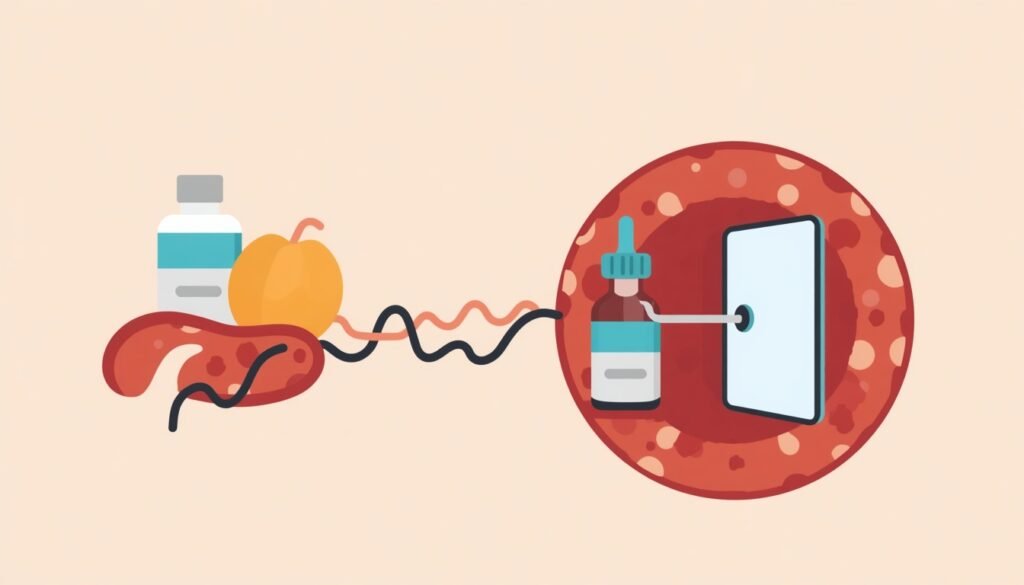
When you eat, carbohydrates are broken down into glucose, which enters the bloodstream. The pancreas responds by releasing insulin — a hormone that acts as a key, opening cell doors to allow glucose to enter and be used for energy. When this system works smoothly, blood glucose rises modestly after meals and returns to a stable baseline within a few hours. When it does not — because of too much glucose arriving too quickly or cells that have become less responsive to insulin over time — the effects are felt throughout the body and brain.
In simple terms: Blood sugar is your body’s fuel gauge. When it rises and falls smoothly, you feel energised, clear, and stable. When it swings sharply — spiking after meals and crashing afterwards — the effects arrive as fatigue, brain fog, mood changes, and cravings. Balanced eating is the most accessible tool available for keeping that gauge steady.
Who Should Read This?
Beginners who have heard “blood sugar” in a health context but have never fully understood what it means for their daily energy.
People struggling right now with afternoon crashes, persistent brain fog, mood swings around mealtimes, or unexplained sugar cravings.
Health-conscious readers who want to eat in a way that supports long-term metabolic health and sustained energy without relying on caffeine as a crutch.
Lifestyle improvement seekers looking for practical, sustainable dietary principles grounded in evidence.
Students or researchers interested in nutritional biochemistry, insulin physiology, and glycaemic response science.
Key Statistics
The International Diabetes Federation reports that 537 million adults were living with diabetes in 2021 — a number projected to rise to 643 million by 2030 and 783 million by 2045 (IDF Diabetes Atlas, 10th Edition).
An estimated 1 in 3 American adults has prediabetes — and more than 80% are unaware of their status (CDC National Diabetes Statistics Report, 2024).
Post-meal blood sugar spikes are associated with increased oxidative stress, systemic inflammation, and cardiovascular risk — even in people without a diabetes diagnosis (NIH National Institute of Diabetes and Digestive and Kidney Diseases).
A landmark study of over 800 participants found that glycaemic responses to identical foods varied dramatically between individuals, highlighting the importance of personalised dietary approaches (Cell, 2015, DOI: 10.1016/j.cell.2015.11.001).
The World Health Organization identifies unhealthy diet as one of the leading modifiable risk factors for non-communicable disease globally (WHO Healthy Diet Fact Sheet, 2023).
Personal Story
The following is a fictional, educational example and does not represent a real individual.
Marcus, a 44-year-old teacher, had been tired for so long he had stopped noticing it was unusual. He ran on three cups of coffee before noon. His 3 PM lesson was always his hardest — he described thinking through glass. He craved something sweet every afternoon without fail.
A routine health check revealed his fasting blood glucose was in the prediabetic range. He did not think of himself as someone who “ate badly”. He simply ate what most people ate: cereal for breakfast, sandwiches for lunch, and pasta in the evenings.
His dietitian explained glycaemic load — the combined effect of how many carbohydrates a food contains and how fast it raises blood sugar. Marcus made targeted changes: protein and fat at every meal, whole grains instead of refined, vegetables before carbohydrates, and a ten-minute walk after lunch. Eight weeks later his afternoon fog had measurably lifted. His fasting glucose at three months had returned to a healthy range. He had not gone on a diet. He had learnt how his body processed food — and begun working with that biology.

Why Blood Sugar Becomes Imbalanced
Biological Reasons
What I learned is that the problem is not glucose itself — it is how fast it arrives. When carbohydrates come alone, blood sugar spikes and crashes, and the crash feels like hunger, fog, and craving. Once I started eating protein, fibre, and fat with every meal, the swings stopped.
Blood sugar becomes dysregulated when the speed and quantity of glucose entering the bloodstream consistently exceeds the body’s ability to manage it. In the short term, this produces the familiar spike-and-crash cycle: a rapid blood glucose rise followed by an insulin surge, an overcorrection that drives glucose too low, and the resulting cravings and fatigue. Over time, chronically high post-meal glucose and insulin levels can lead to insulin resistance — a state in which cells become progressively less responsive to insulin’s signal. Left unaddressed, insulin resistance is the primary pathway through which type 2 diabetes develops, and it is also associated with increased cardiovascular risk, hormonal disruption, and impaired cognitive function.
Lifestyle Reasons
A diet high in refined carbohydrates and added sugars delivers glucose rapidly and in large quantities, overwhelming the insulin response. Meal skipping produces prolonged fasting followed by large compensatory meals that generate steep glucose spikes. Sedentary behaviour reduces the muscles’ ability to use glucose efficiently. Even one week of poor sleep produces measurable increases in fasting glucose and insulin resistance. Chronic stress elevates cortisol, which directly raises blood glucose as part of the fight-or-flight response.
Chronic stress elevates cortisol, which directly raises blood glucose. Learn more in our guide on how cortisol affects your health.
Common Dietary Triggers
Refined carbohydrates eaten without protein, fat, or fiber
Sugary beverages, including fruit juice, which deliver glucose with no fiber buffer
Skipping meals and overcorrecting with large carbohydrate-heavy portions
Ultra-processed snacks designed for rapid, high-volume consumption
Eating the same large carbohydrate load at every meal regardless of timing
Research & Science
Study 1
Finding: A landmark study published in Cell tracked continuous glucose monitor data from 800 individuals eating identical foods and found that glycaemic responses varied enormously between people. Individual factors — gut microbiome composition, baseline metabolic health, meal timing, and food order — were significantly more predictive of glycaemic response than simple carbohydrate content alone.
What It Means For You: Understanding your own response patterns matters as much as general dietary rules. How you feel after different meals is clinically meaningful data.
DOI: 10.1016/j.cell.2015.11.001
PubMed: https://pubmed.ncbi.nlm.nih.gov/26590418/
Study 2
Finding: Research published in Diabetes Care found that three 10-minute walks after meals reduced 24-hour blood glucose levels more effectively than a single 30-minute walk at a fixed time, with post-dinner walking showing the greatest effect on glucose regulation.
What It Means For You: Ten minutes of walking after eating is one of the most physiologically direct blood sugar interventions available — free, immediate, and requiring no equipment.
DOI: 10.2337/dc12-1327
PubMed: https://pubmed.ncbi.nlm.nih.gov/23036051/
Study 3
Finding: Research from Weill Cornell Medical College published in Diabetes Care found that eating vegetables and protein before carbohydrates in a meal reduced the post-meal glucose peak by 29–37% compared to eating the same foods in reverse order.
What It Means For You: Food order — not just food choice — meaningfully changes how much your blood sugar rises after a meal, with no change to ingredients required.
DOI: 10.2337/dc15-0429
PubMed: https://pubmed.ncbi.nlm.nih.gov/26220945/
Expert Insight:
Expert Perspective: Blood sugar management is not primarily a medication challenge — it is a dietary and lifestyle challenge. Targeted dietary changes produce results that are both measurable and meaningful, often within weeks, particularly when the focus is on how foods are combined and sequenced rather than simply what is avoided.
For further reading on blood sugar and diabetes prevention, see the NIH NIDDK resource center, the CDC Diabetes Prevention Program, and the WHO nutrition guidelines.

Blood Sugar Symptom Awareness Guide
Rate each statement from 0 (never) to 3 (almost always):
Score (0–3)
Significant energy drop in mid-afternoon
___
Irritability or fog when meals are delayed
___
Strong cravings for sweets after meals
___
Energy crash 1–2 hours after eating
___
Waking between 2 and 4 AM and struggling to return to sleep
___
Hunger returning within 2 hours of a full meal
___
Mood worsens noticeably when meals are skipped
___
Weight gain preferentially around the abdomen
___
Score Guide:
0–8: Blood sugar likely stable — balanced eating will protect this.
9–16: Symptoms suggest meaningful fluctuation — targeted dietary adjustments likely to produce noticeable improvement within 2–4 weeks.
17–24: Pattern consistent with significant dysregulation — dietary change is important, and a fasting glucose test with your doctor is strongly recommended.
This is a reflective tool only, not a diagnostic instrument.
Quick Solutions
Walk 10 minutes after your next meal — the fastest way to reduce a post-meal glucose spike.
Add protein to every meal — slows gastric emptying and reduces glucose absorption speed.
Eat vegetables first — starting meals with fibre-rich vegetables before carbohydrates measurably reduces the post-meal glucose peak.
Replace one refined carbohydrate today—whole grain alternatives deliver glucose more slowly.
Pair fruit with protein or fat — an apple alone spikes blood sugar; an apple with almond butter does not.
Eliminate sugary drinks — liquid carbohydrates bypass every natural absorption-slowing mechanism.
Drink water before meals — supports kidney function and reduces compensatory overeating.
Post-meal walking is one of the most powerful blood sugar tools available — discover the full science in our guide on the quiet power of walking for metabolic health.
Simple Framework
Step
Action
Ask Yourself
1
Assess
What does my symptom score tell me about my current blood sugar stability?
2
Compose
Does every meal include protein, fibre, and fat alongside carbohydrates?
3
Move
Am I walking within 30–60 minutes of my main meals?
This framework addresses the three most consistently evidence-supported dietary levers for blood sugar: honest self-assessment, meal composition that includes all three macronutrient buffers, and post-meal movement. None requires calorie counting, food restriction, or a complex tracking system.
Thinking Model
Question 1: Why is this happening?
Cravings for sweet and starchy foods are often not about willpower — they are the body’s rational response to a blood glucose level that has dropped too quickly. Understanding the cause (a high-glycaemic meal two hours earlier, a skipped breakfast) makes the craving intelligible rather than shameful — and points toward the dietary change that addresses it at the source.
Question 2: What am I missing?
Most people eating a standard modern diet are missing three things at most meals: sufficient protein to slow absorption, sufficient fibre to buffer the glycaemic impact of carbohydrates, and sufficient healthy fat to reduce the speed of gastric emptying. Ask honestly whether your typical meals contain all three.
Question 3: What should I change first?
Start with breakfast. A breakfast that produces a rapid glucose spike – cereal, toast, fruit juice – creates a cascade of hunger, craving, and energy instability that compounds through the day. A breakfast built on protein, fibre, and healthy fat produces stable glucose and sustained energy that makes every subsequent food choice easier.
Original Insight
Here is the observation most blood sugar guides do not make clearly enough: the goal of balanced eating is not to avoid glucose. It is to change the shape of your glucose curve.
Glucose is not the enemy. It is the body’s primary fuel. The problem is not that it enters the bloodstream — it is supposed to. The problem is when it arrives all at once, at high concentration, driving a steep spike that requires an equally steep insulin response, which then overshoots, driving blood sugar below baseline and triggering the cravings and fatigue that make the next poor food choice feel biologically compelled.
A gentle, sustained glucose curve — produced by meals that combine fibre, protein, fat, and moderate carbohydrates — delivers the same total fuel with none of the metabolic drama. Energy is steadier. Hunger returns gradually rather than urgently. Cravings lose their desperate quality.
The best blood sugar diet is not the most restrictive one. It is the one that makes glucose behave the way the body was designed to use it: steadily, sustainably, and without drama.

Featured Snippet
Yes, balanced eating can significantly improve blood sugar regulation by controlling the rate and quantity of glucose entering the bloodstream. The most evidence-supported dietary principles include combining carbohydrates with protein, fibre, and healthy fat at every meal; eating vegetables before carbohydrates; choosing whole grains over refined; and walking for 10 minutes after meals.
Food Strategy
Blood Sugar Mechanism
Evidence Level
Pair carbs with protein
Slows gastric emptying, reduces spike
Strong
Eat vegetables first
Fiber slows glucose absorption
Strong (RCT)
Choose whole grains
Intact fiber delays starch digestion
Strong
Walk 10 min after meals
Muscles use glucose directly
Strong (RCT)
Avoid sugary drinks
No fiber buffer, instant glucose flood
Very Strong
Include healthy fats
Slows gastric emptying
Moderate–Strong
Consistent meal timing
Supports circadian insulin rhythm
Moderate
Key Action Summary:
✅ Protein at every meal | ✅ Fiber first | ✅ Whole grains | ✅ Walk after eating | ✅ Sleep 7+ hours
Practical Strategies
Strategy 1 — Build Every Meal Around the Glucose Buffering Trio
Never eat carbohydrates alone. Every meal should include protein, fibre, and healthy fat alongside whatever carbohydrate it contains. Protein slows gastric emptying. Fibre creates a physical barrier that slows carbohydrate absorption. Healthy fat reduces the overall glycaemic response. Together they transform a blood sugar spike into a gentle, sustained rise. A teacher who added a boiled egg and a handful of spinach to every lunch reported his post-lunch drowsiness largely disappeared within two weeks.
Strategy 2 — Eat Vegetables and Protein Before Carbohydrates
Food order — the sequence in which different components of a meal are eaten — has a significant and underappreciated effect on post-meal glucose. The Weill Cornell study referenced above found that eating vegetables and protein before carbohydrates reduced the post-meal glucose peak by 29–37% compared to the reverse order. This requires no ingredient changes and no meal planning — simply eating the salad before the pasta, or the chicken before the rice.
Strategy 3 — Walk After Every Main Meal
Skeletal muscle is the body’s largest glucose-consuming tissue and can absorb glucose independently of insulin during physical activity. A 10-minute walk after eating activates this mechanism, redirecting glucose from the bloodstream into muscle cells before it has the opportunity to spike and trigger a large insulin response. The evidence is robust enough that multiple diabetes management guidelines now include post-meal walking as a specific recommendation. Someone who began walking to a nearby shop after every lunch noticed their mid-afternoon energy stabilised within one week.
Strategy 4 — Increase Fiber to 25–35g Daily
Soluble fibre — found in oats, lentils, beans, apples, and psyllium — forms a viscous gel in the digestive tract that physically slows glucose absorption. Insoluble fibre supports gut microbiome health, which is increasingly linked to insulin sensitivity. Most adults consume roughly half the recommended daily intake. Adding oats at breakfast, lentils at lunch, and an additional vegetable serving at dinner is typically sufficient to reach the target without supplementation.
Fibre is the cornerstone of blood sugar management — explore our guide on fibre-maxxing for gut and metabolic health.
Strategy 5 — Understand Glycemic Load, Not Just Glycemic Index
The glycaemic index (GI) ranks foods by how quickly they raise blood sugar but does not account for how much you actually eat. Glycaemic load (GL) corrects for this by accounting for portion size. Watermelon has a high GI but low GL in a typical serving. White rice has both a high GI and a high GL. Understanding glycaemic load produces more nuanced and sustainable dietary choices than reflexively avoiding all high-GI foods.
Strategy 6 — Protect Sleep as a Blood Sugar Intervention
Research shows that even one week of sleeping fewer than six hours per night measurably reduces insulin sensitivity and raises fasting glucose. Sleep deprivation also elevates cortisol, increases appetite-stimulating hormones, and impairs the prefrontal cortex’s capacity for deliberate food choices. A consistent sleep schedule, a cool dark bedroom, and avoiding screens for 60 minutes before bed are the most evidence-supported behavioural sleep interventions for metabolic health.
Sleep is one of the most underrated blood sugar interventions—read our guide on why you wake up tired after 8 hours of sleep.
Strategy 7 — Reduce Ultra-Processed Foods Gradually
Ultra-processed foods are high in refined starch and added sugar, low in protein and fibre, and designed to be consumed quickly and in large quantities. They also disrupt gut microbiome composition in ways that independently impair insulin sensitivity. Replacing even two or three ultra-processed food occasions per day with minimally processed alternatives — a packaged snack replaced by an apple and peanut butter or a sugary cereal replaced by oatmeal with seeds — produces measurable improvements in post-meal glucose patterns within weeks.
Common Mistakes
Mistake
Why It Fails
Fix
Eating fruit alone as a snack
Fruit sugar absorbed rapidly without fat or protein buffer
Pair fruit with Greek yogurt, cheese, or a small handful of nuts
Drinking fruit juice
Removes fiber, delivers sugar of multiple pieces instantly
Eat whole fruit; drink water or herbal tea instead
Skipping breakfast to cut calories
Prolonged fasting cortisol spike followed by compensatory glucose load
Eat a protein- and fiber-rich breakfast within 90 minutes of waking
Choosing “low-fat” processed products
Typically replace fat with sugar or refined starch
Choose whole foods with natural fat rather than manufactured “low-fat” alternatives
Treating all carbohydrates equally
White rice, lentils, and white bread differ enormously in fiber and glycemic load
Evaluate carbohydrates by fiber content and glycemic load, not carbohydrate quantity alone
Large infrequent meals
Delivers more glucose at once regardless of food quality
Distribute food across regular, moderately sized meals throughout the day
When To See a Doctor
If you score in the moderate-to-significant range on the Blood Sugar Symptom Awareness Guide — or if you experience persistent fatigue, unexplained weight gain around the abdomen, frequent thirst or urination, or slow wound healing — please speak with a doctor and request a fasting blood glucose test and an HbA1c measurement. These are simple, inexpensive tests that identify prediabetes or early blood sugar dysregulation before it progresses.
People with a family history of type 2 diabetes, a history of gestational diabetes, or who carry significant weight around the abdomen should consider routine blood sugar screening annually regardless of symptoms. Early identification produces dramatically better outcomes than waiting — because in the early stages, dietary and lifestyle changes alone can fully reverse the trajectory.
Some symptoms of low iron closely resemble blood sugar dysregulation — learn how to tell them apart in our guide on hidden body signs asking for help.
Key Takeaways
Blood sugar dysregulation affects far more people than those with a formal diagnosis — the afternoon crash and persistent sugar cravings are its most common everyday presentations.
Every meal should contain protein, fibre, and healthy fat alongside carbohydrates — this single principle addresses the most common dietary driver of glucose spikes.
Eating vegetables before carbohydrates reduces the post-meal glucose peak by 29–37% with no change to ingredients.
A 10-minute walk after meals is one of the most direct and accessible physiological blood sugar interventions available.
Fibre is the single most consistently evidence-supported nutritional factor in long-term blood sugar and insulin regulation.
Sleep deprivation measurably worsens insulin sensitivity — protecting sleep is a legitimate blood sugar strategy.
A fasting glucose test and HbA1c are simple, important measurements that should be requested if symptoms from this guide are recognised.
FAQs
1. What is a normal blood sugar level?
For most adults, fasting blood glucose below 100 mg/dL (5.6 mmol/L) is normal. A level between 100 and 125 mg/dL indicates prediabetes. At 126 mg/dL or above on two separate tests, diabetes is typically diagnosed. Post-meal glucose should ideally return near-fasting levels within two hours.
2. Can diet alone reverse prediabetes?
Yes. The landmark Diabetes Prevention Program trial showed that structured lifestyle changes — dietary modification and regular physical activity — reduced progression from prediabetes to type 2 diabetes by 58%, outperforming medication in that study population.
3. Are carbohydrates bad for blood sugar?
No. The goal is not to eliminate carbohydrates but to choose those with high fibre content and lower glycaemic load and to accompany them with protein, fat, and fibre that slow their absorption. Whole grains, legumes, vegetables, and whole fruit all support stable blood sugar when eaten as part of balanced meals.
4. Why does stress raise blood sugar?
Cortisol — the primary stress hormone — raises blood glucose as part of the fight-or-flight response by stimulating glucose release from the liver and reducing insulin sensitivity. Chronic stress meaningfully contributes to blood sugar dysregulation even in the absence of dietary triggers.
5. What is the best breakfast for stable blood sugar?
A breakfast containing protein (eggs, Greek yoghurt, or legumes), fibre (oats, vegetables, or whole grain), and healthy fat (avocado, nuts, or olive oil) — with minimal refined carbohydrate — consistently produces the most stable morning glucose and most sustained pre-lunch energy across research on glycaemic breakfast composition.
6. Can poor sleep really affect blood sugar?
Yes, significantly. Even one week of sleeping less than six hours measurably reduces insulin sensitivity and raises fasting glucose. Sleep deprivation also elevates cortisol and impairs the brain’s capacity for deliberate food choices – creating a compounding effect on blood sugar dysregulation.
7. How quickly will dietary changes improve blood sugar?
Most people notice symptom improvements — more stable energy, reduced afternoon cravings — within one to two weeks of consistent dietary changes. Measurable improvements in fasting glucose and HbA1c typically require eight to twelve weeks of sustained effort.
30-Day Balanced Eating Plan
Week 1 — Assessment and Protein
Complete the Blood Sugar Symptom Awareness Guide and record your score. Add a protein source to every meal this week. If breakfast is typically carbohydrate-only, add eggs, Greek yoghurt, or a handful of nuts. Note how your mid-morning energy and hunger pattern change.
Week 2 — Fiber and Food Order
Maintain your protein addition. Begin each meal with vegetables or salad before progressing to carbohydrates. Swap one refined carbohydrate daily for a whole-grain alternative. Add a 10-minute walk after your main meal.
Week 3 — Timing and Beverages
Establish a consistent meal schedule. Replace all sugary beverages with water or herbal tea. Begin pairing fruit snacks with a protein or fat source. Add post-meal walking after a second meal daily. Re-evaluate your symptom score and note changes.
Week 4 — Optimization and Testing
Identify your two remaining biggest dietary blood sugar disruptors and make one targeted change to each. Consider requesting a fasting glucose and HbA1c test to obtain objective data on your current metabolic status. Commit to the two or three practices that produced the most noticeable improvement as permanent habits.

Final Thought
Food is not the enemy. Your body is not broken. The afternoon crash is not evidence of weak willpower — it is the body faithfully reporting the results of what you gave it two hours ago. When you understand what blood sugar needs to stay steady, food stops being a source of guilt and confusion and becomes something more useful: a daily opportunity to choose how you want to feel. Not perfectly. Not without the occasional indulgence. But with enough knowledge to make the next meal one that pays back what the last one cost.
Conclusion
My honest advice is simple: never eat carbs alone, eat your vegetables first, walk ten minutes after meals, and protect your sleep. No calorie counting, no extreme diets. Just balance. Within two weeks I felt steadier — and you can too. Your energy is not random. It is a pattern you can change.
Understanding blood sugar is foundational nutritional literacy that affects how every person feels, thinks, and functions every single day. The principles are clear, the evidence is robust, and the interventions are available to everyone: protein, fibre, and fat at every meal; whole grains over refined; vegetables before carbohydrates; movement after eating; adequate sleep; and consistent meal timing. These are not restrictions — they are the conditions under which the body functions the way it was designed to. Give it those conditions, and it will show you what steady energy, clear thinking, and stable mood actually feel like. understanding blood sugar balanced eating
References
International Diabetes Federation. IDF Diabetes Atlas, 10th Edition. IDF, 2021. Available at: https://www.diabetesatlas.org
Centers for Disease Control and Prevention. National Diabetes Statistics Report 2024. CDC, 2024. Available at: https://www.cdc.gov/diabetes/data/statistics-report/index.html
Zeevi D, Korem T, Zmora N, et al. Personalised Nutrition by Prediction of Glycaemic Responses. Cell. 2015. DOI: 10.1016/j.cell.2015.11.00 1. PubMed: https://pubmed.ncbi.nlm.nih.gov/26590418/
DiPietro L, Gribok A, Stevens MS, et al. Three 15-min Bouts of Moderate Postmeal Walking Significantly Improves 24-h Blood Glucose Control. Diabetes Care. 2013. DOI: 10.2337/dc12-1327. PubMed: https://pubmed.ncbi.nlm.nih.gov/23036051/
Shukla AP, Iliescu RG, Thomas CE, Aronne LJ. Food Order Has a Significant Impact on Postprandial Glucose and Insulin Levels. Diabetes Care. 2015. DOI: 10.2337/dc15-0429. PubMed: https://pubmed.ncbi.nlm.nih.gov/26220945/
Weickert MO, Pfeiffer AFH. Impact of Dietary Fibre Consumption on Insulin Resistance and the Prevention of Type 2 Diabetes. Journal of Nutrition. 2018. DOI: 10.1093/jn/nxy008. PubMed: https://pubmed.ncbi.nlm.nih.gov/29378044/
Knowler WC, Barrett-Connor E, Fowler SE, et al. Reduction in the Incidence of Type 2 Diabetes with Lifestyle Intervention or Metformin. NEJM. 2002. DOI: 10.1056/NEJMoa012512. PubMed: https://pubmed.ncbi.nlm.nih.gov/11832527/
Spiegel K, Tasali E, Penev P, Van Cauter E. Sleep Curtailment Is Associated with Decreased Leptin Levels, Elevated Ghrelin Levels, and Increased Hunger and Appetite. Annals of Internal Medicine. 2004. DOI: 10.7326/0003-4819-141-11-200412070-00008. PubMed: https://pubmed.ncbi.nlm.nih.gov/15583226/
World Health Organization. Healthy Diet — Fact Sheet. WHO, 2023. Available at: https://www.who.int/news-room/fact-sheets/detail/healthy-diet
Monteiro CA, Cannon G, Levy RB, et al. Ultra-Processed Foods: What They Are and How to Identify Them. Public Health Nutrition. 2019. DOI: 10.1017/S1368980018003762. PubMed: https://pubmed.ncbi.nlm.nih.gov/30744710/
Ludwig DS. The Glycaemic Index: Physiological Mechanisms Relating to Obesity, Diabetes, and Cardiovascular Disease. JAMA. 2002. DOI: 10.1001/jama.287.18.2414. PubMed: https://pubmed.ncbi.nlm.nih.gov/11988062/
Chekroud SR, Gueorguieva R, Zheutlin AB, et al. Association Between Physical Exercise and Mental Health in 1.2 Million Individuals. The Lancet Psychiatry. 2018. DOI: 10.1016/S2215-0366(18)30227-X. PubMed: https://pubmed.ncbi.nlm.nih.gov/30099000/
Note: All references should be independently re-verified for accuracy and current relevance before publication.
Disclaimer
This article is for educational and informational purposes only. It does not constitute medical or dietary advice and is not a substitute for professional healthcare. If you have diabetes, prediabetes, or any metabolic condition, please consult a qualified healthcare professional before making dietary changes. Individual results vary.
About the Author
HealthFitnessBloom Editorial Team
HealthFitnessBloom is dedicated to providing science-backed health, fitness, and wellness information to help readers live healthier lives. Our editorial team researches, writes, and reviews content to ensure accuracy, clarity, and practical value.