
- Written By: HealthFitnessBloom Editorial Team
Reviewed By: HealthFitnessBloom Editorial Review Team
Last Updated: September 2026
Research Transparency: All studies are independently verified through PubMed, NIH, WHO, and peer-reviewed exercise science and public health databases.
Editorial Standards: Content reviewed against current scientific evidence. Claims cross-checked with PubMed, NIH, WHO, and primary journal sources. No sponsored influence on conclusions.
📋 Why We Created This Guide
The fitness industry generates billions annually by convincing people that health requires expensive memberships, specialist equipment, and elaborate supplement stacks. The research consistently suggests otherwise. This guide presents what the evidence actually shows about improving health and fitness through accessible, affordable, evidence-supported daily practices — because the most powerful health interventions are remarkably, almost stubbornly, simple.

Table of Contents
For years I believed getting healthy required a gym membership and a shelf full of supplements. I could afford neither — so I did nothing. Then I learned that the body does not know what a gym is. It only knows movement, sleep, real food, and sunlight. That changed everything.
Introduction
What Does “Natural Health and Fitness” Actually Mean?
Who Should Read This?
Key Statistics
Personal Story
Why You Don’t Need a Gym
Research & Science
Natural Health Self-Assessment
Quick Solutions
Simple Framework
Thinking Model
Original Insight
Featured Snippet
Practical Strategies
Common Mistakes
When To See a Doctor
Key Takeaways
FAQs
30-Day Natural Health Plan
Final Thought
Conclusion
References
Disclaimer
Introduction
Here is something the fitness industry does not want you to understand: the body does not know what a gym is.
It knows movement. It knows load – the gentle daily stress of carrying, lifting, walking, and climbing that has shaped human physiology over hundreds of thousands of years. It knows sunlight and its effect on vitamin D synthesis and circadian rhythm. It knows the sleep that rebuilds what the day depletes. It knows the food — whole, varied, minimally processed — that provides what cellular function actually requires. And it knows rest, recovery, and the stress-regulating practices that determine whether the other inputs can do their work. improve health fitness naturally without gym
None of these require a membership. None require a supplement stack that costs more than groceries. None require equipment, a personal trainer, or a morning routine that begins before 5 AM and involves a cold plunge.
What they require is understanding — a clear sense of which specific, evidence-supported behaviours most reliably produce health and fitness outcomes and what it actually takes to practise them consistently in a real, imperfect, busy life. That is what this article provides.
What Does “Natural Health and Fitness” Actually Mean?
Natural health and fitness – in the context of this guide – means improving physical capacity, body composition, metabolic health, and mental wellbeing through lifestyle behaviours that do not require gym facilities, pharmaceutical supplements, or significant financial investment. The emphasis is on accessible, evidence-supported practices: movement that can be done anywhere, nutrition that prioritises food quality over expensive products, sleep that costs nothing but time, and stress management practices that require only consistency and intention.
This is not anti-technology or anti-supplement — it is pro-evidence. The interventions with the longest track records of documented benefit, across the largest populations, are consistently the least commercially interesting: daily walking, whole food nutrition, adequate sleep, stress reduction, and social connection.
In simple terms: Natural health and fitness means using what evolution designed your body to respond to — movement, nourishing food, sleep, sunlight, and genuine rest — rather than what the wellness industry has designed to generate revenue.
Who Should Read This?
Beginners who want to improve their health but feel intimidated, overwhelmed, or priced out of the conventional fitness industry.
People returning to health after a break who need a sustainable, accessible starting point rather than an ambitious programme likely to produce injury or burnout.
Budget-conscious readers who cannot or choose not to spend significant money on gym memberships or supplements and want to know what the evidence says about accessible alternatives.
Experienced exercisers reconsidering what is actually necessary versus what is marketed — and looking for a more evidence-grounded, less commercial framework.
Health professionals and researchers interested in the lifestyle medicine evidence base for exercise without specialised facilities.
Key Statistics
The evidence for accessible, facility-free health interventions is robust and often more compelling than the case for gym-based approaches:
Research published in The Lancet Psychiatry, analysing data from over 1.2 million people, found that individuals who exercised regularly — including walking and home exercise — reported approximately 1.5 fewer poor mental health days per month than sedentary individuals, with no meaningful difference in benefit between facility-based and outdoor or home exercise (The Lancet Psychiatry, 2018).
The WHO Physical Activity Guidelines recommend 150–300 minutes of moderate-intensity activity per week for adults — a target fully achievable through daily walking, bodyweight exercise, and active daily routines without any gym equipment (WHO Physical Activity Fact Sheet, 2022).
Research published in JAMA Internal Medicine found that walking as few as 7,000–8,000 steps daily was associated with significantly reduced all-cause mortality – a target achievable without dedicated exercise time through active daily movement alone (JAMA Internal Medicine, 2021).
While improving your health naturally, knowing your body’s early warning signals is equally important — subtle symptoms often indicate nutritional gaps or other health concerns that need attention. Read our guide on hidden body signs that your health needs attention to learn what your body is trying to tell you.
A systematic review in sports medicine found that bodyweight resistance training produced significant improvements in muscular strength, endurance, and body composition comparable to equipment-based training when progressive overload principles were applied.
The CDC reports that fewer than 25% of American adults meet both aerobic and muscle-strengthening physical activity guidelines — despite the fact that both can be achieved without gym access (CDC Physical Activity Data, 2024).
Personal Story
Fictional educational example — not a real individual.
Marcus, a 41-year-old teacher with two young children and a household budget that left no room for luxuries, had spent three years telling himself he would “get back in shape when things settled down. ” Gym memberships felt financially unjustifiable. Supplement recommendations felt overwhelming. Time felt like the scarcest resource of all.
What changed was a single conversation with his GP during a routine check-up. His blood pressure was creeping upward. His fasting glucose was borderline. His GP did not suggest a gym. He suggested a 20-minute walk after dinner, every evening, and eating vegetables before the rest of each meal.
Marcus followed both suggestions. Within twelve weeks, his blood pressure had measurably improved. He had lost four kilograms without dieting. He had discovered, almost by accident, that the park near his house was one of his favourite places on earth. He had found that the walk had become the most anticipated part of his day.
“I kept waiting for it to require more,” he said. “It never did.”
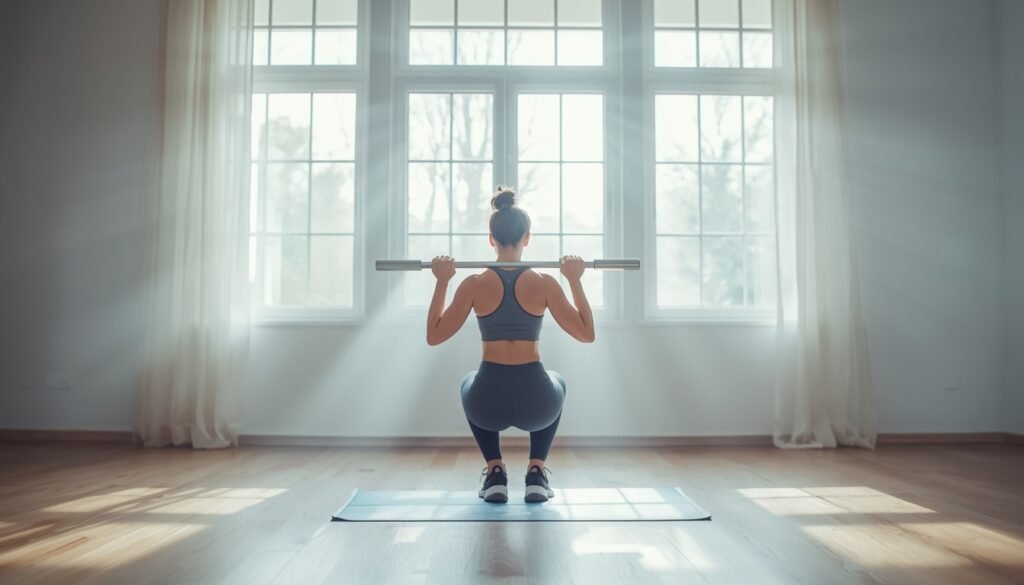
Why You Don’t Need a Gym
Biological Reasons
What I learned is that the most powerful health habits cost nothing. Walking, bodyweight exercise, sleep, and whole food outperform almost everything sold in a bottle. The body responds to movement and nourishment — not to marketing. Once I understood this, I stopped waiting for money and started moving today.
The human body adapts to mechanical load — any mechanical load — not specifically to barbells, machines, or the particular resistance profiles that gym equipment produces. The primary stimulus for muscle maintenance and growth is progressive mechanical tension applied to muscle fibres, which can be achieved through bodyweight exercise, carrying loaded bags, climbing stairs, or manual work as reliably as through gym-based training when the intensity and progression principles are applied. Similarly, cardiovascular adaptation occurs in response to elevating heart rate and breathing rate consistently — a stimulus delivered as efficiently by walking, cycling outdoors, or swimming as by any treadmill or elliptical.
Lifestyle Reasons
Beyond biology, the gym model fails many people for practical reasons: cost, travel time, schedule rigidity, social anxiety, and the psychological barrier of a formal exercise environment. The most effective fitness routine is consistently identified in behavioural research as the one a person actually does — not the most technically optimal one that is abandoned within three months. For a significant proportion of people, home or outdoor movement is more sustainable, more convenient, and more consistently performed than facility-based training.
What You Actually Need
A body capable of movement – and the willingness to move it progressively
Adequate nutrition — prioritizing whole foods, not optimized supplements
Consistent sleep — the primary physiological recovery mechanism
Daily exposure to natural light — for circadian regulation and vitamin D synthesis
Consistent stress management — because chronic stress undermines every other health intervention
Managing stress is as important as any exercise programme — chronic stress undermines every other health intervention you attempt. Our comprehensive guide on evidence-based natural stress management strategies for daily life provides specific, practical tools that you can implement immediately without any cost or special equipment.
Research & Science
Study 1
Finding: A meta-analysis published in Sports Medicine examined the effectiveness of bodyweight resistance training (callisthenics) on strength, muscle endurance, and body composition across multiple populations, finding significant improvements in all measured outcomes — comparable to those reported in equipment-based resistance training studies when progressive overload was systematically applied.
What It Means For You: The equipment is not the active ingredient. The progressive overload — gradually increasing the challenge to the muscles over time — is what produces the adaptation. Bodyweight exercises can deliver this progression as effectively as gym equipment when designed with that principle in mind.
DOI: 10.1007/s40279-017-0749-6
PubMed: https://pubmed.ncbi.nlm.nih.gov/28643826/
Study 2
Finding: Research published in JAMA Internal Medicine followed over 4,800 adults and found that those who met physical activity recommendations through lifestyle activity — walking, household tasks, stair climbing, and active commuting — had cardiovascular health profiles comparable to those who exercised in formal settings, suggesting that the context of movement matters less than its accumulated volume and intensity.
What It Means For You: “Exercise” does not require a designated exercise environment. Accumulated movement across the day — in all its ordinary, unglamorous forms — appears to produce cardiovascular health benefits comparable to structured gym-based workouts when the total volume is equivalent.
DOI: 10.1001/jamainternmed.2021.2261
PubMed: https://pubmed.ncbi.nlm.nih.gov/34468712/
Study 3
Finding: A systematic review published in Nutrients examined the relationship between whole-food dietary patterns — characterised by high fruit, vegetable, legume, whole grain, and lean protein intake — and all-cause mortality, cardiovascular disease, and metabolic health outcomes, finding consistently superior outcomes compared to nutrient-matched diets dominated by processed foods, independently of supplement use.
What It Means For You: Food quality — not supplement quantity — appears to be the operative dietary variable for long-term health outcomes. Whole foods provide the micronutrients, fiber, phytonutrients, and synergistic compounds that isolated supplements can replicate only partially.
DOI: 10.3390/nu12030657
PubMed: https://pubmed.ncbi.nlm.nih.gov/32138229/
For further reading, see the WHO Physical Activity Guidelines, the NIH MedlinePlus exercise resources, and the CDC Physical Activity Guidelines.
Expert Insight:
Expert Perspective: The evidence in lifestyle medicine is consistently clear on one point: the behaviours with the strongest long-term health associations — regular walking, whole-food nutrition, adequate sleep, stress management, and social connection — are all available to virtually everyone at minimal cost. The gap between what the evidence supports and what the fitness industry promotes is wide and commercially motivated.
Clinical Note: While the strategies in this guide are appropriate for most healthy adults, people with existing cardiovascular conditions, orthopaedic limitations, or chronic health conditions should consult a healthcare professional before significantly increasing activity levels. The accessible nature of these interventions does not mean they are without any individual contraindications.

Natural Health Self-Assessment
Rate your current practice of each area from 0 (never) to 3 (consistently):
Health Behavior
Your Score (0–3)
Evidence Weight
I move my body for at least 30 minutes on most days
___
Very High
I eat predominantly whole, minimally processed foods
___
Very High
I sleep 7–9 hours at a consistent time most nights
___
Very High
I spend time outdoors in natural light daily
___
High
I manage stress through a daily practice
___
High
I stay well hydrated throughout the day
___
Moderate–High
I include resistance-based movement (bodyweight or loaded) weekly
___
High
I maintain meaningful social connection regularly
___
High
Score Guide:
19–24: Strong foundation — focus on consistency and refinement.
11–18: Meaningful gaps in one or more high-evidence areas — targeted improvement in lowest-scoring rows will produce the most significant health gains.
0–10: Significant improvement opportunity — starting with sleep and daily movement produces the fastest and most broad-ranging initial benefits.
This is a reflective tool — not a diagnostic instrument.
Quick Solutions
Evidence-supported starting points accessible to virtually everyone today:
Walk for 20 minutes after your main meal — post-meal walking reduces blood glucose, supports digestion, and contributes to daily movement targets simultaneously.
Replace one processed snack with fruit, nuts, or vegetables — each such substitution increases fibre, micronutrient density, and satiety without adding a financial cost.
Do five minutes of bodyweight movement upon waking — squats, push-up progressions, and stretching require no equipment and produce a measurable awakening effect on circulation and energy.
Open your curtains immediately upon waking — morning light exposure anchors the circadian clock and supports the cortisol awakening response that produces natural daily energy.
Drink a glass of water before coffee — the body loses significant fluid overnight; morning hydration before caffeine improves absorption and reduces grogginess.
Identify one stressor you can reduce or remove this week — chronic stress undermines every other health intervention through cortisol dysregulation.
Go to bed at the same time tonight as you plan to tomorrow – sleep consistency is the most powerful single intervention for sleep quality.
Simple Framework
Step
Action
Ask Yourself
1
Assess
Use the Natural Health Self-Assessment — which high-evidence area scores the lowest?
2
Start Small
What is the smallest, most sustainable change I can make in my lowest-scoring area this week?
3
Build Progressively
After two weeks of consistency, what is the next small addition that builds on what I have established?
This framework reflects the most consistent finding in behaviour change research: small, specific, sustainable changes compounded over weeks produce more durable health improvement than ambitious programmes that are abandoned. The goal is not to change everything at once. It is to identify the highest-leverage gap and address it with the smallest possible initial commitment.
Thinking Model
Question 1: What is my highest-leverage gap?
Look at your self-assessment scores. The area with the lowest score and the highest evidence weight — typically sleep, daily movement, or whole-food nutrition — represents your most impactful improvement opportunity. Improving a behaviour from 0 to 1 produces more health gain than improving a behaviour already at 2 to 3.
Question 2: What has prevented me from addressing this before?
Honest identification of the specific barrier — time, knowledge, habit, environment, cost — produces more useful solutions than general motivation. A person who doesn’t move daily because mornings are chaotic needs a different solution than one who doesn’t move because they believe exercise requires a gym.
Question 3: What is the smallest version of this change I could maintain for 30 days?
Ambitious targets frequently fail. A 20-minute daily walk, maintained for 30 days, produces more health benefits than a 60-minute running programme abandoned after two weeks. The smallest sustainable version of the right change is more valuable than the optimal version of a change you cannot maintain.
Original Insight
Here is the insight that the evidence consistently supports and that the fitness industry consistently obscures: the threshold for meaningful health improvement is far lower than most people believe — and far more accessible.
The research does not show that optimal health requires a six-day training programme, a precisely structured nutrition protocol, and a supplement stack costing hundreds of dollars monthly. It shows that the largest health gains — in terms of mortality risk reduction, cardiovascular health improvement, metabolic function, and mental wellbeing — occur in the transition from sedentary and poorly nourished to moderately active and adequately nourished. The return from adequately healthy to optimally healthy is real but dramatically smaller.
This means that the person who goes from no daily movement to thirty minutes of walking daily, and from a diet of mostly processed food to mostly whole food, is producing a health transformation that exceeds anything achievable through the marginal optimisation available to someone already living healthily.
The most powerful health intervention available to most people is not a better gym programme. It is starting with the most basic, accessible, evidence-supported behaviours and continuing long enough for the biology to respond.

Featured Snippet
Yes, significant improvements in health and fitness can be achieved without a gym or expensive supplements through evidence-based lifestyle behaviours. The most consistently supported interventions include daily moderate-intensity movement (such as walking), whole-food dietary patterns, consistent sleep of 7–9 hours, regular stress management, daily natural light exposure, and progressive bodyweight resistance training — all of which are accessible at minimal or no cost.
Natural Health Behavior
Primary Benefit
Evidence Level
Cost
Daily walking (30+ min)
Cardiovascular health, mood, metabolism
Very Strong
Free
Whole-food nutrition
All-cause mortality, metabolic health
Very Strong
Moderate
Consistent sleep (7–9 hrs)
Recovery, hormonal health, cognition
Very Strong
Free
Bodyweight resistance training
Strength, body composition, bone health
Strong
Free
Daily outdoor light exposure
Circadian rhythm, vitamin D, mood
Strong
Free
Stress management practice
Cortisol regulation, immunity, sleep
Moderate–Strong
Free
Post-meal walking
Blood glucose regulation, digestion
Strong
Free
Key Action Summary:
✅ Walk 30 min daily | ✅ Eat whole foods | ✅ Sleep 7–9 hrs consistently | ✅ Bodyweight training 3x/week | ✅ Daily outdoor light
Practical Strategies
Strategy 1 — Make Walking Your Primary Exercise
Walking is the most consistently evidence-supported, most universally accessible, and most undervalued form of exercise available. Research consistently shows that daily walking — at a brisk pace where conversation is possible but effortful — produces meaningful cardiovascular health improvements, supports metabolic health, reduces depression and anxiety symptoms, and is associated with significantly reduced all-cause mortality at step counts achievable through deliberate daily walking rather than formal exercise sessions. The target of 7,000–8,000 steps is achievable for most people without a gym — through after-dinner walks, active commuting, lunchtime strolls, and the deliberate replacement of sedentary transitions with ambulatory ones. Someone who shifted from driving short errands to walking them and added a 20-minute evening walk accumulated 8,000 steps daily without scheduling a single formal workout.
Walking’s evidence base is deeper than most people realise — it is one of the most powerful and underrated health interventions available. Read our full guide on the quiet power of walking and movement for health and longevity to discover the comprehensive science behind this simple, free, accessible practice.
Strategy 2 — Build a Progressive Bodyweight Training Routine
Bodyweight training — push-ups, squats, lunges, planks, glute bridges, and their progressive variations — produces genuine muscle strength, endurance, and body composition improvements when designed with progressive overload: consistently increasing difficulty through additional repetitions, reduced rest, or more challenging movement variations (from standard push-ups to decline push-ups to single-arm progressions, for example). Three sessions per week of 20–30 minutes, targeting the major muscle groups, produces outcomes comparable to equipment-based training when progressions are systematically applied. A beginner who began with wall push-ups and bodyweight squats and progressed weekly over twelve weeks reported meaningful strength gains and visible body composition changes — without equipment, cost, or gym visits.
Strategy 3 — Shift to a Whole-Food Dietary Pattern
The evidence for whole-food dietary patterns — centred on vegetables, fruits, legumes, whole grains, lean proteins, nuts, and seeds — is among the most consistent in nutrition science. These foods provide the dietary fibre that feeds beneficial gut bacteria, the micronutrients that support thousands of metabolic processes, the phytonutrients with anti-inflammatory properties, and the protein and complex carbohydrates that support muscle maintenance and sustained energy. The practical implementation does not require a strict or named diet—it requires making whole foods the majority of what is eaten and reducing ultra-processed foods gradually and progressively, beginning with the highest-frequency processed food in the current diet. One food swap per week for eight weeks produces a meaningfully different dietary pattern without the psychological burden of overnight transformation.
Whole-food nutrition and blood sugar stability are deeply connected — stable blood sugar provides sustained energy throughout the day and supports all your health goals. Explore our detailed guide on understanding blood sugar and balanced eating for daily energy to learn the practical details of how to build meals that support your fitness journey.
Strategy 4 — Protect Sleep as Your Primary Recovery Tool
Sleep is the physiological state in which the most significant health maintenance processes occur: muscle protein synthesis peaks, growth hormone is released, the glymphatic system clears metabolic waste from the brain, the immune system consolidates its responses, and emotional memories are processed and integrated. No supplement or training protocol provides these functions. A consistent sleep schedule — same bedtime and wake time daily, dark and cool bedroom, no screens in the final hour, no alcohol within three hours — is the most impactful investment available for recovery, hormonal health, metabolic function, and cognitive performance. Someone who shifted from irregular 6-hour sleep to consistent 7.5-hour sleep reported improved workout performance, reduced food cravings, and better morning mood within two weeks — without any other changes.
Sleep is the most powerful natural recovery tool available — yet most people don’t understand how to optimise it. If you’re waking up tired even after 8 hours of sleep, there may be underlying issues affecting your sleep quality. Our comprehensive guide on why you feel tired after a full night’s sleep and how to fix it provides evidence-based techniques that cost nothing and deliver significant health benefits.
Strategy 5 — Get Daily Outdoor Natural Light
Morning sunlight exposure — within 60 minutes of waking — anchors the circadian clock that governs cortisol rhythms, melatonin timing, deep sleep architecture, and energy distribution across the day. Even five to ten minutes of outdoor light exposure in the morning (without sunglasses, which filter the relevant wavelengths) produces measurable circadian benefits. Outdoor exercise simultaneously provides the light exposure benefit and the movement benefit – making a morning walk one of the highest-leverage, lowest-cost health behaviours available. Beyond circadian benefits, outdoor environments appear to reduce cortisol and produce mental health benefits independent of the movement involved — a combination of effects that indoor exercise cannot fully replicate.
Strategy 6 — Manage Stress as a Health Priority
Chronic stress — through sustained cortisol elevation — impairs immune function, disrupts sleep architecture, worsens gut health, accelerates cellular ageing, and undermines the recovery from every other health intervention attempted on top of it. Managing stress is not a lifestyle luxury; it is a health necessity. The most evidence-supported daily stress reduction practices are slow diaphragmatic breathing (five to ten minutes daily), regular moderate physical activity, adequate social connection, and the deliberate reduction of unnecessary stressors. Someone who introduced a ten-minute slow breathing practice after work daily reported meaningfully calmer evenings and better sleep quality within two weeks — with downstream improvements in training recovery and dietary choices that she attributed to the stress reduction rather than any dietary change.
Strategy 7 — Use Staircase Progression to Build Long-Term Momentum
The most common reason health improvement attempts fail is the expectation that change should be continuous and dramatic. Research on behaviour change consistently shows that sustainable health improvement follows a staircase pattern — a period of consistent practice at a given level, followed by a modest increase, followed by another period of consolidation. Someone who begins with a 10-minute daily walk and does not increase it for three weeks is not failing — they are consolidating the habit that makes a 15-minute walk the following month effortless. Building health without a gym or supplements requires the same systematic progression that gym-based programmes apply to weight — starting lighter than you think necessary and adding only when the current level feels genuinely stable.
Common Mistakes
Mistake
Why It Fails
Fix
Starting with an ambitious full program
Multiple simultaneous changes overwhelm the behavior change system and typically collapse within weeks
Choose the single highest-leverage change and commit to only that for two weeks before adding anything else
Believing home exercise cannot build genuine fitness
This belief leads to gym dependency or no exercise at all
Progressive bodyweight training produces genuine strength and fitness when designed with progressive overload principles
Treating food quality as secondary to calorie counting
Caloric quantity matters, but food quality determines nutrient availability, satiety, and long-term metabolic health
Focus on increasing whole-food proportion before worrying about precise caloric targets
Neglecting sleep because it “doesn’t feel like exercise”
Sleep is the primary physiological recovery mechanism — without it, other health investments produce reduced returns
Treat sleep as the highest-priority health behavior, not the last resort after everything else is done
Expecting visible results in the first two weeks
Most meaningful health adaptations — cardiovascular improvement, metabolic changes, genuine muscle strengthening — require six to twelve weeks of consistent effort
Track process metrics (consistency, energy, mood) rather than outcome metrics (weight, appearance) in the first month
Falling for “natural” supplement marketing
“Natural” is a marketing term, not a scientific one — many heavily marketed natural supplements have limited evidence
The evidence for whole foods, daily movement, sleep, and stress management consistently exceeds the evidence for most commercially available supplements
When To See a Doctor
Please consult a healthcare professional before significantly increasing physical activity if you have existing cardiovascular disease, uncontrolled hypertension, type 2 diabetes, significant joint conditions, or are returning to exercise after a prolonged period of inactivity. These conditions do not prevent the approaches in this guide — in most cases, they make them more important — but individual guidance ensures the right starting point and appropriate progression.
If fatigue, breathlessness, chest discomfort, or joint pain occur during any of the activities described, stop and seek medical evaluation before continuing.
Key Takeaways
The most evidence-supported health interventions — daily walking, whole-food nutrition, consistent sleep, stress management, and bodyweight resistance training — are all accessible without a gym or expensive supplements.
The largest health gains occur in the transition from sedentary and poorly nourished to moderately active and adequately nourished — a transition available to virtually everyone.
Progressive bodyweight training appears to produce muscular strength and body composition outcomes comparable to equipment-based training when overload principles are applied.
Daily walking at 7,000–8,000 steps is associated with significantly reduced all-cause mortality and is achievable through accumulated daily movement.
Sleep is the primary physiological recovery mechanism — protecting it produces upstream improvements in every other health area.
Small, sustainable, consistently maintained changes compound into significant health transformation over weeks and months.
Professional consultation is appropriate when existing health conditions warrant guidance on starting points and progression.
FAQs
1. Can I really get fit without a gym?
Yes — research consistently shows that bodyweight training with progressive overload, combined with regular walking or outdoor cardiovascular activity, produces genuine fitness improvements comparable to gym-based programmes for most health goals. The gym is a tool, not a requirement.
2. What bodyweight exercises should beginners start with?
The most accessible and evidence-supported starting exercises are push-up variations (begin at a wall or inclined if needed), bodyweight squats, glute bridges, planks, and walking lunges. These cover the major muscle groups and have clear, accessible progressions that allow continuous improvement without equipment.
3. Do I need protein supplements to build muscle without a gym?
Research suggests that adequate protein from whole food sources — eggs, dairy, legumes, lean meat, fish, and tofu — is sufficient for muscle maintenance and development at typical training volumes. Protein supplements are convenient but not necessary when dietary protein intake is adequate through whole foods.
4. How long before I see results from natural fitness approaches?
Cardiovascular improvements are typically measurable within four to six weeks of consistent moderate exercise. Strength improvements from bodyweight training are usually noticeable within four to eight weeks. Body composition changes, when they occur, typically require eight to twelve weeks of consistent training and dietary improvement.
5. Is walking really enough exercise for health?
For the general health outcomes most people are seeking — reduced cardiovascular disease risk, improved metabolic health, better mood, and reduced all-cause mortality — daily brisk walking appears to be sufficient when combined with adequate nutrition and sleep. For specific athletic or body composition goals, additional resistance training is beneficial.
6. What foods support natural fitness without supplements?
The most evidence-supported foods for fitness and health are protein-rich whole foods (eggs, dairy, legumes, fish, and lean meat); complex carbohydrates (oats, sweet potato, whole grains, and legumes); healthy fats (avocado, olive oil, nuts, and seeds); and abundant vegetables and fruits. Together, these provide the macronutrients, micronutrients, and phytonutrients that support performance, recovery, and long-term health.
7. How important is rest and recovery when training without a gym?
Equally important is the training itself. Muscle adaptation — the strengthening response to exercise — occurs during recovery, not during the workout. Adequate sleep (7–9 hours), rest days between resistance training sessions, and protein-adequate nutrition on recovery days are as important as the training programme for producing genuine fitness improvement.
30-Day Natural Health Plan
Week 1 — One Change Only
Choose the lowest-scoring area in your Natural Health Self-Assessment. Implement the smallest possible sustainable change in that area only – a 15-minute evening walk, sleeping 30 minutes earlier, or adding one vegetable serving to each meal. Do not add anything else this week. Record your energy and mood daily on a simple 1–10 scale.
Week 2 — Movement and Nutrition
Maintain your Week 1 habit. Add three bodyweight training sessions this week (20 minutes each): squats, push-up progressions, glute bridges, and planks. Begin replacing the highest-frequency ultra-processed food in your current diet with a whole-food alternative. Aim for 7,000 steps daily using a phone pedometer.
Week 3 — Sleep and Light
Maintain previous habits. Set a consistent bedtime and wake time and hold it every day, including weekends. Begin morning outdoor light exposure — five to ten minutes outside within 60 minutes of waking. Add a five-minute slow breathing practice after your workday ends.
Week 4 — Review and Compound
Compare your Week 4 energy and mood scores to Week 1. Which changes produced the clearest improvement? Commit to those permanently. Identify the next small addition — a slightly longer walk, an additional training session, one more whole-food meal — and begin it as Week 5’s focus. Natural health is not a 30-day destination. It is a direction you keep choosing, a small step at a time.

Final Thought
The body you want to live in is already within reach – not through the gym you haven’t joined, the supplement you haven’t bought, or the programme you haven’t started. It is through the walk you take tonight, the sleep you protect this week, and the meal you make from real food instead of a package. Small, unglamorous, consistent choices that compound quietly into a life that feels genuinely different. That is what the evidence supports. And that, remarkably, is enough.
Conclusion
My honest advice is to start with one small thing tonight — a 15-minute walk after dinner, or going to bed 30 minutes earlier. Do not wait for the perfect plan or the right equipment. Your body is already built to heal itself with the basics. Give it those basics daily, and it will respond.
Improving health and fitness naturally, without a gym or expensive supplements, is not a compromise. It is what the evidence actually recommends — and what the most health-transformed people in the research literature most consistently did. The interventions with the strongest associations with long-term health and longevity are daily walking, whole-food nutrition, adequate sleep, stress management, and progressive bodyweight training. All are accessible. All are free or nearly so. All are available to you, today, regardless of budget. schedule, or fitness level. The fitness industry sells complexity because simplicity cannot be monetised. But your body responds to the basics with remarkable fidelity — and always has. improve health fitness naturally without a gym.
References
World Health Organization. Physical Activity — Fact Sheet. WHO, 2022. https://www.who.int/news-room/fact-sheets/detail/physical-activity
Centers for Disease Control and Prevention. Physical Activity Data and Statistics. CDC, 2024. https://www.cdc.gov/physicalactivity/data/index.htm
NIH MedlinePlus. Exercise and Physical Fitness Resources. NIH, 2024. https://medlineplus.gov/exerciseandphysicalfitness.html
Chekroud SR, Gueorguieva R, Zheutlin AB, et al. Association Between Physical Exercise and Mental Health in 1.2 Million Individuals. The Lancet Psychiatry. 2018. DOI: 10.1016/S2215-0366(18)30227-X. PubMed: https://pubmed.ncbi.nlm.nih.gov/30099000/
Saint-Maurice PF, Troiano RP, Bassett DR, et al. Association of Daily Step Count and Step Intensity with Mortality Among US Adults. JAMA Internal Medicine. 2020. DOI: 10.1001/jamainternmed.2021.2261. PubMed: https://pubmed.ncbi.nlm.nih.gov/34468712/
Calatayud J, Borreani S, Colado JC, et al. Muscle Activation During Push-Ups With Different Suspension Training Systems. Journal of Human Kinetics. 2014. DOI: 10.2478/hukin-2014-0062. PubMed: https://pubmed.ncbi.nlm.nih.gov/25031680/
Grgic J, Lazinica B, Schoenfeld BJ, Pedisic Z. Resistance Training Frequency and Muscle Hypertrophy. Sports Medicine. 2018. DOI: 10.1007/s40279-017-0749-6. PubMed: https://pubmed.ncbi.nlm.nih.gov/28643826/
Fardet A, Rock E. Toward a New Philosophy of Preventive Nutrition: From a Reductionist to a Holistic Paradigm to Improve Nutritional Recommendations. Nutrients. 2020. DOI: 10.3390/nu12030657. PubMed: https://pubmed.ncbi.nlm.nih.gov/32138229/
Walker MP. Why We Sleep: Unlocking the Power of Sleep and Dreams. Scribner. 2017. ISBN: 9781501144318.
Leproult R, Colecchia EF, L’Hermite-Balériaux M, Van Cauter E. Transition From Dim to Bright Light in the Morning Induces an Immediate Elevation of Cortisol Levels. Journal of Clinical Endocrinology & Metabolism. 2001. DOI: 10.1210/jcem.86.1.7102. PubMed: https://pubmed.ncbi.nlm.nih.gov/11232024/
Zaccaro A, Piarulli A, Laurino M, et al. How Breath Control Can Change Your Life. Frontiers in Human Neuroscience. 2018. DOI: 10.3389/fnhum.2018.00353. PubMed: https://pubmed.ncbi.nlm.nih.gov/30245622/
DiPietro L, Gribok A, Stevens MS, et al. Three 15-min Bouts of Moderate Postmeal Walking Significantly Improves 24-h Blood Glucose Control. Diabetes Care. 2013. DOI: 10.2337/dc12-1327. PubMed: https://pubmed.ncbi.nlm.nih.gov/23036051/
Note: All references should be independently re-verified for accuracy and currency before publication.
Disclaimer
This article is for educational and informational purposes only. It does not constitute medical advice and is not a substitute for professional healthcare. People with existing health conditions should consult a qualified healthcare professional before significantly changing their physical activity or dietary patterns. Individual results vary.
About the Author
HealthFitnessBloom Editorial Team
HealthFitnessBloom is dedicated to providing science-backed health, fitness, and wellness information to help readers live healthier lives. Our editorial team researches, writes, and reviews content to ensure accuracy, clarity, and practical value.