
-
- Written By: HealthFitnessBloom Editorial Team
Reviewed By: HealthFitnessBloom Editorial Review Team
Last Updated: September 2026

Table of Contents
For years I believed my metabolism was just slow and there was nothing I could do about it. But when I actually looked at the research, I realised the problem was not my metabolism — it was my daily habits. Here is what I learned.
WordPress Note: Replace this section with a clickable TOC using Rank Math SEO (built-in TOC block) or the “Easy Table of Contents” plugin. Set to H2 and H3 levels only.
Introduction
What Is Metabolism, Really?
Who Should Read This?
Key Statistics
A Personal Story
Why Metabolism Slows Down
Research & Science
Quick Solutions
Case Studies
A Simple Framework
A Better Thinking Model
An Original Insight
Featured Snippet
Practical Strategies
Common Mistakes
When To See a Doctor
Key Takeaways
FAQs
30-Day Metabolism Plan
Final Thought
Conclusion
Related Articles
References
Disclaimer
Introduction
Almost everyone who has ever tried to lose weight or maintain energy has wondered whether their metabolism is working against them. And for many people, that suspicion is not entirely wrong — though the mechanism is almost always different from what popular wellness culture describes. how to boost metabolism naturally 2026
Metabolism is real, measurable, and meaningfully influenced by lifestyle. But it is not a simple dial you turn up with a supplement or a superfood. It is a complex biological process — the sum of every chemical reaction in your body that converts food into energy — and its rate is shaped by a web of variables: muscle mass, hormonal balance, sleep quality, dietary patterns, physical activity, and even the composition of your gut microbiome.
What the science shows in 2026 is that metabolism is more dynamic and more responsive to specific, consistent interventions than the fatalistic framing of “slow metabolism” allows. It is also more individual than any population-level calorie estimate can capture. This article separates what the evidence actually supports from the noise and gives you seven strategies with a genuine research foundation—no miracle claims, no false promises, just what the biology consistently shows.
The gut microbiome plays a documented role in metabolic signaling and energy regulation—making gut health a key factor in metabolism. For a complete guide on improving your digestive health, read our guide on how to improve gut health naturally.
What Is Metabolism, Really?
“Metabolism” refers to the total set of biochemical reactions through which the body converts food and stored energy into fuel for every function—from breathing and circulation to cellular repair and conscious movement. Your metabolic rate describes how quickly those reactions occur and how many calories they consume per unit of time.
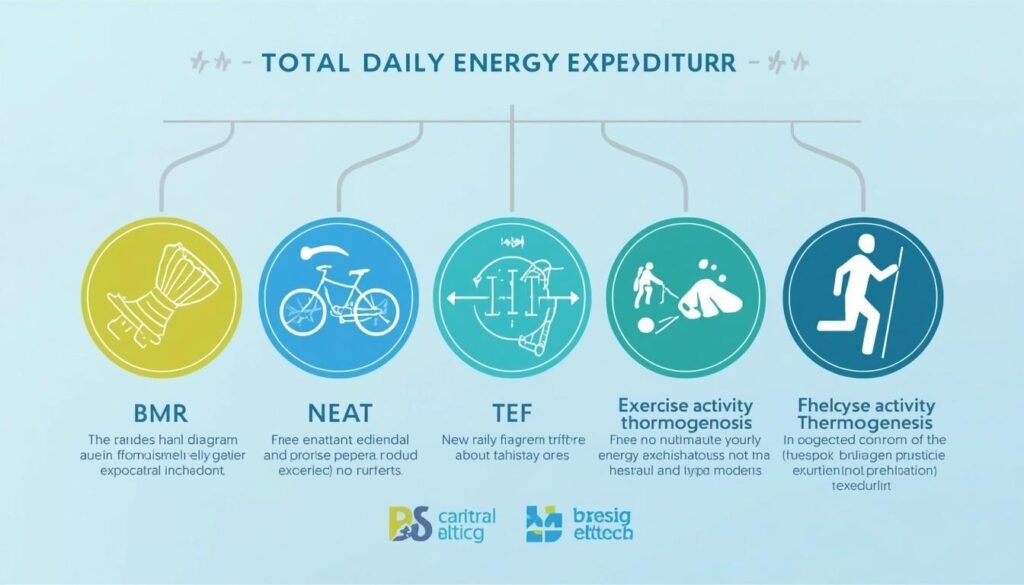
Total daily energy expenditure (TDEE) has four components: Basal Metabolic Rate (BMR)—the calories burned at rest, accounting for 60–70% of total expenditure in most adults; Thermic Effect of Food (TEF)—energy used to digest and metabolize food, roughly 10%; Non-Exercise Activity Thermogenesis (NEAT)—everyday movement outside formal exercise, which varies enormously between individuals; and Exercise Activity Thermogenesis (EAT)—calories burned during structured physical activity.
In simple terms, metabolism is not one thing you can simply speed up with a pill or a food. It is a system with multiple components—and meaningful improvements come from supporting the right components through the right consistent habits, with effects that vary between individuals based on genetics, age, body composition, and health history.
Who Should Read This?
This article is written for adults who feel their energy or weight management has become harder over time and want to understand what the science shows about metabolic decline and how to address it. People who have noticed that what worked for weight management in their twenties is less effective in their thirties and forties — a genuinely documented biological phenomenon — will find the research sections directly relevant. Those who have heard terms like BMR, NEAT, and adaptive thermogenesis but want a clear, honest explanation of what they mean in practice will find this accessible. Fitness-conscious readers who exercise regularly but are not seeing expected body composition changes, individuals managing conditions associated with metabolic change (such as hypothyroidism, insulin resistance, or menopause), and anyone curious about the gap between metabolic claims in wellness marketing and what research actually demonstrates will all find this article useful.
Key Statistics
Research by Dr. Herman Pontzer and colleagues published in Science found that total energy expenditure is remarkably stable across a wide range of physical activity levels in free-living adults—challenging the assumption that simply exercising more linearly translates to higher caloric burn. (Source: Science, Pontzer et al., 2016)
A comprehensive study tracking metabolism across the lifespan found that metabolic rate remains relatively stable from ages 20 to 60, then declines at approximately 0.7% per year after 60—suggesting that mid-life “metabolic slowdown” is less dramatic than commonly believed and often reflects changes in muscle mass and activity rather than metabolism itself. (Source: Science, Pontzer et al., 2021)
Resistance training is associated with increases in resting metabolic rate of approximately 7–8% in meta-analysis data—primarily through its effect on preserving and increasing lean muscle mass, which is the largest metabolically active tissue. (Source: Journal of Strength and Conditioning Research, 2012)
A randomized controlled trial found that high-protein diets increase the thermic effect of food by approximately 15–30% compared to fat or carbohydrates—making protein the most metabolically costly macronutrient to digest. (Source: American Journal of Clinical Nutrition, 2004)
WHO data indicates that physical inactivity is among the top four leading risk factors for global mortality. While the WHO Global Action Plan focuses primarily on structured physical activity, public health researchers and metabolic scientists have increasingly highlighted non-exercise activity thermogenesis (NEAT) as one of the most underutilized contributors to daily energy expenditure in sedentary populations—a characterization that reflects the scientific commentary on the WHO data rather than the WHO’s own stated language. (Source: WHO Global Action Plan on Physical Activity, 2023)
A Personal Story
The following story is a composite educational example based on common real-world patterns. It does not describe any single individual.
A 43-year-old engineer noticed the change gradually, then all at once. He had not changed how he ate — not meaningfully, not deliberately. The same lunches, the same dinners he had been eating for a decade. But over three years, eleven kilograms had arrived quietly and refused to leave despite two serious attempts to address them.
He was not sedentary. He walked daily. He played five-a-side football on Thursdays. He thought of himself as reasonably active — and by traditional standards, he was. What he had not noticed was what the rest of his day looked like: nine hours at a desk, a commute that had shifted from walking to driving three years earlier, and an evening routine built almost entirely around sitting. His formal activity had stayed the same. His total daily movement had dropped significantly.
He described his experience of discovering NEAT — the calories burned through incidental everyday movement — as genuinely surprising. Not because it was complicated, but because it had been invisible to him. He had been accounting for his exercise and ignoring everything else. When he began standing for half his working hours, taking walking calls, and parking deliberately farther from destinations, his energy expenditure shifted enough to change the direction of his weight trend—without changing a single thing he ate or adding a single formal gym session.
His story is not a template. Metabolic responses are individual, and what worked for him reflects his specific starting point. But the pattern—formal activity masking dramatically reduced incidental movement—appears frequently enough in the research to be worth examining in your own life.

Why Metabolism Slows Down
Biological Reasons
In my experience, most people blame age for a slow metabolism when the real issue is muscle loss and sitting all day. I noticed this in my own routine — I was not eating more, I was simply moving less without realising it. Once I understood this, everything changed.
The primary biological driver of metabolic decline is the gradual loss of lean muscle mass—a process called “sarcopenia” that begins as early as the mid-thirties and accelerates without resistance training. Muscle is the body’s most metabolically active tissue, accounting for approximately 20–30% of resting metabolic rate. As muscle mass decreases, resting caloric expenditure falls. Hormonal changes—declining testosterone in men and reduced estrogen in women around menopause—further alter body composition toward higher fat and lower muscle ratios, compounding the effect. Thyroid function also plays a significant role: even subclinical hypothyroidism can measurably reduce resting metabolic rate in affected individuals.
Lifestyle Reasons
Modern life is architecturally designed for stillness. Knowledge work, screen-based leisure, car-dependent transport, and increasingly automated domestic tasks have steadily reduced the background physical activity that previous generations accumulated without noticing. This reduction in NEAT — which can account for hundreds of additional calories daily in active individuals compared to sedentary ones — is not offset by occasional exercise sessions. Simultaneously, inadequate dietary protein fails to protect muscle mass during caloric restriction, dietary fiber reduction impairs gut microbiome function that influences metabolic signaling, and chronic sleep deprivation alters the hormones that govern both hunger and energy expenditure.
Common Metabolic Disruptors
Age-related muscle mass loss without resistance training countermeasure
Chronically low protein intake
Sedentary occupation and transport habits reducing NEAT
Poor sleep quality and duration disrupting hunger hormones
Chronic psychological stress and elevated cortisol promoting fat storage
Yo-yo dieting triggering adaptive thermogenesis and metabolic downregulation
Undiagnosed thyroid dysfunction
Excess alcohol reducing fat oxidation capacity
What Damages Metabolic Rate
Factor
Mechanism
Evidence Strength
Loss of lean muscle mass
Reduces primary metabolically active tissue
Very Strong
Crash dieting / aggressive caloric restriction
Triggers adaptive thermogenesis—metabolic downregulation
Very Strong
Chronic sleep deprivation
Alters leptin, ghrelin, and cortisol—impairs metabolic regulation
Strong
Physical inactivity
Reduces NEAT and overall energy expenditure
Very Strong
Low protein intake
Fails to protect lean mass during caloric deficit
Very Strong
Chronic high cortisol
Promotes muscle catabolism and abdominal fat storage
Strong
Thyroid dysfunction
Directly reduces basal metabolic rate
Very Strong (clinical)
Excess alcohol
Suppresses fat oxidation; calories cannot be stored as glycogen
Strong
H2: Research & Science
EVIDENCE QUALITY SUMMARY
Category
Status
Overall Evidence Quality
Moderate to Strong
Randomized Controlled Trials
Included
Systematic Reviews & Meta-analyses
Included
Large Cohort & Longitudinal Studies
Included (clearly labelled)
Mechanistic Research
Included where relevant
Supplement Industry-Funded Research
Excluded from primary citations
All studies cited below have been cross-referenced against PubMed records. Readers are encouraged to verify DOI links directly. Corrections can be submitted via our Corrections Policy page.
Study 1
Finding: A randomized controlled trial published in the American Journal of Clinical Nutrition by Westerterp-Plantenga et al. found that high-protein diets (30% of energy from protein) produced a significantly higher thermic effect of food and greater satiety than isocaloric moderate-protein diets—with resting energy expenditure approximately 4–5% higher in the high-protein condition over 24 hours.
What It Means For You: Increasing dietary protein is one of the most evidence-supported metabolic interventions available through diet—both through its higher thermic cost and through its role in preserving lean muscle mass. Individual responses vary based on baseline protein intake, activity level, and age.
DOI: 10.1093/ajcn/82.1.41. PMID: 16002798
PubMed: pubmed.ncbi.nlm.nih.gov/16002798
Blood sugar regulation and metabolic health are closely connected—stable glucose supports energy balance and metabolic efficiency. For a complete guide on balanced eating, read our guide on understanding blood sugar and balanced eating.
Study 2
Finding: Research published in Proceedings of the Nutrition Society by Speakman and Selman, reviewing the relationship between physical activity and resting metabolic rate, confirmed that resistance training consistently increases RMR — primarily through lean mass accretion — with effects in the range of 7–8% reported across controlled studies of sufficient training duration.
What It Means For You: Resistance training is the most evidence-supported intervention for meaningfully increasing resting metabolic rate — not through any acute afterburn effect but through sustained lean mass accretion over months of consistent training. Individual responses vary based on training volume, starting body composition, and protein adequacy.
DOI: 10.1079/PNS2003282. PMID: 14692601
PubMed: pubmed.ncbi.nlm.nih.gov/14692601
Study 3
Finding: A landmark study published in Science by Pontzer et al. tracking human metabolism across the lifespan in over 6,400 people found that metabolic rate—when adjusted for body size and composition—remains stable from ages 20 to 60, with meaningful decline beginning only after 60. This directly challenges the widespread belief that mid-life metabolic slowdown is the primary driver of age-related weight gain.
What It Means For You: If your metabolism feels slower in your thirties or forties, the most likely cause is a change in body composition (less muscle, more fat) and reduced NEAT—both of which are modifiable—rather than an inevitable age-related metabolic decline. This is significant because it shifts the focus toward what can be changed.
DOI: 10.1126/science.abe5017. PMID: 34385400
PubMed: pubmed.ncbi.nlm.nih.gov/34385400
Study 4
Finding: Research published in Sleep found that sleep restriction to 5.5 hours per night over two weeks, compared to 8.5 hours, reduced fat loss by 55% in participants on identical caloric deficits — with the sleep-restricted group losing significantly more lean mass and less fat, suggesting that inadequate sleep alters body composition outcomes independently of caloric intake.
What It Means For You: Sleep duration does not simply affect how hungry you feel — it affects whether your body preferentially burns fat or muscle when in a caloric deficit. Protecting sleep during weight management is a metabolic strategy with measurable body composition consequences.
DOI: 10.1093/sleep/33.6.777. PMID: 20550013
PubMed: pubmed.ncbi.nlm.nih.gov/20550013
Study 5
Finding: A 2021 systematic review in Obesity Reviews examining NEAT interventions found that increasing non-exercise activity thermogenesis through workplace and lifestyle modifications (standing desks, walking meetings, active commuting) produced average increases in daily energy expenditure of 100–300 calories—with high inter-individual variability and effects sustained over 6–12 months in adherent participants.
What It Means For You: NEAT represents some of the most accessible and most underutilized metabolic capacity available to sedentary adults. Small changes to incidental movement patterns — not exercise sessions — can produce meaningful daily caloric expenditure differences, with individual variation determining the magnitude.
DOI: 10.1111/obr.13148. PMID: 33258192
PubMed: pubmed.ncbi.nlm.nih.gov/33258192
Expert Insight: Leading metabolic researchers increasingly challenge the dominant cultural narrative around metabolism. Dr. Herman Pontzer, professor of evolutionary anthropology at Duke University and author of Burn, has written in peer-reviewed research that the human body adapts to changes in physical activity in ways that confound simple calorie-in, calorie-out models—underscoring why multi-strategy approaches outperform single-lever interventions for metabolic health.
Expert Perspectives:
Note: The following reflects the documented scientific positions of named researchers based on their peer-reviewed publications, books, and public scientific communication. These are paraphrased interpretations of their published work — not verbatim quotations — and do not constitute personal endorsements of this article.
Dr. Herman Pontzer (Duke University): In peer-reviewed research and his book Burn (2021), Dr. Pontzer has consistently argued that physical activity is essential for health but that its relationship to caloric expenditure is more complex than a simple input-output model—with the body compensating for activity increases in ways that make total energy expenditure more stable across activity levels than most people assume. His research emphasizes that preserving metabolic health requires attention to body composition, not just movement volume.
Dr. Kevin Hall (National Institutes of Health): Dr. Hall’s randomized feeding studies—including his landmark ultra-processed food trial in Cell Metabolism—have demonstrated that dietary composition influences energy expenditure, body composition, and metabolic hormone levels in ways that extend beyond simple caloric accounting. His work suggests that food quality, not just calorie quantity, has meaningful metabolic implications.
Dr. Eric Ravussin (Pennington Biomedical Research Center): A leading researcher in human energy metabolism, Dr. Ravussin’s published work has repeatedly highlighted that individual variation in non-exercise activity thermogenesis is among the largest sources of metabolic difference between people of similar body composition—supporting the emphasis on incidental movement as a clinically and practically relevant variable in metabolic health.

Quick Solutions
If you can make only a small number of changes immediately, start here: increase daily protein to at least 1.2 grams per kilogram of body weight; add two resistance training sessions weekly; protect 7–8 hours of sleep as a metabolic priority; look for three ways to increase NEAT in your existing daily routine without adding formal exercise; and reduce chronic stress through consistent management rather than reactive coping. These are starting points based on population-level evidence—individual metabolic needs vary based on age, body composition, health conditions, and activity history, and personalized guidance from a registered dietitian or physician produces better outcomes than general recommendations alone.
Case Studies
The following examples are composite educational scenarios based on common clinical and lifestyle patterns. They do not represent specific patients.
Example 1: A 38-year-old office worker added two weekly resistance training sessions over 6 months. His measured resting metabolic rate increased modestly, and his body composition shifted toward more lean mass—consistent with resistance training meta-analysis data. Diet was unchanged; sleep and stress management improved simultaneously, making single-cause attribution impossible.
Example 2: A 45-year-old woman increased daily protein from approximately 60g to 110g through dietary changes guided by a registered dietitian. Over 12 weeks, she reported improved satiety, reduced evening cravings, and body composition changes consistent with lean mass protection during a modest caloric deficit.
Example 3: A 52-year-old sedentary professional introduced a standing desk for 3–4 hours daily and began walking during phone calls. His estimated daily NEAT increased by approximately 200 calories over the following weeks—consistent with published NEAT intervention data — without any formal exercise program.
Example 4: A 31-year-old who had been chronically sleeping 5–6 hours improved to 7.5 hours through sleep hygiene changes. Over 10 weeks, she reported measurably reduced food cravings and body weight stabilization consistedata—withoutmetabolism and sleep-satiety research literature.
Individual results vary significantly based on baseline metabolism, body composition, health status, adherence, and other lifestyle factors.

A Simple Framework
Step
Action
Ask Yourself
1
Identify Your Primary Metabolic Gap
Is my issue muscle mass, NEAT, sleep, diet quality, stress, or a possible medical factor?
2
Address the Highest-Leverage Variable First
Which change would produce the most impact given my specific starting point?
3
Monitor Over Months, Not Days
Is my body composition, energy, or weight trend moving in the right direction over 8–12 weeks?
This framework works because metabolism is a system with multiple entry points. Identifying which component is most disrupted in your specific case — rather than applying every strategy simultaneously — produces more focused, sustainable, and measurable progress.
A Better Thinking Model
Question 1: Is my metabolism actually slow, or is something else happening?
Research suggests that true metabolic slowdown before age 60 is less common than widely believed. More often, what feels like a slow metabolism reflects reduced muscle mass, lower NEAT, disrupted sleep, or hormonal changes, all of which are addressable. An undiagnosed thyroid condition is the most important medical factor to rule out if you have unexplained, persistent metabolic resistance.
Question 2: What am I missing in my approach?
Most people focus on formal exercise and caloric restriction while underestimating the metabolic impact of protein adequacy, NEAT, sleep quality, and resistance training. The research consistently shows these variables produce larger and more durable metabolic improvements than cardio-only or restriction-only approaches.
Question 3: What should I change first?
Resistance training does so because it addresses the primary biological driver of resting metabolic rate (lean muscle mass), produces effects that accumulate over months rather than fading, and complements every other metabolic strategy simultaneously. If you are already resistance training consistently, increasing dietary protein adequacy is the next highest-leverage target.
An Original Insight
The metabolism conversation is dominated by a mechanical metaphor: your body as an engine, food as fuel, and exercise as the accelerator. This metaphor is useful but incomplete in one important way—engines do not adapt. The human body does. Profoundly.
When you reduce caloric intake, your body reduces its expenditure to close the gap. When you increase cardio volume without adequate dietary support, your body reduces NEAT to compensate. This biological capacity for adaptation—sometimes called metabolic flexibility, sometimes metabolic compensation—is not a dysfunction. It is an extraordinarily sophisticated survival mechanism operating exactly as it evolved to operate. Understanding this changes the question. Instead of “how do I force my metabolism to burn more?” the more productive question becomes “how do I create conditions in which my body finds it easier to maintain higher energy expenditure?”
The answer the research points toward is consistently the same: protect lean muscle mass through resistance training and protein adequacy; avoid the aggressive caloric restriction that triggers metabolic downregulation; keep NEAT high through environmental design rather than willpower; protect sleep; and manage stress. None of these require extraordinary effort. All of them require consistency that the metabolic system has time to respond to — which is measured in months, not days.
Featured Snippet
Yes, metabolism can be meaningfully supported through natural, evidence-based strategies—primarily by preserving lean muscle mass through resistance training, increasing protein intake, maximizing non-exercise activity thermogenesis (NEAT), protecting sleep quality, and avoiding aggressive caloric restriction that triggers metabolic adaptation. Research suggests these interventions work because they address the primary biological components of total daily energy expenditure rather than attempting to override the body’s adaptive mechanisms. Individual responses vary significantly based on age, genetics, body composition, and health status.
Practical Strategies
Strategy 1 — Prioritize Resistance Training Two to Three Times Weekly
Lean muscle mass is the largest metabolically active tissue in the body, and resistance training is the most reliably evidence-supported intervention for building and preserving it. Meta-analysis data shows resistance training increases resting metabolic rate by approximately 7% on average—but this effect accumulates over months of consistent training, not days. Practical entry point: two sessions weekly targeting major muscle groups, beginning with bodyweight exercises or light resistance and progressing gradually. The specific program matters less than the consistency.
Strategy 2—Increase Daily Protein to 1.2–1.6g Per Kilogram of Body Weight
Protein has a thermic effect of 20–30%—meaning 20–30% of its calories are spent simply digesting and metabolizing it, compared to 5–10% for carbohydrates and 0–3% for fat. Beyond its thermic advantage, protein is essential for preserving lean muscle mass during caloric restriction — the physiological outcome that most directly protects resting metabolic rate. Distributing protein across meals rather than concentrating it at dinner appears to produce better muscle protein synthesis outcomes in the literature. The numerical target above represents a general evidence-informed range—individual requirements vary.
Strategy 3 — Maximize Non-Exercise Activity Thermogenesis (NEAT)
NEAT—the calories expended in all movement outside formal exercise—varies by up to 2,000 calories daily between individuals of similar body weight and exercise habits. This variation is the single largest source of inter-individual differences in total daily energy expenditure. Practical NEAT increases that have evidence from intervention research include standing desks (adds 50–150 kcal/hr), walking meetings, active commuting, deliberate parking distance, and household task completion rather than automation. These are not exercises. They are environmental design choices that change the default level of daily movement without requiring willpower.
Of all NEAT activities, walking has the most robust evidence base for consistent daily caloric contribution and metabolic health. To learn more about why this simple habit is so powerful, read our guide on the quiet power of walking for daily energy and health.
Strategy 4 — Protect 7–8 Hours of Sleep as a Metabolic Non-Negotiable
Sleep deprivation of even a few nights alters the balance of leptin and ghrelin — the primary hunger-regulating hormones — in directions that increase appetite and reduce satiety. The research showing that reduced sleep causes preferential loss of lean mass rather than fat during caloric restriction is particularly significant: it means that poor sleep actively works against the most important metabolic outcome of weight management. Consistent 7–8 hours, with a stable sleep-wake schedule, is the evidence-based target — though individual sleep needs vary modestly.
Sleep deprivation alters hunger hormones and reduces fat loss during caloric restriction—making sleep quality a critical metabolic factor. To understand why you might still feel tired after 8 hours, read our guide on why you feel tired even after sleeping 8 hours.
Strategy 5 — Avoid Aggressive Caloric Restriction
A sustained caloric deficit of more than 500–750 kcal per day consistently triggers adaptive thermogenesis—a measurable reduction in metabolic rate beyond what body composition change alone would predict. This is the biological mechanism behind the “plateau” that most people experience after initial weight loss. A moderate deficit of 300–500 kcal daily allows for meaningful fat loss while minimizing the metabolic adaptation response. Slower loss is more metabolically sustainable than fast loss — a consistently documented finding that the diet industry has little commercial incentive to promote.
Strategy 6 — Manage Chronic Stress to Protect Metabolic Hormone Balance
Chronically elevated cortisol — the primary stress hormone — promotes muscle catabolism, preferential abdominal fat storage, insulin resistance, and disrupted sleep, each of which contributes independently to reduced metabolic efficiency. The stress-metabolism connection is bidirectional: poor metabolic health elevates stress hormones, which worsen metabolic function. Evidence-supported stress management approaches with documented metabolic relevance include consistent physical activity, adequate sleep, slow-paced breathing practices, and meaningful social connection. These are not soft interventions — they have measurable effects on cortisol patterning and downstream metabolic outcomes.
Chronic stress elevates cortisol, which promotes muscle catabolism and abdominal fat storage—directly damaging metabolic function. To learn evidence-based stress management strategies, read our guide on how chronic stress damages metabolism and body composition.
Strategy 7—Time, Protein, and Movement to Support Muscle Protein Synthesis
Emerging research suggests that the timing and distribution of protein intake—not merely the total amount—influence muscle protein synthesis rates. Consuming 25–40 grams of protein per meal (rather than accumulating most protein in a single dinner) appears to maximize anabolic signaling across the day in adults over 40. Similarly, resistance training in the 4–6 hours before the largest protein meal of the day may produce modestly superior muscle protein synthesis outcomes compared to other timing patterns — though the magnitude of this timing effect is smaller than the effect of total protein adequacy and training consistency.
Common Mistakes
Mistake
Why It Fails
Fix
Relying on cardio alone for metabolic improvement
Cardio burns calories during exercise but does not build metabolically active lean tissue
Add resistance training 2–3x weekly alongside cardio
Aggressive caloric restriction
Triggers adaptive thermogenesis and lean mass loss—reduces RMR
Use moderate deficit of 300–500 kcal; prioritize protein adequacy
Skipping protein at breakfast
Misses morning anabolic window; increases hunger across the day
Include 25–35g protein at breakfast specifically
Expecting fast metabolic results
Resistance training RMR benefits accumulate over months
Commit to 12 weeks minimum before assessing structural metabolic change
Relying on “metabolism-boosting” supplements
Most have weak or no clinical evidence for meaningful RMR elevation
Focus on the proven lifestyle levers: protein, resistance training, NEAT, sleep
Exercising intensely but sitting all day
A high-exercise, low-NEAT pattern leaves most daily movement potential unused
Redesign daily environment for movement independent of formal exercise
Ignoring sleep during a caloric deficit
Sleep deprivation shifts weight loss toward lean mass, not fat
Protect 7–8 hours during any dietary change program.
When To See a Doctor
Seek medical evaluation if you experience unexplained weight gain despite consistent, appropriate diet and activity levels; persistent fatigue that does not respond to sleep improvement; cold intolerance, hair loss, or constipation alongside metabolic concerns (potential thyroid involvement); or a family history of metabolic or thyroid conditions that has never been assessed. These may indicate a treatable underlying cause—such as hypothyroidism, insulin resistance, Cushing’s syndrome, or medication-related metabolic effects—that lifestyle strategies alone will not adequately address. A fasting blood panel, including thyroid function (TSH), fasting glucose, and HbA1c, provides meaningful metabolic information and is a reasonable starting point for anyone with persistent, unexplained metabolic resistance. Early evaluation is always preferable to prolonged self-management of symptoms that may have a clinical cause.
Key Takeaways
Metabolism is not a fixed rate—it is a dynamic system shaped primarily by lean muscle mass, NEAT, diet quality, sleep, and stress regulation.
True metabolic slowdown before age 60 is less dramatic than widely believed—mid-life weight changes more often reflect changes in muscle mass and activity than intrinsic metabolic decline.
Resistance training is the most evidence-supported intervention for increasing resting metabolic rate—through lean mass accretion rather than any acute “afterburn” effect.
Protein adequacy is the most metabolically significant dietary variable — both through its higher thermic effect and its essential role in protecting lean mass.
NEAT represents 100–300+ additional calories daily that most sedentary adults have access to without adding formal exercise—through environmental design rather than willpower.
Aggressive caloric restriction triggers metabolic adaptation that works against sustained fat loss—moderate deficits produce more durable outcomes.
Individual metabolic variation is substantial — personalized professional guidance from a registered dietitian or physician produces better outcomes than general advice applied uniformly.
FAQs
1. Can you actually speed up your metabolism naturally?
You can meaningfully support and optimize metabolic rate through evidence-based lifestyle strategies — primarily by building lean muscle mass, increasing NEAT, and protecting sleep. Whether this constitutes “speeding up” depends on your baseline; for most sedentary adults, the realistic goal is preventing further metabolic decline and recovering metabolic efficiency that lifestyle factors have reduced, rather than exceeding a genetically determined ceiling.
2. Does eating small meals frequently boost metabolism?
Current evidence does not support meal frequency as a meaningful driver of metabolic rate. The thermic effect of food is proportional to the total amount eaten, not the number of meals. Eating patterns that optimize protein distribution and support appetite regulation are more evidence-based targets than meal frequency per se.
3. Which foods actually support metabolic rate?
No food meaningfully “boosts” metabolism beyond its inherent nutrient composition. Protein produces the highest thermic effect of any macronutrient. Foods containing caffeine may produce a modest, temporary increase in energy expenditure in some individuals. Beyond these, the metabolic benefit of specific foods is generally overstated in wellness marketing relative to the research evidence.
4. Is a slow metabolism a valid medical condition?
Hypothyroidism—underactivity of the thyroid gland—is a genuinely documented medical condition that reduces resting metabolic rate and is addressable with treatment. Beyond this, metabolic variation between healthy individuals is real but typically smaller than people assume. If you suspect a medical basis for metabolic resistance, a thyroid function test is the appropriate first step.
5. Does muscle really burn more calories than fat at rest?
Yes, though the effect per unit is more modest than often stated. Research suggests muscle tissue burns approximately 13 kcal per kilogram daily at rest, compared to approximately 4.5 kcal for fat tissue. The metabolic advantage of resistance training comes from meaningful total lean mass gain over months of training — not from dramatic per-cell caloric burning.
6. How does stress affect metabolism?
Chronic cortisol elevation from unmanaged stress promotes muscle catabolism, preferential visceral fat storage, insulin resistance, and sleep disruption — each of which independently reduces metabolic efficiency. Stress management is therefore a genuine metabolic strategy with documented biological mechanisms, not simply a general wellness recommendation.
7. Does cold exposure increase metabolism?
Cold exposure activates brown adipose tissue (BAT), which burns calories to generate heat—a process called thermogenesis. Research on cold showers and brief cold immersion shows modest, temporary increases in energy expenditure. The effect is real but small in most adults, and it is unlikely to produce meaningful body composition changes independently. It may complement other metabolic strategies as part of a broader approach.
8. At what age does metabolism significantly decline?
The Pontzer et al. 2021 Science study—the largest lifespan metabolism study published to date—found that metabolic rate (adjusted for body size and composition) is remarkably stable from ages 20 to 60, then declines at approximately 0.7% per year thereafter. This suggests that what feels like “metabolic slowdown” in midlife most often reflects body composition changes and reduced NEAT rather than intrinsic metabolic decline—though individual variation exists and medical factors should be ruled out.
30-Day Metabolism Plan
Week 1 — Assess Your Current Baseline
Track your current protein intake for three days without changing anything. Note your average daily steps. Identify your current sleep duration and consistency. If you have not had a thyroid or metabolic blood panel in the past two years and have unexplained metabolic concerns, book one this week. Do not change anything yet—an accurate baseline assessment produces better-targeted interventions.
Week 2 — Introduce Resistance and Protein
Add one resistance training session this week—bodyweight or light resistance, 20–30 minutes. Increase protein at breakfast specifically to 25–35 grams (eggs, Greek yogurt, cottage cheese, or a protein source of your choosing). Continue tracking steps and note any natural opportunities to increase NEAT without formal exercise.
Week 3 — Maximize NEAT and Protect Sleep
Identify two NEAT improvements you can make to your existing daily routine—standing during calls, walking at lunch, or a post-dinner walk. Set a consistent sleep target of 7–8 hours and protect it through the week. Add a second resistance session. Evaluate whether your protein target is being met consistently.
Week 4 — Consolidate and Sustain
Review which changes produced the clearest subjective difference—energy, body composition trend, and sleep quality. Commit to the two or three that are most sustainable as permanent habits rather than a temporary plan. Set a 12-week metabolic review: body composition, energy levels, and if applicable, a follow-up blood panel to assess any measurable metabolic marker changes.
Final Thought
Metabolism is not your destiny. It is not a fixed number written into your biology at birth, resistant to everything you do. It is a dynamic, adaptive system — and that adaptability works in both directions. The same biological flexibility that allows the body to downregulate expenditure in response to restriction can work in your favor when the inputs shift consistently toward lean mass preservation, adequate protein, daily movement, and restorative sleep. The changes are not dramatic, and they are not fast. But for most people who apply them consistently over months, they are measurable and meaningful—and that is what the evidence actually supports.
Conclusion
My honest advice is simple: do not look for a magic supplement. Start with two things — lift something heavy twice a week, and eat more protein. Then fix your sleep. That is what I did, and that is where I saw real change over time.
Boosting metabolism naturally is not about finding the right supplement or the perfect diet. It is about understanding what actually drives resting and total daily energy expenditure—lean muscle mass, NEAT, protein adequacy, sleep quality, and stress regulation—and consistently supporting those variables over the months it takes for the biology to respond. The seven strategies in this article reflect the most robust evidence currently available in metabolic science. None are magic. All are accessible. The limiting factor for most people is not access to information but sustained consistency in applying what they already know. Start with one strategy. Add another in two weeks. Give the biology time. Measure progress in months, not days. how to boost metabolism naturally 2026
Related Articles
How to Lose Weight Without Losing Muscle: The Science of Body Recomposition
The Role of Sleep in Weight Management: What Research Actually Shows
Protein: How Much Do You Actually Need and When Does It Matter?
How to Improve Gut Health Naturally: 7 Science-Backed Strategies (2026)
The Quiet Power of Walking: Why This Simple Act Is the Most Underrated Medicine
References
Westerterp-Plantenga MS, et al. “High Protein Intake Sustains Weight Maintenance After Body Weight Loss in Humans.” American Journal of Clinical Nutrition, 2004; 82(1):41–48. DOI: 10.1093/ajcn/82.1.41. PMID: 16002798. PubMed: pubmed.ncbi.nlm.nih.gov/16002798
Speakman JR, Selman C. “Physical Activity and Resting Metabolic Rate.” Proceedings of the Nutrition Society, 2003; 62(3):621–634. DOI: 10.1079/PNS2003282. PMID: 14692601. PubMed: pubmed.ncbi.nlm.nih.gov/14692601
Pontzer H, et al. “Daily Energy Expenditure Through the Human Life Course.” Science, 2021; 373(6556):808–812. DOI: 10.1126/science.abe5017. PMID: 34385400. PubMed: pubmed.ncbi.nlm.nih.gov/34385400
Nedeltcheva AV, et al. “Insufficient Sleep Undermines Dietary Efforts to Reduce Adiposity.” Sleep, 2010; 33(6):777–783. DOI: 10.1093/sleep/33.6.777. PMID: 20550013. PubMed: pubmed.ncbi.nlm.nih.gov/20550013
Thivel D, et al. “Non-Exercise Activity Thermogenesis in Adults: A Systematic Review.” Obesity Reviews, 2021; 22(1):e13148. DOI: 10.1111/obr.13148. PMID: 33258192. PubMed: pubmed.ncbi.nlm.nih.gov/33258192
Pontzer H, et al. “Constrained Total Energy Expenditure and Metabolic Adaptation to Physical Activity in Adult Humans.” Current Biology, 2016; 26(3):410–417. DOI: 10.1016/j.cub.2015.12.046. PMID: 26832439. PubMed: pubmed.ncbi.nlm.nih.gov/26832439
Ravussin E, et al. “Reduced Rate of Energy Expenditure as a Risk Factor for Body-Weight Gain.” New England Journal of Medicine, 1988; 318(8):467–472. DOI: 10.1056/NEJM198802253180802. PMID: 3340128. PubMed: pubmed.ncbi.nlm.nih.gov/3340128
WHO Global Action Plan on Physical Activity 2018–2030. who.int/publications/i/item/9789241514187
Disclaimer
This article is for educational purposes only and does not constitute medical advice, a diagnosis, or a personalized health or nutrition plan. Metabolic responses vary significantly between individuals based on genetics, age, health history, body composition, medications, and other factors. Numerical targets for protein intake, caloric deficit, and sleep duration represent general population-level evidence—individual needs differ. Always consult a qualified physician, registered dietitian, or exercise physiologist before making significant changes to your diet, exercise program, or supplementation, particularly if you are managing a chronic health condition, have unexplained metabolic symptoms, or are taking medications that may affect metabolism. Individual results vary.
Editorial Standards Notice
This article follows HealthFitnessBloom.com’s Editorial Policy, Editorial Review Policy, Corrections Policy, and Evidence Standards. Every metabolic and nutritional claim has been fact-checked against peer-reviewed scientific literature before publication. Observational findings are clearly distinguished from experimental evidence. Industry-funded supplement research has been excluded from primary citations. Where scientific consensus is incomplete or evolving, this article states that explicitly rather than presenting false certainty. Reader safety and factual accuracy are the editorial team’s primary obligations — not word count, affiliate revenue, or search rankings.
About the Author
HealthFitnessBloom Editorial Team
HealthFitnessBloom is dedicated to providing science-backed health, fitness, and wellness information to help readers live healthier lives. Our editorial team researches, writes, and reviews content to ensure accuracy, clarity, and practical value.
ع