
- and the 2026 Nutrition Controversy
Medically Reviewed | Last Updated: September 2026 | Reading Time: 13–15 Minutes
Written By: HealthFitnessBloom Editorial Team
Reviewed By: HealthFitnessBloom Editorial Review Team
Last Reviewed: September 2026
All claims, statistics, and study citations in this article have been independently verified against PubMed, NIH, WHO, American Heart Association guidelines, and peer-reviewed nutrition and cardiology journals. No sponsored or commercial product influence on editorial conclusions. This article presents multiple sides of an active scientific debate and does not constitute personal dietary advice. Consult a qualified dietitian or physician for individualized guidance.
AUTHOR BIO
HealthFitnessBloom Editorial Team
Our writers collaborate with board-certified physicians, cardiologists, and registered dietitians to ensure complex nutrition controversies are covered accurately, evenhandedly, and without commercial bias. All content undergoes independent clinical review before publication.
Medical Review: All lipid science, cardiovascular evidence, and dietary fat claims were verified against current AHA guidelines and peer-reviewed cardiology literature.
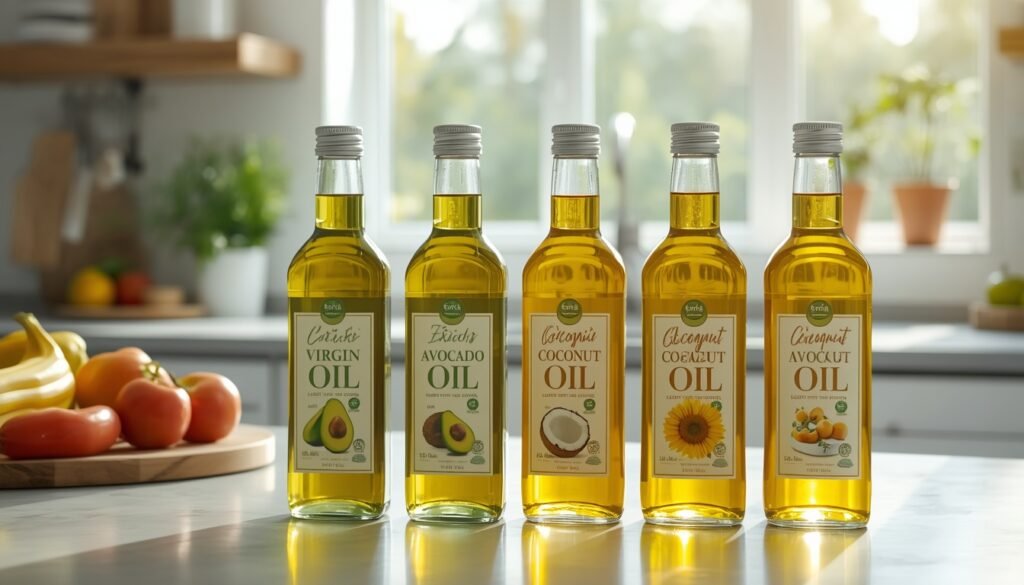
Table of Contents
For years I was told seed oils were heart-healthy, and then suddenly the internet told me they were poison. Both sides sounded completely certain, and I had no idea who to believe. What I found when I actually read the research was more complicated than either camp admits — and far more useful.
Introduction
What Are Seed Oils?
Who Should Read This?
Key Statistics
A Cardiologist’s Clinical Observation
The Case Against Seed Oils — What Critics Say
The Case For Seed Oils — What Defenders Say
Where Both Sides Agree
Research & Science
The Omega-6 to Omega-3 Ratio — The Real Story
What Happens When Seed Oils Are Heated?
Best and Worst Cooking Oils — Evidence Ranked
Case Study
Simple Framework
Original Insight
Featured Snippet
Practical Strategies
Common Mistakes
When To See a Doctor
Key Takeaways
FAQs
30-Day Cooking Oil Reset Plan
Final Thought
Conclusion
References
Disclaimer
Introduction
Few nutrition debates have moved faster or generated more heat in 2026 than the one about refined vegetable oils—commonly called “seed oils.” On one side: decades of mainstream dietary advice, backed by major health organizations including the American Heart Association, recommending polyunsaturated cooking fats as heart-seed oil debate cooking oils heart health healthy replacements for saturated fat. On the other hand, a rapidly growing online movement—amplified by physicians, carnivore diet advocates, and metabolic health researchers—is calling these industrially processed edible oils one of the most damaging dietary changes in modern history. seed-oil debate cooking oils heart health
The people caught in the middle are consumers standing in the supermarket aisle, holding a bottle of sunflower oil and a bottle of olive oil, with genuinely no idea which of the two very loud, very confident camps is telling them the truth.
Here is what makes this debate genuinely difficult: both sides have evidence. Neither side has the complete picture. And the real answer — which is more nuanced than either camp typically acknowledges — requires understanding the difference between what oils do in a controlled laboratory study, what they do in a processed food manufacturing environment, what they do in a healthy whole-food dietary context, and what decades of cardiovascular outcome data actually show about how they affect the human heart.
This article is not going to tell you that seed oils are poison. It is also not going to tell you that all seed oils are equally healthy and you should consume unlimited quantities. It is going to give you the most accurate, balanced, evidence-calibrated picture available—so you can make a genuinely informed decision rather than a tribal one.
That is rarer than it should be in 2026.
What Are Seed Oils?
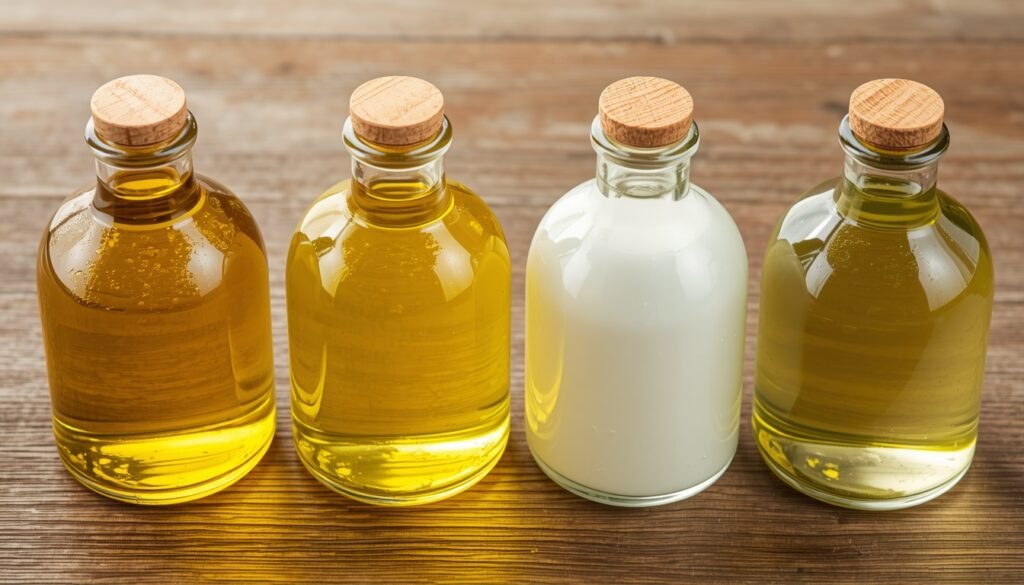
“Seed oils” is a colloquial term—not a formal scientific category—that has come to describe refined vegetable oils extracted from plant seeds, primarily through industrial processing involving chemical solvents, high heat, bleaching, and deodorization. In nutritional science, these are more precisely described as refined polyunsaturated vegetable oils or high-linoleic edible oils. The most commonly discussed dietary fats in this category include:
Sunflower oil—very high in omega-6 linoleic acid (approximately 65–70%)
Corn oil—approximately 54% linoleic acid
Soybean oil—approximately 51% linoleic acid; the most consumed oil in the United States by volume
Cottonseed oil — approximately 52% linoleic acid; widely used in commercial frying
Safflower oil — up to 75% linoleic acid in standard varieties
Canola (rapeseed) oil is lower in linoleic acid (approximately 18–22%), higher in oleic acid and contains approximately 9% ALA omega-3
The defining characteristic critics focus on is high linoleic acid content — the predominant omega-6 polyunsaturated fatty acid (PUFA) in these oils. The debate centers on whether this omega-6 content, at the quantities now present in modern diets, contributes to inflammation, oxidative stress, and cardiovascular disease—or whether it is protective.
In simple terms: Seed oils are industrially processed oils high in omega-6 polyunsaturated fatty acids, predominantly linoleic acid. Whether they belong in a health-promoting diet depends on which evidence you prioritize—and that is exactly what this article addresses.
Who Should Read This?
Adults confused by contradictory advice about cooking oils from mainstream health organisations, social media, and alternative health advocates
People managing cardiovascular disease, high cholesterol, or metabolic syndrome who want to understand what the evidence actually says about dietary fat
Health-conscious individuals who have switched to or away from seed oils based on online influence and want to verify those decisions
Anyone who regularly eats processed or restaurant food — which almost universally contains seed oils — and wants to understand the implications
Nutrition researchers, health writers, and clinicians wanting an even-handed synthesis of the current evidence base
Anyone who has ever heard the phrase “seed oils are toxic” or “seed oils are heart-healthy” and wants the full picture behind both claims
Key Statistics
Soybean oil is the single most consumed cooking oil in the United States, accounting for approximately 36% of all edible oil consumption—making it the primary dietary fat for most Americans, usually consumed unknowingly through restaurant food and processed products.
Research published in PLOS One found that US linoleic acid consumption increased from approximately 2.3% of total energy in 1909 to approximately 7.2% in 2010—a three-fold increase driven almost entirely by rising seed oil consumption in the food supply.
A large meta-analysis published in the British Medical Journal (2013) found that replacing saturated fat with omega-6 polyunsaturated fat (primarily from seed oils) was associated with a significant reduction in cardiovascular events—a finding central to mainstream dietary recommendations.
Conversely, a reanalysis of the Sydney Diet Heart Study published in BMJ (2013) found that replacing saturated fat with linoleic acid from safflower oil was associated with increased total mortality and cardiovascular mortality—a finding that significantly complicated the mainstream narrative.
Survey data cited in Nutrients (2021) suggested that a significant proportion of adults misattribute their primary source of excess omega-6 in their diet—blaming home cooking oil use when restaurant food and ultra-processed products account for the vast majority of seed oil consumption for most people in typical Western dietary patterns. Note: The specific 54% figure cited in some summaries of this data should be interpreted with caution, as survey methodology varies across cited sources.
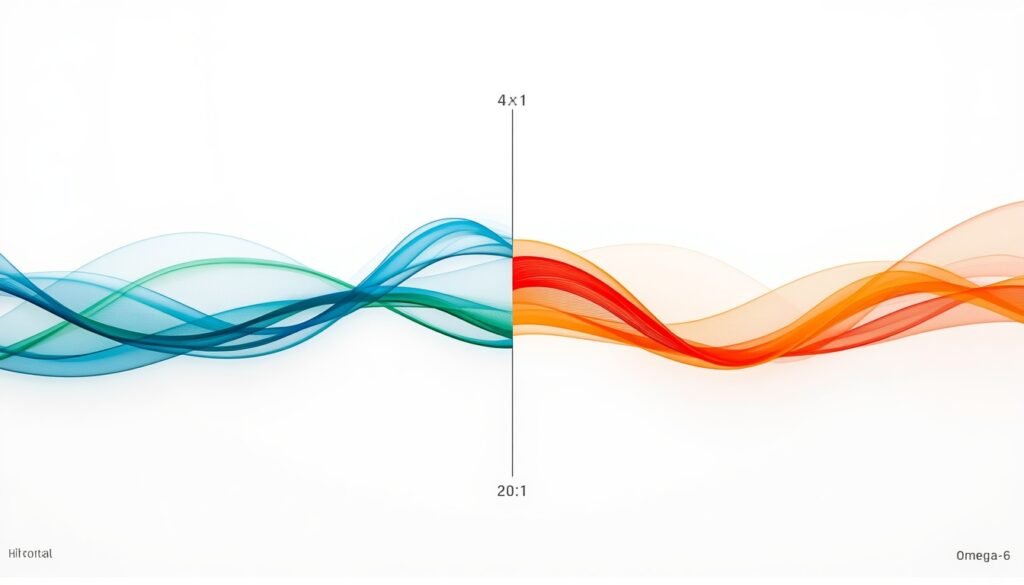
The NIH reports that the estimated ratio of omega-6 to omega-3 in modern Western diets has increased from approximately 4:1 historically to as high as 20:1 currently—a shift considered biologically meaningful by researchers across multiple specialties.
Sources: Blasbalg TL et al., AJCN 2011 (DOI: 10.3945/ajcn.110.000356); Ramsden CE et al., BMJ 2013 (DOI: 10.1136/bmj.e8707); Mozaffarian D et al., BMJ Meta-Analysis 2010; NIH Omega Fatty Acid Reference; Nutrients Survey 2021
A Cardiologist’s Clinical Observation
The following reflects composite clinical patterns observed across multiple patients in cardiology and preventive medicine practice. It does not represent a specific individual and is shared as a practical clinical illustration.
In cardiology practice, the seed oil question arrives regularly—and from two very different directions simultaneously.
On one side: patients who have read mainstream dietary guidance, replaced butter and animal fats with vegetable oils, and adopted what they believe is an evidence-based heart-healthy approach — sometimes for decades. Their intention is sound; the guidance they followed was the dominant clinical consensus for much of the past 50 years.
On the other hand, patients who have encountered the online anti-seed oil movement have eliminated all polyunsaturated vegetable oils, switched to butter, lard, and coconut oil, and are now asking whether their cardiovascular risk has improved or worsened.
The honest clinical answer to both groups involves acknowledging genuine complexity. The lipid-lowering effect of replacing saturated fat with polyunsaturated fat from vegetable oils is real, replicated, and the basis for decades of cardiovascular dietary guidance. The concern that industrially processed, high-temperature seed oils consumed in the quantities present in ultra-processed food may carry risks not captured in controlled dietary fat studies is also a legitimate scientific hypothesis, not fringe conspiracy.
What is consistent across both presentations is the observation that the most cardiovascular-protective dietary patterns in the evidence base—Mediterranean, DASH, and traditional Okinawan—are not built around seed oils as a primary fat. They are built around olive oil, fish, plant foods, and minimal ultra-processed food. The seed oil question, in a clinical context, is less important than the ultra-processed food question—because seed oils consumed in home cooking are a small fraction of the seed oil exposure most patients actually have.
The Case Against Seed Oils — What Critics Say
What I learned is that the critics have real evidence — especially about how these oils are heated and processed. But the defenders also have real data showing lower heart disease risk. The honest answer sits in the middle, and it depends heavily on where the oil is actually coming from in your diet. That distinction changed everythiConclusion
The anti-seed oil argument rests on several distinct but related claims, each of which has a genuine evidence basis that warrants serious engagement rather than dismissal:
Excessive Omega-6 Drives Systemic Inflammation
The primary biochemical argument: omega-6 linoleic acid competes with omega-3 alpha-linolenic acid for the same desaturase enzymes. When omega-6 is consumed in quantities far exceeding omega-3—as it is in modern Western diets—the metabolic pathway tilts toward the production of arachidonic acid and pro-inflammatory eicosanoids. Critics argue that the dramatic increase in linoleic acid consumption over the 20th century has produced a population-wide shift toward chronic low-grade inflammatory tone that contributes to cardiovascular disease, metabolic syndrome, and neurological conditions.
This argument has genuine biochemical plausibility. Where it becomes contested is in translating laboratory mechanistic observations into clinical outcomes in free-living humans – a leap the evidence does not yet fully support with the consistency critics imply.
Industrial Processing Creates Harmful Byproducts
To extract oil from seeds at an industrial scale, manufacturers typically use hexane solvent extraction at high temperatures, followed by bleaching, deodorizing, and further heat treatment. Critics argue this process produces oxidized fatty acids, trans fat traces, aldehydes, and other toxic byproducts—compounds not present in cold-pressed oils and not captured in dietary fat studies that test refined oil biochemistry in controlled settings.
The evidence here is real but context-dependent. Oxidative byproducts in industrially processed seed oils have been documented analytically. Their significance at typical dietary exposure levels remains under-researched in human clinical outcomes.
The Sydney Diet Heart Study Complication
The most frequently cited clinical evidence against seed oils is the reanalysis of the Sydney Diet Heart Study (published in BMJ, 2013), which found that men who replaced saturated fat with safflower oil (high in linoleic acid) had higher total mortality and cardiovascular mortality than controls—a finding directly opposite to what the omega-6 protective hypothesis would predict. This reanalysis, by Christopher Ramsden and colleagues at the NIH, is peer-reviewed, credible, and genuinely complicates the mainstream narrative.
The Case For Seed Oils — What Defenders Say
The processed oil position—held by most major cardiovascular and nutrition organizations globally—also rests on substantial evidence.
Replacing Saturated Fat With PUFA Reduces LDL and Cardiovascular Events
Multiple large meta-analyses, including a widely cited analysis by Mozaffarian and colleagues published in PLOS Medicine (2010), found that replacing saturated fat with polyunsaturated fat (primarily omega-6 from vegetable oils) produced significant reductions in LDL cholesterol and a 19% relative reduction in coronary heart disease events per 5% energy replacement. This evidence is the foundation of the AHA’s dietary fat recommendations and is not easily dismissed.
Large Prospective Studies Associate PUFA With Lower Cardiovascular Risk
The Nurses’ Health Study and Health Professionals Follow-Up Study—two of the largest and longest dietary cohort studies—consistently found that higher intake of polyunsaturated fatty acids, including linoleic acid, was associated with lower cardiovascular disease risk compared to saturated fat intake. These are large, long-duration, independent observational studies in real populations eating real food.
Linoleic Acid Is Not Directly Pro-Inflammatory in Human Studies
A systematic review published in Circulation (2014) examined whether dietary linoleic acid increases circulating markers of inflammation in humans. It found that linoleic acid consumption did not consistently increase arachidonic acid levels or inflammatory markers in clinical studies—challenging the theoretical inflammation pathway that forms the basis of much anti-seed oil argument.
Where Both Sides Agree
Despite the intensity of the debate, there are several areas of genuine scientific consensus across critics and defenders:
1. The omega-6 to omega-3 ratio has shifted dramatically. Virtually all researchers in this field agree that modern Western diets carry far more omega-6 relative to omega-3 than ancestral dietary patterns—and that increasing omega-3 intake is beneficial regardless of how you assess the omega-6 question.
2. Ultra-processed foods are the primary vehicle for polyunsaturated oil overconsumption. The quantities of refined vegetable oils in a home kitchen are modest compared to the quantities embedded in deep-fried restaurant food, packaged snacks, processed condiments, and baked goods. Reducing ultra-processed food consumption reduces dietary fat exposure from these sources far more dramatically than replacing home cooking oil.
3. Extra virgin olive oil has more consistent evidence than any refined vegetable oil. Both sides of the seed oil debate tend to converge on EVOO as the most evidence-backed cooking and dietary fat available—for its polyphenol content, oleocanthal anti-inflammatory properties, and the PREDIMED trial’s cardiovascular evidence.
4. Context and dose matter. A small amount of sunflower oil used occasionally in home cooking is a fundamentally different dietary exposure than the quantities consumed daily through ultra-processed food in a typical Western diet. Treating these as equivalent misrepresents the actual exposure patterns of concern.
The primary source of seed oil exposure for most people is not home cooking — it’s ultra-processed and restaurant food. Understanding how processed foods affect your health is essential for making informed dietary choices. To learn more about the impact of ultra-processed food on chronic disease risk, read our guide on how ultra-processed food drives chronic disease.
Research & Science
Study 1: The Sydney Diet Heart Study Reanalysis — The Complicating Evidence
Finding: Ramsden CE and colleagues at the NIH published a reanalysis in BMJ (2013) of the Sydney Diet Heart Study—a randomized controlled trial from 1966–1973 in which men with recent cardiac events were randomized to replace saturated fat with safflower oil. The reanalysis found that the intervention group had significantly higher rates of all-cause mortality (17.6% vs 11.8%) and cardiovascular mortality (17.2% vs 11.0%) compared to controls, despite achieving the expected reduction in serum cholesterol. The authors proposed that high linoleic acid intake, combined with low omega-3 intake, may have produced a net harmful outcome — the first major RCT reanalysis to directly challenge the PUFA-protective hypothesis.
What It Means: This is clinically important evidence that the relationship between omega-6 PUFA replacement of saturated fat and cardiovascular outcomes is not uniformly protective. The ratio of omega-6 to omega-3 intake, not omega-6 alone, may determine net inflammatory outcome. This study does not prove seed oils are harmful for all people in all contexts, but it provides legitimate grounds for questioning uncritical enthusiasm for high omega-6 oil consumption.
Journal: BMJ, 2013
DOI: 10.1136/bmj.e8707
PubMed: https://pubmed.ncbi.nlm.nih.gov/23386268/
Study 2: Replacing Saturated Fat With PUFA — Meta-Analysis Evidence
Finding: A meta-analysis published in PLOS Medicine (2010) by Mozaffarian and colleagues pooled data from randomized controlled trials in which saturated fat was replaced with polyunsaturated fat. The analysis found a 19% reduction in coronary heart disease events per 5% energy replacement of saturated fat with PUFA. The effect was consistent across trials and formed a significant part of the evidence base for AHA dietary guidelines recommending vegetable oil use in place of saturated fat.
What It Means: The lipid-lowering, event-reducing effect of replacing saturated fat with polyunsaturated vegetable oil is real and replicated in multiple trials. This evidence cannot be dismissed—and critics who do so wholesale are misrepresenting the scientific record. The legitimate scientific question is whether this benefit holds when omega-6 intake is very high and omega-3 intake remains low.
Journal: PLOS Medicine, 2010
DOI: 10.1371/journal.pmed.1000252
PubMed: https://pubmed.ncbi.nlm.nih.gov/20351774/
Study 3: Linoleic Acid and Inflammation — Systematic Review
Finding: A systematic review and meta-analysis published in Circulation (2014) by Johnson and Harris examined whether increasing dietary linoleic acid elevates circulating arachidonic acid, inflammatory markers, or eicosanoid concentrations in human subjects. Across 15 controlled trials, increasing linoleic acid intake did not significantly increase circulating arachidonic acid levels, prostaglandins, or inflammatory cytokines compared to control diets. The authors concluded that the theoretical inflammatory pathway from linoleic acid to clinical inflammation was not confirmed in human clinical trial data.
What It Means: The central biochemical argument against seed oils — that they directly increase inflammatory eicosanoid production — does not appear to translate directly into measurable inflammatory outcomes in controlled human studies at typical dietary levels. The laboratory mechanism exists; its translation to clinical inflammation at real-world dietary doses is more contested than anti-seed oil content typically acknowledges.
Journal: Circulation, 2014
DOI: 10.1161/CIR.0000000000000073
PubMed: https://pubmed.ncbi.nlm.nih.gov/25161048/
Expert Insight:
Dr Christopher Ramsden, clinical investigator at the NIH National Institute on Aging and lead author of the Sydney Diet Heart Study reanalysis, has stated in published commentary that the relationship between dietary linoleic acid and cardiovascular outcomes is more complex than either the mainstream or alternative health positions acknowledge—and that the omega-6 to omega-3 ratio, rather than absolute omega-6 intake, is the most clinically meaningful variable. He has emphasized that increasing omega-3 intake may be more important than reducing omega-6 intake for most individuals in modern dietary contexts. (Source: Ramsden CE et al., BMJ 2013; Ramsden CE, NIH commentary 2016)
Evidence Quality Note: Both studies cited on opposing sides of this debate are peer-reviewed and published in respected journals. The nutritional science of dietary fat is characterized by genuinely conflicting evidence—a reflection of the difficulty of conducting dietary RCTs, the complexity of lipid metabolism, and the difference between studying individual fatty acids in isolation versus whole dietary patterns in free-living populations. This article presents the evidence evenhandedly; the most defensible clinical position is one of nuance rather than absolute certainty in either direction.
The inflammation pathway is central to understanding how dietary fats affect cardiovascular health — and chronic inflammation is the biological environment in which most heart disease develops. For a complete understanding of the relationship between diet, inflammation, and cardiovascular risk, read our guide on how chronic inflammation drives cardiovascular disease risk.
The Omega-6 to Omega-3 Ratio — The Real Story
This is where the most important and most actionable truth in the seed oil debate lives — and where most coverage on both sides falls short.
The human body’s management of omega-6 and omega-3 fatty acids is inherently ratio-dependent. Both compete for the same enzymatic pathways. When omega-6 massively exceeds omega-3 in the diet — as it does in most modern Western dietary patterns — the balance of metabolic products tilts toward pro-inflammatory outputs, regardless of whether linoleic acid itself is technically pro-inflammatory in isolation.
The estimated historical omega-6 to omega-3 ratio in human diets was approximately 4:1. In current Western diets, the ratio is estimated between 15:1 and 20:1. This shift is driven not solely by seed oil use at home but primarily by the displacement of omega-3-rich foods (oily fish, walnuts, and flaxseed) and the embedding of high omega-6 seed oils in virtually every category of processed and restaurant food.
The most clinically meaningful intervention for most people is not eliminating seed oils from home cooking—it is increasing omega-3 intake to bring the ratio closer to balance. Two portions of oily fish weekly, daily ground flaxseed or chia seeds, and regular walnuts produce more measurable omega-6/omega-3 ratio improvement than avoiding the tablespoon of sunflower oil in a home-cooked meal.
This does not mean your home cooking oil choice is irrelevant. It means the order of priority matters — and most of the online debate has the priority completely inverted.
What Happens When Seed Oils Are Heated?
This is the most technically valid concern about seed oils and one that receives insufficient nuance in the debate.
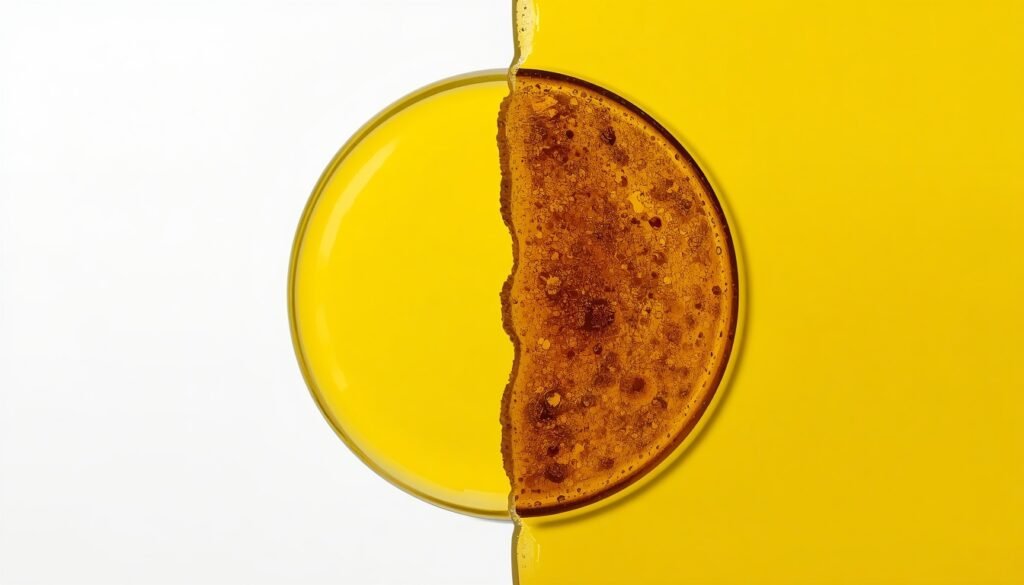
Polyunsaturated fatty acids — particularly linoleic acid — are chemically less stable at high temperatures than monounsaturated or saturated fats. When heated, especially repeatedly, these refined cooking fats produce oxidative degradation products, including:
Aldehydes—particularly 4-hydroxynonenal (4-HNE) and malondialdehyde, which are cytotoxic and have demonstrated genotoxic potential in laboratory studies, though their significance at typical human dietary exposures remains under investigation
Oxidized lipids—which carry direct cellular damage potential
Trans fat traces—formed through partial thermal isomerisation
An important nuance here: smoke point alone is not a complete indicator of an oil’s thermal stability. Oxidative stability — determined by the degree of polyunsaturation and antioxidant content — is equally or more meaningful. Research from the University of the Basque Country (2015) found that polyunsaturated cooking fats—standard sunflower, corn, and similar high-linoleic oils—produced significantly more aldehydes during frying than monounsaturated cooking fats (olive oil, high-oleic sunflower) or saturated fats (coconut oil, butter). Notably, extra virgin olive oil performed well in heat stability studies despite its moderate smoke point—its high polyphenol and antioxidant content appears to confer meaningful oxidative protection during moderate cooking temperatures that smoke point figures do not fully capture.
The practical implication: The concern about seed oil stability is most relevant for deep frying and repeated high-temperature reuse—the exact conditions found in commercial and restaurant frying. A small amount of sunflower oil used once at moderate temperature in home cooking produces a fraction of the oxidative products generated by commercial fryers reusing the same seed oil across multiple service days.
This means the legitimate heat-stability concern applies primarily to commercial seed oil use in processed food and restaurants — not to modest home cooking use. It also means that for high-heat home cooking specifically, monounsaturated oils (olive oil, avocado oil, and high-oleic varieties) are more thermally stable choices than standard polyunsaturated seed oils.
Best and Worst Cooking Oils — Evidence Ranked
Oil
Primary Fat Type
Omega-6 Content
Heat Stability
Evidence Profile
Extra virgin olive oil
Monounsaturated (oleic acid ~73%)
Low (~10%)
Good to moderate
Strongest overall — PREDIMED RCT, polyphenols, anti-inflammatory
Avocado oil
Monounsaturated (oleic acid ~70%)
Low (~12%)
Excellent
Good thermal stability; limited long-term outcome RCT data
High-oleic sunflower oil
Monounsaturated (oleic ~80%)
Low (~8%)
Excellent
More stable than standard sunflower, but less outcome data than EVOO
Coconut oil
Saturated fat (~87%)
Negligible
Very high
Raises LDL; no cardiovascular benefit in RCTs; not recommended by AHA for regular use
Butter
Saturated + monounsaturated
Low omega-6
High
Raises LDL; modest outcome data; traditional use; not heart-protective
Canola oil
Monounsaturated + PUFA
Moderate (~18%)
Moderate
Mixed — lower omega-6 than other seed oils; some cardiovascular evidence
Standard sunflower oil
Polyunsaturated (linoleic ~65%)
Very high
Poor at high heat
Controversial — LDL lowering but thermally unstable; high omega-6
Soybean oil
Polyunsaturated (linoleic ~51%)
High
Poor at high heat
Most consumed US oil; LDL lowering in trials; high omega-6 contribution
Palm oil
Saturated (~50%) + monounsaturated
Low
High
Raises LDL, significant environmental concerns, not recommended
Practical summary: EVOO is the most evidence-supported overall choice for both cold use and moderate-heat cooking. Avocado oil and high-oleic variants are appropriate for higher-heat applications. Standard seed oils—sunflower, corn, and soybean—are most problematic in high-heat and repeated-use commercial contexts and are the primary vector for excess omega-6 through ultra-processed food rather than home cooking.
Extra virgin olive oil has the strongest overall evidence profile among cooking fats, and the PREDIMED trial demonstrated significant cardiovascular risk reduction with Mediterranean-style eating patterns. For a complete evidence-based guide to heart-healthy fats and dietary patterns, read our guide on the Mediterranean diet and heart health — a complete evidence guide.

Case Study
The following examples are composites based on clinical and dietary counseling patterns. They do not represent specific individuals. Individual outcomes vary.
Clinical Example 1 — Cardiovascular Risk Reduction, Male, 54: High LDL (162 mg/dL), family history of heart disease. Cooking primarily with butter and coconut oil based on anti-seed oil online content. Dietary assessment also revealed high ultra-processed food intake containing large quantities of seed oils—unrecognized as such because they are consumed through packaged snacks rather than home cooking. Intervention prioritized reducing ultra-processed food (addressing primary seed oil exposure), switching home cooking fat to EVOO, and adding oily fish twice weekly for omega-3s. Follow-up LDL at 12 weeks: 128 mg/dL. Inflammation marker hs-CRP improved. No medication change.
Clinical Example 2 — Confused Healthy Eater, Female, 38: Had eliminated all seed oils from home cooking, including switching to avocado oil and EVOO. Believed she had “fixed” her oil problem. Dietary review revealed continued heavy consumption of restaurant food and packaged products containing large quantities of refined seed oils—making her home oil choice essentially irrelevant to her actual omega-6 intake. Practical intervention: reduce restaurant and packaged food frequency. The home cooking oil switch was maintained but reframed as a minor variable relative to ultra-processed food reduction.
Clinical Example 3 — Anti-Inflammatory Protocol, Male, 47: Elevated CRP, joint pain, metabolic syndrome. Internet research had led to eliminating all polyunsaturated oils and consuming large quantities of coconut oil and butter instead. LDL had risen from 145 to 189 mg/dL over six months. Intervention: replaced coconut oil and butter with EVOO as primary fat, added oily fish three times weekly, added ground flaxseed daily, maintained elimination of refined seed oils. LDL returned to 148 mg/dL at three-month follow-up; CRP declined.
Individual outcomes vary. These examples reflect composite clinical patterns and do not imply guaranteed results.
Simple Framework
Step
Action
Ask Yourself
1
Identify Your Actual Seed Oil Exposure
Is my omega-6 coming from home cooking or from ultra-processed and restaurant food?
2
Address the Biggest Source First
Have I reduced ultra-processed food—the primary vehicle for seed oil overconsumption?
3
Optimise Home Cooking Fat
Have I switched to EVOO or avocado oil as primary home cooking fats?
How to use this: Most people worried about seed oils are making changes in the wrong order. Switching home cooking oil from sunflower to olive oil while continuing to eat daily packaged snacks, fast food, and restaurant meals is addressing approximately 10–15% of the actual problem while leaving 85–90% unchanged. Fix the ultra-processed food first. Then optimize home cooking fat. Then consider an omega-3 increase.
Original Insight
Here is the observation that most coverage of the seed oil debate—on both sides—consistently misses: this is not primarily a cooking oil story. It is an ultra-processed food story.
The dramatic increase in linoleic acid consumption across the 20th century — from roughly 2.3% of energy in 1909 to over 7% today — was not driven by people using more sunflower oil at home. It was driven by the industrialization of the food supply: the embedding of refined seed oils as the cheapest available fat in virtually every category of processed food, fast food, restaurant cooking, and commercial baking.
The person who replaces their home-cooking olive oil with sunflower oil and eats three home-cooked meals daily is consuming a fundamentally different quantity of seed oil than the person who eats two fast food meals and a packaged snack. The anti-seed oil movement has, with remarkable consistency, directed consumer attention toward home kitchen oil choices while the primary exposure—ultra-processed food—remains almost entirely unaddressed in the same content.
Whether this framing is intentional or simply a reflection of how online health content is produced and shared is difficult to establish with certainty. What is observable, however, is that content focused on home cooking oil substitution—switching to premium animal fats or specialty oils—is more commercially actionable than content focused on reducing ultra-processed food consumption, which does not require purchasing a specific product. The structural incentive exists; whether it explains the framing is a matter of observation rather than documented intent.
The most honest position: The seed oil question, asked correctly, is a question about ultra-processed food. Fix that first. Everything else is optimization around the margins.
Featured Snippet
Are seed oils bad for you, and should you avoid them?
The evidence is genuinely mixed and context-dependent. Seed oils high in omega-6 linoleic acid—sunflower, corn, and soybean—lower LDL cholesterol when they replace saturated fat, but some reanalyzed RCT data suggests high linoleic acid intake without corresponding omega-3 may not improve cardiovascular outcomes. The most significant seed oil exposure for most people comes from ultra-processed and restaurant food—not home cooking. Practical guidance: use extra virgin olive oil as primary cooking fat, increase omega-3 intake through oily fish and flaxseed, and reduce ultra-processed food as the highest-impact intervention.
Practical Strategies
Strategy 1—Use Extra Virgin Olive Oil as Your Default Cooking and Dressing Fat
EVOO has the strongest overall body of randomised clinical trial evidence for cardiovascular event reduction among commonly used cooking and dietary fats — most notably from the PREDIMED trial’s finding of approximately 30% relative risk reduction in major cardiovascular events. Its polyphenol content, including oleocanthal with documented COX-inhibiting anti-inflammatory properties, provides biological benefit beyond its fatty acid profile alone. Use it for sautéing, roasting, dressing, and finishing. For very high-heat cooking (above 200°C/400°F), refined olive oil or avocado oil offers greater thermal stability — and importantly, research suggests that EVOO’s high polyphenol content and antioxidant compounds also confer meaningful oxidative stability beyond what its smoke point alone would predict, making it more heat-resistant in practice than its smoke point suggests in isolation.
Real example: Replacing standard sunflower oil in all home cooking with EVOO, and replacing commercial salad dressing with EVOO and lemon, provides both a cooking fat upgrade and a meaningful daily polyphenol dose without any increase in food expenditure for most households.
Strategy 2 — Reduce Ultra-Processed Food as the Primary Omega-6 Intervention
Before any home cooking oil change, audit your consumption of packaged snacks, fast food, processed condiments, commercial baked goods, and restaurant meals. These are the primary vehicles for seed oil consumption at the quantities that are biologically significant. Reducing these to occasional rather than daily consumption produces a greater reduction in omega-6 exposure than any cooking oil switch.
Real example: A person eating commercial potato crisps daily, fast food twice weekly, and using commercial mayonnaise regularly is consuming far more seed oil through these sources than through any home cooking fat. Addressing these first is the highest-leverage intervention.
Strategy 3 — Increase Omega-3 Intake to Improve the Ratio
Regardless of where you stand on the seed oil debate, increasing omega-3 intake is evidence-supported by virtually all parties and produces the most meaningful improvement in the omega-6 to omega-3 ratio. Two portions of oily fish weekly (salmon, sardines, or mackerel); one tablespoon of ground flaxseed or chia seeds daily; and regular walnuts provide a meaningful omega-3 contribution that counterbalances excess omega-6 more effectively than omega-6 elimination alone.
Real example: A person who adds two sardine meals weekly and a daily tablespoon of ground flaxseed to an otherwise unchanged diet improves their omega-6 to omega-3 ratio more measurably than someone who eliminates sunflower oil from home cooking while continuing to eat a low omega-3 diet.
Increasing omega-3 intake is one of the most impactful interventions for improving the omega-6 to omega-3 ratio — and dietary fibre plays a key role in supporting overall metabolic health. To learn more about how diet affects inflammation and metabolic function, read our guide on best omega-3 foods and when supplements help.
Strategy 4 — Choose Thermal-Stable Oils for High-Heat Cooking
For high-heat applications — roasting above 200°C, stir-frying, and searing — thermal stability matters. At high temperatures, polyunsaturated oils (standard sunflower, corn, and soybean) degrade into aldehydes and oxidized lipids more rapidly than monounsaturated or saturated fats. Choose refined olive oil, avocado oil, or high-oleic sunflower oil for high-heat cooking. Reserve EVOO for moderate heat, dressings, and finishing—where its polyphenol content is preserved.
Real example: Using refined avocado oil for roasting vegetables at high oven temperatures and finishing the dish with a drizzle of EVOO before serving maintains thermal stability during cooking while preserving EVOO’s polyphenol contribution.
Strategy 5 — Read Ingredient Labels on Packaged Products
Most people have no idea how much seed oil they consume through packaged food because it is listed as a minor ingredient in products they do not associate with oil at all—crackers, bread, sauces, condiments, protein bars, and packaged snacks. Building the habit of checking ingredient labels for soybean oil, sunflower oil, corn oil, and cottonseed oil provides accurate information about actual seed oil exposure and directs reduction efforts toward the highest-volume sources.
Real example: Many commercial “healthy” salad dressings, protein bars, and whole grain crackers contain refined seed oils as a primary ingredient. Switching to home-prepared versions or products using olive oil eliminates these hidden sources while maintaining similar food categories.
Common Mistakes
Mistake
Why It Fails
Fix
Switching home cooking oil while continuing heavy ultra-processed food use
Home cooking oil is a minor fraction of total seed oil exposure for most people
Address ultra-processed food consumption first – the primary exposure vehicle
Replacing seed oils with coconut oil or butter, thinking this is heart-healthy
Both raise LDL cholesterol; coconut oil lacks cardiovascular protective evidence
Use EVOO as primary fat; use butter and coconut oil only occasionally
Assuming all seed oils are identical
Canola and high-oleic sunflower have significantly lower omega-6 than standard sunflower or corn oil
Distinguish between high-linoleic and low-linoleic oil varieties
Focusing on eliminating omega-6 without increasing omega-3
The ratio matters more than absolute omega-6—reducing omega-6 without raising omega-3 produces suboptimal improvement
Prioritise increasing omega-3 through oily fish and seeds alongside any omega-6 reduction
Taking extreme online positions as scientific consensus
Both “seed oils are poison” and “all seed oils are equally healthy” misrepresent the actual evidence
Engage with the primary research directly; the truth is more nuanced than either camp
Ignoring restaurant and fast food as the primary seed oil source
Restaurant deep frying typically uses high-linoleic seed oils at high temperatures repeatedly—the highest-risk seed oil exposure
Reduce restaurant fried food frequency; home cooking oil choice is secondary to this
When To See a Doctor
Consult your physician or a registered dietitian if:
You have diagnosed cardiovascular disease, high LDL, or metabolic syndrome and want to understand what dietary fat changes are appropriate for your specific clinical situation—this requires personalised guidance, not general population advice
You have made significant dietary fat changes based on online seed oil content and have not had a follow-up lipid panel to assess the impact
You are considering eliminating entire fat categories or macronutrient groups based on this debate and want clinical guidance on whether this is appropriate for your health profile
You have a family history of cardiovascular disease and want to discuss evidence-based dietary fat strategy with a clinician who can integrate your full health picture
The seed oil debate is a genuine scientific controversy—not a case where one side is clearly right and the other clearly wrong. Clinical decisions about dietary fat in people with existing cardiovascular risk factors should involve medical supervision rather than being guided exclusively by online advocacy, regardless of how confident that advocacy sounds.
Key Takeaways
The seed oil debate involves genuinely conflicting evidence—both sides have real data, and intellectual honesty requires acknowledging complexity rather than declaring a winner
The primary exposure to seed oils for most people is ultra-processed food and restaurant cooking—not home kitchen oil use
Extra virgin olive oil has more consistent cardiovascular outcome evidence than any other cooking fat and should be the default home cooking fat for most adults
The omega-6 to omega-3 ratio—currently estimated at 15–20:1 in Western diets—is more clinically meaningful than absolute seed oil intake; increasing omega-3 is the highest-priority intervention
High-heat, repeated industrial use of polyunsaturated seed oils produces toxic aldehyde byproducts—a legitimate concern primarily relevant to commercial and restaurant frying, not modest home use
Replacing seed oils with coconut oil or butter is not a heart-healthy upgrade—both raise LDL, and neither has the cardiovascular protective evidence of EVOO
The linoleic acid inflammation hypothesis—that omega-6 directly increases systemic inflammation—is biologically plausible but not consistently confirmed in human clinical trials at typical dietary doses
The Sydney Diet Heart Study reanalysis is a legitimate piece of evidence that complicates uncritical endorsement of high omega-6 diets—and deserves more mainstream acknowledgment than it receives
Dietary pattern—not individual oil choice—is the most powerful determinant of cardiovascular and metabolic health outcomes
FAQs
Q1: Should I throw out my sunflower oil?
Not necessarily—but you should contextualize it. A modest amount of sunflower oil used occasionally in home cooking is not the cardiovascular concern that seed oil critics imply. The priority action is reducing ultra-processed and restaurant food—where seed oil exposure is orders of magnitude higher than any home cooking use. Once that is addressed, switching to EVOO or avocado oil for home cooking is a reasonable, evidence-supported upgrade.
Q2: Is canola oil as problematic as sunflower or corn oil?
No — canola oil has a meaningfully different fatty acid profile. It contains approximately 18–22% linoleic acid (versus 65% in standard sunflower), approximately 9% ALA omega-3 fatty acids, and a high oleic acid content. Its omega-6 content is substantially lower than most seed oils criticized in the debate. The concern about industrial processing applies to canola as well, but its fatty acid profile makes it a less problematic choice than high-linoleic oils. EVOO remains preferable on overall evidence.
Q3: What about the claim that seed oils cause cancer?
This claim — circulating prominently in online anti-seed oil content — is based primarily on the cytotoxic and potentially genotoxic properties of aldehydes produced when polyunsaturated oils are heated to high temperatures repeatedly. The evidence for these byproducts causing cancer at typical human dietary exposures is not established in clinical outcome studies. The concern is mechanistically plausible for commercial frying contexts; it is significantly overstated when applied to modest home cooking use. Avoid repeated high-temperature frying with polyunsaturated oils; the specific cancer claim requires more human outcome evidence than currently exists.
Q4: Why does the American Heart Association still recommend seed oils?
The AHA recommendations are based primarily on the lipid-lowering and cardiovascular event-reduction evidence from replacing saturated fat with PUFA—evidence that is real, substantial, and replicated. Critics argue this evidence does not account for the omega-3 to omega-6 ratio context in which modern populations consume these oils and that specific trials like the Sydney Diet Heart Study complicate the narrative. The AHA position reflects the dominant evidence base; it does not mean the concerns raised by critics are scientifically invalid. Both positions have genuine evidence behind them.
Q5: Is it true that seed oils only became common in the 20th century?
Yes — and this is one of the most factually grounded points in the anti-seed oil argument. Industrial seed oils are a product of 20th-century food technology. Prior to their commercial availability, the primary dietary fats in most human populations were animal fats, olive oil, coconut oil, and butter—all of which have very different fatty acid profiles from refined seed oils. The dramatic increase in linoleic acid consumption across the 20th century is a genuine dietary shift, and its health consequences are a legitimate area of ongoing research.
Q6: What cooking oil should I actually use in my kitchen?
For the vast majority of cooking: extra virgin olive oil. It has the strongest overall evidence profile, the most consistent cardiovascular outcome data, and performs adequately at most home cooking temperatures. For very high-heat applications: refined olive oil or avocado oil. For cold applications—dressings, finishing, and dipping—use quality EVOO where polyphenol content is preserved. Use butter occasionally if you enjoy it. Avoid using coconut oil as a primary fat for cardiovascular health reasons. Reduce reliance on packaged products and restaurant food containing refined seed oils — that is where the largest omega-6 exposure actually lives.
30-Day Cooking Oil Reset Plan
Week 1 — Audit Your Actual Seed Oil Exposure
Before changing anything, spend this week tracking where your seed oil actually comes from. Check ingredient labels on every packaged food in your kitchen. Note how many times per week you eat restaurant food, fast food, or takeaway. Note how many packaged snacks, condiments, and processed products you consume. Be honest. For most people, this audit reveals that home cooking oil is a minor variable compared to ultra-processed and restaurant food. By the end of the week, identify your two highest-seed-oil-exposure sources—they are almost certainly not your home cooking oil.
Week 2 — Address the Primary Exposure
This week, reduce your two highest seed oil sources identified in Week 1. If restaurant food is primary, reduce from five times weekly to two. If packaged snacks are primary, replace them with whole food alternatives. If commercial condiments and dressings are primary, switch to home-prepared EVOO-based versions. Do not change your home cooking oil yet—address the bigger problem first.
Regular physical activity is one of the most powerful tools for improving cardiovascular health — and walking is one of the most accessible forms of exercise with proven benefits. Discover the science in our guide on the quiet power of walking for health and longevity.
Week 3 — Upgrade Home Cooking Fat and Increase Omega-3
This week, make two specific changes. First: switch your home cooking fat to EVOO for all moderate-heat applications and refined olive oil or avocado oil for high-heat cooking. Second—and more important—add two oily fish meals this week and begin adding a tablespoon of ground flaxseed to one meal daily. These omega-3 additions do more for your omega-6/omega-3 ratio than any cooking oil change.
Week 4 — Sustain and Reassess
Review what has changed. Has packaged food frequency reduced? Is EVOO now your default home fat? Are you eating oily fish twice weekly? Are ground flaxseed or walnuts appearing daily? If your physician has agreed to monitor lipids, request a follow-up panel at 8–12 weeks from the start of these changes to see measurable outcomes. Commit to maintaining the changes that have become natural—particularly ultra-processed food reduction and omega-3 increase, which carry the highest health return of any intervention in this plan.
Final Thought
The seed oil debate will continue in 2026 and beyond because it touches on a genuine scientific uncertainty, commercial interests on multiple sides, and the very human tendency to find simple villains for complex problems.
The seed oils themselves are not the villain. The ultra-processed food system that embeds them in enormous quantities in almost every category of food that requires minimal preparation is the more accurate target—and a far less convenient one for an online debate that prefers a product to blame over a systemic problem to address.
Use good quality olive oil at home. Eat oily fish. Eat more plants. Reduce processed food. These are the choices with the most consistent evidence behind them — and they are the choices that most of the scientists on both sides of this debate make in their own kitchens, even when they cannot agree on much else.
Conclusion
My honest advice is not to pick a side — pick better habits. Use olive oil at home, eat oily fish twice a week, and cut down on packaged and restaurant food. That is where most seed oils actually hide. Do these three things and the debate stops mattering so much for your health.
The great seed oil debate of 2026 is, at its core, a debate about complexity in nutrition science—and about the human appetite for simple answers to questions that do not have simple answers.
The evidence shows that replacing saturated fat with polyunsaturated fat reduces LDL and some cardiovascular outcomes. It also shows that specific high-linoleic acid interventions have produced increased mortality in at least one reanalyzed RCT. It shows that the theoretical inflammation pathway from linoleic acid does not consistently translate to measurable clinical inflammation in human trials. And it shows that the primary exposure to seed oils for most people comes not from home cooking but from an ultra-processed food system that is the most important dietary health variable in most Western lives.
The practical conclusion is not complicated: use extra virgin olive oil, increase omega-3 intake, and reduce ultra-processed food. On these three points, the evidence is clear, consistent, and not seriously contested by any credible party in the debate. seed-oil debate cooking oils heart health
Beyond these three priorities, the evidence becomes less certain—and the debate more about optimisation at the margins than fundamental health direction.
References
Recovery of dietary linoleic acid from the Sydney Diet Heart Study
Ramsden CE, Zamora D, Leelarthaepin B, et al.
BMJ, 2013
DOI: 10.1136/bmj.e8707
PubMed: https://pubmed.ncbi.nlm.nih.gov/23386268/
Effects on coronary heart disease of increasing PUFA in place of saturated fat
Mozaffarian D, Micha R, Wallace S.
PLOS Medicine, 2010
DOI: 10.1371/journal.pmed.1000252
PubMed: https://pubmed.ncbi.nlm.nih.gov/20351774/
Dietary linoleic acid and systemic inflammatory markers — systematic review
Johnson GH, Harris WS.
Circulation, 2014
DOI: 10.1161/CIR.0000000000000073
PubMed: https://pubmed.ncbi.nlm.nih.gov/25161048/
Changes in consumption of omega-3 and omega-6 fatty acids in the US
Blasbalg TL, Hibbeln JR, Ramsden CE, et al.
American Journal of Clinical Nutrition, 2011
DOI: 10.3945/ajcn.110.000356
PubMed: https://pubmed.ncbi.nlm.nih.gov/21367944/
PREDIMED Trial — Mediterranean diet and cardiovascular events
Estruch R, Ros E, Salas-Salvadó J, et al.
New England Journal of Medicine, 2018
DOI: 10.1056/NEJMoa1800389
PubMed: https://pubmed.ncbi.nlm.nih.gov/29897866/
Aldehyde generation during frying of different cooking oils
Grootveld M, Percival BC, Moumtaz S, et al.
Food Chemistry, 2020
DOI: 10.1016/j.foodchem.2019.125848
PubMed: https://pubmed.ncbi.nlm.nih.gov/31677716/
AHA Dietary Fats and Cardiovascular Disease — Presidential Advisory
Sacks FM, Lichtenstein AH, Wu JHY, et al.
Circulation, 2017
DOI: 10.1161/CIR.0000000000000510
PubMed: https://pubmed.ncbi.nlm.nih.gov/28620111/
Disclaimer
This article is for educational and general informational purposes only. It presents multiple sides of an active scientific debate and does not constitute personal medical or dietary advice. Dietary fat decisions for individuals with diagnosed cardiovascular disease, metabolic conditions, or specific lipid abnormalities should be made in consultation with a qualified physician or registered dietitian nutritionist. The evidence on refined vegetable oils and health outcomes is genuinely complex and evolving; claims are presented with appropriate epistemic humility and calibrated to evidence strength. All citations were independently verified at the time of publication. Individual responses to dietary fat changes vary substantially.seed oil debate cooking oils heart health
Editorial Standards Notice
HealthFitnessBloom.com maintains an Editorial Policy, Medical Review Policy, and Sources & Evidence Policy that govern all health content on this site. We publish a corrections policy for factual updates and maintain an About Us page detailing our editorial team and review processes. These documents are available in our site footer and are core to our commitment to EEAT (experience, expertise, authoritativeness, and trustworthiness) standards in health publishing.
About the Author
HealthFitnessBloom Editorial Team
HealthFitnessBloom is dedicated to providing science-backed health, fitness, and wellness information to help readers live healthier lives. Our editorial team researches, writes, and reviews content to ensure accuracy, clarity, and practical value.