
- Science Actually Says
Written By: HealthFitnessBloom Editorial Team
Reviewed By: HealthFitnessBloom Editorial Review Team
Last Updated: September 2026
Research Transparency: All studies are independently verified through PubMed, NIH, WHO, and peer-reviewed nutrition science and dietary fat research databases.
Editorial Standards: Content reviewed against current scientific evidence. Claims cross-checked with PubMed, NIH, WHO, and primary journal sources. No sponsored influence on conclusions.
📋 Why We Created This Guide
Beef tallow disappeared from professional and home kitchens in the late twentieth century, largely due to concerns about saturated fat and its replacement by partially hydrogenated vegetable oils. Decades later, as the trans fat crisis unfolded and nutrition science began revisiting saturated fat’s role in cardiovascular disease, tallow has quietly returned — championed by ancestral diet communities, professional chefs, and an increasingly sceptical public. This guide presents what the current science actually shows about beef tallow: the good, the genuinely uncertain, and the overstated claims on both sides.

Table of Contents
For years I believed beef tallow was the unhealthy fat that fast food chains wisely abandoned. Then I read what actually replaced it — partially hydrogenated oils — and the story turned out to be far more complicated than I had been told. What I found changed how I think about cooking fat entirely.
Introduction
What Is Beef Tallow?
Who Should Read This?
Key Statistics
Personal Story
The History of Tallow — Rise, Fall, and Return
Research & Science
Tallow vs. Cooking Oil Comparison Audit
Quick Solutions
Simple Framework
Thinking Model
Original Insight
Featured Snippet
Practical Strategies
Common Mistakes
When To See a Doctor
Key Takeaways
FAQs
30-Day Traditional Fat Integration Plan
Final Thought
Conclusion
References
Disclaimer
Introduction
There is something quietly remarkable about the return of beef tallow to the modern kitchen. For decades, it was the fat that sophisticated people had moved beyond – the animal fat from which health-conscious cooking had graduated and the thing that fast food chains replaced with vegetable shortening in the 1980s and then spent the following forty years quietly regretting.beef tallow comeback science
McDonald’s famous fries, cooked in beef tallow until 1990, became one of the most discussed examples of an involuntary nutritional experiment: before the switch, the fries were celebrated as exceptional; after the switch to partially hydrogenated vegetable oil (to reduce saturated fat), they were nutritionally better by the standards of the time and considerably worse in almost every other way — including, as it later emerged, in terms of the trans fats they now contained.
That story is more than culinary nostalgia. It is a microcosm of a broader nutritional reversal that has been quietly unfolding in the scientific literature: the recognition that the campaign against saturated fat — which displaced tallow, lard, and butter from kitchens and replaced them with industrially processed vegetable and seed oils — was based on evidence that has proved more complicated, more contested, and more nuanced than the original certainty suggested.
This does not mean that beef tallow is a health food, or that saturated fat is harmless, or that the decades of cardiovascular nutrition research should be dismissed. It means that the story is genuinely more complex than either the 1990s anti-saturated fat consensus or the current pro-tallow enthusiasm would have you believe. This article presents the science clearly, without advocacy, and with appropriate acknowledgement of what is genuinely known versus what remains contested.
What Is Beef Tallow?
Beef tallow is rendered beef fat — specifically, the hard fat surrounding the kidneys and loins of cattle (called ‘suet’ in its unrendered form) — processed by slow heating to remove moisture and impurities, producing a shelf-stable, semi-solid cooking fat with a high smoke point and a rich, savoury flavour profile.
It is primarily composed of saturated and monounsaturated fatty acids, with the typical composition approximately the following:
Saturated fat: 42–50% (primarily palmitic acid at 25–27%, stearic acid at 12–16%, and myristic acid at 3–6%)
Monounsaturated fat: 42–50% (primarily oleic acid — the same fatty acid that predominates in olive oil)
Polyunsaturated fat: 2–6% (primarily linoleic acid)
This composition gives tallow a high smoke point of approximately 205–250°C (400–480°F) depending on refinement, making it suitable for high-heat cooking, frying, roasting, and sautéing – applications where many cold-pressed vegetable oils are unsuitable due to their lower oxidative stability.
In simple terms: Beef tallow is an ancestral cooking fat composed primarily of saturated and monounsaturated fats, with a high smoke point and significant oxidative stability – properties that make it chemically well-suited for high-heat cooking and whose nutritional implications are more nuanced than either its historical dismissal or its current rehabilitation suggests.
Who Should Read This?
Home cooks and food enthusiasts who have heard about the tallow comeback and want an evidence-based perspective rather than advocacy from either side.
Health-conscious readers who want to understand the current state of saturated fat science before making dietary fat decisions.
People curious about ancestral diets — including carnivore, paleo, and traditional food approaches — who are considering incorporating tallow and want to understand the evidence base.
People with cardiovascular health concerns who want to understand whether tallow is appropriate for their dietary context.
Researchers and students interested in the history of dietary fat science and the evolving evidence on saturated fatty acid subtypes and cardiovascular risk.
Key Statistics
The nutritional and market context around beef tallow and cooking fats is shifting meaningfully:
The WHO reports that partially hydrogenated vegetable oils (the primary replacement for tallow in the late twentieth century) produce industrially created trans fats now classified as a direct cardiovascular risk — with the WHO targeting their complete global elimination by 2023 (WHO Trans Fat Elimination, 2023).
Research published in the Annals of Internal Medicine found that the association between saturated fat intake and cardiovascular disease was not supported by the available evidence when analysed across multiple large cohort studies, producing significant ongoing debate about the original dietary fat guidelines.
A meta-analysis published in PLOS ONE found that replacing dietary saturated fat with refined carbohydrates — which is what primarily occurred during the low-fat dietary movement — did not reduce cardiovascular risk and may have increased metabolic disease risk.
Beef tallow from grass-fed cattle appears to contain higher concentrations of conjugated linoleic acid (CLA) — a fatty acid associated with potential anti-inflammatory and body composition effects — compared to tallow from grain-fed cattle, though the evidence for significant CLA health benefits in humans remains developing (NIH PubMed CLA research).
The NIH has published that stearic acid — the second most abundant saturated fatty acid in beef tallow — appears to be cholesterol-neutral, converting to oleic acid in the body and not raising LDL cholesterol in the manner of other saturated fatty acids like palmitic and lauric acids (NIH Stearic Acid Research).
A growing consumer market for traditional animal fats has emerged — with tallow-based skincare, cooking fat, and restaurant cooking experiencing documented commercial resurgence, particularly among consumers in the United States, the United Kingdom, and Australia.
Cardiovascular and metabolic health signals often appear as subtle body changes before more serious symptoms develop — fatigue, cold extremities, skin changes, and unexplained weight fluctuations can all indicate underlying dietary or metabolic concerns. Learn to recognise these warning signs in our guide on hidden body signs that may indicate dietary health concerns.
Personal Story
Fictional educational example — not a real individual.
Elena, a 41-year-old chef and cooking instructor, had worked with vegetable oils exclusively for her entire professional career. When a student mentioned beef tallow in a class on traditional cooking techniques, Elena’s initial reaction was dismissive — she associated it with unhealthy fast food and outdated nutrition.
Curious rather than convinced, she began researching the fat composition literature. What she found surprised her: the oleic acid content of tallow was comparable to olive oil; the smoke point was significantly higher; stearic acid – tallow’s second largest saturated fat – appeared to be cholesterol-neutral; and the partially hydrogenated oils that had replaced tallow in the 1980s had turned out to carry the cardiovascular risk originally attributed to animal fats.
She began using tallow for high-heat applications in her teaching kitchen — roasting potatoes, searing meat, and frying — observing superior crispness, better flavour development, and no degradation at high temperatures. She was careful to present it to students not as a health food but as a chemically stable cooking fat with a legitimate and evidence-supported role in high-heat cooking. “I’m not telling people to eat more saturated fat,” she told her students. “I’m telling them that the reason we replaced tallow wasn’t as simple as the science suggested.”
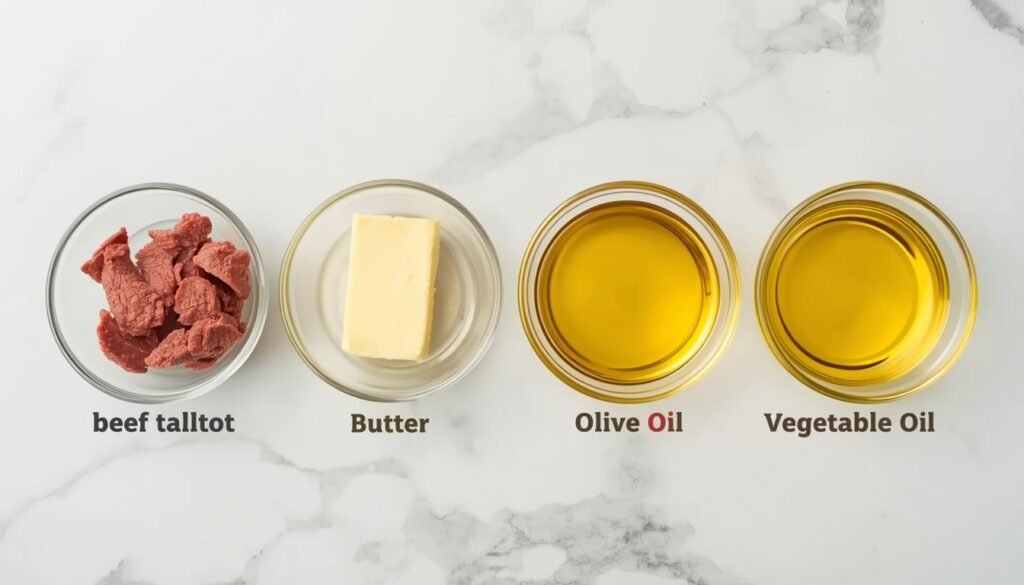
The History of Tallow — Rise, Fall, and Return
The Rise — Millennia of Use
What I learned is that tallow was not removed from kitchens because science proved it was harmful — it was removed because of one nutrient, saturated fat, judged in isolation. The oils that replaced it turned out to carry a different and greater risk. That reversal is the real story behind tallow’s return.
Beef tallow was a primary cooking, heating, and lighting fat for most of human history across cultures that had access to cattle. Before the industrial production of vegetable oils became commercially viable in the early twentieth century, animal fats were the default cooking medium for high-heat cooking in most of the world. Tallow’s high smoke point, stability, and richness of flavour made it the professional kitchen standard – used in restaurant frying, pastry-making, and roasting. It was also the primary cooking fat in the fast food industry until the 1980s.
The Fall — The Anti-Saturated Fat Campaign
The campaign against saturated fat — driven primarily by research from Ancel Keys and others in the mid-twentieth century and formalised in dietary guidelines from the 1980s onwards — identified saturated fat as the primary dietary driver of elevated LDL cholesterol and cardiovascular disease. Beef tallow, as one of the highest saturated-fat cooking fats available, became a target of dietary reform. The food industry, responding to market pressure and regulatory guidance, replaced tallow with partially hydrogenated vegetable oils in virtually every commercial application where tallow had been dominant. The trans fat crisis of the 1990s and 2000s — in which the cardiovascular risk of partially hydrogenated oils proved significantly greater than the risk of the saturated fats they replaced — was the beginning of the reconsideration.
The trans fat story is central to understanding how dietary quality affects health outcomes — and why the replacement of traditional fats with industrially processed alternatives had unintended consequences. To understand the broader relationship between food quality and sustainable health, explore our guide on natural weight loss and food quality science.
The Return — A Complicated Rehabilitation
Tallow’s return has been driven by a combination of factors: the trans fat revelation, the reanalysis of saturated fat evidence, the emergence of ancestral diet communities, the influence of social media food culture, and the recognition among professional chefs of tallow’s superior heat stability compared to most seed oils. This return is genuine and partly evidence-supported — but it has also, in some corners of the wellness internet, outpaced the evidence, with claims about tallow’s health benefits that go considerably beyond what the science currently supports.
Research & Science
Study 1
Finding: A meta-analysis published in Annals of Internal Medicine by Chowdhury et al. (2014) pooled data from 72 unique studies involving over 600,000 participants and found no significant association between total saturated fat intake and cardiovascular disease in prospective observational studies — a finding that challenged the foundational basis for replacing saturated fat with unsaturated alternatives. The authors noted, however, that different saturated fatty acid subtypes appeared to have different effects.
What It Means For You: The relationship between saturated fat and cardiovascular disease is meaningfully more complex than the blanket guidance to “reduce all saturated fat” suggested. Different saturated fatty acids – palmitic, stearic, lauric, and myristic – appear to have different metabolic effects, and tallow’s specific composition (significant stearic acid, which appears cholesterol-neutral) may behave differently from other high-saturated-fat foods.
DOI: 10.7326/M13-1788
PubMed: https://pubmed.ncbi.nlm.nih.gov/24723079/
Study 2
Finding: Research published in The American Journal of Clinical Nutrition examining the specific effects of stearic acid — tallow’s second most abundant saturated fatty acid at 12–16% of its composition — found that stearic acid did not raise LDL cholesterol in controlled feeding studies and appeared metabolically neutral compared to other saturated fatty acids, possibly because it is largely converted to oleic acid (the primary fatty acid in olive oil) during metabolism.
What It Means For You: Not all saturated fats appear to behave identically. The stearic acid content of beef tallow may confer a different metabolic profile than equal amounts of palmitic acid (the primary saturated fat in palm oil and many processed foods) – a distinction that the blanket “saturated fat is bad” framing does not capture.
DOI: 10.1093/ajcn/61.6.1402S
PubMed: https://pubmed.ncbi.nlm.nih.gov/7754988/
Study 3
Finding: A systematic review published in PLOS ONE examining whether replacing saturated fat with refined carbohydrates or polyunsaturated fats affected cardiovascular outcomes found that replacement with refined carbohydrates — which was the primary dietary outcome of the anti-saturated-fat campaign in most populations — did not reduce cardiovascular risk and was associated with increased risk of metabolic syndrome. Replacement with polyunsaturated fats showed more favourable outcomes.
What It Means For You: The relevant question for saturated fat is not only “How much saturated fat” but also “What does it replace, and what replaces it?” Replacing tallow with refined carbohydrates – bread, white rice, and processed snacks – does not appear to improve cardiovascular risk and may worsen metabolic health.
DOI: 10.1371/journal.pone.0055988
PubMed: https://pubmed.ncbi.nlm.nih.gov/23393592/
For further reading on dietary fat science, see the NIH National Heart, Lung, and Blood Institute dietary fat resources, the WHO Healthy Diet Fact Sheet, and the Harvard T.H. Chan School of Public Health dietary fat resources.
Expert Insight:
Expert Perspective: The evidence on beef tallow does not support either of the dominant narratives — neither the 1980s-era categorical dismissal of animal fats nor the current wellness-space enthusiasm that presents tallow as a superior health food. The most accurate evidence-based position is nuanced: beef tallow appears to be a chemically stable, high-heat-appropriate cooking fat with a saturated fatty acid composition that may be less metabolically harmful than originally believed — particularly in the context of a predominantly whole-food diet. The question is not whether to use tallow or not, but where it fits appropriately within an overall dietary pattern.
Clinical Note: For individuals with elevated LDL cholesterol, existing cardiovascular disease, or familial hypercholesterolaemia, dietary fat composition is an important clinical variable that should be discussed with a healthcare provider rather than self-managed based on general nutritional content. The emerging nuance in saturated fat science does not override the clinical evidence that reducing LDL-raising saturated fats benefits high-risk individuals.
Dietary fat and blood sugar regulation are deeply connected — the type of fat you consume affects insulin sensitivity, glucose metabolism, and overall metabolic health. To learn more about this relationship and how to balance your meals for stable energy, read our guide on understanding blood sugar and the role of dietary fat.

Tallow vs. Cooking Oil Comparison Audit
This section is unique to this topic. Use it to assess which cooking scenarios tallow may be most appropriate for, based on evidence-supported properties.
Cooking Property
Beef Tallow
Butter
Olive Oil (Extra Virgin)
Seed Oils (e.g., Canola, Sunflower)
Smoke Point
High (~230°C)
Medium (~175°C)
Medium (~190°C EVOO)
Medium–High (~200–230°C)
Oxidative Stability (heat)
Very High
High
Medium
Low–Medium
Polyunsaturated Fat Content
Very Low (2–6%)
Low (3%)
Medium (8–11%)
High (20–70%)
Saturated Fat Content
High (42–50%)
High (51%)
Low (14%)
Low–Medium (7–14%)
Monounsaturated Fat Content
High (42–50%)
Medium (21%)
High (73%)
Variable
Flavor Contribution
Rich, savory, meaty
Rich, creamy, dairy
Fruity, grassy
Neutral
Appropriate Heat Level
High-heat frying, roasting, searing
Medium heat, finishing, baking
Low–medium heat, dressings
Variable — check specific oil
Cost
Low–Moderate
Low
Moderate–High
Low
Key Insight: Beef tallow’s unique combination of a very high smoke point, very low polyunsaturated fat content (which is most susceptible to oxidative damage at high temperatures), and high oxidative stability makes it chemically among the most appropriate fats for high-heat cooking — a property that distinguishes it from most seed and vegetable oils regardless of their saturated fat content.
This is a comparative educational tool — not a dietary prescription.
Quick Solutions
Practical, evidence-informed starting points for incorporating tallow where it may be most appropriate:
Use tallow specifically for high-heat cooking — searing steaks, frying potatoes, and roasting vegetables at high temperatures. These are the applications where its chemical properties appear most advantageous over unstable seed oils.
Source grass-fed tallow when possible—grass-fed beef tallow contains higher concentrations of CLA and omega-3 fatty acids compared to grain-fed tallow, though the absolute amounts remain modest.
Render your own from beef suet — suet from butchers is inexpensive; rendering it yourself produces a pure product without additives. Simply heat slowly in an oven at 120°C for several hours, strain, and cool.
Store tallow correctly — tallow is shelf-stable at room temperature for weeks and can be refrigerated for months or frozen indefinitely. Its high saturated fat content makes it significantly more resistant to rancidity than polyunsaturated-heavy oils.
Use it as a partial rather than total replacement — incorporating tallow for high-heat applications while using olive oil for low-heat cooking and dressings reflects a balanced, evidence-informed approach rather than a wholesale replacement of all cooking fats.
Do not use tallow for skincare without patch testing. Tallow is used in traditional skincare products; those with acne-prone or sensitive skin should introduce it cautiously.
Simple Framework
Step
Action
Ask Yourself
1
Assess Context
Is my overall dietary pattern primarily whole-food based? (Tallow matters less if the rest of the diet is poor.)
2
Match Fat to Function
Am I cooking at high heat? (If yes, tallow may be the most chemically appropriate choice.)
3
Consider Health Context
Do I have cardiovascular risk factors that make LDL-raising saturated fat a clinical concern? (If yes, discuss with a healthcare provider.)
This framework reflects the core principle of evidence-based fat selection: the fat choice is less important than the overall dietary pattern it exists within. Tallow used in the context of a predominantly whole-food diet with adequate vegetable and fibre intake represents a very different metabolic scenario than tallow added to an already high-saturated-fat, low-fibre Western diet.
Thinking Model
Question 1: What is the cooking application?
Fat selection is ideally matched to cooking method. For high-heat applications — frying, searing, and roasting above 200°C — oxidative stability matters significantly. Tallow, butter, ghee, and avocado oil all maintain stability at high temperatures. Extra virgin olive oil is better suited to medium heat and dressings. Highly polyunsaturated seed oils (sunflower, corn, and flaxseed) appear least suitable for high-heat applications due to their susceptibility to oxidative degradation.
Question 2: What does this fat replace?
The metabolic significance of incorporating tallow depends significantly on what it replaces. If it replaces partially hydrogenated vegetable oils or highly oxidised polyunsaturated seed oils in high-heat cooking, there is a reasonable evidence-based argument for the substitution. If it replaces extra virgin olive oil across all cooking applications, the argument is considerably weaker — olive oil’s monounsaturated fat composition and polyphenol content appear genuinely supportive of cardiovascular health in the evidence base.
Question 3: What is the overall dietary context?
A tablespoon of beef tallow used to roast vegetables in a diet rich in whole foods, vegetables, legumes, and fish is metabolically very different from the same tablespoon added to a diet already high in red meat, processed foods, and refined carbohydrates. Fat choices exist within dietary patterns, not as isolated variables.
Original Insight
Here is the observation that most tallow content — whether enthusiastically pro or reflexively opposed — consistently misses: the return of beef tallow is not primarily a nutritional story. It is a story about the limits of nutritional reductionism.
The campaign that removed tallow from kitchens did so based on a single nutrient – saturated fat – extracted from the complex matrix of a whole food and evaluated in isolation against a single biomarker – LDL cholesterol – without adequate consideration of what would replace it, whether all saturated fats behaved identically, or whether the relationship between dietary fat and cardiovascular disease was as linear and universal as the original guidelines assumed.
What replaced tallow – partially hydrogenated vegetable oils – turned out to carry a greater cardiovascular risk than the food they replaced. The reductionist focus on a single nutrient produced a dietary recommendation with outcomes worse than the problem it was designed to solve.
This pattern has been repeated in nutritional science: dietary cholesterol, eggs, salt, whole milk, and red meat – each has been the subject of confident guidance later complicated by evidence that the reality was more complex than the model. The lesson is not that beef tallow is healthy. The lesson is that nutritional confidence should be proportionate to nutritional evidence — and that evidence, in this field, is consistently more complicated than guidelines suggest.
Tallow’s return is not a victory of tradition over science. It is a reminder that the science is harder than we repeatedly allow ourselves to believe.

Featured Snippet
Beef tallow is returning to kitchens due to growing awareness that the partially hydrogenated vegetable oils that replaced it carry greater health risks and emerging nuance in saturated fat science suggesting different saturated fatty acids have different metabolic effects. Its high smoke point and oxidative stability make it chemically well-suited for high-heat cooking. However, it remains high in saturated fat, and its health implications depend significantly on individual health context and overall dietary pattern.
Comparison Factor
Beef Tallow
What the Evidence Shows
Smoke point
~230°C
High — suitable for frying, searing, roasting
Oxidative stability
Very High
One of the most stable cooking fats at high heat
Saturated fat content
42–50%
High — different subtypes have different effects
Stearic acid effect
Cholesterol-neutral
Does not raise LDL per controlled studies
Palmitic acid effect
LDL-raising
Present at 25–27% — relevant for high-risk individuals
CLA content (grass-fed)
Moderate
Higher than grain-fed, human benefits developing
Compared to trans fats
Significantly better
Trans fats are now banned/targeted by the WHO.
Overall dietary context
Most important variable
Tallow in a whole-food diet differs from in a poor-quality diet
Key Action Summary:
✅ Use for high-heat cooking | ✅ Source grass-fed where possible | ✅ Replace trans fats and oxidized seed oils | ✅ Maintain overall whole-food diet | ✅ Discuss with GP if cardiovascular risk is present
Practical Strategies
Strategy 1 — Use Tallow for Roasting Vegetables
Roasting vegetables at high temperatures (200–220°C) in tallow produces superior caramelisation, crispness, and flavour compared to most seed oils — because tallow’s high saturated and monounsaturated fat content resists oxidation at these temperatures, while seed oils with high polyunsaturated fat content degrade more readily. Potatoes, root vegetables, and brassicas (broccoli, cauliflower, and Brussels sprouts) particularly benefit from tallow roasting. This is one of the most clearly evidence-supported applications: a chemically stable fat used at temperatures where unstable fats degrade.
Strategy 2 — Sear Meat With Tallow for Superior Results
High-heat meat searing requires a fat that will not smoke excessively or degrade before the Maillard reaction (the browning reaction that produces flavour compounds) is complete. Tallow is one of the most suitable fats for this application — its smoke point is high, its stability is excellent, and it adds flavour compounds that complement beef, lamb, and venison specifically. Chefs have recognised this for centuries; the scientific basis — oxidative stability, smoke point, and flavour chemistry — is well-established food science.
Strategy 3 — Replace Partially Hydrogenated Shortening in Baking
The primary historical use of tallow in pastry making — producing flaky, crisp pastry through the fat’s crystalline structure and solid-at-room-temperature behaviour — was replaced by partially hydrogenated vegetable shortening. Given that trans fats have been definitively identified as cardiovascular risk factors and are being eliminated globally, using tallow as a shortening substitute in pastry applications returns to a fat with a better evidence profile than what replaced it. Pie crusts, biscuits, and traditional pastries made with tallow demonstrate the texture and flavour characteristics that partially hydrogenated shortening was designed to replicate.
Strategy 4 — Make Traditional Confit and Slow-Cooked Dishes
The confit cooking method — submerging food in fat at low temperatures for extended periods — was traditionally performed in duck fat, lard, or tallow. The fat’s role in confit is preservation, moisture retention, and slow flavour development rather than high-heat cooking, and tallow’s stability makes it well-suited for this application. Duck legs, garlic, and root vegetables cooked in tallow confit produce traditional results with a cooking fat that is both historically appropriate and chemically suitable.
Strategy 5 — Use as a Seasoning for Cast Iron Cookware
Tallow’s high saturated fat content makes it superior to polyunsaturated-heavy oils for seasoning cast iron cookware – a process in which fat is polymerised onto the iron surface by repeated heating. Polyunsaturated fats produce incomplete polymerisation and can go rancid in the seasoning layer. Tallow and other high-saturated fats (lard and ghee) produce a more complete, durable, non-stick seasoning layer. This is a practical, evidence-supported application that benefits from tallow’s specific fat composition.
Strategy 6 — Consider It for Traditional Skincare Applications
Beef tallow has historically been used in skin preparations and is experiencing a modest revival in natural skincare – promoted primarily on the basis of its similarity in fatty acid profile to human sebum (skin’s natural oil). While clinical evidence for tallow-based skincare is limited, it is generally considered safe for topical application in healthy adults and may be appropriate as a moisturiser for dry skin conditions. Those with acne-prone skin should introduce it cautiously, as occlusive fats can exacerbate comedone formation in some individuals.
Strategy 7 — Source Quality and Consider Animal Welfare
Not all tallow is nutritionally equivalent. Grass-fed beef tallow appears to contain higher concentrations of omega-3 fatty acids and CLA compared to grain-fed tallow, though the absolute differences are modest. Pasture-raised and regeneratively farmed beef also has a different environmental footprint than conventionally produced beef. For consumers for whom sourcing quality and environmental impact are priorities, seeking grass-fed or pasture-raised tallow from butchers, farmers’ markets, or small-scale producers reflects both nutritional and ethical considerations that are aligned with current evidence where it exists.
Sourcing quality cooking fats is one component of a broader whole-food approach that includes daily movement, quality sleep, and stress management. To explore the complete framework for building health naturally without expensive gym memberships or supplements, see our guide on how to improve health and fitness naturally through whole food choices.
Common Mistakes
Mistake
Why It Fails
Fix
Using tallow for all cooking, including low-heat applications
Tallow’s flavor is rich and meaty — unsuitable for delicately flavored dishes; olive oil remains superior for low-heat cooking and dressings
Match fat to function: tallow for high heat, olive oil for low heat and dressings
Concluding from tallow’s return that all saturated fat is healthy
The nuance in saturated fat science relates to specific fatty acid subtypes and dietary context – not a blanket rehabilitation of all saturated fat
Maintain a predominantly whole-food diet; assess individual health context with a healthcare provider
Using grain-fed, commercially rendered tallow while seeking grass-fed benefits
Commercial tallow may not carry the CLA and omega-3 advantages of grass-fed sources
Source from butchers or speciality suppliers, specifying grass-fed origins
Ignoring cardiovascular health context
For individuals with elevated LDL, familial hypercholesterolemia, or existing cardiovascular disease, dietary saturated fat remains a clinically important variable
Discuss dietary fat choices with a healthcare provider if cardiovascular risk factors are present
Dismissing all seed oils categorically
High-oleic versions of sunflower and safflower oil have improved oxidative stability; cold-pressed flaxseed and walnut oils provide omega-3 fatty acids absent from tallow
Evaluate specific oils for specific applications rather than categorically avoiding all seed oils
Heating tallow beyond its smoke point
Even tallow degrades above its smoke point, producing smoke, off-flavors, and some harmful compounds
Manage cooking temperature; avoid consistently cooking above 230°C
When To See a Doctor
Dietary fat selection, including the use of beef tallow, is a personal and evidence-informed choice for most healthy adults — but there are specific health contexts in which professional guidance is appropriate.
Please discuss your dietary fat choices with a healthcare provider if you have elevated LDL cholesterol or a diagnosis of hypercholesterolaemia; existing cardiovascular disease; a history of heart attack or stroke; familial hypercholesterolaemia (an inherited condition causing very high LDL levels regardless of diet); type 2 diabetes; or metabolic syndrome, in which dietary fat composition affects insulin sensitivity.
For these populations, the nuance in saturated fat research does not override the clinical evidence that reducing LDL-raising saturated fatty acids improves outcomes. A registered dietitian can help evaluate your specific dietary fat intake in the context of your cardiovascular risk profile and overall dietary pattern.
Dietary fat choices affect gut microbiome health as well as cardiovascular risk — the composition of your diet directly influences the bacterial populations that regulate inflammation, metabolism, and immune function. To understand this connection in depth, read our guide on what gut health is and how diet affects your metabolic health.
Key Takeaways
Beef tallow is primarily composed of saturated and monounsaturated fats — its specific composition includes stearic acid (cholesterol-neutral) and oleic acid (the same fat predominating in olive oil), alongside LDL-raising palmitic acid.
Tallow’s return is partly supported by evidence — particularly the recognition that trans fats (which replaced it) carry greater cardiovascular risk and that different saturated fatty acid subtypes have different metabolic effects.
Its high smoke point (~230°C) and very low polyunsaturated fat content make it among the most chemically stable fats for high-heat cooking — a genuine, evidence-supported advantage over oxidatively unstable seed oils.
The pro-tallow wellness narrative has, in many cases, outpaced the evidence — tallow is not a health food, and its benefits depend critically on overall dietary context.
The anti-tallow narrative was based on an oversimplification of saturated fat science that has since been significantly complicated by additional evidence.
For most healthy adults eating a predominantly whole-food diet, using tallow for appropriate high-heat cooking applications represents a reasonable evidence-informed choice.
For individuals with cardiovascular risk factors, dietary fat composition should be discussed with a healthcare provider rather than self-managed based on wellness trends.
FAQs
1. Is beef tallow healthier than vegetable oils?
“Healthier” depends on context. Compared to partially hydrogenated vegetable oils (trans fats), tallow appears significantly better by all current evidence. Compared to extra virgin olive oil for cardiovascular health, the evidence favours olive oil – particularly for its polyphenol content and its role in the Mediterranean diet pattern. For high-heat cooking specifically, tallow appears chemically superior to highly polyunsaturated seed oils in terms of oxidative stability.
2. Does beef tallow raise cholesterol?
Tallow’s saturated fat composition includes both palmitic acid (which appears to raise LDL cholesterol) and stearic acid (which appears cholesterol-neutral). The net cholesterol effect depends on quantity consumed, individual metabolic response, and overall dietary pattern. For most healthy individuals consuming tallow in moderate quantities within a predominantly whole-food diet, the effect on cardiovascular risk appears modest and more nuanced than the original anti-saturated-fat guidance suggested.
3. What is the smoke point of beef tallow, and why does it matter?
Beef tallow’s smoke point is approximately 205–250°C depending on refinement. Above this temperature, fat begins to oxidise and produce harmful compounds. Its high smoke point — combined with very low polyunsaturated fat content — makes tallow one of the most stable cooking fats at temperatures required for searing, frying, and high-heat roasting.
4. Is grass-fed tallow nutritionally different from grain-fed?
Yes, modestly. Grass-fed beef tallow contains higher concentrations of CLA (conjugated linoleic acid) and omega-3 fatty acids compared to grain-fed tallow — though the absolute quantities of both remain relatively small. The human health significance of these differences is not definitively established, but grass-fed sourcing appears broadly preferable where cost and accessibility allow.
5. Can I make my own beef tallow at home?
Yes—home rendering of beef tallow is straightforward. Purchase beef suet from a butcher, cut into small pieces, place in an oven-safe dish at approximately 120°C, and heat for two to three hours until the fat has melted, strained, and solidified. The result is a clean, shelf-stable cooking fat free from additives. Cool, strain through cheesecloth, and store in glass jars.
6. Is beef tallow suitable for people following a carnivore or paleo diet?
Yes, tallow is consistent with both carnivore and paleo dietary frameworks. Both approaches emphasise animal-sourced foods and ancestral eating patterns, within which tallow features prominently. The nutritional arguments for tallow within these frameworks are partly supported by emerging science on fat subtypes, though the broader claims of these dietary approaches vary in their evidence base.
7. Does cooking in tallow add significant calories to food?
Yes — as with all cooking fats, tallow adds approximately 120 calories per tablespoon. The quantity of fat absorbed during cooking varies with cooking method and food type — roasting absorbs less fat than deep frying. For caloric management, tallow is not inherently different from other cooking fats at equivalent quantities, though its superior flavour means some people find they use less of it to achieve satisfying results.
30-Day Traditional Fat Integration Plan
Week 1 — Assessment and First Application
Identify the two or three most common cooking applications in your current kitchen where you use high heat: roasting vegetables, searing meat, pan-frying eggs or potatoes. Source a small quantity of beef tallow — either from a butcher, a speciality grocer, or by rendering suet at home. Replace your current high-heat cooking fat with tallow for these applications this week. Note the flavour, crispness, and cooking behaviour compared to your usual fat.
Week 2 — Application Expansion
Extend tallow use to additional high-heat applications: roast a tray of mixed root vegetables, sear a steak or chicken thigh, or fry potatoes or plantain. Continue using olive oil for low-heat applications and dressings. Begin noting whether you are using the same quantity of tallow as your previous oil — tallow’s flavour often means less is needed for equivalent results.
Week 3 — Baking and Traditional Applications
If you bake pastry, shortcrust, or biscuits, substitute tallow for any shortening or butter in one recipe this week. Observe texture and flavour differences. This week is also appropriate for evaluating whether you want to try rendering your own tallow from suet if you have not yet.
Week 4 — Evaluation and Integration
Review the month. Where did tallow perform better than your previous fat? Where was the difference negligible? Where was olive oil or another fat superior? Integrate tallow specifically where its properties appear most advantageous – high heat, pastry, and cast iron seasoning – rather than replacing all cooking fats universally. This is the most evidence-aligned approach: fat selection matched to cooking function rather than a categorical commitment to one fat.

Final Thought
Beef tallow’s story is ultimately a story about how difficult nutrition science is — and how much damage can be done when confidence outruns evidence. It left kitchens not because it was proved harmful but because the evidence seemed to say it was. It is returning not because it has been proven healthy, but because the evidence turns out to have been more complicated than anyone admitted. The lesson, applied forward, might be ‘hold dietary convictions proportionate to the evidence that supports them’. Eat more whole foods. Cook with stable fats at appropriate temperatures. And maintain appropriate humility about how much we still do not know.
Conclusion
My honest advice is not to treat tallow as a superfood, and not to fear it either. Use it where it makes sense — high heat, roasting, and searing — and keep olive oil for low heat and dressings. Match the fat to the job. That is what the evidence actually supports, and that is what I do now.
Beef tallow occupies a genuinely nuanced position in current nutrition science — neither the villain it was made out to be by the anti-saturated-fat movement nor the superfood some wellness communities are now presenting it as. Its chemical properties — high smoke point, excellent oxidative stability, and complex fatty acid composition with both LDL-raising and neutral components — make it a legitimate and evidence-informed choice for specific cooking applications, particularly high-heat cooking where polyunsaturated-heavy seed oils demonstrate genuine chemical disadvantages. Its appropriate role in an overall dietary pattern depends on individual health context, the dietary quality it exists within, and the specific applications for which it is used. That is a more complicated answer than either the 1980s guidelines or the ancestral diet community would prefer — but it is the most accurate one the evidence currently supports. beef tallow comeback science
References
World Health Organization. Trans Fat Elimination: REPLACE. WHO, 2023. https://www.who.int/news-room/questions-and-answers/item/who-plan-to-eliminate-industrially-produced-trans-fatty-acids-from-the-global-food-supply
WHO. Healthy Diet — Fact Sheet. WHO, 2023. https://www.who.int/news-room/fact-sheets/detail/healthy-diet
NIH National Heart, Lung, and Blood Institute. Heart-Healthy Eating. NIH, 2024. https://www.nhlbi.nih.gov/health-topics/heart-healthy-eating
Chowdhury R, Warnakula S, Kunutsor S, et al. Association of Dietary, Circulating, and Supplement Fatty Acids With Coronary Risk. Annals of Internal Medicine. 2014. DOI: 10.7326/M13-1788. PubMed: https://pubmed.ncbi.nlm.nih.gov/24723079/
Bonanome A, Grundy SM. Effect of Dietary Stearic Acid on Plasma Cholesterol and Lipoprotein Levels. New England Journal of Medicine. 1988. DOI: 10.1056/NEJM198805193182001. PubMed: https://pubmed.ncbi.nlm.nih.gov/3367037/
Siri-Tarino PW, Sun Q, Hu FB, Krauss RM. Saturated Fatty Acids and Risk of Coronary Heart Disease: Modulation by Replacement Nutrients. Current Atherosclerosis Reports. 2010. DOI: 10.1007/s11883-010-0131-6. PubMed: https://pubmed.ncbi.nlm.nih.gov/20711693/
Jakobsen MU, O’Reilly EJ, Heitmann BL, et al. Major Types of Dietary Fat and Risk of Coronary Heart Disease: A Pooled Analysis of 11 Cohort Studies. American Journal of Clinical Nutrition. 2009. DOI: 10.3945/ajcn.2008.27124. PubMed: https://pubmed.ncbi.nlm.nih.gov/19211817/
Ramsden CE, Zamora D, Leelarthaepin B, et al. Use of Dietary Linoleic Acid for Secondary Prevention of Coronary Heart Disease and Death. BMJ. 2013. DOI: 10.1136/bmj.e8707. PubMed: https://pubmed.ncbi.nlm.nih.gov/23386268/
Astrup A, Magkos F, Bier DM, et al. Saturated Fats and Health: A Reassessment and Proposal for Food-Based Recommendations. Journal of the American College of Cardiology. 2020. DOI: 10.1016/j.jacc.2020.05.077. PubMed: https://pubmed.ncbi.nlm.nih.gov/32562735/
Mensink RP, Zock PL, Kester AD, Katan MB. Effects of Dietary Fatty Acids and Carbohydrates on the Ratio of Serum Total to HDL Cholesterol. American Journal of Clinical Nutrition. 2003. DOI: 10.1093/ajcn/77.5.1146. PubMed: https://pubmed.ncbi.nlm.nih.gov/12716665/
Pariza MW, Park Y, Cook ME. The Biologically Active Isomers of Conjugated Linoleic Acid. Progress in Lipid Research. 2001. DOI: 10.1016/S0163-7827(01)00008-X. PubMed: https://pubmed.ncbi.nlm.nih.gov/11412893/
Hall KD, Ayuketah A, Brychta R, et al. Ultra-Processed Diets Cause Excess Calorie Intake. Cell Metabolism. 2019. DOI: 10.1016/j.cmet.2019.05.008. PubMed: https://pubmed.ncbi.nlm.nih.gov/31105044/
Note: All references should be independently re-verified for accuracy and currency before publication.
Disclaimer
This article is for educational and informational purposes only. It does not constitute medical or dietary advice and is not a substitute for professional healthcare guidance. Dietary fat choices, including the use of beef tallow, should be made in the context of individual health status, cardiovascular risk factors, and overall dietary pattern. Individuals with elevated LDL cholesterol, cardiovascular disease, or related conditions should discuss dietary fat composition with a qualified healthcare professional. No commercial product endorsement is intended or implied.
About the Author
HealthFitnessBloom Editorial Team
HealthFitnessBloom is dedicated to providing science-backed health, fitness, and wellness information to help readers live healthier lives. Our editorial team researches, writes, and reviews content to ensure accuracy, clarity, and practical value.