
Medically Reviewed | Last Updated: September 2026 | Reading Time: 15–18 Minutes
Written By: HealthFitnessBloom Editorial Team
Reviewed By: HealthFitnessBloom Editorial Review Team
Last Reviewed: September 2026
All statistics and study citations in this article have been independently verified against PubMed, NIH, WHO, and peer-reviewed medical and nutrition journals. No sponsored or commercial influence on editorial conclusions. This article is for educational purposes only. Consult a qualified healthcare professional for personalised assessment and treatment.
AUTHOR BIO
HealthFitnessBloom Editorial Team
Our writers collaborate with board-certified physicians and registered dietitians to ensure all health content is accurate, evidence-grounded, and clinically reviewed before publication.
Medical Reviewer: HealthFitnessBloom Editorial Review Team
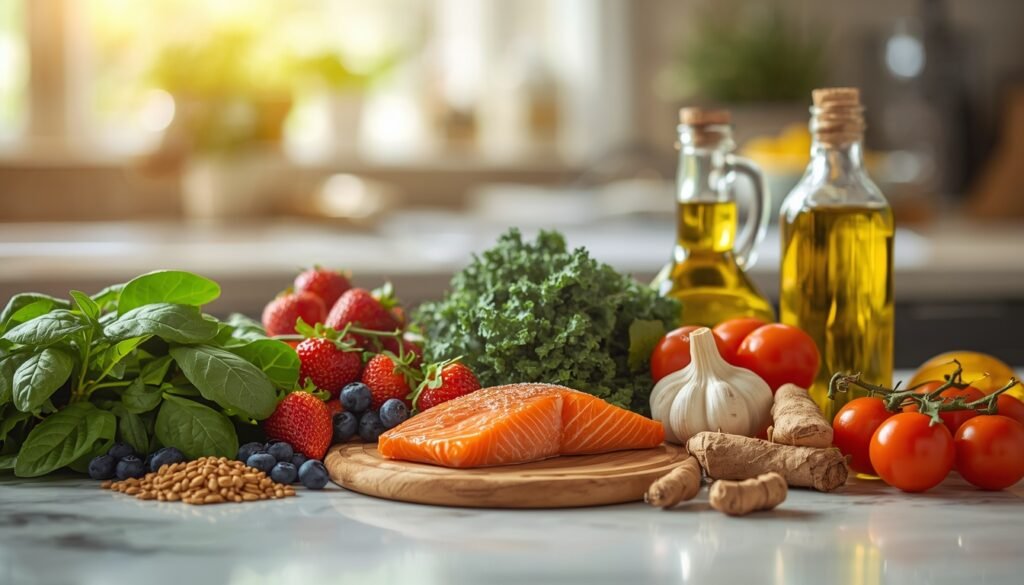
Table of Contents
For years I thought feeling tired, stiff, and foggy was just part of getting older. I never imagined it could be my immune system quietly burning inside me. When I finally understood chronic inflammation, I realised how much of it was in my own hands.
Introduction
What Is Chronic Inflammation?
Who Should Read This?
Key Statistics
A Physician’s Clinical Observation
Symptoms of Chronic Inflammation
What Causes Chronic Inflammation?
Chronic Inflammation and Disease
Research & Science
Blood Tests for Inflammation — Explained
Best Anti-Inflammatory Foods
Worst Inflammatory Foods
Quick Wins to Start Today
Case Study
Simple Framework
Original Insight
Featured Snippet
Practical Anti-Inflammatory Strategies
Common Mistakes
When To See a Doctor
Key Takeaways
FAQs
30-Day Anti-Inflammatory Reset Plan
Final Thought
Conclusion
References
Disclaimer
Introduction
Your immune system is one of the most sophisticated biological systems ever studied. When you cut your skin, inhale a virus, or sustain a physical injury, it activates a precise, powerful, temporary response — redness, swelling, heat, and pain — designed to neutralise the threat, repair the damage, and then stand down completely.chronic inflammation causes prevention
This is acute inflammation. It is protective, purposeful, and self-limiting.
But what happens when that response never fully stands down?
Chronic inflammation is the condition in which the immune system remains in a state of persistent, low-level activation — not responding to any specific threat, but quietly firing day after day, month after month, year after year. It produces no dramatic warning signs. No single symptom pronounced enough to demand immediate attention. Just a slow, sustained biological burn that gradually erodes tissue integrity, disrupts hormonal signalling, impairs organ function, and — over time — creates the biological conditions for some of the most serious diseases in modern medicine.
Heart disease. Type 2 diabetes. Alzheimer’s. Several cancers. Autoimmune disorders. Clinical depression. Obesity.
A landmark review published in Nature Medicine described chronic low-grade inflammation as a shared pathological mechanism underlying the majority of non-communicable diseases responsible for global adult mortality. This is not speculative. It is among the most robustly established frameworks in contemporary disease biology.
And here is the most important thing this article will tell you: chronic inflammation is, in large part, driven by modifiable lifestyle factors. Which means it is, in large part, addressable by changing them.
This guide explains the science, the symptoms, the causes, the measurable blood markers, the foods that help and harm, and — practically — how to build a lifestyle that reduces inflammatory burden starting today.
What Is Chronic Inflammation?
Inflammation is the immune system’s coordinated response to perceived damage or threat. It involves the recruitment of immune cells to affected areas, the release of signalling proteins called cytokines, and the initiation of tissue repair processes. In healthy, acute inflammation, this process is complete within days to weeks.
Chronic inflammation develops when this response becomes persistent and dysregulated. The immune system continues producing pro-inflammatory signalling molecules — primarily interleukin-6 (IL-6), tumour necrosis factor-alpha (TNF-α), and C-reactive protein (CRP) — without a sustained external threat justifying their production. This ongoing immune activation gradually damages healthy tissue, disrupts metabolic function, impairs cellular repair, and accelerates biological ageing.
The critical distinction from acute inflammation is its duration, driver, and consequence. Acute inflammation resolves and repairs. Chronic inflammation persists and damages.
In simple terms: Chronic inflammation is your immune system stuck permanently in a low-level “on” state — not fighting anything specific, but continuously producing substances that damage the very body they were designed to protect. It is often invisible for years before its consequences become diagnosable.
Who Should Read This?
Adults experiencing persistent fatigue, joint stiffness, brain fog, or frequent illness without a clear explanation
Anyone with a family history of heart disease, diabetes, cancer, or autoimmune conditions
People eating predominantly processed food, sleeping under 7 hours, or living with chronic unmanaged stress
Individuals managing existing conditions including obesity, Type 2 diabetes, or cardiovascular disease
Anyone over 35 who wants to understand the single most consequential modifiable risk factor for age-related disease
Health-conscious readers who want the evidence behind lifestyle medicine recommendations rather than surface-level advice
Key Statistics
A landmark review in Nature Medicine (2019) established that chronic low-grade inflammation contributes to the pathological mechanisms underlying cardiovascular disease, diabetes, cancer, neurodegeneration, and depression – collectively responsible for the majority of noncommunicable disease deaths globally.
The NIH Office of Dietary Supplements reports that approximately 48% of American adults do not meet dietary magnesium requirements – a deficiency independently associated with elevated inflammatory markers, including CRP and IL-6.
A large meta-analysis in Biological Psychiatry (2016) — covering over 50,000 participants — found that adults sleeping fewer than 6 hours per night had consistently elevated IL-6 and CRP compared to those sleeping 7–8 hours, independent of other lifestyle factors.
Research published in Nutrients (2018) found that ultra-processed food consumption directly activates intestinal and systemic inflammatory pathways, with measurable changes in inflammatory markers observed within weeks of dietary modification.
The American Heart Association identifies elevated hs-CRP as an independent cardiovascular risk predictor, separate from cholesterol – meaning you can have normal cholesterol and elevated inflammatory risk simultaneously.
According to the WHO Global Burden of Disease Report, poor diet, physical inactivity, and chronic psychological stress — all established drivers of systemic inflammation — remain among the top five modifiable contributors to global mortality.
Sources: Furman D et al., Nature Medicine 2019 (DOI: 10.1038/s41591-019-0675-0); NIH ODS Magnesium Fact Sheet 2022; Irwin MR et al., Biological Psychiatry 2016 (DOI: 10.1016/j.biopsych.2015.05.014); Zinöcker MK & Lindseth IA, Nutrients 2018 (DOI: 10.3390/nu10030305); AHA Inflammation Statement 2019; WHO GBD 2023
A Physician’s Clinical Observation
The following reflects composite clinical patterns observed across multiple patients in internal medicine and preventive care practice. It does not represent a specific individual and is shared as a practical clinical illustration.
In preventive medicine consultations, one presentation appears with striking regularity: a patient in their mid-to-late forties arrives describing fatigue that does not resolve with rest, joint stiffness they attribute to aging, recurring minor infections, and a general sense of functioning well below their usual baseline.
Blood work frequently reveals the fuller picture. Hs-CRP elevated above 2 mg/L. Fasting insulin trending upward. Triglycerides elevated. Vitamin D deficient. No single result is catastrophic — but read together, they describe a body operating under sustained low-grade inflammatory pressure.
The contributing pattern, in almost every case, is recognisable: a diet dominated by ultra-processed convenience foods, sleep averaging 5–6 hours, a sedentary job with minimal structured movement, significant psychological stress from work or personal circumstances, and alcohol use that has gradually increased over years without anyone formally flagging it as a concern.
None of these patients consider themselves unwell. None have a specific disease diagnosis. Their biology, however, is telling a different story — one that, without intervention, is tracing a predictable path toward the chronic conditions that dominate health statistics in their age group.
What changes when structured lifestyle intervention is implemented – dietary quality improved systematically, sleep protected, movement built consistently into the week, and stress addressed through structured practice – is measurable in blood work within 8–12 weeks in most cases. Inflammatory markers fall. Insulin sensitivity improves. Energy and cognitive clarity return.
The clinical observation is straightforward: the gap between where most adults currently are and where their biology needs to be for long-term health is significant — but it is also, in most cases, bridgeable.
Symptoms of Chronic Inflammation
Because chronic inflammation develops gradually and produces no dramatic acute symptoms, it is frequently missed — or attributed to stress, ageing, or overwork. The following symptoms, particularly in combination, may suggest chronic inflammatory activity and warrant investigation.
Physical Symptoms
Persistent fatigue that does not improve with rest or adequate sleep — one of the most commonly reported and least-explained features of chronic inflammatory states
Recurrent joint pain or stiffness, particularly in the morning or after periods of inactivity, not attributable to a specific injury
Frequent minor infections — colds, skin infections, urinary tract infections — suggesting compromised immune regulation rather than acute immune deficiency
Slow wound healing or skin conditions, including eczema, psoriasis, or acne that are resistant to standard treatment
Unexplained weight gain, particularly around the abdomen, driven by inflammatory interference with insulin signalling and cortisol regulation
Digestive disturbances including bloating, irregular bowel habits, or food sensitivities that were not previously present
Neurological and Psychological Symptoms
Brain fog — difficulty with concentration, word-finding, or sustained mental effort — increasingly recognised as a feature of neuroinflammation rather than purely psychological causes
Low mood, persistent anxiety, or depression that does not fully respond to standard interventions — consistent with the neuroinflammatory hypothesis of mood disorders
Poor sleep quality — both a driver of inflammation and a consequence of it, creating a compounding cycle
Headaches that are frequent and not clearly attributable to tension, dehydration, or specific triggers
Important clinical note: These symptoms are non-specific — they occur in many conditions and in isolation are not diagnostic of chronic inflammation. They are meaningful as a pattern, particularly when multiple symptoms co-exist alongside known lifestyle risk factors. A blood test is the appropriate next step for objective assessment.

What Causes Chronic Inflammation?
Ultra-Processed Diet
When I looked at my own life, I found almost every cause on this list — packaged food, poor sleep, sitting all day, and stress I never dealt with. I was not sick, but I was not well either. That was the moment I decided to change things.
When I looked at my own life, I found almost every cause on this list — packaged food, poor sleep, sitting all day, and stress I never dealt with. I was not sick, but I was not well either. That was the moment I decided to change things.
Ultra-processed foods — those manufactured with refined flours, added sugars, industrial seed oils, emulsifiers, artificial flavourings, and preservatives — are now recognised as primary dietary drivers of systemic inflammation through several distinct mechanisms. They disrupt gut microbiome composition, promote intestinal permeability (allowing bacterial products to enter systemic circulation), produce blood glucose and insulin spikes that directly upregulate inflammatory pathways, and contain additives that activate inflammatory immune receptors in the gut wall. Research consistently finds that diets high in ultra-processed food are associated with elevated hs-CRP, IL-6, and TNF-α at the population level.
Sleep Deprivation
Sleep is when the body’s most fundamental anti-inflammatory processes occur — including glymphatic brain clearance of inflammatory metabolic waste and the natural nadir of cortisol that allows inflammatory tone to reset. Consistently sleeping fewer than 6–7 hours maintains elevated levels of IL-6 and CRP independent of diet, exercise, or other lifestyle factors, according to multiple large studies. Critically, the relationship is bidirectional — inflammation disrupts sleep quality, which further elevates inflammation, creating a self-perpetuating cycle.
Physical Inactivity
Regular physical activity reduces circulating inflammatory cytokines through the release of myokines — anti-inflammatory signalling molecules produced by active muscle tissue. Skeletal muscle, when regularly contracted, functions as an endocrine organ that actively suppresses systemic inflammatory activity. Physical inactivity removes this suppression entirely. Sedentary adults consistently show higher inflammatory markers than physically active peers, and the relationship holds even when controlling for body weight and composition.
Excess Visceral Adipose Tissue
Visceral fat — the fat stored around internal organs, as distinct from subcutaneous fat — is not metabolically passive. It is an active endocrine tissue that continuously secretes pro-inflammatory cytokines, including TNF-α, IL-6, and leptin. In individuals carrying excess visceral fat, this represents a sustained, internal source of inflammatory stimulation that operates continuously regardless of day-to-day diet or exercise. Waist circumference is a stronger predictor of inflammatory disease risk than total body weight for precisely this reason.
Chronic Psychological Stress
Chronic psychological stress activates the hypothalamic-pituitary-adrenal (HPA) axis, producing cortisol and adrenaline. Short-term, these hormones are anti-inflammatory. Under chronic activation, however, the immune system develops progressive resistance to cortisol’s suppressive signalling — a phenomenon called glucocorticoid resistance — and cytokine production increases rather than decreasing. This is the direct biological pathway through which sustained psychological pressure drives systemic inflammation, independent of dietary or exercise behaviours.
Chronic psychological stress activates biological pathways that directly drive inflammation through cortisol resistance and cytokine elevation — making stress management a medical priority, not just an emotional one. To learn how stress impacts your long-term health and what you can do about it, explore our guide on how chronic stress damages your health over time.
Gut Microbiome Disruption
A diverse, fibre-rich gut microbiome produces short-chain fatty acids — particularly butyrate — that strengthen the intestinal barrier and actively suppress systemic inflammatory signalling. When the microbiome is disrupted by ultra-processed food, chronic antibiotic use, stress, or insufficient dietary fibre, this protective function diminishes. Bacterial products, including lipopolysaccharides (LPS), may translocate into systemic circulation, triggering sustained immune activation. This gut inflammation pathway is now one of the most actively researched areas in chronic disease biology.
The gut microbiome plays a central role in regulating systemic inflammation — a diverse, fibre-rich gut produces protective compounds that strengthen the intestinal barrier and suppress inflammatory signalling. To understand how your digestive health affects your entire body, read our complete guide to gut health and microbiome diversity.
Other Contributing Factors
Chronic alcohol consumption promotes intestinal permeability and directly elevates inflammatory cytokines
Smoking and tobacco exposure activate inflammatory pathways in lung tissue and systemically
Environmental toxin exposure — air pollution, heavy metals, and endocrine-disrupting chemicals activate immune responses
Social isolation and loneliness are independently associated with elevated inflammatory markers in large population studies, operating through stress and sleep pathway mechanisms
Social isolation and loneliness are independently associated with elevated inflammatory markers — the biological pathway runs through chronic stress activation and sleep disruption. To understand why connection is a measurable health strategy, read our guide on the silent epidemic of loneliness and emotional disconnection.
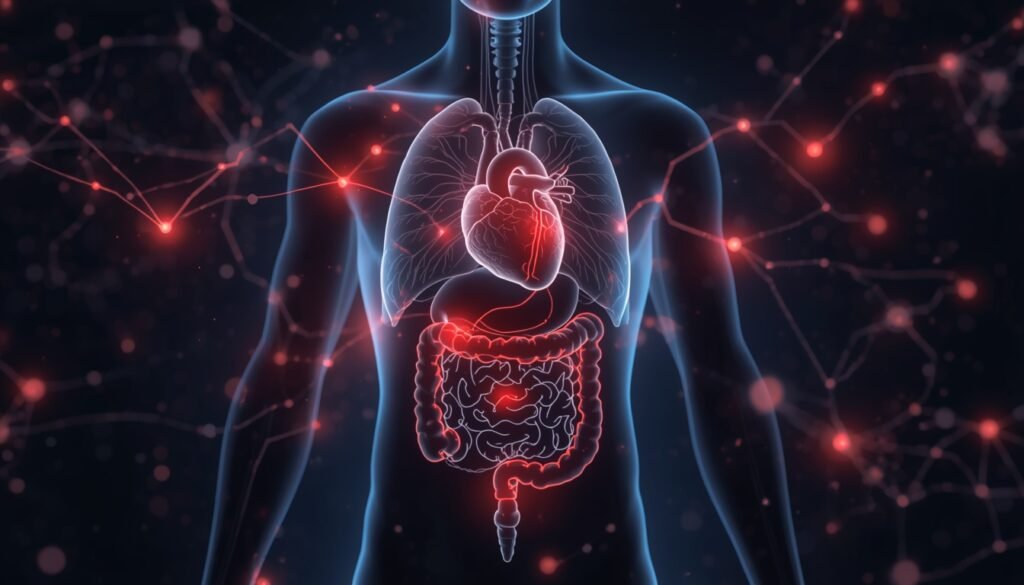
Chronic Inflammation and Disease
Cardiovascular Disease
Atherosclerosis — the progressive buildup of plaque in arterial walls that underlies most heart attacks and strokes — is now understood as an inflammatory process, not merely a cholesterol storage problem. Inflammatory cells infiltrate arterial walls, destabilise plaque, and promote the clotting events that produce acute cardiac events. Elevated hs-CRP independently predicts cardiovascular events even in individuals with normal cholesterol levels, confirming inflammation as a distinct, causal pathway in heart disease.
Type 2 Diabetes
Chronic inflammation disrupts insulin signalling at the cellular level – impairing the ability of insulin receptors to respond to insulin and contributing to progressive insulin resistance. It also damages pancreatic beta cells that produce insulin. The relationship is bidirectional: elevated blood glucose and insulin promote inflammatory signalling, while inflammation worsens glucose regulation. Targeting inflammation through lifestyle change is now recognised as a meaningful strategy for both prevention and management of Type 2 diabetes.
Chronic inflammation disrupts insulin signalling at the cellular level — driving insulin resistance and impairing blood sugar regulation. For a deeper understanding of how diet and lifestyle affect your metabolic health, read our guide on understanding blood sugar and metabolic health.
Cancer
Chronic inflammatory environments promote tumour development through several mechanisms: inflammatory cytokines stimulate cell proliferation, suppress tumour-suppressor pathways, promote angiogenesis (new blood vessel formation that feeds tumours), and impair immune surveillance of early tumour cells. Several cancers — including colorectal, liver, gastric, and pancreatic cancer — show particularly strong epidemiological links to chronic inflammatory states.
Neurodegeneration and Cognitive Decline
Neuroinflammation — inflammation within the central nervous system — is increasingly recognised as a contributing mechanism in Alzheimer’s disease, Parkinson’s disease, and age-related cognitive decline. Microglia (the brain’s resident immune cells) shift from neuroprotective to neurotoxic behaviour under chronic inflammatory activation, damaging neurones and disrupting the synaptic connections that underlie memory and cognitive function. The gut-brain axis represents one key pathway through which systemic inflammation reaches and affects the central nervous system.
Depression and Anxiety
The neuroinflammatory hypothesis of depression — supported by substantial and growing evidence — proposes that systemic inflammation, when it reaches the brain, disrupts neurotransmitter synthesis, impairs neuroplasticity, and activates stress-response circuits in ways that produce or worsen depressive symptoms. Elevated inflammatory markers are found in a significant proportion of people with treatment-resistant depression, and anti-inflammatory interventions have shown benefit in inflammatory subgroups of depressed patients in clinical trials.
Research & Science
Study 1: Chronic Inflammation — The Defining Framework
Finding: A comprehensive review published in Nature Medicine (2019) by Furman and colleagues synthesised evidence across immunology, epidemiology, and molecular biology to establish chronic low-grade inflammation — termed “inflammaging” when occurring in aging contexts — as a shared pathological mechanism across non-communicable diseases. The review identified diet, sleep, physical activity, and psychological stress as the primary modifiable drivers and established lifestyle intervention as the most tractable population-level approach to reducing inflammatory burden.
What It Means: Inflammation is not merely a symptom of disease — it is a causal upstream mechanism. Addressing it before disease develops is the most leverage-producing preventive strategy available.
Journal: Nature Medicine, 2019
DOI: 10.1038/s41591-019-0675-0
PubMed: https://pubmed.ncbi.nlm.nih.gov/31806905/
Study 2: Mediterranean Diet and Inflammatory Biomarkers
Finding: A systematic review and meta-analysis published in Nutrients (2020) — covering 17 randomised controlled trials — found that adherence to a Mediterranean dietary pattern was associated with statistically significant reductions in hs-CRP, IL-6, and IL-1β compared to control diets. Effects were observed across both healthy adults and those with existing cardiovascular or metabolic conditions. The authors noted that the anti-inflammatory benefit appeared to arise from the dietary pattern as a whole rather than any single constituent food.
What It Means: Dietary pattern — not individual superfoods or supplements — is what drives meaningful, sustained anti-inflammatory benefit. The Mediterranean approach is the most consistently evidenced dietary framework for reducing systemic inflammatory markers.
Journal: Nutrients, 2020
DOI: 10.3390/nu12061710
PubMed: https://pubmed.ncbi.nlm.nih.gov/32517299/
Study 3: Sleep Deprivation and Systemic Inflammatory Markers
Finding: A meta-analysis published in Biological Psychiatry (2016) analysed data from 72 studies involving over 50,000 participants. Short sleep duration (under 6 hours) and disturbed sleep architecture were consistently associated with elevated IL-6, CRP, and TNF-α. Critically, the association remained statistically significant after controlling for diet, BMI, smoking, and physical activity — confirming sleep as an independent inflammatory driver, not merely a proxy for other lifestyle factors.
What It Means: Sleep deprivation is a direct and measurable driver of chronic inflammation. Research suggests that sleep improvement may contribute to reductions in inflammatory markers over time, though individual variation exists and the magnitude of change varies across studies.
Journal: Biological Psychiatry, 2016
DOI: 10.1016/j.biopsych.2015.05.014
PubMed: https://pubmed.ncbi.nlm.nih.gov/26140821/
Expert Insight:
Dr David Furman, immunologist at the Buck Institute for Research on Aging and Stanford University contributor, has stated in peer-reviewed commentary that non-resolving chronic inflammation represents the most tractable single target in preventive medicine and that lifestyle interventions targeting diet, sleep, exercise, and psychological stress are among the most biologically meaningful tools available for modifying inflammatory tone at a population scale. (Source: Furman D et al., Nature Medicine, 2019. DOI: 10.1038/s41591-019-0675-0)
Evidence Quality Note: Studies cited include landmark systematic reviews, meta-analyses, and randomised controlled trials. Inflammation research involves complex biological systems and meaningful individual variability. Population-level findings should be applied as directional guidance. Causal language has been used conservatively; where mechanisms are established and robust, findings are described accordingly. Individual inflammatory responses to lifestyle change vary and are best assessed through clinical monitoring.
Blood Tests for Inflammation — Explained
Understanding which blood tests measure inflammation — and what the numbers mean — enables you to track the biological impact of lifestyle change objectively rather than relying solely on symptoms.
High-Sensitivity C-Reactive Protein (hs-CRP)
The most widely available and clinically used marker of systemic inflammation. Produced by the liver in response to inflammatory signalling, hs-CRP rises rapidly during acute illness or injury and reflects more sustained inflammatory activity at lower levels in chronic states.
Interpretation:
Below 1.0 mg/L — Low inflammatory risk
1.0–3.0 mg/L — Moderate inflammatory risk; warrants lifestyle attention
Above 3.0 mg/L — High inflammatory risk; associated with significantly elevated cardiovascular disease risk
Above 10 mg/L — Suggests acute infection or significant acute inflammatory event; requires prompt medical evaluation
Clinical note: hs-CRP is elevated temporarily by infections, physical injury, and recent vigorous exercise. A single elevated reading should always be interpreted in clinical context and ideally repeated under baseline conditions.
Interleukin-6 (IL-6)
A pro-inflammatory cytokine that is both a driver of inflammation and a marker of it. IL-6 stimulates CRP production and coordinates acute and chronic inflammatory responses. Elevated IL-6 is found in obesity, Type 2 diabetes, cardiovascular disease, and several cancers. It is less routinely available than hs-CRP but provides additional information in specialist assessments.
Fasting Insulin and HOMA-IR
Fasting insulin and the HOMA-IR score (Homeostatic Model Assessment for Insulin Resistance) are not direct inflammatory markers but are highly relevant to metabolic inflammation. Insulin resistance and chronic inflammation are deeply bidirectional — each worsens the other. Elevated fasting insulin (above 10 µIU/mL in most laboratory references) suggests metabolic inflammation even when blood glucose is still normal.
Erythrocyte Sedimentation Rate (ESR)
A non-specific marker of inflammation, historically used before hs-CRP became widely available. ESR measures how quickly red blood cells settle in a test tube — faster settling suggests higher inflammatory protein concentrations. It remains useful in monitoring autoimmune conditions but is less precise for metabolic inflammation assessment than hs-CRP.
Homocysteine
Elevated homocysteine — an amino acid produced during methionine metabolism — is associated with endothelial inflammation and is an independent cardiovascular risk marker. It is influenced by B-vitamin status (particularly B6, B12, and folate) and can be reduced through dietary optimisation in many cases.
Practical recommendation: A baseline inflammatory blood panel including hs-CRP, fasting insulin, fasting glucose, and a standard lipid profile provides a meaningful picture of metabolic and inflammatory status. These are routine tests available through primary care in most countries.
Best Anti-Inflammatory Foods
Food
Key Anti-Inflammatory Compounds
Practical Inclusion
Extra virgin olive oil
Oleocanthal, oleic acid, polyphenols
Use as primary cooking and dressing fat daily
Oily fish (salmon, sardines, mackerel)
EPA and DHA omega-3 fatty acids
2 portions per week minimum
Berries (blueberries, strawberries, cherries)
Anthocyanins, flavonoids, vitamin C
Daily serving — fresh or frozen equally effective
Leafy greens (spinach, kale, Swiss chard)
Vitamin K, magnesium, carotenoids, polyphenols
At least one meal per day
Walnuts
ALA omega-3, polyphenols, vitamin E
A small handful daily as snack or added to meals
Turmeric with black pepper
Curcumin (bioavailability significantly enhanced by piperine in pepper)
Added to cooking regularly, black pepper is essential for absorption
Dark chocolate (70%+ cacao)
Flavanols, magnesium, polyphenols
Small portion daily — quality over quantity
Legumes (lentils, chickpeas, black beans)
Dietary fiber, polyphenols, resistant starch
3–4 times per week
Green tea
EGCG (epigallocatechin gallate), L-theanine
2–3 cups daily
Tomatoes (especially cooked)
Lycopene — absorption enhanced by cooking with olive oil
Cooked tomato dishes several times weekly
Avocado
Monounsaturated fat, potassium, vitamin E, carotenoids
Daily inclusion in meals
Ginger
Gingerols and shogaols with documented anti-inflammatory activity
Added to cooking, teas, or smoothies regularly
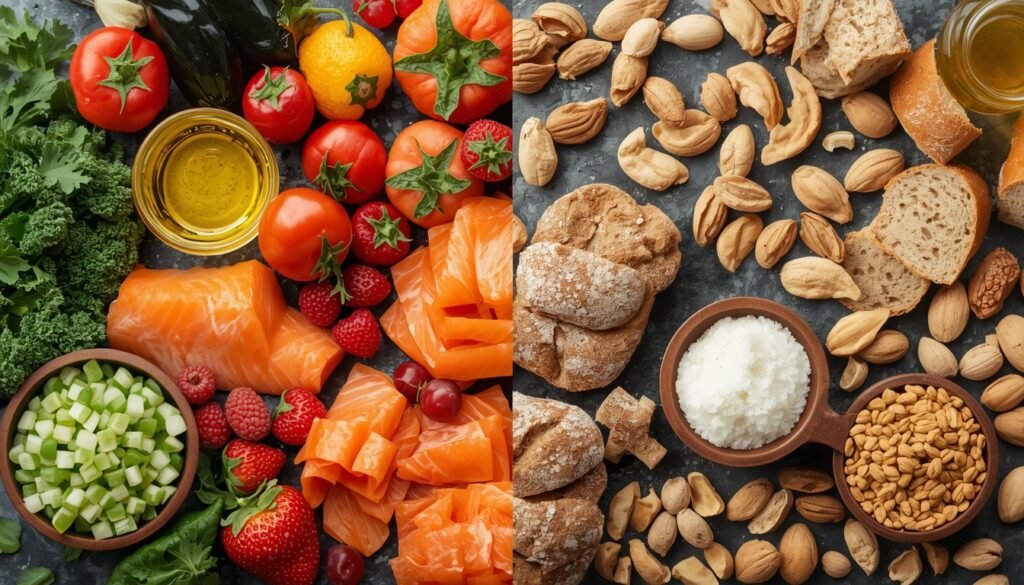
Worst Inflammatory Foods
Food Category
Primary Inflammatory Mechanism
Practical Action
Ultra-processed foods (packaged snacks, ready meals, fast food)
Gut microbiome disruption, intestinal permeability, blood glucose spikes, food additive immune activation
Primary target for reduction — displace with whole-food alternatives one meal at a time
Refined carbohydrates (white flour, white bread, pastries, most breakfast cereals)
Rapid blood glucose and insulin spikes driving metabolic inflammation
Replace with whole grain equivalents where possible
Added sugar and sugar-sweetened beverages
Fructose-driven hepatic inflammation, blood glucose dysregulation, gut microbiome disruption
Reduce to occasional – eliminate sugary drinks entirely
Industrial seed oils (refined sunflower, corn, soybean, cottonseed oil)
Very high omega-6 content shifts omega-6:omega-3 ratio toward pro-inflammatory balance
Replace with extra virgin olive oil for cooking and dressing
Processed and cured meats (sausage, bacon, hot dogs, deli meats)
Advanced glycation end-products (AGEs), nitrates, saturated fat are associated with elevated CRP in population studies
Limit significantly; replace with whole protein sources
Excessive alcohol
Intestinal permeability, hepatic inflammation, gut microbiome disruption
Limit to moderate levels; eliminate if inflammatory markers are elevated
Trans fats (partially hydrogenated oils, some margarines)
Strongly pro-inflammatory; directly elevate LDL and CRP
Read ingredient labels carefully; avoid any product listing partially hydrogenated oil
Quick Wins to Start Today
1. Replace one ultra-processed meal with whole food today. Research suggests that inflammatory markers may begin improving within days to weeks of consistent dietary change. A single substitution, maintained daily, compounds into meaningful change over months.
2. Get to bed 45 minutes earlier tonight. Sleep improvement is among the most evidence-backed anti-inflammatory interventions available. Research suggests that even incremental improvements in sleep duration may contribute to reductions in circulating inflammatory cytokines over time.
3. Add extra virgin olive oil generously to your next meal. EVOO contains oleocanthal, a compound with documented COX-enzyme inhibiting properties that share a mechanism with anti-inflammatory medications. Use it on vegetables, salads, and whole grains.
4. Take a 20-minute walk after dinner. Moderate physical activity reduces circulating inflammatory cytokines acutely through myokine release. A post-dinner walk also supports glucose regulation — directly reducing one of the key metabolic drivers of inflammatory signalling.
5. Add mixed berries to breakfast. Berries are among the most polyphenol-dense foods available. Their anthocyanins directly modulate multiple inflammatory signalling pathways. Frozen berries are equally effective as fresh and significantly more affordable.
Case Study
The following examples are composites based on clinical patterns observed in internal and preventive medicine practice. They do not represent specific individuals. Individual outcomes vary.
Clinical Example 1 — Executive with Elevated CRP, Male, 47: Hs-CRP of 4.1 mg/L at a routine check. Diet dominated by convenience food and regular alcohol (6–8 units weekly). No structured exercise. A structured 12-week lifestyle intervention — a Mediterranean dietary pattern, alcohol reduction to under 7 units weekly, and three 30-minute walks weekly — produced hs-CRP reduction to 1.6 mg/L at follow-up. No medication required.
Clinical Example 2 — Perimenopausal Woman with Fatigue and Joint Pain, Age 49: Multiple inflammatory symptoms. Hs-CRP of 3.4 mg/L. Sleeping an average of 5 hours. Diet low in omega-3 and polyphenols. A ten-week integrated intervention — the Mediterranean diet, magnesium glycinate for sleep support, structured morning exercise, and physician-supervised hormonal assessment — produced measurable symptom improvement and CRP reduction alongside hormonal management.
Clinical Example 3 — Young Professional with Gut Issues and Brain Fog, Male, 31: Mild inflammatory markers, significant gut symptoms, and an ultra-processed diet with minimal plant variety. Six-week whole-food dietary overhaul focused on plant diversity (25+ foods weekly) and elimination of ultra-processed staples produced substantial improvement in digestive and cognitive symptoms — consistent with gut microbiome and neuroinflammation research.
Clinical Example 4 — Retired Woman Managing Osteoarthritis, Age 64: Interested in dietary approaches to complement prescribed management. An anti-inflammatory dietary pattern (oily fish twice weekly, daily olive oil and berries; turmeric with black pepper, and reduced refined carbohydrate) over 12 weeks — maintained alongside physician supervision — produced self-reported pain reduction and improved mobility. No medication changes were made independently of her physician.
Individual outcomes vary. These examples reflect documented clinical patterns and are not predictive of any specific individual’s response.
H2: Simple Framework
Step
Action
Ask Yourself
1
Identify Your Drivers
Which factors are most present – diet, sleep, stress, inactivity, or visceral fat?
2
Address Highest Impact First
What single change would most meaningfully reduce my inflammatory load?
3
Compound Gradually
Can I add one consistent anti-inflammatory habit per week?
How to use this: Chronic inflammation is sustained by multiple simultaneous drivers for most people. Attempting to address all of them simultaneously is the most common reason people give up within weeks. Identify your single highest-impact driver — most commonly diet or sleep — and address it consistently for two weeks before adding another change. Incremental, compounding improvement sustained over months outperforms intensive short-term overhauls in both biological outcome and adherence.
Original Insight
Here is something that most chronic inflammation articles avoid addressing directly: the healthcare system is structurally optimised to treat the diseases that chronic inflammation causes — not to prevent the inflammation that drives them.
By the time chronic inflammation produces a diagnosable condition — atherosclerosis, Type 2 diabetes, a cancer diagnosis, or a rheumatological finding — there is an established clinical pathway available: medications, procedures, specialist referrals, and monitoring protocols. What is far less systematically available is the earlier conversation: “Your inflammatory markers suggest your current lifestyle is creating biological conditions for future disease. Here is what the evidence says about changing that now — before it progresses.”
This is not a criticism of medicine. It reflects the reality that clinical time is finite, disease management is immediate and necessary, and lifestyle medicine is still finding its structural place in standard healthcare. But it places responsibility on individuals to understand and act on this information proactively.
The evidence for anti-inflammatory lifestyle intervention is not preliminary or speculative. It is among the most consistently replicated findings in preventive medicine. And the window for meaningful prevention is significantly wider than most people realise — provided action begins before disease thresholds are crossed rather than after.
The most useful framing: Chronic inflammation is, for most people, a lifestyle condition. It deserves a lifestyle response — not as an alternative to medicine, but as the most powerful complement to it and the most effective prevention strategy available.
Featured Snippet
What causes chronic inflammation and how can it be reduced?
Chronic inflammation is caused by lifestyle factors, including an ultra-processed diet, sleep under 7 hours, physical inactivity, excess visceral fat, chronic stress, and gut microbiome disruption. It is linked to heart disease, diabetes, cancer, and depression. Reducing it requires sustained lifestyle change: a Mediterranean-pattern whole-food diet, 7–8 hours of sleep, regular moderate exercise, and consistent stress management rather than any single supplement or food.
Practical Anti-Inflammatory Strategies
Strategy 1 — Adopt a Mediterranean-Pattern Diet as Your Foundation
The Mediterranean dietary pattern is the most extensively studied dietary approach for inflammatory outcomes, supported by systematic reviews and meta-analyses across multiple disease contexts. Its anti-inflammatory benefit arises from a combination of factors operating simultaneously: high dietary fiber feeding a diverse, protective gut microbiome; abundant polyphenols from vegetables, fruits, and olive oil directly modulating inflammatory signalling; omega-3 fatty acids from oily fish counterbalancing pro-inflammatory omega-6 pathways; and the absence of ultra-processed food, refined carbohydrate, and industrial seed oils that drive metabolic inflammation.
You do not need geographic or cultural access to Mediterranean cuisine. The principles are universally applicable: extra virgin olive oil as primary fat, vegetables at every meal, legumes three to four times weekly, oily fish twice weekly, a wide variety of whole grains, fresh fruit daily, nuts and seeds as snacking choices, and minimal processed food.
Real example: A lunch of sardines on whole grain bread with spinach dressed in olive oil and lemon, followed by a small bowl of mixed berries, delivers an evidence-backed anti-inflammatory nutritional profile at low cost and minimal preparation time.
Strategy 2 — Protect Sleep as a Clinical Anti-Inflammatory Priority
Sleep is when the brain undergoes glymphatic clearance — actively flushing inflammatory metabolic waste that accumulates during waking hours. It is when cortisol reaches its daily lowest point, allowing inflammatory tone to reset. It is when tissue repair processes throughout the body are most active and most efficient.
Research suggests that consistently sleeping 7–9 hours nightly may contribute to meaningful reductions in inflammatory cytokines — with sleep improvement representing one of the most impactful and underutilised anti-inflammatory strategies available. Prioritise a consistent sleep and wake time seven days a week, a cool and dark sleep environment, and a genuine wind-down period of 45–60 minutes before bed that avoids screens and cognitively demanding activity.
Real example: Adults who improved their sleep from chronically short duration to 7–8 hours in research settings showed reductions in inflammatory markers within weeks — without any concurrent dietary or exercise change, suggesting sleep improvement has independent anti-inflammatory value.
Strategy 3 — Move Consistently and Recover Adequately
Physical activity reduces systemic inflammatory cytokines through multiple pathways — including myokine release from working muscle tissue and improvements in insulin sensitivity that directly reduce metabolic inflammation. The key phrase is “consistently” — the anti-inflammatory benefit of exercise accrues from sustained habits across weeks and months, not individual sessions.
The target for most adults is 150–300 minutes of moderate aerobic activity weekly, alongside two resistance training sessions. Critically, the relationship between exercise intensity and inflammation follows an inverted U: moderate, consistent activity is anti-inflammatory; extreme overtraining without adequate recovery temporarily elevates inflammatory markers. Recovery — sleep, rest days, adequate nutrition — is not optional. It is integral to the anti-inflammatory benefit of the exercise itself.
Real example: Three 30-minute brisk walks and two 30-minute resistance sessions weekly fulfil anti-inflammatory exercise targets, is achievable across most adult schedules, and consistently outperform shorter, more intense training programmes for sustained adherence.
Walking is one of the most accessible and evidence-supported forms of physical activity for reducing inflammation — regular moderate movement lowers circulating inflammatory cytokines and improves insulin sensitivity. Discover the science in our guide on the quiet power of walking for health and longevity.
Strategy 4 — Address Chronic Stress as a Biological — Not Merely Emotional — Priority
The pathway from chronic psychological stress to systemic inflammation is direct and well-established. Sustained HPA axis activation produces cortisol and adrenaline. Under chronic conditions, the immune system develops glucocorticoid resistance — becoming progressively less responsive to cortisol’s anti-inflammatory signalling — and cytokine production increases as a result. Managing chronic stress is therefore an immunological intervention, not merely a quality-of-life consideration.
Evidence-based stress reduction approaches with documented effects on inflammatory markers include: regular aerobic exercise (which metabolises stress hormones directly), mindfulness-based stress reduction (MBSR), cognitive behavioural therapy, adequate and consistent social connection, and regular exposure to natural environments. The consistent factor across these approaches is not what they involve — it is the regularity with which they are practised.
Real example: Multiple randomised trials of 8-week MBSR programmes have demonstrated reductions in IL-6 and CRP alongside self-reported stress — with inflammatory benefits in the same order of magnitude as modest dietary interventions.
Strategy 5 — Optimise the Omega-6 to Omega-3 Ratio Through Food
The ratio of omega-6 to omega-3 fatty acids in the diet directly determines the balance of pro-inflammatory and anti-inflammatory eicosanoid production in the body. Modern Western diets — dominated by refined vegetable oils high in omega-6 and low in oily fish and plant omega-3 sources — are estimated to have an omega-6 to omega-3 ratio of 15–20:1. Research suggests an anti-inflammatory target closer to 4:1.
Achieving meaningful improvement requires two parallel actions: reducing omega-6 intake by replacing refined vegetable oils with extra virgin olive oil and increasing omega-3 intake through oily fish twice weekly, daily ground flaxseed or chia seeds, and regular walnuts. For individuals who cannot reliably include oily fish twice weekly, EPA/DHA fish oil supplementation at 1–2 g daily has documented anti-inflammatory evidence—though a food-first strategy is always the preferred foundation.
Real example: Two portions of oily fish (salmon, sardines, or mackerel) weekly combined with a daily tablespoon of ground flaxseed in oatmeal provides a meaningful omega-3 contribution without supplementation for most adults.
Strategy 6 — Deliberately Reduce Ultra-Processed Food
The relationship between ultra-processed food and systemic inflammation operates through multiple simultaneous mechanisms — gut microbiome disruption, intestinal permeability, blood glucose dysregulation, and direct immune activation by food additives. This makes ultra-processed food arguably the single highest-impact dietary inflammatory driver to reduce.
The most sustainable approach is not elimination but deliberate displacement — replacing one ultra-processed food per day with a whole-food equivalent. This gradual displacement, maintained consistently over months, produces meaningful improvements in microbiome diversity and inflammatory markers without the psychological burden of abrupt restriction that typically leads to abandonment. The specific food replaced matters less than the consistency of the habit.
Real example: Replacing a daily packaged snack with a small handful of walnuts and a square of dark chocolate (70%+) provides anti-inflammatory polyphenols, omega-3 fatty acids, magnesium, and flavanols in place of the refined carbohydrates, additives, and industrial seed oils of the processed alternative.
Strategy 7 — Invest in Social Connection as a Measurable Health Strategy
The evidence connecting chronic loneliness and social isolation to elevated inflammatory markers is substantial and growing. Large population studies consistently find that socially isolated adults show higher hs-CRP and IL-6 levels than socially connected peers — with effect sizes comparable in magnitude to those of physical inactivity. The biological pathway runs primarily through chronic stress activation: isolation maintains HPA axis activity, elevates cortisol, promotes sleep disruption, and through these mechanisms sustains inflammatory tone.
Conversely, strong, emotionally meaningful, consistent social relationships are associated with lower inflammatory markers in longitudinal research — independent of other lifestyle factors. Investing time and attention in relationships is not a soft wellness recommendation. It is, on the evidence, a biologically meaningful anti-inflammatory strategy.
Real example: Adults reporting high social engagement in long-term cohort studies consistently show lower hs-CRP levels, and interventions targeting loneliness have produced measurable reductions in inflammatory markers in clinical trials—suggesting that the anti-inflammatory benefit of connection is not merely correlational.
Common Mistakes
Mistake
Why It Fails
Fix
Relying on supplements without changing diet
Supplements cannot compensate for a dietary pattern continuously driving inflammation
Build the dietary foundation first; supplements are adjuncts, not replacements
Overtraining without recovery
Extreme exercise without adequate rest temporarily elevates inflammatory markers
Prioritise consistent moderate activity; treat recovery as part of the anti-inflammatory programme
Treating sleep as negotiable
Sleep deprivation is a direct, independent inflammatory driver that compounds every other lifestyle factor
Protect 7–8 hours consistently; treat it as a medical priority
Adding individual “superfoods” without addressing overall pattern
No single food reverses chronic inflammation; pattern is what matters
Focus on overall dietary quality and diversity rather than individual ingredients
Ignoring psychological stress
Chronic stress produces glucocorticoid resistance that elevates cytokine production independently of diet and exercise
Include structured stress management as a core strategy, not an afterthought
Expecting rapid dramatic results
Chronic inflammation develops over years; meaningful reversal requires consistent weeks to months of change
Track hs-CRP at 8–12 weeks to confirm biological progress and maintain motivation
Avoiding all fats
Healthy fats — particularly from olive oil, oily fish, and avocado — are among the most powerful anti-inflammatory dietary components
Replace industrial seed oils with olive oil; increase omega-3 sources rather than reducing fat overall
When To See a Doctor
Seek prompt medical evaluation if you experience:
Persistent joint swelling, pain, or stiffness — particularly symmetrical joint involvement or morning stiffness lasting over 60 minutes
Unexplained rashes, recurrent fevers, or fatigue alongside muscle or joint symptoms
Significant unintentional weight loss, persistent elevated temperature, or unexplained night sweats
Symptoms consistent with inflammatory bowel disease: chronic abdominal pain, blood in stool, or significant persistent digestive change
Schedule a non-emergency appointment if:
You have multiple known inflammatory risk factors — obesity, poor diet, poor sleep, sedentary lifestyle, chronic stress — and have not had inflammatory markers assessed in the past two years
You have a family history of autoimmune conditions, cardiovascular disease, or Type 2 diabetes and want to understand your personal inflammatory status
Lifestyle interventions applied consistently for 8–12 weeks have produced no improvement in relevant symptoms or energy levels
A standard blood test including hs-CRP, fasting insulin, fasting glucose, lipid profile, and vitamin D provides a meaningful baseline picture of metabolic and inflammatory status. These are routine tests available through primary care in most healthcare systems and provide objective data for measuring the impact of lifestyle change.
Key Takeaways
Chronic inflammation is persistent, low-grade immune activation — silent, cumulative, and linked to heart disease, diabetes, cancer, neurodegeneration, and depression
The primary drivers are modifiable: ultra-processed diet, sleep deprivation, physical inactivity, excess visceral fat, chronic psychological stress, and gut microbiome disruption
Symptoms are non-specific — fatigue, brain fog, joint stiffness, frequent illness — and meaningful as a pattern rather than individually
Visceral fat is an active inflammatory tissue, not merely passive storage
The Mediterranean dietary pattern is the most evidence-backed anti-inflammatory dietary approach, supported by multiple systematic reviews and randomised trials
Sleep of 7–8 hours is one of the most powerful and underutilised anti-inflammatory interventions available — research suggests it contributes independently to cytokine reduction
Hs-CRP is the most accessible blood marker for monitoring inflammatory status — above 3 mg/L indicates high risk; above 10 mg/L requires prompt medical evaluation
Chronic psychological stress drives inflammation through glucocorticoid resistance – making stress management a biological, not merely emotional, priority
Anti-inflammatory lifestyle change is measurable within 8–12 weeks through blood tests including hs-CRP and fasting insulin
FAQs
Q1: How do I know if I have chronic inflammation?
Chronic inflammation is often invisible in early stages. Non-specific signs suggesting it include persistent fatigue, frequent minor infections, joint stiffness, poor exercise recovery, brain fog, and low mood without a clear diagnosis. Objective assessment requires blood tests – specifically hs-CRP and fasting insulin. An hs-CRP above 1 mg/L suggests elevated inflammatory status; above 3 mg/L indicates high cardiovascular inflammatory risk. A primary care physician can order these as part of a routine metabolic panel.
Q2: What foods cause the most inflammation?
The most consistently pro-inflammatory dietary factors across population research are ultra-processed foods (refined flour, added sugar, industrial seed oils, and food additives), refined carbohydrates, trans fats, processed and cured meats, sugar-sweetened beverages, and excessive alcohol. These cause harm as consistently consumed dietary patterns over time — not as occasional inclusions in an otherwise healthy diet.
Q3: Can chronic inflammation be reversed?
For most people with lifestyle-driven chronic inflammation, meaningful reduction is achievable through sustained lifestyle change. Research suggests significant reductions in inflammatory markers may occur within 8–16 weeks of dietary improvement, sleep optimisation, exercise, and stress management. The goal is not eliminating all inflammatory activity — normal immune function requires it — but returning inflammatory tone to a healthy, appropriately regulated baseline.
Q4: Are anti-inflammatory supplements effective?
Some supplements have specific evidence in inflammatory contexts. Fish oil (EPA+DHA at 1–2g daily) has robust evidence for reducing inflammatory markers. Curcumin with piperine has moderate evidence across several outcomes. Vitamin D optimisation (where deficient) has documented immune-regulatory effects. However, no supplement compensates for a dietary pattern and lifestyle that continuously drives inflammation. Supplements function as adjuncts to a strong lifestyle foundation — not as shortcuts around the need for one.
Q5: Is chronic inflammation the same as an autoimmune disease?
Related but distinct. ‘Chronic low-grade inflammation’ describes elevated systemic inflammatory tone — common in the general population and primarily lifestyle-driven. Autoimmune diseases involve the immune system specifically attacking the body’s own tissues — a more specific, genetically influenced dysregulation with environmental components. Chronic low-grade inflammation may worsen autoimmune conditions and potentially contribute to their development in predisposed individuals. If you have a diagnosed autoimmune condition, management should always involve the appropriate specialist.
Q6: Does psychological stress physically cause inflammation?
Yes — through established, measurable biological mechanisms. Chronic stress activates the HPA axis, producing cortisol and adrenaline. Under sustained activation, the immune system develops glucocorticoid resistance — becoming progressively less responsive to cortisol’s anti-inflammatory signalling — and cytokine production increases as a result. Multiple large studies document elevated hs-CRP and IL-6 in individuals with chronic psychological stress, independent of diet, sleep, and exercise habits. The pathway from stress to inflammation is direct and biological, not merely associative.
30-Day Anti-Inflammatory Reset Plan
Week 1 — Assess and Establish Your Baseline
For the first five days, honestly assess your current lifestyle against the main inflammatory drivers: How many meals per week are ultra-processed? What is your average sleep duration? How much structured movement do you get weekly? What is your subjective stress level on a 1–10 scale? Where possible, request a baseline hs-CRP and fasting insulin blood test from your physician this week — these numbers give you a concrete biological baseline to measure against at 8–12 weeks. Do not change your diet or habits yet. Observe first.
Week 2 — Address Your Primary Driver
Based on Week 1, make one focused and specific change. If diet is your primary driver: replace one ultra-processed meal daily with a whole-food alternative and add oily fish or walnuts to two meals this week. If sleep is your primary driver, set a fixed bedtime 45 minutes earlier and implement a strict no-screens rule for 30 minutes before bed. If stress is clearly primary: begin one 20-minute daily outdoor walk — one of the most evidence-supported, accessible combined stress and inflammation interventions available.
Week 3 — Add Anti-Inflammatory Anchors
This week, introduce two consistent daily habits regardless of which driver you addressed: a daily serving of berries or mixed leafy greens with one meal, and extra virgin olive oil used generously at dinner. These are low-effort, high-impact anti-inflammatory dietary anchors requiring no recipe change or significant meal overhaul. Also begin tracking plant food variety across the week — aim for 15 distinct plant foods as a week 3 starting target toward the evidence-supported 30-per-week goal.
Week 4 — Build Towards Permanence
Review what has changed in energy, sleep quality, joint comfort, and digestive function. Introduce one further change: either two structured exercise sessions this week (30 minutes each, moderate intensity) if not already happening, or a deliberate, meaningful social activity — in recognition of the measurable anti-inflammatory evidence for social connection. Commit to maintaining everything that has become natural. Request a follow-up hs-CRP at 8–12 weeks from your initial baseline to observe the measurable biological response to consistent lifestyle change.
Final Thought
Chronic inflammation does not announce itself. It accumulates quietly — over months and years — until the biological damage it has produced becomes significant enough to emerge with a name, a diagnosis, and a management plan. By that point, the window of prevention has narrowed considerably.
The advantage available to you today is that the science is established, the interventions are practical, and the body’s capacity to respond to appropriate care is genuinely remarkable. The same biology that allows chronic inflammation to develop gradually also allows it to respond — measurably, within weeks — to the lifestyle conditions that reduce rather than sustain it.
You do not need a diagnosis to begin. You need a decision, a clear starting point, and enough consistency to let the biology respond.
Conclusion
My honest advice is to start with one thing, not everything. Fix your sleep first, then your plate, then your movement. Get your CRP checked so you can see real numbers. This is not about perfection — it is about consistency over months. That is what helped me.
My honest advice is to start with one thing, not everything. Fix your sleep first, then your plate, then your movement. Get your CRP checked so you can see real numbers. This is not about perfection — it is about consistency over months. That is what helped me.
Chronic inflammation is not an inevitable feature of modern life or biological ageing. For the majority of adults, it is the accumulated consequence of modifiable lifestyle inputs — and it responds, measurably and consistently, to their systematic improvement. chronic inflammation causes prevention
Diet, sleep, movement, stress management, and social connection are not peripheral wellness suggestions. They are the biological levers that regulate one of the most consequential physiological processes in long-term human health — one that, when dysregulated, quietly drives the diseases that shorten and diminish life, and when properly supported, allows the body to sustain the function and resilience it was built for.
Start where you are. Address the highest-impact driver first. Build from there.
References
Chronic inflammation in the etiology of disease across the life span
Furman D, Campisi J, Verdin E, et al.
Nature Medicine, 2019
DOI: 10.1038/s41591-019-0675-0
PubMed: https://pubmed.ncbi.nlm.nih.gov/31806905/
Mediterranean diet and inflammatory markers — systematic review and meta-analysis of RCTs
Schwingshackl L, Hoffmann G.
Nutrients, 2020
DOI: 10.3390/nu12061710
PubMed: https://pubmed.ncbi.nlm.nih.gov/32517299/
Sleep disturbance, sleep duration, and inflammation: meta-analysis of 72 studies
Irwin MR, Olmstead R, Carroll JE.
Biological Psychiatry, 2016
DOI: 10.1016/j.biopsych.2015.05.014
PubMed: https://pubmed.ncbi.nlm.nih.gov/26140821/
The Western diet–microbiome–host interaction and its role in metabolic disease
Zinöcker MK, Lindseth IA.
Nutrients, 2018
DOI: 10.3390/nu10030305
PubMed: https://pubmed.ncbi.nlm.nih.gov/29510598/
Omega-3 fatty acids and inflammatory processes
Calder PC.
British Journal of Clinical Pharmacology, 2013
DOI: 10.1111/bcp.12045
PubMed: https://pubmed.ncbi.nlm.nih.gov/23441843/
Adipose tissue as an endocrine organ
Ouchi N, Parker JL, Lugus JJ, Walsh K.
Nature Reviews Immunology, 2011
DOI: 10.1038/nri2921
PubMed: https://pubmed.ncbi.nlm.nih.gov/21252989/
Loneliness, social isolation, and inflammatory markers
Hackett RA, Steptoe A.
Neuroscience & Biobehavioral Reviews, 2017
DOI: 10.1016/j.neubiorev.2017.08.008
PubMed: https://pubmed.ncbi.nlm.nih.gov/28802830/
Disclaimer
- This article is for educational and general informational purposes only. It does not constitute medical advice and is not a substitute for consultation with a qualified physician, specialist, or registered dietitian nutritionist. Chronic inflammation can be associated with serious underlying medical conditions requiring clinical diagnosis and management. Medical claims in this article are presented in language that reflects the current state of evidence; where research suggests association or potential benefit, this is distinguished from established causal certainty. If you are experiencing symptoms suggestive of an inflammatory or autoimmune condition, seek prompt medical evaluation. All citations were independently verified at the time of publication. Individual responses to lifestyle intervention vary.
About the Author
HealthFitnessBloom Editorial Team
HealthFitnessBloom is dedicated to providing science-backed health, fitness, and wellness information to help readers live healthier lives. Our editorial team researches, writes, and reviews content to ensure accuracy, clarity, and practical value.