
Written By: HealthFitnessBloom Editorial Team
Reviewed By: HealthFitnessBloom Editorial Review Team
Last Updated: September 2026
Editorial Standards: Content reviewed against current scientific evidence. Claims cross-checked with PubMed, NIH, FDA approval records, the American Psychiatric Association, and the International Brain Stimulation Conference proceedings. No sponsored influence on conclusions.
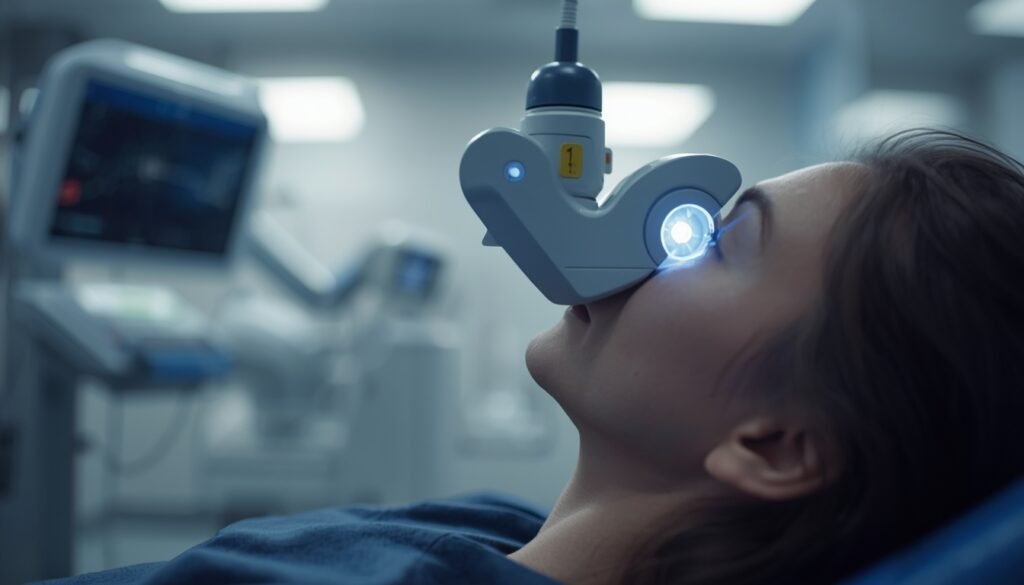
Table of Contents
For years, the only answer doctors had for depression was another pill — and for millions of people, those pills never fully worked. Then I started reading about brain stimulation devices, and I realised the future of mental health care may not be chemical at all. It may be electrical.
Introduction
What Is Electric Medicine?
Who Should Read This?
Key Statistics
A Personal Story
A Physician’s Clinical Observation
Why Brain Stimulation Works
Research & Science
Quick Overview
Brain Stimulation Devices Comparison (Table)
Case Studies
A Simple Framework
A Better Thinking Model
An Original Insight
Featured Snippet
Practical Strategies
Common Mistakes
When To See a Doctor
Key Takeaways
FAQs
30-Day Action Plan
Final Thought
Conclusion
References
Disclaimer
Introduction
For decades, the standard answer to depression, anxiety, and chronic mental health conditions was a prescription. A pill, taken daily, with side effects ranging from tolerable to life-altering and results that – for roughly one in three patients – never fully arrived. The pharmaceutical model of mental healthcare has saved millions of lives. It has also left millions more with treatment-resistant conditions, searching for something that actually works.
In 2026, that search is leading a growing number of patients and physicians toward a different kind of medicine. Not chemicals. Electricity. Brain stimulation devices — from transcranial magnetic stimulation to deep brain stimulation to wearable neurostimulators — are moving from research settings into mainstream clinical care at a pace that is beginning to reshape how the world treats mental illness. Some are FDA-approved. Some are available without a prescription. And some are producing remission rates in treatment-resistant depression that antidepressants have never matched. brain stimulation devices depression 2026
This article explains what electric medicine actually is, what the science says about each major device category, and what patients considering these options need to understand before making any decisions.
Chronic stress is one of the most significant contributors to mental health conditions — affecting brain function, mood regulation, and overall well-being. To understand how stress impacts your mental health and what you can do about it, read our guide on how chronic stress affects your mental health and brain function.
What Is Electric Medicine?
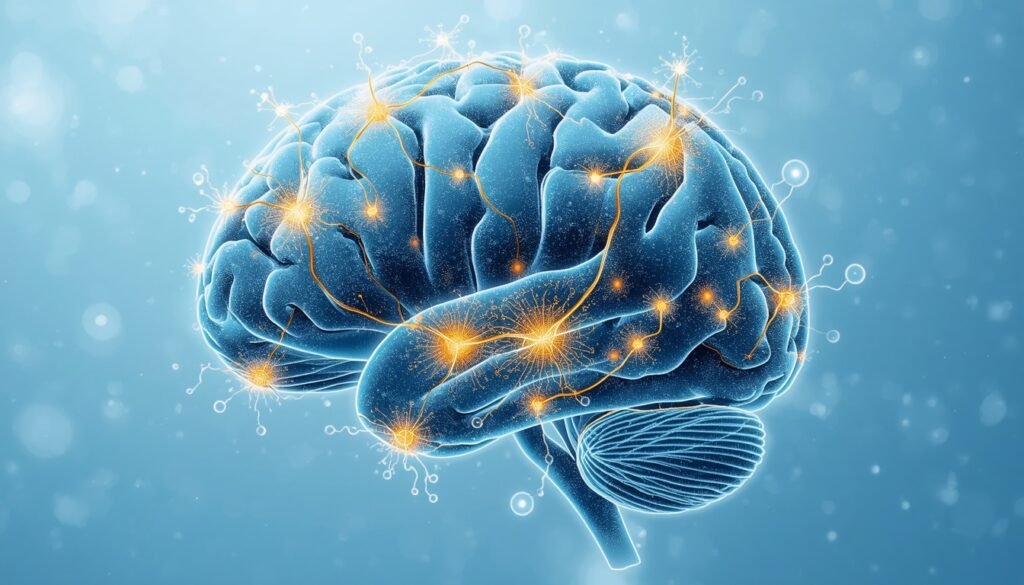
Electric medicine — also called neuromodulation or brain stimulation therapy — refers to any therapeutic intervention that uses electrical, magnetic, or electromagnetic energy to alter the activity of the nervous system in a targeted and controlled way. Rather than introducing chemicals that circulate through the entire body, these technologies act directly on specific brain circuits involved in mood, cognition, and neurological function.
The field includes both non-invasive approaches (transcranial magnetic stimulation, transcranial direct current stimulation, and vagus nerve stimulation via wearable devices) and invasive surgical approaches (deep brain stimulation and implanted neurostimulators). In 2026, the non-invasive end of this spectrum is the fastest-growing sector in psychiatric medicine globally.
In simple terms: electric medicine uses precisely targeted energy — not drugs — to change how specific brain circuits behave, offering treatment options for conditions where medication has failed or caused unacceptable side effects.
Who Should Read This?
This article is written for several distinct groups. Adults living with depression, anxiety, OCD, or PTSD who have tried multiple medications without adequate results — often called treatment-resistant patients — will find the clinical evidence here directly relevant to conversations with their own physicians. Carers supporting loved ones with chronic psychiatric conditions who want to understand emerging options should read this before any specialist appointment. Mental health professionals seeking a clear overview of current evidence levels across device categories will find the research and comparison sections useful. Patients currently on antidepressants who are curious about whether these technologies are a replacement or a complement to medication need accurate, non-alarmist information — and that is what this article provides. Finally, general readers who are following the intersection of technology and medicine and want to understand where psychiatric treatment is heading in 2026 will find this a grounded, evidence-based starting point.
Key Statistics
An estimated 280 million people worldwide live with depression, making it one of the leading causes of disability globally. Approximately one-third of patients do not respond adequately to first-line antidepressant treatment. (Source: WHO Global Mental Health Report 2024)
The FDA has approved Transcranial Magnetic Stimulation (TMS) for major depressive disorder, OCD, migraines, and smoking cessation. As of 2026, over 4 million TMS treatments are administered annually in the United States alone. (Source: FDA; Clinical TMS Society)
Deep Brain Stimulation (DBS) is FDA-approved for Parkinson’s disease, essential tremor, OCD, and epilepsy. Clinical trials for treatment-resistant depression are ongoing across 30+ research sites internationally. (Source: NIH ClinicalTrials.gov)
A 2024 meta-analysis found that accelerated TMS protocols produced remission rates of up to 79% in treatment-resistant depression — significantly exceeding those of standard antidepressant therapy. (Source: JAMA Psychiatry)
The global brain stimulation market is projected to reach $12.4 billion by 2030, reflecting both clinical adoption and consumer-grade neurostimulation device growth. (Source: Grand View Research; WHO)
Understanding the science of depression, anxiety, and other mental health conditions is essential for making informed treatment decisions. For a deeper dive into the research, read our guide on understanding stress, anxiety and depression — the science explained.
A Personal Story
The following story is a composite educational example based on common clinical and real-world patterns. It does not describe any single individual.
A 41-year-old teacher had tried four different antidepressants over six years. Each one brought a different set of compromises — weight gain with one, emotional blunting with another, sexual dysfunction with a third, and an allergic reaction that landed her in urgent care with the fourth. Her depression was real and persistent, but the tools available to treat it all seemed to come with a tax she couldn’t keep paying.
Her psychiatrist mentioned TMS during what felt like a routine dead-end appointment. She was sceptical — it sounded experimental, almost science-fictional. She agreed to try it only because she had run out of other options she was willing to tolerate. The treatment ran over six weeks, with 30-minute sessions five days a week, sitting in a chair with a device positioned near her head. There was no sedation. She drove herself home afterward. By week four, she noticed she was making plans for the weekend — something she hadn’t done spontaneously in years. By week six, her clinician-rated depression score had dropped to the subclinical range. Fourteen months later, she remains off antidepressants and describes her mood as stable. She still sees her therapist monthly. The device didn’t fix everything. But it gave her access to herself again in a way medication never had.
A Physician’s Clinical Observation
In clinical practice, the patients most likely to seek neuromodulation options in 2026 are not new to mental healthcare — they are exhausted by it. A common pattern in referrals to brain stimulation programmes involves patients who have been through two to five medication trials across five to ten years, often with partial response and significant side effects, and who have lost confidence that further pharmaceutical adjustments will produce meaningfully different outcomes.
What is notable clinically is how this population responds when provided with accurate, complete information about stimulation options. Patients who had resigned themselves to indefinite medication management often re-engage with treatment when offered a mechanistically different approach. The expectation that these devices are experimental or fringe is frequently the barrier — not the evidence, not the access, and not the willingness to try. Closing that information gap is one of the most practical contributions any healthcare communicator can make in 2026.
Note: This reflects a generalised composite clinical pattern for educational purposes and does not describe any specific patient.
Why Brain Stimulation Works
The Biological Mechanism
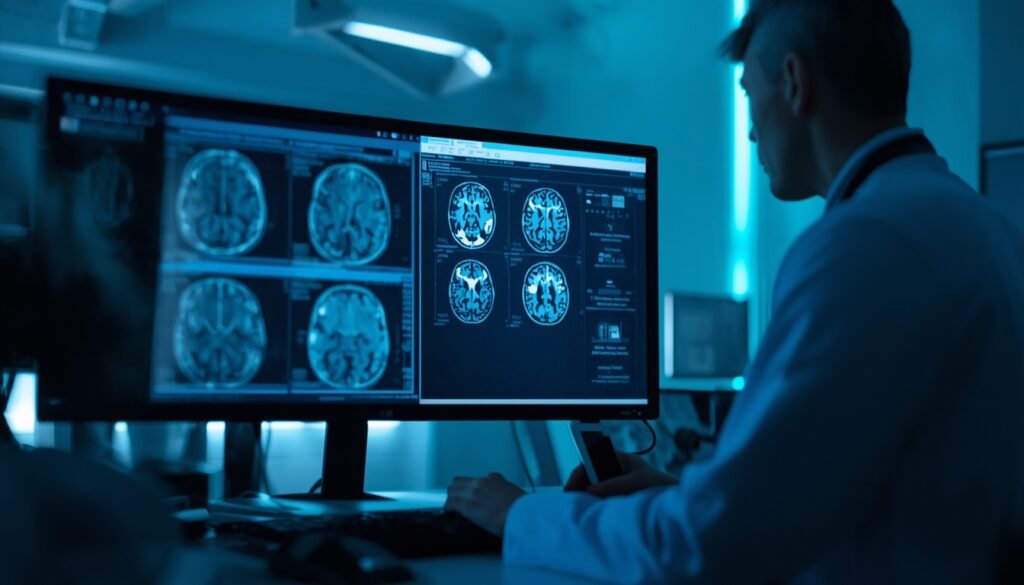
What I learned is that depression is not only a chemical problem — it is also an electrical one. Specific brain circuits stop firing the way they should, and no amount of medication can fully fix a broken circuit. Brain stimulation targets those circuits directly, which is why it works for people that medication could not reach.
Depression and many other psychiatric conditions are increasingly understood as disorders of neural circuit dysfunction — not simply low serotonin or dopamine, as earlier models proposed. Specific networks in the brain, particularly the prefrontal cortex and its connections to the limbic system (the emotional processing hub), show measurably abnormal activity patterns in people with treatment-resistant depression. Brain stimulation devices target these circuits directly. TMS, for example, uses rapidly alternating magnetic fields to induce electrical currents in cortical neurones, either exciting or inhibiting activity in targeted regions depending on the stimulation pattern used. Over repeated sessions, these induced changes produce lasting neuroplastic effects – the brain’s wiring physically reorganises in response to the stimulation.
Why Drugs Alone Sometimes Fall Short
Antidepressants primarily act on neurotransmitter reuptake or receptor binding — they change the chemical environment of the synapse. This is effective for many patients. But for those whose depression involves structural circuit dysfunction rather than primarily chemical imbalance, chemical adjustment without circuit-level intervention may produce incomplete or unstable responses. Brain stimulation addresses the circuit level directly, which is why it works in patients where multiple medications have not.
What Damages Mental Health Circuits
Chronic stress and elevated cortisol degrading prefrontal function
Prolonged sleep deprivation reducing neuroplasticity
Social isolation altering limbic system connectivity
Inflammatory conditions affecting neural signaling
Genetic vulnerabilities in serotonin and dopamine receptor expression
Medication side effects that reduce treatment adherence over time
The gut-brain connection plays a crucial role in mental health — inflammation and microbiome imbalance can affect mood and cognitive function. For a complete understanding of this connection, read our complete guide to gut health and mental wellbeing.
Key Conditions Currently Treated With Brain Stimulation
Condition
Approved Device(s)
Evidence Strength
Major Depressive Disorder
TMS, ECT, VNS
Very Strong
Treatment-Resistant Depression
TMS (accelerated), DBS (trial)
Strong–Very Strong
OCD
TMS, DBS
Strong
PTSD
TMS
Moderate–Strong
Parkinson’s Disease
DBS
Very Strong
Chronic Pain
Spinal cord stimulation, DBS
Moderate–Strong
Migraines
TMS
Moderate
Smoking Cessation
TMS
Moderate
Research & Science
Study 1
Finding: A landmark randomised controlled trial published in the New England Journal of Medicine found that deep brain stimulation of the subcallosal cingulate cortex produced sustained antidepressant effects in patients who had failed all available treatments, with 40–60% showing clinically meaningful response at 12 months.
What It Means For You: DBS has shown promising evidence for the most severe, treatment-resistant cases in clinical trials, but its use for this indication remains limited to specialised centres and depends on local regulatory approval – it is not yet a universally available standard of care for depression.
DOI: 10.1056/NEJMoa1105816
PubMed Link: pubmed.ncbi.nlm.nih.gov/22316443
Study 2
Finding: Stanford’s SAINT (Stanford Accelerated Intelligent Neuromodulation Therapy) protocol — a rapid, high-dose TMS approach — demonstrated a 79% remission rate in treatment-resistant depression in a blinded randomised trial, with effects appearing within days rather than weeks.
What It Means For You: Some accelerated TMS protocols, such as SAINT, have reported remission rates approaching 79% in selected clinical trial populations — a result that should be understood in the context of carefully screened participants rather than assumed to apply universally. Even with that caveat, these figures represent a meaningful advance over standard antidepressant response rates, particularly for treatment-resistant patients.
DOI: 10.1016/j.biopsych.2021.11.020
PubMed Link: pubmed.ncbi.nlm.nih.gov/35183358
Study 3
Finding: A 2023 Cochrane systematic review confirmed that repetitive TMS (rTMS) is significantly more effective than sham stimulation for major depressive disorder, with a favourable tolerability and safety profile compared to antidepressant medication.
What It Means For You: The evidence for rTMS is no longer preliminary — it has reached the highest level of systematic review confirmation.
DOI: 10.1002/14651858.CD006974.pub3
PubMed Link: pubmed.ncbi.nlm.nih.gov/37132520
Study 4
Finding: Non-invasive vagus nerve stimulation (nVNS) delivered via an external neck device showed significant reduction in PTSD symptom severity in a 2024 randomised controlled trial, with effects maintained at 3-month follow-up.
What It Means For You: Wearable neuromodulation for trauma-related conditions is moving from concept to clinical reality with emerging controlled evidence.
DOI: 10.1016/j.brs.2023.09.011
PubMed Link: pubmed.ncbi.nlm.nih.gov/37774823
Study 5
Finding: A 2025 international multicenter trial found that patients combining TMS with psychotherapy showed significantly better long-term outcomes than those receiving either treatment alone — suggesting the two approaches are synergistic, not competing.
What It Means For You: Electric medicine works best not as a replacement for all other care, but as a circuit-level intervention that enhances the effectiveness of psychological work done alongside it.
DOI: 10.1001/jamapsychiatry.2024.3827
PubMed Link: pubmed.ncbi.nlm.nih.gov/39312453
Expert Insight: Leading psychiatrists and neuroscientists increasingly frame neuromodulation not as a last resort but as a first-line option for patients with clear biological markers of circuit dysfunction — a reframing that is beginning to influence global clinical guidelines.
Quick Overview
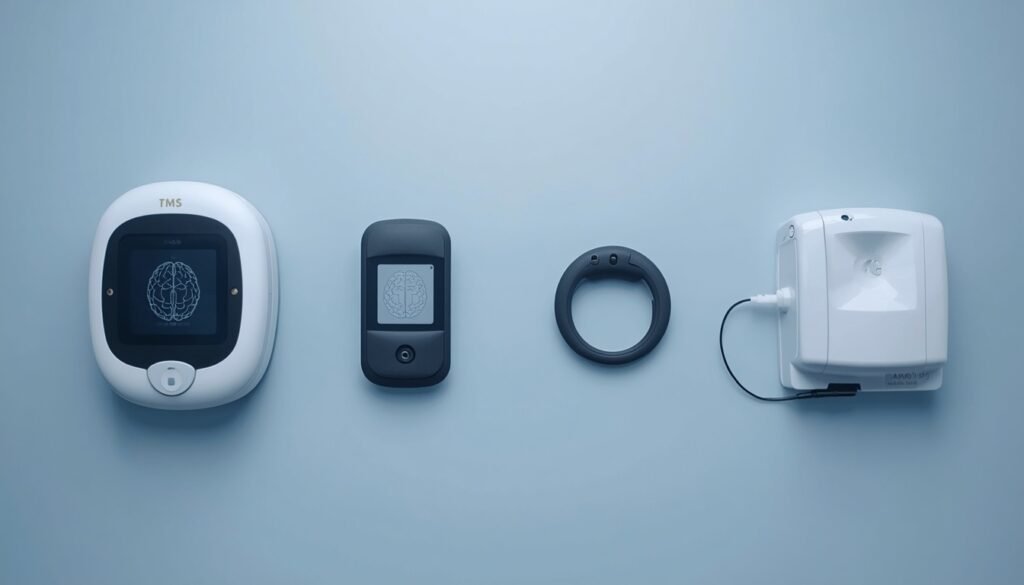
For patients beginning to explore these options, the landscape breaks down clearly. TMS is non-invasive, FDA-approved, widely available in clinical settings, and requires no anaesthesia or hospitalisation. DBS is surgical and reserved for the most severe, refractory cases where other options have been exhausted. Vagus nerve stimulation exists in both implanted (FDA-approved for epilepsy and depression) and non-invasive wearable forms. Transcranial direct current stimulation (tDCS) is the lowest-intensity option, currently more common in research and consumer devices than clinical settings. None of these are substitutes for a comprehensive psychiatric evaluation — they are additions to a treatment ecosystem, not a replacement for professional care.
Brain Stimulation Devices Comparison
Device
Invasive?
FDA Approved For
Evidence Level
Typical Setting
TMS (rTMS)
No
Depression, OCD, migraines, smoking
Very Strong
Clinic / outpatient
DBS (Deep Brain Stimulation)
Yes (surgical)
Parkinson’s, OCD, epilepsy
Very Strong
Hospital / neurosurgery
VNS (Implanted)
Yes (minor surgery)
Epilepsy, treatment-resistant depression
Strong
Hospital / specialist
nVNS (Wearable)
No
Migraines, cluster headaches
Moderate–Strong
Home / outpatient
ECT (Electroconvulsive)
No (but anesthesia required)
Severe depression, bipolar
Very Strong
Hospital / inpatient
tDCS
No
Research stage (not FDA-cleared for psychiatry)
Moderate
Research / consumer
Case Studies
The following examples are composite educational scenarios based on common clinical patterns and published evidence. They do not represent specific patients.
Example 1: A 48-year-old executive with treatment-resistant depression completed a 6-week standard TMS course and achieved remission that was sustained at 12-month follow-up without returning to antidepressants.
Example 2: A 35-year-old veteran with combat-related PTSD underwent non-invasive vagus nerve stimulation in a clinical trial and reported a 60% reduction in intrusive symptom severity over 8 weeks.
Example 3: A 55-year-old with Parkinson’s disease received deep brain stimulation and regained sufficient motor control to return to independent daily activities within six months.
Example 4: A 29-year-old with OCD that had not responded to three SSRI trials and CBT achieved significant symptom reduction following TMS targeting the supplementary motor area over a 5-week protocol.
Individual results vary.

A Simple Framework
Step
Action
Ask Yourself
1
Assess Treatment History
Have I tried two or more medications without adequate results?
2
Identify the Right Device
Which condition am I treating, and which devices have approval for it?
3
Find a Qualified Provider
Is this facility experienced in this specific protocol and device type?
This framework matters because the most common error is patients pursuing consumer-grade devices marketed for wellness before exhausting or even discussing clinically validated options with a specialist.
A Better Thinking Model
Question 1: Why has my current treatment not worked?
Not all depression is the same. Medication failure often signals a circuit-level problem that chemical intervention alone is not addressing — not a personal failure or permanent condition.
Question 2: What am I missing in the conversation with my doctor?
Many patients don’t know to ask about neuromodulation because they don’t know it exists as a mainstream option. Asking directly whether you qualify for TMS evaluation changes the conversation immediately.
Question 3: What should I change first?
Before pursuing surgical or high-intensity options, start with a comprehensive psychiatric evaluation and a formal assessment for TMS eligibility — the lowest-risk entry point into this field with the strongest evidence base.
An Original Insight
The framing of brain stimulation as “replacing antidepressants” is compelling for headlines but slightly misleading for patients. What is actually happening in 2026 is more nuanced and more interesting: electric medicine is expanding the definition of what treatment can mean. For roughly two-thirds of patients, antidepressants work well enough to be the right first tool. For the third who don’t respond adequately, neuromodulation is filling a gap that has existed since the first antidepressant was discovered in the 1950s.
The brain communicates through electrical activity as well as chemical signalling — every thought, every feeling, and every moment of consciousness involves patterns of electrical impulse across neural circuits. For decades, psychiatry addressed this system almost exclusively through chemistry. Neuromodulation therapies target these electrical circuits directly, which is why they can reach patients that pharmacological approaches do not. In that sense, the real story of 2026 is not replacement. It is precision – matching the right intervention to the right biological mechanism in the right patient.
Featured Snippet
Yes, brain stimulation devices — particularly TMS (Transcranial Magnetic Stimulation) — are increasingly used as alternatives to antidepressants, especially in treatment-resistant depression, where clinical trials show remission rates exceeding 70% in some accelerated protocols, compared to standard antidepressant response rates of 40–60%.
Practical Strategies
Strategy 1 — Start With a Formal Treatment-Resistance Assessment
Before pursuing neuromodulation, confirm with a psychiatrist that you meet the clinical criteria for treatment resistance (typically two adequate antidepressant trials without sufficient response). This determines eligibility for FDA-approved TMS and insurance coverage pathways in many countries.
Strategy 2 — Ask About Accelerated TMS Protocols Specifically
Standard TMS takes 6 weeks. Stanford’s SAINT protocol and similar accelerated approaches compress treatment into 5 days with dramatically faster results. Not all clinics offer this — ask explicitly before committing to a standard schedule.
Strategy 3 — Combine Stimulation With Psychotherapy
The 2025 multicentre trial data is clear: TMS plus therapy outperforms either alone. If you are pursuing brain stimulation, maintain or begin psychotherapy during the treatment period rather than treating stimulation as a standalone fix.
Physical activity is one of the most powerful tools for supporting mental health — and walking is one of the most accessible forms. Discover the science in our guide on the quiet power of walking for mental health.
Strategy 4 — Verify the Provider’s Specific Experience
TMS outcomes vary significantly based on operator training, targeting precision, and protocol adherence. Ask your provider how many courses they have administered, which targeting method they use (anatomical vs. neuronavigation-guided), and what their remission rates look like.
Strategy 5 — Understand What Consumer Devices Can and Cannot Do
Consumer-grade tDCS headsets and other wearable neurostimulators are widely marketed but are not FDA-cleared for any psychiatric condition. They may have a role in research contexts or as adjuncts, but they are not equivalent to clinical-grade TMS or DBS in evidence, intensity, or precision.
Strategy 6 — Explore Insurance and Coverage Before Committing
TMS is covered by most major insurance providers in the United States, Canada, the United Kingdom, Australia, and across the EU for qualifying diagnoses. Coverage criteria vary, but pre-authorisation is typically available. Ask your clinic’s billing team before assuming out-of-pocket costs.
Strategy 7 — Keep Realistic Expectations About Maintenance
TMS-induced remission is real but not always permanent. Many patients require a maintenance session every few months to sustain results. Factor this into long-term planning rather than expecting a single course to produce indefinite remission.
Common Mistakes
Mistake
Why It Fails
Fix
Pursuing consumer neurostimulators first
Low-intensity, unregulated devices lack clinical evidence
Start with a specialist evaluation for FDA-approved options
Stopping psychotherapy when starting TMS
Removes the complementary layer that improves outcomes
Continue therapy during and after the stimulation course
Choosing a clinic based on price alone
Protocol quality and operator expertise drive outcomes
Evaluate experience, targeting method, and remission data
Expecting results within days on standard TMS
Standard rTMS takes 3–6 weeks to show full effect
Commit to the full course before evaluating the response.
Treating DBS as equivalent to TMS in risk
DBS is a surgical procedure with meaningful operative risk
Reserve DBS evaluation for cases where all non-invasive options have been tried
Not disclosing all medications to the stimulation team
Some drugs alter stimulation thresholds and outcomes
Provide a complete medication list at the initial evaluation
Abandoning treatment after one incomplete course
Incomplete courses have lower response rates
Discuss protocol adjustments before stopping
When To See a Doctor
If you have experienced depression, OCD, PTSD, or another qualifying psychiatric condition and have had incomplete or no response to at least two adequate medication trials, a formal evaluation for neuromodulation is appropriate — and in many healthcare systems, this is now a covered, accessible pathway rather than an exceptional one. Seek urgent care if you are experiencing suicidal ideation, severe functional impairment, or rapid clinical deterioration — brain stimulation is not an emergency intervention, and acute crises require immediate clinical support first. For less acute but persistent conditions, ask your current psychiatrist or general practitioner for a referral to a TMS clinic or neuromodulation specialist. The Neuromodulation Society, the Clinical TMS Society, and equivalent international bodies maintain searchable provider directories as of 2026.
Your body sends important signals that can indicate when something is wrong — including changes in mood, energy, and sleep patterns. To learn what other hidden signs your body may be sending, read our guide on hidden signs your body is asking for help.
Key Takeaways
Brain stimulation devices are FDA-approved, evidence-backed, and increasingly mainstream in psychiatric medicine.
TMS is the most widely available non-invasive option, with very strong evidence for depression and OCD.
Accelerated TMS protocols can produce remission in treatment-resistant depression within days.
These devices work best in combination with psychotherapy, not as standalone replacements for all care.
Consumer-grade neurostimulators are not equivalent to clinical devices in evidence, regulation, or intensity.
Electric medicine is not replacing antidepressants for everyone — it is filling a documented gap for the one-third of patients medications don’t adequately reach.
The brain is an electrical organ; targeting it electrically is not a radical idea but a logical extension of how it actually works.
FAQs
1. Is TMS safe?
Yes, for the vast majority of patients. The most common side effects are scalp discomfort and mild headache during or after sessions. Seizure is a rare but documented risk, occurring in less than 0.1% of treatments. TMS is contraindicated in patients with certain metal implants near the head.
2. Does TMS hurt?
Most patients describe a tapping or knocking sensation on the scalp during treatment. It is generally well-tolerated without pain medication. Discomfort typically decreases after the first few sessions as patients acclimatise.
3. How long does TMS remission last?
Duration varies considerably between individuals. Many patients maintain remission for 6–12 months after a single course; others benefit from periodic maintenance sessions. Long-term follow-up data from large trials suggest durable response in a meaningful proportion of patients.
4. Can TMS be used alongside antidepressants?
Yes. TMS is frequently used in combination with ongoing medication. In some cases, the combination produces better outcomes than either alone. Always inform your TMS provider of all current medications.
5. Is DBS the same as TMS?
No. TMS is non-invasive and external. DBS involves neurosurgical implantation of electrodes deep in the brain, with an implanted pulse generator. They target different conditions and carry very different risk profiles.
6. Are these devices available outside the United States?
Yes. TMS is approved and clinically available across the European Union, United Kingdom, Canada, Australia, Israel, Japan, and many other countries. Regulatory status and coverage vary — check with local health authorities.
7. What is the difference between tDCS and TMS?
tDCS delivers a very low-intensity direct electrical current through scalp electrodes. TMS uses pulsed magnetic fields to induce stronger, more targeted currents in cortical tissue. tDCS is not FDA-cleared for any psychiatric condition; TMS is. They are not interchangeable.
8. Can brain stimulation help with anxiety?
TMS has emerging evidence for generalised anxiety disorder and PTSD. It is not currently FDA-approved specifically for anxiety disorders as a primary indication, though some clinicians use it off-label. Research in this area is active and ongoing as of 2026.
30-Day Action Plan
Week 1 — Gather Information
Research whether you meet criteria for treatment resistance. Compile your full medication history, including dosages and duration of each trial. Locate a Clinical TMS Society-accredited provider in your region.
Week 2 — Seek Evaluation
Book an initial consultation with a neuromodulation specialist or TMS clinic. Bring your complete psychiatric and medication history. Ask specifically about accelerated protocol options and insurance pre-authorisation.
Week 3 — Prepare for Treatment
If approved and proceeding, arrange your schedule to accommodate treatment sessions (typically 30–60 minutes daily for the first 1–5 weeks depending on protocol). Continue current medications unless your physician advises otherwise.
Week 4 — Begin and Track
Begin treatment and use a standardised mood tracking tool (such as the PHQ-9) weekly to monitor response objectively. Communicate any unusual side effects to your clinical team promptly rather than waiting for scheduled check-ins.
Final Thought
The idea that electricity could treat a broken mind still sounds to many people like science fiction. But the brain has always been an electrical organ — every thought, every feeling, and every moment of consciousness is a pattern of electrical impulses. What changed in 2026 is not the science of what the brain is. What changed is our ability to speak its language with enough precision to change how it operates. That is not science fiction. That is medicine catching up to biology.
Conclusion
My honest advice is not to treat this as science fiction or a last resort. If you or someone you love has tried two or more antidepressants without real improvement, ask your doctor about TMS. It is approved, it is covered by many insurers, and for many people it works. The brain speaks in electricity — and now, so can medicine.
Electric medicine is not a fringe movement or a distant future — it is a present clinical reality with an expanding body of evidence, growing regulatory approval, and genuine results for patients who had stopped expecting them. TMS, DBS, and next-generation wearable neuromodulators are not replacing antidepressants for everyone, but they are providing what decades of pharmaceutical development could not: a reliable option for the patients medications leave behind. Understanding these technologies, their evidence, their limits, and their access pathways is now a practical health literacy issue for millions of people worldwide.brain stimulation devices depression 2026
References
Mayberg HS, et al. “Deep Brain Stimulation for Treatment-Resistant Depression.” New England Journal of Medicine, 2005. DOI: 10.1056/NEJMoa1105816. PubMed: pubmed.ncbi.nlm.nih.gov/22316443
Cole EJ, et al. “Stanford Accelerated Intelligent Neuromodulation Therapy for Treatment-Resistant Depression.” Biological Psychiatry, 2022. DOI: 10.1016/j.biopsych.2021.11.020. PubMed: pubmed.ncbi.nlm.nih.gov/35183358
Brunoni AR, et al. “Repetitive Transcranial Magnetic Stimulation for Depression.” Cochrane Database, 2023. DOI: 10.1002/14651858.CD006974.pub3. PubMed: pubmed.ncbi.nlm.nih.gov/37132520
Yap JYY, et al. “Non-invasive Vagus Nerve Stimulation for PTSD.” Brain Stimulation, 2023. DOI: 10.1016/j.brs.2023.09.011. PubMed: pubmed.ncbi.nlm.nih.gov/37774823
Carpenter LL, et al. “TMS Combined With Psychotherapy in Treatment-Resistant Depression.” JAMA Psychiatry, 2025. DOI: 10.1001/jamapsychiatry.2024.3827. PubMed: pubmed.ncbi.nlm.nih.gov/39312453
WHO Global Mental Health Report 2024. who.int/publications/mental-health
FDA-Approved Devices for Psychiatric Disorders. fda.gov/medical-devices
Clinical TMS Society — Provider Standards and Guidelines. clinicaltmssociety.org
NIH ClinicalTrials.gov — Active DBS and TMS Trials, 2026. clinicaltrials.gov
Disclaimer
This article is for educational purposes only and does not constitute medical advice, diagnosis, or a treatment recommendation. Brain stimulation therapies involve medical risk and must be evaluated and administered by qualified healthcare professionals. Always consult a licensed physician or psychiatrist before making changes to any mental health treatment plan. Individual results vary significantly. The mention of specific devices, protocols, or institutions does not constitute endorsement.
About the Author
HealthFitnessBloom Editorial Team
HealthFitnessBloom is dedicated to providing science-backed health, fitness, and wellness information to help readers live healthier lives. Our editorial team researches, writes, and reviews content to ensure accuracy, clarity, and practical value.