
Written By: HealthFitnessBloom Editorial Team
Reviewed By: HealthFitnessBloom Editorial Review Team
Last Updated: September 2026
EDITORIAL REVIEW NOTICE
Review Process: All medical and wellness claims in this article have been fact-checked against peer-reviewed sources, PubMed, WHO, NIH, and relevant clinical guidelines by our editorial team.
For Medical Advice: Always consult a qualified, licensed healthcare professional for personal medical guidance.
Last Editorial Review: September 2026
Editorial Policy: [healthfitnessbloom.com/editorial-policy]
QUICK TRUST SUMMARY
Reviewed By
HealthFitnessBloom Editorial Review Team
Last Reviewed
September 2026
Evidence Level
Strong — multiple large cohorts, RCTs, systematic reviews
Overclaiming Policy
Observational vs. causal findings clearly distinguished
Editorial Policy
[healthfitnessbloom.com/editorial-policy]
Editorial Standards: Content reviewed against current scientific evidence. Claims cross-checked with PubMed, WHO, NIH, the NOVA food classification literature, and the International Society for Nutritional Psychiatry Research. No food industry influence on editorial conclusions.
Table of Contents
For years I thought my struggle with packaged snacks was a willpower problem. I knew they were bad for me, yet I kept eating them anyway — and I blamed myself every time. Then I learned that these foods are engineered to override my brain’s own signals, and everything changed.
Introduction
What Are Ultra-Processed Foods?
Who Should Read This?
Key Statistics
A Personal Story
A Physician’s Clinical Observation
How Ultra-Processed Foods Rewire the Brain and Body
What Makes Them So Hard to Stop Eating (Table)
Research & Science
Quick Solutions
Food Classification Guide (Table)
Case Studies
A Simple Framework
A Better Thinking Model
An Original Insight
Featured Snippet
Practical Strategies
Common Mistakes
When To See a Doctor
Key Takeaways
FAQs
30-Day Processed Food Reduction Plan
Final Thought
Conclusion
Related Articles
References
Disclaimer
Introduction
You already know that processed food is not good for you. You have known it for years. And yet the packet gets opened, the portion size ignored, and the intention to eat better deferred to Monday for the forty-seventh consecutive time. If this sounds like a failure of willpower, that framing is both understandable and — according to a growing body of neuroscience — almost entirely wrong.
Ultra-processed foods are not simply unhealthy foods. They are, in many cases, foods that have been specifically engineered through combinations of flavor chemistry, texture design, and caloric density calibration to override the body’s normal satiety and reward signals. The science of how they do this is no longer preliminary. In 2026, it spans neuroscience, microbiome research, hormonal biology, and epidemiology—and it tells a story that fundamentally reframes the relationship between these products and the people who struggle to reduce them. ultra-How They Rewire Your Brain, Gut, and Hunger Hormones
This article covers what ultra-processed foods actually are by scientific definition, what the evidence shows they do to brain chemistry and body function, and what practical steps produce the most durable reduction in their role in daily eating—without requiring perfection, deprivation, or a complete dietary overhaul.
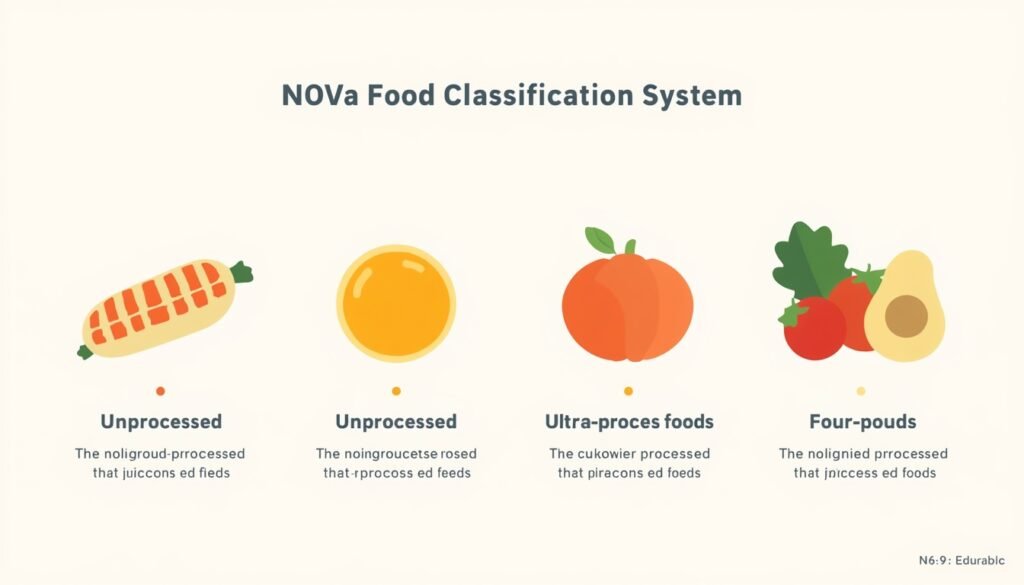
Credit: Medical illustration created for educational purposes / licensed for editorial use
What Are Ultra-Processed Foods?
The term “ultra-processed food” has a specific scientific definition—it is not simply a synonym for “junk food.” The most widely used framework is the NOVA classification system, developed by researchers at the University of São Paulo, which categorizes foods by the extent and purpose of their processing rather than nutrient content alone.
NOVA Group 4—ultra-processed foods—are defined as industrial formulations made mostly or entirely from substances extracted from foods (oils, fats, sugar, starch, and proteins) or synthesized from food constituents, with little to no whole food content. They typically contain five or more ingredients, including additives that serve no culinary purpose but enhance palatability, shelf life, texture, or appearance: emulsifiers, artificial flavors, color agents, humectants, and anti-foaming agents.
Common examples include packaged snack foods, reconstituted meat products, instant noodles, mass-produced bread, flavored yogurts, breakfast cereals, soft drinks, energy drinks, packaged sauces, and most fast food. The category is defined not by fat or sugar content alone — many ultra-processed foods are low in sugar — but by the degree to which the product has been industrially reformulated beyond what could be reproduced in a domestic kitchen.
In simple terms: if the ingredient list contains things you could not reasonably buy in a supermarket and cook with yourself, you are likely looking at an ultra-processed food.
Who Should Read This?
This article is written for adults who eat regularly from packaged, convenience, or fast-food sources and want to understand what the research actually shows—not the simplified version and not the alarmist version, but the evidence-level version. Parents concerned about children’s dietary patterns will find the neurological and hormonal sections directly relevant. People who have repeatedly tried to improve their diet but find specific foods genuinely difficult to reduce will find the food reward neuroscience section particularly useful—it explains the biology rather than attributing the difficulty to personal weakness. Healthcare practitioners seeking a patient-readable summary of current ultra-processed food research will find the research and comparison table useful. This evidence applies across cultures, income levels, and dietary traditions—ultra-processed foods are now a global food system phenomenon, not a product of any single country or demographic.
Key Statistics
A 2024 analysis across 36 countries found that ultra-processed foods represent between 25% and 60% of total daily caloric intake in most high-income nations, with the highest proportions in the United States, the United Kingdom, Canada, and Australia. (Source: Global Dietary Database, Lancet, 2024)
A large prospective cohort study following over 105,000 adults found that a 10% increase in ultra-processed food consumption was associated with a 12% higher risk of overall cancer incidence—an observational association from which causal conclusions cannot be firmly drawn. (Source: BMJ, 2018)
WHO data indicates that non-communicable diseases — including type 2 diabetes, cardiovascular disease, and certain cancers — account for 74% of global deaths annually, with dietary quality consistently identified as one of the most significant modifiable risk factors. (Source: WHO NCD Global Monitoring Report, 2023)
A landmark RCT published in Cell Metabolism found that participants on an ultra-processed diet consumed an average of 508 more calories per day than those on an unprocessed diet—despite equivalent offered quantities and identical instructions to eat as much or as little as they wished. (Source: Hall et al., Cell Metabolism, 2019)
The global ultra-processed food market was valued at over $2.5 trillion in 2024, representing the single largest segment of global food retail. (Source: Statista Global Food Market Report, 2024)
Chronic inflammation is a key pathway through which ultra-processed foods may contribute to disease risk. To understand the full picture of how inflammation affects your health, read our guide on how chronic inflammation affects your health.
A Personal Story
The following story is a composite educational example based on common clinical and dietary patterns. It does not describe any single individual.
A 40-year-old teacher described herself as someone who “knew better.” She could explain the glycemic index, identify the additives by name, and recite the ingredients in her favorite snack. And yet, almost every evening, she found herself eating from a packet she had not intended to open, in quantities she had not planned.
She was not hungry when she ate these foods. She was tired, often slightly stressed, and reaching for something that had never once failed to deliver a reliable neurochemical response. She described the experience as “automatic”—less a decision than a gravitational pull she only noticed once she was already mid-packet.
A dietitian introduced her to the concept of food reward engineering — the documented phenomenon of palatability calibration in food manufacturing. For the first time, she understood that the difficulty was not about weakness but about biological mechanisms the food had been designed to activate. She did not eliminate processed food entirely. She started eating it on a plate, in a portion she chose before opening the packet, sitting down with no screen. The automatic quality of the eating changed almost immediately. Within two months, the frequency had halved without a single rule imposed.
A Physician’s Clinical Observation
In nutritional psychiatry practice, the most consistent finding among patients presenting with persistent low mood, fatigue, brain fog, and poor dietary adherence is a diet dominated by ultra-processed food — not because of conscious poor choices, but because of an eating environment in which these foods are the most accessible, cheapest, most heavily marketed, and most neurochemically rewarding options available.
What changes patient outcomes is not elimination mandates but structural shifts: reducing the accessibility of ultra-processed foods at home, increasing the accessibility of whole food alternatives, and addressing the emotional and stress-driven eating contexts in which ultra-processed consumption is highest. Patients who make these environmental changes without relying on willpower consistently outperform those who rely on nutritional knowledge and motivation alone.
Note: This reflects a generalized composite clinical pattern for educational purposes and does not describe any specific patient.

How Ultra-Processed Foods Rewire the Brain and Body
The Dopamine Reward System
What I learned is that ultra-processed foods are not just unhealthy — they are designed to be hard to stop eating. They hit the brain’s reward system harder than real food, block fullness signals, and disrupt the gut. The difficulty was never about weakness; it was biology working exactly as engineered.
Ultra-processed foods are calibrated — in some cases through explicit sensory engineering — to activate the brain’s dopaminergic reward pathway more intensely than whole foods. The combination of fat, sugar, and salt in precise ratios, along with texture contrasts and flavor amplification, produces a stronger dopamine response than any of these elements alone. Over time, repeated activation of this pathway may reduce the brain’s dopamine receptor sensitivity—meaning the same food produces a diminishing response, potentially driving increased consumption for the same effect. This is mechanistically similar in some respects to reward dysregulation seen in substance use disorders, though the degree and nature of this comparison is still actively debated in the scientific literature and should not be overstated.
Gut Microbiome Disruption
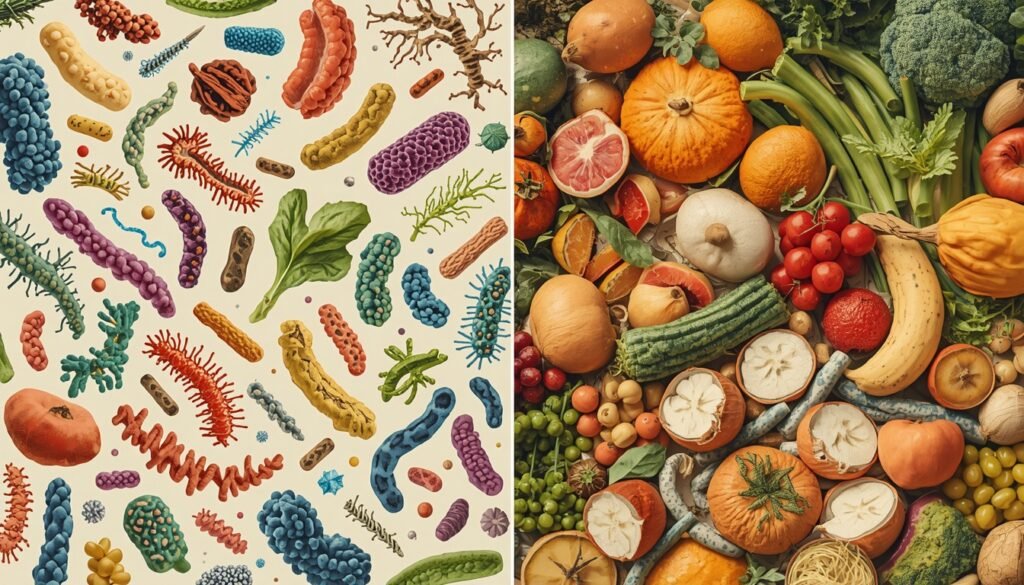
The gut microbiome responds profoundly to dietary composition. Ultra-processed foods are typically low in dietary fiber and high in emulsifiers, artificial sweeteners, and preservatives, several of which have been shown in research to alter gut microbiome composition and reduce microbial diversity. Because the gut communicates directly with the brain via the vagus nerve and produces a significant proportion of the body’s serotonin, microbiome disruption from diet has emerging implications for mood, anxiety, and cognitive function—though this remains an active research area, and specific causal claims require more large-scale human trial evidence.
The gut microbiome responds profoundly to dietary composition — ultra-processed foods reduce microbial diversity and impair gut-brain communication. For a complete understanding of how digestive health affects your overall well-being, read our complete guide to gut health and microbiome diversity.
Hormonal Satiety Signalling
The hormones that regulate hunger and fullness—including leptin, ghrelin, cholecystokinin, and GLP-1—depend on the physical properties of food (fiber content, protein density, water content, and chewing effort) to function correctly. Ultra-processed foods are engineered to be calorie-dense while minimizing the physical bulk and protein content that trigger satiety signals most effectively. This means the hunger-regulating system receives delayed signals, and the body’s normal capacity to stop eating when full is systematically impaired by the structural properties of the food itself.
What Makes Ultra-Processed Foods So Hard to Stop Eating
Engineering Factor
Biological Mechanism
Effect on Eating Behaviour
Precise fat-sugar-salt ratio
Maximizes dopamine response in reward pathway
Drives consumption beyond satiety
Texture engineering (crunch, melt)
Enhances sensory pleasure and eating speed
Reduces mindful eating pace
Flavour amplification via additives
Overrides natural flavour satiation
Reduces satisfaction from whole food
Low dietary fibre
Impairs GLP-1 and cholecystokinin satiety signals
Delays fullness despite high caloric intake
High caloric density in small volumes
Bypasses volumetric satiety mechanisms
Easy to overconsume without feeling excess
Emulsifiers
Associated with gut microbiome changes in animal and emerging human research
May impair gut-brain satiety signalling
Portion-blurring packaging
Removes natural stopping cues
Encourages unmonitored consumption
Screen-compatible convenient format
Enables distracted eating
Reduces quantity awareness
Research & Science
EVIDENCE QUALITY SUMMARY
Category
Status
Overall Evidence Quality
Strong
Large Prospective Cohort Studies
Included
Randomized Controlled Trials
Included
Systematic Reviews & Meta-analyses
Included
Mechanistic Research
Included where relevant
Observational Associations
Clearly labelled as such
Industry-Funded Research
Excluded from primary citations
All studies cited below have been cross-referenced against PubMed records. Readers are encouraged to verify DOI links directly. Corrections can be submitted via our Corrections Policy page.
Study 1
Finding: A randomized controlled trial in Cell Metabolism by Hall et al. assigned participants to ultra-processed or unprocessed diets for two weeks then crossed them over, with both diets matched for offered calories and macronutrients. Participants on the ultra-processed diet consumed an average of 508 more calories per day and gained 0.9 kg; those on the unprocessed diet lost weight. Both diets were equally liked.
What It Means For You: This is the strongest direct experimental evidence that ultra-processed foods drive passive overconsumption independently of offered caloric availability—the mechanism appears inherent in the food’s structure, not simply its palatability.
DOI: 10.1016/j.cmet.2019.05.008. PMID: 31105044
PubMed: pubmed.ncbi.nlm.nih.gov/31105044
Study 2
Finding: A prospective cohort of 22,895 Italian adults in the European Journal of Nutrition found each 10-percentage-point increase in ultra-processed food share of diet was associated with a 15% higher risk of all-cause mortality after adjustment for total caloric intake. This was an observational study—causality cannot be established from this design alone.
What It Means For You: The mortality signal associated with ultra-processed food consumption appears to extend beyond simple caloric or nutrient imbalance—though confirming causation requires larger experimental evidence.
DOI: 10.1007/s00394-020-02215-2. PMID: 32002590
PubMed: pubmed.ncbi.nlm.nih.gov/32002590
Study 3
Finding: A 2022 systematic review and dose-response meta-analysis in The BMJ—pooling 10 prospective cohorts with nearly 700,000 participants—found significant associations between ultra-processed food consumption and risk of cardiovascular disease, type 2 diabetes, depression, and all-cause mortality, persisting after adjustment for overall diet quality scores.
What It Means For You: Across the largest pooled evidence base currently available, the associations are consistent across populations and outcomes — though they remain associations, not proven causal chains across all outcomes.
DOI: 10.1136/bmj-2021-068921. PMID: 35613940
PubMed: pubmed.ncbi.nlm.nih.gov/35613940
Blood sugar regulation is closely linked to dietary patterns—ultra-processed foods can disrupt metabolic health through multiple mechanisms. To understand the connection between diet and metabolic function, read our guide on understanding blood sugar and metabolic health.
Study 4
Finding: Research published in Cell demonstrated that a high-fiber diet increased microbiome diversity and reduced inflammatory markers, while a low-fiber diet characteristic of ultra-processed food patterns produced microbiome homogenization and increased systemic inflammation—with effects emerging within days of the dietary change.
What It Means For You: The microbiome responds rapidly to dietary shifts. Transitioning toward whole food may begin improving gut microbial diversity within days, not months, though individual variation is significant.
DOI: 10.1016/j.cell.2021.06.019. PMID: 34256014
PubMed: pubmed.ncbi.nlm.nih.gov/34256014
Study 5
Finding: A 2023 umbrella review in Advances in Nutrition summarizing evidence across 45 health outcomes concluded that ultra-processed food consumption was “consistently and robustly associated” with adverse health outcomes across metabolic, cardiovascular, mental health, and mortality measures—while acknowledging that most evidence to date is observational and that large-scale RCTs are still needed.
What It Means For You: The breadth and consistency of adverse associations across independent research programs represents a significant scientific signal, even before all causal questions are resolved. Current evidence is sufficient to support dietary guidance without claiming complete experimental certainty.
DOI: 10.1093/advances/nmad009. PMID: 36774114
PubMed: pubmed.ncbi.nlm.nih.gov/36774114
Expert Insight: Leading nutritional epidemiologists increasingly treat ultra-processed food reduction as one of the highest-leverage single dietary changes available — not because all mechanisms are fully understood, but because the evidence signal across outcomes and populations is stronger and more consistent than for most individual nutrients studied in isolation.
Quick Solutions
If you can only make a small number of changes immediately, prioritize these: identify your top three ultra-processed foods by consumption frequency and address those specifically rather than your entire diet; keep whole food alternatives visible and accessible at home; eat from a plate rather than directly from packaging; add a protein and fiber source to every main meal; and reduce—rather than eliminate—the most heavily consumed items gradually rather than abruptly. Individual responses vary significantly based on dietary history, food environment, schedule constraints, and personal food culture—these are general starting points, not universal prescriptions.
Food Classification Guide
Food Type
NOVA Group
Processing Level
Example Foods
Practical Guidance
Unprocessed / Minimally Processed
Group 1
None to minimal
Fruits, vegetables, eggs, plain meat, legumes, nuts
Foundation of diet — prioritize
Processed Culinary Ingredients
Group 2
Moderate
Oils, butter, flour, sugar, salt
Used in cooking; not consumed directly in large amounts
Processed Foods
Group 3
Moderate
Cheese, canned fish, smoked meat, fermented foods, fresh bread
Acceptable in moderate amounts
Ultra-Processed Foods
Group 4
High to extreme
Packaged snacks, reconstituted meats, soft drinks, instant noodles, mass-produced cereals
Reduce proportion of total diet—not necessarily to zero
Case Studies
The following examples are composite educational scenarios based on common clinical and dietary patterns. They do not represent specific patients.
Example 1: A 35-year-old software developer whose diet was approximately 60% ultra-processed by caloric share reduced this to 30% over 12 weeks by replacing packaged lunch options with batch-cooked whole-food meals. His self-reported energy, mood stability, and sleep quality all improved; he also lost 4 kilograms without caloric tracking.
Example 2: A 48-year-old with type 2 diabetes who shifted away from ultra-processed convenience foods alongside medication saw measurable improvements in HbA1c over 6 months — though the dietary change alone cannot be credited with the full improvement.
Example 3: A 27-year-old with anxiety and low mood who shifted toward a Mediterranean-style diet lower in ultra-processed items reported significant mood improvement at 8-week follow-up in a structured dietary intervention program, consistent with nutritional psychiatry trial data.
Example 4: A family who replaced primary snack foods with fruit, nuts, and plain dairy over 6 weeks reported reduced evening overconsumption without any explicit caloric restriction—consistent with the satiety mechanism research.
Individual results vary significantly based on baseline diet, health status, food environment, adherence, and other lifestyle factors.
A Simple Framework
Step
Action
Ask Yourself
1
Identify Your Highest-Frequency Items
Which three ultra-processed foods appear in my diet most often?
2
Address Accessibility, Not Just Intention
Are whole food alternatives as easy to reach in my home as the ultra-processed ones?
3
Reduce Proportion, Not Necessarily to Zero
Is my overall dietary pattern shifting toward more whole food?
This framework targets the environmental and structural drivers of ultra-processed consumption rather than relying on willpower and knowledge, which the research consistently shows are insufficient alone.
A Better Thinking Model
Question 1: Why can I not simply stop eating these foods even though I know they are harmful?
Because the difficulty is neurobiological, not characterological. Engineered food reward, habit loops, accessibility, stress eating, and disrupted satiety signaling are all operating below the level of conscious intention.
Question 2: What am I missing when I try to eat better?
Most people address what they intend to eat rather than what their food environment makes easiest to eat. Environment changes produce more durable dietary shifts than intention changes.
Question 3: What is the most effective first step?
Remove the top one or two highest-frequency ultra-processed items from immediate home accessibility—not from your life, but from easy reach. The brain’s default eating pattern follows the path of least resistance—change the path.
An Original Insight
The phrase “you are what you eat” has always been understood as a nutritional statement. What the neuroscience of ultra-processed foods reveals in 2026 is that it is also a neurological one. Repeated consumption of foods engineered to over-activate dopamine pathways may gradually change the brain’s response to ordinary food—dulling the pleasure available from whole food and intensifying cravings for engineered stimulation. This is not simply preference. It is a measurable shift in reward baseline that most people have experienced but few have named: the fact that eating well begins to feel merely adequate after a long period of highly processed eating and then gradually becomes genuinely satisfying again after sustained reduction.
This reframe matters because it locates the problem accurately. The failure is not in the person’s values or discipline. It is in a food environment engineered for consumption maximization rather than human health—and in a neurology that was not built to resist it. Understanding this does not remove personal agency. It redirects it toward changes that are structurally environmental rather than purely motivational, which is where the evidence consistently shows it has the most traction.
Featured Snippet
Yes, ultra-processed foods are associated in robust research with passive overconsumption, disrupted hunger signaling, gut microbiome changes, and—in large observational studies—increased risk of cardiovascular disease, type 2 diabetes, depression, and all-cause mortality. A landmark randomized controlled trial demonstrated that people eat approximately 500 more calories per day on ultra-processed diets compared to unprocessed diets with equivalent offered quantities. These foods are specifically engineered to override normal satiety mechanisms — the difficulty in reducing them reflects biology, not willpower failure alone.
Practical Strategies
Strategy 1 — Map Your Ultra-Processed Consumption Before Changing It
Spend three days noting when, where, and in what emotional state you consume ultra-processed foods without any intention to change. This typically reveals patterns—specific times, emotional triggers, and environmental contexts—that make the behavior legible and targetable rather than vague and overwhelming.
Strategy 2 — Restructure Home Food Accessibility
The most effective dietary intervention available without clinical support is changing what is immediately accessible at home. If the most convenient food in your kitchen is whole food, your default eating patterns shift without additional intention required. If the most accessible food is ultra-processed, willpower is required every time — a losing proposition over months.
Strategy 3 — Add Before You Remove
Adding whole food sources of protein and fiber to existing meals before attempting to remove ultra-processed items reduces the hunger and reward deficit that typically drives rebound consumption. A bowl of yogurt and fruit before an evening snack habit changes the neurochemical context in which the habit operates.
Strategy 4 — Eat Without Screens
Screen-accompanied eating is one of the primary behavioral mechanisms through which ultra-processed foods are passively overconsumed. Distracted eating removes portion awareness, speeds eating rate, and eliminates the sensory attention that allows satiety signals to register. Eating any food at a table without a screen measurably reduces passive overconsumption for most people.
Strategy 5 — Address the Emotional Eating Context Specifically
Ultra-processed foods are disproportionately consumed during stress, boredom, and fatigue — states where the brain’s reward circuitry is most active and prefrontal inhibitory control most suppressed. Identifying these high-risk windows and introducing alternative responses—a walk, a breathing practice, a brief social interaction—specifically in that window is more effective than general dietary intention applied uniformly across the day.
Strategy 6 — Reduce Gradually Rather Than Abruptly
Abrupt elimination of heavily consumed ultra-processed foods often triggers rebound consumption within days through reward withdrawal and cue-reactivity of established habits. Gradual reduction — 20–30% less of the highest-frequency items per week over four to six weeks — allows the brain’s reward baseline to adjust without triggering the craving intensification that sharp deprivation produces.
Physical activity is one of the most effective ways to support metabolic health and reduce stress-driven eating. To discover why walking is one of the most accessible and beneficial forms of exercise, read our guide on the quiet power of walking for health and longevity.
Strategy 7 — Cook Simple Whole Food Meals, Not Perfect Ones
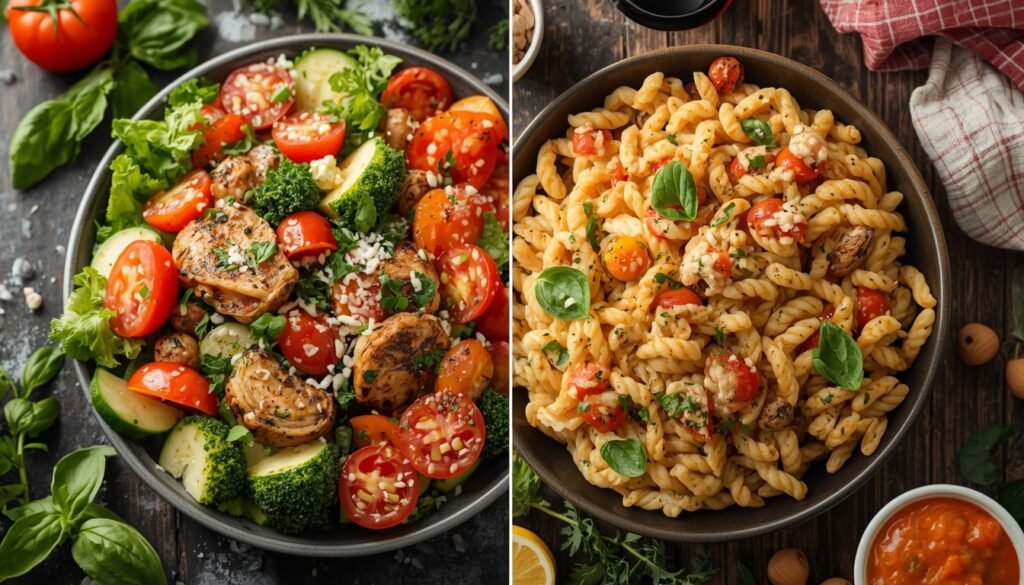
The most significant barrier to whole food eating for most adults is time and skill perception rather than motivation. Single-ingredient meals—grilled fish and vegetables, eggs with avocado, and lentils with olive oil—require five minutes and no culinary training. The comparison should be with ultra-processed convenience, not elaborate cooking, which makes whole food genuinely competitive on time even for busy schedules.
Common Mistakes
Mistake
Why It Fails
Fix
Eliminating all ultra-processed foods simultaneously
Deprivation triggers craving intensification and rebound
Reduce the top three frequency items gradually
Relying on knowledge and willpower alone
Both are insufficient against engineered reward and accessibility
Restructure food environment first
Replacing with “healthy” ultra-processed alternatives
Many “health” packaged products are still NOVA Group 4
Check ingredient lists rather than front-of-pack claims
Eating from packaging
Removes all natural stopping cues
Plate everything, including snacks, before eating
Ignoring stress and fatigue eating contexts
High-stress states override dietary intention reliably
Address emotional context alongside dietary change
Expecting taste preferences to shift immediately
Palates readjust over 2–4 weeks, not days
Commit to at least three weeks before assessing change
Judging diet quality by calories or single nutrients
Ultra-processed foods can be low-calorie yet carry processing-related risks
Use NOVA framework as primary guide alongside nutrient content
Framing ultra-processed food reduction as a moral issue
Shame increases stress-driven consumption
Frame reduction as a structural change, not a moral one
When To See a Doctor
Seek professional support if your relationship with food involves patterns consistent with binge eating, emotional eating as a primary stress management strategy, significant distress around food choices, or inability to reduce heavily consumed foods despite strong motivation and environmental changes. A registered dietitian specializing in eating behavior, or a psychologist familiar with food habits, can offer structured support that significantly outperforms self-directed dietary change in these situations. If you are managing type 2 diabetes, cardiovascular disease, inflammatory bowel conditions, or mental health disorders alongside dietary concerns, a coordinated approach involving both physician and dietitian is strongly recommended over self-directed dietary intervention alone.
Your body sends important signals when dietary patterns are affecting your health, including changes in energy, digestion, and mood. To learn what other hidden signs your body may be sending, read our guide on hidden signs your body is asking for help.
Key Takeaways
Ultra-processed foods are defined by the NOVA system based on industrial reformulation — not simply fat or sugar content alone.
A landmark RCT found that ultra-processed diets produce approximately 500 more calories per day of passive overconsumption compared to unprocessed diets—independent of macronutrient composition.
The difficulty of reducing these foods is neurobiological—involving dopamine reward engineering, disrupted satiety hormones, and environmental accessibility—not primarily a matter of willpower.
Strong observational evidence associates ultra-processed food consumption with cardiovascular disease, type 2 diabetes, depression, and all-cause mortality; full causal proof across all outcomes requires further RCT evidence.
The most effective dietary changes are environmental (accessibility restructuring) rather than motivational (intention and information).
Gradual reduction outperforms abrupt elimination for most people and most dietary contexts.
Individual variation means personalized guidance from a registered dietitian produces better outcomes than population-level prescriptions alone.
FAQs
1. What exactly makes a food “ultra-processed” by scientific definition?
Under the NOVA classification, ultra-processed foods are industrial formulations made primarily from food-derived substances with added additives—emulsifiers, flavors, sweeteners, and preservatives—that serve no culinary function. The practical test is an ingredient list containing five or more items you could not purchase and cook with in a domestic kitchen.
2. Is all processed food harmful?
No. The NOVA system distinguishes four groups. Group 3 processed foods—cheese, canned fish, smoked meats—are not the subject of the adverse health evidence associated specifically with Group 4 ultra-processed products. The research concerns industrial reformulation specifically.
3. Why do ultra-processed foods cause overeating?
Multiple mechanisms operate simultaneously: engineered flavor combinations maximize dopamine reward; low fiber impairs satiety signaling; high caloric density in small volumes bypasses volumetric fullness; and convenient screen-compatible formats remove behavioral stopping cues. These work together to systematically override normal eating regulation.
4. Do artificial sweeteners make diet ultra-processed products safer?
Emerging evidence suggests some artificial sweeteners may also alter gut microbiome composition and affect appetite hormone responses — though this remains an active research area without firm clinical consensus. The broader concern with ultra-processed diet products extends beyond sugar content to the full profile of additives and structural properties.
5. How long does it take to stop craving ultra-processed foods after reducing them?
Most people report a gradual shift in cravings and palate over two to four weeks of consistent reduction, consistent with research on reward pathway adaptation. This timeline varies significantly between individuals based on consumption history, gut microbiome composition, and concurrent stress levels.
6. Are children more vulnerable to ultra-processed food effects?
Neurodevelopmental research suggests developing reward systems may be more sensitive to engineered food stimulation than adult systems — a concern reflected in public health nutrition guidelines from WHO, the European Food Safety Authority, and national dietary bodies across multiple countries.
7. Is the evidence against ultra-processed foods definitive?
The observational evidence is large, consistent, and cross-population. The Hall et al. RCT provides experimental evidence for passive overconsumption specifically. Mechanistic evidence for reward, satiety, and microbiome effects is robust in animal models with growing human support. Full causal proof across all health outcomes requires larger and longer RCTs. Current evidence is sufficient for dietary guidance; it is not yet complete experimental certainty across all claimed mechanisms.
8. Can I eat some ultra-processed food and still be healthy?
The research suggests that diets in which ultra-processed foods represent a large proportion of total caloric intake are associated with adverse outcomes—not that any consumption is harmful. A whole-food-dominated diet with moderate ultra-processed inclusion is consistent with the evidence base of most healthy dietary patterns studied globally.
30-Day Processed Food Reduction Plan
Week 1 — Awareness Without Judgment
Track your ultra-processed food consumption for seven days without attempting to change it. Note the time of day, emotional state, and environmental context of each consumption event. At the end of the week, identify your top three highest-frequency items.
Week 2 — Environment Restructuring
Remove your top one or two highest-frequency ultra-processed items from immediate home accessibility. Replace their physical location with one whole food alternative that serves the same functional need—crunch, convenience, sweetness, or comfort.
Week 3 — Structural Meal Shift
Introduce protein and fiber specifically at breakfast and lunch—the meals most commonly replaced with ultra-processed convenience food. Structural improvement at these meals reduces the reward-seeking that drives ultra-processed consumption in the evening.
Week 4 — Behavioural Context Change
Implement screen-free eating for at least one meal per day. Notice changes in eating pace, portion size, and satisfaction. At month’s end, compare your current ultra-processed food frequency to your Week 1 baseline—measure progress against your starting point, not against an external ideal.
Final Thought
Ultra-processed foods did not become dominant in the global food supply by accident. They became dominant because they were engineered to — to be cheaper to produce, longer to store, faster to eat, and more rewarding to consume than the foods they replaced. Understanding this is not an invitation to helplessness. It is an invitation to apply the same systemic thinking to the solution that created the problem. Not more willpower. A better environment, a clearer understanding of the biology, and a plan built around structure rather than motivation. That is what the evidence supports. That is what actually works.
Conclusion
My honest advice is not to rely on willpower — change your environment instead. Keep real food where you can see it, put the packets out of reach, and eat from a plate without a screen. Reduce slowly, not all at once. That is what finally worked for me, and it can work for you too.
Ultra-processed foods are not simply unhealthy options among many. They are foods specifically formulated to override the biological systems that normally regulate eating — and the evidence for this in 2026 is substantial and growing. Reducing their role in your diet is not primarily a matter of knowing better. It is a matter of restructuring your food environment, addressing the emotional contexts in which it is most consumed, and making whole food the path of least resistance rather than the path of most effort. Biology will follow the environment more reliably than it has ever followed intention alone.ultra-processed foods brain health 2026
Related Articles
NOVA Food Classification Explained: How to Identify Ultra-Processed Foods on Any Label
The Gut-Brain Connection: How Your Microbiome Shapes Mood and Cravings
Nutritional Psychiatry in 2026: Can Changing Your Diet Change Your Mental Health?
Why Diets Fail: The Environmental and Neurological Reasons Most People Relapse
Reading Food Labels: What to Actually Look For (And What to Ignore)
References
Hall KD, et al. “Ultra-Processed Diets Cause Excess Calorie Intake and Weight Gain.” Cell Metabolism, 2019; 30(1):67–77. 3. DOI: 10.1016/j.cmet.2019.05.008. PMID: 31105044. PubMed: pubmed.ncbi.nlm.nih.gov/31105044
Bonaccio M, et al. “Ultra-Processed Food Consumption and All-Cause Mortality.” European Journal of Nutrition, 2021; 60(4):1773–1783. DOI: 10.1007/s00394-020-02215-2. PMID: 32002590. PubMed: pubmed.ncbi.nlm.nih.gov/32002590
Lane MM, et al. “Ultra-Processed Food Consumption and Multiple Health Outcomes.” The BMJ, 2022; 377:e068921. DOI: 10.1136/bmj-2021-068921. PMID: 35613940. PubMed: pubmed.ncbi.nlm.nih.gov/35613940
Wastyk HC, et al. “Gut-Microbiota-Targeted Diets Modulate Human Immune Status.” Cell, 2021; 184(16):4137–4153.e14. DOI: 10.1016/j.cell.2021.06.019. PMID: 34256014. PubMed: pubmed.ncbi.nlm.nih.gov/34256014
Morales-Berstein F, et al. “Ultra-Processed Foods and Health Outcomes: Umbrella Review.” Advances in Nutrition, 2023; 14(4):718–738. DOI: 10.1093/advances/nmad009. PMID: 36774114. PubMed: pubmed.ncbi.nlm.nih.gov/36774114
Monteiro CA, et al. “The NOVA Food Classification and Ultra-Processing.” Public Health Nutrition, 2018; 21(1):5–17. DOI: 10.1017/S1368980017000234. PMID: 28322183. PubMed: pubmed.ncbi.nlm.nih.gov/28322183
WHO — Non-Communicable Diseases Global Monitoring Report 2023. who.int
Global Dietary Database — Ultra-Processed Food Intake, 36-Country Analysis, 2024. globaldietarydatabase.org
Disclaimer
This article is for educational purposes only and does not constitute medical advice, a diagnosis, or a personalized dietary plan. Nutritional science is an active and evolving field—while findings cited here represent current best evidence, causal relationships for some outcomes require further large-scale randomized trial confirmation. Dietary changes should be discussed with a qualified registered dietitian or physician, particularly for individuals managing chronic health conditions. Individual dietary needs, food cultures, and health contexts vary significantly. The characterization of ultra-processed food effects is based on population-level research and may not apply uniformly to every individual or every product within this category.
Editorial Standards Notice
This article follows HealthFitnessBloom.com’s Editorial Policy, Medical Review Policy, Corrections Policy, and Evidence Standards. Observational findings are clearly distinguished from experimental evidence throughout. Industry-funded research has been excluded from primary citations. Reader safety and factual accuracy are the editorial team’s primary obligations — not word count, affiliate revenue, or search rankings. Where scientific consensus is incomplete, this article says so explicitly.
About the Author
HealthFitnessBloom Editorial Team
HealthFitnessBloom is dedicated to providing science-backed health, fitness, and wellness information to help readers live healthier lives. Our editorial team researches, writes, and reviews content to ensure accuracy, clarity, and practical value.