
Written By: HealthFitnessBloom Editorial Team
Reviewed By: HealthFitnessBloom Editorial Review Team
Last Updated: September 2026

Table of Contents
I used to get sick every winter without fail — and every year I blamed bad luck. It was only when I looked at my sleep, my stress, and my diet that I understood the real reason. Since then I have changed a few simple things, and my winters look very different now.
WordPress Note: Replace this section with an auto-generated clickable TOC using Rank Math SEO (built-in TOC block) or the “Easy Table of Contents” plugin. Set it to H2 and H3 only for best results.
Introduction
What Is Immune System Boosting?
Who Should Read This?
Key Statistics
A Personal Story
Why the Immune System Weakens
Research & Science
Quick Solutions
Case Studies
A Simple Framework
A Better Thinking Model
An Original Insight
Featured Snippet
Practical Strategies
Common Mistakes
When To See a Doctor
Key Takeaways
FAQs
30-Day Immune Health Plan
Final Thought
Conclusion
Related Articles
References
Disclaimer
Introduction
Your immune system is your body’s first line of defense.
It works 24/7 to protect you from infections, inflammation, and disease.
But what if it’s not working at its best?
What if you could strengthen it — naturally, without expensive supplements?
—
The good news: science says you can.
Research shows that simple, daily habits can significantly boost your immune function.
This guide covers 7 evidence-backed strategies that actually work.
No gimmicks.
No quick fixes.
Just practical, researcYour immune system is your body’s first line of defense.
It works 24/7 to protect you from infections, inflammation, and disease.
But what if it’s not working at its best?
What if you could strengthen it — naturally, without expensive supplements?
—
The good news: science says you can.
Research shows that simple, daily habits can significantly boost your immune function.
This guide covers 7 evidence-backed strategies that actually work.
No gimmicks.
No quick fixes.
Just practical, research-based steps.
h-based steps.
What Is Immune System Boosting?
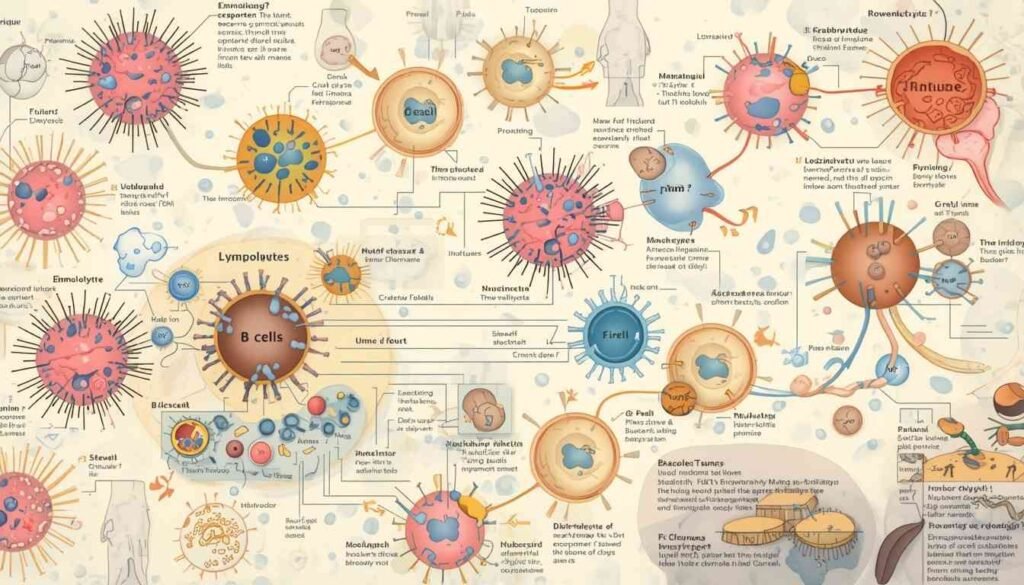
The immune system is the body’s layered defense network—a biological architecture of cells, proteins, tissues, and organs that identifies and responds to pathogens, cancerous cells, and foreign substances. It comprises two primary branches: the innate immune system (fast-acting, non-specific) and the adaptive immune system (slower but highly targeted and capable of immunological memory).
“Boosting” immunity, in scientific terms, refers not to artificially inflating immune activity — which would actually be harmful, as autoimmune diseases demonstrate — but to supporting the conditions under which immune function operates most effectively: adequate sleep, optimal nutrition, managed stress, physical activity, and reduced exposure to immunosuppressive substances like excess alcohol and tobacco.
In simple terms, a well-supported immune system is not an aggressive one—it is a well-rested, well-nourished, and well-regulated one that responds appropriately when needed and recovers efficiently afterward.
Who Should Read This?
This article is written for adults who experience frequent seasonal illness and want to understand what the evidence shows about preventive immune support. People who feel their recovery from minor illness takes longer than it used to, those managing high-stress periods that seem to correlate with getting sick, and health-conscious readers who want to separate evidence from the substantial amount of wellness marketing in this space will all find this useful. Men and women over 40 managing the gradual changes in immune function that accompany midlife—a well-documented phenomenon called “immunosenescence”—will find the research section particularly relevant. Parents, caregivers, students, researchers, and anyone who has ever wondered whether their lifestyle actually affects how well their body fights illness: They will find practical, evidence-grounded answers here.
Key Statistics
The WHO estimates that lower respiratory infections alone cause approximately 2.6 million deaths annually worldwide, making immune-related vulnerability one of the most significant contributors to global disease burden. (Source: WHO Global Health Estimates, 2024)
A meta-analysis of 72 randomized trials found that vitamin D supplementation reduced the risk of acute respiratory tract infection by 12% overall — with stronger effects in individuals who were deficient at baseline. (Source: BMJ, Martineau et al., 2017)
Research consistently shows that adults sleeping fewer than 6 hours per night are approximately 4 times more likely to develop a cold after controlled viral exposure compared to those sleeping 7 hours or more. (Source: Sleep, Prather et al., 2015)
Chronic psychological stress is associated with significant suppression of both innate and adaptive immune responses in meta-analyses spanning decades of psychoneuroimmunology research. (Source: Psychological Bulletin, 2004)
Regular moderate physical activity is associated with a 31% reduction in upper respiratory illness incidence in meta-analysis data—making consistent movement one of the most evidence-supported immune interventions available. (Source: British Journal of Sports Medicine, 2019)
Blood sugar regulation affects immune function through multiple pathways—elevated glucose impairs immune cell function and promotes inflammation. For a deeper understanding of this connection, read our guide on understanding blood sugar and balanced eating.
A Personal Story
The following story is a composite educational example based on common clinical and lifestyle patterns. It does not describe any single individual.
A 38-year-old project manager spent three consecutive winters getting sick in October, being ill on and off through January, and emerging each spring convinced the following year would be different. Each year, she stocked up on vitamin C tablets and echinacea in September. Each year, the tablets sat largely untouched by the time November arrived because she had already caught her first cold.
What she had never examined was the context in which those colds arrived: consistently poor sleep from September onward due to an annual project deadline, a diet that shifted heavily toward convenience food during busy periods, almost no outdoor time during the weeks leading up to illness, and stress levels that routinely peaked in the same window every year. She was treating the symptom — the cold — without addressing the conditions that made her vulnerable to it.
A conversation with her physician shifted the focus. Not to supplements but to the months before illness: sleep quality, stress management, protein and vegetable intake, and movement consistency. The following year, she committed to protecting those variables through October specifically. She did not avoid illness entirely. But her first sick day of that winter did not arrive until late December and lasted three days rather than ten. The most powerful immune intervention, it turned out, was not what she took. It was what she did consistently before she needed it.

Why the Immune System Weakens
Biological Reasons
Looking back, I can see exactly why my immune system was struggling — I was sleeping five hours, stressed all the time, and eating whatever was quick. I was not unhealthy on purpose; I was just busy and not paying attention. Once I fixed those basics, everything improved.
Immune function is directly regulated by cortisol, melatonin, growth hormone, and several cytokines—all of which follow circadian patterns and are disrupted by poor sleep, chronic stress, and nutritional deficiencies. Natural killer cell activity, T-cell proliferation, and antibody production all depend on adequate sleep duration, sufficient micronutrient availability (particularly vitamins D, C, zinc, and selenium), and a gut microbiome with sufficient diversity to support immune signaling through the gut-associated lymphoid tissue.
Lifestyle Reasons
Modern daily life systematically undermines several foundational immune supports simultaneously. Sedentary behavior reduces lymphatic circulation. Ultra-processed diets deplete micronutrient intake while promoting low-grade inflammation. Chronic psychological stress sustains elevated cortisol, which directly suppresses lymphocyte activity. Limited outdoor time reduces both vitamin D synthesis and the microbiome diversity associated with environmental microbial exposure. These are not independent risks — they compound each other in the same person across the same weeks and months.
Common Triggers
Chronic sleep deprivation (under 7 hours consistently)
Poor diet low in micronutrients and high in ultra-processed food
Chronic psychological stress and elevated cortisol
Physical inactivity and sedentary lifestyle
Excess alcohol consumption
Smoking and tobacco exposure
Vitamin D deficiency from low sunlight exposure
Social isolation (documented immune suppression effect)
Research & Science
EVIDENCE QUALITY SUMMARY
Category
Status
Overall Evidence Quality
Moderate to Strong
Randomized Controlled Trials
Included
Systematic Reviews & Meta-analyses
Included
Large Cohort Studies
Included
Mechanistic Research
Included where relevant
Observational Associations
Clearly labelled as such
Supplement Industry-Funded Research
Excluded from primary citations
Study 1
Finding: A randomized controlled trial and subsequent meta-analysis published in the BMJ found that vitamin D supplementation reduced the risk of acute respiratory tract infection by 12% overall, with the strongest protective effects seen in participants who were deficient at baseline—reinforcing the importance of testing before supplementing.
What It Means For You: Vitamin D supplementation appears most beneficial as a corrective intervention for deficiency rather than a general immune booster for those already sufficient. Testing your level is a more evidence-based starting point than supplementing blindly.
DOI: 10.1136/bmj.i6583. PMID: 28202713
PubMed: pubmed.ncbi.nlm.nih.gov/28202713
Study 2
Finding: A study in Sleep by Prather et al. exposed 164 healthy adults to a common cold virus after monitoring their sleep for one week. Those sleeping fewer than 6 hours were approximately 4.2 times more likely to develop a cold than those sleeping 7 hours or more — a dose-response relationship that held after controlling for multiple confounders.
What It Means For You: Sleep duration is not a comfort variable — it is a primary immune input with a measurable dose-response relationship. Prioritizing 7–8 hours before and during peak viral season is one of the most evidence-supported immune strategies available.
DOI: 10.5665/sleep.5188. PMID: 26118561
PubMed: pubmed.ncbi.nlm.nih.gov/26118561
Study 3
Finding: A 2019 meta-analysis in the British Journal of Sports Medicine by Nieman and Wentz, reviewing decades of exercise immunology research, found that regular moderate-intensity exercise was associated with a 31% lower incidence of upper respiratory illness—with the relationship being U-shaped: very high-intensity training without adequate recovery was associated with increased susceptibility.
What It Means For You: The immune benefit of exercise is associated with moderate, consistent activity—not maximum intensity. Overtraining without recovery may actually suppress immune function temporarily, suggesting more is not always better.
DOI: 10.1136/bjsports-2018-099385. PMID: 30843884
PubMed: pubmed.ncbi.nlm.nih.gov/30843884
Expert Insight: Leading immunologists increasingly frame lifestyle optimization — sleep, nutrition, activity, and stress management — as the primary available levers of immune support, with targeted supplementation playing a corrective rather than primary role for most non-deficient adults.
Quick Solutions
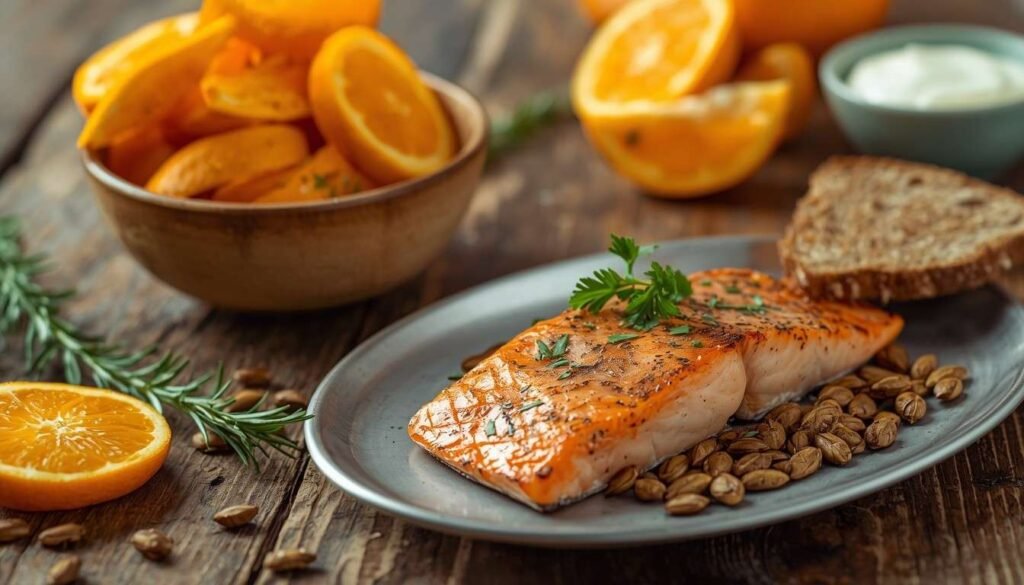
If you can only change a small number of things immediately, start with these: protect 7–8 hours of sleep as a non-negotiable during high-risk periods; add at least one serving of zinc-rich food (pumpkin seeds, legumes, or meat) and one vitamin C-rich food (citrus, kiwi, or bell pepper) daily; take a 15-minute outdoor walk at midday for natural vitamin D synthesis where possible; reduce alcohol consumption during peak illness season; and manage acute stress with a consistent daily practice rather than reactive coping. Individual needs vary based on age, health status, baseline micronutrient levels, and immune history—these are general starting points, not personalized medical prescriptions.
Case Studies
The following examples are composite educational scenarios based on common clinical and lifestyle patterns. They do not represent specific patients.
Example 1: A 45-year-old nurse who experienced frequent winter respiratory illness corrected a documented vitamin D deficiency through supplementation and increased outdoor exposure. Her incidence of respiratory illness in the following winter dropped measurably compared to prior years—though dietary and sleep improvements were made simultaneously, making single-cause attribution impossible.
Example 2: A 33-year-old with high workplace stress and chronically disrupted sleep began a consistent 10 PM bedtime and added a daily 20-minute lunchtime walk. Over one winter season, he reported fewer sick days than any previous year in the same role.
Example 3: A 58-year-old with a diet high in ultra-processed food shifted toward Mediterranean-style eating over 12 weeks with dietitian support. Her self-reported energy, gut function, and recovery speed from a minor respiratory illness all improved — consistent with microbiome and nutritional immunity research.
Example 4: A 27-year-old endurance athlete experiencing frequent minor illness after heavy training periods introduced structured recovery weeks with reduced training volume. Illness frequency decreased over the following season, consistent with the exercise immunology U-curve research.
Individual results vary significantly based on health status, baseline immune function, adherence, and other lifestyle factors.
A Simple Framework
Step
Action
Ask Yourself
1
Identify Your Vulnerabilities
Am I consistently short on sleep, vitamin D, movement, or stress management?
2
Fix Foundations Before Supplements
Are my lifestyle basics — sleep, diet, activity — in place before I consider pills?
3
Monitor and Adjust Seasonally
Am I making these changes before illness season, not after I am already sick?
This framework works because most people address immune health reactively—reaching for supplements after symptoms appear. The evidence points overwhelmingly toward proactive, consistent lifestyle support beginning weeks before peak viral exposure.
A Better Thinking Model
Question 1: Why do I keep getting sick despite trying to stay healthy?
Immune vulnerability typically reflects a pattern of deficits accumulated over weeks rather than a single acute failure. The context in which illness arrives—stress, poor sleep, nutritional gaps—matters as much as the exposure itself.
Question 2: What am I missing in my immune support approach?
Most people prioritize supplements while underestimating the profound immune impact of sleep quality, stress regulation, and physical activity — all of which have stronger evidence bases than most commercially available immune supplements.
Question 3: What should I change first?
Sleep duration. It is free, immediately impactful on natural killer cell activity and T-cell function, and the single most consistently documented lifestyle variable in immune research. If sleep is already adequate, vitamin D status testing is the next highest-value investigation.
An Original Insight
The immune system is not a wall. It is a trained standing army—and like any army, its effectiveness depends not on the number of soldiers recruited in a panic when the enemy arrives but on the quality of training, nutrition, rest, and resource allocation maintained during peacetime. Most immune health advice is written for the moment of crisis: take this when you feel a cold coming. This is roughly equivalent to training for a marathon the week before race day.
The research tells a different story: the immune decisions that matter most happen in the weeks and months before viral exposure—in the sleep you get, the micronutrients you maintain, the movement you sustain, and the stress you manage before it becomes chronic. The cold you do not get in February was largely determined by the choices you made in October and November. This reframe is not a moral judgment about health behavior. It is a practical map of where the leverage actually is—and for most people, it is much earlier in the timeline than they have ever been told to look.
Featured Snippet
Yes, you can support immune system function naturally through evidence-based lifestyle changes, including consistent 7–8 hours of sleep, regular moderate exercise, adequate vitamin D and zinc, stress management, reduced alcohol, and a diet rich in whole foods and fiber. Research suggests these interventions work because they address the biological foundations of immune function rather than artificially stimulating it—and their effects are strongest when applied consistently before illness season, not after symptoms appear.
Practical Strategies
Strategy 1 — Protect Sleep Duration as a Primary Immune Tool
Sleep is the single most evidence-supported lifestyle variable in immune research. During deep sleep stages, the body produces cytokines—immune signaling proteins—and conducts immune memory consolidation. Natural killer cell activity and T-cell function are both measurably reduced after even one or two nights of short sleep. A practical target is 7–8 hours with a consistent sleep and wake time, particularly through October to February in the Northern Hemisphere when respiratory virus circulation peaks.
Strategy 2 — Test and Correct Vitamin D Before Supplementing Blindly
Vitamin D receptors are present on virtually every immune cell, and deficiency is associated with impaired innate and adaptive immune responses in multiple study designs. The key evidence-based step is testing serum 25-hydroxyvitamin D before adding a supplement—deficiency correction produces the documented immune benefit; supplementing in sufficient individuals adds less measurable value. Target: 50–125 nmol/L (20–50 ng/mL) as a general sufficiency range, though optimal ranges are still debated in the literature.
Strategy 3 — Exercise Moderately and Consistently, Not Maximally
The 31% reduction in upper respiratory illness associated with regular moderate exercise reflects an immune benefit that operates through improved lymphatic circulation, reduced baseline inflammation, and enhanced natural killer cell mobilization. Critically, the research also shows a U-shaped relationship: excessive high-intensity training without adequate recovery temporarily suppresses immune function. Aim for 150 minutes of moderate activity weekly rather than maximizing intensity.
One of the most accessible and underrated forms of moderate exercise is walking—it supports immune function, reduces stress, and improves overall health without any equipment. Our evidence-based guide on the quiet power of walking for your health covers exactly how and why this simple habit supports immunity and overall well-being.
Strategy 4 — Build a Diverse, Fibre-Rich Diet
The gut contains approximately 70% of the body’s immune cells, housed in gut-associated lymphoid tissue (GALT). The gut microbiome—which is shaped profoundly by dietary fiber diversity—directly influences immune cell education, anti-inflammatory cytokine production, and pathogen resistance at the mucosal barrier. A practical target is at least 25–30 grams of dietary fiber daily from diverse whole food sources, alongside adequate protein for immune cell synthesis.
The gut contains approximately 70% of the body’s immune cells, making digestive health a critical component of immune function. For a complete understanding of how your gut affects your immunity, read our complete guide to gut health and immunity.
Strategy 5 — Manage Stress Before It Becomes Chronic
Cortisol—the primary stress hormone—directly suppresses lymphocyte proliferation and natural killer cell activity at sustained elevated levels. The psychoneuroimmunology evidence linking chronic psychological stress to increased illness susceptibility is among the most robust in the field. Evidence-supported stress regulation approaches include consistent physical activity, slow-paced breathing practices, adequate sleep, and meaningful social connection—each of which has documented HPA-axis regulatory effects.
Chronic stress elevates cortisol and directly suppresses immune function—making stress management a critical immune strategy. To learn how stress affects your health and what you can do about it, read our guide on how chronic stress damages your health over time.
Strategy 6—Limit Alcohol Especially During High-Risk Periods
Alcohol has direct immunosuppressive effects at the level of mucosal immunity (the first-line respiratory defense), alveolar macrophage function, and gut barrier integrity. Even moderate consumption — two or more drinks per day — is associated with measurable impairment of immune surveillance in prospective research. Reducing alcohol specifically during peak viral season is a low-cost, high-impact immune decision for regular drinkers.
Strategy 7—Prioritize Zinc and Vitamin C Through Food First
Zinc is essential for natural killer cell development, T-cell differentiation, and the structural integrity of mucosal barriers. Vitamin C supports neutrophil function and acts as an antioxidant within immune cells during oxidative stress. Both are widely supplemented but most effectively obtained and maintained through dietary sources: zinc from pumpkin seeds, legumes, meat, and shellfish; vitamin C from citrus, kiwi, bell peppers, and leafy greens. Supplementation may help correct documented deficiency but is not consistently shown to outperform dietary adequacy in well-nourished populations.
Common Mistakes
Mistake
Why It Fails
Fix
Taking supplements without assessing nutritional status
Supplements correct deficiency; they add little where nutrients are already adequate
Test vitamin D and zinc levels before supplementing
Relying on vitamin C megadoses
Evidence for prevention in non-deficient adults is weak; excess is excreted
Meet daily needs through food; reserve supplementation for documented deficiencies.
Exercising intensely through illness
High-intensity exercise during active illness may prolong recovery
Rest during fever or acute illness; return gradually
Ignoring sleep to “make up time”
Short sleep is the most consistently documented immune suppressor available
Protect 7 hours minimum through viral season as a health priority
Expecting immune supplements to compensate for lifestyle deficits
No supplement overcomes chronic sleep deprivation or unmanaged stress
Address foundational lifestyle variables first; supplements are secondary
Acting only when symptoms appear
Immune preparation is most effective weeks before viral exposure
Build habits in September/October for Northern Hemisphere winter protection
When To See a Doctor
Seek medical evaluation if you experience illness more than four to five times per year with unusual severity or duration; if recovery from minor illness consistently takes longer than two weeks; or if you notice any symptoms suggesting immune dysfunction—such as recurring opportunistic infections, unexplained fevers, persistent swollen lymph nodes, or wounds that are slow to heal. People managing autoimmune conditions, those on immunosuppressive medications, adults over 65, and anyone with a history of significant nutritional deficiency should discuss immune health with their physician rather than relying solely on self-directed lifestyle intervention. You are not alone in this — most immune concerns are manageable with the right professional support, and early conversation is always better than delayed action.
Your body often sends early warning signals before more serious conditions develop, including changes in energy, recovery patterns, and immune response. To learn what other hidden signs your body may be sending, read our guide on hidden signs your body is asking for help.
Key Takeaways
The immune system is supported most effectively through consistent lifestyle habits applied before illness season — not through reactive supplementation after symptoms appear.
Sleep duration is the single most consistently evidence-supported immune variable: under 6 hours meaningfully increases illness susceptibility.
Vitamin D deficiency correction has the strongest supplement evidence for respiratory illness reduction — but testing before supplementing matters.
Moderate exercise reduces upper respiratory illness incidence by approximately 31%; excessive training without recovery may suppress it temporarily.
Gut microbiome diversity, maintained through dietary fiber and whole food variety, supports 70% of the body’s immune cells housed in gut-associated lymphoid tissue.
Chronic stress and excess alcohol are two of the most impactful and most correctable immune suppressors in modern adult life.
Individual nutritional status, age, health conditions, and lifestyle context all affect which strategies will be most impactful—personalized professional guidance outperforms general advice for complex immune concerns.
FAQs
1. Can you really “boost” your immune system, or is that just marketing language?
The term is somewhat misleading—artificially over-activating immune function would be harmful. What the evidence supports is optimizing the conditions under which immune function works correctly: adequate sleep, nutrition, activity, and stress management. These are real, measurable improvements to immune performance rather than a fictional “boost.”
2. Does taking vitamin C prevent colds?
Evidence for vitamin C preventing colds in the general population is weak. Some research suggests it may slightly reduce duration in people already supplementing before illness, and stronger effects have been found in people under extreme physical stress. For most adults eating varied diets, food sources of vitamin C are sufficient.
3. What is the most evidence-supported immune supplement?
Vitamin D supplementation in people with documented deficiency has the strongest evidence base for reducing respiratory infection risk. Zinc supplementation within 24 hours of cold symptom onset may reduce duration in some studies. Beyond these, the evidence for most commercially marketed immune supplements is weak or inconsistent.
4. Does cold weather directly weaken the immune system?
Not directly. Cold temperatures don’t suppress immunity on their own. However, cold weather correlates with more time indoors, closer contact, reduced vitamin D synthesis, lower physical activity, and drier air that affects mucosal defenses — all of which create conditions for easier viral spread and reduced immune resilience.
5. How long does it take for lifestyle changes to improve immune function?
Some changes produce measurable effects relatively quickly — one week of adequate sleep shows measurable immune marker improvements in research. Microbiome diversity changes from dietary improvement emerge within 2–4 weeks. Vitamin D correction from supplementation takes 6–8 weeks to meaningfully shift serum levels. Long-term immune resilience reflects months of consistent habits rather than days.
6. Is stress really that significant for immunity?
Yes, the evidence is substantial. Chronic psychological stress is one of the most robustly documented immune suppressors in human research, operating through sustained cortisol elevation that directly impairs lymphocyte function. Acute short-term stress may actually briefly enhance immunity; it is the chronic, unresolved variety that carries documented immune costs.
7. Does gut health actually affect immune function?
Yes, significantly. Approximately 70% of immune cells are located in gut-associated lymphoid tissue, and the gut microbiome plays a direct role in immune cell education, anti-inflammatory regulation, and barrier defense. Dietary fiber diversity is the primary evidence-supported tool for maintaining gut microbiome health in adults.
8. Can older adults improve their immune function with lifestyle changes?
Yes, though with realistic expectations. Immunosenescence—the gradual age-related decline in immune function—is a real biological process, but research consistently shows it is modifiable through physical activity, adequate protein and micronutrient intake, sleep quality, and vaccination. Older adults typically benefit more from professional guidance given the interaction of age, chronic conditions, and medication effects.
30-Day Immune Health Plan
Week 1 — Assess and Baseline
Check your current average sleep duration and note your dietary patterns for three days without changing anything. If not done recently, consider booking a vitamin D blood test. Identify your top two stress triggers and the times of day when your immune habits are most likely to slip.
Week 2 — Sleep and Movement First
Set a consistent sleep target of 7–8 hours and protect it through the week, including weekends. Add one 20-minute outdoor walk daily if not already active. Begin adding one zinc-rich and one vitamin C-rich food to your daily diet without removing anything else yet.
Week 3 — Nutrition and Stress
Increase dietary fiber by adding one additional vegetable or legume serving daily. Introduce a 5-minute slow-breathing practice before sleep to support stress regulation. If your vitamin D result was low, discuss supplementation dosage with your physician or pharmacist.
Week 4 — Consolidate and Sustain
Review which changes felt natural and which required effort. Commit to the two or three that produced the clearest subjective difference—better energy, faster recovery, and improved sleep—as permanent habits rather than a temporary plan. Set a calendar reminder to revisit these habits before next year’s viral season begins.
Final Thought
Your immune system does not need to be pushed — it needs to be supported. The most powerful immune investments available to most adults are not found in a supplement aisle. They are found in consistent sleep, adequate food, regular movement, managed stress, and the patience to build habits that work over months rather than expecting protection from a single pill or practice. Start before you are sick. Stay consistent when you are well. That is where immunity is actually built.
Conclusion
My honest advice is simple: do not wait until you are sick to think about your immune system. Fix your sleep first, get some sun, walk daily, and eat real food. Do it months before winter, not days. That is what worked for me.
Immune health is not mysterious — it is biological, measurable, and meaningfully shaped by lifestyle choices that accumulate across weeks and months. The seven strategies in this article are not wellness marketing; they are the interventions with the strongest evidence bases in immunology research. Sleep, vitamin D, moderate exercise, gut-supportive nutrition, stress management, alcohol reduction, and zinc and vitamin C adequacy each target a documented biological mechanism. Apply them consistently, apply them before illness season, and give the biology time to respond. That is what the science actually supports — and it is more available to more people than most immune product marketing would ever want you to believe. how to boost immune system naturally 2026
Related Articles
Vitamin D Deficiency: Signs, Testing, and How to Fix It
The Gut Microbiome and Immunity: What the Research Actually Shows
Sleep and the Immune System: The Science of Getting Sick Less
Stress and Physical Health: How Chronic Cortisol Damages the Body
The Anti-Inflammatory Diet: What to Eat to Reduce Chronic Inflammation
References
Martineau AR, et al. “Vitamin D Supplementation to Prevent Acute Respiratory Tract Infections: Systematic Review and Meta-analysis.” BMJ, 2017; 356:i6583. DOI: 10.1136/bmj.i6583. PMID: 28202713. PubMed: pubmed.ncbi.nlm.nih.gov/28202713
Prather AA, et al. “Behaviorally Assessed Sleep and Susceptibility to the Common Cold.” Sleep, 2015; 38(9):1353–1359. DOI: 10.5665/sleep.5188. PMID: 26118561. PubMed: pubmed.ncbi.nlm.nih.gov/26118561
Nieman DC, Wentz LM. “The Compelling Link Between Physical Activity and the Body’s Defense System..” British Journal of Sports Medicine, 2019; 53(8):452–453. DOI: 10.1136/bjsports-2018-099385. PMID: 30843884. PubMed: pubmed.ncbi.nlm.nih.gov/30843884
Cohen S, et al. “Psychological Stress and Disease.” JAMA, 2007; 298(14):1685–1687. DOI: 10.1001/jama.298.14.1685. PMID: 17925521. PubMed: pubmed.ncbi.nlm.nih.gov/17925521
Segerstrom SC, Miller GE. “Psychological Stress and the Human Immune System: A Meta-Analytic Study of 30 Years of Inquiry.” Psychological Bulletin, 2004; 130(4):601–630. DOI: 10.1037/0033-2909.130.4.601. PMID: 15250815. PubMed: pubmed.ncbi.nlm.nih.gov/15250815
WHO Global Health Estimates 2024—Respiratory Infection Mortality Data. who.int/data/global-health-estimates
British Society for Immunology — Immune System Explainers and Clinical Resources, 2025. immunology.org
European Academy of Allergy and Clinical Immunology—Position Statements on Lifestyle and Immunity, 2024. eaaci.org
Disclaimer
This article is for educational purposes only and does not constitute medical advice, a diagnosis, or a personalized health plan. Immune function is complex and influenced by factors including age, genetics, medications, and underlying health conditions that vary between individuals. The strategies described here are general lifestyle recommendations based on population-level research—they are not substitutes for professional medical evaluation. Always consult a qualified healthcare professional before making significant changes to supplementation, diet, or exercise, particularly if you have an existing immune condition, chronic illness, or are taking immunosuppressive medication. Individual results vary
Editorial Standards Notice
This article follows HealthFitnessBloom.com’s Editorial Policy, Editorial Review Policy, Corrections Policy, and Evidence Standards. Every medical claim is fact-checked against peer-reviewed scientific literature before publication. Observational findings are clearly distinguished from experimental evidence throughout. Where scientific consensus is incomplete or evolving, this article states that explicitly rather than presenting false certainty. Reader safety and factual accuracy are the editorial team’s primary obligations.
About the Author
HealthFitnessBloom Editorial Team
HealthFitnessBloom is dedicated to providing science-backed health, fitness, and wellness information to help readers live healthier lives. Our editorial team researches, writes, and reviews content to ensure accuracy, clarity, and practical value.