Written By: HealthFitnessBloom Editorial Team
Reviewed By: Editorial Ophthalmology & Preventive Vision Health Review Team — Content reviewed for accuracy against current clinical eye health, nutrition, and digital vision science evidence
Last Updated: June 2026
Research Transparency: All studies are independently verified through PubMed, NIH, the American Academy of Ophthalmology, and peer-reviewed vision science databases.
Editorial Standards: Content reviewed against current scientific evidence. Claims cross-checked with PubMed, NIH, WHO, and primary journal sources. No sponsored influence on conclusions.
📋 Why We Created This Guide
Most people do not think about their eye health until something goes wrong. Yet the major causes of preventable vision loss — age-related macular degeneration, diabetic retinopathy, glaucoma, and digital eye strain — develop slowly and silently, with meaningful windows for intervention that most people miss. This guide was created to provide a clear, evidence-based overview of what currently protects vision, what genuinely threatens it, and how technology in 2025–2026 is changing both the risks and the solutions available.
Table of Contents
Introduction
What Is Eye Health and Why Does It Matter?
Who Should Read This?
Key Statistics
Personal Story
Why Vision Declines — The Main Threats
Research & Science
Eye Health Risk & Habit Audit
Quick Solutions
Simple Framework
Thinking Model
Original Insight
Featured Snippet
Practical Strategies
Common Mistakes
When To See an Eye Doctor
Key Takeaways
FAQs
30-Day Eye Health Foundation Plan
Final Thought
Conclusion
References
Disclaimer
Introduction
The eyes are, in a very real sense, the most exposed part of the brain. The retina — the light-sensitive layer at the back of the eye — is central nervous system tissue, directly connected to the brain through the optic nerve. What happens to the eye over a lifetime of ultraviolet exposure, oxidative stress, nutritional deficiency, elevated blood sugar, and extended hours of close digital work is not a cosmetic concern or a minor inconvenience. It is a neurological health story told in decades, often without symptoms until the plot has already changed. ultimate guide eye health 2025 2026
We live in an era that creates extraordinary visual demands — more hours of near-focal digital work, more artificial light, later nights, and a food environment that often lacks the specific nutrients the macula and lens require for long-term function. At the same time, technology is producing genuinely remarkable tools for monitoring, protecting, and even restoring vision that were not available a generation ago.
This guide brings both sides together — the evidence for what protects vision, the honest accounting of what threatens it, and the emerging technologies that are reshaping what is possible in eye care in 2025 and 2026. The goal is not to alarm, and it is not to reassure falsely. It is to give you the information that makes a difference when used early enough to matter.
What Is Eye Health and Why Does It Matter?
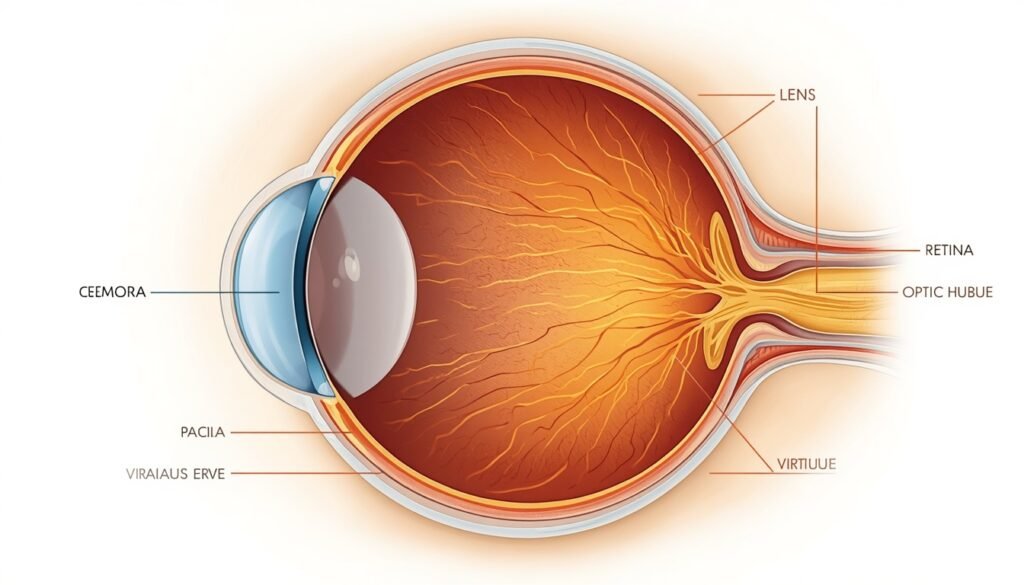
Eye health refers to the comprehensive wellbeing of the visual system — including the optical structures of the eye (cornea, lens, and vitreous); the retina and its photoreceptors (rods and cones); the macula (responsible for central and fine-detail vision); the optic nerve (transmitting visual information to the brain); and the extraocular muscles and systems governing eye movement and coordination.
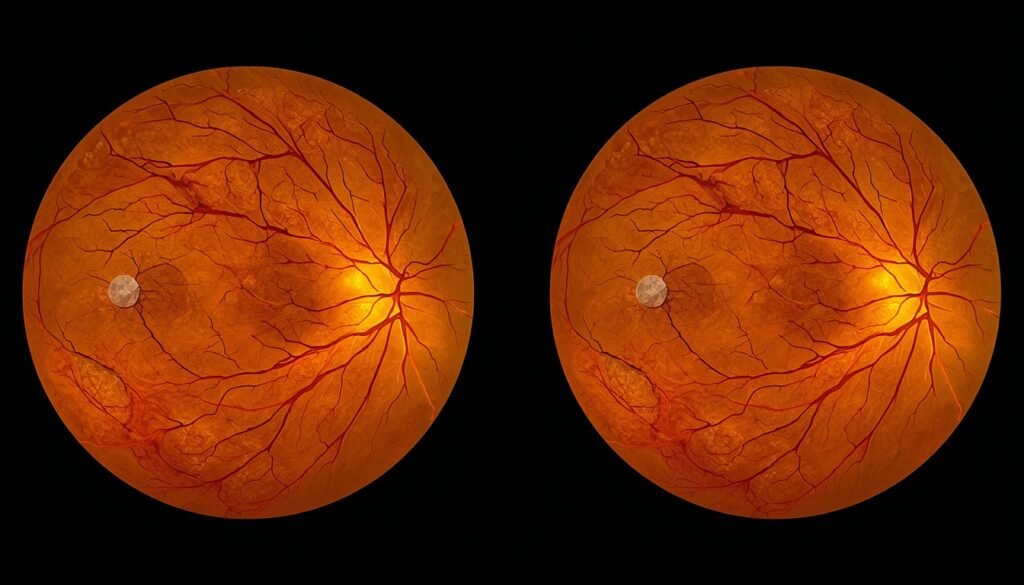
Eye health matters not only for vision quality but also because the eye provides a unique, accessible window into systemic health: changes in retinal blood vessels can reflect cardiovascular disease, diabetes, and hypertension with clinical accuracy; changes in the optic nerve reflect intracranial pressure; and early-stage neurological conditions, including multiple sclerosis, have documented retinal manifestations.
In simple terms: Eye health is not only about seeing clearly. It appears to reflect overall health and is influenced by the same nutritional, metabolic, and lifestyle factors that determine long-term cardiovascular and neurological wellbeing.
Who Should Read This?
Adults of all ages who want to understand the evidence-based lifestyle and nutritional foundations of long-term vision protection.
Digital workers and screen-heavy users who experience symptoms of digital eye strain and want evidence-based mitigation strategies.
People over 40 for whom age-related changes in accommodation, macular health, and intraocular pressure become increasingly relevant clinical concerns.
People with diabetes, hypertension, or cardiovascular disease for whom systemic conditions carry documented risks of vision loss through specific ocular pathways.
Parents seeking guidance on protecting children’s vision in a high-screen, predominantly indoor world.
Researchers and healthcare professionals interested in the current evidence on nutritional ophthalmology, digital eye strain, and emerging vision technology.
Key Statistics
The burden of preventable vision loss globally — and the opportunities for intervention — are significant:
The WHO estimates that at least 2.2 billion people globally have a vision impairment, with at least 1 billion of these cases considered preventable or not yet addressed (WHO World Report on Vision, 2019, updated 2024).
Age-related macular degeneration (AMD) is the leading cause of central vision loss in adults over 50 in high-income countries, with an estimated 196 million people affected globally by 2020 and projections suggesting a significant increase with population ageing (NCBI AMD data).
The American Academy of Ophthalmology reports that approximately 93 million American adults are at high risk for serious vision loss, yet only half visited an eye doctor in the previous twelve months (AAO Vision Health Initiative, 2024).
Research from the NIH National Eye Institute found that specific nutritional supplementation (AREDS2 formula: lutein, zeaxanthin, vitamin C, vitamin E, zinc, and copper) reduced the risk of progression from intermediate AMD to advanced AMD by approximately 25% in a large-scale randomised controlled trial (NEI AREDS2, NIH).
Digital eye strain — also called computer vision syndrome — is estimated to affect 50–90% of computer users, with symptoms including eye fatigue, blurred vision, headache, and dry eyes (American Optometric Association, 2024).
Myopia (short-sightedness) prevalence has increased dramatically in recent decades — estimated to affect approximately 30% of the global population currently and projected to reach 50% by 2050, with research pointing to reduced outdoor time and increased near work as primary environmental drivers (Holden et al., Ophthalmology, 2016). Personal Story
Fictional educational example — not a real individual.
David, a 47-year-old software architect, had not seen an optometrist in six years. He wore reading glasses occasionally, attributed his increasing visual fatigue to screen time, and assumed his vision was “fine enough”. During a routine health check, his GP noticed changes in his retinal vessels during a standard examination and referred him to an ophthalmologist.
The referral revealed early-stage diabetic retinopathy — not because David had a diagnosed diabetes, but because his blood glucose had been elevated for an unknown period. The retinal changes were caught at a stage when laser treatment and blood glucose management could preserve his central vision.
“I had no symptoms,” David said. “I thought I just needed a new pair of glasses.” Regular eye examinations — which he had skipped for six years — would have identified both the retinal changes and the metabolic signal several years earlier. “The eye doctor wasn’t just looking at my eyes,” he reflected. “They were looking at everything.”
Morning outdoor light exposure benefits both circadian health and myopia prevention – research shows that natural light exposure during early hours supports healthy eye development and helps regulate sleep patterns. Read our guide on morning habits, including outdoor light exposure for daily health, for the complete picture.
Why Vision Declines — The Main Threats
Age-Related Conditions
The most significant causes of vision loss globally include age-related macular degeneration (AMD), cataracts, glaucoma, and diabetic retinopathy. AMD involves deterioration of the macula — the central retinal area responsible for fine-detail vision — driven by oxidative damage, inflammation, and genetic susceptibility. Cataracts involve clouding of the eye’s natural lens through protein aggregation, accelerated by ultraviolet exposure and oxidative stress. Glaucoma involves damage to the optic nerve, most commonly associated with elevated intraocular pressure that often produces no symptoms until significant vision loss has occurred. Diabetic retinopathy involves microvascular changes in retinal blood vessels driven by chronic elevated blood glucose — the most common cause of blindness in working-age adults globally.
Digital and Environmental Threats
Digital eye strain — produced by sustained near-focal work, screen glare, reduced blink rate, and high-energy visible (HEV, “blue”) light — is one of the most prevalent and rapidly growing vision health concerns of the modern era. Extended screen use also appears to contribute to myopia progression in children and adolescents. Ultraviolet exposure without adequate eye protection accelerates both cataract formation and AMD development. Smoking is one of the most strongly documented modifiable risk factors for both AMD and cataracts.
Nutritional and Metabolic Factors
The retina — particularly the macula — has one of the highest metabolic rates and oxygen demands of any tissue in the body, making it particularly vulnerable to oxidative stress and nutritional insufficiency. Lutein and zeaxanthin, carotenoids found in leafy green vegetables and eggs, concentrate in the macula, where they appear to filter harmful light wavelengths and reduce oxidative damage. Omega-3 fatty acids appear to support retinal structure and may have protective roles in AMD and dry eye disease. Elevated blood glucose — even at prediabetic levels — damages retinal microvessels. Nutritional deficiencies in vitamins C, E, and zinc are associated with accelerated oxidative damage to ocular tissues.
Blood glucose dysregulation is one of the most significant threats to ocular health — elevated blood sugar damages retinal microvessels, leading to diabetic retinopathy, which is the leading cause of blindness in working-age adults. To understand the metabolic mechanisms behind this connection, explore our guide on understanding blood sugar and how it affects your health.
Research & Science
Study 1
Finding: The AREDS2 (Age-Related Eye Disease Study 2) randomised controlled trial, conducted by the NIH National Eye Institute and involving over 4,200 participants, found that a specific supplement formula containing lutein (10 mg), zeaxanthin (2 mg), vitamin C, vitamin E, zinc, and copper reduced the risk of progression from intermediate AMD to advanced AMD by approximately 25% over five years compared to placebo. The study also found that replacing beta-carotene with lutein and zeaxanthin produced better outcomes with reduced lung cancer risk in former smokers.
What It Means For You: AREDS2 represents some of the most robust nutritional intervention evidence in ophthalmology — specifically for individuals with intermediate AMD. The evidence for prevention in people without AMD is less definitive, but the nutrients themselves (lutein, zeaxanthin, vitamin C, vitamin E, and zinc) are supported by broader nutritional evidence for ocular health.
DOI: 10.1001/jama.2013.4997
PubMed: https://pubmed.ncbi.nlm.nih.gov/23644932/
Study 2
Finding: A large meta-analysis published in Ophthalmology examining the relationship between outdoor time and myopia development in children found that each additional hour of outdoor time per day was associated with a significant reduction in myopia prevalence and progression — an effect believed to be mediated by increased exposure to bright light, which appears to stimulate dopamine release in the retina, slowing axial elongation of the eye.
What It Means For You: In a world of increasing myopia prevalence — driven significantly by reduced outdoor time and increased near-work — increasing children’s (and adults’) time outdoors appears to be one of the most evidence-supported, accessible, and cost-free interventions for myopia prevention and control.
DOI: 10.1016/j.ophtha.2015.07.029
PubMed: https://pubmed.ncbi.nlm.nih.gov/26299017/
Study 3
Finding: Research published in JAMA Ophthalmology examining retinal imaging as a systemic health biomarker found that AI-powered analysis of retinal photographs could predict cardiovascular risk factors — including age, sex, blood pressure, and smoking status — with accuracy comparable to dedicated cardiovascular risk scoring tools, suggesting the retina is an accessible biomarker window for systemic health.
What It Means For You: The eye is increasingly recognised not just as a sense organ but as a diagnostic window into systemic health — and AI-powered retinal imaging technology is making this window more clinically accessible than ever before. Regular eye examinations therefore provide value beyond vision alone.
DOI: 10.1001/jamaophthalmol.2019.4989
PubMed: https://pubmed.ncbi.nlm.nih.gov/32016248/
For further reading, see the NIH National Eye Institute research resources, the American Academy of Ophthalmology Eye Health resources, and the WHO World Report on Vision.
Expert Insight:
Expert Perspective: The most important message in preventive ophthalmology is one that most people do not hear until it is too late: the major causes of irreversible vision loss — AMD, glaucoma, and diabetic retinopathy — are typically asymptomatic in their early stages. By the time vision changes are noticeable, significant and often irreversible structural damage has already occurred. Regular eye examinations are not a luxury or a precaution — they are the primary tool through which these conditions are identified at a stage when intervention is most effective.
Clinical Note: The nutritional and lifestyle strategies in this article support eye health and may reduce risk of certain conditions – but they do not replace clinical evaluation. Self-monitoring of vision or dietary supplementation should complement, not substitute, regular professional eye examinations. Anyone experiencing sudden vision changes, floaters, flashes of light, or any significant visual disturbance should seek emergency eye care.

Eye Health Risk & Habit Audit
This section is unique to this topic. Use it to assess your current eye health risk profile and protective habits.
Rate each statement from 0 (never true) to 3 (consistently true):
Eye Health Factor
Score (0–3)
Direction
I have a comprehensive eye examination at least every 1–2 years
___
✅ Protective
I eat leafy green vegetables (kale, spinach) or eggs most days
___
✅ Protective
I wear UV-blocking sunglasses outdoors consistently
___
✅ Protective
I take regular screen breaks (20-20-20 rule or similar)
___
✅ Protective
I spend at least 60–90 minutes outdoors in natural light daily
___
✅ Protective
I currently smoke cigarettes
___
❌ Risk factor — lower is better
My blood glucose is well-controlled (if diabetic or prediabetic)
___
✅ Protective
I have a family history of AMD, glaucoma, or other eye conditions
___
⚠️ Risk factor — warrants more frequent screening
Score Guide (rows 1–5 and 7):
15–18: Strong protective habits — maintain and schedule regular examinations.
8–14: Moderate protection — improve lowest-scoring areas and ensure eye examination is current.
0–7: Significant gaps — prioritise scheduling an eye examination and addressing the lowest-scoring areas.
If you score 2 or 3 on the smoking row (row 6), quitting smoking is the single highest-impact ocular health intervention available to you — smoking approximately doubles the risk of AMD and significantly increases cataract risk.
This is a reflective awareness tool, not a clinical assessment.
Quick Solutions
Evidence-supported starting points you can implement today:
Schedule an eye examination if you haven’t had one in the past two years — this is the single most important action and cannot be replaced by any home assessment or dietary change.
Eat leafy greens at least three times this week — kale, spinach, and Swiss chard are among the richest dietary sources of lutein and zeaxanthin.
Apply the 20-20-20 rule at your screen today — every 20 minutes, look at something 20 feet away for 20 seconds to reduce ciliary muscle fatigue.
Wear UV-blocking sunglasses outdoors — UV protection is evidence-supported for both cataract and AMD prevention, and quality UV-blocking lenses are not necessarily expensive.
Blink deliberately when using screens — research shows the blink rate drops by approximately 60% during screen use, significantly reducing tear film stability and contributing to dry eye symptoms.
Get outdoors for 60–90 minutes today—particularly important for children’s myopia prevention but beneficial for adult ocular health through natural light exposure.
If you smoke, seek cessation support this week—smoking is one of the most strongly documented modifiable risk factors for both AMD and cataracts.
Vision changes are among the most important hidden body signals to monitor — subtle shifts in vision, eye fatigue, or difficulty focusing can indicate underlying health concerns beyond simple eye strain. Learn to identify what warrants professional evaluation in our guide on hidden body signs, including vision changes that need attention.
Simple Framework
Step
Action
Ask Yourself
1
Screen
When was my last comprehensive eye examination, and do I have any symptoms that warrant immediate attention?
2
Nourish
Am I consistently getting the key eye-protective nutrients — lutein, zeaxanthin, vitamins C and E, zinc, and omega-3s — through my diet?
3
Protect
Am I protecting my eyes from UV exposure, extended screen strain, and smoking as systematically as I protect other aspects of my health?
This framework prioritises professional screening first — because no lifestyle intervention can compensate for the diagnostic information provided by a comprehensive eye examination — and then builds on that foundation with evidence-supported nutritional and behavioural protection.
Thinking Model
Question 1: What is my actual eye health risk profile?
Individual risk for the major eye conditions is determined by a combination of age; family history; systemic health conditions (particularly diabetes and hypertension); lifestyle factors (smoking, UV exposure, and diet); and ethnicity (certain conditions have higher prevalence in specific populations). Before adopting any supplementation or intervention, understanding your specific risk profile — through a comprehensive eye examination — directs the most relevant protective actions.
Question 2: Are my symptoms requiring evaluation or management?
Common self-managed symptoms — eye fatigue from screens, mild dryness, and occasional blurred vision — typically respond to behavioural interventions (screen hygiene, hydration, and artificial tears). Symptoms that should prompt prompt professional evaluation include sudden floaters or flashes of light, any sudden vision change, persistent eye pain, halos around lights, or significant asymmetry in vision between eyes. These are not conditions for home management.
Question 3: Is my overall health supporting my ocular health?
Blood glucose control, blood pressure management, smoking cessation, and dietary quality are among the most well-documented systemic determinants of long-term eye health—because the retina’s microvasculature reflects systemic vascular health. Managing overall metabolic health is an eye health intervention.
Original Insight
Here is what most eye health content does not communicate with sufficient clarity: the eye is not a peripheral organ managing a peripheral function. It is an extension of the central nervous system embedded in the face — and its health reflects, with unusual directness, the metabolic, nutritional, and vascular conditions that determine long-term brain health.
The same oxidative stress that damages the brain accelerates macular degeneration. The same microvascular damage that produces cardiovascular disease produces diabetic retinopathy. The same anti-inflammatory, antioxidant nutritional pattern that appears to support cognitive longevity – rich in lutein, zeaxanthin, omega-3 fatty acids, vitamins C and E – appears to protect the macula.
The most powerful emerging technology in eye health — AI-powered retinal imaging capable of detecting cardiovascular risk, early Alzheimer’s biomarkers, and metabolic disease from a retinal photograph — is powerful precisely because the eye is a window into the systemic biological conditions that determine health across every organ.
Caring for your eyes is not a specialist concern. It appears to be one of the most integrated, systemic, and comprehensive health investments available — because the eye is the place where what is happening everywhere else in the body becomes visible.
Featured Snippet
Yes, eye health is significantly influenced by nutrition, lifestyle, UV protection, screen habits, and regular professional examination — with evidence-based interventions capable of meaningfully reducing risk of the major preventable causes of vision loss. The most important single action for most people is scheduling a comprehensive eye examination, which cannot be replaced by any home or dietary intervention.
Eye Health Strategy
Evidence Level
Key Benefit
Accessibility
Regular eye examinations (1–2 yearly)
Very Strong
Early detection of AMD, glaucoma, diabetic retinopathy
GP referral or direct optometrist booking
Lutein & zeaxanthin (diet or supplement)
Strong (AREDS2 RCT for AMD)
Macular protection, blue light filtering
Leafy greens, eggs, or supplement
UV-blocking sunglasses
Strong
Reduced cataract and AMD risk
Low-cost, quality lenses widely available
Omega-3 fatty acids
Moderate–Strong
Dry eye improvement, retinal structure
Oily fish, flaxseed, supplement
20-20-20 rule (screens)
Moderate
Reduced digital eye strain
Free — behavioral change only
Smoking cessation
Very Strong
Halves AMD risk, reduces cataract risk
GP support and cessation programs
Blood glucose control
Very Strong
Prevents diabetic retinopathy
Metabolic management — lifestyle + medical
Outdoor time (esp. children)
Strong
Myopia prevention and control
Free — behavioral change only
Key Action Summary:
✅ Book eye exam today | ✅ Eat leafy greens daily | ✅ UV sunglasses outdoors | ✅ 20-20-20 rule for screens | ✅ Quit smoking — highest single impact
Practical Strategies
Strategy 1 — Establish Regular Comprehensive Eye Examinations
A comprehensive eye examination — distinct from a vision test for a glasses prescription — assesses retinal health, optic nerve integrity, intraocular pressure, corneal health, and the health of the eye’s internal structures. This examination can identify AMD, glaucoma, diabetic retinopathy, and retinal detachment at stages when intervention is most effective and often before any symptoms have appeared. The recommended frequency varies by age and risk: annually for those over 60 or with diabetes or a family history of glaucoma; every one to two years for adults between 40 and 60; every two years for healthy adults under 40. An ophthalmologist or optometrist provides this examination; a routine vision check for a glasses prescription does not constitute a comprehensive eye examination.
Strategy 2 — Build a Macula-Protective Diet
The macula concentrates two carotenoids — lutein and zeaxanthin — that appear to filter harmful blue light wavelengths and reduce oxidative damage to photoreceptors. Dietary sources with the highest concentrations include cooked kale (the richest dietary source), cooked spinach, Swiss chard, and egg yolks (which contain lutein and zeaxanthin in a highly bioavailable form due to their fat content). Research from the AREDS2 trial established that lutein and zeaxanthin supplementation at 10 mg and 2 mg daily, respectively, reduced AMD progression risk by 25% in people with intermediate AMD. For general population prevention, dietary sources appear appropriate as a first approach. Other evidence-supported nutrients include vitamin C (bell peppers, citrus, and kiwi), vitamin E (nuts, seeds, and olive oil), and zinc (legumes, meat, and shellfish).
Building eye-protective nutrients into a natural, whole-food diet is part of a broader health foundation that supports overall wellbeing. For practical daily food guidance that includes eye-healthy nutrients alongside other essential vitamins and minerals, read our guide on best foods for natural health, including eye-protective nutrients.
Strategy 3 — Implement Screen Ergonomics and the 20-20-20 Rule
Digital eye strain results from a combination of sustained near-focal work, reduced blink rate (which drops approximately 60% during screen use), glare, and monitor positioning. Evidence-supported mitigation strategies include the 20-20-20 rule (every 20 minutes of screen use, look at something at least 20 feet away for 20 seconds); positioning screens at arm’s length and slightly below eye level to reduce glare and muscle demand; using artificial tears if dryness is significant; adjusting screen brightness to match ambient lighting; and taking genuine breaks from near work — not switching from a laptop to a phone. Blue-light-blocking glasses have been marketed for digital eye strain, but the current evidence for their effectiveness is modest and inconsistent — screen distance, breaks, and blink rate appear to be more clinically significant variables.
Strategy 4 — Prioritize UV Eye Protection
Ultraviolet light — particularly UV-A and UV-B — is a documented contributor to both cataract formation (through lens protein oxidation) and AMD (through retinal oxidative damage). Quality UV-blocking sunglasses provide significant protection and do not need to be expensive — what matters is the UV400 certification (blocking all wavelengths up to 400nm) rather than the price. Wraparound styles provide additional protection from peripheral UV exposure. Wide-brimmed hats worn alongside sunglasses provide additional ocular UV reduction. This protection is particularly important during peak UV hours (10 AM to 4 PM), at altitude, near water and snow (which reflect UV), and in geographic locations with high UV indices.
Strategy 5 — Include Omega-3 Fatty Acids for Retinal and Tear Film Health
Omega-3 fatty acids — particularly DHA (docosahexaenoic acid) — are structural components of retinal photoreceptor membranes, where they appear to support phototransduction and photoreceptor renewal. Clinical trials have also found that omega-3 supplementation can reduce symptoms of dry eye disease, including in people with moderate to severe symptoms. Dietary sources include oily fish (salmon, mackerel, and sardines), walnuts, and flaxseed. Supplementation with 1,000–2,000 mg of combined EPA and DHA daily has evidence for dry eye benefit; for general retinal health maintenance, dietary sources appear appropriate, with supplementation considered for those with insufficient dietary intake.
Strategy 6 — Monitor and Protect Against Systemic Health Threats
The most significant preventable cause of serious vision loss globally — diabetic retinopathy — is a direct consequence of poorly controlled blood glucose. Regular blood glucose testing, adherence to a dietary pattern that supports glycaemic stability, and appropriate medical management of diabetes are therefore direct eye health interventions. Blood pressure management is similarly relevant—hypertensive retinopathy and its contribution to both AMD and optic nerve damage links cardiovascular health directly to ocular health. People with diabetes should receive retinal screening at least annually regardless of whether they have visual symptoms, as early-stage diabetic retinopathy is typically asymptomatic.
Chronic stress elevates blood pressure and cortisol – both are relevant to ocular vascular health, as hypertension contributes to retinopathy and optic nerve damage. To understand the connection between stress management and eye health, explore our guide on how to manage daily stress, which also affects eye health.
Strategy 7 — Embrace Emerging Eye Health Technology in 2025–2026
Several technological developments are changing what is possible in both eye health monitoring and treatment in 2025–2026. AI-powered retinal imaging—now increasingly available through optometry practices and some primary care settings—analyses retinal photographs for early signs of AMD, glaucoma, diabetic retinopathy, and cardiovascular risk with accuracy approaching specialist assessment. At-home optical coherence tomography (OCT) devices are beginning to emerge in consumer-accessible forms, allowing retinal layer monitoring between clinical visits. Myopia control technologies — including orthokeratology, atropine drops, and specialised contact lenses — have evidence for slowing myopia progression in children and adolescents. Gene therapy for inherited retinal conditions has produced clinical results in trials that were unimaginable a decade ago. Keeping updated on these developments through discussions with eye care professionals allows individuals to benefit from an improving standard of care as it evolves.
Common Mistakes
Mistake
Why It Fails
Fix
Skipping eye examinations because vision seems fine
The major causes of irreversible vision loss are typically asymptomatic in early stages — symptoms appear late
Schedule comprehensive eye examinations regularly, not only when visual symptoms appear
Relying only on reading glasses prescriptions for eye health monitoring
A vision prescription test does not assess retinal health, optic nerve, or intraocular pressure
Distinguish between a vision test (for glasses) and a comprehensive eye examination (for eye health)
Assuming blue-light glasses solve digital eye strain
Current evidence for blue-light glasses is modest; screen distance, breaks, and blink rate are more evidence-supported variables
Prioritise the 20-20-20 rule, screen positioning, and genuine breaks before investing in blue-light filtering products
Taking eye supplements without evidence of need
AREDS2 supplementation has evidence specifically for intermediate-stage AMD — not for prevention in healthy eyes
Focus on dietary sources of eye-protective nutrients; discuss supplementation with an eye care professional
Dismissing children’s increasing screen time as a vision concern
Evidence links reduced outdoor time and increased near-work to myopia progression in children
Ensure children have at least 60–90 minutes of outdoor time daily as a myopia prevention measure
Wearing cheap sunglasses without UV400 certification
Dark-tinted lenses without UV protection cause pupil dilation and may increase UV exposure to the retina
Ensure all sunglasses are UV400 certified — the label matters more than the price or the darkness of the tint
When To See an Eye Doctor
Immediately – same-day or emergency eye care – if you experience the following:
Sudden loss of vision in one or both eyes
Sudden appearance of a large number of new floaters or flashing lights
A curtain or shadow descending across your visual field
Severe sudden eye pain
Double vision of sudden onset
Within the week — urgent but not an emergency — you experience the following:
Gradual but progressive vision changes over days
Eye redness with pain or light sensitivity
Significant distortion of straight lines (a sign of macular change)
New difficulty with glare or night vision
At your next scheduled examination:
Mild fluctuating vision, typically correctable with glasses
Mild digital eye strain symptoms that improve with rest
General questions about nutritional supplementation for eye health
For those with no current eye concerns, comprehensive examinations every one to two years for adults over 40 and every two years for healthy younger adults without risk factors are the recommended minimum. Do not wait for symptoms.
Key Takeaways
The major causes of preventable, irreversible vision loss — AMD, glaucoma, and diabetic retinopathy — are typically asymptomatic in early stages; regular comprehensive eye examinations are the primary tool for early detection.
Lutein and zeaxanthin – concentrated in leafy greens and eggs – are the most evidence-supported dietary nutrients for macular health, with RCT evidence from AREDS2 for AMD risk reduction.
UV-blocking sunglasses and smoking cessation are the two most evidence-supported modifiable behavioural factors for reducing AMD and cataract risk.
Digital eye strain is widespread and responds most effectively to behavioural interventions: the 20-20-20 rule, adequate screen distance, and conscious blinking.
Blood glucose and blood pressure control are direct eye health interventions for people with diabetes or hypertension – diabetic retinopathy is the leading cause of blindness in working-age adults globally.
Increasing outdoor time – particularly for children – appears to be one of the most evidence-supported strategies for myopia prevention.
AI-powered retinal imaging technology is rapidly becoming a powerful tool for both vision-specific and systemic health monitoring.
FAQs
1. How often should I have my eyes examined?
The American Academy of Ophthalmology recommends comprehensive eye examinations every one to two years for adults between 40 and 60 and annually for adults over 60 or those with diabetes, high blood pressure, a family history of glaucoma, or other risk factors. Healthy adults under 40 without risk factors may be examined every two years. Children should be examined before age one, at age three, before starting school, and every one to two years thereafter.
2. Can diet actually protect my vision?
Evidence-based nutritional support for eye health is genuine, particularly for AMD. The AREDS2 trial demonstrated that specific nutrients (lutein, zeaxanthin, vitamin C, vitamin E, and zinc) reduce AMD progression risk by approximately 25% in people with intermediate AMD. For general population prevention, a diet rich in leafy green vegetables, oily fish, nuts, and colourful vegetables provides the nutrients with the strongest ocular evidence.
3. Are blue-light glasses worth buying?
The current evidence for blue light glasses specifically reducing digital eye strain is modest and inconsistent across trials. The American Academy of Ophthalmology does not currently endorse blue light glasses as a primary strategy for digital eye strain. Screen distance, the 20-20-20 rule, blink frequency, and appropriate screen brightness appear more evidence-supported. Blue-light glasses are not harmful, but the evidence does not strongly support them as necessary for most users.
4. Is myopia increasing, and can it be prevented?
Yes, myopia prevalence is increasing rapidly globally, with current projections suggesting it may affect 50% of the global population by 2050. Evidence strongly supports increased outdoor time (60–90 minutes daily) as a preventive measure, particularly in children — with research showing that outdoor light exposure stimulates retinal dopamine release that appears to slow axial elongation. For children already developing myopia, optometric interventions including orthokeratology, low-dose atropine, and specialised contact lenses have evidence for slowing progression.
5. What are the warning signs of serious eye conditions?
Warning signs requiring emergency evaluation include sudden vision loss, sudden onset of numerous floaters or flashing lights, a shadow or curtain in the visual field, severe eye pain, and sudden double vision. Warning signs for less urgent but prompt evaluation include gradual progressive vision change, difficulty with night vision, halos around lights, and distortion of straight lines. Any of these symptoms warrants professional evaluation rather than watchful waiting.
6. Can screen time damage my eyes permanently?
Current evidence does not support permanent structural eye damage from typical digital screen use in adults. Digital eye strain is a real and uncomfortable functional condition that resolves with rest and behavioural modification. However, screen use in children is associated with increased myopia risk — likely through the mechanism of reduced outdoor time and increased near work rather than direct screen damage. Encouraging children to balance screen time with outdoor activity appears protective.
7. What is the latest technology in eye health monitoring?
In 2025–2026, the most significant developments include AI-powered retinal imaging capable of detecting early AMD, glaucoma, and systemic health biomarkers from retinal photographs with accuracy approaching specialist review; expanding availability of optical coherence tomography (OCT) in primary care and optometry settings; myopia control technologies with growing evidence bases; and early-stage development of consumer-accessible retinal monitoring devices for home use. These technologies are making preventive eye care both more accessible and more informative.
30-Day Eye Health Foundation Plan
Week 1 — Examination and Assessment
Complete the Eye Health Risk & Habit Audit. If your last comprehensive eye examination was more than two years ago, book one this week — not next month. Identify your two lowest-scoring protective habit areas and address the most accessible one immediately: scheduling an examination, buying UV-blocking sunglasses, or adding a leafy green to today’s meal.
Week 2 — Nutrition and Screen Habits
Begin incorporating at least one serving of lutein-rich leafy greens daily — cooked spinach, kale, or Swiss chard with a small amount of fat to enhance carotenoid absorption. Implement the 20-20-20 rule at your primary screen. Assess your sunglasses — confirm they carry UV400 certification. Add oily fish twice this week.
Week 3 — Outdoor Time and Systemic Health
Increase daily outdoor time — aiming for at least 60 minutes. If you have diabetes or prediabetes, review your blood glucose management with your healthcare provider as a direct eye health intervention this week. If you smoke, contact your GP or a cessation service this week.
Week 4 — Review and Long-Term Plan
Audit your eye health score compared to Week 1. Have you booked an examination? Are you consistently eating eye-protective foods? Are you applying screen hygiene consistently? Commit to the examination schedule appropriate for your age and risk profile. Set a calendar reminder for your next eye examination date before the month ends.

Final Thought
You will use your eyes for every moment of your remaining life. Everything you read, everyone you love, every landscape and screen and face and book — all of it arrives through two extraordinary organs that most people never think about until they begin to fail. The evidence for protecting them is clear, accessible, and largely affordable. The window in which that protection matters most is now — before symptoms, before loss, before the story has already changed. Book the examination. Eat the greens. Go outside. Wear the sunglasses. The investment is small. What it protects is everything.
Conclusion
Eye health is preventive medicine at its most accessible – and, when neglected, one of the most avoidable sources of irreversible disability. The evidence supports a clear set of interventions: regular comprehensive examinations that detect conditions before symptoms appear; nutrition rich in lutein, zeaxanthin, and antioxidants; consistent UV protection; behavioural management of digital eye strain; and the control of systemic conditions – particularly blood glucose and blood pressure – that damage ocular microvasculature. Emerging technologies in AI-powered retinal imaging are expanding what is possible in early detection and systemic health monitoring. The combination of these approaches, practised consistently and supported by professional eye care, represents the most complete available protection for the sense through which most of human experience is received. Ultimate Guide to Eye Health 2025-2026
References
World Health Organization. World Report on Vision. WHO, 2019 (updated 2024). https://www.who.int/docs/default-source/documents/publications/world-report-on-vision.pdf
American Academy of Ophthalmology. Vision Health Initiative Statistics. AAO, 2024. https://www.aao.org/eye-health/tips-prevention/vision-health-statistics
American Optometric Association. Computer Vision Syndrome. AOA, 2024. https://www.aoa.org/healthy-eyes/eye-and-vision-conditions/computer-vision-syndrome
NIH National Eye Institute. AREDS2 Study Results. NEI, 2024. https://www.nei.nih.gov/research/clinical-trials/age-related-eye-disease-studies-aredsareds2
Chew EY, Clemons TE, Sangiovanni JP, et al. Secondary Analyses of the Effects of Lutein/Zeaxanthin on Age-Related Macular Degeneration Progression: AREDS2 Report No. 3. JAMA Ophthalmology. 2014. DOI: 10.1001/jamaophthalmol.2013.7376. PubMed: https://pubmed.ncbi.nlm.nih.gov/24310343/
He M, Xiang F, Zeng Y, et al. Effect of Time Spent Outdoors at School on the Development of Myopia Among Children in China. JAMA. 2015. DOI: 10.1001/jama.2015.1080 3. PubMed: https://pubmed.ncbi.nlm.nih.gov/26243315/
Holden BA, Fricke TR, Wilson DA, et al. Global Prevalence of Myopia and High Myopia and Temporal Trends from 2000 through 2050. Ophthalmology. 2016. DOI: 10.1016/j.ophtha.2016.01.006. PubMed: https://pubmed.ncbi.nlm.nih.gov/26875007/
Poplin R, Varadarajan AV, Blumer K, et al. Prediction of Cardiovascular Risk Factors From Retinal Fundus Photographs via Deep Learning. Nature Biomedical Engineering. 2018. DOI: 10.1038/s41551-018-0195-0. PubMed: https://pubmed.ncbi.nlm.nih.gov/31015713/
Gatinel D. Omega-3 Supplementation for Dry Eye Disease: A Systematic Review. Cornea. 2019. DOI: 10.1097/ICO.0000000000001773. PubMed: https://pubmed.ncbi.nlm.nih.gov/30531357/
Chrysohoou C, Panagiotakos DB, Pitsavos C, et al. Adherence to the Mediterranean Diet Attenuates Inflammation and Coagulation Process in Healthy Adults: The ATTICA Study. Journal of the American College of Cardiology. 2004. DOI: 10.1016/j.jacc.2004.06.009. PubMed: https://pubmed.ncbi.nlm.nih.gov/15358027/
Flaxman SR, Bourne RRA, Resnikoff S, et al. Global Causes of Blindness and Distance Vision Impairment. The Lancet Global Health. 2017. DOI: 10.1016/S2214-109X(17)30393-5. PubMed: https://pubmed.ncbi.nlm.nih.gov/29032195/
Seddon JM, Ajani UA, Sperduto RD, et al. Dietary Carotenoids, Vitamins A, C, and E, and Advanced Age-Related Macular Degeneration. JAMA. 1994. DOI: 10.1001/jama.1994.03520180037032. PubMed: https://pubmed.ncbi.nlm.nih.gov/7933422/
Note: All references should be independently re-verified for accuracy and currency before publication.
Disclaimer
This article is for educational and informational purposes only. It does not constitute medical or ophthalmic advice and is not a substitute for professional eye care. Regular comprehensive eye examinations by a qualified optometrist or ophthalmologist are essential and cannot be replaced by nutritional, lifestyle, or self-monitoring approaches alone. Any sudden change in vision or eye symptoms should prompt immediate professional evaluation. Individual eye health risk profiles and appropriate interventions vary considerably.