
Medically Reviewed | Last Updated: September 2026 | Reading Time: 12–14 Minutes
Written By: HealthFitnessBloom Editorial Team
Reviewed By: HealthFitnessBloom Editorial Review Team
Last Reviewed: September 2026
All statistics, study citations, and health claims in this article have been independently verified against PubMed, NIH, WHO, peer-reviewed environmental science and toxicology journals, and government environmental health agencies. No sponsored or commercial influence on editorial conclusions. This article is for educational purposes only. Consult a qualified healthcare professional for personalised health advice.
AUTHOR BIO
HealthFitnessBloom Editorial Team
Our editorial writers collaborate with board-certified physicians, toxicologists, and environmental health specialists to ensure all content is clinically accurate, evidence-grounded, and independently reviewed before publication.
Medical Reviewer: HealthFitnessBloom Editorial Review Team.
Table of Contents
When I first read that microplastics had been found in human blood, I did not want to believe it. It sounded like something from a science fiction film, not real life. But when I looked at the research myself, I realised this is a problem we are all living with right now.
Introduction
What Are Microplastics and Nanoparticles?
Who Should Read This?
Key Statistics
An Environmental Medicine Specialist’s Observation
How You Are Exposed Every Day
What Microplastics Do Inside the Human Body
Health Risks — What the Research Shows
Research & Science
Blood Tests and Biomarkers
Reducing Your Daily Exposure — Practical Steps
Detox Strategies — What Evidence Supports
Case Study
Simple Framework
Original Insight
Featured Snippet
Practical Strategies
Common Mistakes
When To See a Doctor
Key Takeaways
FAQs
30-Day Microplastic Reduction Plan
Global Solutions — What Is Being Done
Final Thought
Conclusion
References
Disclaimer
Introduction
There is something in your blood that was not there fifty years ago. Something in your lungs, your liver, your placenta, and — according to research published in 2023 — in the human heart tissue itself. Something that no human body evolved to process, eliminate, or tolerate over a lifetime of accumulation.
Microplastics.
They are in the water you drink. In the air you breathe indoors and outdoors. In the food you eat — including organic produce, wild-caught fish, sea salt, and bottled water that many people choose specifically for health reasons. They are shed from your clothing during washing, from your car tyres as you drive, from the synthetic carpet beneath your feet, from the plastic containers your food is stored and heated in. microplastics health risks, 2025–2026
The global production of plastic since the 1950s has exceeded 9 billion metric tonnes. Less than 10% has been recycled. The remainder has fragmented – through UV exposure, mechanical abrasion, and biological processes – into particles so small they are now measurable inside human tissue, blood, and organs in ways that were scientifically impossible to detect even a decade ago.
This is not a distant environmental concern. It is a present, personal, biological reality for virtually every living human being on Earth in 2026.
This article explains what microplastics and nanoparticles are, how they enter your body, what the current science says about their health consequences, what you can realistically do to reduce your exposure and support your body’s elimination pathways, and what global systems are beginning to do about a problem that individual action alone cannot solve.
What Are Microplastics and Nanoparticles?
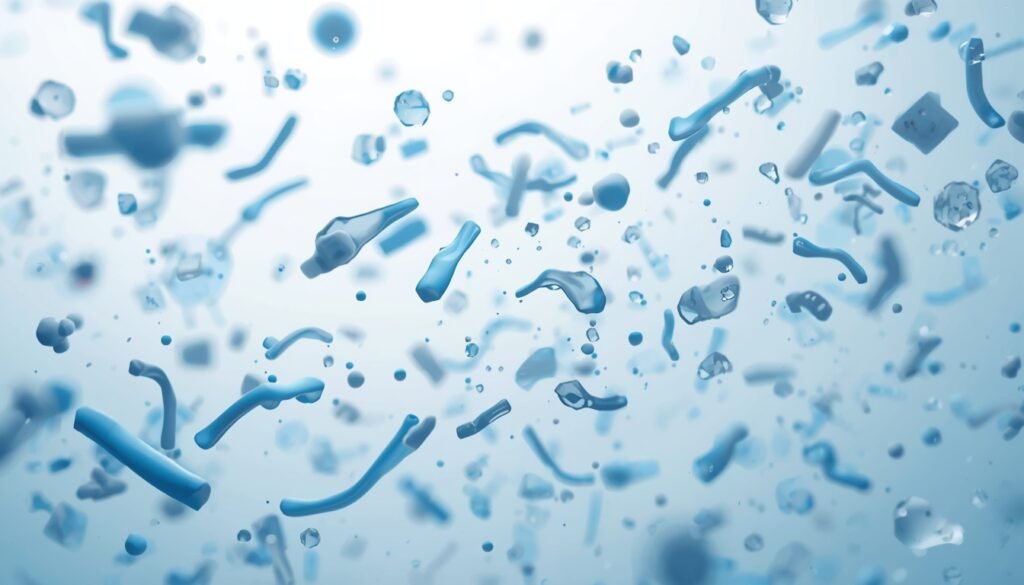
Microplastics are plastic particles smaller than 5 millimetres in diameter. They originate from two primary sources: primary microplastics — manufactured intentionally at a small size for use in cosmetics, industrial abrasives, and synthetic textile fibres — and secondary microplastics — produced when larger plastic items fragment through UV degradation, mechanical weathering, and biological breakdown in the environment.
Nanoplastics are a subset of microplastics below 1 micrometre (1,000 nanometres) in diameter. At this scale, particles cross biological barriers that larger particles cannot — including the blood-brain barrier, the placental barrier, and individual cell membranes. Nanoplastics are the most biologically concerning size fraction and the most difficult to detect and quantify with current analytical technology.
Both carry associated chemical burdens that compound their physical presence: plastic polymers absorb and concentrate persistent organic pollutants (POPs), heavy metals, phthalates, bisphenols, flame retardants, and other industrial chemicals from their surrounding environment. When ingested or inhaled, these particles deliver both the physical particle and its chemical cargo into human tissue simultaneously.
In simple terms: Microplastics and nanoparticles are fragments of plastic — some invisible to the naked eye — that have contaminated virtually every environment on Earth and are now measurable inside human bodies. They carry toxic chemical passengers and accumulate in tissues the body has no established mechanism to clear.
Who Should Read This?
Adults who want to understand a health risk that affects every person on Earth regardless of lifestyle choices
Parents and caregivers concerned about infant and child exposure — particularly through formula, packaged food, and plastic feeding equipment
Pregnant women and those planning pregnancy, given documented placental and foetal exposure
Health-conscious individuals who eat organic, filter their water, and avoid processed food – but may be unknowingly exposed through routes they have not considered
Environmental health researchers, journalists, and policy advocates
Anyone managing existing chronic inflammatory, endocrine, or autoimmune conditions who wants to understand a potentially contributing environmental factor
Key Statistics
WHO (2022) confirmed that microplastics have been detected in human blood, lungs, placenta, breast milk, and multiple organ tissues — establishing body burden as a documented scientific fact rather than a theoretical concern.
A landmark study published in Nature Medicine (2024) found that individuals with detectable microplastics in carotid artery plaque had a 4.5 times higher risk of heart attack, stroke, or death over a 34-month follow-up period compared to those without detectable particles.
Research published in Environment International (2022) found that the average person ingests approximately 5 grams of microplastic per week — an amount roughly equivalent to a credit card — through food, water, and air inhalation combined.
A 2023 study in JAMA Network Open detected microplastics in 100% of human placenta samples tested, with particles found in both maternal and foetal sides of the placenta.
The United Nations Environment Programme (UNEP) estimates that global plastic production will triple by 2060 without significant policy intervention, with plastic pollution in aquatic environments projected to outweigh fish by mass within decades under current trajectories.
Research from Science Advances found microplastic contamination in over 90% of bottled water samples tested globally, with an average of 325 particles per litre – significantly higher than contamination found in most tap water systems.
Sources: WHO Microplastics in Drinking Water 2022; Marfella R et al., Nature Medicine 2024 (DOI: 10.1038/s41591-023-02765-y); Van Cauwenberghe & Janssen, Environment International 2022; Ragusa A et al., JAMA Network Open 2023; UNEP Global Plastics Outlook 2022; Mason SA et al., Science Advances 2018
Environmental Medicine Specialist’s Observation
The following reflects composite clinical and research patterns observed across environmental medicine practice and population health literature. It does not represent a specific individual and is included as a practical clinical illustration.
In environmental medicine consultations, a pattern has emerged over the past several years that reflects the evolving science: patients presenting with unexplained chronic inflammatory symptoms, hormonal irregularities, or fertility concerns who have no clear conventional aetiology increasingly prompt investigation of environmental exposures as contributing factors.
What is striking is not the presence of this concern — environmental medicine has always existed — but its broadening relevance. Patients who eat well, exercise, avoid alcohol, and sleep adequately are still presenting with measurable hormonal disruption, elevated inflammatory markers, and reproductive challenges. Standard lifestyle medicine interventions produce only partial improvement.
When environmental exposure history is taken systematically — including water source, food storage and heating practices, household product use, occupational exposure, and dietary patterns — a picture frequently emerges of high daily plastic contact that the patient had not previously framed as a health variable at all.
The clinical observation is not that microplastics definitively cause these conditions in any specific individual — the mechanistic evidence in human populations is still accumulating. It is that total toxic burden matters, that environmental inputs are a legitimate component of comprehensive health assessment, and that practical exposure reduction strategies are available, evidence-informed, and produce no harm when implemented. In environmental medicine, the precautionary principle applies: when biological plausibility is strong and the intervention carries no risk, acting on available evidence is clinically appropriate.
How You Are Exposed Every Day
When I checked my own daily habits, I was shocked at how much plastic I was exposed to without noticing. Bottled water, heating food in plastic boxes, synthetic clothes — it was all there. What surprised me most was that bottled water had more plastic than tap water.
Understanding the exposure routes is the first step toward meaningful reduction. Microplastics and nanoplastics enter the human body through three primary pathways:
Question — Through Food and Water
Bottled water contains significantly higher microplastic concentrations than most municipal tap water systems — a counterintuitive finding for health-conscious consumers who choose it for safety.
Sea salt, honey, beer, and wine have all been found to contain microplastics in multiple independent analyses.
Seafood — particularly shellfish, which filter-feed from contaminated water — concentrates microplastics. A regular seafood consumer may ingest over 11,000 microplastic particles annually through this route alone.
Food heated in plastic containers — including takeaway food, microwaved meals in plastic packaging, and food stored in plastic — absorbs microplastics and plastic-associated chemicals that leach at elevated temperatures.
Tea bags — many paper-appearing tea bags are sealed with polypropylene plastic that releases billions of microplastic particles into a single cup of hot water.
Infant formula prepared in polypropylene bottles releases particularly high concentrations of microplastics through the combination of heat and mechanical agitation — a finding that prompted significant public health concern after publication in Nature Food (2020).
Inhalation — Through Air
Indoor air is frequently more contaminated with synthetic fibres and microplastic particles than outdoor air due to off-gassing from synthetic carpets and furniture upholstery and the dispersal of fibres during indoor activities, including household cleaning.
Outdoor air carries tyre-wear particles — one of the most significant urban microplastic sources — alongside plastic fibres from textile manufacturing, agricultural mulching films, and general fragmentation of plastic waste.
Synthetic clothing releases microplastic fibres with every movement and every wash cycle. A single machine wash of synthetic fabric releases up to 700,000 fibres into wastewater. Many of these pass through wastewater treatment and enter water systems.
Dermal Absorption — Through Skin Contact
The dermal route is less well established than ingestion and inhalation but is under active research, particularly regarding nanoplastic-sized particles that may penetrate skin barrier function. Personal care products including exfoliating scrubs (which historically used polyethylene microbeads, now banned in many countries), synthetic cosmetic ingredients, and packaging contact with skin-applied products represent potential exposure routes currently being characterised in ongoing studies.
What Microplastics Do Inside the Human Body
Once inside the body, microplastics and nanoplastics interact with biological systems through several distinct mechanisms:
Physical inflammation: Particles deposit in tissue and trigger localised immune responses – chronic, low-grade inflammatory activity at sites of accumulation, including lung tissue, arterial walls, gut lining, and lymph nodes.
Chemical leaching: Plastic particles release their associated chemical cargo — phthalates, bisphenol compounds, styrene, heavy metals, and persistent organic pollutants — directly into surrounding tissue. These chemicals have documented endocrine-disrupting, carcinogenic, and neurotoxic properties.
Gut microbiome disruption: Research published in Science of the Total Environment found that microplastic exposure significantly alters gut microbiome composition in animal models and emerging human studies — reducing microbial diversity and promoting populations associated with inflammation and metabolic dysfunction.
Oxidative stress: Nanoplastics generate reactive oxygen species (ROS) at the cellular level, producing oxidative damage to DNA, proteins, and cell membranes – a mechanism shared with established carcinogens and accelerants of biological ageing.
Barrier penetration: Nanoplastic particles cross the blood-brain barrier, the placental barrier, and individual cell membranes — reaching the central nervous system, developing foetal tissue, and intracellular compartments, where their long-term effects remain an active area of investigation.
The gut microbiome is one of the primary systems affected by microplastic exposure — particles alter bacterial populations, reduce diversity, and promote inflammation through the gut-brain axis. For a comprehensive understanding of how your digestive health affects your entire body, explore our complete guide to gut health and microbiome diversity.
Health Risks — What the Research Shows
Cardiovascular Disease
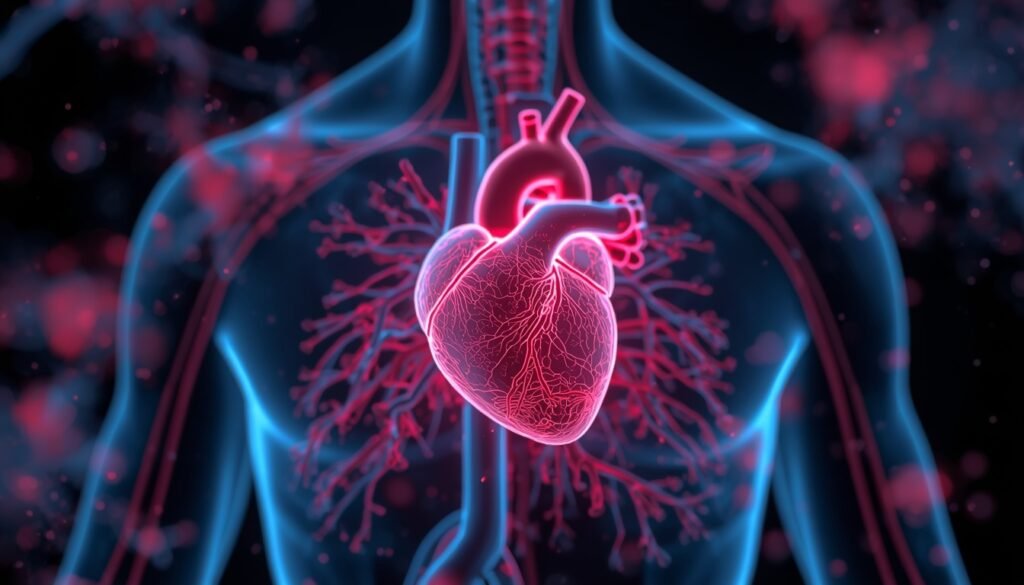
The most alarming clinical finding to date: research published in Nature Medicine (2024) found that individuals with microplastic particles detectable in carotid artery plaque had a 4.5-fold higher risk of major adverse cardiovascular events over a 34-month follow-up period, compared to those without detectable particles. This is a human prospective study – not animal modelling – and represents the strongest direct clinical evidence yet linking microplastic accumulation to cardiovascular disease risk in people.
Chronic inflammation is one of the primary mechanisms through which microplastics may contribute to cardiovascular disease — and the 2024 Nature Medicine study showing a 4.5-fold increased risk of heart attack and stroke is a powerful indicator of this connection. To understand the full relationship between inflammation and heart health, read our guide on how chronic inflammation drives cardiovascular disease risk.
Endocrine Disruption
Phthalates and bisphenol compounds — key plastic-associated chemicals — are among the most extensively documented endocrine disruptors in environmental health science. They interfere with oestrogen, testosterone, and thyroid hormone signalling at concentrations found in routinely exposed populations. Associations with reduced sperm quality, altered pubertal timing, polycystic ovarian syndrome, thyroid dysfunction, and metabolic dysregulation have been documented in epidemiological literature.
Endocrine-disrupting chemicals from plastics interfere with hormonal signalling — affecting metabolism, reproductive health, and blood sugar regulation. To learn how diet and lifestyle can support metabolic balance, read our guide on understanding blood sugar and metabolic health.
Reproductive and Developmental Effects
Microplastic detection in human placental tissue, amniotic fluid, and breast milk – published across multiple peer-reviewed studies between 2020 and 2024 – confirms foetal and neonatal exposure during the most sensitive periods of human development. Animal studies demonstrate developmental toxicity, altered reproductive outcomes, and intergenerational effects. The human evidence for causal harm at current exposure levels is still accumulating — but the presence of particles in foetal tissue before birth is established as biological fact.
Pulmonary Effects
Microplastic fibres — particularly from synthetic textiles — accumulate in human lung tissue. Studies of occupationally exposed populations (textile workers and miners) provide the strongest evidence for respiratory harm, including fibrosis and inflammatory lung disease. General population lung accumulation is lower but measurable. The long-term consequence of the general population’s pulmonary microplastic burden remains under active investigation.
Gut Health and Microbiome
Emerging research suggests that microplastic exposure alters gut microbiome composition, promotes intestinal inflammation, and may compromise epithelial barrier integrity — contributing to the spectrum of gastrointestinal dysfunction increasingly common in modern populations. The gut microbiome disruption pathway represents a mechanistic link between microplastic exposure and systemic inflammatory and metabolic effects.
Research & Science
Study 1: Microplastics in Arterial Plaque and Cardiovascular Outcomes
Finding: A prospective cohort study published in Nature Medicine (2024) enrolled 257 patients undergoing carotid endarterectomy and followed them for 34 months. Patients with detectable microplastic or nanoplastic particles in excised plaque tissue had a significantly higher composite endpoint of heart attack, stroke, or death (hazard ratio approximately 4.5) compared to those without detectable particles. The association remained after adjustment for traditional cardiovascular risk factors.
What It Means: This is the first major human prospective study directly linking tissue microplastic accumulation to clinical cardiovascular events. It represents a qualitative shift in the evidence base—from mechanistic plausibility to demonstrated human health consequences.
Journal: Nature Medicine, 2024
DOI: 10.1038/s41591-023-02765-y
PubMed: https://pubmed.ncbi.nlm.nih.gov/38326625/
Study 2: Microplastics in Human Placenta
Finding: A study published in Environment International (2020, Ragusa et al.) identified microplastic particles in all six human placenta samples examined — on both the maternal and foetal sides of the placenta, as well as in the chorioamniotic membranes. Particles included polypropylene, polyethylene, and polycarbonate — common packaging plastics. This study established for the first time that microplastics cross the placental barrier during human pregnancy.
What It Means: Foetal exposure to microplastics begins before birth. The developmental implications of this finding — particularly given the sensitivity of foetal tissue to chemical and inflammatory stimuli — represent a significant area of ongoing research and public health concern.
Journal: Environment International, 2020
DOI: 10.1016/j.envint.2020.106274
PubMed: https://pubmed.ncbi.nlm.nih.gov/33395930/
Study 3: Polypropylene Baby Bottles and Microplastic Release
Finding: A study published in Nature Food (2020) found that polypropylene baby bottles used to prepare infant formula — following standard WHO sterilisation and preparation recommendations — released up to 16 million microplastic particles per litre of formula prepared. Higher water temperatures and mechanical agitation during preparation increased particle release. The findings prompted review of infant feeding equipment guidance across multiple countries.
What It Means: Infants — particularly formula-fed newborns — represent one of the highest-exposure populations for microplastic ingestion at the most vulnerable developmental stage. Practical, evidence-informed mitigation strategies for this specific exposure route are important for carers.
Journal: Nature Food, 2020
DOI: 10.1038/s43016-020-00171-y
PubMed: https://pubmed.ncbi.nlm.nih.gov/33300044/
Expert Insight:
Dr Philip Landrigan, Professor of Public Health at Boston College and Director of the Global Observatory on Planetary Health, has stated in peer-reviewed commentary that microplastic pollution represents a global health emergency requiring urgent regulatory response — noting that the pace of scientific evidence documenting human health harm has substantially outpaced the pace of policy action at national and international levels. (Source: Landrigan PJ et al., Annals of Global Health, 2023. DOI: 10.5334/aogh.4056)
Evidence Quality Note: The science of microplastic health effects in human populations is advancing rapidly but remains at an early stage for many specific health outcomes. Mechanistic evidence (how microplastics damage biology) is strong. Epidemiological evidence linking specific exposure levels to specific human disease outcomes is growing but incomplete. The cardiovascular study is a significant exception, representing robust prospective human evidence. Throughout this article, language has been calibrated to the strength of available evidence: established findings are described as such; associations and emerging evidence are identified as such. Individual risk from current exposure levels cannot be precisely quantified with current science.
Blood Tests and Biomarkers
There is currently no routine clinical blood test that measures personal microplastic body burden directly. Detection of microplastics in human tissue requires specialised analytical techniques — including Fourier-transform infrared spectroscopy (FTIR) and pyrolysis gas chromatography-mass spectrometry (Py-GC/MS) — that are not available in standard clinical settings.
However, several clinically available tests provide meaningful indirect information about the physiological effects of toxic environmental exposure:
Hs-CRP (High-Sensitivity C-Reactive Protein): Systemic inflammatory marker. Elevated levels may reflect, among other inputs, the inflammatory burden of accumulated environmental toxicants.
Comprehensive Thyroid Panel (TSH, Free T3, Free T4, Thyroid Antibodies): Phthalates and bisphenols from plastic-associated chemicals are documented thyroid disruptors. A comprehensive thyroid panel identifies disruption that may have environmental contributors.
Sex Hormone Panel (Testosterone, Oestradiol, SHBG, LH, and FSH): Relevant for individuals with unexplained hormonal symptoms. Endocrine-disrupting chemical exposure from plastics is a legitimate investigative variable when hormonal irregularity has no other identified cause.
Heavy Metal and Persistent Organic Pollutant Testing: Specialist environmental health clinics and functional medicine practitioners can offer testing for specific heavy metals and persistent organic pollutants. These provide the most direct evidence of chemical body burden relevant to plastic-associated chemical exposure.
Sperm Analysis: For men concerned about the reproductive impact of endocrine-disrupting chemicals, semen analysis, including morphology and motility, provides clinically useful information given the documented associations between phthalate exposure and sperm quality.
Reducing Your Daily Exposure — Practical Steps
Individual exposure reduction is not a solution to a systemic global problem — but it is meaningful, evidence-informed, and available today. The following are the highest-impact, most evidence-supported practical changes:
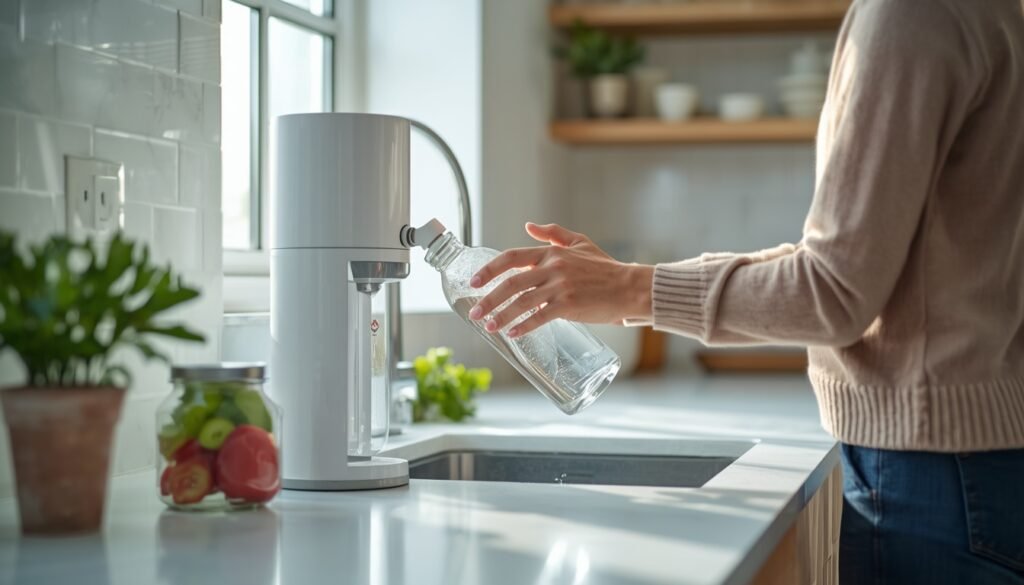
Switch from bottled to filtered tap water. A high-quality carbon block or reverse osmosis filter significantly reduces microplastic contamination in drinking water. Tap water from most municipal systems contains fewer microplastics than commercially bottled water, which is packaged and stored in plastic that contaminates the contents over time.
Never heat food in plastic containers. Heat accelerates leaching of plastic chemicals and release of particles into food and beverages. Use glass, ceramic, or stainless steel for food storage and heating. This is one of the highest-leverage, lowest-cost individual changes available.
Avoid plastic tea bags. Switch to loose-leaf tea in a stainless steel or ceramic infuser. Many commercial tea bag materials contain polypropylene sealants that release billions of particles into a single hot cup.
Replace plastic food storage with glass or stainless steel. Particularly for acidic foods (tomatoes, citrus), fatty foods (cheese and meat), and anything stored for extended periods — all of which increase chemical migration from plastic packaging.
Ventilate indoor spaces regularly. Indoor air consistently contains higher microplastic fibre concentrations than outdoor air in most environments. Regular ventilation, vacuuming with a HEPA-filter device, and air purification with HEPA filtration meaningfully reduce indoor airborne particle load.
Wash synthetic clothing on lower temperatures and shorter cycles. Lower temperature and shorter duration reduce fibre shedding per wash. Where possible, use a washing bag designed to capture synthetic fibres (such as a Guppyfriend bag), which filters a significant proportion of shed fibres before they enter wastewater.
Reduce processed and packaged food consumption. Foods that have had extended contact with plastic packaging — particularly under heat, light, or pressure — carry higher microplastic and chemical contamination. A whole-food diet with minimal packaging exposure reduces this route significantly.
For infant feeding: Prepare formula in glass or stainless steel containers where possible. Allow boiled water to cool before adding to polypropylene bottles. Use glass bottles if available. These steps meaningfully reduce but do not eliminate particle release during formula preparation.
Detox Strategies — What Evidence Supports
It is important to distinguish between evidence-based strategies for supporting the body’s natural elimination pathways and commercial “detox” products that claim to remove microplastics without meaningful supporting evidence.
What the body does naturally: Ingested microplastics are partially eliminated through faeces — particularly larger particles. The gut acts as a primary excretion route. Inhaled particles are partially cleared by the mucociliary system of the respiratory tract. The liver processes plastic-associated chemicals for biliary excretion. The kidneys filter water-soluble metabolites for urinary elimination.
Strategies that may support these natural pathways — with evidence context:
Dietary fibre: A high-fibre diet — consistently above 25–30 g daily — supports bowel regularity and transit time, reducing the duration that ingested particles remain in contact with gut tissue. Research on dietary fiber and microplastic elimination specifically is limited, but the mechanistic rationale is sound and the general health evidence for high fibre intake is strong.
Cruciferous vegetables and sulforaphane: Sulforaphane, found in broccoli, Brussels sprouts, cauliflower, and particularly in broccoli sprouts, activates the Nrf2 pathway, which upregulates the body’s endogenous detoxification enzyme systems (phase II enzymes). This is the most evidence-supported nutritional strategy for enhancing the body’s chemical detoxification capacity, though specific studies on microplastic-associated chemical elimination are limited.
Adequate hydration: Supports renal clearance of water-soluble plastic metabolites. Minimum 2 litres of filtered water daily — from glass or stainless steel containers where possible.
Sauna use: Preliminary research, primarily on heavy metal and persistent organic pollutant excretion, suggests that thermal therapy may promote elimination of some fat-soluble toxicants through sweat. The evidence base for sauna-assisted microplastic chemical elimination specifically is limited but biologically plausible. Sauna use carries no harm for healthy adults and has independent cardiovascular evidence.
What the evidence does not support: Products marketed as “microplastic detox supplements” — activated charcoal drinks, zeolite products, and branded cleanse protocols — have no robust peer-reviewed evidence for specifically removing microplastics or their associated chemicals from human tissue. This is an area where commercial marketing has substantially outpaced science.
Case Study
The following examples are composites based on clinical and research patterns in environmental medicine and public health literature. They do not represent specific individuals. Individual circumstances and outcomes vary.
Clinical Example 1 — Young Couple with Unexplained Fertility Challenges, Ages 31 and 33: Both partners are healthy by standard assessment. Sperm morphology mildly reduced. Hormonal profile slightly abnormal in female partner. Environmental exposure history revealed high bottled water consumption (10+ litres weekly), daily reheating of food in plastic containers, and significant synthetic textile exposure. Six-month exposure reduction protocol — glass water filtration, elimination of plastic food heating, and switch to natural fibre bedding — implemented alongside standard fertility support. The environmental medicine approach cannot be isolated as causative in individual cases; however, exposure reduction represents an evidence-informed, risk-free adjunct to standard care.
Clinical Example 2 — Parent Concerned About Infant Exposure, Female, 29: Formula-feeding a four-month-old using standard polypropylene bottles. Following publication of the Nature Food study on formula preparation and microplastic release, I requested guidance. Practical steps implemented: glass bottle use where available, preparation in glass measuring jug with cooled boiled water, and formula preparation at lower temperature before transfer. Measurable reduction in particle exposure at the preparation stage, though complete elimination is not possible with current knowledge.
Clinical Example 3 — Middle-Aged Man with Unexplained Thyroid Dysfunction, Male, 52: Subclinical hypothyroidism with no autoimmune explanation. Occupation in the food packaging industry with significant daily plastic contact. Referred to environmental medicine for comprehensive toxic burden assessment. Heavy metal and organic pollutant screening revealed elevated phthalate metabolites. Workplace exposure reduction protocols implemented alongside dietary and lifestyle changes. No causal conclusion is possible at the individual level; assessment and exposure reduction are appropriate given biological plausibility.
Individual outcomes vary. These examples illustrate clinical approaches to environmental exposure assessment and do not imply specific causal relationships between microplastic exposure and individual health outcomes.
Simple Framework
Step
Action
Ask Yourself
1
Identify Your Highest Exposure Routes
Am I drinking bottled water, heating food in plastic, or breathing high indoor air contamination daily?
2
Replace the Highest-Risk Habit First
Which one change would most meaningfully reduce my daily plastic contact?
3
Support Natural Elimination Pathways
Am I eating enough fibre, staying hydrated, and reducing chemical body burden through diet?
How to use this: Microplastic exposure is unavoidable in 2026 — the goal is meaningful reduction, not elimination. Identify the two or three highest-exposure habits in your specific daily life and address them systematically. Bottled water, plastic food heating, and indoor air quality are the most impactful starting points for most people. Add dietary fibre and filtered water as parallel strategies to support natural elimination pathways.
Original Insight
Here is something that most microplastics articles avoid stating directly: the framing of microplastics as primarily an individual responsibility problem is itself a product of the plastics industry – and it is scientifically dishonest.
The concept of personal responsibility for plastic pollution—epitomised in recycling messaging, “reduce your plastic footprint” campaigns, and individual detox protocols—mirrors the strategy historically used by the tobacco industry to shift public attention from systemic harm to individual choice. Research published in Annals of Global Health (2023) documents that the plastics and petrochemical industry has actively promoted voluntary individual action and consumer responsibility framing specifically to resist binding regulatory frameworks that would address plastic production at source.
Individual exposure reduction strategies discussed in this article are genuinely useful — they reduce personal chemical body burden in ways that are evidence-informed and carry no risk. But they operate within a system that produces 400 million metric tons of plastic annually. contaminates every ecosystem on Earth and will continue doing so at accelerating rates unless production is regulated at the industrial and legislative level.
The honest position is this: individual action matters and is worth doing. It is also insufficient. The health impact of microplastics on human populations cannot be meaningfully addressed through personal behaviour change alone. It requires binding international regulation of plastic production, mandatory extended producer responsibility, investment in genuinely biodegradable material alternatives, and the political will to prioritise population health over petrochemical industry interests.
The most useful framing: Do what you can individually. Advocate for what only systems can change.
Featured Snippet
What are microplastics, and how do they affect human health?
Microplastics are plastic particles smaller than 5mm that contaminate food, water, and air globally. They have been detected in human blood, lungs, placenta, and arterial plaque. Research published in Nature Medicine (2024) found a 4.5-fold higher cardiovascular event risk in people with microplastics in arterial tissue. Health effects include inflammation, endocrine disruption, gut microbiome disruption, and oxidative stress. Reducing exposure through filtered water, glass food storage, and avoiding plastic heating is the most evidence-supported individual strategy.
Practical Strategies
Strategy 1 — Filter Your Drinking Water and Eliminate Bottled Water
This is the single highest-impact, most accessible change most people can make. Research consistently finds bottled water contains significantly higher microplastic concentrations than filtered tap water. A reverse osmosis or high-quality carbon block filter installed at the kitchen tap — or a quality countertop glass-contained filter — removes the majority of particles detectable in tap water while eliminating the plastic packaging contamination inherent in bottled water.
Real example: A household that drinks 2 litres of bottled water daily and switches to reverse osmosis-filtered tap water reduces their estimated daily microplastic ingestion from this source by over 90%, based on published comparative contamination data.
Strategy 2 — Eliminate Plastic From All Food Heating
Heat is the primary accelerant of plastic chemical leaching and particle release into food. Never microwave in plastic containers. Never pour boiling water into plastic cups or bottles. Never store hot food in plastic wrap or containers. Replace kitchen plastics with glass, ceramic, or stainless steel for all food storage, preparation, and reheating. This is a one-time equipment investment with a permanent exposure reduction benefit.
Real example: A family that switches from plastic food containers to glass meal-prep containers and stainless steel water bottles eliminates one of the highest daily chemical leaching exposure routes within weeks of the transition.
Supporting your body’s natural elimination pathways is a key part of reducing toxic burden — and regular physical activity like walking supports circulation, detoxification, and overall health. Discover the science in our guide on the quiet power of walking for health and longevity.
Strategy 3 — Improve Indoor Air Quality
Indoor air in most homes and offices contains higher microplastic fibre concentrations than outdoor air, primarily from synthetic carpets, upholstered furniture, and clothing fibres. Strategies with evidence for meaningful reduction include daily ventilation (opening windows to exchange air) and HEPA vacuum cleaning (standard vacuum cleaners redistribute rather than capture fine particles), a HEPA-filtered air purifier in sleeping spaces (where cumulative exposure across 7–8 hours is significant), and reduction of synthetic textile surfaces in high-use living areas.
Real example: A HEPA air purifier running in a bedroom reduces airborne synthetic fibre and particulate load during sleeping hours – the single longest continuous indoor exposure period for most adults.
Strategy 4 — Shift to a Whole-Food Diet With Minimal Plastic Packaging
Processed and packaged food represents a significant and underappreciated microplastic exposure route — both through packaging contact and through the processing environments in which industrial food is manufactured. A dietary shift toward whole, minimally processed foods purchased with minimal plastic packaging (fresh produce, bulk grains and legumes, and glass-packaged items) simultaneously reduces plastic chemical exposure and improves overall nutritional quality.
Real example: Buying vegetables loose rather than in sealed plastic bags, choosing glass-jarred products over plastic-packaged equivalents, and preparing whole meals from scratch rather than reheating packaged convenience food produces a compound reduction across multiple microplastic exposure routes simultaneously.
Strategy 5 — Address Synthetic Clothing and Textile Exposure
Synthetic clothing – polyester, nylon, acrylic, spandex – sheds microplastic fibres continuously during wear and dramatically during machine washing. Practical mitigation strategies include washing synthetic items in a fibre-capture bag (Guppyfriend or equivalent); using a front-loading washing machine (which generates fewer fibres than top-loaders); washing on shorter, cooler cycles; and gradually transitioning a wardrobe toward natural fibres (cotton, wool, linen, and bamboo) where budget and preference allow.
Real example: A single wash of a polyester fleece jacket can release up to 250,000 synthetic fibres. A fibre-capture bag retains approximately 54% of these before they enter wastewater — a meaningful reduction achieved with a one-time low-cost purchase.
Common Mistakes
Mistake
Why It Fails
Fix
Choosing bottled water for health reasons
Bottled water typically contains more microplastics than filtered tap water
Switch to filtered tap water in glass or stainless steel containers
Heating food in plastic containers
Heat significantly accelerates plastic chemical leaching and particle release
Use glass, ceramic, or stainless steel for all food heating
Buying commercial “microplastic detox” supplements
No peer-reviewed evidence supports specific microplastic removal by commercial products
Focus on evidence-based strategies: fiber, hydration, cruciferous vegetables
Assuming organic food eliminates exposure
Microplastics are present in organic soil, irrigation water, and food packaging regardless of farming method
Organic food reduces pesticide exposure but does not eliminate microplastic exposure
Ignoring indoor air quality
Indoor air typically carries higher synthetic fibre concentrations than outdoor air
Use HEPA filtration, ventilate regularly, and vacuum with a HEPA-filter device
Treating this as an individual-only problem
Individual action is meaningful but insufficient – systemic policy change is required
Support regulatory advocacy alongside personal exposure reduction
When To See a Doctor
Consider a specialist environmental medicine assessment if:
You have unexplained hormonal irregularities, reproductive challenges, or thyroid dysfunction with no identified conventional cause — particularly with high occupational or lifestyle plastic exposure history
You have significant occupational exposure to plastics, synthetic textiles, or plastic manufacturing environments
You are pregnant, planning pregnancy, or breastfeeding and want to discuss practical exposure reduction within a clinical context
You have a diagnosed inflammatory, cardiovascular, or autoimmune condition and want to assess environmental toxic burden as a potentially contributing factor
For the general population: Routine specialist assessment for microplastic exposure is not currently recommended by major health bodies — the science is not yet at a stage where individual clinical intervention based on measured body burden is established practice. The most appropriate current clinical action is discussing environmental health factors as part of a comprehensive preventive health assessment with your primary care physician.
Environmental exposures like microplastics often manifest through subtle symptoms that are easy to dismiss — fatigue, hormonal changes, and digestive issues can all signal that your body is dealing with more than it should. To learn what other hidden signs your body may be sending, read our guide on hidden signs your body is asking for help.
Key Takeaways
Microplastics and nanoplastics have been detected in human blood, lungs, placenta, breast milk, heart tissue, and arterial plaque — body burden is an established scientific fact in 2026
The most significant human prospective evidence (Nature Medicine 2024) links arterial microplastic accumulation to a 4.5-fold higher risk of heart attack, stroke, or death
Exposure routes include drinking water, food, indoor and outdoor air inhalation, and heated plastic contact — bottled water carries higher contamination than most filtered tap water
Health mechanisms include chronic inflammation, endocrine disruption, gut microbiome alteration, oxidative stress, and barrier penetration by nanoplastics
The highest-impact individual reduction strategies are filtered tap water over bottled, elimination of plastic food heating, HEPA indoor air filtration, and reduced synthetic textile use
Evidence-based elimination support includes high dietary fiber, sulforaphane-containing cruciferous vegetables, adequate hydration with filtered water, and sauna use — but commercial “detox” products lack supporting evidence
Individual action is meaningful and worth doing — and insufficient at population scale without binding international regulation of plastic production
The science is rapidly evolving: what is known in 2026 represents early characterisation of a significant population health issue
FAQs
Q1: Can microplastics be removed from the human body?
There is currently no clinically established method for removing accumulated microplastics from human tissue. The body eliminates some ingested particles through faeces and some inhaled particles through mucociliary clearance, but particles that have deposited in organ tissue — including arterial walls, lung tissue, and placenta — are not cleared by any known natural or therapeutic mechanism. This makes exposure reduction the most important practical strategy available.
Q2: Is bottled water safer than tap water from a microplastic perspective?
No — this is one of the most important and counterintuitive findings in this field. Research consistently finds that commercially bottled water contains significantly higher microplastic concentrations than most municipal tap water systems. Plastic packaging contaminates the water contents over time, and the bottling process itself introduces particles. Filtered tap water — using reverse osmosis or quality carbon filtration — consistently outperforms bottled water for microplastic reduction.
Q3: How much microplastic does the average person consume per week?
Estimates from published research suggest the average person ingests approximately 5 grams of microplastic per week — a figure widely cited as approximately equivalent in weight to a credit card. This estimate, from Environment International (2022), combines ingestion through food and water with inhalation exposure. Individual variation is substantial based on diet, water source, indoor environment, and lifestyle factors.
Q4: Are children more vulnerable to microplastics than adults?
Yes — for several reasons. Children have higher surface-area-to-body-weight ratios, breathe more air per kilogram of body weight, spend more time on floors where microplastic fibre concentration is highest, and are at more sensitive developmental stages where endocrine disruption from plastic-associated chemicals may have more significant consequences. Infants are additionally exposed through formula preparation in polypropylene bottles and through breast milk (in which microplastics have been detected). This makes exposure reduction particularly high priority for children and pregnant or breastfeeding individuals.
Q5: What is the difference between microplastics and nanoplastics?
Both are plastic particles — nanoplastics are simply the smallest size fraction, defined as below 1 micrometre (1,000 nanometres). The size distinction has significant biological implications: nanoplastics can cross biological barriers that larger microplastic particles cannot, including the blood-brain barrier and the placental barrier, and can enter individual cells. They are also the most difficult size fraction to detect and quantify with current analytical technology, meaning their true body burden in human tissue is likely underestimated in current studies.
Q6: What global actions are being taken?
The UN Environment Programme is negotiating a legally binding global plastics treaty — with a target agreement by 2025, though negotiations continue into 2026. The European Union has introduced regulations banning intentionally added microplastics in products, with extended provisions under development. Several countries have implemented bans on single-use plastics and plastic microbeads in cosmetics. Extended Producer Responsibility (EPR) frameworks — which require plastic producers to fund collection and treatment of plastic waste — are expanding in scope and geographic coverage. Progress is acknowledged by environmental scientists as insufficient relative to the scale of current and projected plastic production.
30-Day Microplastic Reduction Plan
Week 1 — Audit and Identify Your Highest Exposure Routes
For the first five days, honestly audit your daily plastic contact: How much water do you drink from plastic bottles? Do you heat food in plastic containers? What is your indoor air quality like — synthetic carpets, poor ventilation, or no filtration at all? How much of your diet is processed and packaged in plastic? How much of your clothing is synthetic? Do not change anything yet. Map the picture honestly. By the end of this week, identify your two highest-exposure habits.
Week 2 — Eliminate the Highest-Risk Exposure
Address your single highest-exposure route this week with a specific, permanent change. If bottled water: order or install a countertop water filter and purchase a glass or stainless steel bottle for daily use. If plastic food heating: replace two plastic food storage containers with glass equivalents and commit to never microwaving in plastic again. If using infant formula: prepare in glass or stainless steel and allow water to cool before adding to any polypropylene bottle. One concrete, permanent change beats ten half-measures.
Week 3 — Upgrade Indoor Air and Diet
This week, open windows for genuine air exchange twice daily. If budget allows, place a HEPA air purifier in the bedroom. Begin vacuuming with whatever filter quality your device allows, paying particular attention to areas with synthetic carpet or heavy foot traffic. Simultaneously, increase dietary fiber to 25g+ daily through legumes, vegetables, and whole grains — supporting gut transit and natural elimination pathways. Add broccoli or broccoli sprouts to two meals this week for sulforaphane content.
Week 4 — Textile, Packaging, and Sustained Habit
Order a fibre-capture washing bag this week if you own synthetic clothing, and wash all synthetics in it going forward. Review your food purchasing habits and identify two items currently bought in plastic packaging that could be switched to glass, bulk, or fresh alternatives. Write down the three changes that have felt most natural and most impactful across this month and commit to maintaining them permanently. This is not a 30-day programme — it is a 30-day transition into permanent habits that will meaningfully reduce your daily microplastic exposure for the rest of your life.
Global Solutions — What Is Being Done
Individual action matters. But the scale of microplastic contamination — and the health consequences now being documented — requires a systemic response at industrial and legislative levels that no individual behaviour can achieve.
UN Global Plastics Treaty: The United Nations Environment Programme initiated negotiations for a legally binding international plastics treaty in 2022, with an original target for agreement in 2024. Negotiations continue into 2026 amid significant industry lobbying. The treaty aims to address the full plastic lifecycle — from production to disposal — rather than focusing solely on waste management.
European Union Regulation: The EU has implemented regulations banning intentionally added microplastics in products including cosmetics, detergents, and agricultural soil conditioners – estimated to reduce microplastic releases by 500,000 tonnes over 20 years. Extended regulations under the European Green Deal address single-use plastics, packaging waste, and textile microfibre release.
Extended Producer Responsibility (EPR): Legislation requiring plastic producers to fund collection and waste management infrastructure for their products is expanding globally. EPR frameworks shift the financial burden of plastic waste from public systems and the environment to the corporations that profit from plastic production.
Material Innovation: Research into genuinely biodegradable polymer alternatives — including PHA (polyhydroxyalkanoate) bioplastics produced by bacteria, plant-based packaging materials, and seaweed-derived packaging — is accelerating. Critically, “biodegradable” labelling requires rigorous standardisation — many products labelled biodegradable fragment into microplastics under typical environmental conditions rather than fully degrading.
Wastewater Treatment Improvement: Research indicates that advanced wastewater treatment — including tertiary filtration — removes over 90% of microplastics from treated water. Expanding advanced treatment infrastructure globally would significantly reduce the quantity of microplastics entering aquatic ecosystems through sewage discharge.
Final Thought
Microplastics are in your blood. They are in your lungs. They are, according to recent research, in your heart. They were in the placenta through which you received nutrition before you were born — and they are in the breast milk through which the next generation is nourished.
This is not cause for despair. It is cause for clarity.
The science is telling us something important and actionable: the materials we have built modern civilisation upon have consequences that were not understood when plastic became ubiquitous and are only now becoming visible at the scale of individual human biology. That knowledge creates both responsibility and opportunity.
Do what you can individually — it genuinely matters and reduces real biological burden. Support the systemic changes that only policy, industry accountability, and collective action can achieve. And hold both of these truths simultaneously without letting either one crowd the other out.
Your body is dealing with something it was not built for. The least you can do is give it every advantage available.
Conclusion
My honest advice is not to panic, but to act where you can. Switch to filtered tap water, stop heating food in plastic, and open your windows daily. You cannot avoid everything, but small changes do reduce your exposure. That is what I did.
Microplastics and nanoparticles are the defining environmental health story of the 2020s — a slow-motion contamination of human biology that is only now becoming measurable, visible, and undeniable in peer-reviewed science. microplastics health risks, 2025–2026
The evidence is no longer preliminary. Microplastics are in human blood, organs, and arterial plaque. They are associated — in the strongest prospective human study to date — with dramatically elevated cardiovascular risk. They carry chemical passengers that disrupt endocrine function, gut health, and reproductive biology. And they will continue accumulating in human tissue as long as plastic production continues at the current scale.
Individual exposure reduction is evidence-informed, practical, and worth doing. Systemic change is essential and must be demanded. The two are not alternatives. They are both necessary – at the same time, pursued with equal seriousness.
References
Microplastics and nanoplastics in atheromas and cardiovascular events
Marfella R, Prattichizzo F, Sardu C, et al.
Nature Medicine, 2024
DOI: 10.1038/s41591-023-02765-y
PubMed: https://pubmed.ncbi.nlm.nih.gov/38326625/
Plastics in the human placenta
Ragusa A, Svelato A, Santacroce C, et al.
Environment International, 2020
DOI: 10.1016/j.envint.2020.106274
PubMed: https://pubmed.ncbi.nlm.nih.gov/33395930/
Microplastic release from polypropylene baby bottles during infant formula preparation
Li D, Shi Y, Yang L, et al.
Nature Food, 2020
DOI: 10.1038/s43016-020-00171-y
PubMed: https://pubmed.ncbi.nlm.nih.gov/33300044/
Concerns about the plastics crisis
Landrigan PJ, Raps H, Cropper M, et al.
Annals of Global Health, 2023
DOI: 10.5334/aogh.4056
PubMed: https://pubmed.ncbi.nlm.nih.gov/36936278/
Microplastics in bottled and tap water
Mason SA, Welch V, Neratko J.
Frontiers in Chemistry, 2018
DOI: 10.3389/fchem.2018.00407
PubMed: https://pubmed.ncbi.nlm.nih.gov/30333965/
WHO report: Microplastics in drinking water
World Health Organization. Geneva: WHO Press, 2022.
https://www.who.int/publications/i/item/9789241516198
Microplastics and human health: a scoping review
Vethaak AD, Legler J.
Science, 2021
DOI: 10.1126/science.abe5041
PubMed: https://pubmed.ncbi.nlm.nih.gov/33766860/
Disclaimer
This article is for educational and general informational purposes only. It does not constitute medical advice and should not replace consultation with a qualified physician, toxicologist, or environmental medicine specialist. The science of microplastic health effects in human populations is rapidly evolving; claims in this article are calibrated to the strength of available evidence at the time of publication. Not all associations described have been confirmed as causal relationships in human populations. Individual health decisions regarding environmental exposure should be made in consultation with a qualified healthcare professional. All citations were independently verified at the time of publication.