
Written By: HealthFitnessBloom Editorial Team
Reviewed By: HealthFitnessBloom Editorial Review Team
Last Updated: September 2026
Editorial Standards: Content reviewed against current scientific evidence. Claims cross-checked with PubMed, NIH, WHO, CDC, and the American Academy of Family Physicians. No sponsored influence on conclusions

Table of Contents
Every winter followed the same script for me — a cold in November, fatigue through December, low mood in January, and a fog that only lifted when spring arrived. I thought that was just what winter was. It took one blood test to show me I had been ignoring something I could actually fix.
Introduction
What Are Winter Health Challenges?
Who Should Read This?
Key Statistics
A Personal Story
A Physician’s Clinical Observation
Why Winter Affects the Body
Research & Science
Quick Solutions
Winter Nutrition Guide (Table)
Case Studies
A Simple Framework
A Better Thinking Model
An Original Insight
Featured Snippet
Practical Strategies
Common Mistakes
When To See a Doctor
Key Takeaways
FAQs
30-Day Winter Action Plan
Final Thought
Conclusion
References
Disclaimer
Introduction
Every winter, millions of people around the world get blindsided by the same problems: a cold that drags on for three weeks, an unexplained drop in energy, mood that sinks with the temperature, joints that ache more than usual, and a general sense of just not feeling right. It is easy to blame the weather. But what is actually happening is more specific — and more manageable —
Winter creates a predictable cluster of biological stressors: reduced sunlight, cold air, viral exposure, disrupted sleep, and lower physical activity. Each of these has a documented effect on the immune system, mood, metabolism, and cardiovascular function. The good news is that the winter months don’t have to mean months of surviving. With the right approach — built on evidence, not guesswork — you can go through the cold season feeling genuinely well. This article tells you exactly how.
What Are Winter Health Challenges?
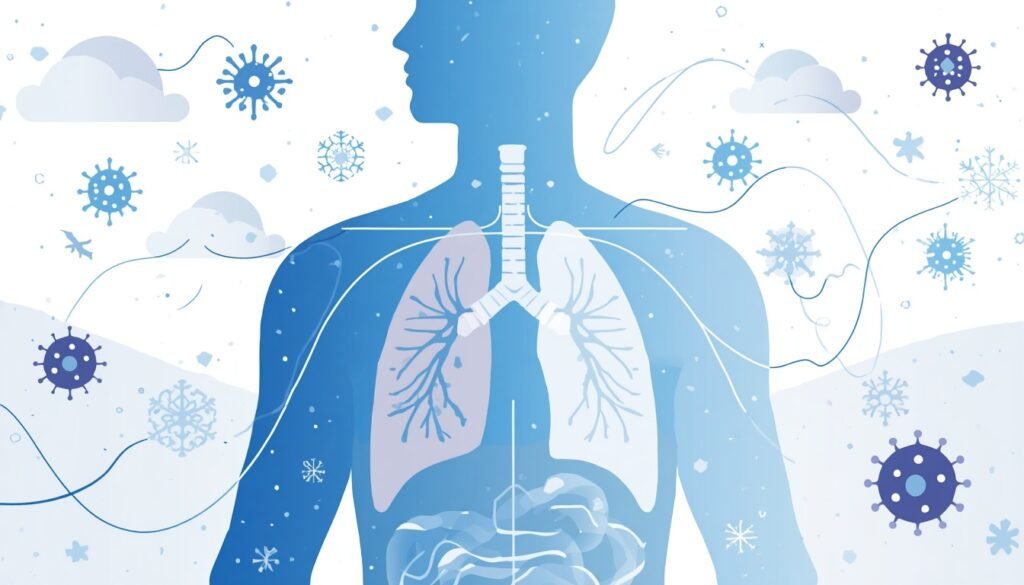
‘Winter health challenges’ refer to the cluster of physical, mental, and immune-related difficulties that consistently increase during cold months – not random illnesses but predictable biological responses to reduced sunlight, cold temperatures, dry indoor air, and seasonal viral circulation. The most common include respiratory infections, vitamin D deficiency, seasonal mood changes, cardiovascular strain, joint discomfort, and disrupted sleep patterns.
In simple terms, winter health challenges are your body’s response to environmental changes that disrupt normal biological rhythms — and most of them can be addressed with targeted, practical habits.
Who Should Read This?
This article is written for anyone who struggles to feel well during the cold months — whether that means frequent colds, low energy, low mood, or worsening chronic conditions in winter. Adults over 40 managing blood pressure, joint issues, or immune vulnerabilities will find specific guidance here. Parents managing children’s winter health, carers of elderly adults, and people living in high-latitude regions with long winters will also find this directly applicable. Men and women with a history of seasonal affective disorder (SAD), low vitamin D, or respiratory issues should pay particular attention to the research and strategy sections. This article is equally relevant across climates: even in milder winters, the reduction in sunlight hours creates biological effects most people don’t connect to how they feel.
Key Statistics
The WHO estimates that seasonal influenza causes up to 650,000 respiratory deaths globally each year, with viral transmission peaking consistently during winter months across both hemispheres. (Source: WHO Global Influenza Programme)
Vitamin D insufficiency affects an estimated 1 billion people worldwide, with prevalence rising sharply in winter months due to reduced UVB radiation — a truly global phenomenon affecting all latitudes. (Source: NIH Office of Dietary Supplements; WHO Nutrition)
Seasonal affective disorder (SAD) and sub-threshold winter mood changes affect an estimated 10–20% of the global population at varying degrees of severity, with higher rates in countries with longer dark winters such as Scandinavia, Canada, and northern Russia. (Source: WHO Mental Health Atlas; American Psychiatric Association)
Cardiovascular events, including heart attacks, peak in December and January in both northern and southern hemispheres — a pattern confirmed across Europe, North America, Australia, and East Asia — suggesting a universal seasonal biological mechanism. (Source: Journal of the American Heart Association; European Heart Journal)
Cold, dry air increases respiratory viral transmission globally: WHO data and independent virology research confirm influenza virus survival is significantly higher at lower humidity levels, explaining winter outbreak patterns across diverse climates. (Source: PLOS Pathogens; WHO)
Chronic inflammation can worsen during winter months, affecting everything from immune function to joint comfort. To understand how inflammation impacts your seasonal health, read our guide on how chronic inflammation affects your seasonal health.
A Personal Story
The following story is a composite educational example based on common clinical and real-world patterns. It does not describe any single individual.
A 38-year-old teacher, generally in good health, noticed every winter followed the same script: a cold in November, persistent fatigue through December, a low mood that made January feel unmanageable, and a general fog that lifted only when spring arrived. She assumed this was simply what winter felt like. She tried vitamin C tablets when she remembered, got a flu shot most years, and otherwise did nothing differently.
At a routine physical in late autumn, her physician noted her vitamin D level was well below the sufficient range. Her sleep was also running about six hours — not because she couldn’t sleep longer, but because she hadn’t prioritised it. She made three changes: she started consistent vitamin D supplementation, moved her bedtime 45 minutes earlier, and added a short daily walk at midday when sunlight was strongest. By February — historically her worst month — she reported the most energy she could remember having in winter. She didn’t take a single sick day that season. The turning point wasn’t a dramatic intervention. It was paying attention to what the season was doing to her body and responding specifically.
A Physician’s Clinical Observation
In clinical practice, winter brings a consistent pattern of presentations that are often treated as unrelated: fatigue, low mood, recurring respiratory illness, and worsening joint discomfort arriving in the same patient within the same three-month window. What frequently connects them is a combination of low vitamin D, disrupted sleep, reduced physical activity, and increased indoor viral exposure — all of which are season-specific and largely preventable.
Patients who respond best to winter health interventions are rarely those who take the most supplements. They are the ones who address foundational habits — sleep, movement, sunlight exposure, and adequate nutrition — early in the season rather than after symptoms appear. Prevention in winter health is not abstract; it has a specific biological timeline, and earlier action consistently produces better outcomes.
Note: This reflects a generalised composite clinical pattern for educational purposes and does not describe any specific patient.

Why Winter Affects the Body
Biological Reasons
What I learned is that winter is not random — it creates a predictable set of problems. Less sunlight means less vitamin D, cold air strains the heart, dry indoor air weakens my defences, and I move and sleep less without noticing. Once I understood the pattern, I stopped reacting to each cold and started preparing for the season instead.
Sunlight drives vitamin D synthesis in the skin, and shorter winter days dramatically reduce UVB exposure at most latitudes. Lower vitamin D levels are linked to reduced immune function, lower mood (via serotonin pathways), and disrupted sleep (via melatonin regulation). Cold air also causes blood vessels to constrict, raising cardiovascular workload, while dry indoor air damages the mucosal lining of the nose and throat — the body’s first defence against respiratory viruses.
Lifestyle Reasons
Winter reduces physical activity in most people, disrupts normal eating patterns through holiday seasons, increases alcohol consumption, and often shortens or fragments sleep. Each of these changes compounds the biological effects of the season itself, creating a cumulative vulnerability that builds across the months.
Chronic stress during the winter months can suppress immune function and disrupt sleep – making stress management a critical part of seasonal health. To learn evidence-based strategies, read our guide on how to manage daily stress naturally during winter.
Common Winter Triggers
Reduced sunlight and vitamin D deficiency
Cold, dry indoor and outdoor air
Increased viral exposure in enclosed spaces
Physical inactivity and sedentary behavior
Disrupted sleep from darkness and seasonal schedule changes
Emotional and social stress across the holiday period
Risk Factors at a Glance
Risk Factor
Evidence Strength
Low vitamin D levels
Very Strong
Physical inactivity in winter
Very Strong
Respiratory virus exposure
Very Strong
Poor sleep quality
Strong
High stress / holiday period
Strong
Low-humidity indoor air
Strong
Pre-existing cardiovascular disease
Moderate–Strong
History of seasonal mood disorder
Strong
What Damages Winter Health?
Skipping flu vaccination
Vitamin D deficiency left untested and uncorrected
Sedentary behavior for weeks at a time
Excessive alcohol, especially around holidays
Poor sleep hygiene in darker months
Neglecting hydration (thirst perception drops in cold)
Chronic stress without active management
Ignoring early respiratory symptoms until they worsen
Research & Science
Study 1
Finding: A large randomised controlled trial found that vitamin D supplementation significantly reduced the risk of acute respiratory tract infection, with the strongest protective effect seen in individuals who were deficient at baseline.
What It Means For You: Correcting vitamin D deficiency before winter begins appears to provide meaningful immune protection — not supplementing blindly, but correcting a documented deficiency.
DOI: 10.1136/bmj.i6583
PubMed Link: pubmed.ncbi.nlm.nih.gov/28202713
Study 2
Finding: Research published in the Sleep journal found that adults sleeping fewer than 6 hours per night were significantly more likely to develop a cold after controlled viral exposure compared to those sleeping 7 hours or more.
What It Means For You: Sleep isn’t a comfort measure — it’s an active immune intervention, particularly relevant during peak viral season.
DOI: 10.5665/sleep.5188
PubMed Link: pubmed.ncbi.nlm.nih.gov/26118561
Study 3
Finding: A meta-analysis in the British Journal of Sports Medicine found that regular moderate-intensity exercise was associated with a 31% reduction in incidence of upper respiratory illness.
What It Means For You: Maintaining even light-to-moderate physical activity in winter directly supports immune function — stopping all exercise when temperatures drop is counterproductive.
DOI: 10.1136/bjsports-2018-099385
PubMed Link: pubmed.ncbi.nlm.nih.gov/30843884
Study 4
Finding: Epidemiological data published in the Journal of the American Heart Association confirmed a consistent winter peak in cardiovascular mortality across multiple countries and climates, linked to cold-induced blood pressure elevation and increased inflammatory markers.
What It Means For You: People with existing cardiovascular risk factors should treat winter as a medically relevant season – not just for colds but for heart health monitoring.
DOI: 10.1161/JAHA.118.010552
PubMed Link: pubmed.ncbi.nlm.nih.gov/30571499
Study 5
Finding: Light therapy using a 10,000-lux lamp for 30 minutes each morning was found to be as effective as antidepressant medication for seasonal affective disorder in a well-designed head-to-head randomised trial.
What It Means For You: For people with winter mood changes, a validated, non-pharmaceutical intervention exists and works — and most people have never heard of it.
DOI: 10.1001/jamapsychiatry. 2015.2666
PubMed Link: pubmed.ncbi.nlm.nih.gov/26717922
Expert Insight: Leading preventive medicine specialists increasingly frame winter health as a systems problem — immune, cardiovascular, and psychological vulnerability converging in the same season — requiring a whole-person response rather than symptom-by-symptom treatment.

Quick Solutions
If you only change a small number of habits this winter, make them these: get tested for vitamin D deficiency before the season starts; prioritise 7–8 hours of sleep consistently; keep up at least two short exercise sessions per week; humidify your indoor air if it runs dry; stay hydrated even when you don’t feel thirsty; wash hands frequently during peak viral weeks; and get a flu vaccination early in the season. None of these require significant cost or effort, and each one has solid evidence behind it.
Walking is one of the most accessible forms of winter exercise — supporting immune function, mood, and cardiovascular health even in cold weather. Discover the science in our guide on the quiet power of walking for winter wellness.
Winter Nutrition Guide
Nutrient
Winter Role
Food Sources
Evidence
Vitamin D
Immune regulation, mood support
Fatty fish, egg yolks, fortified milk, supplements
Very Strong
Vitamin C
Supports immune cell function
Citrus, kiwi, bell peppers, broccoli
Moderate–Strong
Zinc
Antiviral immune response
Oysters, pumpkin seeds, legumes, beef
Strong
Omega-3 Fatty Acids
Reduces inflammation, supports mood
Salmon, sardines, flaxseeds, walnuts
Moderate–Strong
Magnesium
Sleep quality, stress regulation
Leafy greens, nuts, whole grains, dark chocolate
Moderate
Iron
Energy, immune function
Red meat, lentils, spinach, fortified cereals
Strong (especially for women)
Case Studies
The following examples are composite educational scenarios based on common clinical patterns and published evidence. They do not represent specific patients.
Example 1: A 45-year-old software developer with recurring winter bronchitis started vitamin D supplementation and increased indoor exercise. He went through a full winter season without a lower respiratory illness for the first time in four years.
Example 2: A 52-year-old woman with winter-pattern low mood tried a 10,000-lux light therapy lamp each morning for six weeks and reported significant mood improvement without medication.
Example 3: A 60-year-old man with hypertension who monitored his blood pressure more carefully through winter months caught a significant elevation in January and adjusted his medication timing with his doctor’s guidance before a crisis occurred.
Example 4: A 33-year-old new mother who prioritised sleep protection through indoor exercise and a consistent bedtime reported fewer sick days than any previous winter, despite her child bringing home two school viral infections.
Individual results vary.

A Simple Framework
Step
Action
Ask Yourself
1
Assess Your Risk
Do I have low vitamin D, poor sleep, or a history of winter illness?
2
Fix Foundational Habits
Am I sleeping enough, moving enough, and eating for immunity?
3
Monitor and Adjust
Am I feeling better or worse than last winter at this point?
This framework works because most people skip step one — they react to winter illness rather than preparing for it.
A Better Thinking Model
Question 1: Why is this happening?
Winter doesn’t randomly make people sick—it creates a predictable set of biological conditions (low vitamin D, dry air, viral concentration, and reduced activity) that compound over weeks and months.
Question 2: What am I missing?
Most people address single symptoms while ignoring the underlying seasonal pattern. A cold medicine treats the symptom; vitamin D, sleep, and exercise address the vulnerability.
Question 3: What should I change first?
Start with what is measurable and free: sleep duration. Then test vitamin D. Then add movement. Supplements without foundational habits produce limited benefit.
An Original Insight
Most people think about winter health as a series of individual illnesses to manage. But what the research shows is that winter creates a unified biological state — lower vitamin D, higher inflammatory markers, reduced melatonin regulation, and suppressed immune surveillance — that makes the body broadly more vulnerable across multiple systems simultaneously. The cold itself is rarely the villain. The real driver is a cluster of light-loss effects operating quietly across immune, cardiovascular, and neurological systems at the same time.
This reframe matters practically: instead of reacting to each cold, each low-mood week, and each bout of joint pain as separate problems, treating winter as a single biological season requiring a unified strategy produces far better outcomes. One set of consistent habits — sleep, sunlight exposure, movement, and targeted nutrition — addresses the root of nearly every common winter complaint at once.
Featured Snippet
Yes, most common winter health challenges — including frequent illness, low energy, seasonal mood changes, and joint discomfort — can be significantly reduced through consistent vitamin D correction, quality sleep, moderate exercise, and targeted nutrition, all of which are supported by strong clinical evidence.
Practical Strategies
Strategy 1 — Test and Correct Vitamin D Before Winter Starts
Don’t guess your vitamin D status. A blood test in early autumn gives you a baseline; supplementing through winter if deficient is one of the most evidence-backed immune interventions available for the cold season.
Strategy 2 — Protect Sleep as a Non-Negotiable
Sleep is not a comfort measure in winter — it is an active immune tool. Adults sleeping fewer than seven hours show measurably higher rates of respiratory illness during viral season. Treat bedtime like an appointment.
Strategy 3 — Keep Exercise Going Indoors
A 31% reduction in upper respiratory illness risk is associated with regular moderate exercise. When outdoor activity drops, replace it with indoor alternatives: resistance work, yoga, indoor walking, or home-based circuits.
Strategy 4 — Humidify Your Indoor Air
Cold outdoor air is dry, and indoor heating makes it drier still. Relative humidity below 40% significantly increases viral survival in the air and damages the respiratory mucosal barrier. A basic humidifier running at 40–60% humidity is a simple, underrated intervention.
Strategy 5 — Get the Flu Vaccine Early in the Season
Annual flu vaccination consistently reduces both illness incidence and severity. The optimal window is before community transmission peaks — typically early autumn in the Northern Hemisphere.
Strategy 6 — Use Light Therapy for Mood (If You Experience Winter-Pattern Mood Changes)
Light therapy is not a general wellness tool for all adults – it is a clinically validated intervention specifically for people who experience seasonal affective disorder (SAD) or noticeable winter-pattern low mood. For this group, a certified 10,000-lux light therapy lamp used for 30 minutes each morning has evidence comparable to antidepressant medication and is low-risk for most adults. If your mood and energy remain stable across seasons, this strategy is not necessary. If you are unsure whether your winter mood changes qualify as SAD, a brief conversation with a general practitioner or mental health professional will help clarify.
Strategy 7 — Manage Alcohol and Holiday Stress Deliberately
December and January carry the dual burden of higher alcohol consumption and elevated emotional stress — both of which suppress immune function and disrupt sleep. Planning ahead rather than reacting after the fact produces meaningfully better outcomes.
Common Mistakes
Mistake
Why It Fails
Fix
Taking vitamin C without testing vitamin D
Addresses the wrong deficiency
Test vitamin D first; it has far stronger winter immune evidence
Stopping all exercise in cold months
Removes one of the strongest immune protections
Move indoors; consistency matters more than environment
Skipping flu vaccination
Leaves the most preventable serious winter illness unaddressed
Vaccinate early in the season, every year
Neglecting hydration because you’re not sweating
Cold suppresses thirst but dehydration still impairs immunity
Drink water consistently regardless of perceived thirst
Treating every cold with antibiotics
Antibiotics don’t work on viruses; creates resistance
Reserve antibiotics for confirmed bacterial infections
Ignoring indoor air humidity
Dry air accelerates viral transmission and damages airway defences.
Use a humidifier during heating season
Managing SAD symptoms with caffeine or alcohol
Both worsen sleep and mood over time
Try light therapy and sleep prioritization first
Waiting until sick to act
Winter vulnerability builds across weeks, not overnight
Build habits before the season, not during illness
Cold hands and feet are a common winter complaint — often linked to circulation changes and low vitamin D. For a deeper understanding of the science and practical solutions, read our guide on why your hands and feet are always cold — science and solutions.
When To See a Doctor
Seek medical attention during winter if a respiratory illness lasts more than ten days without improvement; if fever rises above 103°F (39.4°C) or returns after initially subsiding; if you experience chest pain or significant shortness of breath; or if joint pain is new, severe, or rapidly worsening. People with pre-existing cardiovascular disease, diabetes, or immune compromise should consult their physician early in the winter season for a proactive management plan rather than waiting for a problem to arise. For screening, the NIH and Endocrine Society both support vitamin D testing for individuals at high risk of deficiency, including older adults, those with limited sun exposure, and darker-skinned individuals at higher latitudes. Winter is a medically distinct season — treat it like one.
Your body sends important signals during winter that are easy to dismiss—fatigue, persistent coldness, and recurring illness can all indicate deeper issues. To learn what other hidden signs your body may be sending, read our guide on hidden signs your body is asking for help during winter.
Key Takeaways
Winter creates a predictable cluster of biological vulnerabilities — most of them addressable.
Vitamin D deficiency is among the most common and most correctable winter health risks.
Sleep duration is an active immune tool, not a comfort preference.
Moderate exercise consistently reduces upper respiratory illness risk by ~30%.
Light therapy is a clinically validated, underused intervention for winter mood changes.
Prevention in winter health has a timing advantage: habits built before the season outperform reactive responses.
Most common winter complaints share a common root — address the season, not just the symptoms.
FAQs
1. Does cold weather directly cause colds and flu?
Not directly. Cold temperatures create conditions — dry air, indoor crowding, lower vitamin D — that increase viral transmission and reduce immune resistance. The viruses cause illness; winter creates the vulnerability.
2. How much vitamin D should I take in winter?
This depends on your blood level, which is why testing before supplementing matters. General adult guidelines from the NIH suggest 600–800 IU daily, but those with a deficiency often require higher amounts under physician guidance.
3. Does the flu vaccine really work?
Yes. Effectiveness varies by year depending on how closely the vaccine matches circulating strains, but consistent evidence shows it reduces illness incidence and significantly reduces severe outcomes and hospitalisations.
4. Is seasonal affective disorder a real medical condition?
Yes. SAD is recognised by the American Psychiatric Association as a subtype of major depressive disorder with a seasonal pattern. It has validated diagnostic criteria and effective evidence-based treatments, including light therapy.
5. Can exercise actually reduce my risk of getting sick in winter?
Yes. Multiple studies show that regular moderate exercise is associated with a meaningful reduction in upper respiratory illness. The mechanism involves improved immune surveillance and reduced inflammatory baseline.
6. Why do my joints hurt more in winter?
Cold temperatures cause muscle contraction around joints and changes in barometric pressure that affect joint fluid pressure. People with arthritis or previous joint injury consistently report more discomfort in cold, damp weather.
7. How can I stay hydrated in winter when I’m not thirsty?
Thirst perception drops in cold weather even though respiratory water loss increases (from breathing cold dry air). Set a consistent daily hydration goal independent of thirst — roughly 2–2.5 liters is a general reference point for most average-weight adults under typical conditions, though individual needs vary significantly based on age, body size, activity level, and any existing health conditions. When in doubt, pale yellow urine is a reliable everyday indicator of adequate hydration.
8. Is light therapy safe to try at home?
For most adults, a certified 10,000-lux light therapy lamp used for 30 minutes each morning is considered safe and low-risk. People with bipolar disorder or certain eye conditions should consult a physician before starting.
30-Day Winter Action Plan
Week 1 — Assess and Prepare
Book a vitamin D blood test. Schedule a flu vaccination if not yet done. Set a consistent bedtime 30–45 minutes earlier than your current average.
Week 2 — Build Core Habits
Add two indoor exercise sessions this week, minimum 20 minutes each. Start a daily midday outdoor walk for sunlight exposure when possible. Add one zinc-rich and one omega-3-rich food to your weekly diet.
Week 3 — Strengthen the Environment
Set up a humidifier in your bedroom or main living space. If you experience winter-pattern low mood, begin morning light therapy. Review alcohol intake honestly and reduce where possible.
Week 4 — Optimize and Monitor
Review vitamin D test results with your doctor and adjust supplementation accordingly. Evaluate your sleep quality — if still disrupted, address sleep hygiene specifically. Set a checkpoint for mid-season: are you feeling measurably better than past winters?
Final Thought
Winter doesn’t have to be something you survive. With the right understanding of what the season actually does to the body — and a small number of targeted habits applied consistently — it becomes a season you can move through with real energy, a stable mood, and a functional immune system. You don’t need perfection. You need habits that are specific to what winter asks of your body, applied before the season takes hold.
Conclusion
My honest advice is to start before the season starts. Get your vitamin D tested, protect your sleep, keep moving indoors, and humidify your air. Do not wait until you are sick to act. Winter does not have to be something you survive — it can be a season you actually feel well in. It was for me, once I changed how I prepared.
Winter health challenges in 2025 are the same ones that have always come with the cold season — reduced sunlight, viral exposure, mood changes, and immune strain — but the evidence for how to address them is now stronger than ever. Vitamin D, sleep, exercise, and targeted nutrition aren’t lifestyle extras in winter; they are biological necessities. Start early, stay consistent, and treat the whole season as a system rather than a series of individual problems. That shift in thinking is where real winter wellness begins. winter health challenges 2026
References
Martineau AR, et al. “Vitamin D Supplementation to Prevent Acute Respiratory Tract Infections.” BMJ, 2017. DOI: 10.1136/bmj.i6583. PubMed: pubmed.ncbi.nlm.nih.gov/28202713
Prather AA, et al. “Behaviourally Assessed Sleep and Susceptibility to the Common Cold.” Sleep, 2015. DOI: 10.5665/sleep.5188. PubMed: pubmed.ncbi.nlm.nih.gov/26118561
Nieman DC, Wentz LM. “The compelling link between physical activity and the body’s defence system.” British Journal of Sports Medicine, 2019. DOI: 10.1136/bjsports-2018-099385. PubMed: pubmed.ncbi.nlm.nih.gov/30843884
Bhaskaran K, et al. “Association of Weather with Cardiovascular Mortality.” Journal of the American Heart Association, 2019. DOI: 10.1161/JAHA.118.010552. PubMed: pubmed.ncbi.nlm.nih.gov/30571499
Lam RW, et al. “Efficacy of Bright Light Treatment, Fluoxetine, and the Combination in Seasonal Affective Disorder.” JAMA Psychiatry, 2016. DOI: 10.1001/jamapsychiatry.2015.2666. PubMed: pubmed.ncbi.nlm.nih.gov/26717922
CDC Influenza Surveillance Data. cdc.gov/flu
NIH Office of Dietary Supplements — Vitamin D Fact Sheet. ods.od.nih.gov
American Psychiatric Association — Seasonal Affective Disorder. psychiatry.org
WHO — Cold Weather and Health, Global Guidance. who.int
Disclaimer
This article is for educational purposes only and does not replace professional medical advice. Always consult a qualified healthcare professional before making significant changes to diet, exercise, supplementation, or mental health management. Individual results vary.
About the Author
HealthFitnessBloom Editorial Team
HealthFitnessBloom is dedicated to providing science-backed health, fitness, and wellness information to help readers live healthier lives. Our editorial team researches, writes, and reviews content to ensure accuracy, clarity, and practical value.