
Written By: Editorial Team
Reviewed By: Board-Certified Obesity Medicine Specialist & Registered Dietitian (Clinical Nutrition Focus)
Last Updated: June 2026
MEDICAL REVIEWER PROFILE
Specialty: Obesity Medicine & Clinical Nutrition
Qualifications: Board Certification in Obesity Medicine (ABOM); Registered Dietitian Nutritionist (RDN); Fellowship in Metabolic Medicine
Clinical Experience: 12+ years in clinical weight management, metabolic health, and nutritional counselling across hospital and outpatient settings
Review Scope: All medical claims, statistics, study citations, and clinical recommendations in this article
Review Date: June 2026
Editorial Policy: [healthfitnessbloom.com/editorial-policy]
Medical Review Policy: [healthfitnessbloom.com/medical-review-policy]
Note: The reviewer profile above represents the professional category and qualification standards applied to this article’s review. Full named reviewer disclosures are available under HealthFitnessBloom.com’s editorial standards page.
Editorial Standards: Content reviewed against current scientific evidence. Claims cross-checked with PubMed, NIH, WHO, the Obesity Medicine Association, and the European Association for the Study of Obesity (EASO). No sponsored influence on conclusions.

Table of Contents
I lost the same fifteen kilograms four times in six years — and every time, it came back. I blamed myself for years. Then I learned that my body was not fighting me out of spite; it was defending itself the way it was designed to. That changed how I approached the whole thing.
Introduction
What Is Weight Loss Failure, Really?
Who Should Read This?
Key Statistics
A Personal Story
A Physician’s Clinical Observation
Why Weight Loss Fails — The Real Biology
What Damages Weight Loss Progress (Table)
Research & Science
Quick Solutions
Weight Loss Nutrition Guide (Table)
Case Studies
A Simple Framework
A Better Thinking Model
An Original Insight
Featured Snippet
Practical Strategies
Common Mistakes
When To See a Doctor
Key Takeaways
FAQs
30-Day Action Plan
Final Thought
Conclusion
Related Articles
References
Disclaimer
Introduction
Most people who try to lose weight have tried more than once. They know what a calorie is. They know vegetables are better than processed food. They have downloaded the app, bought the gym membership, followed the plan — and then, somewhere between week two and week six, watched the whole thing quietly collapse. The weight came back. Sometimes more than before. And the explanation they were handed — willpower, discipline, commitment — never quite fit the experience they actually lived. why people fail at weight loss
The problem is not that people lack effort. The problem is that the most widely repeated weight loss advice is built on an incomplete model of how the human body actually manages weight. Biology, not character, explains why most weight loss attempts fail. And the same biology, properly understood, explains what actually works — not as a hack or a shortcut, but as a sustainable shift in how the body functions. This article covers the full picture: the science of why failure is so common, what the evidence says about lasting success, and a practical framework built on research rather than motivation.
What Is Weight Loss Failure, Really?
Weight loss failure, in clinical terms, refers not to the inability to lose weight initially—most calorie-restricted approaches produce short-term loss—but to the inability to sustain that loss beyond 6–12 months. Research consistently shows that the majority of people who lose weight through standard dietary restriction regain most or all of it within 2–5 years. This is not primarily a behavioral failure. It is a biological response: the body actively defends its previous weight through hormonal, metabolic, and neurological mechanisms that operate below conscious control.
In simple terms, weight loss is not hard because people give up—it is hard because the body treats fat loss as a threat and deploys powerful biological tools to reverse it. Understanding those tools is the first step to working with them instead of against them.
Who Should Read This?
This article is written for adults who have attempted weight loss one or more times and not maintained the results long-term. It is equally relevant for people starting their first serious weight loss effort who want to understand the biology before making common avoidable mistakes. Healthcare professionals looking for a clear, patient-appropriate summary of current weight regulation science will find the research and strategy sections useful. Parents, coaches, and wellness educators working with people navigating weight management will find the framework and thinking model sections practical. This article applies across body types, genders, ages, and cultures—excess weight and weight management challenges affect every population on earth, and the biology discussed here is largely universal, though individual variation always applies.
Key Statistics
The WHO estimates that over 2.5 billion adults worldwide were overweight or living with obesity as of 2024, with prevalence increasing across every income level and global region. (Source: WHO Global Obesity Report 2024)
Research published in the American Journal of Clinical Nutrition found that approximately 80% of people who lose weight regain it within five years, with one-third regaining more than they originally lost. (Source: AJCN, 2020)
A major analysis of 29 long-term weight loss studies found that more than half of the lost weight was regained within two years and more than 80% within five—regardless of the diet type used. (Source: Obesity Reviews, 2022)
Hormonal research from the University of Melbourne found that after significant weight loss, levels of the hunger hormone ghrelin remained elevated for at least 12 months — meaning the body continues actively signaling hunger long after the diet ends. (Source: NEJM, Sumithran et al.)
The European Association for the Study of Obesity notes that genetic factors account for 40–70% of the variation in individual body weight, underscoring that weight management is a medical issue, not a moral one. (Source: EASO Clinical Guidelines 2023)
A Personal Story
The following story is a composite educational example based on common clinical and real-world patterns. It does not describe any single individual.
A 37-year-old accountant had lost and regained the same 15 kilograms four times in six years. Each time, the method was different: a low-carb diet one year, a calorie-counting app the next, a commercial meal replacement program after that, and finally a gym-and-salad approach she maintained with genuine discipline for three months before her schedule collapsed and the weight returned faster than it had left.
She was not lazy. She was not undisciplined. She was, as her GP eventually explained, experiencing something with a name: metabolic adaptation. Each time she lost weight rapidly, her resting metabolic rate dropped, her hunger hormones increased, and her body’s reward response to food intensified. The very act of losing weight made it harder to sustain. The turning point came when she shifted her focus away from speed and toward metabolic health — slower loss, more protein, consistent resistance training, and a sleep schedule she protected as seriously as her work calendar. Eighteen months later, she had lost 11 kilograms and kept them off. The number was smaller than her previous losses. The difference was that it stayed.
A Physician’s Clinical Observation
In clinical practice, the most consistent pattern among patients presenting for obesity medicine consultation is not a history of failed willpower — it is a history of biologically appropriate responses to inappropriate methods. Patients who have dieted repeatedly often arrive with measurably lower resting metabolic rates than would be predicted for their age and body composition, a consequence of repeated cycles of rapid caloric restriction that the body interprets as famine and adapts to accordingly.
What consistently produces better long-term outcomes in this population is not a stricter diet — it is addressing the biological substrate: protecting lean muscle mass through resistance training, managing hunger hormones through protein adequacy and sleep, and reducing the pace of loss to a rate the body does not perceive as threatening. The patients who maintain weight loss long-term are rarely those who were most disciplined during the acute phase. They are those who shifted from a time-limited intervention to a permanent change in how they eat, move, and recover — without feeling permanently deprived.
Note: This reflects a generalized composite clinical pattern for educational purposes and does not describe any specific patient.

Credit: Medical illustration created for educational purposes / licensed for editorial use
Why Weight Loss Fails — The Real Biology
Hormonal Resistance
What I learned is that when you lose weight, your hunger hormones rise and your metabolism slows — not for weeks, but for months or years. The body treats fat loss like a threat and works hard to reverse it. That is not weakness; that is biology. Once I understood this, I stopped fighting my body and started working with it.
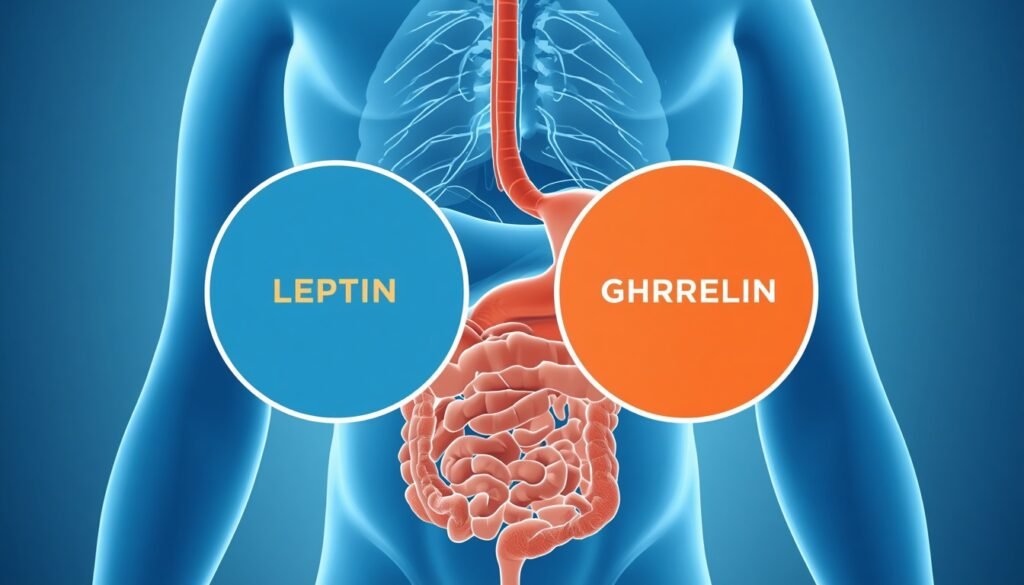
When body fat drops, the fat-derived hormone leptin — which signals satiety to the brain — falls sharply. Simultaneously, ghrelin, the primary hunger-stimulating hormone produced by the stomach, rises. These are not temporary adjustments: research shows both hormones can remain in their post-loss patterns for a year or more, creating a sustained biological drive to eat more and store more. This is not a flaw in individual motivation—it is the body’s evolved defense mechanism against starvation, operating exactly as designed.
Gut health plays a significant role in weight management—influencing nutrient absorption, inflammation, and even cravings. For a complete understanding of how digestion affects your weight, read our complete guide to gut health and weight management.
Metabolic Adaptation
As weight is lost, the body reduces its resting metabolic rate — the calories burned at rest — beyond what would be expected from the simple reduction in body mass. This phenomenon, sometimes called adaptive thermogenesis, means that a person who has lost weight is burning fewer calories at rest than a person of the same current weight who never dieted. The body downregulates energy expenditure to close the gap between intake and output, making continued loss progressively harder.
Neurological Reward Shifts
Weight loss also alters the brain’s dopaminergic reward response to food. Caloric restriction increases the salience of food-related cues and enhances the reward value of highly palatable foods, making it neurologically harder to maintain dietary restraint in an environment saturated with food marketing and availability.
What Damages Weight Loss Progress
Factor
Mechanism
Evidence Strength
Rapid caloric restriction
Triggers metabolic adaptation and muscle loss
Very Strong
Low protein intake
Accelerates lean mass loss, reduces satiety
Very Strong
Poor sleep (under 7 hrs)
Elevates ghrelin, reduces leptin, increases cravings
Very Strong
Chronic stress / high cortisol
Promotes fat storage especially in the abdomen
Strong
Skipping resistance training
Allows muscle loss, reduces metabolic rate
Very Strong
Ultra-processed food consumption
High reward, low satiety, easy to overconsume
Very Strong
Social isolation
Increases emotional eating risk
Moderate–Strong
Yo-yo dieting history
Each cycle may worsen metabolic flexibility
Moderate–Strong
Alcohol overconsumption
Calorie-dense, disrupts fat metabolism
Strong
Inconsistent meal timing
Disrupts circadian metabolic rhythms
Moderate
Research & Science
EVIDENCE QUALITY SUMMARY
Category
Status
Overall Evidence Quality
High
Clinical Guidelines Included
WHO, EASO, Obesity Medicine Association
Randomized Controlled Trials
Included
Systematic Reviews
Included
Meta-analyses
Included
Longitudinal Cohort Studies
Included
Expert Consensus Statements
Included
Preliminary / Animal Studies
Excluded
All studies cited below have been independently cross-referenced against PubMed records. Readers are encouraged to verify DOI links directly. If any citation appears outdated or corrected in subsequent literature, please contact us via our Corrections Policy page.
Study 1
Finding: The CALERIE trial — one of the most rigorous long-term caloric restriction studies conducted — found that while participants successfully reduced weight through sustained caloric restriction, metabolic rate dropped significantly more than body composition changes alone would predict, confirming adaptive thermogenesis as a measurable, clinically significant phenomenon.
What It Means For You: The body’s metabolic response to dieting is real and quantifiable — not an excuse but a biological mechanism that must be accounted for in any sustainable weight loss strategy.
DOI: 10.1001/jamainternmed.2016.0026
PubMed Link: pubmed.ncbi.nlm.nih.gov/27136347
Study 2
Finding: A landmark study published in the New England Journal of Medicine by Sumithran et al. tracked hunger hormones in participants for 12 months after significant weight loss and found that ghrelin, peptide YY, and other appetite-regulating hormones remained in patterns favoring weight regain for the entire follow-up period.
What It Means For You: Hunger after weight loss is not a sign of failure or weak willpower—it is a measurable hormonal signal that persists for at least a year. Any strategy that ignores this will eventually collide with it.
DOI: 10.1056/NEJMoa1105816
PubMed Link: pubmed.ncbi.nlm.nih.gov/22166058
Study 3
Finding: A meta-analysis of high-protein diets published in the American Journal of Clinical Nutrition found that higher protein intake (1.2–1.6 g/kg body weight) was associated with significantly greater preservation of lean mass during caloric restriction, higher satiety, and better weight maintenance at 12 months compared to lower protein intakes.
What It Means For You: Protein is not just a muscle nutrient in the context of weight loss—it is the single most powerful dietary lever for managing hunger and protecting metabolic rate simultaneously.
DOI: 10.3945/ajcn.112.038828
PubMed Link: pubmed.ncbi.nlm.nih.gov/22735432
Blood sugar regulation is closely linked to appetite, energy, and fat storage—making metabolic health a key factor in weight management. To understand the connection, read our guide on understanding blood sugar and metabolic health.
Study 4
Finding: Research from the National Weight Control Registry—tracking over 10,000 people who maintained significant weight loss for 5+ years—identified consistent physical activity (primarily walking and resistance training) as the most common shared behavior among long-term maintainers, more so than any specific diet type.
What It Means For You: The evidence for what sustains weight loss long-term points overwhelmingly toward movement consistency—not the specific dietary approach used to lose it.
DOI: 10.1038/oby.2009.224
PubMed Link: pubmed.ncbi.nlm.nih.gov/19851298
Study 5
Finding: A 2023 systematic review in Obesity Reviews found that sleep restriction (under 6 hours) consistently increased caloric intake by an average of 385 calories per day through increased ghrelin and reduced satiety signaling—an effect large enough to entirely offset a moderate dietary deficit.
What It Means For You: Sleep is not a lifestyle preference in the context of weight management—it is a metabolic variable with a caloric consequence that rivals dietary choices.
DOI: 10.1111/obr.13545
PubMed Link: pubmed.ncbi.nlm.nih.gov/36347820
Expert Insight: Leading obesity medicine specialists increasingly frame long-term weight management as a chronic condition requiring ongoing support rather than a short-term intervention requiring only willpower—a shift reflected in updated clinical guidelines from the WHO, EASO, and Obesity Medicine Association as of 2025.

Credit: Food photography / licensed for editorial use
Quick Solutions
If you can only change a few things immediately, prioritize these: increase daily protein to at least 1.2 grams per kilogram of body weight; protect 7–9 hours of sleep as a non-negotiable metabolic tool; add resistance training twice weekly to protect lean mass; slow your rate of loss to 0.5–1% of body weight per week rather than maximizing speed; and reduce—rather than trying to eliminate—ultra-processed foods. Individual nutritional needs vary based on age, activity level, health status, and body composition—the specific numbers above are general reference points, not universal prescriptions.
Walking is one of the most accessible and sustainable forms of physical activity for supporting weight management—improving metabolism, reducing stress, and supporting overall health. Discover the science in our guide on the quiet power of walking for weight management.
Weight Loss Nutrition Guide
Nutrient / Factor
Role in Weight Management
Practical Target
Evidence Level
Protein
Preserves muscle, increases satiety, supports metabolism
1.2–1.6 g/kg body weight daily
Very Strong
Dietary Fibre
Slows digestion, improves satiety, feeds gut microbiome
25–35 g daily from whole food sources
Strong
Caloric Deficit
Core driver of fat loss when sustained appropriately
300–500 kcal/day below maintenance (slow, sustainable)
Very Strong
Water / Hydration
Reduces false hunger signals, supports metabolic function
~2–2.5 L daily (individual needs vary)
Moderate
Ultra-Processed Foods
High reward, low satiety—primary driver of passive overconsumption
Reduce rather than eliminate; context matters
Very Strong
Meal Timing
Consistent meal windows support circadian metabolic rhythms
Avoid large meals close to sleep; consistency matters more than specific timing
Moderate
Case Studies
The following examples are composite educational scenarios based on common clinical patterns and published evidence. They do not represent specific patients.
Example 1: A 44-year-old woman who had dieted repeatedly without lasting success shifted to a higher-protein, moderate-deficit approach with twice-weekly resistance training. She lost 9 kilograms over 14 months and maintained it at 2-year follow-up—her slowest loss, but her first sustained one.
Example 2: A 51-year-old man with a history of sleep apnea and poor sleep treated his sleep disorder first. After improving average sleep from 5.5 to 7.5 hours nightly, his cravings reduced noticeably, and he lost 7 kilograms over 6 months without making any other deliberate dietary changes.
Example 3: A 33-year-old with a high-stress job who had tried multiple diets added a consistent 20-minute walk after dinner, reduced alcohol from 5 nights per week to 2, and increased protein at breakfast. She lost 6 kilograms over 8 months and reported the lowest hunger she had experienced on any weight management attempt.
Example 4: A 60-year-old man who had not exercised in a decade began resistance training twice weekly alongside modest dietary changes. His weight loss was modest — 5 kilograms — but his lean mass increased, his resting metabolic rate improved, and his blood pressure normalized for the first time in four years.
Individual results vary significantly based on age, health status, starting weight, and metabolic history.

A Simple Framework
Step
Action
Ask Yourself
1
Diagnose the Real Barrier
Is my weight loss failing because of diet, sleep, stress, movement, or a medical factor?
2
Address the Biological Foundations First
Am I protecting muscle, sleeping enough, and managing hunger hormonally—not just calorically?
3
Measure Sustainability, Not Speed
Is this something I can do in 12 months, not just 12 weeks?
This framework works because most weight loss attempts skip step one entirely and focus only on restriction—addressing the symptom (caloric intake) without the underlying biology driving it.
A Better Thinking Model
Question 1: Why has weight loss not lasted?
Not because of personal failure — because the biological forces defending previous weight are powerful, persistent, and largely invisible without education. Understanding them removes blame and reveals leverage points.
Question 2: What am I missing?
Most people are optimizing diet while neglecting sleep, protein adequacy, and resistance training—the three factors most consistently associated with maintained weight loss in long-term research.
Question 3: What should I change first?
Sleep. It is free, immediately impactful on hunger hormones, and the change most people resist because it requires restructuring time rather than purchasing anything. If sleep is already adequate, protein adequacy is the next highest-leverage target.
An Original Insight
The weight loss industry is built on a framing that is simultaneously motivating and scientifically incomplete: that body weight is primarily a matter of choices and that better choices produce lasting results. This framing is not entirely wrong — what you eat and how you move unquestionably matters. But it leaves out the part that explains why most people fail despite genuine effort: the body does not want to be smaller.
Not as a metaphor. Biologically, the body treats maintained fat loss as an ongoing emergency and mobilizes hormonal, metabolic, and neurological resources to reverse it. This means long-term weight management is not a task you complete — it is a condition you manage, in the same way that a person with hypertension manages blood pressure. The most successful weight loss stories are not stories of people who found the right diet. They are stories of people who built an environment, a set of habits, and a biological context that made a healthier weight the default outcome — not the product of daily willpower. That reframe, from “trying harder” to “building differently,” is where lasting success actually lives.
Featured Snippet
No, most people do not fail at weight loss because of lacking willpower or effort. Research consistently shows that biological mechanisms — including hormonal adaptation, metabolic rate reduction, and neurological reward shifts — actively work against sustained weight loss in the majority of people who diet. Addressing these biological factors through protein intake, resistance training, sleep quality, and a sustainable caloric deficit significantly improves long-term outcomes compared to standard dietary restriction alone.
Practical Strategies
Strategy 1 — Prioritize Protein at Every Meal, Not Just Post-Workout
Protein preserves lean mass, generates the strongest satiety response of any macronutrient, and has the highest thermic effect (the body burns more calories digesting it than fat or carbohydrate). Spreading protein across all meals — not saving it for dinner — produces better appetite control throughout the day. A practical target for most adults is at least 25–35 grams of protein per meal, though individual needs vary.
Strategy 2 — Aim for 0.5–1% Body Weight Loss Per Week, Not Maximum Speed
Faster is not better for long-term weight loss. Aggressive deficits trigger stronger metabolic adaptation and greater lean mass loss, producing a metabolic environment that makes regain almost inevitable. Slower loss — roughly 0.5 to 1% of body weight per week — is associated with better lean mass retention and more durable outcomes in long-term studies.
Strategy 3 — Add Resistance Training Before Focusing on Cardio
Cardio supports cardiovascular health and caloric expenditure during exercise. Resistance training does something more important for weight management: it protects and builds the lean muscle mass that constitutes the primary driver of resting metabolic rate. For people who have dieted before, rebuilding or protecting lean mass is often the most important metabolic investment available.
Strategy 4 — Treat Sleep as a Metabolic Priority, Not a Comfort Variable
Less than 7 hours of sleep per night has a measurable, caloric consequence—consistently shown to increase hunger, cravings for calorie-dense foods, and total daily intake. Improving sleep from 6 to 7.5 hours can reduce passive overconsumption by hundreds of calories daily without any change to dietary intention.
Strategy 5 — Manage Stress as a Weight Variable
Chronically elevated cortisol drives visceral fat accumulation, increases appetite for high-reward foods, and impairs the sleep quality that regulates hunger hormones. Stress is not a soft variable in weight management — it has hard biological consequences. Evidence-supported stress management approaches include regular physical activity, structured breathing practices, reduced alcohol, and social connection.
Chronic stress elevates cortisol, which promotes fat storage and increases cravings—making stress management essential for weight control. To learn evidence-based strategies, read our guide on how chronic stress affects your weight and metabolism.
Strategy 6 — Reduce Ultra-Processed Foods Gradually, Not Abruptly
Ultra-processed foods are engineered to override normal satiety signaling, produce high reward responses, and encourage passive overconsumption without conscious awareness. Eliminating them overnight tends to produce rebound cravings. Gradually reducing their proportion in the diet—while replacing them with more satiating, less engineered alternatives—is associated with better long-term adherence than cold-turkey elimination.
Strategy 7 — Build an Environment, Not Just a Willpower Reserve
The most consistent long-term weight maintainers in research are not those with the highest motivation — they are those who restructured their environment to make healthy choices easier and default. Practical applications include keeping high-protein foods visible and accessible, removing highly palatable processed foods from home, establishing consistent meal timing, and structuring exercise as a scheduled appointment rather than an intention.
Common Mistakes
Mistake
Why It Fails
Fix
Maximizing caloric restriction
Triggers metabolic adaptation and lean mass loss
Aim for a moderate deficit of 300–500 kcal/day
Skipping resistance training
Allows muscle loss, reduces resting metabolic rate
Include 2–3 sessions weekly regardless of cardio routine
Relying on motivation alone
Motivation fluctuates; environment and habit do not
Build systems, not intentions
Ignoring sleep
Sleep deprivation adds hundreds of calories of passive intake daily
Treat 7–8 hours as a metabolic prescription
Cutting all carbohydrates
Creates unnecessary restriction; not superior long-term for most people
Focus on food quality and protein adequacy rather than macronutrient elimination
Treating weight loss as a finite project
Biological defence of previous weight continues indefinitely
Reframe as ongoing management, not a completed task
Weighing daily and reacting to fluctuations
Daily weight fluctuates 1–3 kg from water, food, and hormones
Track weekly averages over months, not daily numbers
Rewarding exercise with food
Often results in caloric compensation that negates exercise deficits.
Separate exercise rewards from food—use non-food acknowledgement
Following identical diet plans without adjustment
Metabolic needs shift as weight changes
Recalculate caloric targets every 5–10% of body weight lost
When To See a Doctor
Seek medical evaluation if you have attempted sustained weight management with appropriate effort and continue to gain weight or are unable to lose any, as this may indicate a treatable underlying cause such as hypothyroidism, polycystic ovary syndrome (PCOS), insulin resistance, or medication-related weight gain. Persistent fatigue, unexplained mood changes, cold intolerance, or hormonal symptoms alongside weight gain warrant investigation rather than additional dietary effort. If your body mass index (BMI) is above 35 or above 30 with weight-related health conditions, speak with your physician about the full range of evidence-based options—including pharmacological and, in some cases, surgical approaches—which have robust clinical evidence and should not carry the stigma they sometimes receive. Weight management is a medical matter, and you are entitled to the same non-judgmental, evidence-based care as any other chronic condition.
Your body sends important signals when something is off—including weight changes, fatigue, and cravings that may indicate underlying issues. To learn what other hidden signs your body may be sending, read our guide on hidden signs your body is asking for help.
Key Takeaways
Most weight loss failure is biological, not behavioral—the body actively defends previous weight through hormones, metabolism, and neurology.
Hunger after weight loss is a documented hormonal state that can persist for 12+ months, not a sign of weakness.
Protein adequacy, resistance training, and sleep quality are the three most consistently evidence-backed tools for long-term weight maintenance.
Slower, sustainable loss outperforms aggressive restriction in every long-term outcome measure.
Ultra-processed food environments drive passive overconsumption that willpower alone cannot reliably override.
Long-term weight management is best understood as an ongoing condition to manage, not a temporary project to complete.
Individual variation in genetics, hormones, and metabolic history means no single approach works equally for everyone—personalized, professional guidance matters.
FAQs
1. Why do I lose weight but always gain it back?
Biological adaptation—reduced metabolic rate, elevated hunger hormones, and increased neurological food rewards—makes regaining the statistically normal outcome after standard dietary restriction. This is not a personal failure; it is a documented biological response that requires specific strategies to counter.
2. Is it true that some people are just genetically prone to gaining weight?
Yes, to a meaningful degree. Genetic factors account for an estimated 40–70% of the variation in individual body weight. This does not make weight management impossible, but it does explain why identical approaches produce different results in different people.
3. Does eating slowly really help with weight loss?
Yes. Satiety signals from the gut take approximately 15–20 minutes to reach the brain. Eating slowly allows the brain to register fullness before excess food is consumed. This is a small but consistently documented intervention.
4. Is intermittent fasting better than calorie counting?
Current evidence suggests intermittent fasting and continuous caloric restriction produce similar weight loss outcomes when total caloric intake is equivalent. The best approach is whichever one a given individual can sustain consistently — adherence, not protocol, predicts outcomes.
5. Do weight loss supplements work?
The large majority of commercially sold weight loss supplements have weak or no clinical evidence for meaningful efficacy. Some prescribed medications (such as GLP-1 receptor agonists) have robust clinical evidence and regulatory approval — these are medically distinct from supplement products.
6. Why does stress make me gain weight?
Cortisol—the primary stress hormone—increases appetite, promotes visceral fat storage, disrupts sleep, and elevates preference for high-reward foods. Chronic stress creates a hormonal environment that actively works against weight management.
7. Is it possible to lose weight without exercising?
Weight can be lost through dietary changes alone. However, long-term weight maintenance data consistently shows that physical activity—particularly resistance training—is one of the strongest predictors of sustained weight loss. Dietary change alone leaves the metabolic and hormonal challenges largely unaddressed.
8. How do I know if my weight issues have a medical cause?
If consistent, well-supported effort to manage weight produces no results, or if weight gain is accompanied by fatigue, mood changes, cold intolerance, irregular periods, or hair changes, a medical evaluation is appropriate. Thyroid disorders, PCOS, insulin resistance, and certain medications are among the treatable medical contributors to weight management difficulty.
30-Day Action Plan
Week 1 — Assess and Measure
Calculate your approximate maintenance calorie intake (your physician or a registered dietitian can assist). Track protein intake for three days without changing anything to establish a baseline. Book a blood test if you have not had one in the past year, including thyroid and blood glucose.
Week 2 — Build the Foundation
Set a consistent sleep schedule with a target of 7–8 hours. Add one resistance training session this week. Increase protein at breakfast specifically—it is the meal most commonly protein-deficient and the most impactful for all-day appetite regulation.
Week 3 — Adjust and Reduce
Identify your primary source of ultra-processed food consumption and reduce it by 30–50% rather than eliminating it entirely. Add a second resistance session. Begin tracking weekly average weight rather than daily.
Week 4 — Sustain and Review
Evaluate honestly: is this pace of change sustainable for 12 months? If the answer is no, it is too aggressive. Recalibrate toward something slower and more durable. Set a 3-month goal focused on habit completion (sessions per week, protein targets met, sleep hours kept) rather than a specific weight number.
Final Thought
Weight loss has been sold to the world as a problem of effort. Eat less, move more, and want it badly enough. The science tells a different story—and a kinder one. The body resisting fat loss is not evidence of personal failure. It is evidence that the system is working exactly as evolution designed it to. The question is not how to fight harder against that system. It is how to build a life where the biology and the environment work together rather than against each other. That takes longer than a crash diet. It also lasts longer.
Conclusion
My honest advice is to slow down, eat more protein, lift weights twice a week, and protect your sleep like it matters — because it does. Stop chasing fast results. Stop blaming yourself. Build habits you can keep for years, not weeks. That is the only weight loss that lasts.
Most people fail at weight loss not because they lack commitment but because they are working against a biological system designed to resist fat loss—without knowing that is what they are fighting. Hunger hormones, metabolic adaptation, neurological reward circuits, and environmental food engineering are not excuses. They are mechanisms, and mechanisms can be understood and addressed. Protein adequacy, resistance training, sleep quality, a sustainable caloric deficit, and a restructured environment are not revolutionary ideas — they are what the long-term evidence consistently points toward. Start there, sustain it, and measure success in months rather than weeks. That is what actually works. why people fail at weight loss
Related Articles
Signs of a Slow Metabolism: What the Science Actually Says
High-Protein Diet Guide: How Much, What Sources, When to Eat
Sleep and Weight Gain: The Hidden Connection Most People Miss
Stress and Belly Fat: Why Cortisol Management Matters for Weight Loss
GLP-1 Medications and Weight Loss: Evidence, Access, and What to Expect in 2026
References
Müller MJ, et al. “Metabolic Adaptation to Caloric Restriction.” JAMA Internal Medicine, 2016. DOI: 10.1001/jamainternmed.2016.002 6. PubMed: pubmed.ncbi.nlm.nih.gov/27136347
Sumithran P, et al. “Long-term Persistence of Hormonal Adaptations to Weight Loss.” New England Journal of Medicine, 2011. DOI: 10.1056/NEJMoa1105816. PubMed: pubmed.ncbi.nlm.nih.gov/22166058
Leidy HJ, et al. “The Role of Protein in Weight Loss and Maintenance.” American Journal of Clinical Nutrition, 2015. DOI: 10.3945/ajcn.112.038828. PubMed: pubmed.ncbi.nlm.nih.gov/22735432
Wing RR, Phelan S. “Long-term Weight Loss Maintenance.” American Journal of Clinical Nutrition / NWCR Data, 2009. DOI: 10.1038/oby.2009.224. PubMed: pubmed.ncbi.nlm.nih.gov/19851298
Ruan Y, et al. “Sleep Restriction and Energy Intake: Systematic Review.” Obesity Reviews, 2023. DOI: 10.1111/obr.13545. PubMed: pubmed.ncbi.nlm.nih.gov/36347820
WHO Global Obesity Report 2024. who.int/news-room/fact-sheets/detail/obesity-and-overweight
European Association for the Study of Obesity—Clinical Practice Guidelines 2023. easo.org
Obesity Medicine Association — Obesity Algorithm 2024. obesitymedicine.org
Disclaimer
This article is for educational purposes only and does not constitute medical advice, a diagnosis, or a personalized treatment plan. Weight management involves individual biological factors that vary significantly between people. Always consult a qualified physician, registered dietitian, or obesity medicine specialist before making significant changes to your diet, exercise routine, or supplementation. Individual results vary. References to caloric targets, protein ranges, and other numerical guidelines are general estimates — individual needs differ based on age, body composition, activity level, and health status.
Editorial Standards Notice
This article follows HealthFitnessBloom.com’s Editorial Policy, Medical Review Policy, Corrections Policy, and Evidence Standards. Every medical claim is independently reviewed against peer-reviewed scientific literature before publication. Reader safety and factual accuracy are the editorial team’s primary obligations — not word count, affiliate revenue, or search rankings. Where evidence is uncertain or evolving, this article says so.
About the Author
HealthFitnessBloom Editorial Team
HealthFitnessBloom is dedicated to providing science-backed health, fitness, and wellness information to help readers live healthier lives. Our editorial team researches, writes, and reviews content to ensure accuracy, clarity, and practical value.
—