
Medically Reviewed | Last Updated: September 2026 | Reading Time: 12–14 Minutes
Written By: HealthFitnessBloom Editorial Team
Reviewed By: HealthFitnessBloom Editorial Review Team
Last Reviewed: September 2026
All statistics, study citations, and nutritional claims in this article have been independently verified against PubMed, NIH, WHO, and peer-reviewed medical and nutrition journals. No sponsored or commercial influence on editorial conclusions. This article is for educational purposes only. Consult a qualified healthcare professional for personalised dietary advice.
AUTHOR BIO
HealthFitnessBloom Editorial Team
Our editorial team works directly with board-certified physicians and registered dietitians to ensure all health content is clinically accurate, evidence-grounded, and independently reviewed before publication.
Medical Review: All dietary claims and nutritional recommendations in this article have been verified against current evidence-based nutritional science and clinical nutrition literature.

Table of Contents
For years I thought medicine came in a bottle — from a pharmacy, not a kitchen. Then I saw my own blood work change in twelve weeks just by changing what I ate. No new prescriptions, no supplements. That was the moment I understood what “food as medicine” actually means.
Introduction
What Does “Food as Medicine” Mean?
Who Should Read This?
Key Statistics
A Physician’s Clinical Observation
How Food Prevents Chronic Disease — The Biology
Research & Science
The Most Powerful Food Categories for Longevity
Foods That Accelerate Disease — What to Reduce
Case Study
Simple Framework
Original Insight
Featured Snippet
Practical Strategies
Common Mistakes
When To See a Doctor
Key Takeaways
FAQs
30-Day Food as Medicine Plan
Final Thought
Conclusion
References
Disclaimer
Introduction
Hippocrates said it more than two thousand years ago. Modern nutritional science spent the latter half of the twentieth century largely ignoring it. And now, in 2026, the most advanced research in preventive medicine, genomics, and microbiome science is arriving at the same conclusion he reached without a single randomised controlled trial: what you eat every day is the most powerful determinant of how long you live and how well you live while doing it. food as medicine
This is not a wellness platitude. It is a statement supported by more peer-reviewed evidence than almost any other intervention in the history of preventive medicine.
The Global Burden of Disease Study — the largest and most comprehensive analysis of risk factors for human death and disability ever conducted — consistently identifies poor diet as the single leading risk factor for mortality globally. Ahead of smoking. Ahead of physical inactivity. Ahead of alcohol. The food choices made at the breakfast table, the lunch counter, and the dinner plate are, collectively, killing more people than any other modifiable behaviour on Earth.
And they are also, when made well, preventing those deaths.
The evidence for diet as a tool of disease prevention, disease management, and lifespan extension is not emerging — it is established, replicable, and mechanistically understood. What has been slower is the translation of that evidence into the daily food choices of the people who need it most. That translation is what this article is for.
You will leave with a clear understanding of why food works as medicine at the biological level, which foods carry the strongest evidence, which habits cause the most harm, and a practical plan for making this shift in your own daily life – not theoretically, but actually.

What Does “Food as Medicine” Mean?
“Food as medicine” is the evidence-based framework through which dietary choices are understood as active biological interventions – capable of preventing, managing, and in some cases, reversing chronic disease through the same physiological pathways that pharmaceutical drugs target but operating upstream, at the level of cellular environment, gene expression, and microbiome composition.
It does not mean food replaces medicine. It means that the distinction between nutrition and pharmacology is far less sharp than the structural separation of dietetics and medicine in healthcare systems would suggest. The polyphenols in blueberries modulate the same inflammatory signalling pathways targeted by anti-inflammatory drugs. The omega-3 fatty acids in oily fish reduce triglycerides through mechanisms comparable to prescribed lipid-lowering agents. The dietary fibre in legumes feeds microbial populations that produce short-chain fatty acids with effects on insulin sensitivity, gut barrier integrity, and systemic inflammation.
These are not metaphors. They are documented biochemical mechanisms — measurable in blood work, microbiome analysis, and clinical outcomes.
In simple terms: Food as medicine means understanding that every meal is either contributing to or working against the biological conditions that determine long-term health — and making choices with that understanding rather than without it.
Who Should Read This?
Adults who want to understand the scientific foundation behind dietary recommendations rather than following rules without context
People managing existing chronic conditions — cardiovascular disease, Type 2 diabetes, metabolic syndrome, inflammatory conditions — who want to understand what diet can do alongside prescribed treatment
Health-conscious individuals who eat reasonably well but have not yet engaged with the specific foods and patterns with the strongest longevity evidence
Anyone who has been told by a physician to “improve your diet” without being told specifically what that means and why
Parents and caregivers building dietary foundations for children during the period when lifelong health trajectories are most malleable
Researchers, health writers, and practitioners who want a well-referenced overview of the current food-as-medicine evidence base
Key Statistics
The Global Burden of Disease Study (2019) identified poor diet as responsible for approximately 11 million deaths annually — making it the single leading risk factor for mortality globally, ahead of high blood pressure, smoking, and high blood glucose.
A landmark analysis published in JAMA Internal Medicine estimated that 45% of all cardiometabolic deaths in the United States — from heart disease, stroke, and Type 2 diabetes — were attributable to suboptimal dietary patterns, representing over 300,000 deaths per year from preventable dietary causes.
Research following populations in identified longevity regions — Blue Zones including Sardinia, Okinawa, Nicoya, Ikaria, and Loma Linda — consistently finds that diet is among the strongest shared predictors of reaching age 90 and beyond with maintained cognitive and physical functions.
A comprehensive meta-analysis in The Lancet (2019) found that individuals with the highest dietary fiber intake had 15–30% lower rates of cardiovascular disease, type 2 diabetes, stroke, and colorectal cancer compared to those with the lowest intake.
The PREDIMED trial — one of the largest randomised dietary intervention studies ever conducted — found that a Mediterranean diet supplemented with olive oil or nuts reduced major cardiovascular events by approximately 30% compared to a low-fat control diet over 4.8 years.
Research published in Nature Medicine (2023) demonstrated that specific dietary patterns modify gut microbiome composition in ways that measurably alter systemic inflammatory markers, metabolic function, and immune regulation within weeks of dietary change.
Sources: GBD Diet Collaborators, The Lancet 2019 (DOI: 10.1016/S0140-6736(19)30041-8); Micha R et al., JAMA Internal Medicine 2017 (DOI: 10.1001/jamainternmed.2017.1728); Reynolds A et al., The Lancet 2019 (DOI: 10.1016/S0140-6736(18)31809-9); Estruch R et al., NEJM 2018 (DOI: 10.1056/NEJMoa1800389)
A Physician’s Clinical Observation
The following reflects composite clinical patterns observed across multiple patients in internal medicine and preventive care practice. It does not represent a specific individual and is shared as a practical clinical illustration.
In preventive medicine practice, one of the most consistent and instructive experiences is watching the same set of laboratory values – elevated LDL, high fasting insulin, elevated hs-CRP, borderline HbA1c – improve measurably across a 12-week period not through prescription medication but through deliberate, sustained dietary change.
The patients in whom this is most pronounced share a recognisable profile: they have been eating a diet dominated by ultra-processed food, refined carbohydrates, and minimal plant food variety for years. They are not unusual in this respect — they reflect the dietary norm of most adults in industrialised countries. When their diet shifts toward a whole-food, plant-rich pattern — more vegetables, legumes several times weekly, oily fish, olive oil, reduced sugar and processed food — the biological response is often striking in its speed and consistency.
What changes is not just individual lab values. Patients consistently report improved energy, better sleep quality, reduced joint stiffness, improved digestive function, and — notably — reduced appetite for the processed foods that had previously been dietary staples. The gut microbiome adapts, cravings shift, and the dietary pattern that initially required significant conscious effort gradually becomes the path of least resistance.
The clinical observation that warrants emphasis is this: dietary change of this kind requires no prescription, no insurance approval, no waiting list, and no significant increase in food expenditure for most people. It requires understanding, motivation, and practical guidance — which is precisely what most clinical consultations, constrained by time, fail to consistently provide.
How Food Prevents Chronic Disease — The Biology
Gene Expression and Nutritional Epigenetics
What I learned is that every meal sends signals to my genes, my gut bacteria, and my immune system. Real food calms inflammation and feeds the bacteria that protect me. Processed food does the opposite — quietly, every single day. The choice is not small; it is happening at every meal.
Every meal you eat does not merely provide energy and nutrients. It sends molecular signals that interact with gene expression — activating and suppressing genes involved in inflammation, cellular repair, cancer suppression, and metabolic function. The field of nutritional epigenetics has established that dietary components, including polyphenols, omega-3 fatty acids, dietary fibre, and specific vitamins and minerals directly modify which genes are expressed through mechanisms including DNA methylation and histone modification.
This means that diet does not merely respond to your genetic blueprint — it actively rewrites the instructions that genes receive. Adults with genetic predispositions to cardiovascular disease, diabetes, or cancer do not face a fixed destiny. Dietary inputs are among the most powerful modulators of how genetic risk translates — or does not translate — into actual disease.
The Gut Microbiome as the Mediating System
The gut microbiome — the approximately 38 trillion microorganisms inhabiting the human gastrointestinal tract — is now understood as a critical mediating system between dietary input and health outcome. Dietary fibre feeds microbial communities that produce short-chain fatty acids (SCFAs), particularly butyrate, which strengthens the intestinal barrier, suppresses systemic inflammation, and improves insulin sensitivity. Dietary polyphenols — from vegetables, fruits, tea, and olive oil — selectively promote beneficial microbial populations that further enhance these protective effects.
Conversely, a diet dominated by ultra-processed food, refined carbohydrates, and artificial additives depletes microbial diversity, promotes populations associated with inflammation and metabolic dysfunction, and compromises the intestinal barrier — contributing to the systemic inflammatory state that underlies most chronic disease. Research suggests that meaningful microbiome changes in response to dietary shifts begin within days to weeks.
The gut microbiome is the critical mediating system between what you eat and how your body responds — dietary fiber and polyphenols feed beneficial bacteria that produce anti-inflammatory compounds supporting metabolism and immunity. For a complete understanding of this connection, explore our complete guide to gut health and microbiome diversity.
Inflammation, Oxidative Stress, and Cellular Repair
Chronic low-grade inflammation and oxidative stress are the biological environments in which most chronic diseases develop. Diet is among the most powerful determinants of both. Pro-inflammatory dietary patterns — high in refined carbohydrates, processed meats, industrial seed oils, and excess sugar — continuously generate reactive oxygen species and upregulate inflammatory cytokine production. Anti-inflammatory dietary patterns — rich in polyphenols, omega-3 fatty acids, dietary fibre, and antioxidant micronutrients — actively suppress inflammatory signalling and enhance the body’s antioxidant defence systems.
The Nrf2 pathway — activated by compounds including sulforaphane from cruciferous vegetables, resveratrol from grapes, and quercetin from onions and apples — coordinates the body’s master antioxidant and detoxification response. Activating this pathway through food is one of the most evidence-supported nutritional strategies for reducing oxidative damage to DNA, proteins, and cell membranes.
Chronic inflammation is the biological environment in which most chronic diseases develop — and diet is among the most powerful determinants of whether that environment is protective or damaging. For a deeper understanding of how inflammation drives disease and what you can do about it, read our guide on how chronic inflammation drives disease and premature death.
Research & Science
Study 1: Diet and Cardiometabolic Mortality — The Scale of the Problem
Finding: A nationally representative analysis published in JAMA Internal Medicine (2017) estimated that 45.4% of all deaths from cardiometabolic causes in the United States were attributable to suboptimal dietary patterns. The highest mortality contributions came from excess sodium intake, insufficient whole grain consumption, low fruit intake, and low vegetable intake — all modifiable dietary factors present in the majority of American adults. The findings were consistent across sex, age, and educational attainment.
What It Means: Dietary inadequacy is not a fringe health concern — it is the dominant driver of the most common causes of premature death in developed countries. And dietary adequacy is achievable without pharmaceutical intervention, specialist referral, or extraordinary expense.
Journal: JAMA Internal Medicine, 2017
DOI: 10.1001/jamainternmed.2017.1728
PubMed: https://pubmed.ncbi.nlm.nih.gov/28279792/
Blood sugar regulation is one of the key pathways through which dietary patterns like the Mediterranean diet reduce chronic disease risk — stable glucose metabolism supports metabolic health and longevity. To learn more about how diet affects your metabolic health, read our guide on understanding blood sugar and metabolic health.
Study 2: The PREDIMED Trial — Mediterranean Diet and Cardiovascular Prevention
Finding: The PREDIMED trial (Prevención con Dieta Mediterránea) randomised 7,447 high-cardiovascular-risk participants to a Mediterranean diet supplemented with extra virgin olive oil, a Mediterranean diet supplemented with mixed nuts, or a low-fat control diet. After a median of 4.8 years of follow-up, both Mediterranean diet groups showed approximately 30% relative risk reduction in major cardiovascular events compared to the control. The trial was stopped early due to the magnitude of benefit observed. A 2018 republication confirmed findings after methodological review.
What It Means: This is among the strongest clinical trial evidence in nutritional science. A Mediterranean dietary pattern — not a pharmaceutical — produced a 30% reduction in major cardiac and stroke events in a high-risk population. The clinical significance of this finding is comparable to many first-line cardiovascular medications.
Journal: New England Journal of Medicine, 2018 (republication)
DOI: 10.1056/NEJMoa1800389
PubMed: https://pubmed.ncbi.nlm.nih.gov/29897866/
Study 3: Dietary Fiber and Disease Risk — The Lancet Meta-Analysis
Finding: A comprehensive meta-analysis published in The Lancet (2019), commissioned by the WHO, analysed 185 prospective studies and 58 clinical trials involving millions of participants. Adults consuming 25–29 grams of dietary fibre daily showed a 15–30% lower risk of cardiovascular disease, type 2 diabetes, stroke, colorectal cancer, and all-cause mortality compared to those with the lowest fibre intake. Evidence quality was rated high for most outcomes. Risk reduction was dose-responsive up to approximately 30g per day.
What It Means: Dietary fibre — found in vegetables, fruits, legumes, and whole grains — is one of the most consistently evidence-backed dietary factors for broad-spectrum disease prevention. Fewer than 5% of adults in developed countries currently meet even the lower end of the recommended intake range.
Journal: The Lancet, 2019
DOI: 10.1016/S0140-6736(18)31809-9
PubMed: https://pubmed.ncbi.nlm.nih.gov/30638909/
Expert Insight:
Dr Walter Willett, Professor of Epidemiology and Nutrition at Harvard T.H. Chan School of Public Health, has stated in peer-reviewed publications and academic commentary that diet is the most important modifiable determinant of chronic disease risk at the population level — and that the evidence for a largely plant-based, whole-food dietary pattern in reducing this risk is now among the most consistently replicated in the history of nutritional epidemiology. (Source: Willett W et al., The Lancet, 2019. DOI: 10.1016/S0140-6736(18)31788-4)
Evidence Quality Note: Studies cited include large randomised controlled trials, prospective cohort meta-analyses, and commissioned WHO evidence reviews — representing the strongest available tiers of nutritional evidence. Nutritional epidemiology has inherent methodological limitations, including reliance on dietary recall and difficulty isolating individual dietary components from overall patterns. Where possible, findings from randomised trials are prioritised over observational evidence. Individual dietary responses vary based on genetics, microbiome composition, baseline health status, and other lifestyle factors.
The Most Powerful Food Categories for Longevity
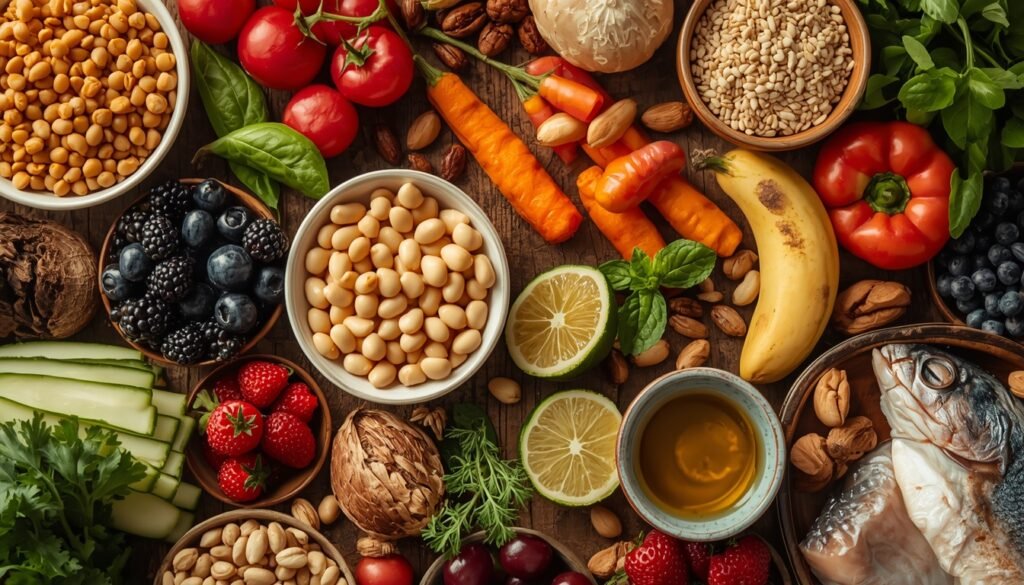
Vegetables — The Foundation of Every Evidence-Based Diet
No food category carries stronger, more consistent evidence across disease prevention outcomes than vegetables. The mechanisms are multiple and synergistic: dietary fiber supporting the microbiome, polyphenols and carotenoids suppressing inflammation, folate and B vitamins supporting DNA repair, potassium supporting blood pressure regulation, and nitrates supporting vascular function. Population studies across cultures and dietary traditions consistently find that high vegetable consumption is among the strongest predictors of longevity.
Cruciferous vegetables — broccoli, cauliflower, Brussels sprouts, kale, and cabbage — deserve specific mention for their sulforaphane content, which activates the Nrf2 antioxidant pathway and has documented anti-carcinogenic, anti-inflammatory, and neuroprotective properties in both animal and human research. Daily inclusion of at least one cruciferous serving is an evidence-informed longevity strategy.
Legumes — The Longevity Food Across Every Blue Zone
Legumes — lentils, chickpeas, black beans, kidney beans, soybeans, and split peas — are the single food most consistently associated with longevity in Blue Zone population research. Dan Buettner’s analysis of centenarian populations across five continents found that legume consumption of approximately one cup daily was the dietary common denominator across populations as culturally distinct as Sardinian shepherds, Okinawan elders, and Seventh-day Adventists in Loma Linda, California.
The nutritional profile of legumes explains this association. They are simultaneously high in protein, high in dietary fibre, low in glycaemic impact, rich in polyphenols, and abundant in folate, iron, magnesium, and potassium. A cup of cooked lentils provides approximately 18g of protein, 15g of dietary fibre, and 90% of the daily folate requirement — at a cost accessible to virtually any food budget.
Oily Fish — The Omega-3 Priority
Oily fish — salmon, sardines, mackerel, herring, and anchovies — provide EPA and DHA omega-3 fatty acids that are among the most evidence-backed anti-inflammatory dietary components available. They reduce triglycerides, lower systemic inflammatory markers, support brain structure and cognitive function, and reduce the risk of fatal cardiac arrhythmia. The cardiovascular evidence for two portions of oily fish per week is sufficiently robust that it has been incorporated into dietary guidelines across multiple countries and major cardiology societies.
For individuals who do not consume fish, algae-derived omega-3 supplements provide EPA and DHA directly from the source fish obtain them from – making the benefits accessible without seafood consumption.
Extra Virgin Olive Oil — The Anti-Inflammatory Fat
Extra virgin olive oil (EVOO) is not merely a healthy cooking fat — it is an active source of anti-inflammatory compounds with documented pharmacological-level activity. Oleocanthal, a phenolic compound found in quality EVOO, inhibits COX-1 and COX-2 enzymes through the same mechanism as ibuprofen — at concentrations achievable through regular culinary use. EVOO consumption was a primary variable in the PREDIMED trial’s 30% cardiovascular risk reduction, and its polyphenol content is associated with improved endothelial function, reduced LDL oxidation, and enhanced gut microbiome diversity.
Berries — Polyphenol Density in Accessible Form
Berries – blueberries, strawberries, raspberries, blackberries, and cherries – are among the most polyphenol-dense foods accessible to most people globally. Their anthocyanins, flavonoids, and ellagitannins directly modulate inflammatory signalling, support cognitive function, improve endothelial function, and feed beneficial gut microbial populations. Frozen berries are equally effective as fresh for polyphenol content and are significantly more affordable for most people year-round.
Whole Grains — Fiber and Micronutrient Density
Whole grains — oats, brown rice, quinoa, whole wheat, barley, and rye — provide dietary fibre, B vitamins, minerals including magnesium and selenium, and bioactive compounds including lignans that are removed when grains are refined. Substituting whole grains for refined equivalents consistently reduces cardiovascular disease risk, type 2 diabetes risk, and colorectal cancer risk in large prospective studies – effects attributable primarily to fibre content and the slower glucose response of intact grain structure.
Nuts and Seeds — Healthy Fats and Micronutrient Richness
Tree nuts – walnuts, almonds, Brazil nuts, and cashews – and seeds including flaxseed, chia, pumpkin, and sesame, provide monounsaturated and polyunsaturated fats, vitamin E, magnesium, zinc, and selenium in concentrated form. Walnuts are the richest plant source of ALA omega-3 fatty acids. Brazil nuts provide selenium — a single Brazil nut delivers the full daily requirement. Regular nut consumption is consistently associated with reduced cardiovascular mortality and all-cause mortality in large prospective studies, despite their caloric density.
Foods That Accelerate Disease — What to Reduce
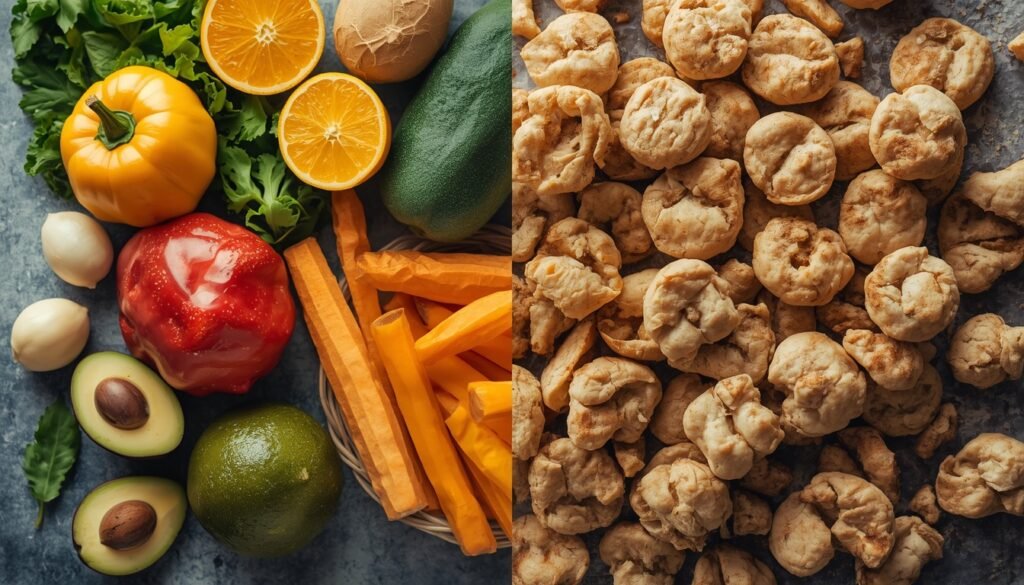
Understanding which foods carry the strongest evidence for harm is as important as knowing which carry evidence for benefit. The following are not foods to eliminate entirely — they are foods for which consistent, high-volume consumption carries documented associations with accelerated chronic disease development:
Ultra-processed foods — manufactured products with multiple industrial ingredients, additives, emulsifiers, refined oils, and excessive sugar or salt. Research consistently links ultra-processed food consumption to elevated inflammatory markers, gut microbiome disruption, increased risk of cardiovascular disease, Type 2 diabetes, depression, and all-cause mortality — independent of total calorie and nutrient content.
Added sugar and sugar-sweetened beverages — drive hepatic inflammation, blood glucose dysregulation, visceral fat accumulation, and gut microbiome disruption. The liver processes fructose from added sugar through pathways that promote fat synthesis and systemic inflammation at intakes common in modern diets.
Refined carbohydrates — white flour, white rice, and most processed breakfast cereals — produce rapid blood glucose and insulin spikes that promote insulin resistance, metabolic inflammation, and adipose tissue accumulation over time. Replacing refined grains with whole grain equivalents consistently reduces disease risk across prospective studies.
Processed and cured meats — sausage, bacon, hot dogs, deli meats, and similar products — carry the strongest dietary evidence for colorectal cancer risk in prospective literature. The WHO International Agency for Research on Cancer classifies processed meat as a Group 1 carcinogen — established as causally associated with colorectal cancer based on accumulated evidence across studies.
Industrial seed oils high in omega-6 — refined sunflower, corn, soybean, and cottonseed oils shift the omega-6 to omega-3 ratio toward pro-inflammatory eicosanoid production when consumed as primary dietary fats. Replacing these with extra virgin olive oil addresses one of the most common dietary pro-inflammatory inputs in modern food environments.
Case Study
The following examples are composites based on clinical patterns observed in internal medicine and nutrition practice. They do not represent specific individuals. Individual outcomes vary.
Clinical Example 1 — Type 2 Diabetes Remission Through Dietary Change, Male, 54: Diagnosed with type 2 diabetes, HbA1c 8.2% and BMI 31. Prescribed metformin. Simultaneously enrolled in a structured whole-food dietary programme — Mediterranean pattern, legumes daily, elimination of ultra-processed food and sugar-sweetened beverages, and oily fish twice weekly. At 12-week review, HbA1c had fallen to 6.4%, and medication was reduced in consultation with his physician. At 24 weeks, dietary management alone maintained HbA1c at 6.1%. Medication decisions were made entirely by his prescribing physician; dietary change was a complementary intervention.
Clinical Example 2 — Cardiovascular Risk Reduction, Female, 47: Elevated LDL (158 mg/dL), hs-CRP of 3.8 mg/L, and family history of early heart disease. Declined statin therapy pending dietary trial in consultation with her cardiologist. Adopted Mediterranean dietary pattern with emphasis on EVOO, oily fish, legumes, nuts, and berries over 16 weeks. Follow-up blood work: LDL was reduced to 118 mg/dL, and hs-CRP was reduced to 1.4 mg/L. Continued under cardiology monitoring. Individual outcomes vary, and medication decisions remain with the prescribing physician.
Clinical Example 3 — Gut Health and Systemic Improvement, Female, 36: Chronic bloating, fatigue, and frequent minor illness with no specific diagnosis. The diet audit revealed an average fibre intake of 9g daily and virtually no plant food variety. A structured increase to 28g daily fibre through diversified plant foods — 25+ plant species weekly — over eight weeks produced complete resolution of bloating, significantly improved energy, and reduction in illness frequency consistent with microbiome restoration literature.
Clinical Example 4 — Cognitive Function in Older Adult, Male, 71: Experiencing mild cognitive decline; family history of Alzheimer’s. The neurologist recommended lifestyle optimisation. Adopt the MIND diet (Mediterranean-DASH Intervention for Neurodegenerative Delay) — specifically emphasising leafy greens, berries, olive oil, fish, and nuts while reducing red meat, butter, and fried food. Self-reported cognitive performance and formal assessment scores showed improvement at 6-month review. Dietary change was one component of a broader lifestyle intervention, including sleep optimisation and physical activity.
Individual outcomes vary. These examples reflect documented clinical patterns and do not imply guaranteed outcomes for any specific individual.
Simple Framework
Step
Action
Ask Yourself
1
Assess Your Current Pattern
How many whole, unprocessed plant foods am I eating daily — honestly?
2
Add Before Subtracting
What can I add to this week’s meals that I am not currently eating?
3
Displace, Don’t Restrict
What ultra-processed staple can I replace with a whole-food equivalent this week?
How to use this: The most evidence-supported dietary shift for disease prevention is not a restrictive diet — it is a displacement diet. Adding legumes, vegetables, whole grains, oily fish, and berries to meals naturally displaces lower-quality foods without requiring willpower-dependent elimination. Start with adding. The subtracting happens organically as whole foods occupy more of the plate and the appetite for processed alternatives decreases over time.
Original Insight
Here is something that the nutritional supplement industry, many functional medicine practitioners, and much of the wellness media have a commercial interest in obscuring: the evidence for individual supplements and functional foods in disease prevention is dwarfed by the evidence for overall dietary patterns.
The supplement market is worth over $150 billion annually. The evidence base for most individual supplements — outside specific, identified deficiencies — is weak to moderate at best. Meanwhile, the evidence for a diverse, whole-food, plant-rich dietary pattern in preventing cardiovascular disease, Type 2 diabetes, several cancers, neurodegeneration, and all-cause mortality is among the most consistently replicated in the history of medical research.
This matters because the framing of “food as medicine” is frequently co-opted to sell expensive products — superfoods, supplement stacks, functional beverages, and branded dietary programmes — to people who believe that health requires purchasing power rather than food quality and variety.
The reality is biologically simpler and economically more equitable: a cup of lentils, a bowl of mixed vegetables dressed in olive oil, two weekly servings of sardines, and a daily handful of mixed berries constitutes a dietary approach with more clinical evidence behind it than most supplement protocols — and costs significantly less.
The most important framing: The medicine in food is not in any single ingredient. It is in the cumulative daily pattern of what you eat, how varied it is, and how consistently you sustain it across months and years.

Featured Snippet
Can food really prevent chronic disease and extend lifespan?
Yes, the evidence is among the strongest in preventive medicine. Poor diet is the single leading risk factor for global mortality, responsible for approximately 11 million deaths annually according to the Global Burden of Disease Study. A Mediterranean-pattern, whole-food, plant-rich diet has been shown in randomised clinical trials to reduce major cardiovascular events by 30% and, in large meta-analyses, to reduce type 2 diabetes, stroke, colorectal cancer, and all-cause mortality by 15–30%. Food is not a metaphor for medicine — it is a biological intervention with documented clinical outcomes.
Practical Strategies
Strategy 1 — Build Every Meal Around Plants First
The most evidence-supported structural change to a typical Western diet is deceptively simple: make plants — vegetables, legumes, whole grains, fruits, nuts, and seeds — the foundation of every meal, with animal products as additions rather than centrepieces. This shift alone — without eliminating any specific food — reliably increases dietary fibre, polyphenol intake, and plant food variety while reducing ultra-processed food intake, simply by virtue of plants occupying more plate space.
Real example: A dinner plate that is half roasted vegetables, one quarter legumes or whole grain, and one quarter protein (fish, eggs, or a small portion of lean meat) delivers more fibre, more polyphenols, and a more anti-inflammatory nutritional profile than a plate centred on a large portion of meat with a small vegetable side.
Strategy 2 — Eat Legumes at Least Three Times Per Week
Legumes are the most consistently longevity-associated food across diverse Blue Zone populations, the most fibre-dense affordable food available, and the most underconsumed food in most Western diets. Three to four servings per week – a cup of lentil soup, chickpeas added to a salad, or black beans in a grain bowl – produces a meaningful, measurable dietary pattern shift. For individuals new to legumes, introduce gradually to allow gut microbiome adaptation and minimise initial digestive discomfort.
Real example: Adding a tin of drained chickpeas to two dinners per week and preparing a lentil-based soup on the weekend constitutes three weekly legume servings requiring minimal additional preparation time or food expenditure.
A whole-food diet is most effective when combined with other healthy lifestyle habits — regular physical activity like walking supports cardiovascular health, metabolism, and longevity. Discover the science in our guide on the quiet power of walking for health and longevity.
Strategy 3 — Use Extra Virgin Olive Oil as Your Primary Fat
Replace refined vegetable oils, butter in cooking, and processed spreads with extra virgin olive oil as the primary fat for cooking, dressing, and finishing dishes. EVOO’s polyphenol content — responsible for its anti-inflammatory properties — is highest in cold-pressed, unfiltered varieties consumed relatively fresh. Use generously: the PREDIMED trial used approximately 50ml daily in the olive oil intervention group, far more than most people currently use.
Real example: Dressing salads in EVOO and lemon rather than commercial dressings, using EVOO to roast vegetables, and drizzling over cooked dishes rather than adding butter or refined oil accounts for meaningful daily polyphenol intake without any additional supplementation.
Strategy 4 — Eat Oily Fish Twice Per Week
Two portions of oily fish weekly — salmon, sardines, mackerel, herring, or anchovies — provide EPA and DHA omega-3 fatty acids at clinically meaningful levels for cardiovascular, cognitive, and anti-inflammatory benefits. Tinned sardines and mackerel are among the most cost-effective, environmentally sustainable, and nutritionally complete options. For those who do not consume fish, algae-based omega-3 supplements (500–1000 mg EPA+DHA daily) provide the marine omega-3s directly.
Real example: A lunch of tinned sardines on whole-grain bread with sliced tomatoes and olive oil delivers approximately 1.5–2 g of combined EPA and DHA — meeting or exceeding weekly omega-3 targets for most guidelines in a single meal costing under three dollars.
Strategy 5 — Pursue Plant Food Variety, Not Just Volume
The American Gut Project — one of the largest microbiome studies to date — found that adults eating 30 or more distinct plant foods weekly had measurably more diverse gut microbiomes than those eating fewer than 10, with downstream differences in inflammatory markers, immune function, and metabolic health. Variety matters as much as volume: different plant foods feed different microbial populations that collectively produce the protective short-chain fatty acids and anti-inflammatory metabolites associated with long-term health.
Count herbs, spices, nuts, seeds, and different varieties of vegetables as individual plant entries. A curry containing garlic, onion, tomato, spinach, lentils, cumin, coriander, turmeric, ginger, and olive oil already contains 10 plant foods in a single dish.
Real example: A weekly plant food tally — kept as a simple running note on a phone — creates awareness that motivates variety in ways that calorie or macronutrient tracking does not.
Strategy 6 — Reduce Ultra-Processed Food Through Systematic Displacement
Do not attempt to eliminate ultra-processed food abruptly — replace it deliberately, one item at a time. Identify the two or three ultra-processed staples most present in your current diet (packaged snacks, sugary beverages, processed breakfast cereals, ready meals, and fast food) and replace each one with a specific whole-food alternative over a four-week period. This approach is more sustainable than elimination and produces a compounding improvement in dietary quality as each displaced item is replaced by something that actively contributes to health rather than merely providing calories.
Real example: Replacing a daily packaged snack with a small handful of walnuts and an apple provides dietary fibre, polyphenols, ALA omega-3, and vitamin C in place of the refined carbohydrates, industrial seed oils, and food additives of the processed alternative — with no significant change in cost or convenience.
Strategy 7 — Eat Berries Daily for Polyphenol Density
A daily serving of mixed berries — whether blueberries, strawberries, raspberries, blackberries, or cherries, fresh or frozen — provides one of the most concentrated and accessible polyphenol doses available. Their anthocyanins and flavonoids directly modulate inflammatory pathways, support cognitive function, improve vascular endothelial function, and selectively feed beneficial gut microbial populations. The cognitive protection evidence for berry consumption — particularly blueberries — includes randomised trials in older adults showing measurable improvements in memory and processing speed.
Real example: Adding 100g of frozen mixed berries to morning oatmeal or yoghurt costs under 50 cents per serving and contributes more polyphenol diversity to the daily diet than most commercial antioxidant supplements at a fraction of the price.
Common Mistakes
Mistake
Why It Fails
Fix
Focusing on individual superfoods rather than overall pattern
No single food reverses chronic disease; pattern is what produces measurable outcomes
Build overall dietary quality and diversity; no food carries the evidence that a pattern does
Eliminating all fats
Healthy fats from olive oil, oily fish, nuts, and avocado are among the most evidence-backed longevity foods
Replace unhealthy fats with healthy ones; do not reduce total fat without context
Substituting processed “healthy” products for whole foods
Many products marketed as healthy are still ultra-processed — the packaging changes, the underlying problem does not
Read ingredient lists; prioritise foods with minimal ingredients recognisable as real food
Relying on supplements instead of food variety
Supplements isolate compounds that work in food because of synergistic interaction with hundreds of other compounds
Use food as the primary source of protective compounds; supplement only for documented deficiencies
Making abrupt, unsustainable changes
Radical dietary overhauls typically last 2–6 weeks before reverting
Make one to two deliberate changes per week; build gradually toward a sustainable dietary pattern
Expecting fast results and giving up
Chronic disease develops over decades; meaningful dietary prevention operates over months to years
Track measurable markers (hs-CRP, fasting insulin, HbA1c) at 8–12 weeks to confirm biological progress
When To See a Doctor
Consult your physician or a registered dietitian before making significant dietary changes if:
You have a diagnosed chronic condition — diabetes, cardiovascular disease, kidney disease, inflammatory bowel disease, or cancer — where dietary change may interact with current medication or treatment
You are considering very low-carbohydrate, elimination, or highly restrictive dietary approaches — these warrant supervision, particularly with existing health conditions
You have a history of disordered eating — seeking dietary change within a therapeutic context protects recovery
You are pregnant, breastfeeding, or managing a chronic condition in a child — dietary changes during these periods require professional guidance
Request the following baseline blood tests from your physician if you want to track the biological impact of dietary change:
Hs-CRP (systemic inflammation)
Fasting insulin and HbA1c (metabolic health)
Full lipid panel (LDL, HDL, triglycerides)
Vitamin D and B12
Repeat at 8–12 weeks after implementing changes to see measurable outcomes
Your body communicates its health status through subtle signals — fatigue, digestive changes, and mood shifts can all indicate that dietary or lifestyle adjustments are needed. To learn what other hidden signs your body may be sending, read our guide on hidden signs your body is asking for help.
Key Takeaways
Poor diet is the single leading risk factor for global mortality — responsible for approximately 11 million deaths annually, ahead of smoking and physical inactivity
The Mediterranean dietary pattern is the most extensively evidence-backed dietary approach for cardiovascular prevention — reducing major cardiac events by approximately 30% in the PREDIMED randomised trial
Dietary fiber intake above 25–30g daily is associated with 15–30% lower risk of cardiovascular disease, Type 2 diabetes, stroke, and colorectal cancer
Legumes are the most consistently longevity-associated food across Blue Zone populations — associated with reaching advanced age with maintained function
The gut microbiome mediates a significant portion of diet’s health effects — and responds to dietary change within days to weeks
Plant food variety (targeting 30 different plant foods per week) produces measurably different microbiome and inflammatory outcomes than volume alone
Ultra-processed food, added sugar, refined carbohydrates, and processed meats carry the strongest dietary evidence for accelerating chronic disease development
Individual supplements do not replicate the health effects of whole food dietary patterns – which work through synergistic interactions between hundreds of compounds
Dietary change produces measurable changes in blood markers within 8–12 weeks — making objective tracking of dietary intervention possible and motivating
FAQs
Q1: Is it too late to change your diet if you already have a chronic disease?
No — and the evidence is clear on this point. Dietary change produces meaningful biological benefit at any age and at any stage of disease progression, though the magnitude of benefit varies. Type 2 diabetes remission through dietary change has been documented in adults up to their 60s. Cardiovascular risk reduction through diet is meaningful even after a cardiac event. In all cases, dietary change should be discussed with and monitored by the treating physician, particularly where it may affect medication requirements.
Q2: Do I need to follow a specific named diet – Mediterranean, DASH, or MIND – or can I build my own pattern?
Named dietary patterns like the Mediterranean, DASH, and MIND diets are useful frameworks because they operationalise evidence-based principles into practical food choices. But the evidence supports the underlying principles — plant food diversity, dietary fibre, healthy fats, and minimal ultra-processed food — not brand loyalty to a specific named protocol. A dietary pattern built on these principles, adapted to personal food preferences, cultural context, and budget, carries the same biological rationale as any named programme.
Q3: How quickly will I see results from improving my diet?
Some effects are rapid — gut microbiome composition begins shifting within days, post-meal blood glucose responses improve within weeks of reducing refined carbohydrates. Measurable changes in inflammatory markers (hs-CRP) typically appear within 4–8 weeks of consistent dietary improvement. Lipid profile changes generally require 8–12 weeks. Long-term disease risk reduction operates over years of sustained dietary patterns – but the short-term biological signals that it is working appear quickly enough to provide meaningful motivation.
Q4: Is organic food necessary for food-as-medicine benefits?
Organic food reduces pesticide residue exposure, which has some independent health rationale. However, the nutritional evidence for food as medicine centres on food categories and dietary patterns — not on organic versus conventional growing methods. A conventional broccoli floret activates the Nrf2 pathway. Conventional lentils feed beneficial gut bacteria. Conventional extra virgin olive oil contains oleocanthal. The most important nutritional shift for most people is from ultra-processed to whole food — the organic question is secondary to this more fundamental change.
Q5: What about individual genetic variation — does everyone respond the same way to diet?
No — and this is an important caveat. The field of nutrigenomics studies how genetic variation influences individual responses to dietary components. Some individuals metabolise certain fats, carbohydrates, or plant compounds differently based on genetic variants. However, the broad principles of food as medicine — high plant food diversity, dietary fibre, healthy fats, and minimal ultra-processed food — are supported by evidence across diverse genetic populations. Personalised nutrition based on genetic testing is an evolving field; for most people, the population-level evidence provides sufficient guidance for meaningful dietary improvement.
Q6: Can children benefit from food as medicine principles, or is this only relevant for adults?
‘Food-as-medicine principles are arguably most impactful in childhood, when dietary patterns and gut microbiome composition are being established for life. Research consistently shows that children with high dietary fibre intake, low ultra-processed food consumption, and diverse plant food exposure have measurably different microbiome compositions, inflammatory profiles, and metabolic health markers than peers eating typical Western diets. Dietary habits established in childhood track into adulthood — making early dietary quality one of the most consequential longevity investments available.
30-Day Food as Medicine Plan
Week 1 — Honest Assessment and Baseline
For the first five days, track everything you eat with specific attention to: How many distinct plant foods per day? How many grams of fibre? How many meals contain ultra-processed ingredients? How much added sugar? Do not change anything. Observe accurately. Where accessible, request baseline blood tests – hs-CRP, fasting insulin, and lipid panel – to provide objective pre-intervention data. By the end of the week, identify your two highest-impact dietary gaps: most people find insufficient plant variety and insufficient fibre are the most common findings.
Week 2 — Add Legumes, Berries, and Extra Virgin Olive Oil
This week, make three specific additions to your existing diet without removing anything yet. First: add legumes to three meals — a lentil soup, chickpeas on a salad, and black beans in a grain dish. Second: add a daily serving of mixed berries to breakfast or a snack. Third: use extra virgin olive oil at every dinner – dressing vegetables, finishing dishes, and replacing any other cooking fat. Track how many plant foods you eat across the week. Target: 20 distinct plant foods minimum.
Week 3 — Add Oily Fish, Cruciferous Vegetables, and One Whole Grain Substitution
Add oily fish twice this week — sardines at lunch, salmon at dinner, or mackerel in any preparation you enjoy. Include a cruciferous vegetable (broccoli, cauliflower, Brussels sprouts, or kale) at least four times this week. Make one consistent whole grain substitution: whole grain bread instead of white, oats instead of processed cereal, or brown rice instead of white. Reduce — not eliminate — one ultra-processed food staple this week by replacing it with a specific whole-food alternative.
Week 4 — Sustain, Diversify, and Commit
This week, push your plant food variety to 30 distinct species – using the running tally strategy. Introduce two or three plant foods you do not normally eat: a different legume, a new grain, a herb you have not used before, or a fruit outside your usual rotation. Replace one additional ultra-processed staple with a whole-food equivalent. Reflect on what has changed — energy, digestion, satiety, mood. Request follow-up blood tests at 8–12 weeks to see the measurable biological response to four weeks of consistent dietary improvement. Commit to maintaining the changes that have become natural as permanent dietary habits rather than a temporary programme.
Final Thought
Hippocrates was right — and we now have the randomised trials, the prospective cohort data, the microbiome sequencing, and the mechanistic biochemistry to prove it in ways he could not have imagined.
Food is medicine. Not as a metaphor. Not as a marketing concept. As a biological fact established by some of the most rigorous science in the history of preventive medicine.
The daily decision of what to put on your plate is not a small decision. It is, accumulated over months and years, among the most consequential health decisions you make. It shapes your inflammatory environment, your microbiome, your gene expression, your metabolic health, and – ultimately – your risk of the diseases most likely to end your life prematurely or diminish its quality before they do.
You have this tool available to you at every meal. Use it deliberately.
Conclusion
My honest advice is to start by adding, not removing. Add legumes three times a week, olive oil at dinner, berries daily, and oily fish twice a week. Do not chase superfoods or supplements — build a pattern. The biology will respond within weeks. It did for me, and it will for you.
The evidence is clear, consistent, and clinically significant: your daily diet is either your most powerful tool for disease prevention and longevity or your most persistent source of chronic disease risk. There is no neutral dietary position. Every meal is either contributing to biological health or working against it.
The good news is that the dietary pattern with the strongest evidence — diverse, plant-rich, whole-food, minimally processed — is not a deprivation diet. It is an abundance diet. More variety. More colour. More biological complexity. More of the food groups associated with reaching age 90 with your mind and body intact. food as medicine: chronic disease prevention
Start where you are. Add what you can. The biology will respond.
References
Health effects of dietary risks in 195 countries
GBD Diet Collaborators.
The Lancet, 2019
DOI: 10.1016/S0140-6736(19)30041-8
PubMed: https://pubmed.ncbi.nlm.nih.gov/30954305/
Association between dietary factors and mortality from heart disease, stroke, and Type 2 diabetes in the US
Micha R, Peñalvo JL, Cudhea F, et al.
JAMA Internal Medicine, 2017
DOI: 10.1001/jamainternmed.2017.1728
PubMed: https://pubmed.ncbi.nlm.nih.gov/28279792/
Carbohydrate quality and human health — meta-analyses commissioned by WHO
Reynolds A, Mann J, Cummings J, et al.
The Lancet, 2019
DOI: 10.1016/S0140-6736(18)31809-9
PubMed: https://pubmed.ncbi.nlm.nih.gov/30638909/
Primary prevention of cardiovascular disease with a Mediterranean diet (PREDIMED)
Estruch R, Ros E, Salas-Salvadó J, et al.
New England Journal of Medicine, 2018
DOI: 10.1056/NEJMoa1800389
PubMed: https://pubmed.ncbi.nlm.nih.gov/29897866/
Food in the Anthropocene: the EAT–Lancet Commission on healthy diets
Willett W, Rockström J, Loken B, et al.
The Lancet, 2019
DOI: 10.1016/S0140-6736(18)31788-4
PubMed: https://pubmed.ncbi.nlm.nih.gov/30660336/
American Gut Project: microbiome diversity and plant food variety
McDonald D, Hyde E, Debelius JW, et al.
eLife, 2018
DOI: 10.7554/eLife.26694
PubMed: https://pubmed.ncbi.nlm.nih.gov/29424184/
Ultra-processed food intake and mortality: NHANES prospective cohort
Kim H, Hu EA, Rebholz CM.
JAMA Internal Medicine, 2019
DOI: 10.1001/jamainternmed.2019.1174
PubMed: https://pubmed.ncbi.nlm.nih.gov/31233598/
Disclaimer
This article is for educational and general informational purposes only. It does not constitute medical or dietetic advice and is not a substitute for consultation with a qualified physician, registered dietitian nutritionist, or licensed healthcare professional. Dietary interventions discussed in this article are evidence-based at the population level; individual responses vary based on genetics, health status, medications, and other lifestyle factors. If you have a diagnosed chronic condition, consult your physician before making significant dietary changes — particularly if you are on medication that may be affected by dietary modification. Claims about disease prevention and risk reduction reflect population-level evidence from peer-reviewed research and do not constitute guarantees of individual outcome. All citations were independently verified at the time of publication.
About the Author
HealthFitnessBloom Editorial Team
HealthFitnessBloom is dedicated to providing science-backed health, fitness, and wellness information to help readers live healthier lives. Our editorial team researches, writes, and reviews content to ensure accuracy, clarity, and practical value.