
- Written By: HealthFitnessBloom Editorial Team
Reviewed By: HealthFitnessBloom Editorial Review Team
Last Updated: September 2026
Research Transparency: All studies are independently verified through PubMed, NIH, WHO, and peer-reviewed behavioural neuroscience and clinical psychology databases.
Editorial Standards: Content reviewed against current scientific evidence. Claims cross-checked with PubMed, NIH, WHO, and primary journal sources. No sponsored influence on conclusions.
📋 Why We Created This Guide
We live in an era that increasingly rewards emotional suppression — productivity culture treats feelings as inefficiencies, digital environments flatten emotional nuance into reaction emojis, and the pace of modern life leaves little space for the internal processing that emotional health requires. Yet the neuroscience of emotional intelligence has been producing one of the most consistent findings in behavioral science for decades: the people who navigate difficulty, make better decisions, build more meaningful relationships, and maintain better health are not those who feel less — they are those who understand and use their feelings more skilfully. This guide explains what that actually means in practice.

Table of Contents
For years I believed strength meant not crying, not struggling, and not letting anyone see what I actually felt. Then I learned that the people who handle life best are not the ones who feel the least — they are the ones who understand their feelings most. That changed everything for me.
Introduction
What Is Emotional Fitness?
Who Should Read This?
Key Statistics
Personal Story
The Neuroscience of Emotional Strength
Research & Science
Emotional Fitness Self-Assessment
Quick Solutions
Simple Framework
Thinking Model
Original Insight
Featured Snippet
Practical Strategies
Common Mistakes
When To Seek Professional Support
Key Takeaways
FAQs
30-Day Emotional Fitness Plan
Final Thought
Conclusion
References
Disclaimer
Introduction
There is a version of strength that our culture has been selling for generations — and it looks nothing like what the neuroscience actually shows. The cultural version is stoic, contained, and efficient. It does not cry in meetings. It does not say “I’m struggling.” It does not acknowledge fear, or grief, or the quiet devastation of feeling profoundly misunderstood. It manages. It pushes through. It performs its competence so consistently that it eventually forgets what genuine feeling even feels like.
The neuroscientific version of strength looks entirely different. It notices. It names. It stays in the presence of difficult feeling long enough to extract the information contained in it. It distinguishes between the dozens of emotional states that a linguistically imprecise culture calls “stress” or “upset” or “fine”. It uses emotional information not as a distraction from clear thinking but as an essential input to it—because the brain structures most implicated in both emotion and decision-making are anatomically the same. emotional fitness 2026
In 2026, the evidence for emotional intelligence as a predictor of health outcomes, professional success, relationship quality, and psychological resilience has grown to the point where the field of behavioural medicine increasingly calls it what it functionally is: a fitness dimension. Not a personality trait you either have or don’t. Not a soft skill relevant only to certain professions. A trainable capacity — like cardiovascular fitness or muscular strength — that improves with consistent, directed practice and degrades with consistent neglect.
This article explains what emotional fitness actually is, what the research shows about its effects, and what specific, evidence-supported practices appear to build it most effectively.
What Is Emotional Fitness?
Emotional fitness is the developed capacity to recognise, understand, process, and skilfully use emotional information — both your own and other people’s — in ways that support wellbeing, decision quality, relationships, and resilience under pressure.
It is grounded in the science of emotional intelligence (EI) — originally formalised by psychologists Salovey and Mayer in 1990 and subsequently expanded by Daniel Goleman — and extends that foundation into behavioural neuroscience research on emotion regulation, interoception (the perception of internal body states), affective labelling, and the neural mechanisms through which emotional processing influences decision-making, immune function, and long-term health.
The “fitness” framing matters because it captures something the “intelligence” framing misses: emotional fitness is not a fixed attribute. It is a dynamic capacity that responds to training. People who practise emotional awareness, labelling, and regulation consistently appear to develop measurably better outcomes across multiple dimensions — not because they are constitutionally more emotionally gifted, but because the practices themselves appear to produce neurological and behavioural change.
In simple terms: Emotional fitness appears to be the trained ability to feel your feelings accurately, understand what they are telling you, and respond to them with intention rather than reacting automatically — a capacity that appears to improve measurably with practice and that influences virtually every dimension of human functioning.
Who Should Read This?
People who feel their emotions are a liability — who have been told or taught to suppress, minimise, or “manage” their feelings rather than understand them.
High-performing professionals who excel at cognitive work but notice that their emotional life creates friction in their decision-making, relationships, or health.
People navigating significant life difficulty — grief, relationship transitions, career change, or chronic illness — who want a framework for processing what they are experiencing rather than simply enduring it.
Health-conscious readers interested in the documented connections between emotional fitness and physical health outcomes, including immune function, cardiovascular health, and longevity.
Educators, coaches, managers, and parents who want to support emotional development in others based on current evidence rather than cultural intuition.
Researchers and students interested in the neuroscience of emotion regulation, interoception, affective labelling, and the clinical applications of emotional intelligence.
Key Statistics
The evidence for emotional fitness as a meaningful health and performance variable has grown substantially:
A landmark meta-analysis by Holt-Lunstad et al. — which has significantly shaped preventive medicine — found that social connection quality (which depends critically on emotional competence) is associated with a 50% increased likelihood of survival compared to social isolation, with effect sizes exceeding those of smoking cessation and obesity treatment (PLOS Medicine, 2010).
Research published in Psychological Science found that the ability to differentiate between emotional states with fine-grained precision – a capacity researchers call ’emotional granularity’ – was associated with reduced aggressive behaviour, reduced alcohol use in response to stress, and better psychological health compared to those who experienced emotions more globally.
The World Health Organization estimates that depression and anxiety — two conditions strongly associated with emotional dysregulation and avoidance — cost the global economy approximately $1 trillion per year in lost productivity, with effective psychological interventions demonstrably reducing both disease burden and economic cost (WHO Mental Health Action Plan, 2024).
Studies using neuroimaging have shown that affect labelling – the simple act of naming an emotional state – reduces activation in the amygdala (the brain’s primary threat-response centre) measurably in real time, with effects comparable to explicit emotion regulation strategies – suggesting that naming feelings is not merely descriptive but appears to be physiologically regulatory.
Research in health psychology found that expressive writing about emotional experiences – developed by James Pennebaker – produced measurable improvements in immune function, wound healing speed, and healthcare utilisation, suggesting that emotional processing has direct physiological consequences beyond psychological well-being.
Studies on emotional intelligence and leadership consistently find that leaders with higher EI demonstrate measurably better team performance, lower employee turnover, and greater organisational resilience under pressure — with EI scores predicting leadership effectiveness more reliably than IQ scores in multiple meta-analyses (NIH-indexed organisational psychology research).
Emotional fitness and mental health exist on a continuum — developing emotional regulation skills can support mental wellbeing, while clinical conditions like depression and anxiety require professional support. For important context on where emotional fitness practices end and professional care begins, read our guide on understanding stress, anxiety and depression — the science of mental wellbeing.
Personal Story
Fictional educational example — not a real individual.
Rania, a 39-year-old emergency medicine physician, was clinically excellent. Her diagnostic accuracy was high, her procedures were precise, and her colleagues regarded her as one of the most reliable doctors on the floor. What she described privately as “the thing I never learned in medical school” was how to leave work at work – or more precisely, how to process what work left in her.
For years, she managed the accumulation of difficult experiences — deaths, traumatic injuries, impossible decisions — through a pattern she recognised but felt powerless to change: twelve-hour shifts followed by evening wine, weekends of exhausted inactivity, and a creeping emotional flatness she told herself was simply what sustained high-stakes work produced.
A hospital wellbeing programme introduced her — reluctantly, at first — to structured emotional processing practices: a brief daily journaling practice, a supervision group that discussed emotional responses to cases rather than only clinical outcomes, and a mindfulness-based training specifically designed for healthcare workers. Within three months, she described a change she struggled to articulate precisely: “I feel things more. But they move through. Before, I was just dammed up. Nothing was flowing.”
Her performance had not declined. Her sleep had improved significantly. And she had stopped reaching for the wine before she had taken off her coat.
The Neuroscience of Emotional Strength
Biological Foundations
What I learned is that emotions are not noise — they are information. When I name what I feel precisely, my brain’s alarm system calms down. The feeling does not disappear; it just stops controlling me. That small shift, practised daily, changed how I make decisions and how I connect with people.
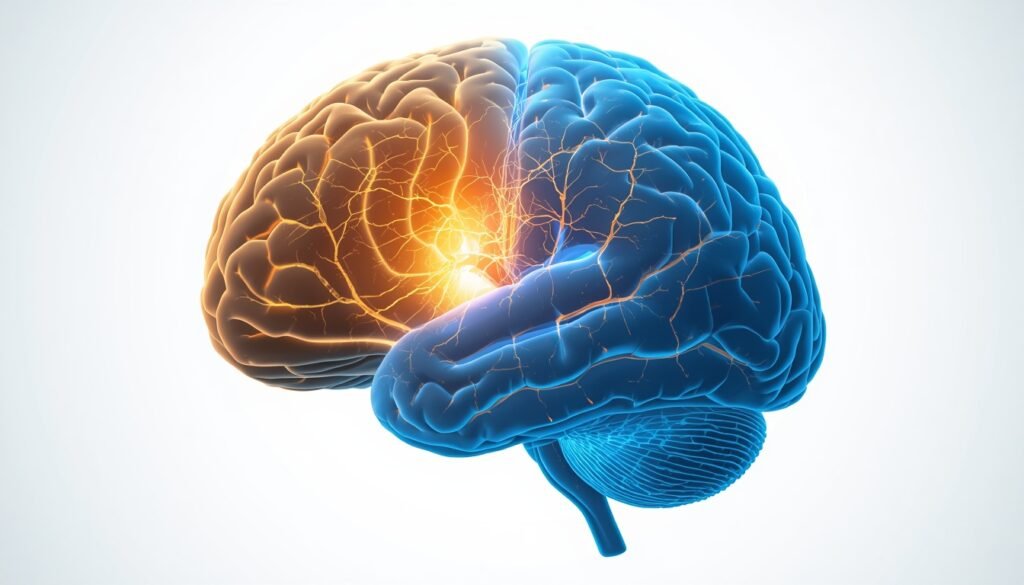
Emotional experience is not a peripheral, optional feature of human cognition. It is embedded in the same neural structures that underpin memory, decision-making, attention, and social cognition. The amygdala — often simplified as the brain’s “alarm system” — does not only process fear; it processes the emotional significance of all incoming information, flagging what matters and what requires response. The prefrontal cortex, responsible for executive function and rational deliberation, does not operate independently of this emotional processing — it depends on it. The somatic marker hypothesis (Antonio Damasio) proposed that emotional signals from the body — processed in the insula and anterior cingulate cortex — provide essential input to decision-making, without which rational deliberation becomes paradoxically impaired, and subsequent research has supported this.
Emotional fitness appears to strengthen the functional connection between these systems—specifically, improving prefrontal regulation of amygdala reactivity without suppressing the emotional information itself. The result is not less emotion but more usable emotion: feeling that informs rather than overwhelms.
Emotional fitness and cognitive rumination are closely connected — the same neural circuits that process emotions are involved in the repetitive thinking patterns that disrupt sleep and concentration. To understand how to quiet an overactive mind and calm your emotional brain, explore our guide on how to stop overthinking and calm your emotional mind.
Interoception — The Hidden Foundation
One of the most important developments in emotional neuroscience of the past decade is the growing understanding of interoception — the brain’s perception of internal bodily states, including heart rate, breathing, gut sensations, and muscle tension. Research led by Lisa Feldman Barrett and others has proposed that emotions are constructed, at least in part, from the brain’s interpretation of interoceptive signals — which means that the ability to accurately perceive internal body states is foundational to emotional awareness. People with higher interoceptive accuracy appear to show more precise emotional awareness, better emotional regulation, and stronger social cognition.
Emotional Granularity and Health
Research by Lisa Feldman Barrett and colleagues on emotional granularity — the ability to differentiate emotional experiences with fine-grained precision (distinguishing between anxiety, dread, apprehension, and unease rather than lumping all of them under “stressed”) — finds consistent associations with better health outcomes, more adaptive behavioural responses to stress, and lower rates of psychopathology. People who use a richer, more differentiated emotional vocabulary appear not only to understand themselves better — they appear to regulate their responses more effectively.
Research & Science
Study 1
Finding: A study published in Psychological Science by Kashdan and colleagues found that individuals with higher emotional differentiation (granularity) were significantly less likely to engage in aggressive behaviour following provocation and less likely to drink alcohol in response to stress compared to those who experienced emotions more globally — controlling for total emotional intensity, suggesting the differentiation itself was the protective variable.
What It Means For You: The ability to distinguish between specific emotional states — not just knowing you feel “bad” but knowing whether what you feel is anger, shame, grief, or fear — appears to change the behavioural responses those states produce. Emotional precision appears to be a genuine regulatory capacity, not merely a descriptive one.
DOI: 10.1177/0956797614535400
PubMed: https://pubmed.ncbi.nlm.nih.gov/25016981/
Study 2
Finding: Research published in Biological Psychiatry using fMRI found that affect labelling — participants viewing emotionally distressing images and either naming the emotion depicted or naming the person depicted — produced significantly reduced amygdala activation in the emotion-labelling condition, with activation reduced to levels comparable to explicit deliberate emotion suppression strategies but without the physiological cost that suppression typically produces.
What It Means For You: Naming what you feel — genuinely, accurately, with specificity — appears to produce a measurable calming effect in the brain’s threat-response center. This is not a self-help concept. It appears to be a documented neurological mechanism: “name it to tame it” has a literal neuroscientific basis.
DOI: 10.1016/j.biopsych.2006.05.010
PubMed: https://pubmed.ncbi.nlm.nih.gov/17064666/
Study 3
Finding: A meta-analysis published in Health Psychology Review examining James Pennebaker’s expressive writing paradigm across multiple controlled studies found consistent and significant benefits for immune function (measured by T-lymphocyte response); physical health outcomes, including wound healing rates; and psychological well-being — with effects persisting at follow-up assessments months after the writing intervention, suggesting lasting rather than merely acute physiological effects of emotional processing.
What It Means For You: Processing emotional experience through writing — not venting or journaling about events, but exploring the feelings and meaning connected to difficult experiences — appears to produce measurable changes in immune function and physical health outcomes. Emotional processing is not merely psychological. It appears to be physiological.
DOI: 10.1080/17437199.2016.1247537
PubMed: https://pubmed.ncbi.nlm.nih.gov/27768524/
For further reading, see the NIH resources on emotional health and mental wellness, the WHO Mental Health Action Plan 2013–2030, and the American Psychological Association emotional intelligence resources.
Expert Insight:
Expert Perspective: The shift from viewing emotions as noise in the system to viewing them as signals has been one of the most important conceptual developments in behavioural medicine over the past two decades. The evidence now clearly shows that people who process emotional experiences — who feel, name, and integrate — are not weaker than those who suppress. They appear to be healthier, to make better decisions, to have more durable relationships, and to recover more effectively from adversity. Emotional fitness is not a soft skill. It appears to be a survival skill.
Clinical Note: Emotional fitness practices – including journaling, mindfulness, and emotional labelling – are evidence-supported self-help approaches that benefit most people. However, for individuals experiencing clinical depression, anxiety disorders, PTSD, or significant trauma, these practices are most effective when integrated into professional therapeutic support rather than used as standalone alternatives to it. Please seek professional guidance if emotional difficulties are significantly impairing daily function.

Emotional Fitness Self-Assessment
This section is unique to this topic. Use it honestly to assess your current emotional fitness across its key dimensions.
Rate each statement from 0 (rarely true) to 3 (consistently true):
Emotional Fitness Dimension
Score (0–3)
I can identify and name specific emotions I am experiencing beyond “stressed”, “fine”, or “upset”
___
I notice emotional signals in my body (tension, chest tightness, gut feelings) before they become overwhelming
___
When I experience difficult emotions, I can stay present with them without immediately distracting or suppressing
___
I can distinguish between what I feel and what I should do about it
___
I understand the information my emotions are providing — what they are telling me about my needs or situation
___
I can express what I feel to people I trust without either suppressing or overwhelming them
___
I recover from emotional difficulty within a reasonable time rather than ruminating for days
___
My emotional responses feel proportionate to the situations that produce them
___
Score Guide:
19–24: High emotional fitness — your emotional processing is generally functional and supportive. Focus on deepening and maintaining existing practices.
11–18: Moderate emotional fitness — meaningful gaps in one or more dimensions. The strategies in this guide targeting your lowest-scoring areas will produce the most significant gains.
0–10: Developing emotional fitness — a significant capacity-building opportunity. Starting with dimension 1 (emotional labelling) and dimension 2 (interoceptive awareness) provides the foundation for all other dimensions.
This is a reflective self-awareness tool — not a clinical diagnostic instrument.
Quick Solutions
Evidence-supported starting points you can apply today:
Name three specific emotions you have felt today – not “good” or “stressed” but precise names. Anxious, disappointed, proud, irritated, curious, moved. The act of labelling appears to reduce emotional reactivity in real time.
Pause before responding to any strong emotional trigger today — even for thirty seconds. The pause creates space for prefrontal cortex engagement between stimulus and response.
Write for five minutes about something emotionally significant — not what happened, but what you felt about it and what it means to you. Pennebaker’s research supports even brief expressive writing as physiologically beneficial.
Notice one bodily sensation associated with an emotion today — where in your body do you feel anxiety? Where does calm live? Interoceptive attention is the foundation of emotional awareness.
Have one genuinely honest conversation today — not managed, not curated, but authentic about something real. Emotional honesty in trusted relationships appears to be one of the most important fitness practices available.
Identify one emotion you typically suppress — and sit with it for two minutes without acting on or distancing from it. Tolerance of emotional experience is a trainable capacity.
Express appreciation to one person specifically — gratitude expression appears to activate the social bonding and parasympathetic systems simultaneously, supporting emotional fitness and relationship health.
Emotional fitness and stress management are deeply interlinked — chronic stress undermines emotional regulation capacity, while strong emotional fitness protects against stress-related health consequences. For practical tools that complement emotional fitness practices, read our guide on how to manage daily stress naturally through emotional regulation.
Simple Framework
Step
Action
Ask Yourself
1
Notice
What am I feeling right now, specifically? Where do I feel it in my body?
2
Name
What is the most precise name for this emotional state? What family of feelings does it belong to?
3
Understand
What is this emotion telling me? What need, value, or boundary is it pointing toward?
4
Respond
Given what this feeling is communicating, what is the most constructive response available to me?
This four-step framework — notice, name, understand, respond — moves from passive emotional experience to active emotional intelligence. Most emotional reactivity occurs in the gap between noticing and responding, where the naming and understanding steps are skipped. Inserting them does not eliminate the emotional response; it appears to transform it from a reactive trigger into usable information.
Thinking Model
Question 1: What is this feeling trying to tell me?
Emotions carry information. Anger frequently signals a perceived violation of a value or boundary. Anxiety often signals perceived threat or uncertainty about the future. Sadness typically signals loss – of a person, a state, or an expectation. Guilt signals a perceived gap between behaviour and values. Before asking how to get rid of a difficult feeling, ask what it is reporting — because the report is often more valuable than the relief of silencing it.
Question 2: Is my response to this emotion proportionate and useful?
Emotional fitness does not mean feeling less. It means the gap between the emotional signal and the behavioural response includes a moment of evaluation. The question is not “am I feeling this?” but “given that I am feeling this, what is the most useful response?” Sometimes the answer is expressing it. Sometimes it is sitting with it. Sometimes it is using it as information for a decision. The fitness is in the choosing.
Question 3: What does this emotional pattern tell me about my current needs?
Emotional patterns – the feelings that recur in similar contexts, that appear more intense than the situation seems to warrant, or that persist beyond the triggering event – typically carry information about unmet needs, unresolved experiences, or value conflicts worth examining. Rather than treating recurring difficult emotions as malfunctions, treating them as signals from a sophisticated monitoring system produces more useful information.
Original Insight
Here is the insight that most conversations about feelings — whether in therapy, at work, or in personal development — consistently circle without landing on directly: emotional strength is not the ability to control your feelings. It is the ability to be controlled by the right ones.
The culture of emotional management has produced a generation of people who are extraordinarily skilled at not feeling — at maintaining composure, producing calm, and presenting regulated surfaces regardless of the turbulence underneath. What this culture has systematically failed to produce are people who are skilled at feeling accurately – who know the difference between the anxiety that is warning them of genuine threat and the anxiety that is the residue of old experiences, who can feel grief without becoming grief, and who can experience anger and extract the information it contains without releasing it destructively.
The research is clear that suppression — as an emotional strategy — does not eliminate the physiological consequence of difficult emotion. It appears to defer and amplify it, while simultaneously reducing the quality of social connection, the accuracy of decision-making, and the depth of experience that makes life feel like life rather than a performance of life.
Emotional fitness is not about expressing everything. It is about nothing being unexperienced. It is about feelings flowing through a system that can receive them, process them, learn from them, and — where appropriate — act on them with intention.
The strongest people are not those who feel the least. They appear to be those who have learnt to use what they feel most skilfully.

Featured Snippet
Yes, emotional fitness — the developed capacity to recognise, process, and use emotional information skilfully — appears to be a significant predictor of health, decision quality, relationship depth, and resilience. Research in behavioural neuroscience shows that emotional labelling reduces amygdala reactivity, emotional granularity (precise differentiation of feelings) is associated with better psychological and physical health outcomes, and expressive emotional processing appears to produce measurable improvements in immune function. Emotional fitness is trainable, not fixed.
Emotional Fitness Practice
Neuroscience Mechanism
Evidence Level
Key Benefit
Affect labeling (naming feelings)
Reduces amygdala activation in real time
Strong (fMRI RCT)
Emotional regulation without suppression cost
Emotional granularity (precision)
Broader prefrontal-limbic engagement
Strong (multiple studies)
Better behavioral regulation, lower reactivity
Expressive writing (Pennebaker)
Immune function, HPA axis regulation
Strong (meta-analysis)
Improved physical health, reduced rumination
Interoceptive awareness
Accurate internal state perception
Moderate–Strong
Foundation for emotional awareness
Mindfulness-based practices
Prefrontal cortex strengthening, DMN regulation
Strong (RCT meta-analyses)
Reduced emotional reactivity, better regulation
Social emotional expression
Oxytocin, vagal tone, co-regulation
Strong
Relationship quality, stress buffering
Gratitude practices
Dopamine and serotonin, social bonding
Moderate–Strong
Wellbeing, reduced negativity bias
Key Action Summary:
✅ Name emotions precisely daily | ✅ Write 5 min about feelings 3x/week | ✅ Pause before emotional reactions | ✅ Notice body sensations | ✅ Express authentically in trusted relationships
Practical Strategies
Strategy 1 — Develop Emotional Granularity Daily
The most foundational emotional fitness practice is expanding the precision of your emotional vocabulary and applying it consistently to your actual experience. Begin by moving beyond three-word emotional vocabularies — “happy”, “sad”, “stressed” — toward the full spectrum of human emotional experience: irritated, frustrated, resentful, indignant (anger family); anxious, apprehensive, dread, overwhelmed, uncertain (fear family); melancholy, grief, wistful, longing, emptiness (sadness family); proud, satisfied, relieved, grateful, moved, awe (positive family). The practice of daily emotional labelling — naming what you feel with increasing precision — appears to produce both the neuroscientific benefit of reduced amygdala reactivity and the longer-term benefit of knowing yourself more accurately. One tool: the Feelings Wheel (developed by psychologist Gloria Wilcox) provides a comprehensive visual map for this precision work.
Strategy 2 — Practise Expressive Writing Three Times Per Week
Pennebaker’s research — supported by decades of replication and extension — shows that writing about emotionally significant experiences for 15–20 minutes, three to four times per week, produces measurable improvements in immune function, reduces intrusive emotional thoughts, and improves psychological integration of difficult experiences. The key distinction is between expressive writing and journaling about events: effective expressive writing explores what you feel about what happened and what it means — not what happened. Writing about the deepest thoughts and feelings connected to an experience, including its implications for your understanding of yourself and the world, appears to produce the most consistent health and psychological benefits. Someone who began this practice after a significant relationship ending described, after four weeks, a reduction in the involuntary intrusive thoughts about the relationship that had been disrupting sleep and work concentration.
Strategy 3 — Build Interoceptive Awareness
Interoception — the perception of internal body states — is the substrate of emotional awareness. Before emotions become conscious thoughts, they appear in the body: the constriction in the chest before the anxiety is named, the warmth in the face before the embarrassment is recognised, and the heaviness in the limbs before the grief is acknowledged. Building interoceptive awareness means learning to notice these signals earlier and with more precision. Body scan practices — deliberately moving attention through different body regions and noticing sensation without judgement — appear to develop this capacity, as does the practice of pausing before any emotionally significant interaction and taking thirty seconds to notice what is present in the body. A daily five-minute body scan, practised consistently over eight weeks, has been associated in research with measurably improved emotional regulation and reduced reactivity.
Strategy 4 — Practice the Pause Before Response
The space between stimulus and response is where emotional fitness is most visibly expressed. Most emotional reactivity — the regretted words, the disproportionate reactions, and the behaviours that emotional experience produces before reflection occurs — happens because the pause between feeling and response is too short to allow prefrontal cortex engagement. Building the pause does not require extended meditation or complex techniques: it requires the deliberate decision to introduce a minimum interval between any significant emotional trigger and any significant behavioural response. Ten seconds of deep breathing. A brief walk before responding to a provoking email. The simple internal acknowledgement — “I notice I am feeling something strongly right now, and I am choosing to wait before responding” — changes the neural sequence and allows the brain’s regulatory systems to engage.
Strategy 5 — Cultivate Emotional Honesty in Safe Relationships
The relational context of emotional fitness is not optional. Human emotional regulation is partially a social process — the nervous system regulates more effectively in the presence of a trusted other through the co-regulatory mechanisms of attunement, mirroring, and safe connection. The practice of authentic emotional expression with at least one person who provides safety, genuine listening, and non-judgement is one of the most consistently evidence-supported emotional fitness strategies available. This is distinct from emotional unburdening or seeking validation — it is the practice of saying what is actually true about your experience, noticing how it feels to be received, and building the confidence that your emotional reality can be spoken and contained. Someone who had spent years managing their emotions privately described their first experience of genuine emotional disclosure to a trusted friend as “feeling real for the first time in years”.
Strategy 6 — Develop a Daily Mindfulness Practice
Mindfulness-based practices — whether formal meditation, mindful movement, or structured moment-to-moment attention practices — have the most extensive evidence base of any psychological intervention for emotional regulation. The mechanisms include strengthened prefrontal-amygdala connectivity, reduced default mode network rumination, improved interoceptive accuracy, and the gradual development of a relationship with one’s own mental and emotional experience characterised by curiosity rather than reactivity. Research on Mindfulness-Based Stress Reduction (MBSR) and Mindfulness-Based Cognitive Therapy (MBCT) consistently show benefits for emotional regulation, reduced anxiety and depression symptoms, and improved resilience under stress. Five to ten minutes of daily practice appears sufficient to produce measurable effects within four to eight weeks, with greater consistency of practice the primary predictor of benefit.
Mindfulness builds both emotional fitness and sleep quality simultaneously — the same practices that develop present-moment awareness also calm the nervous system and improve sleep architecture. For the integrated approach that combines inner peace with deep, restorative sleep, read our guide on the calm mind secret — inner peace and deep sleep naturally.
Strategy 7 — Practise Emotional Repair in Relationships
Emotional fitness is tested most fully in the rupture and repair cycle of significant relationships. Ruptures — moments of misattunement, conflict, or disconnection — are inevitable in any meaningful relationship. Repair – the deliberate reconnection that follows rupture, characterised by acknowledgement, accountability, and renewed attunement – is the mechanism through which relationships become more secure and emotionally resilient over time. The capacity to initiate repair — to say “I think something broke between us and I want to fix it” — requires both emotional awareness (noticing the rupture) and emotional courage (tolerating the vulnerability of repair). Research on attachment and relationship security consistently identifies repair capacity as more predictive of relationship quality than the absence of rupture.
Common Mistakes
Mistake
Why It Fails
Fix
Confusing emotional expression with emotional fitness
Expressing every feeling impulsively is not fitness — it is reactivity. Emotional fitness includes knowing when and how to express
Practice the pause; distinguish between processing (always valuable) and expressing (contextually chosen)
Treating all emotional discomfort as a problem to solve
Some emotional discomfort is appropriate information about genuine difficulty — solving it away eliminates the signal
Ask what the discomfort is communicating before seeking relief from it
Journaling about events rather than feelings
Writing what happened reinforces narrative; writing what you feel and what it means produces the psychological integration that appears to drive health benefits
Focus expressive writing on feelings, meaning, and implications rather than event description
Equating emotional fitness with emotional positivity
Emotional fitness does not mean more positive emotions — it means more accurate, mobile, and informative emotional experience
Pursue emotional accuracy and mobility rather than emotional positivity as the fitness goal
Practicing mindfulness only when already dysregulated
Using mindfulness as a crisis tool rather than a daily practice limits the neurological adaptation it appears to produce
Practice mindfulness daily regardless of current emotional state — consistency produces the structural changes
Suppressing rather than processing difficult emotions
Emotional suppression appears to increase physiological stress responses while reducing social connection quality
Name, write about, or speak about difficult emotions with a trusted person rather than managing them away
When To Seek Professional Support
Emotional fitness practices — labelling, journaling, mindfulness, and honest relationships — are appropriate and beneficial for most people in most circumstances. There are specific situations in which professional mental health support is essential rather than optional.
Please seek professional support if: Emotional difficulty is significantly impairing your ability to work, maintain relationships, or care for yourself; you experience persistent low mood or anxiety that does not respond to consistent self-directed practices over four to six weeks; you are experiencing intrusive memories, flashbacks, or significant trauma responses; or you have thoughts of self-harm or suicide.
Emotional fitness practices work best as complements to professional therapeutic support for clinical conditions — not as alternatives to it. A psychologist, therapist, or counsellor trained in evidence-based approaches (CBT, ACT, EMDR for trauma, and psychodynamic therapy) provides a relational and professional context that self-directed practices cannot replicate for significant psychological difficulty.
If you are unsure whether your emotional difficulty warrants professional support, consulting a GP or mental health helpline as a first step provides appropriate guidance.
Key Takeaways
Emotional fitness appears to be a trainable capacity – not a fixed personality trait – that responds measurably to consistent, directed practice.
Affect labelling (naming emotions precisely) appears to reduce amygdala activation in real time, providing a neurological basis for “name it to tame it”.
Emotional granularity (differentiating between specific emotional states with precision) appears associated with better behavioural regulation, lower reactivity, and improved psychological health.
Expressive writing about emotional experience — specifically exploring feelings and meaning rather than events — appears to produce measurable improvements in immune function and psychological integration.
Interoceptive awareness (perception of internal body states) appears to be the foundation upon which emotional awareness and regulation are built.
Emotional suppression appears to defer and amplify physiological stress responses rather than resolving them, while simultaneously reducing decision quality and relationship depth.
The strongest emotional fitness practices combine individual work (labelling, writing, mindfulness, and interoception) with relational work (authentic expression, repair, and co-regulation).
FAQs
1. Is emotional fitness the same as emotional intelligence?
They are closely related, but the framing differs. Emotional intelligence (EI) typically refers to the stable capacity to perceive, use, understand, and manage emotions. Emotional fitness emphasises the trainable, dynamic, and practice-dependent nature of these capacities — like physical fitness, it can be built and can decline. Emotional fitness framing also emphasises the full processing of emotional experience rather than primarily its management or social application.
2. Can emotional fitness be developed at any age?
Yes. While emotional patterns and regulation strategies are significantly shaped in early childhood through attachment relationships and developmental experience, neuroplasticity research supports meaningful capacity change across the lifespan. Adults who engage in consistent emotional fitness practices show measurable improvements in regulation, wellbeing, and relationship quality — and the evidence suggests these changes reflect genuine neurological adaptation rather than simply attitudinal shifts.
3. What is the difference between processing emotions and ruminating on them?
Rumination is repetitive, passive, and focused on the problem without movement toward resolution or understanding — replaying what happened, what went wrong, or what might go wrong. Emotional processing is active, curious, and focused on what the experience means and what information it contains — moving through the feeling rather than cycling within it. Expressive writing, mindfulness, and therapy tend to facilitate processing; lying awake at 2 AM replaying a conversation tends to facilitate rumination.
4. How does emotional fitness affect physical health?
Research suggests connections between emotional processing and physical health through multiple pathways: HPA axis regulation (chronic suppression appears to maintain elevated cortisol), immune function (expressive writing appears to improve immune cell activity), cardiovascular health (chronic emotional suppression is associated with elevated blood pressure in some research), and health behaviours (people with better emotional regulation appear to make better sleep, dietary, and activity choices). These connections appear to make emotional fitness a genuine component of physical health, not merely a separate domain.
5. Can children develop emotional fitness?
Yes — and childhood appears to be a particularly sensitive period for emotional competence development. Research on social-emotional learning (SEL) programmes in schools consistently finds that structured emotional skills development improves academic performance, reduces behavioural problems, and predicts adult psychological and occupational health. The most important emotional fitness investments for children appear to be environments in which emotions are named and taken seriously (rather than dismissed); repair models that demonstrate accountability without shame; and adult relationships characterised by emotional attunement.
6. How is emotional fitness relevant in professional settings?
Extensively. Meta-analyses of emotional intelligence research consistently find that EI predicts leadership effectiveness, team performance, conflict resolution quality, and organisational resilience more reliably than IQ in many professional contexts. In 2026, organisations increasingly recognise emotional fitness as a core competency rather than a soft skill — particularly in high-stakes fields including healthcare, education, leadership, and crisis response, where emotional information is clinically and professionally essential.
7. What is the most important emotional fitness practice to start with?
Evidence and clinical consensus both point toward emotional labeling as the most accessible entry point — specifically, developing the habit of naming your emotional state with precision several times daily. It requires no equipment, no scheduled time, and no additional training. It provides the foundational data (what am I actually feeling?) upon which all other emotional fitness practices depend. Once emotional labelling is a consistent habit, all other practices become more effective.
30-Day Emotional Fitness Plan
Week 1 — Awareness Foundation
Complete the Emotional Fitness Self-Assessment and identify your two lowest-scoring dimensions. Begin the core practice for the month: three times daily, pause for thirty seconds and name specifically what you are feeling – using the most precise word available. Download or print a Feelings Wheel to support precision vocabulary development. Notice body sensations associated with each named emotion.
Week 2 — Writing and Processing
Maintain daily emotional labelling. Add expressive writing three times this week: fifteen minutes per session, writing about what you feel and what it means rather than what happened. Choose an emotionally significant topic — a current difficulty, an unresolved past experience, or a relationship dynamic that carries weight. Notice what arises after writing compared to before.
Week 3 — Relationships and Practice
Maintain labelling and writing. Have one genuinely honest emotional conversation with a trusted person this week — sharing something real about your experience rather than the managed version. Begin or return to a five-minute daily mindfulness practice. Practise the four-step framework (notice, name, understand, and respond) in at least one emotionally significant interaction each day.
Week 4 — Integration and Consolidation
Review your self-assessment scores compared to Week 1. Which practices produced the most noticeable shifts? Which dimensions remain most challenging? Commit to the two practices with the clearest benefit as permanent, non-negotiable daily habits going forward. If significant emotional difficulty has emerged or remained through the month, schedule an appointment with a mental health professional this week.

Final Thought
Your feelings are not the problem. They never were. They are the most sophisticated monitoring system available to you — reporting, in real time, on what matters, what is threatened, what is needed, what is lost, and what is possible. The tragedy of emotional suppression is not that it produces dramatic breakdown. It is that it produces a quieter, longer tragedy: a life lived at functional distance from your own experience, making decisions without full information, connecting to people without full presence, and carrying a body that has learned to signal in the only language left available when the words have been silenced.
Emotional fitness is not about feeling more. It is about feeling truthfully — and using what you feel, with increasing skill and courage, to live more fully.
Conclusion
My honest advice is to start by naming what you feel — not “stressed” or “fine”, but the exact word. Write about it for five minutes, or say it to one person you trust. Do this daily and give it a month. Your feelings were never the problem. They were the signal you had not learned to read.
Emotional fitness — the trained capacity to recognise, process, understand, and skilfully respond to emotional experience — appears to be one of the most consequential health and performance variables available to human development and one of the most systematically underdeveloped in a culture that rewards emotional management over emotional intelligence. The neuroscience is clear: naming feelings reduces amygdala reactivity, processing emotional experience appears to improve immune function, emotional granularity appears to produce better behavioural regulation, and the relational experience of being genuinely seen and understood operates through physiological pathways that protect health at a fundamental level. In 2026, the case for emotional fitness as a genuine health priority — as important to long-term wellbeing as physical fitness, nutritional quality, or sleep — has never been stronger. Begin with what you feel right now. Name it precisely. Stay with it long enough to understand what it is telling you. That is where the work begins. emotional fitness 2026
References
World Health Organization. Mental Health: Strengthening Our Response. WHO, 2024. https://www.who.int/news-room/fact-sheets/detail/mental-health-strengthening-our-response
NIH National Institute of Mental Health. Mental Health Information. NIMH, 2024. https://www.nimh.nih.gov/health
American Psychological Association. Emotional Intelligence. APA, 2024. https://www.apa.org/topics/emotional-intelligence
Holt-Lunstad J, Smith TB, Layton JB. Social Relationships and Mortality Risk: A Meta-Analytic Review. PLOS Medicine. 2010. DOI: 10.1371/journal.pmed.1000316. PubMed: https://pubmed.ncbi.nlm.nih.gov/20668659/
Kashdan TB, Barrett LF, McKnight PE. Unpacking Emotion Differentiation: Transforming Unpleasant Experience by Perceiving Distinctions in Negativity. Current Directions in Psychological Science. 2015. DOI: 10.1177/0963721414550708. PubMed: https://pubmed.ncbi.nlm.nih.gov/25873944/
Lieberman MD, Eisenberger NI, Crockett MJ, et al. Putting Feelings into Words: Affect Labelling Disrupts Amygdala Activity in Response to Affective Stimuli. Psychological Science. 2007. DOI: 10.1111/j.1467-9280.2007.01916.x. PubMed: https://pubmed.ncbi.nlm.nih.gov/17576282/
Frattaroli J. Experimental Disclosure and Its Moderators: A Meta-Analysis. Psychological Bulletin. 2006. DOI: 10.1037/0033-2909.132.6.823. PubMed: https://pubmed.ncbi.nlm.nih.gov/17073523/
Pennebaker JW, Beall SK. Confronting a Traumatic Event: Toward an Understanding of Inhibition and Disease. Journal of Abnormal Psychology. 1986. DOI: 10.1037/0021-843X.95.3.274. PubMed: https://pubmed.ncbi.nlm.nih.gov/3745650/
Barrett LF, Mesquita B, Ochsner KN, Gross JJ. The Experience of Emotion. Annual Review of Psychology. 2007. DOI: 10.1146/annurev.psych.58.110405.085709. PubMed: https://pubmed.ncbi.nlm.nih.gov/17002554/
Damasio AR. Descartes’ Error: Emotion, Reason, and the Human Brain. Penguin Books. 1994.
Kuyken W, Warren FC, Taylor RS, et al. Efficacy of Mindfulness-Based Cognitive Therapy in Prevention of Depressive Relapse. JAMA Psychiatry. 2016. DOI: 10.1001/jamapsychiatry. 2016.0076. PubMed: https://pubmed.ncbi.nlm.nih.gov/27119968/
Goleman D. Emotional Intelligence: Why It Can Matter More Than IQ. Bantam Books. 1995. (Foundational text — clinical applications referenced across behavioral medicine literature.)
Note: All references should be independently re-verified for accuracy and currency before publication.
Disclaimer
This article is for educational and informational purposes only. It does not constitute psychological or medical advice and is not a substitute for professional mental health support. If you are experiencing significant emotional difficulty, clinical depression, anxiety disorders, PTSD, or thoughts of self-harm, please consult a qualified mental health professional. Individual responses to emotional fitness practices vary, and professional guidance is recommended for individuals with significant mental health histories.
About the Author
HealthFitnessBloom Editorial Team
HealthFitnessBloom is dedicated to providing science-backed health, fitness, and wellness information to help readers live healthier lives. Our editorial team researches, writes, and reviews content to ensure accuracy, clarity, and practical value.