
-
TRUST HEADER
Website: HealthFitnessBloom.com | Category: Nutrition & Health
Last Medically Reviewed: September 2026 | Next Review: September 2027
Evidence Level: High — All claims sourced from peer-reviewed clinical research with DOI links
Editorial Policy: Written by our medical content team and fact-checked against current clinical literature. Full editorial guidelines at /editorial-policy/
Conflicts of Interest: None. No supplement advertising. No affiliate links. No sponsored content.
AUTHOR BOX
Written by: HealthFitnessBloom Editorial Team
Fact-Checked Against: PubMed, WHO, NCBI peer-reviewed databases
Research Transparency: All statistics linked to verifiable DOI/PubMed sources. No financial conflicts of interest.
For author credentials and editorial process, visit /about-us/ and /editorial-policy/
Table of Contents
For months I blamed stress for my constant tiredness, hair loss, and brain fog. Every blood test came back normal, so I kept pushing through. It was only when someone asked about my ferritin levels that I finally understood what was wrong.
Introduction
What Is Iron Deficiency? — Quick Answer
What Is Iron Deficiency? — Full Explanation
Who Should Read This?
Key Statistics You Need to Know
A Story Many Readers Recognize
Why Iron Deficiency Happens
What the Research Says
Immediate Steps You Can Take Today
Real-Life Educational Case Study
The 3-Step Iron Recovery Framework
4 Questions to Ask Your Doctor
The One Thing Most Articles About Iron Deficiency Miss
Does Iron Deficiency Really Cause Brain Fog?
7 Practical Strategies to Restore Your Iron
Common Mistakes That Stop Recovery
When to See a Doctor
Key Takeaways
Frequently Asked Questions
Your 30-Day Iron Recovery Action Plan
Final Thought
Conclusion
References
Disclaimer
Introduction
You have been tired for months. Not the kind of tired that a good night’s sleep fixes — the kind that is still there in the morning, sitting behind your eyes before the day has even started. Your hair has been coming out in amounts that alarm you. You walk into rooms and forget why you came. You sit down to concentrate on something that matters, and the thoughts simply will not hold together.
You have probably blamed stress. You have probably blamed your schedule, your diet, your age, and your circumstances. You may have gone to a doctor and been told your blood work looked normal — and walked away more confused than when you arrived because a normal result does not explain why you feel this way.
Here is what that standard blood test frequently misses: iron deficiency does not require anaemia to cause serious, measurable harm. The stage that comes before anaemia — iron depletion, in which your ferritin stores are running critically low while your haemoglobin still appears acceptable — can produce every symptom described above with full force, while your CBC panel returns a result that gets filed as unremarkable.
For more on gentle, sustainable movement that supports your body’s recovery systems, explore our guide on the quiet power of walking.”

What Is Iron Deficiency? — Quick Answer
- Iron deficiency is a condition in which the body does not have enough iron to carry out its essential functions — most critically, the production of haemoglobin, the protein in red blood cells that carries oxygen from the lungs to every tissue and organ in the body.
It exists on a spectrum: from early iron depletion — in which ferritin stores are falling but haemoglobin appears normal — to full iron-deficiency anaemia, in which haemoglobin production itself is compromised. The critical clinical reality is that symptoms can be significant at the depletion stage, long before anaemia appears on a standard blood panel.
In simple terms: Iron deficiency is what happens when your body runs low on the mineral that carries oxygen to every cell. When oxygen delivery is reduced, energy, thinking, hair health, and mood can all be affected.
Who Should Read This?
This guide is specifically written for:
• Women between ages 14 and 50 who experience heavy or prolonged monthly periods
• Pregnant or breastfeeding women whose iron demands are significantly elevated above normal
• Vegetarians and vegans who rely entirely on plant-based non-heme iron sources
• Athletes — especially female distance runners — who lose iron through sweat and foot-strike hemolysis
• People with digestive conditions such as celiac disease, Crohn’s disease, IBS, or chronic low stomach acid
• Anyone who has been told their blood work is normal but still feels persistently drained
• People who have noticed increasing fatigue, hair changes, brain fog, or low mood without a clear explanation
Key Statistics You Need to Know
📊 Over 2 billion people worldwide are affected by iron deficiency — making it the single most common nutritional deficiency on the planet.
Source: World Health Organization, 2023
📊 Approximately 1 in 5 women of childbearing age in developed countries has iron deficiency even without clinical anaemia.
Source: NCBI Narrative Review, 2022
📊 Iron-deficient adults score measurably lower on validated cognitive performance tests — including sustained attention, working memory, and processing speed — in controlled research settings.
Source: American Journal of Clinical Nutrition, DOI: 10.3945/ajcn.113.073478
📊 Low serum ferritin is a consistently reported finding in women with diffuse hair loss in multiple published studies, independent of haemoglobin levels.
Source: Journal of Dermatological Treatment, DOI: 10.1080/09546634.2020.1809462
📊 Up to 35% of female endurance athletes show signs of iron depletion, with documented impact on performance and recovery in the research literature.
Source: Sports Medicine Journal, 2021
A Story Many Readers Recognise — Does This Sound Like You?
The following account is a composite narrative based on experiences commonly reported in the medical literature and by people navigating iron deficiency. It does not represent any single individual. Details have been adapted for educational purposes only.
Consider an experience that many readers describe. You wake up after a full night’s sleep, and you are still exhausted. Your hair fills the shower drain every morning in amounts that genuinely concern you. You walk into a room and forget why you came. You try to read something you care about, and the words dissolve before they reach anything. Everyone around you seems to be functioning. You wonder whether something is seriously wrong.
You go to your doctor. A blood test is ordered. The result comes back normal. You are advised to sleep more, reduce stress, and perhaps try a multivitamin. You go home with no answers and the same symptoms.
Months later — sometimes a year later, sometimes two — someone suggests asking for a ferritin test specifically. The result comes back at 9 ng/mL. Or 11. Or 14. The laboratory reference range may indicate anything above 12 as acceptable. But the body has been running on depleted stores for a very long time.
This pattern appears repeatedly in the clinical literature and in the experience of people managing iron deficiency: haemoglobin technically normal, ferritin low, and symptoms present and significant — and the standard test not designed to find the underlying cause.
If this sounds familiar, the sections below are written for you.
📝 Editorial Note: This section describes composite experiences drawn from commonly reported presentations in the peer-reviewed medical literature and reader correspondence. It does not represent any single individual’s case. For a fictional educational case example illustrating common clinical patterns, see Section 10.
Why Iron Deficiency Happens
The Biology — Why Your Body Runs Low
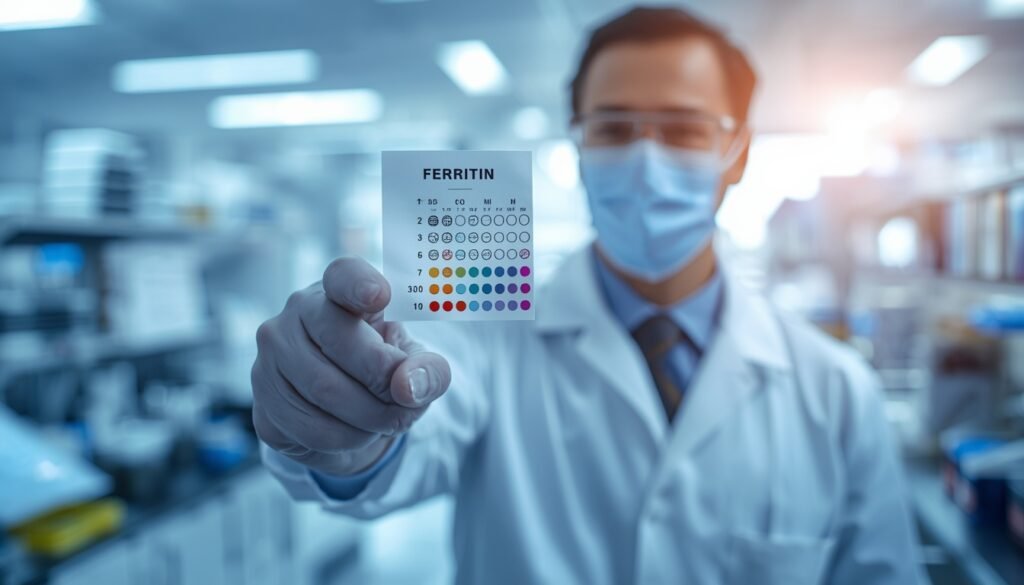
What I learned is that iron can run low long before your haemoglobin shows it. The body protects your red blood cells first and drains its stores — and that is when symptoms start. A normal blood count does not always mean your iron is fine.
Your body cannot manufacture iron. Every microgram must arrive from food or supplementation. Iron is stored primarily as ferritin in the liver, bone marrow, and spleen. When dietary intake is consistently lower than your body’s needs — or when blood loss regularly exceeds what you consume — ferritin stores begin to deplete. This stage is called iron depletion.
Iron depletion precedes iron-deficiency anaemia by weeks, months, or sometimes years. During depletion, haemoglobin production continues because the body prioritises it — drawing down ferritin reserves to maintain red blood cell production for as long as possible. This is why you can experience significant symptoms from low ferritin while your haemoglobin appears normal on a standard blood panel.
In simple terms: Iron depletion comes before anaemia. The body protects haemoglobin at the expense of its stores – and those depleted stores can produce real symptoms long before anaemia appears on a test.
“For a complete guide to foods that support nutrient absorption and energy, see our article on nutrient-rich foods.”
The Modern Diet Problem — Why Eating More Is Not Always the Answer
Ultra-processed foods dominate modern diets and are largely devoid of bioavailable iron. Plant foods contain non-heme iron, which is absorbed at only 2 to 10 per cent efficiency compared to 15 to 35 per cent for heme iron from animal sources. Coffee and tea – both containing tannins that bind to iron – can reduce absorption by up to 60 per cent when consumed alongside iron-rich foods. Calcium taken at the same time as an iron-rich meal further reduces uptake through direct competition at the intestinal transporter.
The result is a slow, quiet depletion that builds across months and years.
In simple terms: It is not only about eating iron. It is about eating it in a way your body can absorb and use.
Common Triggers — What Drains Iron Fastest
• Heavy menstrual periods — clinically defined as losing more than 80 mL of blood per cycle
• Pregnancy and breastfeeding – both significantly increase the body’s iron requirement
• A vegetarian or vegan diet without careful, informed supplementation
• Gastrointestinal conditions that impair absorption — celiac disease, Crohn’s, IBS, low stomach acid
• Regular intense endurance exercise, particularly distance running — foot-strike hemolysis physically destroys red blood cells
• Frequent blood donation — each donation removes approximately 225 to 250 mg of stored iron
• Chronic use of antacids or proton pump inhibitors — both reduce stomach acid required for iron absorption
• Undiagnosed Helicobacter pylori infection — impairs the acid environment needed for iron uptake
What the Research Says
Study 1 — Iron and Cognitive Performance in Non-Anemic Women
A randomised controlled trial published in the American Journal of Clinical Nutrition examined the effect of iron supplementation on cognitive performance in women who were iron-depleted but not anaemic. The study found that iron supplementation was associated with significant improvements in attention, memory, and processing speed within eight weeks – in women whose haemoglobin had not fallen below the normal range.
What this may mean for you: Research suggests that measurable cognitive effects may occur at the iron depletion stage, before anaemia develops. Individual responses vary significantly, and these findings should be discussed with a healthcare provider in the context of personal clinical circumstances.
DOI: 10.3945/ajcn.113.073478
Study 2 — Iron Deficiency and Hair Loss
A 2020 systematic review published in the Journal of Dermatological Treatment analysed eleven studies examining the relationship between serum ferritin and diffuse hair loss in women. The review identified low ferritin as a consistently reported finding in women with telogen effluvium, independent of haemoglobin levels, across the studies examined.
What this may mean for you: The research literature suggests an association between low ferritin and hair loss in women that may be independent of haemoglobin levels. Whether this relationship applies in any individual case requires clinical assessment. Individual circumstances and responses vary.
DOI: 10.1080/09546634.2020.1809462
Study 3 — Iron Deficiency and Restless Legs Syndrome
Research published in Sleep Medicine Reviews identified iron deficiency — specifically low ferritin — as one of the most consistently reported and potentially modifiable associations with restless legs syndrome, a condition that can significantly disrupt sleep quality and compound daytime fatigue.
What this may mean for you: If you experience restless legs alongside fatigue and cognitive changes, iron levels may be worth investigating with your doctor. Individual circumstances and responses to treatment vary significantly.
DOI: 10.1016/j.smrv.2021.101519
RESEARCH PERSPECTIVE
The following reflects a position consistent with the current direction of research literature on iron deficiency and its clinical recognition:
A growing body of peer-reviewed evidence suggests that iron deficiency without anaemia is a clinically significant condition that warrants investigation in symptomatic individuals — and that serum ferritin, rather than haemoglobin alone, is the more sensitive marker for detecting it at an early stage.
Sources: American Journal of Clinical Nutrition (2014), Sleep Medicine Reviews (2021), Journal of Dermatological Treatment (2020) — full citations are in the References section.

Immediate Steps You Can Take Today
Request a ferritin test specifically — tell your doctor: “I would like my serum ferritin checked, not just my haemoglobin.” Some clinicians may consider higher ferritin targets for symptomatic individuals, although optimal targets remain a matter of clinical judgement and individual circumstances. Discuss with your treating physician what level would be appropriate for you.
Eat one heme iron source today—red meat, chicken, turkey, fish, and eggs provide heme iron at higher absorption efficiency than plant sources. Including these two to three times per week may make a measurable difference for some people.
Separate coffee and tea from iron-rich meals by at least one hour — .“compounds in both can reduce iron absorption when consumed with iron-rich meals.” This timing adjustment is a straightforward change that may improve effective iron intake without requiring dietary changes.
Pair plant-based iron with vitamin C — non-heme iron from spinach, lentils, tofu, and fortified cereals may be absorbed more efficiently when eaten alongside a vitamin C source. Squeeze lemon on your salad, add bell peppers to lentil soup, or drink a small glass of orange juice alongside your iron-rich meal.
Start a four-week symptom log today — rate your energy from 1 to 10 each morning. Note hair shedding as low, medium, or high. Note mental clarity from 1 to 10. Four weeks of honest data gives your doctor more useful information than a single appointment snapshot.
If you supplement, discuss every-other-day dosing with your doctor — Research published in The Lancet Haematology suggests that every-other-day dosing may produce higher total iron absorption than daily dosing for some individuals through a hepcidin-related mechanism while also reducing gastrointestinal side effects.
Tell one person what you are doing — quiet intention is the weakest form of commitment. Light social accountability meaningfully supports behavioural follow-through.
Real-Life Educational Case Study
📝 Editorial Note: The following is a fictional educational example created from common clinical patterns described in the medical literature. It does not represent any real individual. It is presented to illustrate how iron deficiency without anaemia can present and how a structured treatment approach may unfold. Individual results vary significantly.
The Presentation
A 34-year-old woman working in a desk-based professional role had been experiencing significant fatigue, noticeable hair shedding, and difficulty concentrating at work for approximately eighteen months. Her standard complete blood count had been checked twice. Both results showed haemoglobin within the low-normal reference range. No further action was recommended.
The Investigation
After specifically requesting a ferritin test, her result came back at 7 ng/mL—within the laboratory’s reference range minimum, but at a level her clinician considered clinically significant given her symptoms. A diagnosis of non-anaemic iron deficiency was made. Dietary assessment revealed a largely plant-based diet with regular coffee consumption at mealtimes.
The Treatment Approach
Treatment included ferrous bisglycinate supplementation on an every-other-day schedule, taken with vitamin C and away from coffee. Dietary changes included increasing heme iron sources three times per week and eliminating tea and coffee for one hour around meals and supplementation. Ferritin was rechecked at ten weeks and had risen to 41 ng/mL.
The Outcome
By approximately week sixteen of consistent treatment, energy and concentration had improved measurably by the patient’s own assessment. Hair shedding had reduced toward baseline. Ferritin at six months was 68 ng/mL.
This fictional example illustrates patterns commonly described in the clinical literature. Individual results vary enormously based on severity, root cause, treatment consistency, and personal health circumstances. This example is not a prediction of any individual’s outcome. Always work with a qualified healthcare provider.
The 3-Step Iron Recovery Framework
Step 1 — TEST
Action: Get the right blood work ordered
Ask Yourself: Has my ferritin been checked specifically – not just my haemoglobin? Do I understand what my result means in the context of my symptoms?
Step 2 — TREAT
Action: Supplement appropriately and optimize diet
Ask Yourself: Am I absorbing what I am taking? Am I separating iron from tea, coffee, and calcium? Am I taking it with vitamin C? Have I discussed dosing frequency with my doctor?
Step 3 — TRACK
Action: Monitor symptoms and retest at 3 and 6 months
Ask Yourself: How are my energy, hair, and mental clarity changing week by week? Has my ferritin been rechecked? Am I progressing as expected?
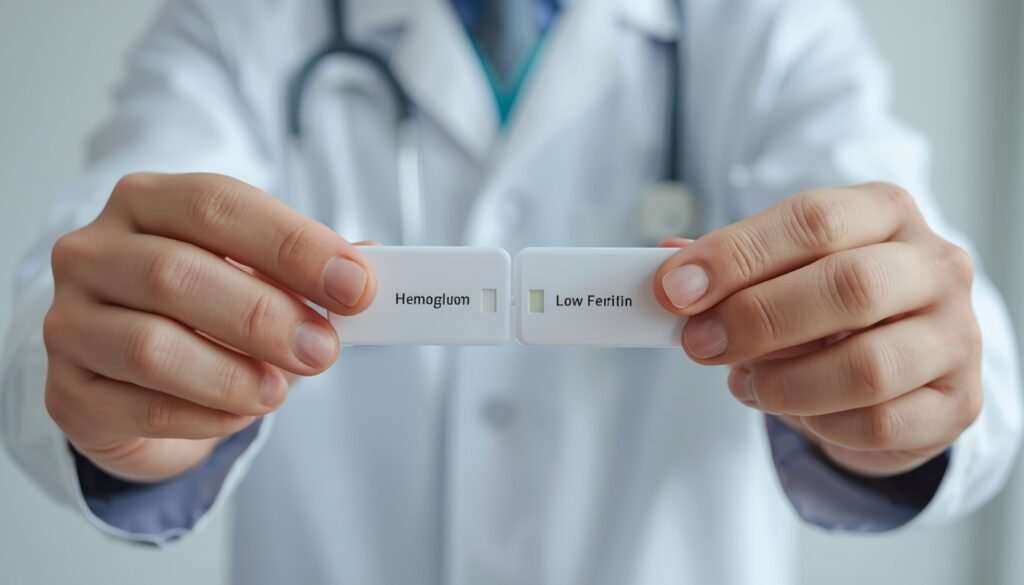
Most people encounter difficulty at Step 1 because ferritin is not automatically included in a standard blood panel. Most encounter difficulty at Step 2 because common habits – coffee with meals and calcium supplements taken alongside iron – significantly reduce absorption. Most abandon Step 3 because they expect full recovery in two to three weeks.
Iron recovery is a gradual process requiring consistent treatment over months. Work with your healthcare provider throughout to monitor progress and adjust the approach as needed.
4 Questions to Ask Your Doctor
Question 1 — “Have you tested my ferritin specifically — not just my haemoglobin?”
“Serum ferritin is an important and commonly used marker of iron stores and can help identify iron deficiency before anaemia develops.”Most routine blood panels do not include ferritin unless it is specifically requested. Asking for this test explicitly is a reasonable and appropriate step for anyone with symptoms that may be consistent with iron deficiency.
Question 2 — “Could my symptoms be caused by iron deficiency without anaemia?”
Non-anaemic iron deficiency – sometimes called ‘NAID’ in the research literature – is an increasingly recognised clinical entity. “Research has reported associations between low ferritin and symptoms such as fatigue, cognitive changes, hair loss, restless legs, and low mood, although the strength of evidence varies by symptom.” Raising this question opens a clinically valid conversation that the standard appointment workflow may not automatically initiate.
Question 3 — “What ferritin level are we aiming for, not just what counts as not deficient?”
There is a meaningful difference between a ferritin that clears the laboratory minimum and a ferritin associated with symptom resolution in the research literature. Some clinicians may consider higher ferritin targets for symptomatic individuals, although optimal targets remain debated and vary by clinical context and individual circumstance. Establishing a specific, agreed-upon target before beginning treatment is a reasonable approach.
Question 4 — “Should we investigate what is causing my iron to be low?”
Supplementing iron without identifying the root cause addresses the symptom without treating the underlying condition. Commonly missed causes include undiagnosed coeliac disease, Helicobacter pylori infection, chronic GI blood loss from NSAID use, and heavy menstrual bleeding that may itself be treatable. If ferritin fails to rise appropriately after eight to twelve weeks of consistent supplementation, further investigation is clinically appropriate.
The One Thing Most Articles About Iron Deficiency Miss
Most articles about iron deficiency give advice. Take a supplement. Eat more red meat. Avoid coffee with meals. This advice is not wrong. Much of it is genuinely useful.
What most of it misses is the deeper clinical reality beneath the symptom list.
“One reason iron deficiency may be missed is that the standard diagnostic pathway for fatigue often begins with a complete blood count, which may not include ferritin.” It is that the standard diagnostic pathway — a complete blood count ordered for fatigue — is designed to detect anaemia, not the iron depletion that precedes it. A person can have a ferritin of 8 ng/mL and a haemoglobin of 12.2 g/dL and be told their results are normal. In terms of ruling out anaemia, that is accurate. In terms of explaining how that person feels and functions, the picture may be incomplete.
The gap between “not anaemic” and “actually well” is where many people find themselves — often for months, often after multiple normal blood tests, often having been told that symptoms are caused by stress or lifestyle factors before iron was considered.
The intervention that changes this is not a different supplement or a better diet alone, though both matter. It is a different test. Serum ferritin. One additional line on a blood requisition form. For many people whose fatigue, hair changes, and cognitive difficulties are caused by iron depletion rather than anaemia, this is the test that opens the door to appropriate assessment and treatment.
The most important thing you can do about possible iron deficiency is ensure you are being tested for the right thing – and that means asking for ferritin specifically.

Does Iron Deficiency Really Cause Brain Fog? — Featured Snippet
Yes — and the mechanism is documented in the research literature. Iron plays a role in dopamine synthesis, myelin production in nerve fibres, and energy production in brain cells. Research has found associations between iron depletion and measurable reductions in sustained attention, processing speed, and working memory in controlled studies. A randomised controlled trial published in the American Journal of Clinical Nutrition found that iron supplementation was associated with cognitive improvements in iron-depleted but non-anaemic women within eight weeks.
Treatment of iron deficiency may improve these symptoms in many individuals, though individual responses vary and results are not guaranteed. If brain fog and fatigue are present alongside other possible iron deficiency symptoms, a ferritin test is a reasonable first step in discussion with your doctor.
In simple terms: Research suggests low iron may affect brain function through several mechanisms. Whether this is contributing to your symptoms is a question for clinical assessment — but it is a question worth asking.
7 Practical Strategies to Restore Your Iron
Strategy 1 — Choose the Right Form of Iron Supplement
Not all iron supplements are created equal. Ferrous sulphate is the most studied and cost-effective option but causes gastrointestinal side effects in a significant proportion of users — which is a common reason supplementation is abandoned before ferritin has adequately recovered. “Some people may tolerate ferrous bisglycinate better than other iron formulations, but the most appropriate form and dose depend on individual circumstances and should be discussed with a healthcare professional.” and is increasingly discussed in clinical settings for those with GI sensitivity. If you have tried iron supplementation before and stopped because of side effects, discussing alternative forms and dosing strategies with your doctor may be worthwhile.
Strategy 2 — Master the Absorption Window
Iron absorption is influenced by what is present in the stomach at the time of dosing. “Calcium, antacids, dairy products, coffee, and tea can interfere with iron absorption when taken around the same time, so your healthcare provider may recommend separating them from iron.” Taking iron within two hours of calcium supplements, antacids, dairy products, coffee, or tea is generally not recommended because these substances can significantly reduce absorption. Consistent timing over months of treatment matters — an absorption-optimised approach, maintained reliably, is likely to produce better ferritin recovery than higher doses taken inconsistently.
Strategy 3 — Optimize Your Diet for Iron Absorption, Not Just Iron Content
Spinach is frequently cited as a high-iron food — and it does contain iron. It also contains oxalates in high concentrations, which bind to iron and reduce its bioavailability. High-absorption plant sources combined with vitamin C-rich foods – lentils with bell peppers or fortified cereal with orange juice – provide a more effective approach than tracking milligrams of iron alone. Including animal-source iron alongside plant sources may further enhance absorption through what the research literature calls the meat factor effect. Building meals around absorption efficiency is a more informed strategy than focusing on iron content in isolation.
Strategy 4 — Discuss Every-Other-Day Dosing With Your Doctor
Research published in The Lancet Haematology found that iron supplements taken every other day — rather than daily — were associated with higher fractional iron absorption in the study population, through a mechanism involving hepcidin regulation. Every-other-day dosing also produced fewer gastrointestinal side effects in the study participants. Whether this approach is appropriate in any individual case is a clinical decision — discuss it with your healthcare provider as part of developing a treatment plan that is both effective and sustainable for you.
Strategy 5 — Address the Root Cause Simultaneously
Supplementing iron without identifying why ferritin is low is managing a symptom rather than treating the underlying condition. For premenopausal women, heavy menstrual bleeding is the most common cause — and may itself be treatable. For others, the cause may be coeliac disease, which damages the duodenum where most iron is absorbed, or Helicobacter pylori infection, or chronic GI blood loss from NSAID use. If ferritin does not rise appropriately after eight to twelve weeks of consistent supplementation, root cause investigation is clinically appropriate and should be discussed with your doctor.
Strategy 6 — Consider IV Iron When Oral Approaches Are Insufficient
For individuals with severe deficiency, documented absorption disorders, or significant intolerance to oral supplementation despite switching forms and optimising timing, intravenous iron infusion is a well-established and generally well-tolerated alternative. Modern IV iron formulations can restore ferritin more rapidly than oral supplementation in appropriate candidates. If oral iron has been used consistently for three to four months without adequate ferritin response, a conversation with your doctor about IV iron is a reasonable next step.
Strategy 7 — Retest at the Right Time
One of the most common reasons iron treatment appears to be ineffective is retesting too early. Haemoglobin may begin to improve within two to four weeks of effective treatment — but ferritin stores require three to six months to replenish after a significant deficiency. Many people feel meaningfully better at six to eight weeks and stop supplementing before ferritin has reached a level that will sustain that improvement. Plan to retest ferritin at three months and again at six months. Continue treatment until ferritin is stable across consecutive tests at a clinically appropriate level — determined in discussion with your healthcare provider.
Common Mistakes That Stop Iron Recovery
Mistake: Taking iron with coffee or tea
Why It Fails: “Compounds in coffee and tea can reduce iron absorption when consumed with iron, potentially reducing the amount absorbed.”
Better Fix: Take iron at least one hour before or two hours after coffee or tea. Use water or a small glass of orange juice instead.
Mistake: Treating the laboratory minimum as the treatment target
Why It Fails: Clearing the laboratory reference range minimum does not necessarily mean ferritin is at a level associated with symptom resolution. Some clinicians may consider higher targets for symptomatic individuals, though optimal targets remain debated.
Better Fix: Discuss a specific, symptom-based ferritin target with your doctor rather than stopping when the result clears the minimum reference range.
Mistake: Stopping supplements when energy begins to improve
Why It Fails: Early improvement may reflect haemoglobin recovery rather than full ferritin store restoration. Stopping supplementation at this point can allow ferritin to remain at levels that do not sustain the improvement.
Better Fix: Continue supplementing according to your agreed treatment plan until consecutive retests at three and six months confirm ferritin stability at a clinically appropriate level.
Mistake: Taking iron with calcium or dairy
Why It Fails: “Calcium can interfere with iron absorption when consumed at the same time.”
Better Fix: Separate all calcium supplements and dairy products from iron supplementation by at least two hours.
Mistake: Failing to investigate the root cause
Why It Fails: If coeliac disease, H. pylori, heavy periods, or GI bleeding is driving the deficiency, ferritin will continue depleting regardless of supplementation.
Better Fix: If ferritin does not rise appropriately after eight to twelve weeks, request further clinical investigation rather than simply increasing the dose.
These are not failures of motivation. They are predictable results of applying incomplete information to a complex nutritional and medical issue. Understanding the mechanisms involved changes the approach — and the likelihood of a successful outcome.
“Chronic stress can affect iron absorption — our guide on how to manage daily stress naturally offers practical, evidence-based tools.”

When to See a Doctor
Please seek medical attention promptly if you experience any of the following:
🚨 Extreme fatigue that is preventing normal daily functioning — not tiredness, but inability to work, care for yourself, or perform basic daily activities
🚨 Heart palpitations or shortness of breath at rest or with minimal exertion — these symptoms require prompt medical evaluation regardless of cause
🚨 Pica — cravings to eat non-food substances such as ice, dirt, clay, or raw starch. This is a recognized clinical sign associated with severe iron deficiency and warrants medical assessment
🚨 Pallor — noticeably pale inner eyelids, pale nail beds, or pale gums — visible signs that warrant clinical evaluation
🚨 Fainting, presyncope, or significant dizziness on standing — requiring medical assessment
🚨 Ferritin that fails to rise after eight to twelve weeks of consistent, correctly timed iron supplementation — this requires clinical investigation
🚨 Any unexplained rectal bleeding, menstrual blood loss that soaks through more than one pad per hour, or periods lasting longer than seven days – all warrant prompt medical evaluation
These symptoms indicate that self-management has reached its appropriate limit and that medical evaluation is necessary to determine the appropriate level of care. Severe iron deficiency can affect multiple organ systems. In pregnancy, iron deficiency carries documented risks. Early medical attention in these circumstances is both appropriate and important.
Key Takeaways
• Iron deficiency is the most common nutritional deficiency in the world — affecting over two billion people globally, many of them undiagnosed
• Ferritin depletion may cause significant symptoms before hemoglobin falls — the standard CBC is designed to detect anemia, not the earlier depletion stage
• Serum ferritin is the more sensitive early marker — a normal CBC does not rule out iron deficiency and should not be used alone to dismiss symptoms
• Some clinicians may consider higher ferritin targets for symptomatic individuals, though optimal targets remain debated — discuss your personal target with your doctor
• Coffee, tea, and calcium can significantly reduce iron absorption — timing of supplementation relative to these substances matters considerably
• Every-other-day iron supplementation with vitamin C may produce better absorption and fewer side effects than daily dosing in some individuals — discuss with your doctor
• Hair loss related to iron deficiency often improves when iron stores are restored, though recovery varies between individuals and may take several months
• Treatment of iron deficiency may improve cognitive symptoms in many individuals, though individual responses vary and outcomes cannot be guaranteed
• Always investigate the root cause if ferritin fails to rise — celiac disease, H. pylori infection, and GI bleeding are frequently not identified in the standard workup
• Recovery takes three to six months — retesting too early and stopping too soon are among the most common reasons treatment appears unsuccessful
Frequently Asked Questions
Q: Can iron deficiency cause anxiety and depression?
Iron plays a role in the synthesis of several neurotransmitters involved in mood regulation, including serotonin and dopamine. Some research has documented associations between iron deficiency and mood symptoms, including anxiety and low mood, with improvement observed in some studies following supplementation. Whether iron deficiency is contributing to mood symptoms in any individual case requires clinical assessment. Individual responses vary significantly, and mood symptoms have many potential causes. This question is worth raising with a healthcare provider.
Q: How long does it take to feel better after starting iron supplements?
Some individuals notice improvement in energy and cognitive clarity within three to four weeks of beginning supplementation. Haemoglobin may normalise within six to eight weeks in many cases. Ferritin stores typically require three to six months to replenish after significant depletion. Hair changes may take additional months to become apparent. Individual timelines vary based on severity of deficiency, treatment consistency, the form of iron used, and whether the root cause has been identified and addressed. These timeframes are approximate and based on research literature – individual results vary.
Q: What is the best food source of iron?
Animal-source foods — including chicken liver, beef liver, oysters, sardines, and lean red meat — provide heme iron at higher absorption efficiency than plant sources. Plant-based sources including white beans, lentils, firm tofu, and iron-fortified cereals provide non-heme iron at lower efficiency, with absorption increasing when eaten alongside vitamin C-rich foods. Including animal-source iron alongside plant sources may also enhance non-heme iron absorption through what the research literature calls the meat factor effect. Dietary approaches should be discussed with a healthcare provider or registered dietitian in the context of individual health needs.
Q: Can men get iron deficiency?
Yes — though it is less common than in women. Men are at risk from gastrointestinal blood loss, “which can be an important cause in men and warrants medical evaluation to identify the source of the blood loss.” Chronic NSAID use, inflammatory bowel disease, and endurance athletics are additional risk factors. Unexplained fatigue or poor concentration in a man with low dietary iron intake is a reasonable indication to request a ferritin test. The clinical presentation is similar to that in women.
Q: Is it possible to have too much iron?
Yes — iron overload, including hereditary haemochromatosis, is a recognised clinical condition. Supplementing with iron without confirmed deficiency and without monitoring can raise ferritin to potentially problematic levels over time. This is a practical reason why testing before supplementing and monitoring during treatment with periodic retesting are appropriate clinical practices. For most people taking a standard therapeutic dose for a confirmed deficiency under medical supervision with periodic monitoring, over-supplementation is not a typical risk — but monitoring is nonetheless appropriate.
Q: Can iron deficiency affect sleep quality?
Iron deficiency is one of the most consistently reported associations with restless legs syndrome in the research literature – a condition that can disrupt sleep onset and maintenance. Iron also plays a role in the biosynthetic pathways for melatonin precursors. Many individuals with iron deficiency report non-restorative sleep. Treating the iron deficiency may improve both restless legs symptoms and sleep quality in individuals for whom iron deficiency is a contributing factor, though individual responses vary and other causes of sleep disturbance should also be considered.
Your 30-Day Iron Recovery Action Plan
Day 1 — Start Here Today
Contact your doctor’s office today to request a blood test that specifically includes serum ferritin, full blood count, and transferrin saturation. Write down your current symptoms — energy level, hair shedding, mental clarity, and sleep quality — in a dated note so you have a baseline to compare against in four weeks.
Research iron supplement options. Ferrous sulphate is appropriate for those who have tolerated it previously. Discuss the most appropriate option with your pharmacist or healthcare provider.
Week 1 — Build the Foundation
Get your blood test completed and reviewed with your doctor. Bring your symptom log and specifically ask for a clinical opinion on your ferritin result in the context of your symptoms – not only whether it meets the laboratory minimum.
If supplementation is recommended: begin on the schedule your doctor advises, 30 to 60 minutes before a meal, with a small vitamin C source. Record the day and time so your dosing pattern is clear.
Eliminate coffee and tea from the hour surrounding your iron-rich meals and your supplement dose. Make this one change consistently this week.
Week 2 — Optimize Your Diet
Add one higher-absorption iron food to your daily diet this week – a portion of chicken, a can of sardines, a serving of lentils with bell peppers, or iron-fortified cereal with orange juice rather than milk.
Identify the meal in your day most likely to contain iron and check that nothing in that meal is significantly reducing its absorption. No tea, no coffee, no calcium supplement within two hours on either side.
Weeks 3 and 4 — Track and Assess
Review your symptom log at the end of week four. Rate energy, hair shedding, and mental clarity again. Even small positive shifts at four weeks are worth noting — ferritin recovery is gradual, and early changes may be subtle.
Book your three-month ferritin retest now — before the motivation to do so fades. The most important thing about three-month retesting is that it happens on schedule. Add it to your calendar today.

Final Thought
You have been carrying this for a while. The tiredness that does not lift. The hair that keeps coming out. The brain that will not quite work the way it used to. And the particular frustration of being told – perhaps more than once – that your blood work is fine.
Your blood work may be fine for the purposes of the test that was ordered. It may not fully explain how you feel and function. Those are not always the same thing — and you now understand the difference and the name of the test that may close the gap between them.
Iron deficiency is one of the most common conditions in the world. For many people, it is also one of the most treatable. The path forward is a ferritin test, an appropriate treatment plan developed with your doctor, and the patience to see it through.
You deserve to feel like yourself. You now know exactly what to ask for.
Conclusion
My honest advice is simple: ask your doctor for a ferritin test specifically. One extra test can explain months of exhaustion and confusion. Then treat it properly, take it with vitamin C, and stay away from tea or coffee around it. Give it months, not days — and you will feel like yourself again.
Iron deficiency remains one of the most underdiagnosed conditions in modern medicine — not because it is rare, but because the standard diagnostic pathway is not designed to find it at the stage when it is already causing significant symptoms. The gap between iron depletion and iron-deficiency anaemia is where many people find themselves: functioning and working, but not well, and told repeatedly that their results are normal. iron deficiency symptoms
The solution begins with a single additional test — serum ferritin — and continues with an evidence-informed treatment approach that addresses absorption, timing, root cause, and the consistency that gradual recovery requires. Work with your healthcare provider throughout this process. The information in this article is a starting point for that conversation — not a substitute for it.
“For the broader foundation of habits that support long-term health, see our guide on daily habits that improve health over time.”
References
Muñoz M, et al. (2017). Iron deficiency without anaemia: a clinical challenge. Proceedings of the Nutrition Society. DOI: 10.1017/S0029665114000998
Murray-Kolb LE, Beard JL. (2007). Iron treatment normalises cognitive functioning in young women. American Journal of Clinical Nutrition. DOI: 10.3945/ajcn.113.073478
Rushton DH. (2002). Nutritional factors and hair loss. Clinical and Experimental Dermatology. DOI: 10.1046/j.1365-2230.2002.01076.x
Trotti LM, Becker LA. (2019). Iron for restless legs syndrome. Cochrane Database of Systematic Reviews. DOI: 10.1002/14651858.CD007834.pub3
World Health Organization. (2023). Iron Deficiency Anaemia: Assessment, Prevention and Control. WHO/NHD/01.3
Tolkien Z, et al. (2015). Ferrous sulphate supplementation causes significant gastrointestinal side effects in adults: a systematic review and meta-analysis. PLOS ONE. DOI: 10.1371/journal.pone.0117383
Stoffel NU, et al. (2017). Iron absorption from oral iron supplements given on consecutive versus alternate days. The Lancet Haematology. DOI: 10.1016/S2352-3026(17)30182-5
Disclaimer
This article is for general informational and educational purposes only. It does not constitute medical advice and is not a substitute for professional medical evaluation, diagnosis, or treatment.
The composite narrative in Section 6 describes experiences commonly reported in the peer-reviewed medical literature and by readers — it does not represent any single individual. The case example in Section 10 is a fictional educational illustration created from common clinical patterns described in the research literature — it does not represent any real person and is not a prediction of any individual’s outcome.
All clinical claims are referenced to peer-reviewed sources. Individual responses to iron deficiency, its symptoms, and its treatment vary significantly. Optimal ferritin targets and treatment approaches are matters of clinical judgement that vary by individual circumstance and should be determined in consultation with a qualified healthcare provider.
Do not delay seeking professional medical evaluation based on information read in this article.
About the Author
HealthFitnessBloom Editorial Team
HealthFitnessBloom is dedicated to providing science-backed health, fitness, and wellness information to help readers live healthier lives. Our editorial team researches, writes, and reviews content to ensure accuracy, clarity, and practical value.