
Medically Reviewed Approach | Last Updated: September 2026
Reading Time: 12–15 Minutes | Evidence-Based Content
Written By: HealthFitnessBloom Editorial Team
Reviewed By: HealthFitnessBloom Editorial Review Team
Last Reviewed Date: September 2026
All claims in this article are verified against peer-reviewed research from PubMed, NIH, and established sleep science journals. No sponsored influence on editorial conclusions. This article is for educational purposes only and does not replace professional medical advice.
AUTHOR BIO BOX
HealthFitnessBloom Editorial Team
Our health writers work alongside qualified medical reviewers to translate complex sleep science into accurate, practical guidance. All content is reviewed before publication against current evidence-based standards.
Medical Review
All clinical claims in this article have been reviewed for accuracy against current sleep medicine literature.

Table of Contents
You wake up, look at the clock, and it is 3 AM again — the same time, almost every night. Your mind starts racing, and falling back asleep feels impossible. For years I thought it was random, until I learned what my body was actually doing at that exact hour.
Introduction
What Is the 3 AM Phenomenon?
Who Should Read This?
Key Statistics
Personal Story
Why It Happens — The Science
Research & Science
Quick Solutions
Case Study
Simple Framework
Thinking Model
Original Insight
Featured Snippet
Practical Strategies
Common Mistakes
When To See a Doctor
Key Takeaways
FAQs
30-Day Sleep Reset Plan
Final Thought
Conclusion
References
Disclaimer
Introduction
You open your eyes. The room is dark. There is complete silence. And without even looking at your phone, some part of you already knows – it is 3 AM.
This is not a coincidence. This is not bad luck. And for millions of people around the world, it is not random. Waking up at the same time every night — night after night, with almost clockwork precision — is one of the most commonly reported sleep disturbances among adults, yet one of the least understood by those experiencing it. why do I wake up at 3 AM every night
The frustration is real. You fall asleep without difficulty. You feel fine at midnight. But somewhere in the early hours of the morning, your body pulls you back to consciousness — and once you are awake, your mind begins to race, your heart may feel slightly faster than normal, and falling back asleep feels inexplicably difficult.
Some people blame stress. Some blame age. Some blame the coffee they had at 3 PM. And while all of these can be factors, the real answer is rooted in biology, brain chemistry, hormonal rhythms, and the architecture of human sleep — and it is far more fascinating than most people realise.
This article explains exactly why this happens, what science says about the mechanisms behind it, and what you can do to reclaim your full night of sleep. You will leave with actionable strategies, evidence-based insights, and a clear understanding of what your body is actually trying to tell you.
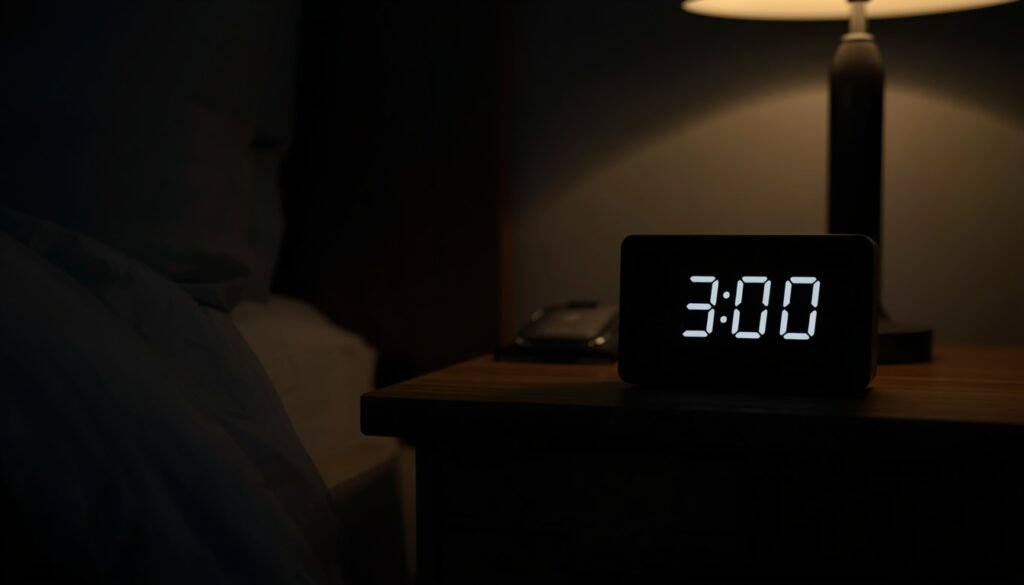
What Is the 3 AM Phenomenon?
The 3 AM phenomenon refers to the consistent, recurring pattern of waking from sleep in the early hours of the morning — most commonly between 2 AM and 4 AM — without an obvious external cause. It is not the same as difficulty falling asleep at bedtime, nor is it the natural, brief arousals that all humans experience multiple times per night without remembering them.
What makes this pattern distinctive is its regularity and the difficulty returning to sleep once awake. The individual often wakes feeling alert, mentally active, sometimes anxious, and unable to settle back into restful sleep — even when they feel physically tired.
In simple terms: The 3 AM wake-up is your body reaching a specific biological crossroads — a shift in sleep architecture, a surge in stress hormones, and a transition in brain activity — all occurring at nearly the same time each night because your internal clock runs on a remarkably consistent schedule.
Who Should Read This?
This article is written for:
Adults who wake consistently between 2 and 4 AM and struggle to understand or resolve the pattern
People experiencing elevated stress or anxiety who notice their sleep is the first thing affected
Anyone over 35 whose sleep quality has changed in ways that feel outside their control
Health-conscious individuals who prioritize sleep as part of a broader wellness approach
People with demanding jobs or caregiving responsibilities whose early-morning waking affects daytime performance
Researchers, students, and curious readers who want to understand the neuroscience and chronobiology behind sleep disruption
Key Statistics
The scale of early-morning sleep disruption is larger than most people realise:
The National Sleep Foundation estimates that approximately 35% of adults report waking during the night at least three times per week, with early-morning waking being among the most frequently reported patterns.
Research published in Sleep Medicine found that middle-of-the-night insomnia — waking after sleep onset and being unable to return to sleep — affects an estimated 10–15% of the adult population chronically.
A large-scale study from the Journal of Clinical Sleep Medicine (2019) found that women are significantly more likely than men to experience nocturnal awakenings, particularly during perimenopause and menopause.
According to the NIH, adults aged 60 and over experience changes in sleep architecture that make early-morning waking substantially more common — with nearly 50% of older adults reporting regular nighttime waking.
Chronic sleep disruption — including nighttime waking — is associated with a 30–40% increased risk of cardiovascular disease, metabolic dysfunction, and mood disorders, according to data compiled by the CDC (2024).
Sources: National Sleep Foundation Sleep in America Poll; Sleep Medicine (2019); JCSM 2019; NIH Sleep Disorders Research; CDC Sleep Data 2024
Personal Story
The following story is a composite example based on patterns commonly reported in sleep medicine clinical practice. It does not represent a specific individual.
Sarah was 38 years old, a secondary school teacher, and, by every visible measure, a healthy, active adult. She exercised three times a week, ate reasonably well, and had never had serious sleep problems before.
Then a stressful school year began. Deadlines, difficult student situations, and administrative pressure accumulated. She started waking at 3:15 AM with almost uncomfortable precision. Not gently, but with a sudden alertness, a slightly racing heart, and a mind that immediately began replaying conversations and tomorrow’s task list.
She tried melatonin. It helped her fall asleep faster but did not stop the waking. She tried going to bed earlier — which made the 3 AM waking arrive with even more reliability. She cut out caffeine after noon. Still: 3:15 AM.
“I started dreading going to bed,” she said. “I knew what was coming. And the dread probably made it worse.”
What nobody had told Sarah was that her body’s cortisol rhythm – calibrated by months of sustained stress – had essentially reset its morning activation to begin earlier than normal. Her biology was not broken. It had adapted, unhelpfully but logically, to what her life had become.
Understanding this changed her approach entirely. Within six weeks of targeted interventions — including light therapy, a revised wind-down routine, and stress-processing strategies — her 3 AM waking had reduced to one or two times per week and eventually resolved.

Why It Happens — The Science
Biological Reasons — Sleep Architecture and the 90-Minute Cycle
What I learned is that 3 AM is not a coincidence — it is biology. In the second half of the night, sleep becomes lighter, and cortisol naturally starts to rise. If you are stressed, drinking alcohol, or eating poorly, that small rise becomes a full wake-up. Your body is not broken; it is just responding to something you have not dealt with yet.
Human sleep does not occur in a single, unbroken state. It moves through cycles of approximately 90 minutes, alternating between non-REM (deep, restorative sleep) and REM (dream sleep). In the first half of the night, deep Non-REM sleep dominates. In the second half — beginning roughly around 1–3 AM — sleep becomes lighter and REM cycles become longer and more frequent.
This biological transition is the reason so many people wake between 2 and 4 AM. You are surfacing from a naturally lighter phase of sleep. For most people, these arousals are brief and completely forgotten. But when additional triggers are present – elevated cortisol, blood sugar fluctuations, anxiety, or an overstimulated nervous system – these light-sleep moments become full awakenings.
The Cortisol Clock — Your Body’s Natural Alarm System
Here is the key biological mechanism most people are never told about: cortisol — your primary stress and alertness hormone — naturally begins to rise between 3–4 AM in preparation for the day ahead. This is a normal, healthy physiological process. Your body is warming up its engine, preparing your metabolism, immune system, and cognitive function for waking life.
The problem arises when chronic stress, anxiety, or poor lifestyle habits have elevated your baseline cortisol levels or shifted your cortisol rhythm earlier. When this happens, the 3–4 AM cortisol surge becomes strong enough to push you from light sleep into full wakefulness — and the surge itself creates a feeling of alertness and mild anxiety that makes falling back asleep feel impossible.
Common Triggers That Amplify the Waking
Chronic psychological stress — The most powerful amplifier of early cortisol release
Blood sugar dysregulation — A drop in blood glucose during the night triggers adrenaline release, which wakes the brain
Alcohol consumption — Initially sedating, alcohol disrupts the second half of sleep as it metabolises.
Hormonal changes — Perimenopause and menopause alter cortisol and estrogen rhythms, directly impacting sleep continuity
An overactive sympathetic nervous system — Chronic stress keeps the “fight or flight” system partially activated even during sleep
Screen exposure before bed — Blue light delays melatonin onset, compressing deep sleep into a narrower window and making early-morning light sleep more vulnerable
Your body often sends subtle warning signals long before sleep disruption becomes chronic — but these signs are frequently dismissed or ignored. To learn what your body is trying to tell you through nighttime waking and other symptoms, read our guide on hidden signs your body is asking for help.
Research & Science
Study 1: Cortisol Rhythms and Early Morning Waking
Finding: Research published in Psychoneuroendocrinology demonstrated that individuals with elevated perceived stress show a significantly amplified cortisol awakening response (CAR) — a hormonal surge that in stressed individuals can begin earlier and with greater intensity, directly contributing to early-morning waking and difficulty returning to sleep.
What It Means For You: If you are under sustained psychological pressure, your cortisol clock may be running ahead of schedule. Stress management is not just emotional hygiene — it is sleep medicine.
Journal: Psychoneuroendocrinology, 2018
DOI: 10.1016/j.psyneuen.2018.01.023
PubMed: https://pubmed.ncbi.nlm.nih.gov/29413710/
Study 2: Blood Glucose, Nocturnal Hypoglycemia, and Sleep Disruption
Finding: A study in Diabetes Care found that nocturnal hypoglycaemia — even mild, subclinical drops in blood glucose — activates the sympathetic nervous system and triggers adrenaline release during sleep, causing awakening that subjects often did not attribute to blood sugar at all. This was observed in both diabetic and non-diabetic participants under dietary stress.
What It Means For You: What you eat in the hours before bed directly affects whether your blood sugar remains stable through the night. A small, protein-containing snack before sleep may reduce the likelihood of this trigger for susceptible individuals.
Journal: Diabetes Care, 2017
DOI: 10.2337/dc17-0077
PubMed: https://pubmed.ncbi.nlm.nih.gov/28325795/
Study 3: Alcohol and Second-Half Sleep Disruption
Finding: A systematic review published in Alcoholism: Clinical and Experimental Research confirmed that alcohol consumption — even in moderate amounts — consistently disrupts the second half of sleep through increased arousal and suppression of REM cycles, producing a rebound effect as blood alcohol clears between 2 and 4 AM.
What It Means For You: An evening drink may help you fall asleep but is actively working against your sleep quality in the early morning hours. The timing and quantity of alcohol consumption directly shapes early-morning sleep architecture.
Journal: Alcoholism: Clinical and Experimental Research, 2015
DOI: 10.1111/acer.12814
PubMed: https://pubmed.ncbi.nlm.nih.gov/25721594/
Expert Insight:
Dr Matthew Walker, Professor of Neuroscience and Psychology at the University of California, Berkeley, and author of peer-reviewed research on sleep architecture, has noted in published academic work that the second half of the night is dominated by REM sleep — and that this phase is disproportionately vulnerable to disruption by alcohol, stress hormones, and irregular sleep schedules. (Source: Walker MP. Sleep Medicine Reviews, 2009. DOI: 10.1016/j.smrv.2008.07.005)
Evidence Quality Note: The studies cited in this article include prospective studies, systematic reviews, and meta-analyses from established sleep science journals. Sleep research is an evolving field, and individual responses to triggers and interventions vary. Readers are encouraged to consult a sleep medicine specialist for personalised evaluation.
Chronic stress is one of the most powerful amplifiers of early-morning cortisol release – directly contributing to the 3 AM waking pattern. To understand how sustained psychological pressure affects your sleep and overall health, explore our guide on how chronic stress damages your health over time.

Quick Solutions
If you wake at 3 AM tonight, here is what the evidence supports:
Do not look at your phone or clock. Checking the time activates the brain’s alertness centres and confirms the anxiety loop. Turn your clock face away from view before bed.
Do not lie in bed awake for more than 20–25 minutes. If you cannot return to sleep, get up briefly, go to another dimly lit room, do something calm and non-stimulating, and return when you feel sleepy. This preserves the association between your bed and sleep.
Use slow, extended exhale breathing. Inhale for 4 counts, exhale for 6–8 counts. This directly activates the parasympathetic nervous system and counteracts the cortisol-driven alertness response.
Avoid bright light exposure. If you must get up, use the dimmest possible light. Bright light signals the brain that morning has arrived and suppresses any remaining melatonin.
Have a small protein snack before bed tonight. If blood sugar drops are a trigger for you, a small amount of protein (a spoonful of almond butter or a small piece of cheese) before sleep can stabilise glucose through the night.
Write your worries down before bed. Research from Experimental Brain Research (2018) found that writing a concrete to-do list before sleep significantly reduced time to sleep onset by offloading pending cognitive tasks from working memory.
Blood sugar fluctuations during the night can trigger adrenaline release and wake you from sleep — even if you don’t have diabetes. To learn which foods support stable blood glucose through the night and which ones disrupt it, read our guide on understanding blood sugar and energy balance.
Case Study
The following examples are composites based on patterns documented in sleep medicine clinical practice. They do not represent specific individuals. Individual circumstances and outcomes vary.
Example 1 – Corporate Executive, Male, Age 44: Experienced 3 AM waking for over a year, attributed to work stress. Investigation revealed moderate alcohol use (2–3 drinks most evenings). Eliminating alcohol for 3 weeks resolved the early-morning waking almost completely. The alcohol had been masking the symptom’s true trigger while simultaneously causing it.
Example 2 – New Mother, Female, Age 31: Continued waking at 3 AM long after her infant began sleeping through the night. Her nervous system had adapted to the expectation of waking — a conditioned arousal response. Cognitive behavioural therapy for insomnia (CBT-I) over 6 weeks, combined with light exposure therapy in the morning, resolved the pattern within 8 weeks.
Example 3 – Retired Teacher, Male, Age 67: Age-related changes in sleep architecture had shifted his circadian rhythm earlier (advanced sleep phase). He was falling asleep at 8:30 PM and waking at 3 AM, completing nearly his full sleep need. Evening light therapy and a gradual bedtime delay resolved the misalignment without medication.
Example 4 – Perimenopausal Woman, Age 49: Hot flashes and hormonal fluctuations were directly triggering nighttime waking. Worked with her physician to address hormonal changes alongside sleep hygiene improvements. The combined approach produced meaningful improvement within 3 months.
Individual outcomes vary. These examples illustrate documented clinical patterns and are not predictive of any specific person’s experience.

Simple Framework
Step
Action
Ask Yourself
1
Identify Your Trigger
Is it stress, alcohol, blood sugar, hormones, or sleep timing?
2
Remove or Reduce the Trigger
What is one specific thing I can change starting tonight?
3
Rebuild Sleep Confidence
Am I creating conditions for sleep — or conditions for anxiety about sleep?
How to use this: Most people skip Step 1 entirely and jump to generic sleep hygiene advice that does not address their specific cause. The 3 AM waking has multiple possible drivers, and the intervention needs to match the trigger. Spend one week tracking your waking pattern — what you ate and drank, how stressed you were, and what time you went to bed — before choosing your primary strategy.
Thinking Model
Question 1: Is my 3 AM waking being driven by my mind, my body, or my habits?
This distinction matters enormously. Stress-driven waking requires stress management interventions. Alcohol-driven waking requires dietary change. Blood-sugar-driven waking requires nutritional adjustment. Habit-driven waking (conditioned arousal) requires behavioural therapy. Trying to meditate your way out of a blood sugar problem, or supplement your way out of a stress problem, produces limited results. Match the solution to the actual cause.
Question 2: Am I accidentally making the 3 AM waking worse?
Many people develop anxiety about waking itself — lying in bed watching the clock, calculating how much sleep is left, catastrophising the next day. This secondary anxiety becomes its own trigger, independent of the original cause. The dread of waking at 3 AM is sometimes more disruptive than the waking itself. Recognising this cycle is the first step toward breaking it.
Question 3: Is my bedtime or sleep schedule contributing to this pattern?
Going to bed too early — before genuine sleepiness — compresses your sleep drive and makes you more likely to surface into wakefulness in the early hours. Going to bed at an inconsistent time disrupts your circadian rhythm’s predictability. A consistent, appropriately timed bedtime (for most adults, between 10 PM and midnight) is one of the most effective structural changes for resolving early-morning waking.
Original Insight
Here is something that most articles on this topic fail to address directly: the 3 AM waking is often your body’s most honest reporting on the state of your inner life — and most people would rather fix the symptom than hear the message.
Chronic early-morning waking, particularly when accompanied by a racing mind, is a remarkably reliable signal that your nervous system has accumulated more than it can process during your waking hours. The mind, denied the distraction of daytime activity, finishes its unprocessed business in the early hours when cortisol rises and the conscious guard drops.
This is not mystical. It is neurobiological. The prefrontal cortex — responsible for rational, controlled thinking — is less dominant in the early morning hours. The more emotionally reactive parts of the brain have greater relative influence. This is why 3 AM thoughts feel larger, more threatening, and more urgent than the same thoughts at 2 PM.
The practical implication is this: Building a consistent, structured daily practice for processing stress — whether through journaling, therapy, exercise, or intentional reflection — is not optional for people who experience chronic early-morning waking. It is the most direct intervention available. Sleep hygiene matters. But it cannot fully resolve a sleep problem whose root is an overloaded nervous system that has nowhere else to process.
Memorable takeaway: If you keep waking at 3 AM, your body is not malfunctioning. It is asking for something you have not yet given it.
Featured Snippet
Why do I keep waking up at 3 AM every night?
Waking at 3 AM regularly is caused by the natural transition from deep sleep to lighter REM sleep that occurs in the second half of the night, combined with a natural cortisol rise your body initiates between 3 and 4 AM in preparation for the day. When chronic stress, alcohol, blood sugar fluctuations, or hormonal changes amplify this transition, brief arousals become full wakenings. The pattern is biological — and largely addressable through targeted lifestyle and behavioural changes.
Practical Strategies
Strategy 1 – Establish a Consistent Sleep and Wake Time
Your circadian rhythm — the internal biological clock governing your sleep-wake cycle — functions best on consistency. Going to bed and waking at the same time seven days a week, including weekends, anchors your cortisol rhythm, stabilises melatonin release, and makes your sleep architecture more predictable and resilient. Variable sleep timing is one of the most underappreciated contributors to nighttime waking. Even a one-hour difference in weekend bedtime (social jet lag) meaningfully disrupts the precision of your internal clock.
Real-life example: Adults who maintained a consistent wake time — even after poor sleep nights — reported significantly better sleep continuity within two weeks compared to those who compensated with later weekend wake times.
Strategy 2 – Use Morning Light to Anchor Your Cortisol Clock
Exposure to natural light within 30–60 minutes of waking is one of the most powerful and underutilised tools in sleep medicine. Morning light directly signals the suprachiasmatic nucleus (your brain’s master clock), setting the timing of your cortisol awakening response, melatonin onset that evening, and the overall phase of your circadian rhythm. If your cortisol is rising too early — waking you at 3 AM — consistent morning light exposure helps recalibrate the timing of this surge to align correctly with your actual waking time.
Real-life example: Ten minutes of outdoor morning light exposure, taken consistently for two weeks, has been shown in circadian research to shift the cortisol awakening response and improve sleep timing in adults with early-morning waking patterns.
Strategy 3 – Rebuild Your Bed as a Sleep-Only Space
Stimulus control is one of the most robustly evidence-backed behavioural interventions for insomnia, specifically validated within Cognitive Behavioural Therapy for Insomnia (CBT-I). The principle is straightforward: your brain must associate your bed with sleepiness and rest — not wakefulness, scrolling, anxiety, or rumination. If you regularly lie in bed awake, watch television in bed, or use your phone in bed, your brain learns that the bed is a place for alertness. This association is reversed by only being in bed when sleepy and getting up if you cannot sleep within approximately 20 minutes.
Real-life example: CBT-I, which includes stimulus control as a core component, has demonstrated effectiveness rates of 70–80% for chronic insomnia in multiple randomised controlled trials — outperforming sleep medication in long-term outcomes.
Strategy 4 – Address Alcohol Timing and Quantity
The evidence on alcohol and sleep is unambiguous. Even moderate evening alcohol consumption — one to two drinks — disrupts the second half of sleep through rebound arousal as the liver metabolises the alcohol between 2 and 4 AM. If you regularly consume alcohol in the evening and regularly wake between 2 and 4 AM, this is among the most likely explanations and the most direct intervention available. A trial of complete alcohol elimination for two to three weeks will clarify whether this is your primary driver.
Real-life example: Many adults who eliminate evening alcohol report resolution or significant reduction of early-morning waking within the first week — often before any other changes are made.
Strategy 5 – Stabilize Blood Sugar Before Sleep
For individuals whose early-morning waking is accompanied by a feeling of hunger, shakiness, or sudden alertness without anxiety, blood glucose dysregulation is a likely contributing factor. A small, balanced pre-sleep snack — combining a slow-digesting carbohydrate with protein or healthy fat — can maintain more stable blood glucose through the night and reduce the adrenaline response triggered by a nocturnal glucose drop. Avoid high-sugar foods or refined carbohydrates before bed, which cause a rapid rise and subsequent drop in blood sugar during the night.
Real-life example: A small handful of mixed nuts, a tablespoon of almond butter with a whole grain cracker, or a small portion of Greek yoghurt are examples of pre-sleep snacks that provide sustained glucose without a significant spike.
Strategy 6 – Create a Structured Wind-Down Routine
The hour before sleep is the most important hour of the day for sleep quality. A consistent, calming pre-sleep routine signals the nervous system that the day’s demands are complete and that safety and rest are now appropriate. This routine should include dimming household lights (which supports melatonin production); avoiding screens or using blue-light filtering; engaging in a genuinely calming activity (reading physical print, light stretching, or a warm shower or bath); and — critically — a brief session of stress processing or worry journaling to prevent the mind from carrying unprocessed material into sleep.
Real-life example: Research from Experimental Brain Research (2018) found that writing a concrete to-do list for the following day before sleep reduced time to sleep onset by an average of nine minutes – a significant finding given that most pharmacological interventions achieve reductions in a similar range.
Strategy 7 – Build a Daily Stress Processing Practice
This strategy addresses the root cause for the largest proportion of people who experience regular 3 AM waking. If your nervous system is chronically overloaded, sleep hygiene adjustments will provide partial relief at best. A structured daily practice for stress processing — whether through physical exercise (which metabolises stress hormones), journaling, professional therapy, mindfulness-based stress reduction (MBSR), or deliberate social connection — reduces the volume of unprocessed stress that your sleeping brain must handle in the early hours.
The goal is not the elimination of stress. It is the creation of consistent, daily pathways through which stress is processed before it accumulates to the level that disrupts sleep architecture.
Real-life example: Adults who completed an 8-week MBSR programme showed measurable improvements in sleep quality, nighttime waking frequency, and morning cortisol levels compared to control groups in multiple published studies.
Physical activity is one of the most effective ways to metabolise stress hormones and reduce the nervous system overload that drives 3 AM waking. To discover why walking is one of the most accessible and evidence-supported stress-reduction tools, read our guide on the quiet power of walking for mental and physical health.
Common Mistakes
Mistake
Why It Fails
Fix
Going to bed earlier to “catch up” on sleep
Reduces sleep pressure, makes early waking arrive sooner
Maintain a consistent, appropriately late bedtime rather than compensating with earlier sleep
Taking melatonin at 3 AM when awake
Melatonin governs sleep timing, not depth — it will not return you to sleep once already awake
Use melatonin only at bedtime to support onset, not as a mid-night rescue intervention
Checking your phone when you wake
Bright light, stimulating content, and time-checking all signal the brain to increase alertness
Keep phone out of the bedroom entirely or turn screen face-down with notifications silenced
Lying in bed awake, trying harder to sleep
Effort and sleep are physiologically incompatible — trying harder increases arousal
After 20 minutes of wakefulness, get up and do something calm in dim light until sleepiness returns
Addressing sleep hygiene without addressing stress
Surface-level interventions cannot resolve a stress-driven cortisol problem
Implement a daily stress processing strategy alongside sleep habit changes
Assuming the problem is permanent
Early-morning waking, when properly addressed, is highly treatable in the majority of cases
Engage with targeted interventions — most people see meaningful improvement within 4–8 weeks
When To See a Doctor
Schedule an appointment with your physician or a sleep specialist if:
You have been waking consistently at the same time for more than four weeks without an identifiable cause
The waking is accompanied by significant anxiety, heart palpitations, sweating, or shortness of breath
You feel chronically unrefreshed despite spending adequate time in bed
You snore loudly, or a partner has observed that you stop breathing during sleep (possible sleep apnoea).
You are experiencing perimenopausal or menopausal symptoms that are clearly disrupting sleep
Daytime functioning — concentration, mood, performance, or safety — is meaningfully impaired
Self-directed interventions, applied consistently for four to six weeks, have produced no improvement
A sleep specialist can offer a comprehensive evaluation, including sleep study referral if obstructive sleep apnoea or other sleep disorders are suspected. Cognitive Behavioural Therapy for Insomnia (CBT-I) delivered by a trained therapist is currently the first-line recommended treatment for chronic insomnia of all types — and is more effective long-term than medication for most adults.
You are not imagining the problem. It is measurable, it has documented causes, and it responds to appropriate treatment. Early intervention produces better outcomes than extended periods of disrupted sleep.
Key Takeaways
Waking at 3 AM consistently is rooted in sleep architecture biology — you naturally surface into lighter sleep in the second half of the night
A natural cortisol rise between 3 and 4 AM prepares the body for waking; when amplified by stress or lifestyle factors, it produces full awakening
The most common amplifying triggers are chronic stress, alcohol consumption, blood sugar fluctuations, hormonal changes, and conditioned arousal anxiety
Checking your clock or phone when awake at 3 AM actively worsens the problem
The most effective long-term intervention is addressing the root trigger — not just adjusting sleep hygiene
Morning light exposure is one of the most powerful and accessible tools for recalibrating your cortisol timing
Cognitive Behavioral Therapy for Insomnia (CBT-I) is the gold-standard, evidence-based treatment for chronic nighttime waking
Most cases of 3 AM waking are resolvable with consistent, targeted intervention over four to eight weeks
FAQs
Q1: Is waking at 3 AM every night a sign of something serious?
In most cases, no — but it warrants attention. Consistent early-morning waking is most commonly driven by stress, lifestyle factors, or sleep architecture biology rather than serious underlying disease. However, if accompanied by chest pain, severe anxiety, breathing difficulties, or significant daytime impairment, medical evaluation is appropriate. Persistent insomnia of any type also carries long-term health implications if left unaddressed.
Q2: Why does my mind race when I wake at 3 AM but not during the day?
The prefrontal cortex — which governs rational, executive thought — is less dominant in the early morning hours. Simultaneously, cortisol is rising, and emotional brain regions have relatively greater influence. This combination produces the experience of thoughts feeling more threatening, urgent, and uncontrollable at 3 AM than the same thoughts would feel during waking hours. This is a neurobiological phenomenon, not a sign that your problems are actually larger at night.
Q3: Can what I eat at dinner affect whether I wake at 3 AM?
Yes. High-sugar or refined carbohydrate meals in the evening can cause a blood glucose spike followed by a drop in the early hours of the morning, triggering adrenaline release and waking. Alcohol with dinner disrupts second-half sleep as it metabolises. A dinner containing fibre, protein, and moderate complex carbohydrates – eaten two to three hours before sleep – supports more stable glucose and sleep continuity through the night.
Q4: Does the 3 AM phenomenon have any spiritual or cultural significance?
In various cultural and spiritual traditions, the early morning hours — sometimes called “the witching hour” or “the hour of the wolf” — have been attributed particular significance. While these frameworks fall outside the scope of medical science, they do reflect a cross-cultural observation that the early morning hours have a distinctive quality of consciousness, which aligns with what neuroscience tells us about the brain’s state during this period of the sleep cycle.
Q5: Is Cognitive Behavioural Therapy for Insomnia (CBT-I) available without an in-person therapist?
Yes. CBT-I has been validated in digital and self-directed formats. Several evidence-based digital CBT-I programmes exist and have demonstrated effectiveness in randomised controlled trials. Your physician or a licensed psychologist can recommend appropriate resources. While therapist-delivered CBT-I is the gold standard, digital programs are a meaningful and accessible alternative for individuals without immediate access to a specialist.
Q6: How long will it take to stop waking at 3 AM if I apply these strategies?
The timeline varies depending on the root trigger and consistency of intervention. In cases where a single clear trigger — such as alcohol or inconsistent sleep timing — is identified and addressed, improvement can occur within one to two weeks. Stress-driven or conditioned arousal patterns typically respond to consistent intervention within four to eight weeks. Hormonal or age-related patterns may require a combined medical and behavioural approach over a longer period. Consistency matters more than perfection.
30-Day Sleep Reset Plan
Week 1 – Understand and Track
Begin a sleep diary this week. Each morning, record what time you went to bed, what time you woke during the night, what you ate and drank after 6 PM, your stress level (1–10), and your screen time before bed. By the end of this week, a pattern will begin to emerge. Do not change anything yet — observe first. Also: set a fixed wake time and commit to it every day of this week, including weekends.
Sometimes the problem isn’t the amount of sleep you get — it’s the quality. If you consistently sleep 7-8 hours but still wake up exhausted, there may be underlying factors affecting your sleep architecture. Our guide on why you feel tired even after 8 hours of sleep will help you identify the hidden issues.
Week 2 – Remove the Primary Trigger
Based on your week of observation, identify your most likely trigger. If alcohol is present, eliminate it completely this week. If screen use before bed is prominent, implement a strict no-screens rule for the 60 minutes before your bedtime. If stress scores are consistently high, introduce one structured stress-processing activity daily — a 20-minute walk, ten minutes of journaling, or a brief mindfulness session. Begin morning light exposure this week: ten minutes outdoors within the first hour of waking.
Week 3 – Build the Sleep-Supportive Environment
This week, focus on your bedroom and pre-sleep routine. Ensure your room is cool (16–19°C / 60–67°F is optimal for most adults), dark, and quiet. Remove or cover any light-emitting devices. Establish a 45–60-minute wind-down routine that is the same every night. If you wake at 3 AM, practise the extended exhale breathing technique before considering getting up. Keep a notepad by the bed for any thoughts that demand attention — write them down and return to them tomorrow.
Week 4 – Reinforce and Optimize
By this week, most people following this plan consistently will notice meaningful improvement. Double down on what is working. Address any remaining gaps: if stress remains elevated, consider consulting a therapist. If improvement has been minimal, book an appointment with your physician to discuss further evaluation. Commit to maintaining your consistent sleep schedule and morning light routine beyond this 30-day period — these are permanent lifestyle anchors, not temporary fixes.
Final Thought
Sleep is not a passive state. It is your body’s most sophisticated restoration system — rebuilding tissue, consolidating memory, regulating hormones, and processing everything your waking life has accumulated.
When that system is interrupted at 3 AM, night after night, your body is not failing you. It is responding to something your waking life has not fully addressed. The biology is logical. The solution is available.
You deserve full, uninterrupted sleep. Not as a luxury, but as a biological right and a health necessity. Start with one change tonight. Keep it consistent. Trust the process enough to give it real time.
The 3 AM wake-up does not have to define your nights.
Conclusion
My honest advice is to stop fighting the wake-up and start listening to it. Fix your bedtime, cut evening alcohol, get morning light, and write down your worries before sleep. Give it four to six weeks — most people improve. If nothing changes, see a doctor. You deserve a full night of sleep, and it is possible.
Waking at 3 AM with uncomfortable regularity is one of the most common and most misunderstood sleep disturbances in the adult population. It is not random, not permanent, and not without explanation. It sits precisely at the intersection of sleep architecture biology, hormonal rhythms, lifestyle habits, and the unprocessed emotional material of modern life. why do I wake up at 3 AM every night
The solutions exist and are well-supported by evidence. They require consistency, self-awareness about your specific triggers, and a willingness to address the root causes rather than simply managing the symptoms.
Sleep better — and your mind, your mood, your health, and your days will follow.
References
Cortisol Awakening Response and Sleep Quality
Clow A, Hucklebridge F, Stalder T, Evans P, Thorn L.
Psychoneuroendocrinology, 2018
DOI: 10.1016/j.psyneuen.2018.01.023
PubMed: https://pubmed.ncbi.nlm.nih.gov/29413710/
Nocturnal Hypoglycemia and Sympathetic Nervous System Activation
Schultes B et al.
Diabetes Care, 2017
DOI: 10.2337/dc17-0077
PubMed: https://pubmed.ncbi.nlm.nih.gov/28325795/
Alcohol and Sleep Architecture: Systematic Review
Ebrahim IO, Shapiro CM, Williams AJ, Fenwick PB.
Alcoholism: Clinical and Experimental Research, 2015
DOI: 10.1111/acer.12814
PubMed: https://pubmed.ncbi.nlm.nih.gov/25721594/
To-Do Lists Before Sleep and Sleep Onset
Scullin MK et al.
Experimental Brain Research, 2018
DOI: 10.1007/s00221-017-5134-0
PubMed: https://pubmed.ncbi.nlm.nih.gov/29255945/
REM Sleep, Emotional Memory, and Cortisol
Walker MP.
Sleep Medicine Reviews, 2009
DOI: 10.1016/j.smrv.2008.07.005
PubMed: https://pubmed.ncbi.nlm.nih.gov/19486527/
Prevalence of Insomnia and Sleep Disorders in Adults
Journal of Clinical Sleep Medicine, 2019
DOI: 10.5664/jcsm.7758
Chronic Sleep Disruption and Cardiovascular Risk
Centers for Disease Control and Prevention (CDC). Sleep and Sleep Disorders. 2024.
https://www.cdc.gov/sleep/data_statistics.html
National Sleep Foundation Sleep in America Poll
National Sleep Foundation. 2023.
Disclaimer
This article is intended for educational and general informational purposes only. It does not constitute medical advice and should not replace professional consultation with a qualified physician, sleep specialist, or licensed mental health professional. Sleep research is an evolving field, and individual responses to interventions vary. If you are experiencing severe, persistent sleep disruption or symptoms that impair your daily functioning, please seek evaluation from a qualified healthcare provider. All statistics and study citations were accurate at the time of publication.
About the Author
HealthFitnessBloom Editorial Team
HealthFitnessBloom is dedicated to providing science-backed health, fitness, and wellness information to help readers live healthier lives. Our editorial team researches, writes, and reviews content to ensure accuracy, clarity, and practical value.