
Introduction: An Ancient Remedy Rediscovered
For thousands of years, a dark, tar-like substance has been harvested from the high mountain ranges of the Himalayas, Altai, and Caucasus. Known as shilajit, this natural resin has been used in traditional Ayurvedic medicine for centuries.
Today, shilajit is gaining attention far beyond traditional circles. In 2026, it’s one of the most searched natural supplements, with people curious about its potential benefits. shilajit 2026
But what exactly is shilajit? What does modern research say about it? And how can you approach it wisely?
This article takes a scientific, evidence-based look at shilajit—what it is, what research suggests, and important considerations for safe use.
—
What Is Shilajit?
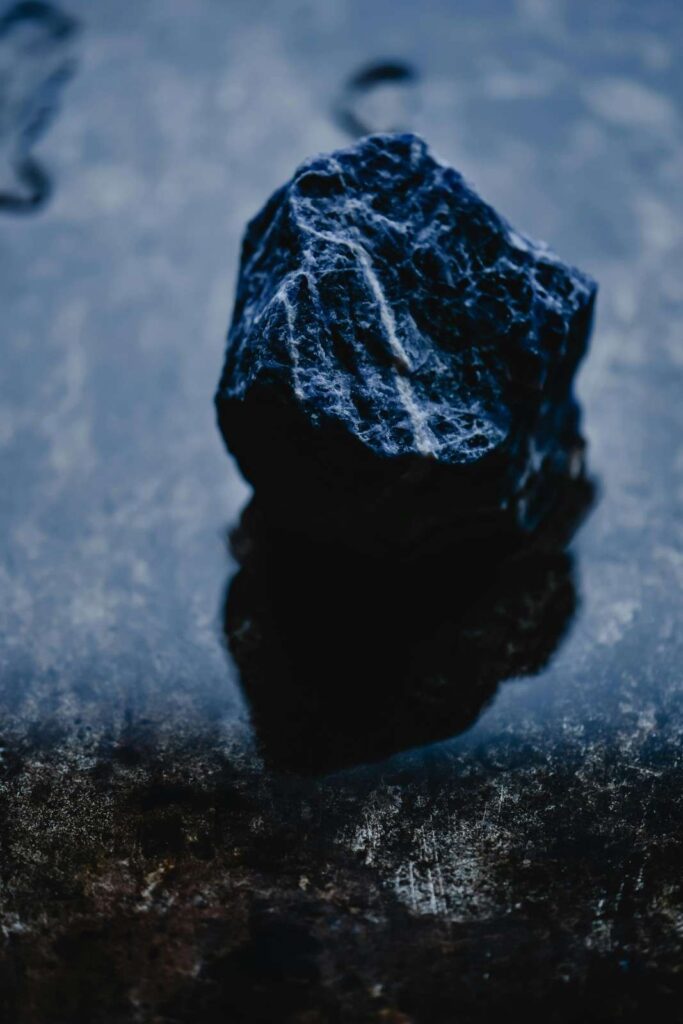
Shilajit is a sticky, blackish-brown resin that oozes from rocks in high mountain ranges. It forms over centuries from the slow decomposition of plant matter and minerals.
How It Forms
Scientists believe shilajit develops as plants, primarily from the Euphorbia royleana family, are compressed by rocks and decomposed by microorganisms over hundreds of years. The result is a complex substance rich in minerals and organic compounds.
Key Components
The primary bioactive compound in shilajit is fulvic acid, which makes up approximately 60-80% of its composition.
Component What Research Suggests
Fulvic acid May have antioxidant properties
Humic acid May support digestive health
Dibenzo-alpha-pyrones Some research suggests metabolic support
Minerals Contains trace minerals including iron, zinc, magnesium
—
—
What Research Suggests About Shilajit
Research on shilajit has grown in recent decades. While studies are promising in some areas, researchers emphasize that more large-scale human trials are needed.
The way shilajit is believed to support cellular energy relates to how your body produces energy at the most basic level. For a deeper understanding of cellular energy production, you may want to read our guide on mitochondria and how they power your body.
Cellular Energy Support
A 2012 study published in the Journal of Medicinal Food examined shilajit’s effects on cellular energy production. The researchers found that participants who took purified shilajit showed improved mitochondrial function—the energy-producing parts of cells—compared to the placebo.
The study suggested that fulvic acid may help transport nutrients into cells and support energy production at the cellular level. However, the study was small, and researchers call for larger trials.
Antioxidant Properties
Several studies have investigated shilajit’s potential antioxidant effects. A 2018 review in the International Journal of Ayurveda Research noted that compounds in shilajit, particularly fulvic acid, demonstrated antioxidant activity in laboratory settings.
Research indicates that antioxidants help neutralize free radicals—unstable molecules that can damage cells. However, most of this research has been conducted in labs, not in humans.
Cognitive Function Support
A small 2016 study in the Journal of Alzheimer’s Disease examined shilajit’s potential effects on cognitive function. The study found that participants taking shilajit showed improvements in certain cognitive measures compared to placebo.
The researchers suggested that the antioxidant and anti-inflammatory properties of shilajit might play a role. However, this was a small study, and more research is needed.
—
Safety Considerations and Quality Concerns
The Importance of Quality
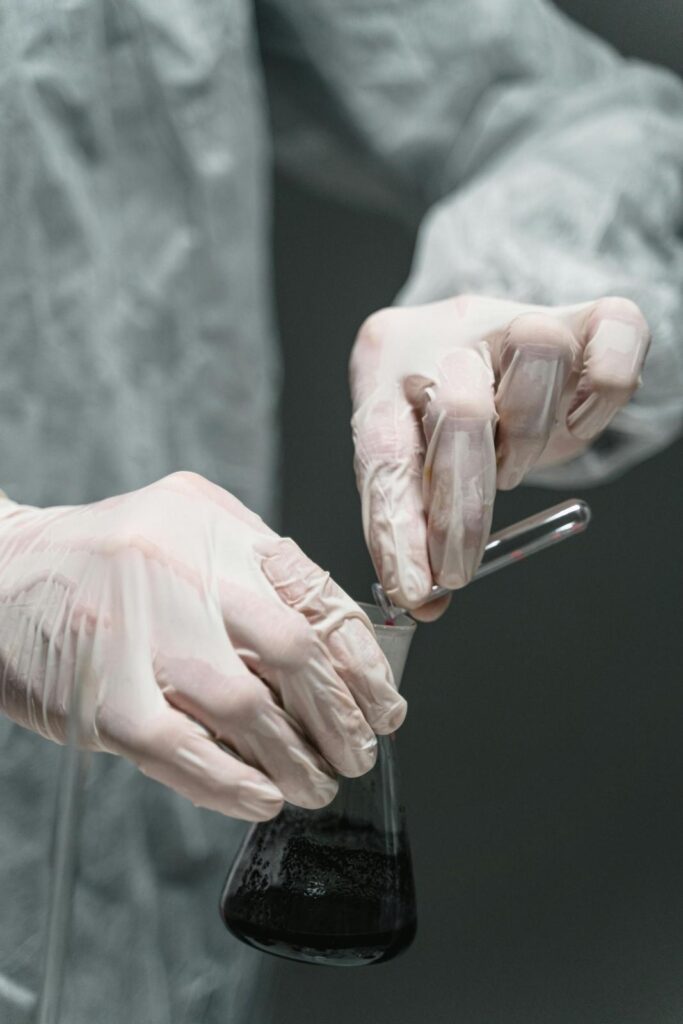
One of the most important factors with shilajit is quality. Traditional shilajit is harvested from high-altitude rocks, but modern products vary widely.
Quality Factor: What to Look For
Source: Himalayan or Altai mountains
Processing purified heavy metal testing
Appearance: Dark, pliable, dissolves in warm water
Third-party testing USP, NSF, or ConsumerLab seals
Important: Some shilajit products have been found to contain heavy metals like lead, arsenic, or mercury. A 2020 study found significant variation in purity between commercial products. Always choose brands that provide third-party testing results.
When considering any natural supplement, understanding how your body processes substances matters. Our article on cortisol and how this stress hormone affects sleep, weight, and energy explores another aspect of how natural compounds may influence your body.
Potential Side Effects
When properly purified and taken in appropriate doses, shilajit is generally considered safe for short-term use in healthy adults.
Possible side effects reported in some individuals include:
· Digestive upset
· Dizziness
· Fatigue
· Skin reactions (rare)
Who Should Be Cautious
Certain groups should consult a healthcare provider before considering shilajit:
· Pregnant or breastfeeding women—safety not established
· People with gout or high uric acid—shilajit contains minerals that may affect uric acid levels
· Those taking medications—potential interactions unknown
· People with iron overload conditions—shilajit contains iron
—
—
How to Approach Shilajit Wisely
Choose Quality Sources
If you’re considering shilajit, quality matters significantly. Look for:
· Products that specify Himalayan or Altai mountain source
· Third-party testing for heavy metals
· Purified or “processed” shilajit (not raw rock)
· Reputable brands with clear labeling
Start Low and Observe
If you and your healthcare provider decide to try shilajit:
1. Start with a low dose (typically pea-sized, 300-500 mg)
2. Dissolve in warm water or milk (not cold)
3. Observe how your body responds over several days
4. Adjust gradually if needed
5. Consider taking breaks rather than continuous use
Understand Limitations
It’s important to have realistic expectations. Research on shilajit is promising but preliminary:
What Research Shows What Research Doesn’t Show
Some studies suggest antioxidant properties. Evidence is not conclusive
Small studies show possible benefits. Large human trials are lacking
Traditional use spans centuries. Modern safety data is limited
May support cellular energy Not proven to treat any disease
—
Common Questions About Shilajit
Can I take shilajit with my medications?
Always consult your healthcare provider before combining supplements with medications. Potential interactions with shilajit have not been well studied.
How can I tell if shilajit is authentic?
Authentic shilajit typically:
· Dissolves completely in warm water
· Has a distinct earthy, slightly smoky smell
· Is dark brown to black
· Comes with third-party testing results
Is raw shilajit better than purified?
No. Raw shilajit may contain impurities, including heavy metals and microorganisms. Purified shilajit is processed to remove these contaminants and is generally considered safer.
How long does it take to notice effects?
Individual responses vary significantly. Some people report feeling differences within weeks, while others notice little change. Research studies typically run 4-12 weeks.
Can shilajit replace prescription medications?
No. Shilajit should never replace prescribed medications. Always speak with your healthcare provider before making any changes to your treatment plan.
—

—
A Balanced Perspective
What Advocates Say
Proponents of shilajit point to the following:
· Centuries of traditional use in Ayurvedic medicine
· Promising preliminary research on antioxidant and energy-support properties
· Natural composition with complex organic compounds
Building sustainable wellness involves more than individual supplements—it requires consistent healthy habits. For a complete approach that includes nutrition, physical activity, and stress management alongside informed supplement use, read our comprehensive guide to long-term healthy lifestyle choices.
What Researchers Note
Scientists studying shilajit emphasize:
· Limited human research — most studies are small or lab-based
· Quality variation — products differ significantly
· Need for larger trials to confirm effects
· Safety data limited for long-term use
The Middle Ground
The most sensible approach is balanced curiosity:
· Educate yourself about what evidence actually shows
· Choose quality products from reputable sources
· Consult healthcare providers before starting
· Pay attention to your body and adjust accordingly
· Maintain foundational health practices—sleep, nutrition, movement, stress management
—
Conclusion
Shilajit represents an interesting intersection of ancient tradition and modern scientific inquiry. For thousands of years, people have used this mountain resin for various purposes. Today, researchers are beginning to study its properties more systematically.
Current evidence suggests shilajit contains compounds with potential antioxidant and cellular energy-supporting properties. However, much of this research is preliminary, and large human trials are needed to confirm effects.
If you’re curious about shilajit, the wisest approach is informed and cautious: choose quality products, consult healthcare professionals, start with small amounts, and pay attention to how your body responds.
No supplement can replace foundational health practices: adequate sleep, nutritious food, regular movement, meaningful connections, and appropriate medical care.
As with any natural product, approach shilajit with curiosity, informed skepticism, and guidance from qualified healthcare professionals.
—
Disclaimer
Important Medical Disclaimer
This content is for general informational purposes only and does not constitute medical, health, or professional advice. The information provided is based on research available as of 2026 and should not be considered complete or up-to-date.
Shilajit is not approved by the FDA for the treatment or prevention of any disease. Products vary significantly in quality and purity. Some products may contain heavy metals or other contaminants.
Individual responses to shilajit vary widely based on genetics, health status, medications, and countless other factors. Always consult a qualified healthcare professional before starting any new supplement, especially if you have existing health conditions, take medications, or are pregnant, nursing, or planning to become pregnant.
Never disregard professional medical advice or delay seeking it because of something you have read here. The research on shilajit continues to evolve, and current evidence may not reflect the most recent scientific findings.