
Introduction: The Drugs Everyone Is Talking About
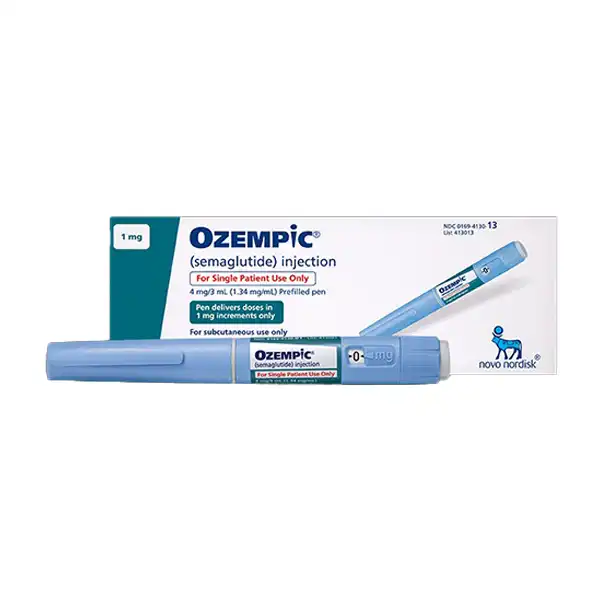
If you’ve been online lately, you’ve probably heard about Ozempic, Wegovy, or Mounjaro. These medications have taken the world by storm—not just as diabetes drugs, but as revolutionary tools for weight loss and chronic disease management. Celebrities talk about them. Social media influencers share their stories. Your neighbor might be using them.GLP-1 medications guide
But what exactly are these drugs? How do they work? And most importantly, what should you know if you’re considering them?
In 2026, GLP-1 medications are no longer just a trend—they’re reshaping medicine. A panel of 58 doctors, nutritionists, and health experts recently named them the most influential health trend of the year . One in five U.S. adults now report having used a GLP-1 drug , and their use is rapidly expanding worldwide, including in Pakistan.
This guide cuts through the hype to give you the facts. You’ll learn what these medications do, who they might help, what side effects to expect, and most importantly—how to think about them as one tool, not a magic solution.
—
—
Section 1: What Are GLP-1 Medications?
The Science in Simple Terms
GLP-1 stands for glucagon-like peptide-1. It’s a natural hormone your body produces when you eat. This hormone does several important things:
· Tells your pancreas to release insulin when blood sugar is high
· Slows down digestion so food moves through your stomach more slowly
· Signals your brain that you’re full and satisfied
GLP-1 medications are synthetic versions that mimic this natural hormone. They were originally developed to treat type 2 diabetes, but researchers noticed something interesting: people taking them were losing significant weight.
Common Names You’ve Heard
Brand Name Generic Name Primary Use
Ozempic (Semaglutide): Type 2 diabetes + weight loss
Wegovy (semaglutide) weight loss (higher dose)
Mounjaro (tirzepatide) for type 2 diabetes + weight loss
Zepbound Tirzepatide Weight loss
Rybelsus Semaglutide Type 2 diabetes (pill form)
How They’re Different From Older Weight Loss Drugs
Unlike previous weight loss medications that often stimulated the nervous system (causing jitters, insomnia, or heart problems), GLP-1s work with your body’s natural systems. This is why many experts consider them a breakthrough.
—
Section 2: Why 2026 Is the Year of GLP-1s
Beyond Weight Loss—A “Swiss Army Knife” for Health
Researchers are discovering that GLP-1s may have benefits far beyond diabetes and weight management. Current studies suggest potential positive effects for:
Condition What Research Suggests
Heart disease Reduced risk of heart attack and stroke
Kidney disease Protective effects on kidney function
PCOS and fertility May help regulate hormones and ovulation
Arthritis Reduced inflammation in joints
Addiction Early research shows reduced cravings for alcohol and nicotine
Sleep apnea Weight loss may improve symptoms
It’s important to note that research in many of these areas is ongoing. Results vary individually, and these are not approved uses for everyone.
The Numbers Tell the Story
· 1 in 5 U.S. adults have used a GLP-1 drug
· 15-20% average weight loss in clinical trials
· 40% reduction in cardiovascular events in some studies
· Pill forms now available, making them more accessible
Why They’ve Become So Popular
Several factors have converged to make GLP-1s mainstream:
· Celebrity endorsements and social media attention
· Expanded approval for weight loss specifically
· Growing evidence of additional health benefits
· Newer formulations with fewer injections
· Increasing availability as patents expire
—
Section 3: What You Need to Know Before Considering GLP-1s
They’re Not Magic—They’re Tools
GLP-1s work best when combined with solid lifestyle habits. Studies consistently show that people who use these medications alongside healthy eating and regular physical activity achieve better results than those who rely on the drug alone.
Research indicates that the medication creates a window of opportunity. By reducing hunger and cravings, it makes it easier to adopt the habits that lead to lasting health.
“`
Side Effects and Considerations
Like all medications, GLP-1s can cause side effects. The most common include:
· Nausea (affects about 20-40% of users, usually improves over time)
· Digestive issues (constipation or diarrhea)
· Fatigue in some people
· Injection site reactions (redness, itching)
More serious but rare side effects can include pancreatitis, gallbladder issues, and severe allergic reactions. This is why medical supervision is essential.
The Cost Factor
While prices have decreased recently, GLP-1s remain expensive. In Pakistan, they can cost anywhere from 15,000 to 40,000 rupees monthly, depending on the medication and dosage. Insurance coverage varies widely. Some people find success with patient assistance programs or generic versions where available.
Who Should NOT Use Them
GLP-1s aren’t appropriate for everyone. You should not use them if you:
· Have a personal or family history of medullary thyroid cancer
· Have Multiple Endocrine Neoplasia syndrome type 2 (MEN2)
· Have severe digestive diseases like gastroparesis
· Are pregnant or breastfeeding (unless specifically advised by your doctor)
—

—
Section 4: Nutrition on GLP-1s—Eating Less, But Better
When you’re eating less overall because of reduced appetite, every bite counts. People on GLP-1 medications need to focus on nutrient density to avoid deficiencies while losing weight.
Protein First
Protein helps preserve muscle mass during weight loss. When you lose weight rapidly, up to 25% of the weight loss can come from muscle if you’re not careful. Muscle loss slows metabolism and affects strength.
Aim for: 25-30 grams of protein per meal from sources like eggs, chicken, fish, lentils, or protein supplements if needed.
Fiber Is Your Friend
GLP-1s already slow digestion. Fiber helps this process work smoothly and prevents constipation. It also feeds beneficial gut bacteria.
Good sources: Vegetables, fruits with skin, whole grains, legumes, nuts and seeds.
Hydration Matters
GLP-1s can affect thirst signals. Some people forget to drink enough water, leading to dehydration, headaches, and fatigue.
Aim for: 8-10 glasses of water daily, more if you’re active or in hot weather.
Small, Frequent Meals
Large meals can feel overwhelming when digestion is slowed. Many people do better with:
· 4-6 smaller meals throughout the day
· Focusing on whole foods rather than processed options
· Eating slowly and stopping when comfortably full
—
Section 5: Lifestyle Habits That Support GLP-1 Success
Sleep and Weight Loss
Poor sleep disrupts hunger hormones—increasing ghrelin (which makes you hungry) and decreasing leptin (which tells you you’re full). This can work against the effects of GLP-1s.
“`
Research suggests that people who sleep 7-9 hours nightly have better weight loss outcomes, regardless of the method they use.
Stress Management
Chronic stress raises cortisol levels, which can promote abdominal fat storage and increase cravings. Stress management isn’t optional—it’s essential.
Simple practices:
· Deep breathing (even 2 minutes helps)
· Short walks
· Talking to a friend
· Limiting news and social media
Physical Activity
Exercise preserves muscle, boosts mood, and supports long-term weight maintenance. You don’t need to run marathons—consistency matters more than intensity.
Aim for: 150 minutes of moderate activity weekly (like brisk walking) plus 2 sessions of strength training.
—
Section 6: Common Questions About GLP-1s
Will I regain weight if I stop?
Research shows that weight regain is common after stopping GLP-1s—unless you’ve established lasting lifestyle habits. This is why the “tool, not magic” perspective matters so much. People who use the medication as a bridge to healthier eating and activity patterns maintain their results better.
Are they safe for long-term use?
Studies now have data spanning several years, and safety profiles remain favorable for most people under medical supervision. However, like all medications, long-term effects continue to be studied. Regular check-ups with your doctor are essential.
Can I take them with other medications?
GLP-1s can interact with other drugs, including some diabetes medications, blood thinners, and certain antibiotics. Always provide your doctor with a complete list of everything you’re taking.
Do they require a prescription?
Yes, absolutely. These are prescription medications that require medical supervision. Never buy them online without a prescription—counterfeit versions are common and dangerous.
Are there natural ways to boost GLP-1?
Some foods and nutrients may naturally increase GLP-1 production, including:
· Protein-rich foods
· Healthy fats
· Fermented foods
· Berries and polyphenol-rich plants
However, the effect is much smaller than with medications. These foods support health but aren’t replacements for prescribed treatment.
—
Section 7: The Future of GLP-1s
Oral Versions
For people who dislike injections, oral versions like Rybelsus are now available. They’re slightly less potent than injections but offer convenience.
Lower Costs
As patents expire and more manufacturers enter the market, prices are gradually decreasing. Generic versions may become available in the coming years, making these medications more accessible.
Broader Applications
Research continues into new uses:
· Alzheimer’s disease
· Parkinson’s disease
· Non-alcoholic fatty liver disease
· Polycystic ovary syndrome
· Addiction disorders
The Next Generation
Newer drugs are in development that may be even more effective, with fewer side effects, and longer-lasting effects (some may become monthly injections).
—
Section 8: Practical Takeaways
If You’re Considering GLP-1s
1. Start with a doctor’s visit—discuss your health history, goals, and concerns
2. Understand the costs—check insurance coverage and explore assistance programs
3. Plan for lifestyle changes—the medication works best as part of a broader approach
4. Be patient—results take time, and side effects often improve
5. Stay connected—regular follow-ups ensure safety and effectiveness
If You’re Already Using Them
1. Focus on nutrition—protein and fiber are your priorities
2. Stay active—preserve muscle and support metabolism
3. Monitor side effects—report persistent issues to your doctor
4. Think long-term—build habits that will last beyond the medication
If You’re Just Curious
Stay informed. The GLP-1 story is still unfolding. What we know today will likely expand as research continues. Whether or not these medications are right for you, understanding them helps you make better health decisions.
—

—
Conclusion: Informed Decisions, Better Health
GLP-1 medications represent a genuine advance in medicine. For many people, they offer hope where previous approaches failed. They can reduce disease risk, improve quality of life, and help people achieve health goals that once seemed impossible.GLP-1 medications guide
But they’re not magic. They’re not for everyone. And they’re not a substitute for the fundamentals of good health: nutritious food, regular movement, quality sleep, and meaningful connection.
The most successful users of GLP-1s are those who view them as what they are: powerful tools that work best when combined with a healthy lifestyle.
Whether you’re considering these medications, already using them, or simply curious, knowledge is your best asset. Talk to your doctor. Ask questions. Do your research from reliable sources. And remember—health is a journey, not a destination.
—
Frequently Asked Questions
How quickly do GLP-1s work?
Most people notice reduced appetite within the first week. Weight loss typically begins within the first month, but significant results take several months.
Can I drink alcohol while on GLP-1s?
Moderate alcohol is generally safe, but GLP-1s slow digestion, so alcohol may affect you more quickly. Some people experience increased nausea. Discuss with your doctor.
What if I miss a dose?
Follow the instructions provided with your specific medication. Generally, if you miss a dose, take it as soon as you remember unless it’s close to your next dose—then skip it. Never double up.
Are GLP-1s safe during pregnancy?
No. These medications should be stopped before pregnancy. If you’re planning pregnancy or become pregnant while on GLP-1s, consult your doctor immediately.
Will insurance cover them?
Coverage varies widely by country, insurance plan, and medical indication. Some plans cover them for diabetes but not for weight loss alone. Check with your provider.
—
References and Further Reading
· U.S. News & World Report: Top Health and Nutrition Trends for 2026
· Everyday Health: GLP-1s Named Top Health Trend of 2026
· Advisory Board: Health Trends 2026 Analysis
· KFF: GLP-1 Usage Statistics and Public Health Impact
· New England Journal of Medicine: Cardiovascular Outcomes with GLP-1s
· The Lancet: Long-term Safety and Efficacy Studies
Disclaimer:
This content is for general informational purposes only and does not constitute medical, health, or professional advice. The information presented is based on research findings and may affect individuals differently. Always consult a qualified healthcare professional before starting or stopping any medication. Never disregard professional medical advice or delay seeking it because of information in this article.