
Introduction: The Hidden Superhighway Inside Your Body
Imagine there was a single nerve that connected your brain to your heart, lungs, and digestive system. Imagine that this nerve could influence your mood, your sleep quality, and even how quickly you recover from stress. Now imagine that you could strengthen this nerve with simple, everyday practices—no expensive equipment, no complicated routines.
This isn’t science fiction. This is the vagus nerve, and it might be one of the most underappreciated parts of your body.vagus nerve activation
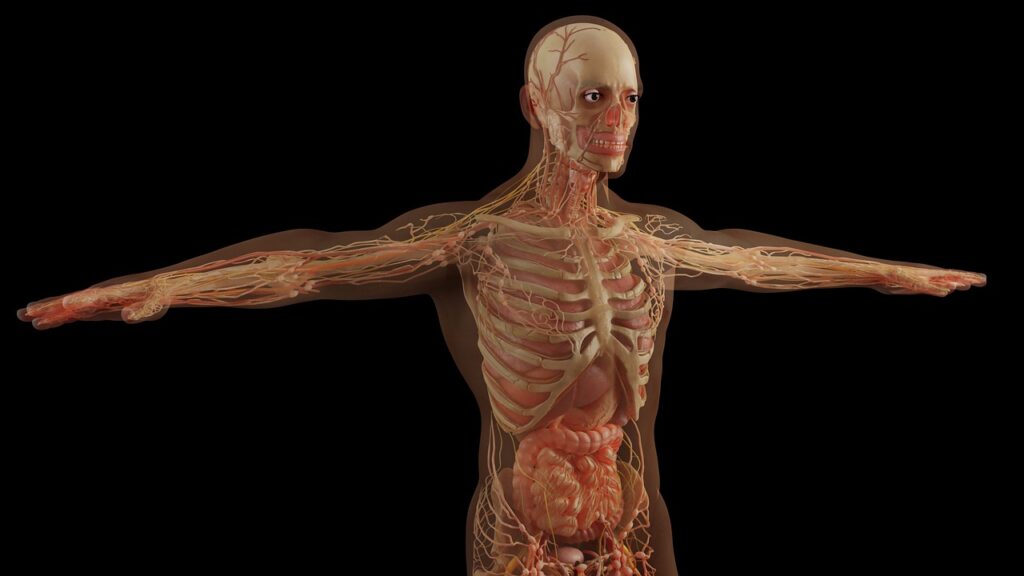
The vagus nerve—the name comes from the Latin word for “wandering”—is the longest nerve in your autonomic nervous system. It wanders from your brainstem down through your neck, chest, and abdomen, touching your heart, lungs, and digestive tract along the way. Think of it as your body’s superhighway, constantly sending messages between your brain and your organs.
Research increasingly suggests that the health of this nerve—what scientists call “vagal tone”—is linked to everything from stress resilience to inflammation levels. And emerging evidence indicates that you can influence your vagal tone through specific practices.
This article explores what the vagus nerve does, why it matters for your health, and five evidence-informed ways to support its function—no medical degree required.
—
—
Section 1: What Is the Vagus Nerve?
Your Body’s Communication Superhighway
The vagus nerve is the tenth cranial nerve, and it’s the longest and most complex of the twelve cranial nerves. Unlike nerves that control specific functions like eye movement or facial expression, the vagus nerve has an unusually broad job description.
It carries information:
· From your brain to your body: Telling your heart to slow down, your lungs to breathe, your digestive system to work
· From your body to your brain: Reporting back on what your organs are doing and how they’re feeling
About 80% of the nerve fibers in the vagus nerve carry information from the body to the brain. This means your body is constantly sending updates to your brain about your internal state—and your brain is listening.
Why It’s Called the “Rest and Digest” Nerve
You may have heard of the autonomic nervous system, which handles all the bodily functions you don’t consciously control—heart rate, digestion, breathing. This system has two main branches:
Branch Function Nickname
Sympathetic Prepares body for action Fight or flight
Parasympathetic Calms body down Rest and digest
The vagus nerve is the primary highway of the parasympathetic nervous system. When it’s active, it signals your body to:
· Slow heart rate
· Lower blood pressure
· Reduce inflammation
· Improve digestion
· Promote calm and relaxation
In other words, the vagus nerve is your body’s built-in brake pedal. And like any brake pedal, it works better when it’s in good condition.
“In other words, the vagus nerve is your body’s built-in brake pedal. And like any brake pedal, it works better when it’s in good condition.”
—
Section 2: Why Vagus Nerve Health Matters
The Science of Vagal Tone
Scientists measure vagus nerve function through something called “vagal tone.” Think of it as the nerve’s baseline activity level. Higher vagal tone is associated with:
· Better stress recovery (heart rate returns to normal faster after stress)
· Lower inflammation markers
· More stable blood sugar
· Improved emotional regulation
· Better sleep quality
Research published in journals like Biological Psychology suggests that people with higher vagal tone tend to be more resilient to stress and recover more quickly from challenges.
“Individual responses vary significantly. What works well for one person may need adjustment for another based on health status, genetics, and life circumstances.”
What Affects Vagal Tone?
Like any part of your body, the vagus nerve responds to how you treat it. Factors that research suggests may influence vagal tone include:
Factor Potential Effect on Vagal Tone
Chronic stress May reduce vagal tone over time
Physical activity Regular moderate exercise may support vagal function
Sleep quality Poor sleep may negatively affect vagal tone
Diet Some research links nutrition to autonomic function
Age Vagal tone naturally declines with age, but lifestyle matters
Individual responses vary significantly. What works well for one person may need adjustment for another based on health status, genetics, and life circumstances.
“Individual variation matters significantly in bone health. Factors that influence bone density include genetics, gender, hormonal status, body weight, physical activity, and nutrition.”
—
Section 3: Five Science-Backed Ways to Support Vagus Nerve Function
The following practices have been studied for their potential effects on the vagus nerve. None are guaranteed to work for everyone, and none replace medical care. They are simple, accessible approaches that some research suggests may be beneficial.
Method 1 – Deep Breathing (The Physiological Sigh)
Breathing is one of the few bodily functions that operates automatically but can also be consciously controlled. This makes it a powerful tool for influencing your nervous system.
What research shows: Studies indicate that slow, rhythmic breathing stimulates the vagus nerve and increases vagal tone. A specific pattern called the “physiological sigh” appears particularly effective.
How to practice:
· Take two quick inhales through your nose (the first fills your lungs, the second fully inflates them)
· Follow with one long, slow exhale through your mouth
· Repeat 2-3 times
This pattern naturally re-inflates tiny air sacs in your lungs and signals your nervous system to calm down.
Method 2 – Cold Exposure
Brief exposure to cold has been studied for its effects on the autonomic nervous system.
What research suggests: Cold water on your face or neck stimulates the vagus nerve through something called the “mammalian dive reflex.” This reflex, present in all mammals, slows heart rate and redirects blood flow to vital organs when faced with cold water.
How to practice:
· Splash cold water on your face (especially around your nose and eyes)
· Take a brief cold shower (start with 30 seconds and gradually increase)
· Some people use cold packs on their upper chest or neck
Start gently. Extreme cold is neither necessary nor recommended.

—
Method 3 – Humming, Singing, and Gargling
The vagus nerve passes directly through your vocal cords. When you hum, sing, or gargle, you physically stimulate these nerve fibers.
What research indicates: Studies suggest that chanting, humming, and singing increase heart rate variability (HRV)—a marker often associated with vagal function. The vibrations from these activities may mechanically stimulate the nerve.
How to practice:
· Hum your favorite tune for a few minutes
· Sing in the shower (the acoustics add extra vibration)
· Gargle water until you need to swallow
· Try chanting “Om” or other resonant sounds
Method 4 – Meditation and Mindfulness
The mind-body connection works both ways. Just as the vagus nerve sends signals from body to brain, practices that calm the mind may influence the nerve.
What research shows: Studies published in journals like Frontiers in Human Neuroscience have found that regular meditation practice is associated with higher vagal tone. Loving-kindness meditation, in particular, has been studied for its effects on vagal function.
How to practice:
· Start with 5 minutes daily of sitting quietly
· Focus on your breath
· When your mind wanders, gently bring it back
· Gradually increase time as it feels comfortable
Method 5 – Social Connection and Positive Emotions
The vagus nerve is intimately connected to social engagement. Some researchers call it the “social nerve” because of its role in facial expression, eye contact, and the ability to calm in the presence of others.
What research suggests: Positive social interactions, feelings of connection, and even simply looking at images of loved ones may influence vagal activity.
How to practice:
· Spend time with people who make you feel safe and calm
· Practice active listening in conversations
· Make eye contact (when culturally appropriate)
· Consider volunteering or joining group activities
“Spend time with people who make you feel safe and calm. Practice active listening in conversations. Make eye contact (when culturally appropriate). Consider volunteering or joining group activities.“
—
Section 4: Quick Morning Routine (5 Minutes)
If you’d like to try incorporating vagus nerve practices into your day, here’s a simple morning routine:
Time Practice
Minute 1 Splash cold water on your face
Minute 2 Take 2-3 physiological sighs (double inhale, long exhale)
Minute 3 Hum your favorite song while stretching
Minute 4 Sit quietly, focusing on your breath
Minute 5 Think of one person you’re grateful for
—

—
Section 5: Common Questions About the Vagus Nerve
Can You Measure Vagal Tone at Home?
While precise measurement requires medical equipment, some wearable devices track heart rate variability (HRV), which is often used as an indicator of vagal function. However, HRV varies naturally throughout the day and is influenced by many factors. It’s a general guide, not a diagnostic tool.
How Long Until I Notice Changes?
Individual responses vary dramatically. Some people notice immediate calming effects from deep breathing. Changes in baseline stress resilience, sleep quality, or other measures typically develop over weeks to months of consistent practice.
Is It Safe for Everyone?
These practices are generally considered safe for most people. However:
· If you have a heart condition, talk to your doctor before trying cold exposure
· If you have severe anxiety, some breathing practices might temporarily increase awareness of physical sensations
· Always listen to your body and stop if something doesn’t feel right
—
Section 6: Practical Takeaways
What You Can Do Today
Practice How to Start Time Needed
Deep breathing Try 3 physiological sighs 1 minute
Cold exposure Splash cold water on face 30 seconds
Humming Hum a song during your commute 2-5 minutes
Meditation Sit quietly for 5 minutes 5 minutes
Social connection Call a friend instead of texting 10 minutes
Setting Realistic Expectations
The vagus nerve is one piece of a much larger puzzle. It interacts with your entire nervous system, your genetics, your environment, and countless other factors. No single practice guarantees results, and individual responses vary tremendously.
Think of these approaches as tools in a wellness toolkit. Some days one tool helps more than another. The goal isn’t perfect vagal tone—it’s developing practices that support your overall well-being over time.
—
Conclusion: Your Body’s Built-in Calm Button
The vagus nerve is remarkable not because it’s a magic solution to health challenges, but because it represents something fundamental about how our bodies work: the systems that regulate our stress, our calm, our digestion, and our mood are not separate. They’re deeply interconnected.
The practices that support vagal function—deep breathing, cold exposure, humming, meditation, social connection—aren’t exotic or expensive. They’re simple, accessible, and have been part of human traditions for thousands of years. Modern research is now confirming what many cultures have long understood.
You don’t need to master all five practices. You don’t need to do them perfectly. You just need to start somewhere, with one small practice, and see how it feels.vagus nerve activation
Your body’s superhighway is already there, waiting to be traveled. The only question is whether you’ll start the journey.
—
Frequently Asked Questions
Can children benefit from vagus nerve practices?
Yes, gentle practices like humming, deep breathing, and cold water splashing are generally safe for children and may help with emotional regulation.
Is there a connection between vagus nerve and digestion?
Absolutely. The vagus nerve is the primary communicator between your brain and digestive system. It stimulates digestive enzyme release and peristalsis.
Can exercise help?
Research suggests regular moderate exercise supports autonomic nervous system balance, which may include vagal function. Extreme overtraining, however, may have opposite effects.
What about supplements?
Some supplements are marketed for vagus nerve health, but research is limited. Always consult a healthcare provider before starting supplements.
—
References and Further Reading
· Porges, S. W. (2011). The Polyvagal Theory: Neurophysiological Foundations of Emotions, Attachment, Communication, and Self-regulation
· Biological Psychology: Vagal tone and stress recovery
· Frontiers in Human Neuroscience: Meditation and vagal function
· International Journal of Psychophysiology: Respiratory sinus arrhythmia and vagal tone
· Harvard Health Publishing: Understanding the stress response
Disclaimer:
This content is for general informational purposes only and does not constitute medical, health, or professional advice. The information presented is based on research findings and may affect individuals differently. Always consult a qualified healthcare professional before making significant changes to your health routine, especially if you have underlying medical conditions. Never disregard professional medical advice or delay seeking it because of information in this article.