
Introduction
You’ve probably heard friends, family, or social media influencers talking about intermittent fasting. Maybe you’ve seen hashtags like #IF or #intermittentfasting. But what exactly is it, and why are millions of people trying it?
In 2026, intermittent fasting remains one of the most searched health topics worldwide. Unlike traditional diets that tell you what to eat, intermittent fasting focuses on when you eat. It’s not a diet in the conventional sense—it’s an eating pattern. intermittent fasting 2026
If you’re new to structured eating patterns, you might also be curious about how your digestive system influences overall health. Understanding the connection between gut health and mental well-being can provide a broader perspective on how intermittent fasting may support your wellness journey.
This article explains intermittent fasting in simple terms. You’ll learn how it works, what science says about its benefits, and practical ways to start if you’re curious.
—
What Is Intermittent Fasting?
Intermittent fasting (IF) is an eating pattern that cycles between periods of eating and periods of fasting. It doesn’t specify which foods to eat but rather when you should eat them.
Throughout human history, fasting has been a normal part of life. Our ancestors didn’t have supermarkets or refrigerators. They ate when food was available and went without when it wasn’t. In many ways, intermittent fasting mimics this natural pattern.
Research indicates that humans evolved to function well without food for short periods. During fasting, your body makes important cellular repairs and changes hormone levels to make stored fat more accessible.
—
Common Intermittent Fasting Methods
Several approaches to intermittent fasting exist. The most popular include the following:
Time-Restricted Eating
· 16:8 method: Fast for 16 hours, eat during an 8-hour window (most popular)
· 14:10 method: Fast for 14 hours, eat during a 10-hour window (beginner-friendly)
· 18:6 method: Fast for 18 hours, eat during a 6-hour window (advanced)
Alternate-Day Fasting
· Eat normally one day, then fast or consume very few calories (500-600) the next
5:2 Diet
· Eat normally for five days of the week
· Restrict calories to 500-600 for two non-consecutive days
The 16:8 method is most common because it fits naturally into many people’s schedules. For example, you might eat between noon and 8 PM, then fast from 8 PM until noon the next day.

—
What Happens to Your Body During Fasting
To understand intermittent fasting, you need to know what happens inside your body when you haven’t eaten for a while.
After you eat, your body spends several hours processing that food. It uses energy from the food you just consumed. Once that process finishes, your body enters a fasted state.
Studies suggest that after about 12 hours of fasting, your body makes an important shift called metabolic switching. During this switch:
Time Without Food: What Your Body Does
0-4 hours Uses energy from recent meal
4-12 hours Uses stored glycogen (sugar) from liver
12+ hours: Begins using stored fat for energy
Research indicates that during fasting, your body:
· Lowers insulin levels
· Increases human growth hormone
· Initiates cellular repair processes
· Changes gene expression related to longevity
As your body adapts to fasting, you may notice changes in your energy patterns. Some of these shifts are closely related to sleep quality. For a deeper understanding of how rest affects your daily energy, explore our guide on sleep quality and its impact on feeling rested.
—
Hormonal Changes During Fasting
Fasting triggers several important hormonal changes:
Insulin
When you eat, insulin levels rise to help cells absorb glucose. Between meals, insulin drops. Research suggests that lower insulin levels during fasting make stored fat more accessible for energy.
Human Growth Hormone
Studies indicate that fasting can increase growth hormone levels, which supports muscle preservation and metabolic health.
Norepinephrine
Your nervous system releases norepinephrine during fasting, which helps maintain your metabolic rate and mobilizes energy from fat stores.
—

—
Potential Benefits of Intermittent Fasting
Research on intermittent fasting has grown significantly. Current evidence suggests several potential benefits.
Weight Management Support
Many people try intermittent fasting for weight management. Research indicates that IF can help with:
· Reducing calorie intake naturally
· Improving hormone function to support weight management
· Increasing metabolic rate slightly
Metabolic Health
Studies suggest intermittent fasting may support:
· Improved insulin sensitivity
· Better blood sugar regulation
· Reduced inflammation markers
· Improved cholesterol profiles
Cellular Repair and Longevity
One fascinating area of research involves autophagy—your body’s cellular cleanup process. During fasting, cells initiate autophagy, removing old or dysfunctional components.
Studies in animals suggest that autophagy may play a role in:
· Protecting against certain diseases
· Slowing aspects of aging
· Supporting brain health
Brain Health
Emerging research suggests intermittent fasting might support brain health through:
· Reducing inflammation
· Increasing brain-derived neurotrophic factor (BDNF)
· Improving mitochondrial function in brain cells
—
—
How to Start Intermittent Fasting Safely
Start Gradually
Begin with a 12-hour fasting window overnight. If you finish dinner at 8 PM, wait until 8 AM to eat breakfast. This is often easier than it sounds—you’re sleeping through much of it.
Progress Slowly
Once 12 hours feels comfortable, extend to 13 or 14 hours. Work your way toward a 16-hour fasting window if that’s your goal.
Listen to Your Body
Pay attention to how you feel:
· Mild hunger is normal, especially early on
· Dizziness, extreme fatigue, or headaches suggest you need to adjust your approach
Stay Hydrated
During fasting periods, water is essential. You can also have:
· Plain black coffee (no sugar, milk, or cream)
· Plain tea (unsweetened)
· Plain water (still or sparkling)
—
What to Eat During Eating Windows
Intermittent fasting isn’t an excuse to eat whatever you want. For best results:
Focus on nutrient-dense foods:
· Vegetables and fruits
· Lean proteins (chicken, fish, eggs, legumes)
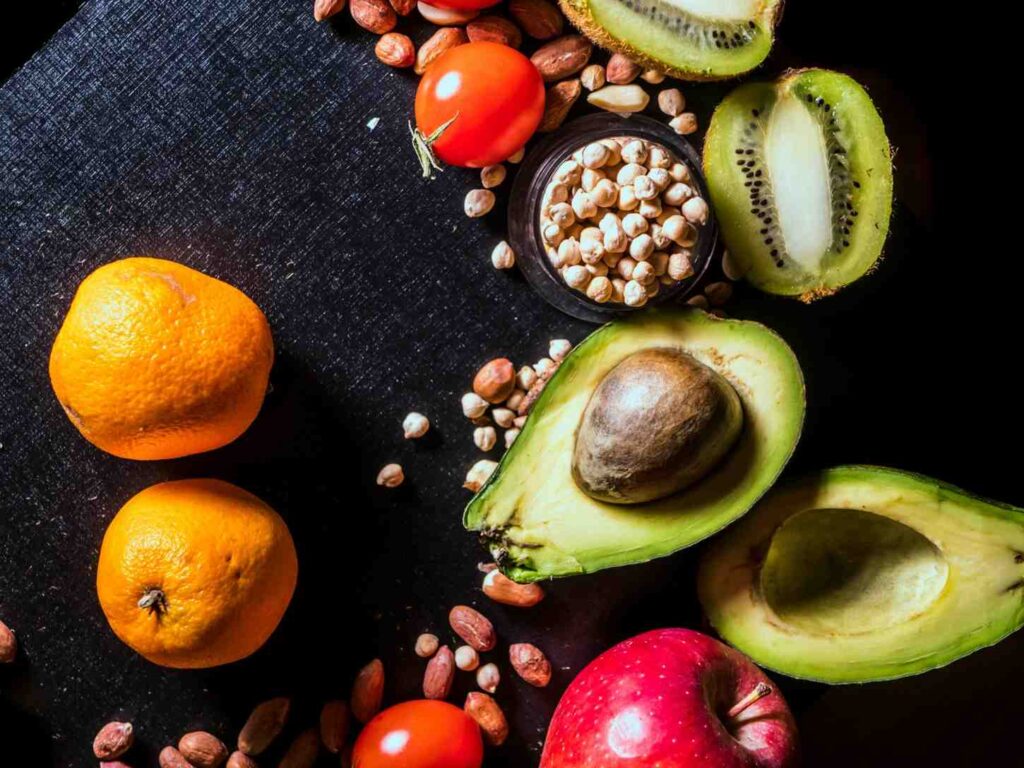
· Healthy fats (avocado, nuts, olive oil)
· Whole grains (quinoa, oats, brown rice)
Stay hydrated with water throughout your eating window. Eat until satisfied, not stuffed.
Choosing the right foods during your eating window is essential. For a complete approach to sustainable wellness, including nutrition, physical activity, and stress management, take a look at our comprehensive guide to long-term healthy lifestyle choices.
—
Who Should Approach Intermittent Fasting Cautiously
Intermittent fasting isn’t for everyone. Certain groups should speak with a healthcare provider before trying. IF:
· Those with diabetes or blood sugar regulation issues
· Individuals with a history of eating disorders
· People who are underweight or have nutritional deficiencies
· Those taking medications that require food intake
· Pregnant or breastfeeding women
· Children and adolescents under 18
· Athletes with high energy demands
—
Common Questions About Intermittent Fasting
Will I lose muscle mass?
Research suggests that intermittent fasting, combined with adequate protein intake and resistance exercise, does not necessarily cause muscle loss.
Can I exercise while fasting?
Many people exercise during fasting periods, particularly low- to moderate-intensity activities. Listen to your body—if you feel weak, eat something and try again later.
Will fasting slow my metabolism?
Short-term fasting studies suggest metabolism may temporarily increase. Extended very low-calorie diets can slow metabolism, but intermittent fasting typically involves normal eating during windows.
Can I drink coffee or tea during fasting?
Plain coffee and tea (without sugar, milk, or cream) are generally considered acceptable during fasting periods, as they contain minimal calories.
How long until I see results?
Individual responses vary significantly. Some people notice changes within weeks, while others take longer.
—
Sample Intermittent Fasting Schedule (16:8 Method)
Here’s what a typical day might look like:
Morning (Fasting Period)
· 7:00 AM: Wake up, drink water
· 8:00 AM: Black coffee or tea
· 10:00 AM: More water if thirsty
Eating Window Begins
· 12:00 PM: Break fast with balanced meal
· 3:00 PM: Snack if hungry (apple with nuts, yogurt)
· 7:00 PM: Dinner (balanced meal)
Fasting Period Begins
· 8:00 PM: Last food
· 9:00 PM: Herbal tea if desired
—
Frequently Asked Questions
Can I take supplements while fasting?
Water-soluble supplements are generally fine. Fat-soluble vitamins are best taken with food.
What breaks a fast?
Anything with significant calories breaks a fast. Water, plain coffee, and plain tea are usually acceptable.
Is intermittent fasting safe long-term?
Many people practice time-restricted eating for years without issues. Regular check-ins with your healthcare provider help ensure it remains appropriate for you.
Do I need to count calories?
Not necessarily. Many people find they naturally eat fewer calories within a restricted window.
Can I do intermittent fasting with a busy schedule?
Many people find IF simplifies their schedule—fewer meals to prepare and less time thinking about food.
—
Conclusion
Intermittent fasting offers a different approach to eating—one that focuses on timing rather than strict food rules. Research suggests potential benefits for weight management, metabolic health, and cellular function.
However, it’s not magic, and it’s not for everyone. The best approach to health includes balanced nutrition, regular physical activity, adequate sleep, and stress management—with or without intermittent fasting.
If you’re curious about trying IF, start slowly, listen to your body, and adjust as needed. What works for one person may not work for another, and that’s perfectly normal.
—
Disclaimer
This content is for general informational purposes only and does not constitute medical, health, or professional advice. The information provided is based on research available as of 2026.
Always consult a qualified healthcare professional before making any changes to your diet, exercise, or health routine, especially if you have existing medical conditions, take medications, or are pregnant, nursing, or planning to become pregnant.
Never disregard professional medical advice or delay seeking it because of something you have read here. Individual results may vary.