

Introduction: Building a Foundation for Lifelong Wellness
In our search for health and vitality, we often find ourselves chasing quick fixes, trending diets, and miracle solutions. Yet genuine, sustainable wellness rarely comes from temporary extremes. Instead, it emerges from consistent, balanced choices that become woven into the fabric of our daily lives. This guide isn’t about radical transformations or medical interventions—it’s about practical, sustainable approaches to nutrition and lifestyle that can support your long-term wellbeing when practiced consistently over time.
Genuine, sustainable wellness rarely comes from temporary extremes. It emerges from consistent, balanced choices that become woven into the fabric of our daily lives. To understand how morning routines can support this, read our guide on morning exercise
The year 2025-2026 brings renewed focus on holistic health approaches that consider the whole person—not just isolated symptoms or specific conditions. This perspective acknowledges that our food choices, movement patterns, stress management, sleep quality, and social connections all interact to create our overall health picture. Here, we explore evidence-based approaches that prioritize balance, sustainability, and personalization over rigid rules or temporary restrictions. healthy lifestyle nutrition choices
Understanding Modern Wellness Principles
The Shift from Quick Fixes to Sustainable Habits
Recent wellness trends show a movement away from extreme diets and toward sustainable lifestyle integration. People are increasingly recognizing that what works for months or years matters more than what works for weeks.
Personalized Nutrition Approaches
The concept of personalized nutrition continues gaining attention, emphasizing that optimal eating patterns may vary based on individual factors like genetics, lifestyle, preferences, and health status.
Holistic Health Integration
Wellness is increasingly viewed through a holistic lens that considers physical, mental, and emotional health as interconnected rather than separate domains requiring different approaches.
Foundational Nutrition Principles for Long-Term Health
Balanced Plate Framework
A simple, sustainable approach involves building meals around:
· Half the plate colorful vegetables and fruits
· Quarter lean proteins (plant or animal-based)
· Quarter whole grains or starchy vegetables
· Plus healthy fats in moderation
Whole Foods Emphasis
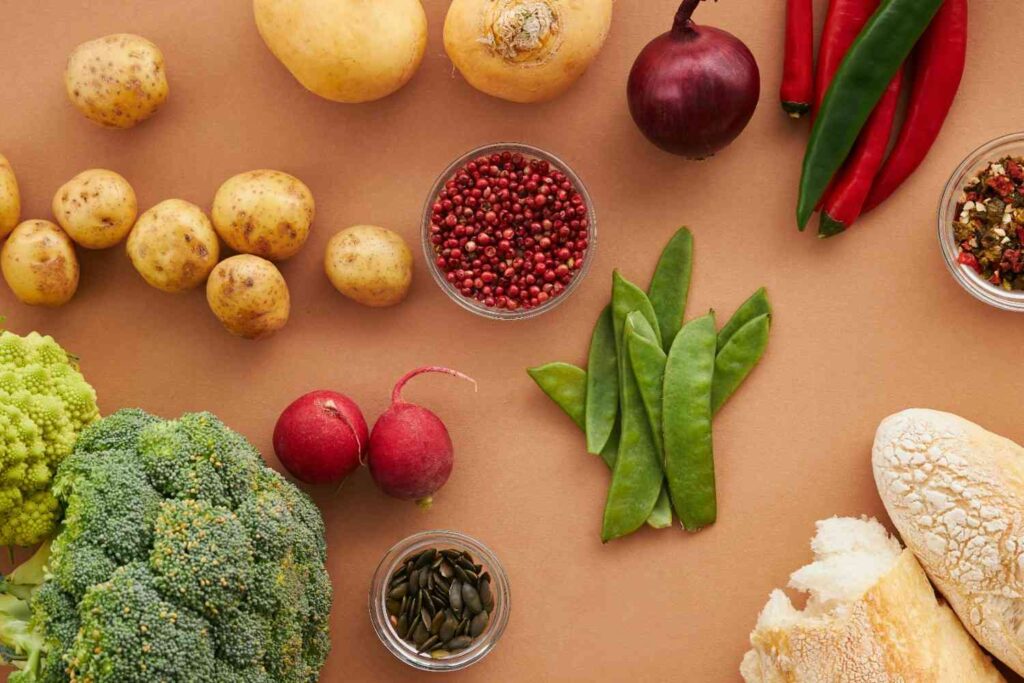
Prioritizing minimally processed foods—fruits, vegetables, whole grains, legumes, nuts, seeds, lean proteins—provides natural nutrient complexes that work synergistically in the body
Prioritizing minimally processed foods provides natural nutrient complexes that work synergistically in the body. Learn more about essential nutrients in our guide on food sources of key nutrients
Mindful Eating Practices
Developing awareness around hunger and fullness cues, eating without distraction, and savoring food can transform your relationship with eating and support digestive health.
Lifestyle Factors That Complement Nutrition
Consistent Movement Patterns
Regular physical activity that includes cardiovascular exercise, strength training, flexibility work, and daily movement supports metabolic health, bone density, mental wellbeing, and overall vitality.
Quality Sleep Prioritization
Sleep affects every aspect of health—from hormone regulation and immune function to cognitive performance and emotional resilience. Consistent sleep routines support all other wellness efforts.
Stress Management Integration
Chronic stress affects digestion, immunity, and overall health. Incorporating stress-reduction practices—whether meditation, nature time, hobbies, or social connection—supports nutritional efforts.
Chronic stress affects digestion, immunity, and overall health. Discover how healthy lifestyle habits can help you build resilience against daily stressors
Practical Nutrition Strategies for Daily Life
Meal Planning Without Perfection
Simple weekly planning reduces decision fatigue and supports consistent healthy choices without requiring culinary expertise or excessive time investment.
Smart Grocery Shopping Approaches
Navigating grocery stores with a plan, reading labels intelligently, and choosing predominantly whole foods can make healthy eating more accessible and affordable.
Kitchen Confidence Building
Developing basic cooking skills—knife work, simple preparation methods, flavor balancing—makes healthy eating more enjoyable and sustainable long-term.
Navigating Modern Food Environments
Processed Foods: A Balanced Perspective
Understanding that not all processing is equal—some convenience foods can fit into a balanced diet while others are best minimized—allows for practical, realistic eating patterns.
Social and Cultural Considerations
Healthy eating should respect cultural traditions, social connections, and personal preferences rather than imposing rigid, culturally insensitive rules.
Dining Out Strategies
Enjoying restaurant meals while maintaining nutritional balance involves mindful ordering, portion awareness, and focusing on the social experience as much as the food.
Hydration and Its Role in Overall Wellness
Water as Essential Nutrient
Adequate hydration supports every bodily system, from digestion and circulation to temperature regulation and cognitive function. Individual needs vary based on activity, climate, and physiology.
Beyond Plain Water
Herbal teas, infused waters, and water-rich foods all contribute to hydration. The goal is consistent fluid intake throughout the day rather than large quantities at once.
Building Sustainable Exercise Habits
Finding Enjoyable Movement
The most sustainable exercise is what you’ll consistently do. This might mean dancing, hiking, swimming, team sports, or home workouts—whatever brings you joy and energy.
Incorporating Movement Throughout the Day
Beyond formal workouts, increasing daily movement—taking stairs, walking meetings, stretching breaks—contributes significantly to overall activity levels and health.
Progressive Consistency Over Intensity
Regular moderate activity often yields better long-term results than sporadic intense workouts that lead to burnout or injury.

Mental and Emotional Wellness Integration
Mind-Body Connection Awareness
Recognizing how emotions, thoughts, and physical health interact allows for more comprehensive self-care approaches that address root causes rather than just symptoms.
Digital Wellness Practices
Managing screen time, creating tech-free zones, and practicing digital mindfulness can reduce stress and improve sleep, relationships, and overall wellbeing.
Purpose and Connection
Feeling connected to community and engaged in meaningful activities contributes significantly to overall health and life satisfaction.
Age-Appropriate Wellness Considerations
Nutritional Needs Across Lifespan
While basic principles remain consistent, certain nutrients may require more attention at different life stages. These adjustments are generally manageable within balanced eating patterns.
Activity Modifications
Exercise types and intensities may naturally evolve with age, but remaining active in appropriate ways supports health at every life stage.
Preventive Health Measures
Regular check-ups, appropriate screenings, and proactive health conversations with professionals become increasingly important as part of long-term wellness strategies.
Creating Your Personal Wellness Blueprint
Self-Assessment Without Judgment
Periodically evaluating your current habits with curiosity rather than criticism allows for gentle adjustments that feel sustainable rather than punishing.
Small, Consistent Changes
Implementing one or two small changes at a time—adding a vegetable to lunch, taking a daily walk, improving sleep routine—creates compound benefits over months and years.
Flexibility and Adaptation
Life circumstances change, and effective wellness strategies adapt accordingly. What works during one season may need adjustment during another.
Common Wellness Misconceptions to Avoid
Myth: Perfect Consistency Required
Reality: Consistency matters more than perfection. Missing occasional workouts or enjoying special occasion foods doesn’t undo overall healthy patterns.
Myth: One-Size-Fits-All Solutions
Reality: Individual differences mean the same approach won’t work equally for everyone. Personalization is key to sustainable success.
Myth: Wellness Requires Extreme Measures
Reality: Most people achieve better long-term results through moderate, balanced approaches than through extreme restrictions or regimens.
Building a Supportive Environment
Social Support Networks
Connecting with others who share wellness interests—whether friends, family, or communities—provides encouragement, accountability, and shared learning.
Home Environment Design
Creating living spaces that naturally encourage healthy choices—visible fruit bowls, comfortable exercise areas, relaxing sleep environments—makes wellness easier to maintain.
Workplace Wellness Integration
Incorporating movement, healthy eating, stress management, and social connection into work life supports overall wellbeing without compartmentalizing health as separate from daily life.
Looking Ahead: Wellness Trends 2025-2026
Sustainable Nutrition Focus
Increasing attention to how food choices affect both personal health and planetary wellbeing, with emphasis on plant-forward eating patterns that benefit both.
Technology Integration
Wearables and apps that support—rather than dominate—wellness efforts, providing helpful data without creating obsessive tracking or comparison.
Mental Health Integration
Greater recognition of mental and emotional health as foundational to overall wellness, with more holistic approaches that address psychological wellbeing alongside physical health.
Conclusion: Your Journey Toward Sustainable Wellness
Long-term wellness isn’t a destination you reach through extreme effort, but a journey you navigate through consistent, balanced choices. The approaches outlined here aren’t radical or temporary—they’re sustainable practices that can become natural parts of your life, supporting your health not just in 2025-2026 but for years to come.
Remember that your wellness journey is uniquely yours. What matters most isn’t following trends or comparing yourself to others, but discovering what works sustainably for your body, your lifestyle, and your values. Start where you are, make one small change, and build from there. With patience, self-compassion, and consistent effort, you can create a lifestyle that supports your wellbeing for the long term.
Important Wellness Disclaimer
This content is for general informational and educational purposes only and does not constitute medical, health, nutritional, or professional advice. The information provided discusses general wellness principles and should not replace personalized guidance from qualified healthcare professionals. Individual health needs, conditions, and responses vary significantly. Always consult with appropriate healthcare providers, registered dietitians, or qualified professionals before making significant changes to your diet, exercise routine, or lifestyle, especially if you have pre-existing health conditions.