
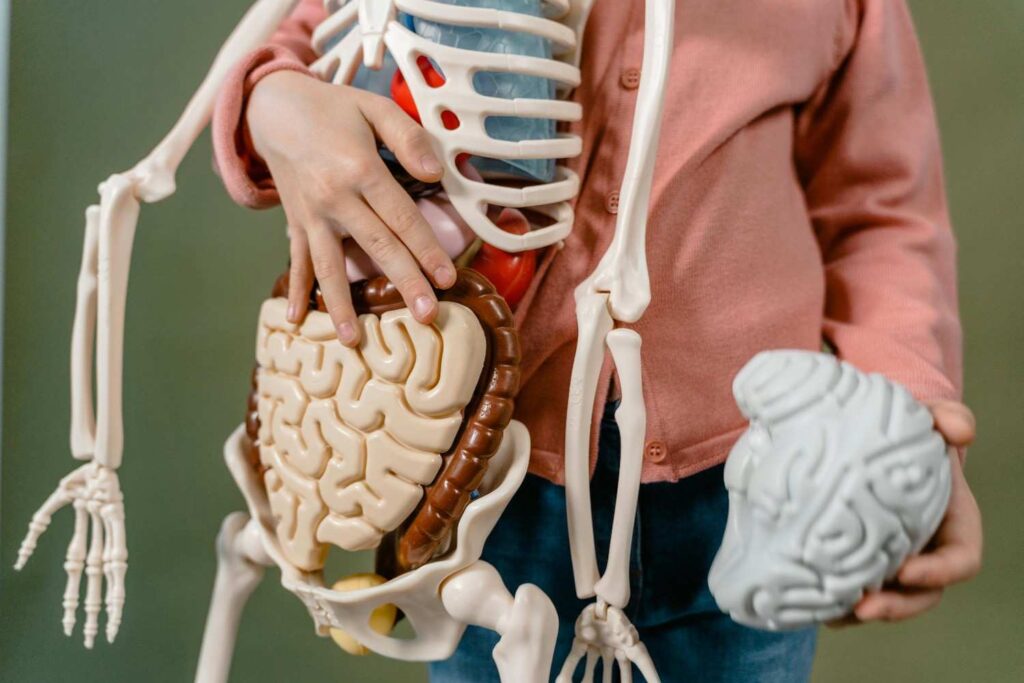
Introduction: More Than Just Digestion
For decades, we’ve thought of our gut primarily as a digestive organ—a processing plant for the food we eat. But emerging scientific research reveals a far more fascinating story. Your gut is now understood to be a complex, intelligent system that communicates constantly with your brain, influences your mood, affects your immune system, and plays a crucial role in your overall health. This isn’t about simple stomach aches or digestive comfort; it’s about how an entire ecosystem living within you might be shaping your thoughts, feelings, and physical wellbeing.
Your gut is now understood to be a complex, intelligent system that communicates constantly with your brain. To understand how other lifestyle factors affect your well-being, read our guide on healthy lifestyle habits
The concept of gut health extends beyond avoiding discomfort after meals. It encompasses the trillions of microorganisms residing in your digestive tract, the integrity of your gut lining, and the sophisticated communication network linking your digestive system with every other part of your body. Understanding this system provides insights into why we sometimes feel emotions in our gut, why certain foods affect our mental state, and how supporting digestive health might influence far more than just digestion.
Understanding the Gut Ecosystem
The Gut Microbiome: Your Inner Universe
Your gut houses approximately 100 trillion microorganisms—bacteria, viruses, fungi, and other microbes—collectively known as the gut microbiome. This diverse community outnumbers your own human cells and contains hundreds of different species, each playing unique roles in your physiology.
Gut Barrier Function: The Selective Gatekeeper
The lining of your intestinal tract acts as a sophisticated barrier, carefully determining what enters your bloodstream and what remains within the digestive system. This selective permeability is crucial for nutrient absorption while preventing harmful substances from circulating throughout your body.
The Enteric Nervous System: Your Second Brain
Often called the “second brain,” your gut contains approximately 100 million nerve cells—more than your spinal cord. This enteric nervous system operates independently but maintains constant communication with your central nervous system through multiple pathways.

The Gut-Brain Connection: A Two-Way Communication Highway
The Vagus Nerve: Direct Communication Line
The vagus nerve serves as the primary physical connection between your gut and brain, transmitting signals in both directions. This extensive nerve network allows your gut to send information about its state directly to your brain, influencing everything from hunger signals to emotional responses.
Neurotransmitter Production: Chemicals of Communication
Your gut produces significant amounts of neurotransmitters—chemical messengers that affect brain function. For example, approximately 90% of your body’s serotonin (often associated with mood regulation) and about 50% of dopamine (linked to pleasure and motivation) are produced in the digestive system.
Your gut produces about 90% of your body’s serotonin and 50% of its dopamine. Learn more about nutrients that support brain health in our guide on food sources of key nutrients
Inflammation Signals: Systemic Messaging
When your gut experiences imbalances or irritation, it can trigger inflammatory responses that communicate throughout your body, potentially affecting brain function, joint health, skin condition, and overall wellbeing.
How Your Gut Influences Mental Wellbeing
H3. Mood Regulation Mechanisms
The gut-brain axis influences mood through multiple pathways: neurotransmitter production, inflammation regulation, stress hormone modulation, and direct neural communication. This interconnected system helps explain why digestive discomfort often coincides with emotional distress.
Stress Response Interplay
Your gut and brain engage in constant dialogue about stress. Psychological stress can alter gut function and microbiome composition, while gut disturbances can amplify stress responses, creating potential cycles that affect both digestive and mental health.
Cognitive Function Connections
Emerging research suggests links between gut health and cognitive processes like memory, focus, and mental clarity. While still an evolving field, these connections highlight the gut’s potential influence beyond basic digestion and mood.
Physical Health Connections Beyond Digestion
Immune System Integration
Approximately 70-80% of your immune cells reside in or around your gut. This positioning makes digestive health crucial for immune function, as the gut serves as a primary interface between your internal systems and the external environment (via food and drink).
Approximately 70-80% of your immune cells reside in or around your gut. Discover how morning exercise routines can also support your immune system and overall health
Metabolic Health Relationships
Your gut microbiome plays a role in how your body processes energy from food and manages weight—areas of ongoing scientific research.”
Skin Health Links
Some researchers are exploring connections between digestive wellness and skin appearance, though this area requires further study.”
Factors That Influence Gut Health
Dietary Patterns: Fuel for Your Microbiome
What you eat directly feeds both your human cells and your microbial residents. Diverse, fiber-rich diets typically support more diverse microbiomes, while highly processed diets may reduce microbial diversity and potentially affect gut barrier function.
Lifestyle Elements: Beyond Food Choices
Sleep patterns, physical activity, stress management, and environmental exposures all influence gut health. These factors can alter microbiome composition, gut motility, and inflammatory responses independent of dietary choices.
Medication Impacts: Unintended Consequences
Certain medications, particularly antibiotics but also others like NSAIDs and proton pump inhibitors, can significantly alter gut microbiome composition and function. These changes may persist long after medication use has ended.

Recognizing Signs of Gut Imbalance
Digestive Symptoms
Persistent bloating, gas, constipation, diarrhea, or discomfort after eating may indicate gut imbalances. While occasional symptoms are normal, consistent patterns warrant attention and potentially professional evaluation.
Non-Digestive Indicators
Unexplained fatigue, mood fluctuations, skin changes, frequent infections, or food intolerances might sometimes relate to gut health, particularly when they occur alongside digestive symptoms or dietary changes.
Important Distinction: Normal Variation vs. Concern
Individual differences in gut function are normal. What matters most are persistent changes from your personal baseline rather than comparisons with others or absolute standards of “normal” digestion.
Practical Approaches to Support Gut Health
Dietary Diversity Strategy
Incorporating a variety of fruits, vegetables, whole grains, legumes, nuts, and seeds supports microbial diversity. Different fibers feed different bacterial species, making variety potentially as important as quantity.
Fermented Foods Inclusion
Naturally fermented foods like yogurt, kefir, sauerkraut, kimchi, and kombucha contain live cultures that may benefit gut health. Regular, moderate inclusion rather than large occasional quantities often works best for maintenance.
Stress Management Integration
Since stress directly affects gut function, incorporating stress-reduction practices—whether meditation, gentle movement, nature time, or hobbies—can indirectly support digestive health through the gut-brain connection.
Common Misconceptions About Gut Health
Myth: Probiotics Solve Everything
Reality: While probiotics can be beneficial in specific situations, they’re not universal solutions. The gut microbiome is highly individual, and responses to probiotic supplements vary significantly based on existing microbial communities and health status.
Myth: Clean Eating Equals Perfect Gut Health
Reality: Extreme dietary restrictions can sometimes reduce microbial diversity. Balanced, sustainable eating patterns typically support gut health more effectively than rigid, restrictive approaches.
Myth: Gut Health Means Only Avoiding Discomfort
Reality: Optimal gut health encompasses far more than absence of digestive symptoms. It includes microbial diversity, barrier integrity, efficient digestion, and balanced communication with other bodily systems.
When to Seek Professional Guidance
Persistent Symptoms Despite Adjustments
If you’ve made reasonable dietary and lifestyle adjustments but continue experiencing significant digestive discomfort or related symptoms, consulting a healthcare professional is advisable for proper evaluation.
Sudden or Severe Changes
Abrupt changes in digestive patterns, severe pain, unexplained weight loss, or blood in stool require prompt medical attention rather than self-management through dietary changes alone.
Personalized Approaches
Since gut microbiomes and digestive systems vary dramatically between individuals, personalized guidance from qualified professionals often proves more effective than generalized advice for addressing specific concerns.
Building Sustainable Gut Health Habits
Gradual Implementation Principle
Sudden, drastic changes to diet or lifestyle can sometimes disrupt gut function. Gradual adjustments typically allow your microbiome and digestive system to adapt more comfortably.
Consistency Over Perfection
Regular, moderate practices often benefit gut health more than occasional intense interventions. Sustainable habits you can maintain long-term generally yield better results than short-term extremes.
Holistic Perspective
Remembering that gut health connects to overall wellbeing—sleep, movement, stress management, social connection—encourages comprehensive self-care rather than isolated focus on digestive function alone.
Conclusion: Your Gut as Health Headquarters
Understanding gut health as a central hub influencing mind, mood, and body represents a paradigm shift in how we approach wellbeing. This perspective encourages us to view digestive health not as an isolated system but as an integral component of holistic wellness that communicates with and affects virtually every other bodily system.
Supporting gut health doesn’t require perfection or extreme measures. Rather, it involves consistent, balanced practices that nourish your microbial residents, maintain gut barrier integrity, and support the sophisticated communication networks linking your digestive system with your brain and body. By approaching gut health with this comprehensive understanding, you empower yourself to make choices that potentially benefit far more than just your digestion—influencing how you think, feel, and function each day.
Remember that individual responses vary, and what supports one person’s gut health might differ from what benefits another’s. Listening to your body, making gradual adjustments, and seeking professional guidance when needed creates a sustainable path toward supporting this remarkable system that serves as much more than just a digestive organ.
Important Disclaimer
This content is for general informational purposes only and does not constitute medical, health, or professional advice. The information provided discusses general concepts in gut health and should not replace personalized guidance from qualified healthcare professionals. Individual health conditions, microbiomes, and responses vary significantly. Always consult with appropriate healthcare providers, gastroenterologists, or registered dietitians before making significant changes to your diet, lifestyle, or healthcare regimen, especially if you have pre-existing digestive conditions or other health concerns.