
Introduction: More Than Just a Seasonal Fruit
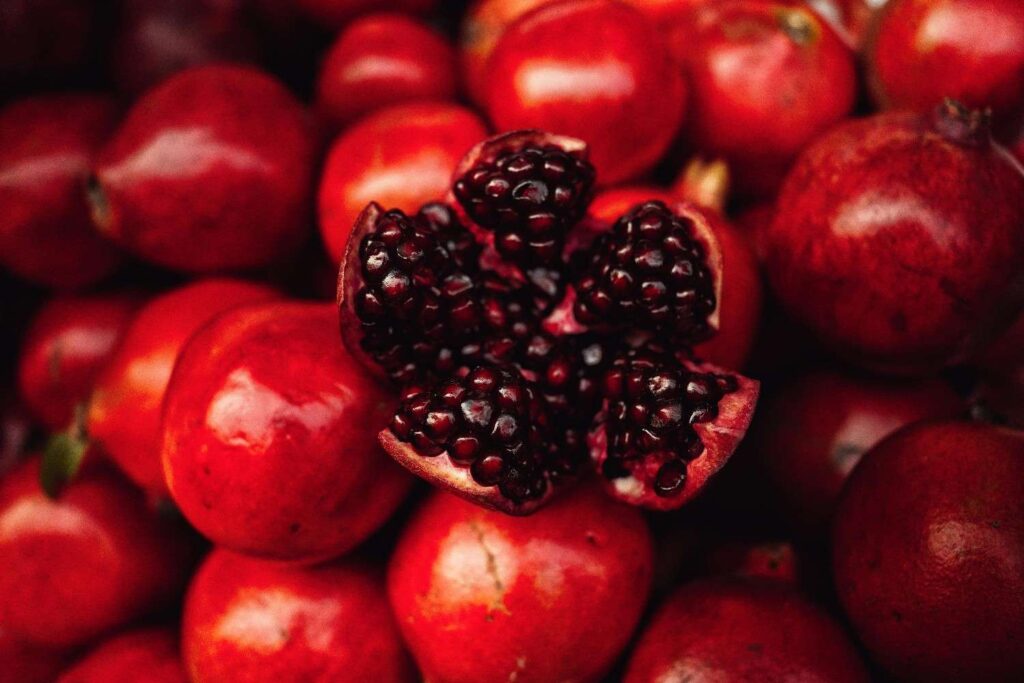
The pomegranate, with its crown-like stem and jewel-like seeds, has been celebrated across cultures and centuries not just for its striking appearance but for its potential nutritional contributions. While often featured in seasonal dishes and festive decorations, this unique fruit offers year-round possibilities for those interested in diverse, whole-food approaches to eating. This guide explores pomegranate’s nutritional profile, practical ways to incorporate it into daily eating patterns, and how it might complement an overall balanced lifestyle. pomegranate nutrition wellness guid
The pomegranate, with its crown-like stem and jewel-like seeds, has been celebrated across cultures for its nutritional contributions. To understand how other fruits support wellness, read our guide on food sources of key nutrients.”
It’s important to approach pomegranate—like any single food—as part of a varied diet rather than a miraculous solution. No fruit alone transforms health, but certain foods can offer particularly interesting nutrient combinations that support general wellness when enjoyed regularly alongside other wholesome choices. Let’s explore what makes pomegranate noteworthy from a nutritional perspective.
Understanding Pomegranate’s Unique Structure
The Three Edible Parts
Unlike many fruits where you eat primarily one portion, pomegranate offers three edible components:
· Arils: The juicy red seeds that are most commonly consumed
· Membrane: The white, spongy material separating aril clusters (often discarded but edible)
· Juice: Extracted from the arils, either commercially or freshly pressed
Seasonal Availability and Varieties
While pomegranates have a peak season (typically September to February in the Northern Hemisphere), modern distribution means they’re often available year-round. Different varieties offer slight variations in sweetness, tartness, and seed softness, though their fundamental nutritional profiles remain similar.
Nutritional Breakdown: What’s Inside Those Ruby Seeds
Vitamin and Mineral Content
Pomegranate arils provide vitamin C, vitamin K, folate, and potassium. While not exceptionally high in any single vitamin compared to some other fruits, they offer a valuable nutrient combination that contributes to daily requirements when consumed as part of a varied fruit intake.
Fiber Contribution
The arils contain both soluble and insoluble fiber, with approximately 3-4 grams of fiber per half-cup serving. The seeds themselves provide particularly beneficial insoluble fiber that supports digestive regularity when consumed in reasonable quantities.
Antioxidant Compounds
Pomegranates contain several antioxidant compounds, including punicalagins and anthocyanins, which give the fruit its distinctive deep red color. These substances are part of what makes deeply colored fruits and vegetables nutritionally interesting within balanced eating patterns.
Pomegranates contain several antioxidant compounds, including punicalagins and anthocyanins. Learn how healthy lifestyle habits can help you incorporate nutrient-rich foods into your daily routine
Practical Ways to Enjoy Pomegranate Regularly
Simple Preparation Methods
Opening a pomegranate doesn’t need to be intimidating. The underwater method—submerging the halved fruit in a bowl of water and gently releasing the arils—keeps kitchen surfaces clean and makes separating arils from membrane surprisingly easy.
Culinary Versatility
Beyond eating arils plain, consider:
· Salad topping: Adds crunch and sweetness to green salads
· Grain bowl addition: Complements quinoa, farro, or rice dishes
· Yogurt or oatmeal mix-in: Provides texture contrast
· Savory-sweet balance: Pairs well with roasted vegetables or meat dishes
Juice Considerations
While 100% pomegranate juice retains some nutrients, it lacks the fiber of whole arils and is more concentrated in natural sugars. If enjoying juice, consider it an occasional choice rather than daily staple, and opt for unsweetened varieties.

How Pomegranate Fits Into Balanced Eating Patterns
The “Food First” Philosophy
Whole pomegranate arils represent the “food first” approach—consuming nutrients in their natural packaging alongside fiber and other beneficial compounds that work together synergistically. This contrasts with isolated supplements that may contain concentrated versions of single compounds found in the fruit.
Diversity Over Demonization
No single fruit needs to be consumed daily or in large quantities to benefit health. Regularly rotating different fruits—including pomegranate when available and appealing—creates dietary diversity that likely benefits gut microbiome and provides a wider spectrum of nutrients than focusing on any “superfood” exclusively.
Mindful Enjoyment Practices
The act of preparing and eating pomegranate arils naturally encourages slower eating. Removing each aril individually creates mindful eating moments that contrast with quickly consuming processed snacks, potentially supporting better digestion and satisfaction recognition.
The act of preparing and eating pomegranate arils naturally encourages slower, more mindful eating. Discover how morning exercise routines can also support a balanced, mindful lifestyle
Addressing Common Questions and Considerations
Seed Edibility and Digestibility
Pomegranate seeds are completely edible for most people. While some prefer to spit out the woody seed center, swallowing them is generally safe and provides additional fiber. Those with specific digestive sensitivities might prefer consuming just the juice, though this removes beneficial fiber content.
Sugar Content Context
Like all fruits, pomegranates contain natural sugars alongside fiber, vitamins, minerals, and antioxidants. When consumed as whole fruit rather than juice, the fiber moderates how quickly these sugars enter the bloodstream, making them part of a balanced diet rather than a concern for most people.
Cost and Accessibility
Pomegranates can be more expensive than some other fruits, particularly out of season. During peak season, they’re often more affordable. Frozen pomegranate arils offer a convenient, year-round alternative that retains most nutritional benefits at typically lower cost than fresh off-season fruit.
Seasonal and Cultural Significance
Historical Food Traditions
Pomegranates appear in various cultural and religious traditions worldwide, often symbolizing abundance, fertility, or prosperity. Understanding these connections can add meaningful context to including them in modern eating patterns, connecting contemporary nutrition with food heritage.
Modern Culinary Rediscovery
Many cultures have traditional recipes featuring pomegranate—from Persian stews to Indian chutneys to Middle Eastern salads. Exploring these preparations can expand culinary repertoire while honoring the fruit’s global culinary heritage beyond Western “superfood” trends.
Potential Lifestyle Integration Points
As a Flavor Enhancement
The sweet-tart flavor of pomegranate can reduce need for added sugars in dishes. A sprinkle of arils can brighten otherwise plain yogurt or oatmeal without requiring honey or other sweeteners, supporting gradual reduction of added sugar intake.
Visual Appeal in Meal Preparation
The vibrant red color of pomegranate arils makes dishes visually appealing, which research suggests can enhance eating satisfaction. This “feast for the eyes” aspect supports mindful eating practices that recognize the multisensory experience of nourishment.
Connection to Seasonal Eating
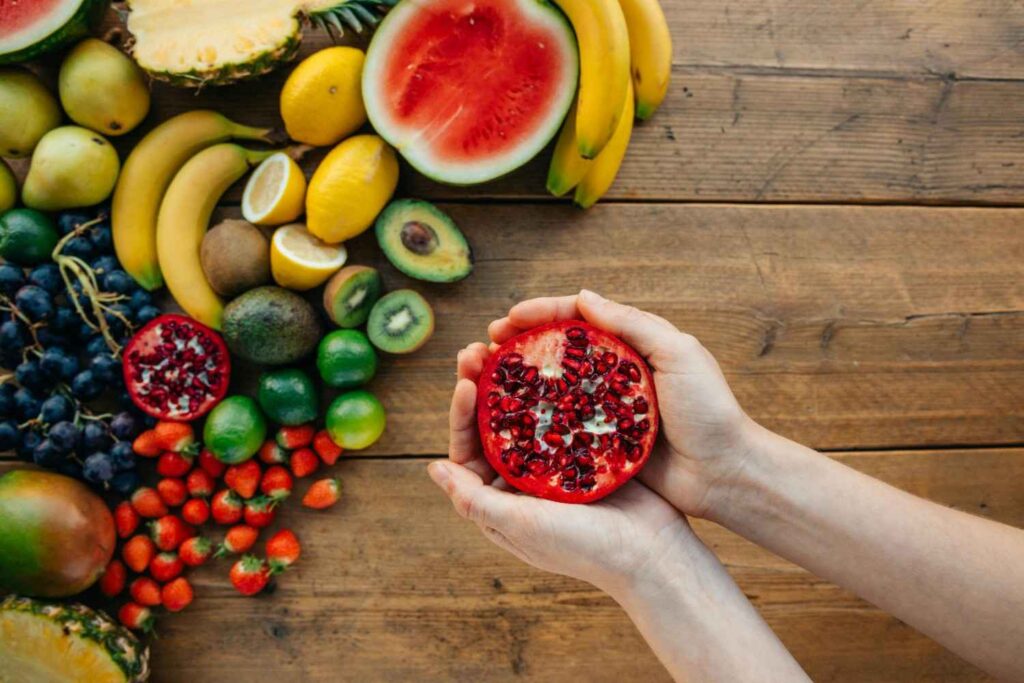
For those interested in eating more seasonally, pomegranates provide a distinctive fall/winter fruit option in many regions. Seasonal eating connects us to natural agricultural cycles while often providing peak flavor and nutrition at lower cost.
Storage and Selection Tips
Choosing Ripe Fruit
Look for pomegranates that feel heavy for their size with smooth, unblemished skin. The color should be deep red (for most common varieties) without excessive cracking, though some minor surface scarring is normal and doesn’t affect interior quality.
Proper Storage Methods
Whole pomegranates keep well at room temperature for several days or refrigerated for up to two months. Once opened, arils can be stored in an airtight container in the refrigerator for 4-5 days or frozen for several months without significant texture loss when thawed.
Pre-Prepared Options
For convenience, many stores now sell ready-to-eat pomegranate arils in refrigerated sections. While slightly more expensive than whole fruit, these eliminate preparation time and can make regular inclusion more practical for busy schedules.
Balancing Expectations with Reality
No Single Food Solution
While pomegranate offers interesting nutritional properties, it’s not a necessity for health. Many other fruits provide similar benefits, and the overall dietary pattern matters far more than inclusion or exclusion of any particular food.
Individual Preferences Matter
Some people adore pomegranate’s unique flavor and texture, while others find it unappealing. Nutrition should accommodate taste preferences rather than force consumption of disliked foods simply because they’re deemed “healthy.”
Accessibility Considerations
In regions where pomegranates are expensive or difficult to find, numerous other fruits offer comparable nutritional benefits. Berries, cherries, grapes, and citrus fruits all provide similar antioxidant compounds and can be rotated based on availability and preference.
Creative Recipe Ideas Beyond Basic Use
Simple Preparations for Beginners
· Pomegranate salsa: Combine arils with diced cucumber, mint, and lime
· Breakfast topping: Sprinkle over whole grain toast with nut butter
· Simple salad: Mix with arugula, goat cheese, and light vinaigrette
More Involved Culinary Experiments
· Pomegranate glaze: Reduce juice with herbs for meat or vegetable dishes
· Grain salads: Add to farro or wheatberry salads with nuts and herbs
· Dessert applications: Use as topping for simple cakes or mixed into chia pudding
Integrating Pomegranate Mindfully
Starting Small
If new to pomegranate, begin with small additions rather than large quantities. A tablespoon of arils on oatmeal or salad provides flavor and nutrition without overwhelming the palate or budget.
Listening to Body Responses
As with introducing any new food, notice how your body responds. Most people tolerate pomegranate well, but individual digestive systems vary. Any significant discomfort warrants reducing or discontinuing use and consulting a healthcare provider if persistent.
Sustainability Considerations
When possible, choose pomegranates grown with sustainable practices. Like all produce, their environmental impact varies based on farming methods, transportation distance, and packaging. Supporting responsible producers when accessible aligns nutrition with environmental values.
Conclusion: Pomegranate as Part of the Nutritional Mosaic
Pomegranate deserves its place in the diverse world of fruits not because it’s miraculous, but because it’s interesting, versatile, and offers a unique combination of taste, texture, and nutritional properties. Like each colorful piece in a mosaic, no single fruit creates the complete picture of health—but each contributes distinctive qualities that make the overall pattern more complete and beautiful.
Whether you enjoy pomegranate regularly during its season, keep frozen arils on hand for year-round use, or simply appreciate it as an occasional treat, this ancient fruit can find its place in modern eating patterns. The key lies in balanced inclusion rather than exclusive focus, variety rather than single-food obsession, and pleasure alongside nourishment.
Remember that the healthiest dietary pattern is one you enjoy and sustain long-term. If pomegranate brings you culinary joy and fits your lifestyle, it can be a delightful component of that pattern. If not, countless other fruits await exploration, each with their own unique contributions to daily wellness and healthy living.
Important Nutritional Disclaimer
This content is for general informational and educational purposes only and does not constitute medical, health, nutritional, or professional advice. The information provided discusses general nutritional concepts and should not replace personalized guidance from qualified healthcare professionals or registered dietitians. Individual nutritional needs, allergies, health conditions, and food tolerances vary significantly. Always consult with appropriate healthcare providers before making significant changes to your diet, especially if you have underlying health conditions, food allergies, or specific dietary requirements.