
Introduction: The Hidden Clock Inside You
Have you ever wondered why you naturally feel sleepy around the same time every night? Why jet lag leave you foggy and hungry at odd hours? Why do shift workers often struggle with weight and mood?
Inside your body, a master clock is running—ticking away every 24 hours, controlling when you sleep, when you’re hungry, when your brain works best, and even how your body fights disease.
This internal timekeeper is called your circadian rhythm, and in 2026, scientists are discovering it may be one of the most powerful influences on your health.circadian rhythm 2026
Research increasingly suggests that when you eat, sleep, and move matters almost as much as what you eat, how you sleep, and how you move. Getting out of sync with your body’s natural clock isn’t just uncomfortable—it may be quietly contributing to weight gain, mood disorders, and long-term disease risk.
This article explores what circadian rhythms are, how they affect your health, and practical ways to align your daily life with your body’s natural timing.
—
What Is the Circadian Rhythm?
Your circadian rhythm is a 24-hour internal clock that runs in the background of your brain and cycles between sleepiness and alertness at regular intervals. It’s also known as your sleep/wake cycle.
The Master Clock
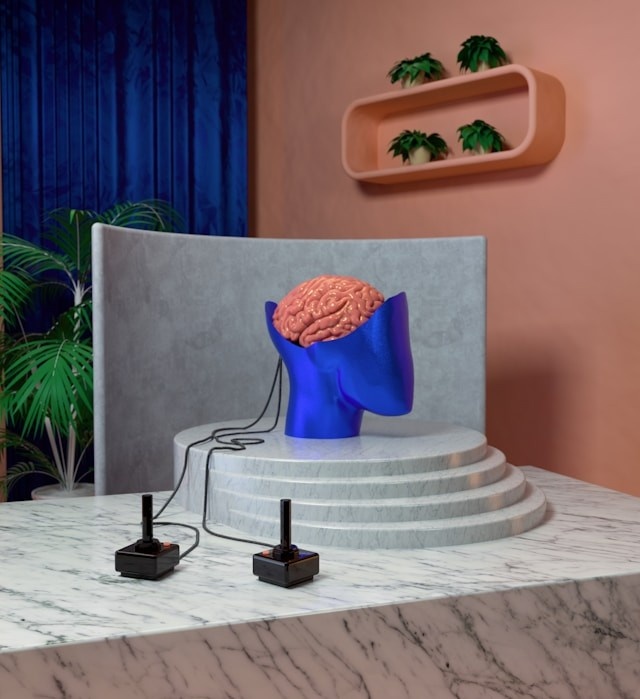
Deep in your brain, in a region called the suprachiasmatic nucleus (SCN) , a cluster of roughly 20,000 neurons serves as your body’s master clock. This master clock receives direct input from your eyes and coordinates all the biological clocks throughout your body.
Dr. Satchin Panda, a leading circadian rhythm researcher at the Salk Institute, explains: “Almost every cell in your body has its own clock. The master clock in your brain keeps all these cellular clocks synchronized with the outside world.”
What Controls Your Circadian Rhythm?
Several factors influence your circadian rhythm:
Factor How It Affects Your Clock
Light The most powerful cue—signals your brain when to be awake or asleep
Darkness Triggers melatonin production for sleep
Meal timing Influences clocks in your liver and digestive system
Exercise Affects body temperature and alertness rhythms
Temperature Body temperature drops at night, rises during day
If you’re interested in how light exposure affects your sleep beyond just circadian rhythms, you may want to read our detailed guide on why you may feel tired even after sleeping 8 hours. Research suggests that poor light hygiene during the day can disrupt sleep quality just as much as late-night screen time.
—
How Your Circadian Rhythm Affects Your Body
Your circadian rhythm influences virtually every physiological process. Research indicates it plays a role in:
Sleep and Wakefulness
This is the most obvious connection. Your circadian rhythm works with a chemical called adenosine (which builds up sleep pressure) and melatonin (which promotes sleep) to regulate when you feel alert and when you feel drowsy.
Studies suggest that when your circadian rhythm aligns with your sleep schedule, you fall asleep faster, sleep more deeply, and wake more refreshed.
Metabolism and Weight
Research published in Current Biology found that when people eat in sync with their circadian rhythm, they process food more efficiently. When they eat at night (when their body expects to be fasting), their metabolism slows, and they store more fat.
Key findings about circadian rhythm and metabolism:
· Insulin sensitivity is higher earlier in the day
· Late-night eating is associated with higher blood sugar levels
· Time-restricted eating (aligning meals with daylight hours) may support weight management
· Digestive enzymes follow circadian patterns
The connection between meal timing and weight management is a key part of why intermittent fasting has become so popular. Our complete guide to intermittent fasting 2026 explains how time-restricted eating works with your body’s natural rhythms to support metabolic health.
Hormones
Your endocrine system follows a strict circadian schedule:
Hormone Peak Time Function
Cortisol Early morning Promotes wakefulness and alertness
Melatonin Night Induces sleep
Growth hormone Night (deep sleep) Tissue repair, muscle growth
Leptin Evening Signals fullness
Ghrelin Daytime Signals hunger
Mood and Mental Health
Research increasingly links circadian disruption with mood disorders:
· People with depression often have disturbed circadian rhythms
· Shift workers have higher rates of anxiety and depression
· Light therapy (which resets circadian rhythms) helps treat seasonal affective disorder
· Consistent sleep schedules are associated with better emotional regulation
Circadian disruption doesn’t just affect sleep—it can significantly impact emotional well-being. For a deeper understanding of how to build emotional resilience, explore our guide to emotional fitness and mental strength, which includes practical exercises for regulating your nervous system.
Heart Health
Your cardiovascular system follows a circadian pattern:
· Blood pressure typically drops at night (called “dipping”)
· Heart rate varies throughout the day
· Studies suggest heart attacks are more common in morning hours
· Blood clotting factors fluctuate with circadian rhythms
Immune Function
Your immune system also keeps time:
· Immune cells circulate differently throughout the day
· Vaccine responses may vary by time of day
· Inflammation markers follow circadian patterns
· Wound healing may be more efficient during certain hours
—
—
What Happens When Your Circadian Rhythm Is Disrupted
Modern life constantly challenges your internal clock. Research suggests chronic circadian disruption may contribute to numerous health problems.
Shift Work
Approximately 15-20% of workers in developed countries perform shift work . Studies indicate shift workers have higher rates of:
· Obesity and metabolic syndrome
· Type 2 diabetes
· Cardiovascular disease
· Certain cancers (classified as probable carcinogen by WHO)
· Mood disorders
· Gastrointestinal problems
Social Jet Lag
Even if you don’t work nights, you may experience “social jet lag”—the misalignment between your body’s natural clock and your social schedule. This occurs when you stay up late on weekends and struggle to wake early on Monday.
Research suggests that every hour of social jet lag is associated with:
· 11% higher risk of heart disease
· Increased body mass index
· Poorer metabolic health
· Lower academic performance in students
Light at Night
Exposure to artificial light after sunset confuses your internal clock. Blue light from phones, tablets, and computers is particularly problematic because it suppresses melatonin production.
Studies indicate that nighttime light exposure is associated with:
· Delayed sleep onset
· Reduced sleep quality
· Increased depression risk
· Higher breast cancer risk in some studies
Irregular Meal Timing
When you eat matters. Research suggests that eating late at night:
· Reduces calorie burning
· Increases fat storage
· Impairs blood sugar regulation
· Disrupts the circadian clocks in your digestive organs
—
—
How to Sync with Your Circadian Rhythm
The good news is that you can take practical steps to align your life with your internal clock.
Morning Light Exposure
Light is your most powerful circadian cue. Morning light in particular helps set your clock for the day.
Practical tips:
Morning light exposure and consistent wake times are just the beginning. For a complete approach to sustainable wellness that includes nutrition, physical activity, and stress management alongside circadian health, take a look at our comprehensive guide to long-term healthy lifestyle choices.
· Get 10-30 minutes of natural light within an hour of waking
· Open curtains immediately upon waking
· Take a short morning walk
· Avoid sunglasses initially (unless medically necessary)
· On cloudy days, extend exposure time
Consistent Sleep Schedule
Your body thrives on routine. Aim to:
· Wake at the same time daily (within 1 hour, even weekends)
· Go to bed when you feel sleepy
· Aim for 7-9 hours of sleep per night
· Create a relaxing bedtime routine
Time Your Meals
When you eat affects your metabolic clocks:
· Eat largest meals earlier in the day
· Avoid eating within 2-3 hours of bedtime
· Consider time-restricted eating (12-hour eating window)
· Be consistent with meal times day to day
Manage Evening Light
Protect your sleep by managing light exposure:
· Dim lights 1-2 hours before bed
· Use blue light filters on devices
· Avoid screens 30-60 minutes before sleep
· Consider blackout curtains for bedroom
· Use warm, dim lighting in evening
Time Your Exercise
Exercise affects your circadian rhythm:
· Morning exercise may help advance your clock (helpful if you wake too early)
· Afternoon exercise may optimize performance
· Evening exercise should end 2-3 hours before bed
· Consistency in exercise timing helps stabilize rhythms
Be Mindful of Caffeine
Caffeine blocks adenosine receptors and can disrupt timing:
· Avoid caffeine 8-10 hours before bedtime
· Individual sensitivity varies
· Consider your personal caffeine metabolism
—
Who Should Be Especially Mindful of Circadian Health
While everyone benefits from circadian alignment, certain groups may be more vulnerable to disruption:
· Shift workers (healthcare, manufacturing, emergency services)
· Frequent travelers (especially across time zones)
· Teens and young adults (natural delayed sleep phase)
· Older adults (often experience advanced sleep phase)
· People with mood disorders (depression, anxiety, bipolar)
· Individuals with metabolic conditions (diabetes, obesity)
—
Common Questions About Circadian Rhythms
Can I change my chronotype?
Your chronotype (whether you’re naturally a morning person or night person) has genetic components, but you can shift it gradually with consistent light exposure and sleep timing. Most people can adjust by 1-2 hours with effort.
What if I have to work nights?
If you work nights, try to:
· Create complete darkness for daytime sleep
· Use bright light during your “work night”
· Maintain consistent sleep timing even on days off
· Consider strategic caffeine use
· Speak with your healthcare provider about long-term strategies
Does napping help or hurt?
Short naps (10-20 minutes) can be restorative without disrupting nighttime sleep. Longer naps late in the day may make it harder to fall asleep at night.
How long does it take to reset my circadian rhythm?
After traveling across time zones, most people adjust about 1-1.5 hours per day. Light exposure at strategic times can speed this process.
Can I measure my circadian rhythm?
Consumer wearables can estimate sleep-wake patterns, but precise circadian phase measurement requires laboratory testing of melatonin or core body temperature. Paying attention to when you naturally feel sleepy and alert provides practical information.
—
Conclusion: Small Changes, Big Impact
Your circadian rhythm is one of the most fundamental influences on your health—yet it’s often overlooked in discussions of nutrition, exercise, and wellness.
The research is clear: when you live in alignment with your internal clock, your body functions more efficiently. You sleep better, process food more effectively, maintain more stable energy and mood, and may reduce your risk of chronic disease.circadian rhythm 2026
You don’t need to overhaul your entire life overnight. Start with one change—morning light exposure, consistent wake time, or finishing dinner earlier. Small shifts, consistently applied, help synchronize your internal clock and support your long-term health.
Your body is keeping time. The question is whether you’re listening.
—
Disclaimer
Important Medical Disclaimer
This content is for general informational purposes only and does not constitute medical, health, or professional advice. The information provided is based on research available as of 2026 and should not be considered complete or up-to-date.
Always consult a qualified healthcare professional before making significant changes to your sleep, eating, or exercise routine, especially if you have existing medical conditions, take medications, or work non-traditional hours.
Never disregard professional medical advice or delay seeking it because of something you have read here. Individual responses to circadian interventions vary significantly, and there is no guarantee of specific outcomes.