
Introduction: The Silent Change You Cannot Feel
Your body constantly breaks down and rebuilds bone tissue in a process called remodeling. During youth and early adulthood, this process stays balanced—new bone forms as fast as old bone breaks down. Peak bone mass typically occurs around age 30.
After 40, that balance shifts. Bone breakdown gradually begins to outpace bone formation. This change happens silently. There is no pain, no visible sign, no warning. Yet over time, this gradual loss can affect strength, mobility, and quality of life.
The good news? Research has identified several factors that support bone health. Understanding what actually works—and what doesn’t—can help you make informed choices for long-term skeletal strength.
—

—
Section 1: Understanding Bone Health After 40
What Happens to Bones With Age
Bone is living tissue composed primarily of collagen (a protein that provides flexibility) and calcium phosphate (a mineral that provides strength). Think of it as a flexible framework reinforced with mineral deposits.
As people age, several changes occur:
· Hormonal shifts: Estrogen and testosterone decline, affecting bone-protective mechanisms
· Reduced calcium absorption: The digestive system becomes less efficient at absorbing calcium
· Slower bone formation: Bone-building cells become less active over time
· Increased bone breakdown: The process of breaking down old bone may accelerate
Why This Matters More for Some People
Individual variation matters significantly in bone health. Factors that influence bone density include:
Factor Impact on Bone Health
Genetics Family history strongly influences peak bone mass
Gender Women typically have lower peak bone mass than men
Hormonal status Menopause accelerates bone loss in women
Body weight Lower body weight is associated with lower bone density
Physical activity Sedentary lifestyle reduces bone stimulation
Nutrition Inadequate nutrients affect bone formation
“Individual variation matters significantly in bone health. Factors that influence bone density include genetics, gender, hormonal status, body weight, physical activity, and nutrition.“
—
Section 2: Key Nutrients That Support Bone Health
Research consistently identifies several nutrients that play important roles in maintaining bone structure and strength.
“Individual variation matters significantly in bone health. Factors that influence bone density include genetics, gender, hormonal status, body weight, physical activity, and nutrition.”
Calcium—The Primary Building Block
About 99% of the body’s calcium resides in bones and teeth. This mineral provides the hardness that gives bones their structural strength.
Food sources of calcium include:
· Dairy products (milk, yogurt, cheese)
· Leafy green vegetables (kale, collard greens, bok choy)
· Canned fish with soft bones (sardines, salmon)
· Fortified plant milks and juices
· Tofu made with calcium sulfate
Research indicates that adequate calcium intake throughout life supports bone density, particularly when combined with other nutrients.
Vitamin D—The Calcium Controller
Vitamin D plays a crucial role in calcium absorption. Without sufficient vitamin D, the body cannot absorb calcium efficiently regardless of how much is consumed.
Food sources of vitamin D:
· Fatty fish (salmon, mackerel, tuna)
· Fish liver oils
· Egg yolks
· Fortified foods (milk, cereals, orange juice)
The body also produces vitamin D when skin is exposed to sunlight. Individual needs vary based on geography, skin tone, and lifestyle factors.
“The body also produces vitamin D when skin is exposed to sunlight. Individual needs vary based on geography, skin tone, and lifestyle factors.“
—
—
Magnesium—The Structural Supporter
About 60% of the body’s magnesium is stored in bones. This mineral contributes to bone structure and helps regulate calcium transport.
Food sources of magnesium:
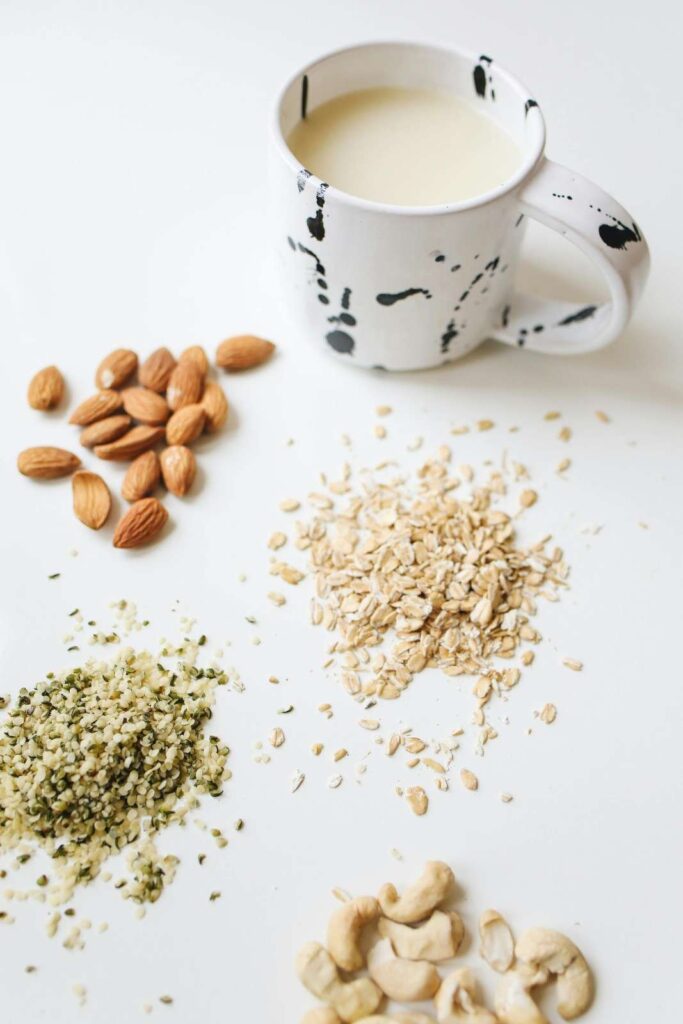
· Nuts and seeds (almonds, pumpkin seeds)
· Legumes (black beans, chickpeas)
· Whole grains (brown rice, quinoa)
· Leafy green vegetables (spinach, Swiss chard)
Protein—The Bone Framework
Bone requires protein for its collagen framework. Some research suggests that adequate protein intake supports bone density, particularly in older adults.
Food sources of protein:
· Lean meats and poultry
· Fish and seafood
· Eggs
· Legumes and beans
· Dairy products
Studies indicate that very low protein intake may negatively affect bone health, while moderate to adequate intake supports bone maintenance.
—
Section 3: Physical Activity and Bone Health
How Exercise Affects Bones
Bone responds to physical stress. When muscles pull on bone during movement, the bone adapts by becoming stronger. This principle, known as Wolff’s law, explains why physical activity matters for skeletal health.
Types of Exercise That Support Bone
Research suggests two main categories of exercise benefit bone health:
Weight-bearing aerobic activities:
· Brisk walking or hiking
· Jogging or running
· Dancing
· Stair climbing
· Tennis or racquet sports
Resistance training:
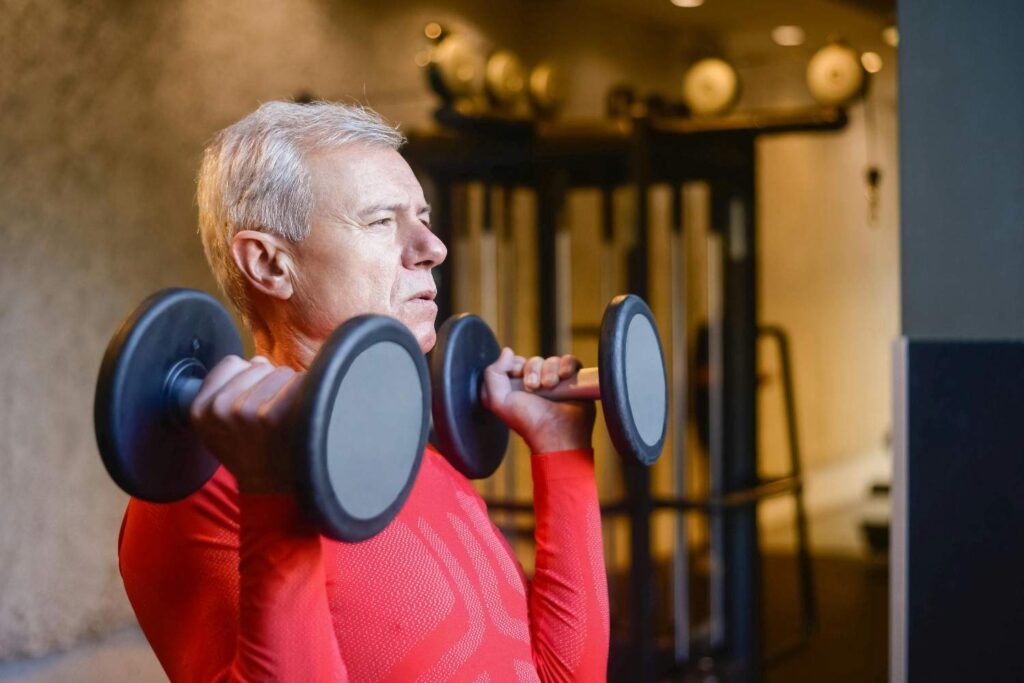
· Lifting weights
· Using resistance bands
· Bodyweight exercises (squats, lunges, push-ups)
· Yoga and Pilates (some poses)
How Much Exercise Helps
Studies suggest that regular moderate exercise throughout life supports bone density. Consistency appears more important than intensity. Aiming for 30 minutes of weight-bearing activity on most days, combined with resistance training twice weekly, aligns with general physical activity recommendations.
Individual responses to exercise vary. What works well for one person may need adjustment for another based on fitness level, health status, and personal preference.
“Individual responses to exercise vary. What works well for one person may need adjustment for another based on fitness level, health status, and personal preference.”
—
—
Section 4: Lifestyle Factors That Affect Bone Health
Sleep and Bone Remodeling
Research indicates that sleep quality may influence bone turnover. During deep sleep, the body releases growth hormone, which plays a role in bone formation. Some studies suggest that chronically poor sleep might be associated with lower bone density, though more research is needed.
Stress and Cortisol
Chronic stress elevates cortisol levels. Some evidence suggests that persistently high cortisol may negatively affect bone formation. Stress management techniques—such as deep breathing, meditation, or gentle movement—may support overall health, including bone health.
Smoking and Alcohol
Research consistently shows that smoking negatively affects bone density. The mechanisms are not fully understood but may involve reduced blood supply to bone and altered hormone metabolism.
Heavy alcohol consumption is also associated with lower bone density. Moderate alcohol intake (if any) shows mixed results in research, with no clear consensus on bone effects.
—
Section 5: Common Questions About Bone Health
Do I Need Calcium Supplements?
Individual needs vary. For many people, obtaining calcium from food sources is preferable. Supplements may be appropriate for those who cannot meet needs through diet alone. Consulting a healthcare provider can help determine individual requirements.
Can I Rebuild Bone Density?
Research suggests that while significant bone loss cannot be completely reversed, certain interventions can slow loss and potentially increase density modestly. Adequate nutrition, appropriate physical activity, and addressing risk factors all contribute to better bone outcomes.
When Should I Get Tested?
Bone density testing (DEXA scan) is typically recommended for:
· Women aged 65 and older
· Men aged 70 and older
· Younger adults with risk factors (family history, certain medications, medical conditions)
Healthcare providers can determine appropriate timing based on individual circumstances.
—
Section 6: Practical Takeaways
What You Can Do Today
Area Actionable Steps
Nutrition Include calcium-rich foods, ensure adequate vitamin D, eat sufficient protein
Physical activity Incorporate weight-bearing exercise, add resistance training, stay consistent
Lifestyle Prioritize sleep, manage stress, avoid smoking, limit alcohol
Monitoring Discuss bone health with healthcare provider, ask about testing if appropriate
Setting Realistic Expectations
Bone health develops over a lifetime. Small, consistent choices accumulate into meaningful differences over years. No single food, supplement, or exercise guarantees outcomes. Individual responses vary based on genetics, health status, and numerous other factors.
—
Conclusion: Building Bone Health Step by Step
Bone health after 40 deserves attention not because dramatic changes happen overnight, but because gradual decline occurs silently. The habits that support bone health—adequate nutrition, regular physical activity, quality sleep, and stress management—also support virtually every other aspect of health.
These approaches work synergistically. Nutrient-rich foods provide building blocks. Physical activity signals bones to maintain strength. Sleep allows repair processes to function. Together, they create conditions for bones to remain resilient throughout life.
The goal isn’t perfection. It’s consistent effort over time, adapted to individual circumstances and guided by professional advice when needed.
—
Frequently Asked Questions
Can men ignore bone health?
No. While women face higher osteoporosis risk, men also lose bone mass with age. One in five men over 50 will experience a bone-related fracture.
Are plant-based diets safe for bones?
Yes, with attention to certain nutrients. Plant-based eaters should ensure adequate calcium, vitamin D, and protein through fortified foods, supplements if needed, and diverse plant protein sources.
How much calcium do I need?
Adult requirements typically range from 1000-1200 mg daily, varying by age and gender. Individual needs may differ based on health status and medications.
What about vitamin K?
Some research suggests vitamin K plays a role in bone health. It is found in leafy greens, broccoli, Brussels sprouts, and fermented foods.
—
Disclaimer
This content is for general informational purposes only and does not constitute medical, health, or professional advice. The information presented is based on research findings and may affect individuals differently. Always consult a qualified healthcare professional before making significant changes to your diet, exercise routine, or supplement regimen, especially if you have underlying health conditions. Never disregard professional medical advice or delay seeking it because of information in this article.
—
References and Further Reading
· National Institutes of Health, Office of Dietary Supplements
· Journal of Bone and Mineral Research
· International Osteoporosis Foundation
· Harvard T.H. Chan School of Public Health Nutrition Source
—