
Discover Why Chefs and Home Cooks Are Rediscovering This Ancient Cooking Fat, How It Compares to Seed Oils, and How to Use It Wisely
—
Introduction: The Fat That Refused to Disappear
If you walked into a McDonald’s in 1980, the irresistible aroma that greeted you wasn’t just burgers—it was beef tallow. The chain fried its famous fries in this rich, rendered beef fat until the 1990s, when health concerns pushed it aside for vegetable oils .
Now, beef tallow is making a comeback.
Walk into trendy restaurants today, and you might find fries sizzling in tallow. Scroll through TikTok, and influencers debate its health benefits. Open your pantry, and you might spot a jar of this creamy, white fat alongside your olive oil. beef tallow 2026
But what exactly is beef tallow? Is it really healthier than seed oils? And should you be cooking with it?
This article explores the beef tallow trend, separates fact from fiction, and helps you decide whether this traditional fat deserves a place in your kitchen.
—
What Is Beef Tallow?
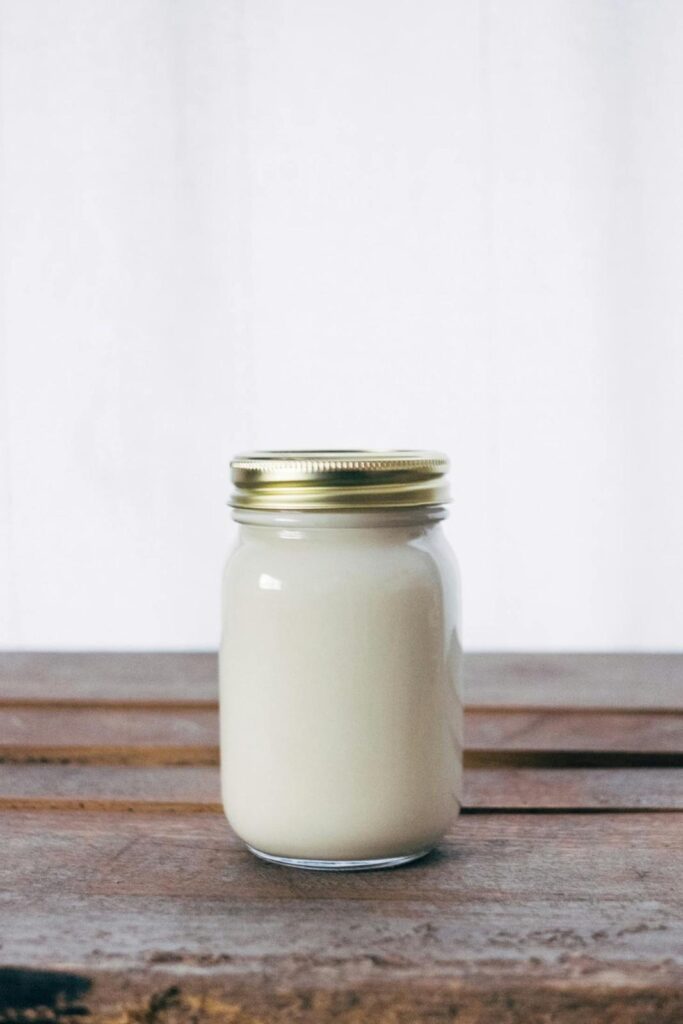
Beef tallow is rendered beef fat—essentially, fat that has been slowly melted and strained to remove impurities. It’s one of humanity’s oldest cooking fats, used for thousands of years across countless cultures .
How It’s Made
The process is remarkably simple:
1. Beef fat (typically from around the kidneys and loins) is chopped into small pieces
2. It’s slowly simmered over low heat until the fat melts and separates from any solids
3. The liquid fat is strained through a fine mesh or cheesecloth
4. It cools and solidifies into a creamy, off-white substance
“No additives, no chemicals, just fat in its natural form,” explains Wanjiku Njenga, a consultant dietitian at Kenya’s Aga Khan University Hospital .
Key Characteristics
Property Description
Smoke point Approximately 400°F (204°C) – higher than butter and many oils
Texture at room temperature Solid, creamy
Flavor Rich, savory, slightly meaty
Shelf life Extremely stable; can be stored at room temperature
If you’re interested in how different cooking fats compare to beef tallow, you may want to read our comprehensive guide on seed oils and the truth behind 2026’s biggest nutrition controversy. It covers the science behind vegetable oils and why they remain a staple in many kitchens.
—
—
Why Beef Tallow Is Making a Comeback
The Flavor Factor
Ask any chef why they use tallow, and they’ll give you one answer: taste.
Beef tallow adds a depth of flavor that vegetable oils simply cannot match. When you fry potatoes in tallow, they develop a rich, savory quality that’s distinctly different from the neutral taste of seed oils. This flavor comes from compounds that dissolve in fat during cooking, carrying the essence of the beef into whatever you’re preparing.
The Nostalgia Factor
For many people, beef tallow represents a return to traditional cooking methods—a rejection of highly processed modern foods.
“When I cook with tallow, I feel connected to my grandmother’s kitchen,” says Maria Santos, a home cook from Texas. “It’s what she always used, and her food was incredible.”
This nostalgia has driven interest in traditional foods across the board, from sourdough bread to fermented vegetables to rendered animal fats.
The Social Media Effect
Search “beef tallow” on TikTok, and you’ll find videos with millions of views. Influencers fry potatoes, roast vegetables, and even make skincare products with this versatile fat.
The hashtag #beeftallow has accumulated tens of millions of views, with creators touting its benefits and sharing recipes. This social media attention has introduced tallow to a new generation of cooks.
—
The Science of Beef Tallow: What Research Actually Shows
Fat Composition
Understanding beef tallow’s health effects requires looking at what it’s made of.
Fat Type Percentage in Beef Tallow
Saturated fat 40-50%
Monounsaturated fat 40-45%
Polyunsaturated fat 2-5%
Compared to seed oils, tallow is much higher in saturated fat and much lower in polyunsaturated fat.
The Saturated Fat Debate
The relationship between saturated fat and heart disease has been one of the most debated topics in nutrition for decades.
What older research suggested:
Early studies from the 1950s-1980s suggested that saturated fat raised cholesterol and increased heart disease risk, leading to widespread recommendations to limit it.
What newer research shows:
A comprehensive 2020 meta-analysis in the Journal of the American College of Cardiology found that replacing 5% of calories from saturated fat with polyunsaturated fats (like those in seed oils) reduced heart disease risk by 9% .
However, the relationship is complex. A 2014 meta-analysis published in the Annals of Internal Medicine found no significant association between saturated fat consumption and heart disease when all studies were considered together .
Dr. Dariush Mozaffarian, dean of the Friedman School of Nutrition Science and Policy at Tufts University, explains: “The effects of saturated fat depend on what you replace it with. Replacing it with refined carbohydrates and sugar doesn’t help. Replacing it with unsaturated fats does” .
Cholesterol Effects
Research consistently shows that beef tallow affects cholesterol:
· LDL cholesterol (the “bad” kind) increases by approximately 9.3% on average with high saturated fat intake
· HDL cholesterol (the “good” kind) may increase slightly
· The total cholesterol to HDL ratio—often considered a better predictor of heart disease risk—tends to worsen
A study published in the American Journal of Clinical Nutrition found that replacing saturated fats with unsaturated fats improved cholesterol profiles more than any other dietary change .
The relationship between dietary fats and heart health extends beyond just saturated fat. For a deeper understanding of how different foods affect your cardiovascular system, explore our evidence-based guide on food as medicine and chronic disease prevention.
—
—
Beef Tallow vs. Seed Oils: A Head-to-Head Comparison
Processing and Purity
Beef tallow:
· Minimal processing (rendering)
· Single ingredient
· Traditional preparation methods
Seed oils (canola, soybean, sunflower):
· Multiple industrial processing steps
· Often involve chemical solvents
· High-heat deodorization
Seed oil critics often point to processing as evidence of harm. Dr. Guy Crosby, adjunct associate professor of nutrition at Harvard, offers perspective: “The refining process for seed oils removes potentially harmful compounds and creates a stable, safe cooking oil. The idea that this processing makes them toxic isn’t supported by evidence” .
Heat Stability
One area where tallow clearly excels is heat stability.
Cooking Fat Smoke Point Oxidation Stability
Beef tallow 400°F (204°C) Excellent
Butter 300°F (150°C) Moderate
Olive oil 350-410°F Good
Canola oil 400°F Good
Sunflower oil 440°F Moderate
Because tallow is mostly saturated and monounsaturated fats, it’s less prone to oxidation when heated. This makes it ideal for:
· Deep frying
· High-heat searing
· Roasting at high temperatures
Nutrient Profile
Beef tallow contains:
· Vitamins A, D, E, and K (fat-soluble vitamins)
· Conjugated linoleic acid (CLA), which some research suggests may have health benefits
· Cholesterol, which the body needs for hormone production
Seed oils provide:
· Vitamin E (especially in sunflower oil)
· Essential omega-6 fatty acids
· No cholesterol
Omega-6 Content and Inflammation
One major criticism of seed oils involves their omega-6 content. Here’s what you need to understand:
Fat Type Omega-6 Content
Beef tallow 2-5%
Canola oil 20%
Sunflower oil 65%
Soybean oil 50%
The concern: high omega-6 intake might promote inflammation, especially when omega-3 intake is low.
However, research doesn’t support this concern. A comprehensive 2023 review in the journal Circulation examined decades of research and found no evidence that dietary omega-6 promotes inflammation. In fact, higher omega-6 intake was associated with lower risk of heart disease .
The American Heart Association states: “Omega-6 fatty acids—when consumed as part of a healthy diet—are beneficial and may reduce the risk of heart disease and stroke” .
—
Practical Considerations for Using Beef Tallow
Where to Buy It
Beef tallow is becoming increasingly available:
Source Typical Cost Quality
Grocery stores $5-8 per pound Variable
Butcher shops $4-6 per pound Usually high
Online retailers $8-12 per pound Generally high
Farmers markets $6-10 per pound Often grass-fed
Making Your Own Tallow
Many cooks prefer to make their own tallow. Here’s a simple method:
1. Source beef fat from a butcher (ask for “suet” or “fat trimmings”)
2. Chop the fat into small pieces (1-inch cubes work well)
3. Place in a slow cooker on low heat for 4-6 hours
4. Strain through cheesecloth into glass jars
5. Cool and store at room temperature or in the refrigerator
How to Cook With It
Beef tallow excels in:
Cooking Method Why It Works
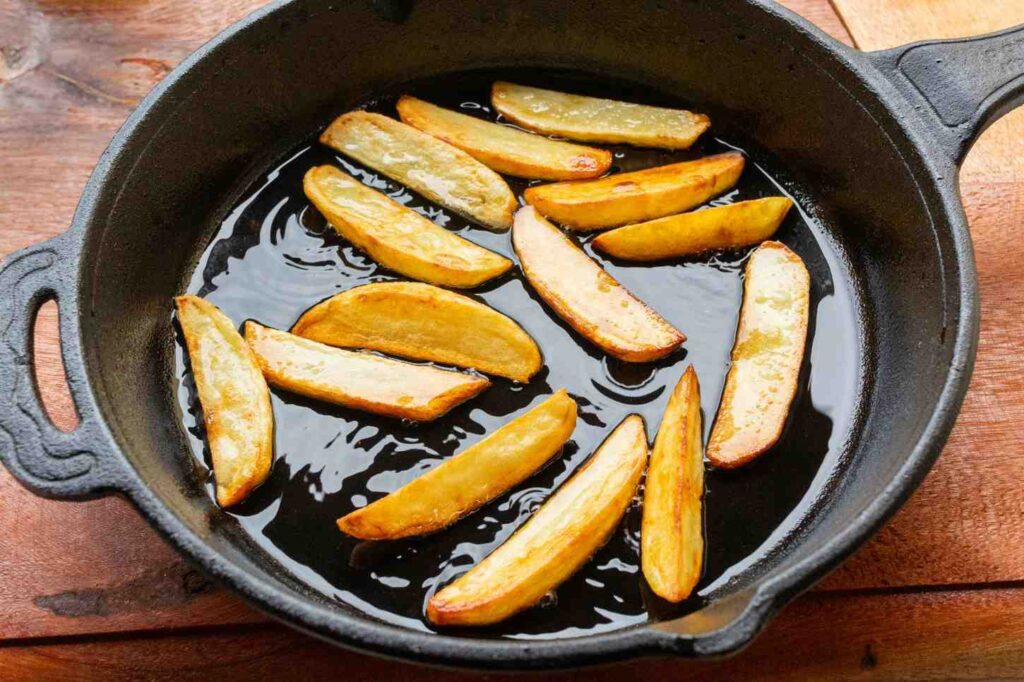
Frying potatoes Creates exceptionally crispy exterior
Roasting vegetables Adds savory depth
Searing steaks High smoke point prevents burning
Making pie crusts Creates flaky, tender texture
Frying eggs Rich flavor, prevents sticking
—
—
The Environmental and Ethical Dimensions
Using the Whole Animal
From a sustainability perspective, using beef tallow makes sense. It utilizes parts of the animal that might otherwise go to waste—what the nose-to-tail movement celebrates.
“Using every part of the animal honors its life and reduces waste,” says chef Michael Sullivan. “Tallow is a perfect example of nose-to-tail cooking.”
The Grass-Fed Factor
Beef from grass-fed cattle has a different fat profile than grain-fed beef:
Nutrient Grass-Fed Tallow Grain-Fed Tallow
CLA content 3-5 times higher Lower
Omega-3 content Higher Lower
Vitamin content Higher Lower
Research suggests that grass-fed beef fat may have more favorable nutritional properties, though the differences are modest .
Ethical Considerations
For those concerned about animal welfare, the source of beef matters. Tallow from humanely raised, pasture-based operations may align better with ethical values than tallow from industrial feedlots.
—
Who Should Consider Using Beef Tallow
Good Candidates
Beef tallow may be particularly suitable for:
· Home cooks who fry frequently — its stability makes it ideal
· Traditional cooking enthusiasts — seeking authentic flavors
· People avoiding highly processed foods — minimal processing
· Those following ancestral or paleo diets — aligns with historical eating patterns
Who Should Be Cautious
Beef tallow may not be ideal for everyone:
· People with high cholesterol should discuss saturated fat intake with their doctor
· Those with existing heart disease may need to limit saturated fats
· Vegans and vegetarians — obviously not suitable
· Anyone with specific dietary restrictions related to beef consumption
—
Common Questions About Beef Tallow
Can I reuse beef tallow for frying?
Yes. Because tallow is highly stable, it can be reused multiple times. Strain it after each use to remove food particles, and discard if it develops off odors or becomes dark.
Does beef tallow need refrigeration?
It can be stored at room temperature for months, though refrigeration extends its shelf life even further. The low water content makes it resistant to spoilage.
Is tallow the same as suet?
Not exactly. Suet is raw beef fat (specifically from around the kidneys), while tallow is rendered suet. Suet has a lower melting point and is traditionally used in pastries and puddings.
Can I use tallow for baking?
Absolutely. Tallow makes excellent pie crusts, biscuits, and even tortillas. Substitute it for butter or shortening in many recipes, using about 20% less (since it’s pure fat with no water).
Is grass-fed tallow worth the extra cost?
For many people, yes. The higher CLA and omega-3 content, along with better flavor, make grass-fed tallow a premium choice. However, conventional tallow is still a perfectly good cooking fat.
—
A Balanced Perspective on Beef Tallow
What Proponents Say
Beef tallow advocates point to:
· Traditional use across countless cultures
· Minimal processing compared to modern oils
· Heat stability for high-temperature cooking
· Rich flavor that enhances food
· Fat-soluble vitamins naturally present
What Skeptics Note
Researchers and health professionals note:
· High saturated fat content may affect cholesterol
· Not suitable for those limiting saturated fats
· Dietary context matters —tallow in an otherwise healthy diet differs from tallow in a poor diet
· Individual responses vary significantly
The Middle Ground
The most sensible approach? Balance.
Dr. Frank Hu, professor of nutrition and epidemiology at Harvard, suggests: “The type of fat you consume matters, but it’s just one part of an overall healthy dietary pattern. People get too focused on single ingredients and lose sight of the bigger picture.”
Using tallow for occasional high-heat cooking while relying on olive oil and avocado oil for daily use represents a balanced approach that many nutritionists support.
Making sense of conflicting nutrition information about fats can be overwhelming. For a broader perspective on how to evaluate health claims and build evidence-based habits, read our guide on healthy lifestyle myths debunked. It separates fact from fiction across multiple areas of wellness.
—
Conclusion: Tradition Meets Modern Science
Beef tallow represents a fascinating intersection of culinary tradition and modern nutritional science. It’s been used for thousands of years, disappeared during the low-fat era, and is now rediscovered by a new generation of cooks.
What does the evidence actually show?
· Tallow is excellent for high-heat cooking —its stability is unmatched
· It adds remarkable flavor —chefs swear by it
· It’s minimally processed —appealing to those avoiding industrial foods
· It’s high in saturated fat —which may affect cholesterol, especially in susceptible individuals
· It’s not a “miracle food” —nor is it the villain some make it out to be
The decision to use beef tallow ultimately comes down to your personal health situation, cooking preferences, and dietary philosophy.
If you’re healthy, enjoy cooking, and value traditional foods, tallow can be a wonderful addition to your kitchen—especially for high-heat applications. If you’re managing cholesterol or heart disease, discussing saturated fat intake with your healthcare provider makes sense.
The most important principle? Variety and moderation. Use olive oil for salads, avocado oil for moderate heat, and tallow for that perfect sear or crispy fry. No single fat needs to dominate your kitchen—each has its place.
Beef tallow isn’t a miracle food or a poison. It’s simply fat—traditional, flavorful, and useful when used wisely.
—
Disclaimer
Important Medical Disclaimer
This content is for general informational purposes only and does not constitute medical, health, or professional advice. The information provided is based on research available as of 2026 and should not be considered complete or up-to-date.
Individual responses to dietary fats vary significantly based on genetics, health status, medications, and countless other factors. Always consult a qualified healthcare professional or registered dietitian before making significant changes to your diet, especially if you have existing health conditions, high cholesterol, heart disease, or other medical concerns.
Never disregard professional medical advice or delay seeking it because of something you have read here. The relationship between dietary fats and health is complex, and research continues to evolve.