
Introduction: A Timeless Culinary Partnership
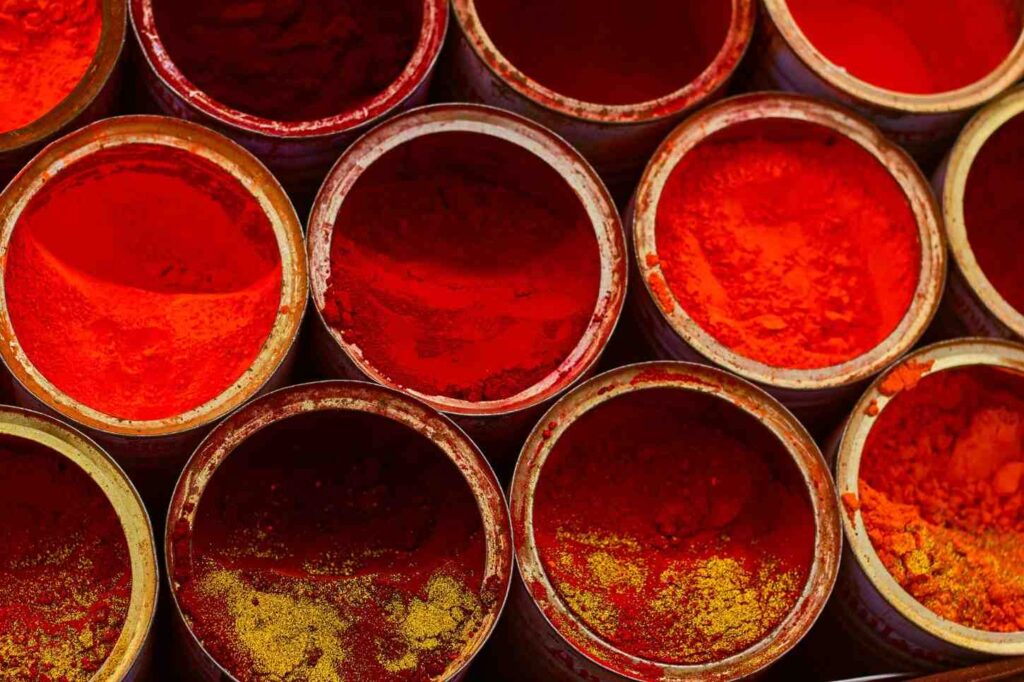
In kitchens around the world, two humble spices—vibrant yellow turmeric and pungent black pepper—have formed one of cooking’s most enduring and practical partnerships. This combination appears in culinary traditions from South Asia to the Mediterranean, not by accident but because generations of cooks discovered how these spices complement each other in both flavor and function. Today, this pairing continues to offer home cooks accessible ways to add depth, color, and complexity to everyday meals without requiring specialized skills or ingredients. turmeric black pepper cooking uses
Turmeric and black pepper are a classic culinary duo found in kitchens around the world. To learn more about turmeric’s role in nutrition, read our guide on turmeric in modern nutrition
This guide explores the practical culinary applications of turmeric and black pepper, focusing on their roles as kitchen staples rather than medicinal substances. We’ll examine how to select, store, and use these spices effectively in various cooking methods, from simple weekday dinners to more involved culinary projects. Remember that while these spices have interesting histories and cultural significance, our focus remains firmly on their practical value in daily cooking.
Understanding the Individual Spices
Turmeric: The Golden Foundation
Turmeric comes from the rhizome (root) of the Curcuma longa plant, related to ginger. In its fresh form, it resembles ginger root but with a distinctive orange interior. Most commonly, it’s dried and ground into the bright yellow powder familiar in spice cabinets worldwide. Turmeric offers earthy, slightly bitter notes with a subtle warmth that differs from the sharp heat of peppers or the sweet warmth of cinnamon.
Black Pepper: The Flavor Amplifier
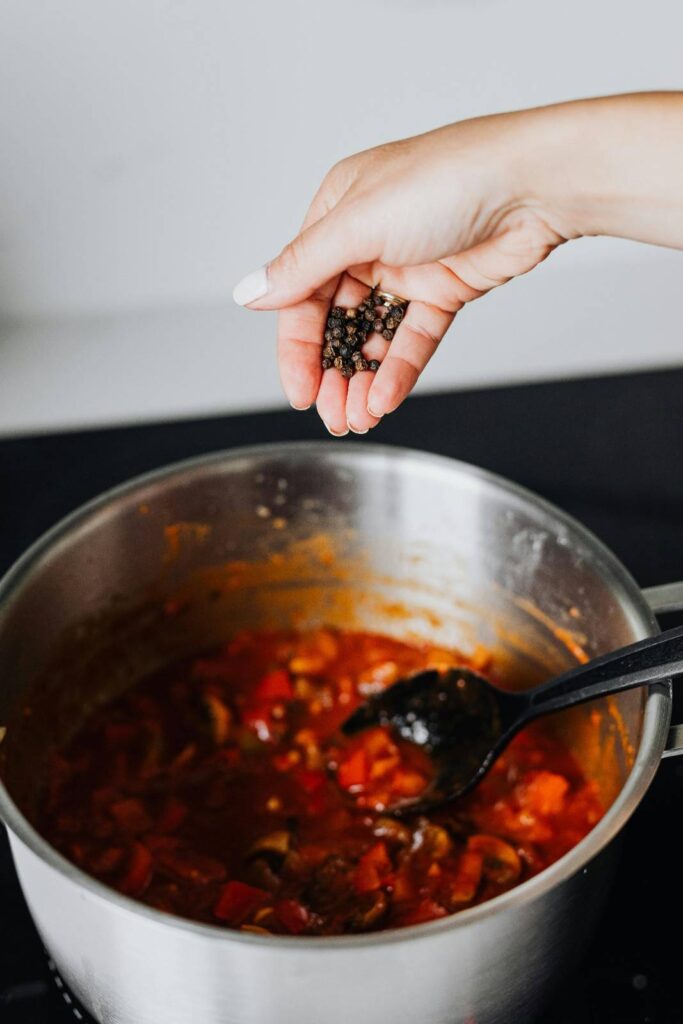
Black pepper comes from the berries of the Piper nigrum vine. These berries are harvested at different stages and processed variously to produce black, white, green, and red peppercorns. Black peppercorns, with their complex flavor profile featuring citrusy, piney, and floral notes alongside their characteristic heat, have become the most common variety in global kitchens. Their piperine content gives them their distinctive sharpness.
The Synergy Principle
When combined, turmeric and black pepper create something greater than their individual parts. The piperine in black pepper may enhance the absorption of certain compounds in turmeric, but from a purely culinary perspective, their partnership works because black pepper’s sharp brightness balances turmeric’s earthy depth, while turmeric’s color provides visual appeal that black pepper alone lacks.
Selection and Storage for Optimal Flavor
Choosing Quality Turmeric
For everyday cooking, consider both fresh and powdered forms:
· Fresh turmeric: Look for firm, unshriveled roots with bright orange color when cut
· Ground turmeric: Seek vibrant yellow powder without clumping or dull coloration
· Quality indicators: Fresh aroma (earthy, slightly gingery), no musty smells
Selecting Black Pepper
Quality black pepper varies by form:
· Whole peppercorns: Choose heavy, uniform berries without excessive dust
· Pre-ground pepper: Fresher is generally better, as pepper loses complexity quickly when ground
· Specialty varieties: Tellicherry and Malabar peppers offer particularly complex flavors
Proper Storage Methods
Both spices lose potency when exposed to light, heat, and air:
· Containers: Airtight containers in cool, dark places
· Whole versus ground: Whole spices retain flavor longer
· Fresh turmeric: Store in refrigerator wrapped in paper towel, use within 2-3 weeks
· Ground spices: Replace every 6-12 months for optimal flavor
Proper storage helps spices retain their flavor and aroma. Discover how healthy lifestyle habits can help you make the most of nutrient-rich ingredients in your daily cooking.”
Basic Culinary Techniques and Principles
The Blooming Method
Blooming spices in oil or fat at the beginning of cooking develops their flavors more fully:
1. Heat oil or butter in pan over medium heat
2. Add turmeric (and sometimes black pepper)
3. Cook 30-60 seconds until fragrant
4. Proceed with recipe
This technique works particularly well for curries, soups, and rice dishes.
Dry Toasting for Depth
Toasting whole spices before grinding intensifies their flavors:
1. Heat dry pan over medium heat
2. Add whole peppercorns (and optional other spices)
3. Toast 1-2 minutes until fragrant
4. Cool before grinding
This method works especially well for spice blends and rubs.
Finishing Versus Cooking Applications
Understanding when to add these spices affects the final dish:
· Early addition: Turmeric added early develops deeper, mellower flavor
· Late addition: Black pepper added at the end retains more of its bright, sharp character
· Combination approach: Some dishes benefit from adding some turmeric early and more at the end
Everyday Applications in Home Cooking
Simple Seasoning Blends
Create versatile seasoning mixes for daily use:
· Basic golden blend: 2 parts turmeric, 1 part black pepper, 1 part garlic powder
· Roasted vegetable sprinkle: Turmeric, black pepper, smoked paprika, salt
· Egg and tofu seasoning: Turmeric, black pepper, nutritional yeast (optional)
These blends simplify meal preparation while ensuring balanced flavors.
Rice and Grain Dishes
Transform basic grains with simple additions:
· Golden rice: Bloom turmeric and black pepper in oil before adding rice and water
· Quinoa or couscous: Add spices to cooking liquid
· Oatmeal or porridge: Stir in small amounts at the end of cooking
The spices add both color and flavor complexity to otherwise plain grains.
Vegetable Preparations
Enhance vegetables without overpowering their natural flavors:
· Roasted vegetables: Toss with oil, turmeric, black pepper before roasting
· Sautéed greens: Add spices to oil before adding greens
· Steamed vegetables: Sprinkle with spice blend after cooking
The combination works particularly well with cauliflower, potatoes, carrots, and leafy greens.
Simple seasoning blends can transform everyday meals. Learn more about nutrient-rich ingredients in our guide on food sources of key nutrients.”
Recipe Categories and Adaptations
Soup and Stew Foundations
These spices form excellent bases for liquid-based dishes:
· Lentil and bean soups: Bloom spices with onions at the beginning
· Creamy vegetable soups: Add toward the end of cooking
· Broth-based soups: Include in bouquet garni or spice sachet
They add depth without requiring numerous other spices.
Protein Preparations
Enhance both plant-based and animal proteins:
· Marinades: Combine with yogurt, oil, or vinegar
· Dry rubs: Mix with salt and other spices
· Pan sauces: Bloom in pan drippings after cooking protein
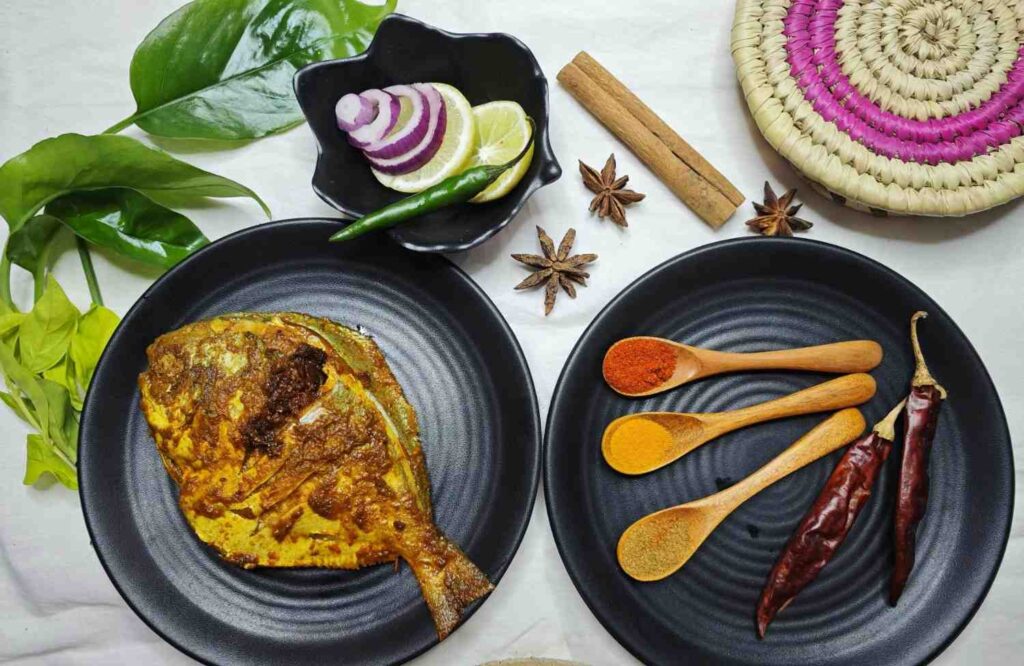
The combination works particularly well with chicken, fish, tofu, and legumes.
Condiments and Dressings
Create flavorful accompaniments:
· Simple vinaigrette: Whisk into oil and vinegar
· Yogurt sauce: Stir into plain yogurt with garlic and lemon
· Compound butter: Mix into softened butter for finishing dishes
These applications allow the spices’ flavors to shine without cooking.
Cultural and Regional Variations
Indian Culinary Traditions
In Indian cooking, this combination (often with cumin and coriander) forms the foundation of countless dishes:
· Curry bases: Bloomed with onions, garlic, and ginger
· Dhal preparations: Added to lentil dishes
· Vegetable sabjis: Used in dry vegetable preparations
The combination appears in regional variations throughout the subcontinent.
Middle Eastern and Mediterranean Uses
These spices appear in various regional dishes:
· Rice pilafs: Often with nuts and dried fruits
· Meat rubs: Particularly for lamb and chicken
· Vegetable stews: In tagines and similar dishes
Their use tends to be more restrained than in South Asian cooking.
Southeast Asian Applications
Particularly in Thai and Malaysian cuisines:
· Curry pastes: Ground with fresh herbs and other spices
· Soup bases: In dishes like tom yum and laksa
· Stir-fries: Added toward the end of cooking
Fresh turmeric often appears alongside or instead of dried.
Balancing Flavors and Avoiding Common Pitfalls
Preventing Bitterness
Turmeric can become unpleasantly bitter if mishandled:
· Avoid burning: Cook gently when blooming
· Balance with fat: Adequate oil or butter mellows the flavor
· Combine with sweet elements: Onions, carrots, or sweet spices counter bitterness
Managing Black Pepper’s Heat
Control pepper’s intensity through technique:
· Grind size: Finer grind releases more heat
· Timing: Later addition preserves sharper heat
· Quantity: Start with less, adjust to taste
Remember that heat perception varies among individuals.
Color Considerations
Turmeric’s vibrant color has practical implications:
· Staining potential: Can discolor plastic utensils and porous surfaces
· Even distribution: Mix thoroughly to prevent concentrated spots
· Visual appeal: The golden color makes dishes visually appealing
Creative Modern Applications
Breakfast Innovations
Start the day with these spices:
· Scrambled eggs or tofu: Add during cooking
· Smoothies: Small pinch balances sweet ingredients
· Toast toppings: Mix into avocado or nut butter
They add interest to morning routines without complexity.
Beverage Incorporations
Beyond traditional golden milk:
· Tea blends: Add to herbal tea combinations
· Warm lemon water: Tiny pinch adds complexity
· Soup broths: Enhance simple broth-based drinks
Use sparingly to avoid overwhelming other flavors.
Baking Experiments
Unexpected but effective applications:
· Savory baked goods: Add to breads, crackers, or scones
· Spiced desserts: Small amounts in certain cakes or cookies
· Pastry applications: In fillings for savory pastries
The key is subtlety and balance with other ingredients.
Practical Tips for Home Cooks
Starting Simple
For those new to these spices:
· Begin with small amounts: ¼ teaspoon turmeric and ⅛ teaspoon pepper for 4 servings
· Try one application: Simple roasted vegetables or rice
· Taste and adjust: Develop personal preference gradually
Building Confidence
As comfort increases:
· Experiment with timing: Notice how early versus late addition changes flavor
· Combine with familiar dishes: Add to recipes you already make regularly
· Keep notes: Record what works and what doesn’t for future reference
Troubleshooting Common Issues
Address frequent challenges:
· “Too earthy”: Add acid (lemon juice, vinegar) to brighten
· “Too sharp”: Add fat (oil, butter, coconut milk) to mellow
· “Bland”: Ensure adequate salt and consider blooming technique
Pairing with Other Spices and Ingredients
Complementary Spices
These spices work well with:
· Cumin and coriander: Classic Indian combination
· Ginger and garlic: Fresh aromatics that complement both
· Cinnamon and cardamom: For sweet-savory applications
· Paprika and chili: For additional heat and complexity
Ingredient Affinities
Particularly successful pairings include:
· Dairy: Yogurt, butter, ghee, cream
· Acids: Lemon, lime, vinegar, tamarind
· Sweet vegetables: Onions, carrots, sweet potatoes
· Legumes: Lentils, chickpeas, beans
Economic and Accessibility Considerations
Cost-Effective Flavor
These spices offer excellent value:
· Long shelf life: When stored properly
· Small amounts needed: Typically ¼ to ½ teaspoon per serving
· Versatility: Multiple applications from single purchase
They represent one of cooking’s most economical flavor sources.
Global Availability
Both spices are widely accessible:
· Most grocery stores: Carry both in multiple forms
· International markets: Often offer better quality and pricing
· Online options: Provide access to specialty varieties
Their ubiquity makes them practical choices for diverse kitchens.
Conclusion: Building Culinary Confidence
Turmeric and black pepper represent more than just two spices—they offer an accessible entry point into more thoughtful, flavorful cooking. Their partnership demonstrates how simple combinations, when understood and applied with intention, can transform everyday meals from routine to remarkable without requiring specialized skills or excessive time.
The journey with these spices isn’t about following rigid rules but about developing personal intuition. Start with the basic principles—blooming in fat, balancing quantities, considering timing—then adapt based on your taste preferences, the ingredients you have available, and the dishes you enjoy preparing. Over time, you’ll develop an instinct for when and how to use this combination effectively.
Remember that all cooking involves experimentation. Some attempts will succeed immediately, others might need adjustment, and a few might not work at all. Each effort builds understanding and skill, gradually transforming these spices from mere ingredients to trusted culinary partners that enhance your daily cooking and expand your kitchen capabilities.
Culinary and Informational Disclaimer
This content is for general informational and culinary educational purposes only and does not constitute medical, health, nutritional, or professional advice. The information provided discusses general cooking techniques, flavor principles, and culinary applications of spices. Individual tastes, dietary needs, allergies, and health conditions vary significantly. Always consult qualified healthcare professionals or registered dietitians for personalized dietary and health guidance. The culinary suggestions represent general approaches that many home cooks find useful, but individual results may vary based on specific ingredients, equipment, and techniques used.