
—
Introduction: The Unique Position of Walnuts Among Culinary Nuts
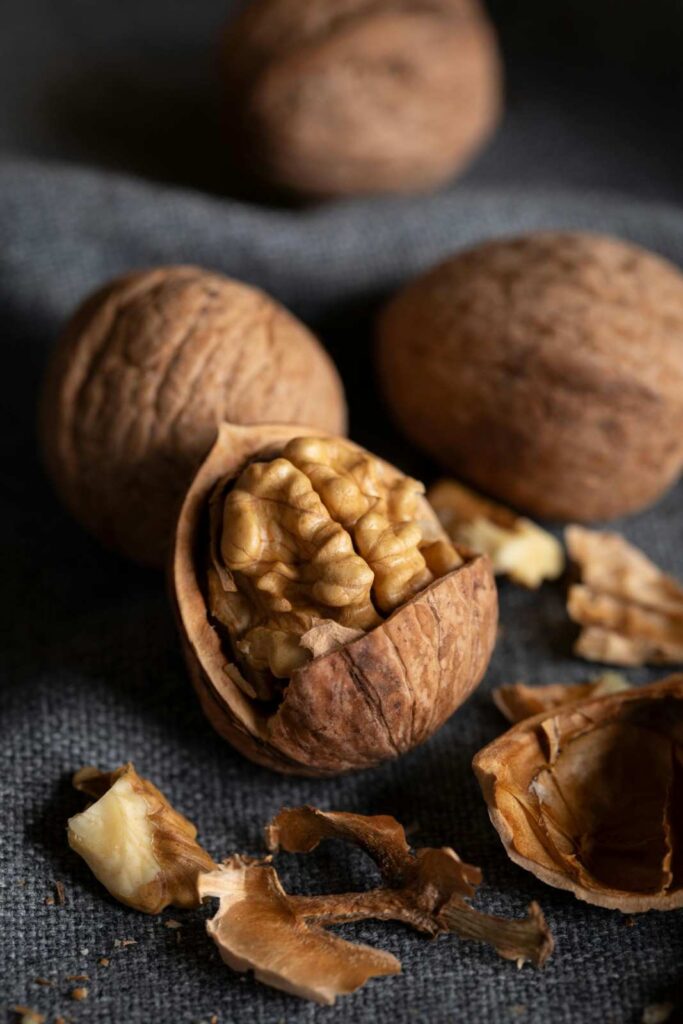
Walnuts, the edible seeds of Juglans genus trees, occupy a distinctive position among globally consumed nuts due to their unique fatty acid profile, culinary versatility, and long history in various food cultures. As we progress through 2025-2026, scientific and culinary attention continues to examine these wrinkled, brain-like kernels that have been harvested and consumed for thousands of years across multiple civilizations. walnuts nutrition guide uses benefits
Walnuts are among the most widely consumed nuts globally, prized for their unique fatty acid profile and culinary versatility. To understand how other nuts compare, read our guide on almonds nutrition and uses
Unlike many other culinary nuts, walnuts present a distinctive sensory experience—slightly bitter tannins in the papery skin, a delicate texture that yields easily to pressure, and an oil content that contributes to their characteristic mouthfeel. This comprehensive guide examines walnuts from multiple perspectives: botanical origins, nutritional composition, culinary applications, storage considerations, and their appropriate place within varied dietary patterns.
This information is presented for educational purposes, recognizing walnuts as food items rather than therapeutic agents. All discussions of scientific research reflect current nutritional science literature without making medical claims or treatment recommendations.
—
Botanical Background and Agricultural Production
The Walnut Tree: Species and Characteristics
Understanding walnuts begins with recognizing the primary species that produce commercially available nuts.
Major Walnut Species
· English Walnut (Juglans regia): Also called Persian walnut, originating from Persia and Central Asia; thin shells, mild flavor, dominant in global trade
· Black Walnut (Juglans nigra): Native to North America; thicker shells, more intense earthy flavor, limited commercial production
· White Walnut (Juglans cinerea): Also known as butternut; increasingly rare, buttery flavor
· Japanese Walnut (Juglans ailantifolia): Cultivated primarily in East Asia; distinct flavor profile
Global Production Patterns
· Major Producers: China (approximately 50% of world production), United States (California), Iran, Turkey, Ukraine
· Harvest Timing: Typically August through November depending on hemisphere and variety
· Processing Methods: Mechanical hulling, washing, drying to approximately 8% moisture content
· Organic Production: Growing segment representing 5-10% of total production in major growing regions
Historical Context and Cultural Significance
Walnuts have accompanied human civilization through millennia, appearing in archaeological records and historical texts across cultures.
Traditional Uses Across Civilizations
· Ancient Persia: Considered royal food, reserved for nobility; walnut trees planted near palaces
· Roman Empire: Called “Jupiter’s royal acorn”; used in cooking, medicine, and hair dyes
· Traditional Chinese Medicine: Classified as warming food for kidney and lung meridians
· European Traditions: Associated with fertility, prosperity; featured in wedding customs
· Native American Uses: Black walnuts harvested for food, dye, and ceremonial purposes
—
Comprehensive Nutritional Profile
Macronutrient Composition
A standard 28-gram serving (approximately 14 walnut halves) provides distinctive nutritional characteristics that differentiate walnuts from other nuts.
Walnuts are rich in ALA omega-3, protein, fiber, and essential minerals. Learn more about essential nutrients in our guide on food sources of key nutrients.“
Fat Profile: The Defining Feature
· Total Fat: 18.5 grams per serving (approximately 85% of calories)
· Polyunsaturated Fats: 13.4 grams (dominant fat type, unique among nuts)
· Alpha-Linolenic Acid (ALA): 2.5 grams—the plant-based omega-3 fatty acid
· Linoleic Acid: 10.8 grams—omega-6 fatty acid
· Monounsaturated Fats: 2.5 grams
· Saturated Fat: 1.7 grams
· Comparative Context: Walnuts contain significantly more polyunsaturated fat than almonds, cashews, or pistachios; primary plant source of ALA
Protein and Carbohydrate Content
· Protein: 4.3 grams per serving, containing all essential amino acids
· Fiber: 1.9 grams per serving (8% daily value)
· Total Carbohydrates: 3.9 grams per serving
· Natural Sugars: 0.7 grams per serving
· Glycemic Characteristics: Minimal impact on blood glucose due to low carbohydrate, high fat, and fiber content
Micronutrient Density
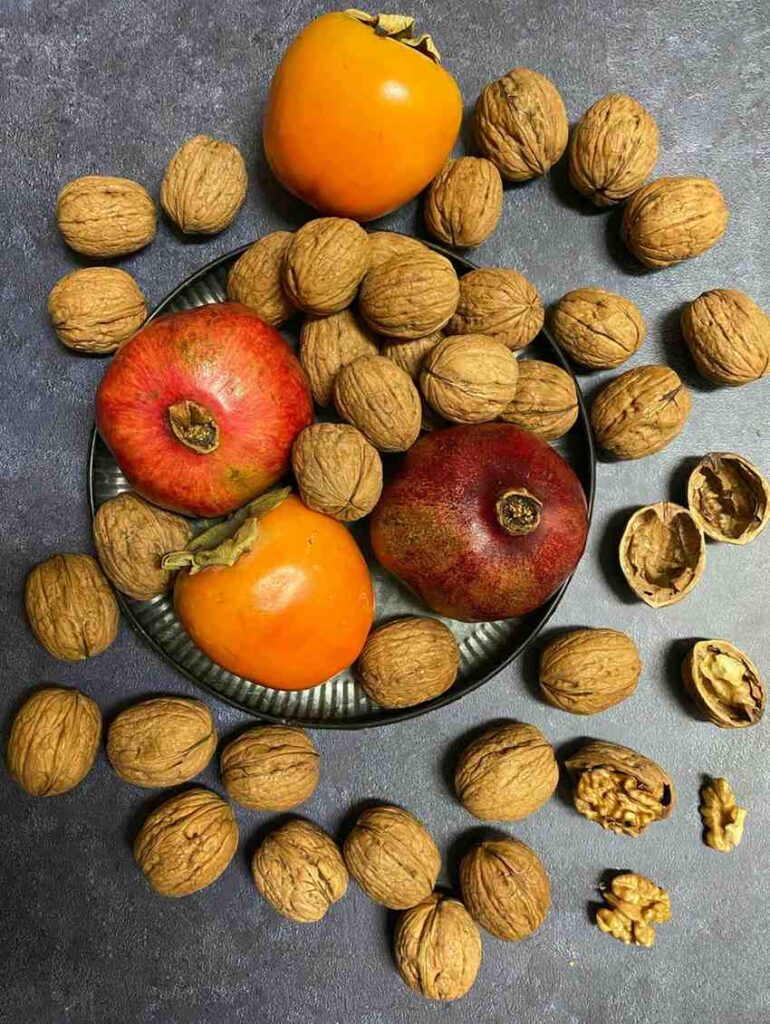
Walnuts provide numerous vitamins and minerals in nutritionally significant quantities.
Mineral Content
· Copper: 0.45 mg (50% daily value)—essential for energy production and connective tissue formation
· Manganese: 0.97 mg (42% daily value)—involved in bone formation and antioxidant defense
· Magnesium: 45 mg (11% daily value)—participates in hundreds of enzymatic reactions
· Phosphorus: 98 mg (8% daily value)—structural component of bones and cell membranes
· Zinc: 0.9 mg (8% daily value)—supports immune function and protein synthesis
· Iron: 0.8 mg (4% daily value)—essential for oxygen transport
Vitamin Content
· Vitamin B6: 0.15 mg (9% daily value)—involved in amino acid metabolism
· Folate: 28 mcg (7% daily value)—important for DNA synthesis and cell division
· Thiamin (B1): 0.09 mg (8% daily value)—carbohydrate metabolism
· Vitamin E: 0.2 mg (1% daily value)—lower than almonds but present
—
Bioactive Compounds and Phytonutrients
Polyphenols and Antioxidant Compounds
Beyond conventional nutrients, walnuts contain numerous bioactive plant compounds under scientific investigation.
Primary Bioactive Constituents
· Ellagitannins: Converted to urolithins by gut microbiota; subject of ongoing research
· Pedunculagin: Hydrolyzable tannin with antioxidant properties in laboratory studies
· Catechin: Flavonoid also found in tea and cocoa
· Epicatechin: Associated with various dietary studies
· Quercetin: Flavonoid widely distributed in plant foods
· Proanthocyanidins: Condensed tannins contributing to slight astringency
Melatonin Content
· Walnuts contain measurable amounts of melatonin (3.5-5 ng/g)
· One of few plant foods with detectable melatonin
· Research examines potential chronobiological implications
· Human clinical significance requires further investigation
Antioxidant Capacity Measurements
Walnuts demonstrate high antioxidant activity in laboratory assays, though physiological relevance requires careful interpretation.
Scientific Assessment Methods
· ORAC Value: Among highest of all nuts, though ORAC methodology limitations recognized
· Total Polyphenol Content: 1,500-2,000 mg GAE/100g, varies by variety and growing conditions
· Phenolic Profiles: Predominantly hydrolyzable tannins and flavonoids
· In Vitro Studies: Demonstrate free radical scavenging in controlled laboratory conditions
· Human Studies: Measure biomarkers rather than direct antioxidant effects
—
Culinary Applications and Preparation Methods
Global Culinary Traditions
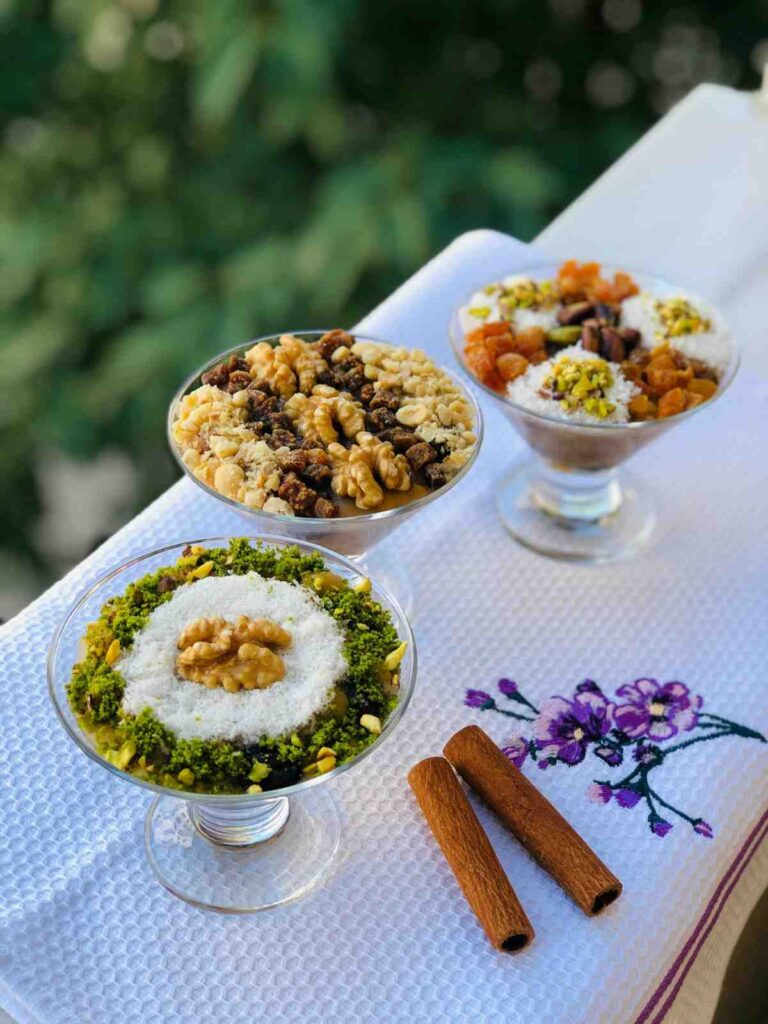
Walnuts feature prominently in diverse cuisines with distinctive preparation approaches reflecting regional preferences.
Mediterranean and Middle Eastern Uses
· Persian Cuisine: Fesenjan—pomegranate and walnut stew with poultry
· Turkish Cuisine: Circassian chicken—walnut sauce over poached poultry
· Lebanese Cuisine: Muhammara—roasted red pepper and walnut dip
· Italian Cuisine: Pesto alla trapanese—walnut and tomato pesto
· Greek Cuisine: Walnut cake with syrup (karidopita)
European and Western Applications
· French Cuisine: Walnut oil in vinaigrettes; walnut bread (pain aux noix)
· German/Austrian: Walnut tortes and pastries
· Eastern European: Walnut-filled pastries (potica, makowiec)
· American: Walnut pie (Kentucky variant); Waldorf salad; banana bread inclusion
Asian Culinary Traditions
· Chinese Cuisine: Walnuts in stir-fries, desserts, and traditional preparations
· Korean Cuisine: Walnut cakes (hodugwaja)
· Japanese Cuisine: Candied walnuts in sweets and confections
· Indian Cuisine: Walnuts in murabba (preserve) and festive preparations
Modern Culinary Applications
Contemporary food culture has expanded walnut applications beyond traditional uses.
Plant-Based and Alternative Applications
· Walnut Meat: Ground walnuts seasoned as plant-based taco or bolognese substitute
· Walnut Cheese: Fermented walnut-based alternatives to dairy cheese
· Walnut Milk: Plant-based beverage alternative; lower protein than soy or almond
· Walnut Flour: Gluten-free baking applications; contributes moisture and density
· Walnut Pesto: Traditional basil pesto variation; extended shelf stability
Preparation Methods and Their Effects
Different processing approaches alter walnut characteristics and nutritional properties.
Raw vs. Roasted Considerations
· Raw Walnuts: Maintain native enzymes; contain enzyme inhibitors; longest shelf life when stored properly
· Dry Roasted: Enhanced flavor through Maillard reactions; some nutrient degradation at high temperatures
· Oil Roasted: Additional fat absorbed; significantly higher calorie density
· Soaked Walnuts: Traditional preparation believed to reduce tannins and improve digestibility; limited scientific validation
· Sprouted Walnuts: Germination process; limited commercial availability; shelf stability challenges
—
Storage, Quality Assessment, and Shelf Life
Factors Affecting Walnut Quality
Walnuts present unique storage challenges due to their high polyunsaturated fat content.
Degradation Mechanisms
· Oxidative Rancidity: Primary quality concern; polyunsaturated fats susceptible to oxidation
· Hydrolytic Rancidity: Free fatty acid formation; less common than oxidative rancidity
· Moisture Effects: Optimal storage moisture 3-4%; higher promotes mold growth
· Temperature Sensitivity: Oxidation rates double with every 10°C temperature increase
· Light Exposure: UV accelerates oxidation; opaque packaging recommended
Optimal Storage Practices
Evidence-based recommendations for maximizing walnut freshness and shelf life.
Consumer Storage Guidelines
· Short-term Storage: Airtight container in cool, dark pantry (up to 3 months)
· Refrigerator Storage: Sealed container or bag (6-12 months)
· Freezer Storage: Airtight, moisture-proof packaging (1-2 years)
· Shell-on Storage: Natural protection; longer shelf life than kernels
· Sensory Assessment: Fresh walnuts smell sweet; rancid walnuts smell bitter, paint-like
Quality Selection Indicators
· Visual Assessment: Uniform color; no dark spots or shriveling
· Texture: Clean snap when broken; flexible rather than brittle
· Aroma: Fresh, mild, slightly sweet; absence of chemical or bitter notes
· Taste: Delicate, slightly sweet, minimal astringency
—
Dietary Inclusion and Consumption Patterns
Serving Size Considerations
Understanding appropriate walnut quantities within balanced eating patterns.
Regular consumption of walnuts fits well into Mediterranean, plant-based, and low-carb eating patterns. Discover how healthy lifestyle habits can help you build a balanced diet
Evidence-Based Serving Recommendations
· Standard Serving: 28 grams (approximately 14 walnut halves, 1/4 cup)
· Calorie Context: 185 calories per serving; energy-dense food requiring mindful consumption
· Frequency Considerations: Regular moderate consumption more beneficial than occasional large quantities
· Individual Factors: Energy needs, activity level, overall dietary pattern influence appropriate intake
Integration into Dietary Patterns
Walnuts can be incorporated into diverse eating approaches with appropriate contextual considerations.
Dietary Pattern Compatibility
· Mediterranean Dietary Pattern: Traditional component; aligns with emphasis on plant foods, healthy fats
· Plant-Based Diets: Valuable source of ALA omega-3; complements other plant proteins
· Low-Carbohydrate Approaches: Fits macronutrient parameters; provides satiety
· General Healthy Eating: Contributes to dietary variety; nutrient density within calorie constraints
Practical Incorporation Strategies
Simple methods for including walnuts in daily meals and snacks.
Everyday Applications
· Breakfast: Chopped walnuts in oatmeal, yogurt, smoothies, whole grain pancakes
· Lunch: Added to salads, grain bowls, wraps, sandwiches for texture
· Snacks: Small handful alone; paired with fruit; trail mix component
· Dinner: Incorporated into sauces, pestos; topping for vegetable dishes; crust for fish or poultry
· Baking: Cookies, quick breads, bars, crusts, and toppings
—
Current Scientific Research Context
Research Landscape 2025-2026
Walnuts remain subject of substantial scientific investigation across multiple disciplines.
Active Research Areas
· Lipid Metabolism Studies: Examining effects on various lipid parameters
· Cognitive Function Research: Observational and intervention studies
· Gut Microbiota Investigations: Walnut polyphenol-microbiome interactions
· Satiety and Appetite Regulation: Acute feeding studies
· Biomarker Research: Effects on inflammatory and oxidative stress markers
Methodological Considerations
· Funding Sources: Many studies receive walnut industry support
· Study Design Quality: Varies considerably; randomized controlled trials less common than observational
· Dose Variation: Studies use widely ranging walnut quantities
· Population Differences: Findings may not generalize across all demographic groups
· Whole Diet Context: Isolating walnut effects from overall dietary patterns methodologically challenging
Evidence Interpretation Guidance
Consumers and healthcare professionals benefit from balanced, critical approach to research claims.
Reasonable Conclusions from Current Evidence
· Consistent Findings: Regular nut consumption associated with various health parameters in observational research
· Emerging Evidence: ALA omega-3 content unique among nuts; research ongoing
· Insufficient Evidence: Specific therapeutic applications; causal mechanisms; individualized response predictors
· Appropriate Conclusions: Walnuts represent nutrient-dense food within balanced dietary patterns
—
Safety Considerations and Special Populations
Allergen Information and Sensitivities
Tree nut allergy affects approximately 0.5-1% of general population with varying severity.
Allergy Considerations
· Cross-Reactivity: Walnut allergy often co-occurs with pecan allergy (same botanical family)
· Sensitivity Range: Mild oral allergy syndrome to severe anaphylactic reactions
· Labeling Requirements: Mandatory allergen declaration in most jurisdictions
· Cross-Contamination: Manufacturing shared equipment presents risk for sensitive individuals
General Safety Considerations
Walnuts are generally safe for most individuals when consumed as food in typical quantities.
Potential Concerns
· Digestive Considerations: High fiber and fat content may cause gastrointestinal discomfort with rapid consumption increase
· Oxalate Content: Moderate oxalates; consideration for individuals with certain kidney conditions
· Phytate Content: Phytic acid may theoretically affect mineral absorption; clinical significance with varied diet minimal
· Calorie Density: Potential contribution to positive energy balance if consumed without dietary adjustments
Special Population Considerations
Different life stages and health circumstances warrant specific considerations.
Population-Specific Guidance
· Children: Finely ground walnuts can be introduced after solid food initiation; whole walnuts choking hazard under age 5
· Pregnancy and Lactation: Safe when consumed as food; provides nutrients of interest
· Older Adults: Softer texture appreciated; nutrient density beneficial when appetite reduced
· Medical Conditions: Individualized guidance for specific digestive, metabolic, or kidney conditions
—
Sustainability and Ethical Considerations
Environmental Impact of Walnut Production
Walnut cultivation involves various environmental considerations with regional variation.
Resource Utilization
· Water Requirements: Lower than almonds; higher than pistachios; varies by region and irrigation method
· Land Use: Permanent tree crop; multi-decade production cycle
· Agricultural Inputs: Fertilizer and pesticide use varies significantly by region and farming practices
· Carbon Footprint: Trees sequester carbon; processing and transportation contribute emissions
Sustainable Production Practices
Industry and producer initiatives address environmental concerns with varying implementation.
Emerging Practices
· Water Efficiency: Precision irrigation; drought-tolerant rootstocks; deficit irrigation research
· Integrated Pest Management: Reduced chemical inputs; biological control methods
· Pollinator Protection: Bee-friendly practices during bloom period
· Byproduct Utilization: Shells for biomass energy, abrasive products, soil amendments
· Organic Production: Growing segment; certification requirements vary by region
—
Economic Aspects and Market Trends 2025-2026
Global Market Dynamics
Walnuts represent significant agricultural commodity with evolving trade patterns.
Current Market Factors
· Supply and Demand: Chinese domestic production increasingly meeting local demand; California exports adapting
· Price Volatility: Influenced by weather events, crop size, trade policies, competing oils
· Value-Added Products: Growing market for walnut oil, flour, and specialty products
· Organic Premium: Significant price premium; limited supply relative to conventional
Consumer Trends
Changing consumer preferences influence walnut product development and marketing.
Notable Trends 2025-2026
· Plant-Based Movement: Walnut meat products gaining traction
· Transparency Demands: Traceability and production practice information increasingly requested
· Snackification: Portion-controlled packaging; flavor innovations
· Functional Food Positioning: Marketing emphasizing nutritional attributes within regulatory limits
—
Conclusion: Walnuts in Context
Walnuts represent nutritionally distinctive foods with unique fatty acid profile, rich phytonutrient content, and remarkable culinary versatility spanning diverse global cuisines. As we progress through 2025-2026, scientific investigation continues exploring various aspects of walnut consumption, with particular attention to their ALA omega-3 content and polyphenol composition. walnuts nutrition guide uses benefits
For individuals considering walnut inclusion in dietary patterns, current evidence supports their role as nutrient-dense foods that can contribute to dietary variety and satisfaction. Their distinctive sensory characteristics—delicate texture, slightly bitter tannins, and mild flavor—make them appropriate for numerous culinary applications from traditional Persian stews to contemporary plant-based preparations.
Perhaps most importantly, walnuts should be appreciated within complete dietary contexts rather than as isolated nutritional interventions. Their greatest value emerges when they complement overall eating patterns emphasizing variety, moderation, and alignment with individual preferences, cultural traditions, and nutritional requirements. Like all foods, walnuts represent one component—not a solution—within the complex, personalized practice of nourishing oneself through a lifetime.
Disclaimer:
This content is for general informational and educational purposes only regarding walnuts as a food item. It presents information about nutritional composition, culinary applications, botanical characteristics, and scientific research discussions. This information does not constitute medical, health, nutritional, or professional advice of any kind. Walnuts are food products, not medicines, and should not be used to diagnose, treat, cure, or prevent any disease or medical condition. Individual dietary needs, nutritional requirements, health conditions, allergies, and responses to foods vary significantly. Always consult qualified healthcare professionals, registered dietitians, or medical providers for personalized dietary and health guidance. Never disregard professional medical advice or delay seeking treatment because of information presented in this article. This information is current as of 2025-2026 and may be updated as new research emerges.