
—
Introduction: Ginger’s Global Culinary and Scientific Significance
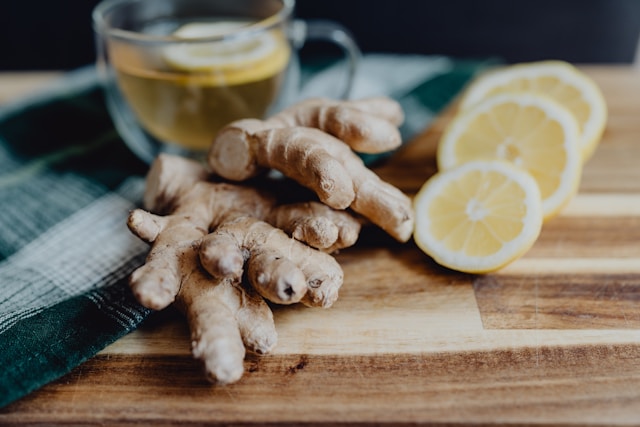
Ginger (Zingiber officinale) is among the most widely consumed and culturally significant spices in human history. Originating in Maritime Southeast Asia, this knobby, aromatic rhizome has traversed global trade routes for over two millennia, establishing itself as both a culinary cornerstone and a subject of sustained scientific interest. ginger nutrition uses scientific research
Ginger has been used for centuries in cooking and traditional practices across the world. To understand how other spices support health, read our guide on turmeric in modern nutrition
As we progress through 2025, ginger maintains its position as a kitchen essential across diverse culinary traditions—from Asian stir-fries and Indian curries to Caribbean beverages and Western baked goods. Simultaneously, the scientific community continues investigating this complex botanical, with hundreds of peer-reviewed publications examining its phytochemical composition, food science applications, and potential biological activities.
This comprehensive guide examines ginger from multiple evidence-based perspectives: botanical characteristics, chemical composition, proper selection and storage, culinary applications across world cuisines, and the current landscape of scientific research. All information is presented for educational purposes, recognizing ginger as a food ingredient rather than a therapeutic agent.
—
Section 1: Botanical Background and Agricultural Production
The Ginger Plant: Zingiber officinale
Ginger is a herbaceous perennial in the Zingiberaceae family, which includes turmeric, cardamom, and galangal. The commercially utilized portion is the rhizome—an underground horizontal stem that produces both roots and shoots.
Botanical Characteristics
· Plant height: 60–120 centimeters
· Leaves: Narrow, lance-shaped, 15–30 centimeters in length
· Flowers: Yellow-green with purple margins; rarely flowers in commercial cultivation
· Rhizome: Irregularly branched, fleshy, pale yellow interior; skin color varies from tan to brown depending on maturity and curing
· Propagation: Vegetative propagation using seed rhizome pieces; does not produce viable seeds commercially
Global Production Regions
Country Approximate Production Share Characteristics
India 40-45% Largest producer; diverse varieties
Nigeria 15-20% Growing African producer
China 10-15% Significant export volume
Nepal, Indonesia, Thailand 5-10% each Traditional cultivation regions
Australia, Fiji, Peru Smaller producers Premium quality, specialty markets
Harvest and Processing
· Maturation period: 7-10 months from planting
· Harvest timing: Determined by intended use (young ginger = milder flavor, mature ginger = stronger pungency)
· Fresh ginger: Washed and shipped with minimal processing; refrigerated transport
· Dried ginger: Peeled, sliced, and sun-dried or mechanically dehydrated
· Preserved ginger: Brined, candied, or pickled forms
—
Section 2: Phytochemical Composition and Analytical Chemistry
Ginger’s Complex Chemical Profile
Ginger contains hundreds of identified compounds, with substantial variation based on variety, growing conditions, harvest timing, and processing methods. Modern analytical chemistry has enabled detailed characterization of this complex botanical matrix.
Volatile Oil Components (1-3% of fresh weight)
The essential oil fraction, obtained through steam distillation, contains the compounds responsible for ginger’s distinctive aroma:
· Sesquiterpenes (50-70%): Zingiberene (primary), β-bisabolene, α-farnesene, β-sesquiphellandrene
· Monoterpenes: Camphene, cineole, citral, borneol, linalool
· Oxygenated compounds: Geraniol, nerol, citronellyl acetate
Non-Volatile Pungent Compounds
The characteristic pungency of ginger derives from phenolic compounds collectively known as gingerols and their derivatives:
· Gingerols (primary): [6]-gingerol, [8]-gingerol, [10]-gingerol; [6]-gingerol is the most abundant and extensively studied
· Shogaols: Dehydration products of gingerols formed during heating or storage; [6]-shogaol has distinct sensory properties
· Zingerone: Formed from gingerols during cooking; contributes to cooked ginger aroma
· Paradols: Further degradation products with their own sensory characteristics
Other Constituents
· Polysaccharides: Complex carbohydrates comprising approximately 50-60% of dried rhizome
· Lipids: Approximately 3-8%, including free fatty acids and triglycerides
· Proteins and amino acids: Approximately 9% in dried material
· Minerals: Potassium, magnesium, phosphorus, calcium
· Vitamins: Small amounts of niacin, vitamin B6, vitamin C
Processing-Induced Chemical Transformations
Process Chemical Changes Sensory Impact
Heat treatment Gingerol dehydration to shogaols Increased pungency
Long storage Gradual conversion to shogaols Intensified pungency
Drying Water removal, concentration Concentrated flavors
Crystallization Sugar infusion, gingerol retention Milder, sweet
Pickling Acid-catalyzed transformations Distinctive flavor profile
!["Molecular structures of [6]-gingerol, [6]-shogaol, and zingerone with arrows showing heat-induced transformations"](https://healthfitnessbloom.com/wp-content/uploads/2026/02/pexels-mikhail-nilov-8851604-1-683x1024.jpg)
—
Section 3: Selecting, Storing, and Handling Fresh Ginger
Quality Assessment and Selection
Choosing high-quality ginger ensures optimal flavor and maximum useful life.
Fresh Ginger Selection Criteria
· Skin appearance: Smooth, taut, thin skin; avoid wrinkled or shriveled specimens
· Texture: Firm, dense, heavy for size; snaps cleanly when broken
· Aroma: Strong, fresh, spicy-pungent scent without musty or fermented notes
· Color: Pale tan to light brown exterior; pale yellow to bright yellow interior
· Fiber content: Younger ginger has minimal visible fibers; mature ginger shows pronounced fibrous structure
· Sprouting: Minor sprouting acceptable; extensive sprouting indicates advanced age
Dried and Ground Ginger Selection
· Visual: Uniform light tan to golden color; no dark spots or discoloration
· Texture: Fine, free-flowing powder without clumping
· Aroma: Concentrated pungent-spicy aroma upon opening container
· Packaging: Reputable brands with harvest or packaging dates
Optimal Storage Methods
Fresh Ginger Storage
Storage Method Duration Notes
Room temperature 3-7 days Cool, dry, well-ventilated
Refrigerator (whole) 3-4 weeks Unpeeled, paper towel, perforated bag
Refrigerator (cut) 1-2 weeks Cut surface exposed; change paper towel
Freezer (whole) 6-12 months Wash, dry thoroughly; freeze whole
Freezer (grated) 6-12 months Pre-grate, portion in ice cube trays
Freezer (sliced) 6-12 months Slice, single layer freeze, transfer to bag
Dried and Ground Ginger Storage
· Container: Airtight glass or ceramic; avoid plastic for extended storage
· Environment: Cool, dark, dry location away from heat sources
· Whole dried ginger: 2-3 years when properly stored
· Ground ginger: Optimal flavor 6-12 months; usable longer with reduced intensity
· Freezing: Acceptable for long-term storage; minimize air exposure
Preparation Techniques
Peeling Considerations
· Young ginger: Thin, delicate skin; peeling optional
· Mature ginger: Thicker, tougher skin; peeling recommended
· Method: Spoon edge effectively removes thin layer with minimal waste
· Vegetable peeler: Effective for larger pieces with flat surfaces
Cutting and Grating Methods
Technique Application Method
Microplane grating Beverages, dressings, marinades Fine, pulp-like consistency
Box grater Curries, stir-fries, sauces Medium texture
Knife (julienne) Stir-fries, garnishes Matchstick cuts
Knife (mince) Sauces, pastes Fine chopping
Knife (slice) Tea, infusions, braises Thin cross-sectional slices
Press Quick small quantities Garlic-style press
Freezer tip: Frozen ginger grates easily without peeling—one of the most practical storage methods for regular ginger users.
—
Section 4: Culinary Applications Across Global Cuisines
Ginger in Asian Culinary Traditions
South Asian Cuisine (India, Pakistan, Bangladesh)
· Fresh ginger paste: Base ingredient in countless curries, gravies, and meat preparations
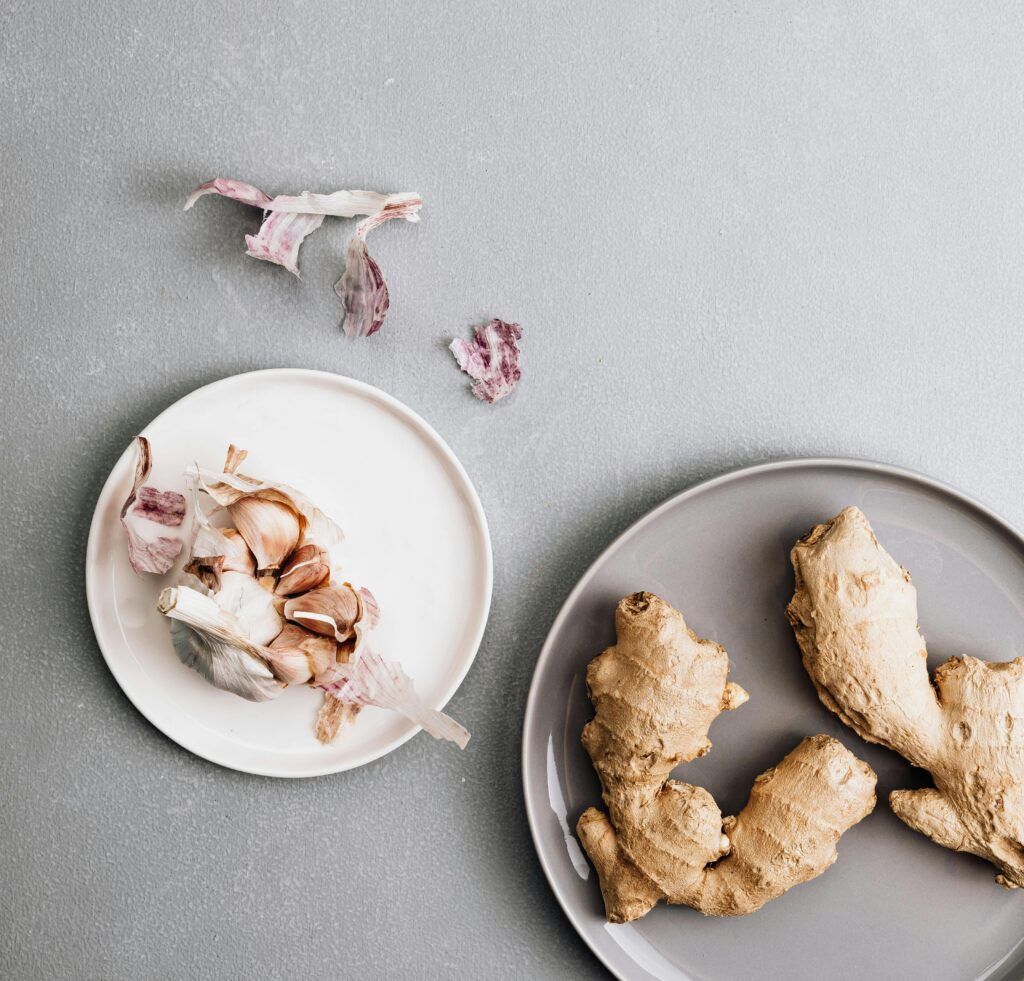
· Ginger-garlic paste: Foundational flavor base; prepared fresh or commercially
· Tempering (tadka): Fresh or dried ginger added to hot oil at cooking commencement
· Chai: Fresh ginger simmered with tea, milk, and spices
· Pickles: Fresh ginger in oil-based and vinegar-based preparations
· Dried ginger (saunth): Used in spice blends and digestive preparations
Ginger appears in countless dishes, from Asian stir-fries to Caribbean beverages. Learn how healthy lifestyle habits can help you make the most of nutrient-rich ingredients like ginger
East Asian Cuisine (China, Japan, Korea)
· Stir-fries: Thinly julienned or sliced fresh ginger
· Dim sum: Pickled ginger (gari) served with sushi; fresh ginger in dumplings
· Soups and broths: Whole slices removed before serving; infused flavor
· Marinades: Ginger, soy, garlic, and sesame oil combinations
· Tea: Fresh ginger steeped in hot water; often sweetened
Southeast Asian Cuisine (Thailand, Indonesia, Malaysia)
· Curry pastes: Essential component of Thai yellow and red curry pastes
· Tom yum and tom kha: Sliced galangal (related species) and fresh ginger variations
· Sambal: Fresh ginger in some chili paste preparations
· Beverages: Ginger tea, ginger lemonade, bandrek (Indonesian ginger drink)
Ginger in Other Global Cuisines
Caribbean and Latin American Traditions
· Jamaican cuisine: Fresh ginger in jerk seasonings, beverages (ginger beer), and stews
· Peruvian cuisine: Ginger in various preparations; Japanese-Peruvian fusion applications
· Mexican cuisine: Fresh ginger in some regional preparations; pickled ginger accompaniments
European and Western Applications
· Baking: Ground ginger in gingerbread, gingersnaps, spice cakes, and cookies
· Preserves: Candied ginger, crystallized ginger, ginger preserves
· Beverages: Ginger ale, ginger beer, mulled wine, cocktail syrups
· Contemporary cuisine: Ginger in salad dressings, marinades, sauces, and fusion preparations
Practical Culinary Applications
Simple Daily Uses
Application Method Quantity Guide
Ginger tea Steep 5-6 thin slices in hot water 5-10 minutes 1-2g fresh per cup
Stir-fry base Mince or julienne; add to hot oil first 1-2 tsp per serving
Smoothies Add small piece fresh or frozen 1cm cube per serving
Marinades Grate or mince; combine with soy, garlic, oil 1-2 tsp per recipe
Salad dressing Microplane; whisk with oil, vinegar, honey 1/2-1 tsp per 1/4 cup
Oatmeal/yogurt Finely grate or use crystallized 1/4-1/2 tsp fresh
Vegetable dishes Add to roasted carrots, sweet potatoes, squash 1 tsp per serving
Flavor Pairing Guidelines
Ginger pairs effectively with:
· Proteins: Chicken, fish, pork, beef, tofu
· Vegetables: Carrots, sweet potatoes, winter squash, leafy greens, mushrooms
· Fruits: Lemon, lime, orange, pear, apple, pineapple, mango
· Herbs and spices: Garlic, turmeric, cinnamon, cardamom, coriander, chili, lemongrass, mint
· Sweeteners: Honey, maple syrup, brown sugar, palm sugar
· Bases: Soy sauce, coconut milk, sesame oil, rice vinegar
—
Section 5: Scientific Research Landscape
Overview of Ginger Research
Ginger has been extensively studied across multiple scientific disciplines, including analytical chemistry, food science, and nutritional research. This section provides an educational overview of research themes and methodological considerations.
Researchers study ginger’s compounds and their potential effects on the body. Discover how morning exercise routines can complement a nutrient-rich diet for better overall health
Major Research Areas
Research Domain Focus Areas Evidence Level
Phytochemistry Compound identification, quantification, species variation Well-established
Food science Antimicrobial effects, food preservation applications Substantial
Analytical methods Authentication, quality control, standardization Well-developed
Nutritional research Human intervention studies, biomarker measurement Growing, methodologically limited
Nausea and Vomiting Research
The most extensively studied area of ginger research involves various forms of nausea. Multiple systematic reviews have examined this literature:
· Pregnancy-related nausea: Several randomized trials have examined ginger for nausea and vomiting during pregnancy. Evidence quality varies; professional obstetrics guidelines provide context for clinical application.
· Motion sickness: Mixed findings; some studies report reduced symptoms, others no significant difference from placebo.
· Post-operative nausea: Limited studies with varying methodologies; inconsistent results.
· Chemotherapy-induced nausea: Insufficient evidence; not recommended in oncology guidelines.
Methodological considerations:
· Significant heterogeneity in dosing (250mg to 2g daily)
· Variable formulations (fresh, dried, extract, standardized compounds)
· Small sample sizes in most studies
· Placebo-controlled design challenges with sensory characteristics
Inflammation and Pain Research
Osteoarthritis Studies
Several randomized controlled trials have examined ginger extracts in osteoarthritis populations:
· Study duration: Typically 6 weeks to 6 months
· Outcome measures: Pain scales, functional assessments, inflammatory markers
· Findings: Some studies report modest symptomatic improvement; others show no significant difference from placebo
· Effect size: Small to moderate where reported; clinical significance debated
· Limitations: High dropout rates, variable extract standardization, industry funding in some studies
Professional rheumatology guidelines do not include ginger as a recommended osteoarthritis treatment.
Muscle Pain Research
· Exercise-induced muscle pain: Several studies have examined ginger supplementation before and after eccentric exercise
· Reported findings: Some studies report modest reductions in pain scores; effects appear small and inconsistent
· Dosing: Typically 2g daily of ground or heated ginger
· Timing: Pre-exercise and post-exercise administration protocols studied
Metabolic Parameter Research
Glycemic Marker Studies
· Observational research: Limited dietary pattern analyses
· Intervention trials: Small, short-term studies examining fasting glucose, insulin, and HbA1c
· Systematic reviews: Mixed findings; significant heterogeneity precludes definitive conclusions
· Consensus: Current evidence insufficient to support therapeutic recommendations
Lipid Parameter Studies
Similar methodological limitations and inconsistent findings characterize the lipid literature. Professional lipid management guidelines do not include ginger.
Research Limitations and Knowledge Gaps
Critical evaluation of the ginger literature reveals substantial limitations:
Limitation Research Impact
Small sample sizes Underpowered studies; unstable estimates
Short duration Cannot assess long-term effects or safety
Heterogeneous products Fresh, dried, extracts, standardized compounds—not comparable
Variable dosing Range: 100mg to 3g+ daily; no established dose-response
Bioavailability questions Limited human data on compound absorption and metabolism
Publication bias Likely; typical for nutritional supplement research
Industry funding Some studies disclose, others do not
Mechanistic gap Human physiological pathways not clearly established
—
Section 6: Safety, Regulatory Status, and Consumer Considerations
Regulatory Classification
· United States (FDA): Generally Recognized as Safe (GRAS) for intended use as food
· European Union: Permitted food ingredient; no specific restrictions for culinary use
· Codex Alimentarius: International food standards include ginger specifications
· Dietary supplements: Regulated as foods, not medications; do not require pre-market efficacy approval
Safety Profile for Culinary Use
When consumed as a food ingredient in typical culinary quantities, ginger has an extensive history of safe use across diverse populations.
General Population Considerations
· Well-tolerated in food amounts for most individuals
· Mild gastrointestinal effects occasionally reported with large quantities
· No established toxicity concerns for dietary use
Special Population Considerations
Population Considerations
Pregnancy Culinary amounts generally considered safe; supplemental doses should be discussed with obstetric provider
Gallbladder disease Theoretical concern; individuals should consult healthcare providers
Bleeding disorders Theoretical antiplatelet effects; insufficient clinical evidence; consultation advised
Medication interactions Limited case reports; individuals on anticoagulants should consult providers
Surgery Some anesthesiology guidelines suggest discontinuation of supplement doses 2 weeks prior; discuss with surgical team
Individual Variation
Responses to ginger—both sensory and physiological—vary substantially among individuals based on:
· Genetic factors: Taste receptor polymorphisms influence perception of pungency
· Dietary history: Regular consumption affects tolerance and preference
· Gastrointestinal sensitivity: Individual variation in mucosal sensitivity
· Metabolic factors: Gut microbiome composition may influence compound metabolism
· Health status: Underlying conditions affect individual considerations
—
Section 7: Evidence-Based Practice and Professional Guidance
Appropriate Role of Ginger in Health Contexts
Based on current evidence, ginger’s appropriate role is as a:
· Culinary ingredient contributing to dietary variety and enjoyment
· Flavor component reducing reliance on salt, sugar, and fat in some applications
· Cultural food with significance in diverse global traditions
· Subject of ongoing research requiring continued investigation
Ginger is not:
· A treatment for any medical condition
· A replacement for prescribed medications
· An established therapeutic intervention
· A substitute for professional medical care
Healthcare Provider Consultation
Qualified healthcare professionals serve essential functions:
· Accurate diagnosis using established clinical criteria
· Evidence-based treatment following practice guidelines
· Medication management with appropriate monitoring
· Individualized medical nutrition therapy
· Integration of patient preferences with clinical evidence
Health Literacy Considerations
Consumers evaluating ginger-related health information should consider:
· Source credibility: Peer-reviewed literature versus commercial claims
· Evidence hierarchy: Systematic reviews versus preliminary studies
· Financial disclosures: Industry funding transparency
· Regulatory status: Food ingredient versus approved medication
· Professional consensus: Mainstream medical organization positions
—
Section 8: Sustainability and Ethical Considerations
Agricultural Practices
· Conventional production: Significant pesticide and fertilizer use in some regions
· Organic cultivation: Growing segment; certification requirements vary
· Labor practices: Vary substantially by producing region and farm scale
· Fair trade options: Available from some sources; certification ensures minimum pricing
Environmental Impact
· Carbon footprint: Fresh ginger transported globally; air freight has highest emissions
· Packaging: Fresh ginger typically minimal packaging; processed forms require additional materials
· Seasonality: Available year-round globally; continuous production in tropical regions
Consumer Choices
Consumers seeking to align purchases with personal values may consider:
· Organic certification where available and affordable
· Regional sourcing to reduce transportation emissions
· Fair trade certification for ethical labor practices
· Minimal packaging to reduce waste
· Proper storage to minimize food waste at household level
—
Conclusion: Ginger’s Enduring Place in Global Food Culture
Ginger represents one of humanity’s most enduring and geographically widespread food ingredients. From its origins in Southeast Asia thousands of years ago to contemporary kitchens across every inhabited continent, this distinctive rhizome has maintained relevance through millennia of culinary evolution.
The scientific community’s sustained interest in ginger reflects both its complex phytochemistry and its prominence in global dietary patterns. Analytical chemistry has provided detailed characterization of its volatile and non-volatile constituents. Food science has explored its functional properties. Nutritional research has generated hypotheses that continue to be refined through increasingly rigorous methodology.
What emerges from this body of work is appreciation for ginger’s legitimate contributions to human nutrition and well-being—not as a therapeutic agent, but as a food ingredient that enhances dietary variety, provides sensory pleasure, and connects us to rich cultural traditions. Its appropriate context is the kitchen, where generations of cooks have intuitively understood its value.
As research continues through 2025 and beyond, our understanding of ginger will undoubtedly deepen. New analytical techniques may reveal previously unidentified compounds. Improved study designs may clarify which observations from preliminary research warrant continued investigation. Food science applications may expand. Yet the fundamental nature of ginger as a food—not a medicine—remains unchanged by scientific scrutiny.
For the home cook, this means continuing to appreciate ginger for what it has always been: a flavorful, versatile ingredient that makes food more enjoyable. For healthcare providers, it means maintaining evidence-based perspectives that distinguish between preliminary research and established therapeutic applications. For scientists, it means pursuing rigorous investigation that advances knowledge while acknowledging the limitations inherent in nutritional research.
And for all of us who cook and share meals, it means recognizing that ginger’s greatest value may ultimately be found not in laboratory assays or clinical measurements, but in the simple, universal pleasure of food that tastes good.
—
Disclaimer:
This content is for general informational and educational purposes only regarding ginger as a food ingredient, its botanical characteristics, phytochemical composition, culinary applications, and the current state of scientific research. It presents information based on analytical chemistry literature, food science research, and peer-reviewed nutritional studies but does not constitute medical, health, nutritional, or professional advice of any kind.
Ginger is a food ingredient, not a medication. It has not been approved by the U.S. Food and Drug Administration, European Medicines Agency, or any other regulatory authority for the treatment, prevention, or cure of any disease or medical condition. References to specific medical conditions (including nausea, osteoarthritis, inflammatory conditions, diabetes, and cardiovascular disease) are provided solely to describe the scope of scientific research and do not imply therapeutic efficacy or clinical recommendations.
Individual responses to foods and dietary constituents vary substantially based on genetics, health status, medication use, and numerous other factors. Dietary supplement uses of ginger are distinct from culinary applications and are not addressed in this article. Individuals with medical conditions, those who are pregnant or nursing, those taking prescription medications, and individuals considering ginger supplementation should consult qualified healthcare professionals for personalized guidance.
Never discontinue prescribed medications, alter medication dosages, or delay seeking medical treatment based on information presented in this article. Always consult physicians, registered dietitians, or other appropriate healthcare providers for medical advice, diagnosis, and treatment.
This information is current as of 2025 and will require updating as new research emerges and scientific understanding evolves.