
—
Introduction: Turmeric’s Place in Contemporary Kitchens
Turmeric (Curcuma longa) is a rhizomatous plant from the Zingiberaceae family, which includes ginger and cardamom. Native to South and Southeast Asia, this vibrant yellow-orange spice has been used for centuries in culinary traditions, cultural ceremonies, and textile dyeing. Today, it remains a staple ingredient in households worldwide, valued for its warm, earthy flavor and the golden hue it brings to rice, curries, soups, and beverages.
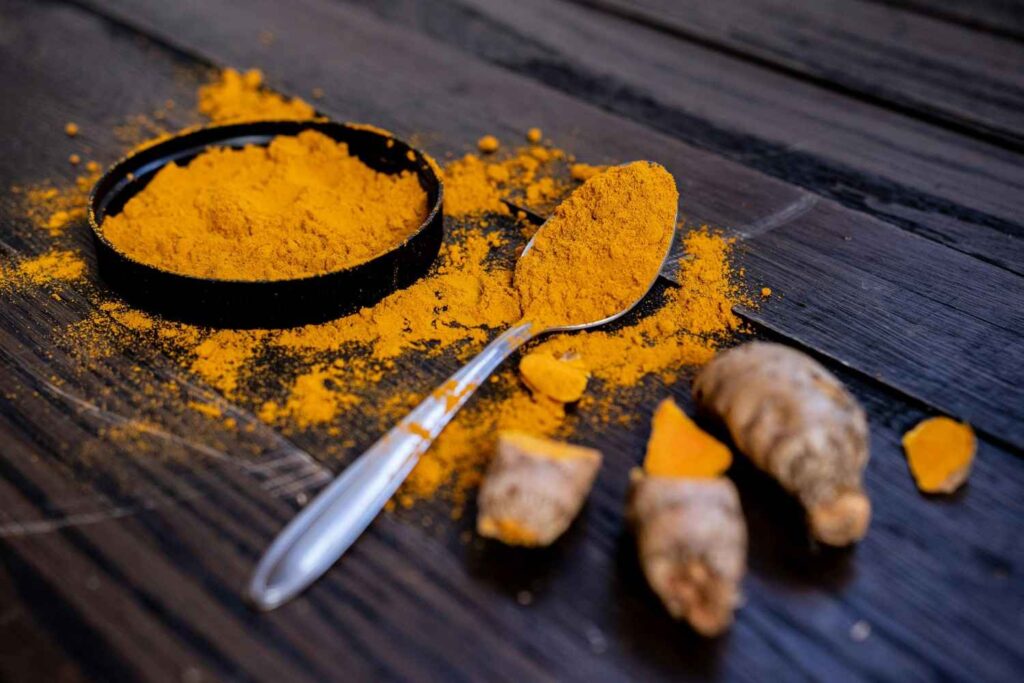
Turmeric is a vibrant yellow spice used for centuries in cooking across South Asia and beyond. To understand how other spices support health, read our guide on food sources of key nutrients like vitamin D, magnesium, and zinc
As we move through 2025, turmeric continues to attract interest from food scientists and culinary professionals. Researchers study its chemical composition, food manufacturers explore its potential as a natural colorant, and home cooks experiment with new ways to incorporate it into everyday meals. This guide provides a balanced, evidence-based overview of turmeric—focusing entirely on its role as a food ingredient, its flavor profile, proper storage and selection, and its place in diverse culinary traditions.
All information presented here is for educational purposes. Turmeric is a food, not a medicine, and should be enjoyed as part of a varied and balanced diet.
—
Section 1: Botanical Background and Agricultural Context
The Turmeric Plant: Origins and Cultivation
Turmeric is a herbaceous perennial that thrives in tropical and subtropical climates. It requires warm temperatures, consistent rainfall, and well-drained soil to grow successfully.
Plant Characteristics and Growth Cycle
· Plant height: Typically 60–100 centimeters
· Leaves: Broad, lance-shaped, bright green, reaching 30–45 centimeters in length
· Flowers: Pale yellow to white, emerging from separate inflorescence stalks
· Rhizome: The harvested portion; consists of a central mother rhizome and multiple finger-like secondary rhizomes
· Interior color: Ranges from deep orange to golden yellow, varying by variety
· Harvest timing: Usually 7–9 months after planting, when leaves begin to yellow
Major Producing Regions
Country Production Share Notes
India 75–80% Largest global producer; major varieties include Alleppey, Madras, Erode
Bangladesh 5–8% Significant regional cultivation
China 3–5% Growing export market
Myanmar, Indonesia, Thailand 2–4% each Traditional growing regions
Pakistan, Nepal, Sri Lanka 1–2% each Distinct local varieties
Harvest and Processing Methods
· Curing: Fresh rhizomes are boiled or steamed to gelatinize starch, reduce drying time, and develop characteristic color
· Drying: Sun-dried traditionally or mechanically dehydrated to 8–10% moisture
· Polishing: Optional process that removes the rough outer layer for visual appeal
· Grinding: Milled to various particle sizes; finer grinds are commonly used in culinary applications
· Storage: Whole dried turmeric retains flavor longer than ground; both should be kept in airtight containers away from light and heat
—
Section 2: Phytochemical Composition and Sensory Characteristics
What Gives Turmeric Its Distinctive Properties?
Turmeric contains a range of naturally occurring compounds that contribute to its color, aroma, and flavor. These have been extensively characterized by food chemists and are well-documented in scientific literature.
Curcuminoids: The Color Compounds
The yellow-orange pigment of turmeric comes from a group of polyphenolic compounds known as curcuminoids. These include:
· Curcumin: The primary pigment, responsible for 75–80% of the curcuminoid content
· Demethoxycurcumin: Accounts for approximately 15–20%
· Bisdemethoxycurcumin: Present in smaller amounts, typically 3–5%
The concentration of curcuminoids in dried turmeric rhizome generally ranges from 2–8%, depending on variety, growing conditions, and processing methods.
Volatile Oil Components
Turmeric’s warm, earthy aroma comes from its volatile oil fraction, which makes up 3–7% of the dried rhizome. Key compounds include:
· Ar-turmerone: 20–30% of the volatile fraction
· α-turmerone and β-turmerone: Sesquiterpenes that contribute to the characteristic scent
· Zingiberene: Also found in ginger, adds subtle spicy notes
· β-caryophyllene: A sesquiterpene present in many herbs and spices
Other Naturally Occurring Constituents
· Carbohydrates: 60–70%, primarily starch
· Protein: 6–8%
· Fiber: 5–7%
· Minerals: Potassium, magnesium, phosphorus, and calcium in small amounts
· Vitamins: Trace amounts of niacin, vitamin C, and vitamin E
Factors That Influence Composition
The chemical profile of turmeric varies significantly based on:
· Plant variety and genetic factors
· Geographical origin and soil conditions
· Harvest timing and maturity
· Curing and drying methods
· Storage duration and conditions
—
—
Section 3: Selecting, Storing, and Handling Turmeric
Choosing Quality Turmeric for Everyday Cooking
Fresh Turmeric Selection
Fresh turmeric is increasingly available in grocery stores and specialty markets. When selecting fresh rhizomes:
· Appearance: Look for firm, unshriveled roots with smooth, taut skin
· Color: Vibrant orange interior when cut or scraped
· Aroma: Fresh, earthy, slightly gingery scent; avoid musty or fermented smells
· Texture: Should feel dense and heavy for size
Fresh turmeric can be stored:
· Room temperature: 3–7 days in a cool, dry place
· Refrigerator: 2–4 weeks when wrapped in paper towel in a perforated bag
· Freezer: 6–12 months when washed, dried, and stored whole or grated in airtight containers
Ground Turmeric Selection
· Color: Bright golden-yellow to deep orange; dull brown indicates age or poor quality
· Aroma: Immediate earthy release when the container is opened
· Texture: Fine, free-flowing powder; clumping suggests moisture exposure
· Packaging: Opaque, airtight containers are preferable to transparent packaging
Ground turmeric maintains optimal flavor for 6–12 months when stored properly in a cool, dark pantry. Whole dried turmeric can last 2–3 years.
Culinary Preparation Techniques
Using Fresh Turmeric
· Peeling: Thin skin can be scraped with a spoon; young turmeric may not require peeling
· Grating: A microplane produces fine pulp ideal for teas, dressings, and marinades
· Staining note: Turmeric intensely stains porous surfaces, plastics, and textiles
Cooking with Ground Turmeric
· Blooming: Briefly heating turmeric in oil or fat (30–60 seconds) before adding liquids enhances its flavor and color dispersion
· Layering: Add small amounts early in cooking for depth; additional turmeric can be stirred in toward the end for brighter color
· Pairing: Black pepper is commonly used alongside turmeric in many culinary traditions
—
Section 4: Culinary Applications Across Global Cuisines
Traditional and Contemporary Uses
South Asian Culinary Traditions
Turmeric is a foundational ingredient in the cuisines of India, Pakistan, Bangladesh, and Sri Lanka:
· Curry powders and pastes: Provides golden color and earthy base notes
· Vegetable preparations (sabzi): Added during tempering or as a dry seasoning
· Lentil dishes (dal): Integral to the tadka (tempering) in many regional recipes
· Rice dishes: Imparts yellow hue to pulaos, biryanis, and lemon rice
· Pickles and preserves: Valued in traditional food preservation methods
· Daily cooking: Used in small quantities in everyday home meals across the subcontinent
Turmeric is used in countless traditional dishes, from curries to rice to soups. Discover how healthy lifestyle habits can help you make the most of nutrient-rich foods like turmeric
Southeast Asian Applications
· Thai cuisine: Included in yellow curry paste and some coconut-based soups
· Indonesian cuisine: Used in rendang, gulai, and various sambal preparations
· Malaysian cooking: Featured in nasi kuning (yellow rice) and curry dishes
Middle Eastern and North African Uses
· Moroccan cuisine: Occasionally used in preserved lemon preparations and tagines
· Iranian cooking: Added to rice dishes and herb-based preparations
· Yemeni cuisine: Included in spice blends and meat dishes
Contemporary Western and Fusion Applications
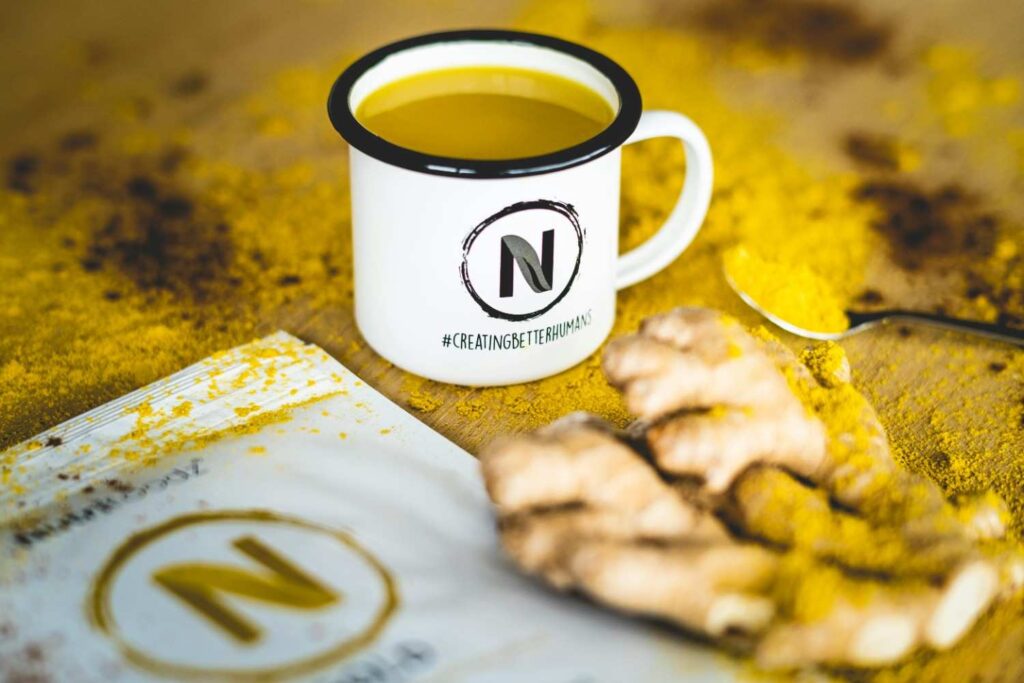
· Golden milk: A warm beverage made with turmeric, milk (dairy or plant-based), and sweetener
· Smoothies and juices: Small amounts added to fruit and vegetable blends
· Salad dressings: Emulsified with oil, vinegar, and sweeteners
· Roasted vegetables: Tossed with oil and turmeric before roasting
· Rice and grain dishes: Adds color and subtle earthiness to quinoa, couscous, and rice
· Plant-based cooking: Used as a natural yellow colorant in vegan cheese and sauces
Flavor Pairing Guidelines
Turmeric’s earthy, slightly bitter, and subtly peppery profile pairs effectively with:
Category Pairings
Spices Black pepper, cumin, coriander, mustard seed, ginger, cardamom, cinnamon
Herbs Curry leaves, cilantro, mint, lemongrass
Aromatics Garlic, onion, shallot, ginger
Proteins Chicken, lamb, fish, lentils, chickpeas, tofu
Vegetables Cauliflower, potato, spinach, carrots, winter squash
Fats Coconut milk, ghee, butter, vegetable oils
Acids Lime, lemon, tamarind, yogurt
—
—
Section 5: Scientific Research Overview
What Food Science Research Examines
Turmeric and its curcuminoids have been the subject of extensive analytical and food science research. This section summarizes the scope of scientific investigation—not medical claims or therapeutic recommendations.
Food scientists study turmeric’s chemical composition and its behavior in cooking. Learn how morning exercise routines can complement a nutrient-rich diet for better overall health
Analytical Chemistry
Food chemists have developed and validated methods to:
· Identify and quantify curcuminoids in turmeric samples
· Distinguish between turmeric varieties based on chemical markers
· Assess quality parameters such as curcumin content and volatile oil profile
· Detect adulteration and verify authenticity
Food Science Applications
Researchers study turmeric’s functional properties in food systems:
· Natural colorants: Curcumin is used as a yellow food coloring (E100) in various products
· Stability studies: Examining how curcuminoids degrade under light, heat, and pH changes
· Encapsulation technologies: Methods to improve color stability and water dispersion
· Antimicrobial effects: Laboratory studies on food preservation applications
Bioavailability Research
A substantial body of pharmaceutical and nutritional science research has examined how curcumin is absorbed, distributed, metabolized, and excreted. Key findings include:
· Curcumin has low aqueous solubility, which limits its absorption
· Various formulation strategies have been investigated to improve bioavailability
· Piperine (from black pepper) has been shown in some studies to increase absorption
This research is relevant to supplement development and pharmaceutical applications, not to the culinary use of turmeric as a spice.
Research Limitations
Important considerations when evaluating turmeric research:
· Most clinical studies use turmeric extracts or curcumin isolates, not dietary turmeric
· Doses studied are often much higher than amounts consumed in food
· Bioavailability findings do not translate to therapeutic recommendations
· Individual responses to supplements vary significantly
—
Section 6: Safety and Regulatory Information
Regulatory Status
· United States (FDA): Turmeric is Generally Recognized as Safe (GRAS) for use as a food, spice, and coloring agent
· European Union: Permitted food ingredient; curcumin (E100) is an approved food additive
· Codex Alimentarius: International food standards include specifications for turmeric
Safety Considerations for Culinary Use
When consumed as a spice in typical food amounts, turmeric has a long history of safe use across diverse populations.
General Population Considerations
· Well-tolerated in food quantities for most individuals
· No established toxicity concerns for dietary use
· Temporary staining of hands, utensils, and surfaces is normal
Individual Considerations
As with any food, individual responses vary. Some people may:
· Have allergic reactions or sensitivities (rare)
· Experience mild digestive discomfort when consuming very large amounts
· Prefer to limit intake based on personal tolerance
Special Population Considerations
· Pregnancy and lactation: Culinary amounts are generally considered safe
· Gallbladder conditions: Individuals with specific health concerns should consult their healthcare provider
· Medication interactions: Theoretical concerns are based on supplement research, not dietary use
—
Section 7: Common Questions About Turmeric
General Information
Is fresh turmeric better than ground?
Both forms have their place in cooking. Fresh turmeric has a brighter, slightly gingery flavor, while ground turmeric is more concentrated and convenient. The choice depends on the recipe and personal preference.
Does turmeric need to be cooked?
Not necessarily. Raw turmeric can be grated into salads or smoothies. However, heating turmeric in oil or fat can enhance its flavor and help disperse its color more evenly in dishes.
Why is black pepper often paired with turmeric?
In many culinary traditions, black pepper is used alongside turmeric for flavor balance. The combination is common in South Asian and Southeast Asian cooking.
How can I avoid turmeric stains?
Clean surfaces immediately with soap and water. For skin, a paste of baking soda and water can help remove stains. Using stainless steel or glass utensils rather than plastic reduces permanent staining.
—
Conclusion: Turmeric as a Culinary Ingredient
Turmeric is a distinctive, flavorful spice that has been used in kitchens around the world for centuries. Its warm, earthy taste and vibrant golden color make it a versatile ingredient in both traditional and contemporary cooking. From lentil soups and rice dishes to roasted vegetables and plant-based beverages, turmeric adds depth, complexity, and visual appeal to a wide range of meals.
For home cooks, understanding how to select, store, and prepare turmeric allows for more confident and creative use of this pantry staple. Whether you prefer fresh rhizomes or ground powder, a little turmeric can go a long way in transforming simple ingredients into satisfying, colorful dishes.
Like all foods, turmeric is best appreciated as one component of a varied and balanced diet. No single ingredient defines healthy eating—but turmeric, used thoughtfully, can certainly make healthy eating more enjoyable.
—
Disclaimer:
This content is for general informational and educational purposes only regarding turmeric as a food ingredient. It presents information about botanical characteristics, chemical composition, culinary applications, and food science research. This content does not constitute medical, health, nutritional, or professional advice of any kind.
Turmeric is a food spice, not a medication. It has not been approved by any regulatory authority for the treatment, prevention, or cure of any disease or medical condition. Information about curcuminoids and bioavailability is provided for educational context about food composition and food science research.
Individual responses to foods vary significantly based on genetics, dietary patterns, health status, and other factors. Always consult qualified healthcare professionals for personalized dietary and health guidance. Never disregard professional medical advice or delay seeking treatment because of information presented in this article.
This information is current as of 2025 and will require updating as new research emerges and scientific understanding evolves.