

Introduction: Understanding Shilajit in Traditional and Modern Contexts
Shilajit, a complex mineral-organic substance found primarily in Himalayan and other mountain regions, has been part of traditional medicine systems for centuries. As we enter 2025-2026, this ancient substance continues to attract attention in both traditional wellness practices and contemporary scientific research. This comprehensive guide provides detailed information about shilajit’s characteristics, traditional uses, current scientific understanding, safety considerations, and quality assessment methods. shilajit complete guide uses safety identification
Shilajit is a mineral-rich substance used for centuries in traditional wellness practices. To understand how other natural substances support health, read our guide on turmeric in modern nutrition
It is important to approach shilajit information with balanced perspective, recognizing its long history in Ayurvedic and other traditional systems while understanding the current state of scientific research. This article aims to provide factual information to support informed decision-making, emphasizing that shilajit should not replace conventional medical treatments and requires careful consideration regarding quality, sourcing, and individual health circumstances.
What Is Shilajit: Origins and Composition
Geological and Biological Origins
Shilajit forms over centuries through complex geological and biological processes in specific mountain regions.
Formation Process and Sources
· Geological Context: Primarily found in Himalayan ranges (India, Nepal, Tibet), Altai Mountains, Caucasus, and Andes at altitudes between 1,000-5,000 meters
· Formation Mechanism: Result of long-term decomposition of plant material and microbial action within rock crevices, compressed under geological pressure
· Collection Methods: Traditionally gathered during summer months when warmer temperatures cause resinous exudation from rock surfaces
· Regional Variations: Different geographical sources yield varying compositions and characteristics, with Himalayan shilajit being most extensively studied
Chemical Composition and Active Components
Scientific analysis has identified numerous constituents in shilajit samples, though composition varies significantly by source and processing.
Major Constituent Categories
· Fulvic and Humic Acids: Typically comprise 60-80% of purified shilajit, with fulvic acid content particularly emphasized in traditional systems
· Mineral Content: Contains numerous minerals and trace elements including iron, copper, zinc, magnesium, and selenium in bioavailable forms
· Organic Compounds: Includes dibenzo-α-pyrones, small peptides, phenolic lipids, and various plant-derived phytochemicals
· Microbial Metabolites: Contains compounds resulting from microbial transformation during long formation periods
Traditional Uses and Historical Context
Ayurvedic Classification and Applications
In Ayurvedic medicine, shilajit holds specific classification and recommended applications based on centuries of traditional use.
Ayurvedic Properties and Indications
· Classification: Considered a “rasayana” (rejuvenator) and adaptogen in traditional Ayurvedic texts
· Preparation Methods: Traditionally purified through specific processes before use to remove impurities
· Formulation Use: Often combined with other herbs in traditional compound formulations rather than used alone
Other Traditional Medicine Systems
Shilajit appears in various traditional healing systems beyond Ayurveda with differing conceptual frameworks.
Cross-Cultural Traditional Use
· Traditional Tibetan Medicine: Known as “brag zhun” and incorporated into various formulations
· Central Asian Traditions: Used in folk medicine practices in regions where it naturally occurs
· Historical Documentation: References in ancient Sanskrit texts and traditional medical manuscripts
· Cultural Significance: Considered valuable substance in regions where it is traditionally harvested
Current Scientific Research and Evidence
Laboratory and Preclinical Studies
Numerous in vitro and animal studies have investigated potential biological activities of shilajit components.
Researchers have studied shilajit’s mineral content and potential biological activities. Learn more about essential minerals in our guide on food sources of key nutrients.”
Research Areas and Methodological Considerations
· Antioxidant Properties: Multiple laboratory studies demonstrate antioxidant activity in cell-free systems and cellular models
· Anti-inflammatory Effects: Some preclinical research suggests modulation of inflammatory pathways in animal models
· Cognitive Function Studies: Limited animal research examines potential effects on memory and learning behaviors
· Energy Metabolism: Laboratory investigations of mitochondrial function and cellular energy production
· Research Limitations: Most studies use extracts rather than whole shilajit, and concentrations often exceed typical human consumption levels
Human Clinical Research Status
Human studies on shilajit remain limited in scale and scope, with most research conducted in specific populations.
Published Clinical Investigations
· Study Scale and Design: Majority of human studies involve small sample sizes (typically 30-100 participants) and relatively short durations
· Population Specificity: Many studies conducted in specific demographic groups (age, health status, geographical location)
· Outcome Measures: Varied endpoints including subjective reports, biochemical markers, and performance measures
· Quality Variation: Significant differences in study design quality, shilajit sourcing, and methodological rigor
Safety Considerations and Potential Concerns
Known Safety Profile and Adverse Effects
Current evidence regarding shilajit safety comes from traditional use patterns and limited clinical observations.
Documented Safety Information
· Traditional Safety Perspective: Centuries of traditional use suggest general tolerance when properly purified and dosed appropriately
· Reported Adverse Effects: Limited reports of gastrointestinal discomfort, allergic reactions, or interactions in susceptible individuals
· Heavy Metal Contamination: Significant concern regarding potential lead, arsenic, or other heavy metal content in improperly sourced products
· Microbial Contamination: Risk of bacterial or fungal contamination in poorly processed materials
Specific Population Considerations
Certain individuals may require particular caution regarding shilajit use based on health status or circumstances.
Special Population Precautions
· Pregnancy and Lactation: Insufficient safety data; typically avoided in these populations due to precautionary principle
· Pre-existing Health Conditions: Individuals with kidney disorders, gout, or specific metabolic conditions may require particular caution
· Medication Interactions: Theoretical potential for interactions with certain pharmaceuticals, though limited specific documentation
· Surgical Considerations: Possible effects on bleeding or anesthesia; typically discontinued before planned procedures
Quality Assessment and Product Selection
Authenticity Verification Methods
Determining shilajit authenticity and quality requires multiple assessment approaches given significant adulteration concerns.
Physical and Chemical Assessment
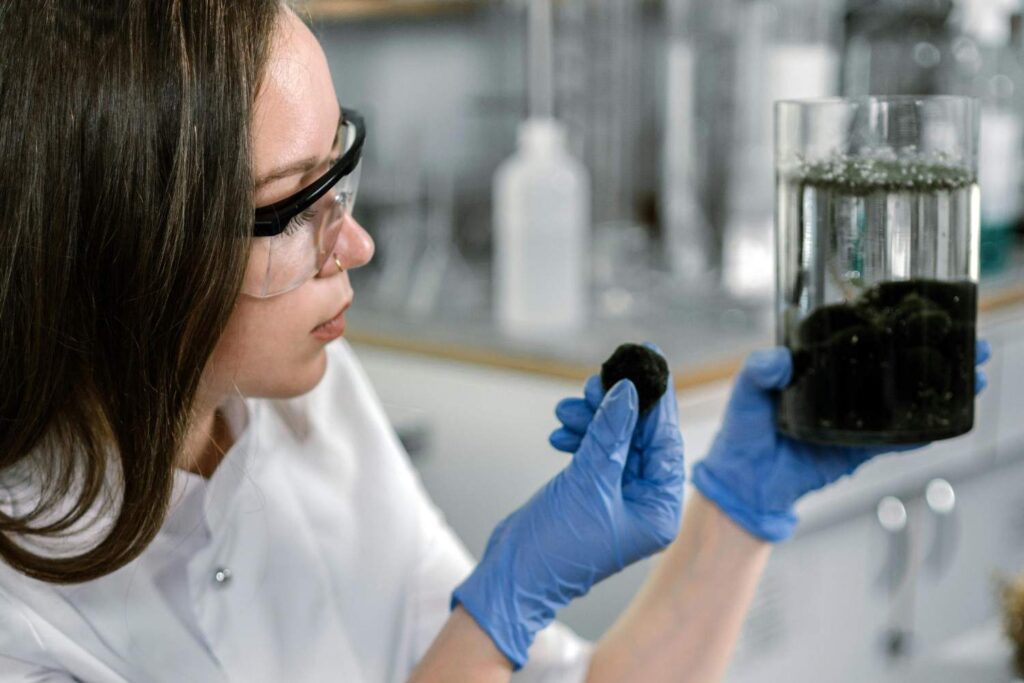
· Solubility Testing: Authentic shilajit typically dissolves in warm water, leaving minimal residue
· Burn Test: Pure shilajit burns with characteristic aroma and leaves minimal ash
· Laboratory Analysis: Third-party testing for heavy metals, microbial contamination, and key marker compounds
· Texture and Appearance: Genuine resin has specific plasticity, color variation, and aromatic characteristics
Sourcing and Processing Considerations
Product quality depends significantly on geographical source, harvesting practices, and processing methods.
Quality Determinant Factors
· Geographical Origin: Different regions produce shilajit with varying composition; Himalayan sources most extensively studied
· Harvesting Ethics: Sustainable harvesting practices versus destructive collection methods affecting local ecosystems
· Purification Processes: Traditional versus modern purification methods affecting final product composition
· Standardization Practices: Some manufacturers standardize fulvic acid content or specific marker compounds
Contemporary Usage Patterns and Considerations
Modern Consumption Methods and Forms
Shilajit is available in various formulations with differing characteristics and considerations.
Available Product Forms
· Raw Resin: Least processed form requiring dissolution before consumption
· Powdered Extract: Processed and dried form, typically standardized for specific components
· Capsules and Tablets: Encapsulated forms offering precise dosing and convenience
· Liquid Extracts: Dissolved forms potentially offering enhanced bioavailability
· Combination Products: Formulated with other herbs or nutrients in proprietary blends
Dosage Considerations and Administration
Traditional and contemporary usage suggests varying dosage approaches with important considerations.
Usage Guidelines and Timing
· Traditional Recommendations: Ayurvedic texts suggest specific dosing protocols based on individual constitution and purpose
· Modern Product Labeling: Commercial products provide manufacturer recommendations, which vary significantly
· Administration Methods: Typically consumed dissolved in warm liquid (water, milk) or taken with meals
· Duration of Use: Traditional practices often recommend cyclical use rather than continuous long-term administration
Regulatory Status and Consumer Protection
Global Regulatory Frameworks
Shilajit exists in varying regulatory categories across different jurisdictions with implications for quality assurance.
Regulatory Classifications
· Dietary Supplement Category: Classified as dietary supplement in United States under DSHEA regulations
· Traditional Medicine Recognition: Recognized within traditional medicine frameworks in India and some other countries
· Quality Standards: Varying standards regarding heavy metal limits, microbial contamination, and labeling requirements
· Adulteration Concerns: Significant market issues with adulterated, contaminated, or misrepresented products
Consumer Protection Considerations
Navigating the shilajit marketplace requires awareness of quality issues and verification methods.
Purchasing Guidance
· Third-Party Testing: Products with independent laboratory verification of purity and composition
· Transparent Sourcing: Manufacturers providing specific geographical origin and harvesting information
· Manufacturing Standards: Production in facilities following Good Manufacturing Practices (GMP)
· Company Reputation: Established manufacturers with transparent business practices and customer support
Integrative Perspectives and Professional Guidance
Complementary and Integrative Approaches
Shilajit may be considered within broader wellness approaches with appropriate professional guidance.
Before starting any supplement, it’s essential to consult a healthcare provider. Discover how healthy lifestyle habits can support your overall wellness alongside any supplements.”
Integrative Considerations
· Complementary Role: May serve as complementary approach alongside conventional healthcare when appropriately integrated
· Holistic Context: Traditional systems typically consider shilajit within complete lifestyle and dietary approaches
· Individual Assessment: Traditional Ayurvedic practice involves individual constitution assessment before recommendation
· Monitoring Approach: Regular assessment of effects and adjustment as needed under professional supervision
Healthcare Professional Consultation
Engaging qualified healthcare providers is essential when considering shilajit or any supplement.
Professional Guidance Importance
· Medical History Review: Healthcare providers can assess individual health status and potential contraindications
· Medication Interaction Assessment: Evaluation of potential interactions with prescribed medications
· Monitoring Protocol: Establishing appropriate monitoring for effects and potential adverse reactions
· Integration Planning: Developing coherent approach that integrates traditional and conventional perspectives appropriately
Conclusion: Informed Decision-Making Approach
Shilajit represents a fascinating intersection of traditional wisdom and contemporary scientific inquiry. As research continues through 2025-2026, our understanding of this complex substance will likely evolve, potentially clarifying its appropriate applications and mechanisms of action within modern health contexts.
For individuals considering shilajit, current evidence suggests several important considerations: prioritizing product quality and purity through rigorous verification, understanding the limited scope of current human research, recognizing significant individual variation in response, and most importantly, integrating any supplement decision within comprehensive healthcare guidance from qualified professionals.
The traditional legacy of shilajit deserves respect for its historical significance and potential value, while modern scientific standards appropriately demand rigorous evidence and safety assurance. Navigating between these perspectives requires balanced, informed approach that honors traditional knowledge while applying contemporary standards of safety and efficacy evaluation.
Disclaimer: This content is for general informational and educational purposes only regarding shilajit’s traditional uses, current research, and safety considerations. It does not constitute medical, health, or professional advice. Shilajit is a dietary supplement, not a medicine, and should not be used to diagnose, treat, cure, or prevent any disease. Individual health conditions, medications, and circumstances vary significantly. Always consult qualified healthcare professionals before starting any supplement, including shilajit. Never discontinue prescribed medications or replace conventional medical treatments with supplements without medical supervision. This information represents current understanding as of 2025-2026 and is subject to change as new research emerges.