
Introduction: The Enduring Legacy of Olive Oil
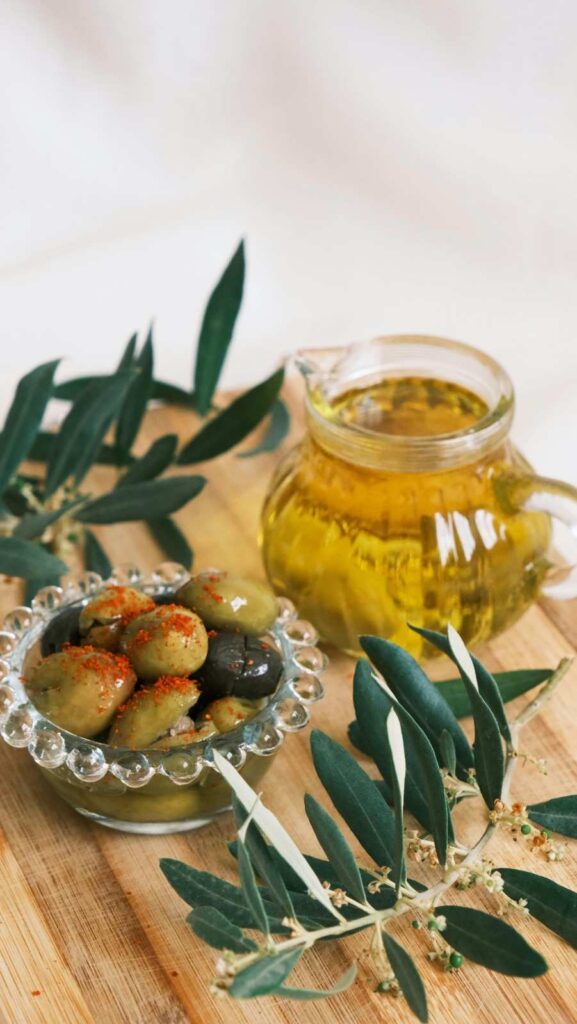
Olive oil, known in many regions as zaitoon oil, has been a cornerstone of Mediterranean culinary traditions and cultural practices for thousands of years. As we enter 2025, this ancient food continues to hold a significant place in global kitchens, nutritional discussions, and lifestyle practices. This comprehensive guide examines olive oil from multiple perspectives: understanding different quality grades, proper storage techniques, culinary applications, and its role in various dietary patterns based on current scientific and culinary knowledge. olive oil zaitoon oil uses quality guide
Olive oil has been a cornerstone of Mediterranean cooking for thousands of years, valued for its flavor and versatility. To understand how other healthy fats compare, read our guide on walnuts nutrition and uses
The global olive oil market has expanded dramatically, with consumers now having access to numerous varieties, origins, and quality levels. Navigating this landscape requires understanding fundamental concepts about olive oil production, quality indicators, and appropriate usage scenarios. This article provides evidence-based information to help readers make informed decisions about the selection, storage, and incorporation of olive oil into daily life.
Understanding Olive Oil Grades and Quality Standards
The Olive Oil Production Process
Olive oil production involves several key stages that influence final quality and characteristics. Understanding this process provides context for different oil grades and their properties.
Harvesting and Processing Methods
· Harvest Timing: Early harvest typically yields more robust, peppery oils with higher antioxidant content, while later harvest produces milder, fruitier oils
· Processing Approaches: Traditional stone milling versus modern centrifugal extraction affects oil characteristics and preservation of natural compounds
· Temperature Control: Cold pressing (extraction below 27°C/80°F) helps preserve delicate aromas and nutritional components
· Time Considerations: Rapid processing after harvesting minimizes oxidation and quality degradation
Official Quality Classifications and Standards
International organizations, including the International Olive Council (IOC) and various national authorities, establish standards for olive oil classification.
Primary Olive Oil Categories
· Extra Virgin Olive Oil (EVOO): highest quality category with free acidity ≤0.8%, perfect sensory characteristics, and no refined oils. Research indicates EVOO retains highest levels of natural antioxidants and phenolic compounds.
· Virgin Olive Oil: Slightly higher acidity (≤2.0%) with minimal sensory defects. Still unrefined but may have more noticeable flavor characteristics.
· Refined Olive Oil: Processed to remove flaws, resulting in neutral flavor and aroma. Often blended with virgin oils for commercial products.
· Olive Pomace Oil: Extracted from remaining paste using solvents, then refined. Considered lowest grade for culinary use.
Quality Verification and Certification
· Chemical Analysis: Measures acidity, peroxide value, UV absorption, and fatty acid composition
· Sensory Evaluation: Trained panels assess positive attributes (fruity, bitter, pungent) and defects (musty, fusty, rancid)
· Certification Seals: Protected Designation of Origin (PDO), Protected Geographical Indication (PGI), and organic certifications provide additional quality assurances
· Harvest Dating: High-quality producers typically indicate harvest date rather than just “best by” date

Storage and Preservation: Maximizing Shelf Life and Quality
Factors Affecting Olive Oil Degradation
Research identifies several key factors that influence olive oil stability and preservation of beneficial compounds.
Primary Degradation Influencers
· Light Exposure: Ultraviolet and visible light accelerate oxidation, degrading sensitive compounds. Studies indicate dark glass reduces light damage by 70-80% compared to clear containers.
· Temperature Fluctuations: Consistent cool temperatures (14-18°C/57-65°F) optimal for preservation. Heat increases oxidation rates significantly.
· Oxygen Contact: Limited headspace in containers reduces oxidative damage. Research suggests oxygen exposure causes progressive quality decline.
· Time Considerations: High-quality EVOO typically maintains optimal characteristics for 18-24 months when stored properly, though some premium oils have shorter optimal windows.
Evidence-Based Storage Recommendations
Scientific studies and culinary tradition converge on several storage best practices.
Container Selection and Storage Conditions
· Container Materials: Dark glass, stainless steel, or tin-plated containers preferred over plastic or clear glass. Research indicates certain materials better preserve oil quality.
· Storage Location: Cool, dark pantry or cupboard away from heat sources (stove, oven, dishwasher). Refrigeration is possible but may cause condensation and clouding.
· Usage Containers: Small decanters for frequent use minimize repeated exposure of main supply to air and light
· Purchase Quantity: Buying quantities appropriate for 4-6 weeks of use ensures freshness for most households
Culinary Applications and Usage Guidelines
Matching Oil Characteristics to Culinary Uses
Different olive oil varieties and qualities perform optimally in specific culinary applications.
Cooking Temperature Considerations
· Smoke Point Understanding: Extra virgin olive oil typically has a smoke point of 190-215°C (375-420°F), suitable for most sautéing, roasting, and baking applications. Research indicates refined olive oils have higher smoke points (up to 240°C/465°F).
· Heat Stability: Studies suggest the monounsaturated fat composition of olive oil provides reasonable heat stability, though some antioxidant compounds degrade with prolonged high heat.
· Application Matching: Robust early-harvest EVOO for finishing and dressings; milder or refined oils for higher-heat applications
Global Culinary Traditions and Applications
Olive oil features prominently in diverse culinary traditions with varying usage approaches.
Traditional and Modern Applications
· Mediterranean Foundations: Base for sautéing vegetables, component of marinades, dressing for legumes and grains, finishing agent for soups and stews
· Baking Applications: Substitute for other fats in certain baked goods, adding distinctive flavor notes
· Preservation Medium: Traditional method for preserving vegetables, cheeses, and herbs
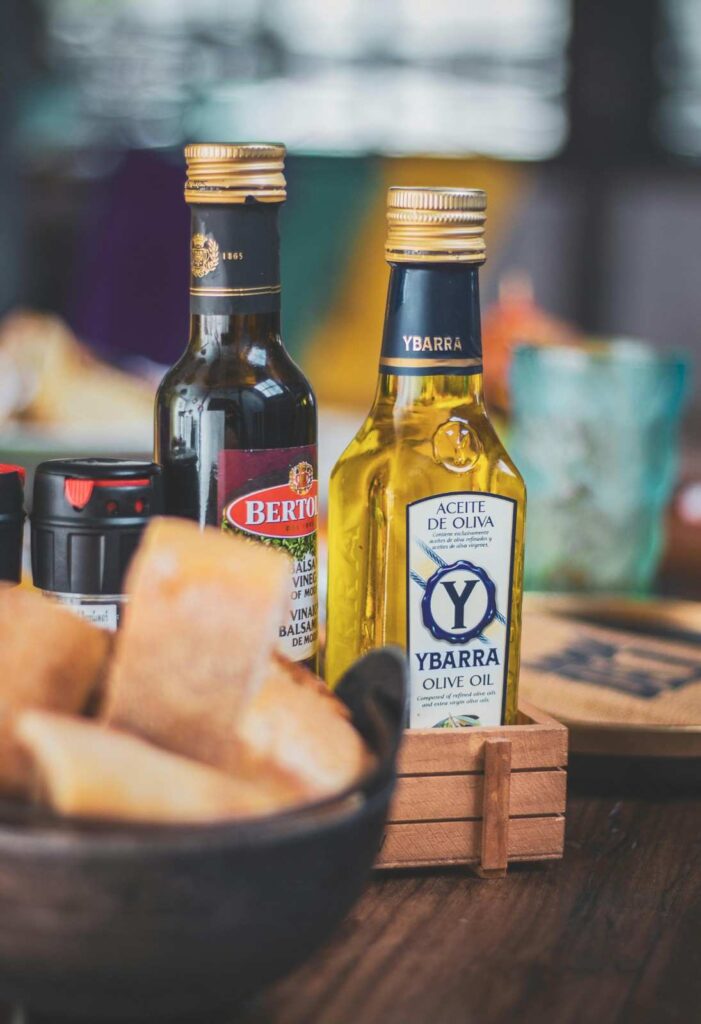
· Condiment Use: Dip oil with bread, drizzle over finished dishes, component of compound oils with herbs and spices
Nutritional Composition and Scientific Research
Chemical Composition and Bioactive Compounds
Olive oil contains a complex mixture of fatty acids and numerous minor components with potential biological activities.
Olive oil is rich in monounsaturated fats and phenolic compounds. Learn more about essential nutrients in our guide on food sources of key nutrients
Major Nutritional Components
· Fatty Acid Profile: Typically 55-85% monounsaturated oleic acid, 8-25% saturated fats, 4-21% polyunsaturated linoleic acid based on variety and growing conditions
· Phenolic Compounds: Hydroxytyrosol, tyrosol, oleuropein complex, and ligstroside derivatives. Research indicates these compounds contribute to oxidative stability and potential biological effects.
· Vitamin Content: Natural source of vitamin E (tocopherols) and vitamin K, though amounts vary significantly between oils
· Squalene Content: Olive oil contains relatively high levels (0.3-0.7%) of this triterpene hydrocarbon compared to other edible oils
Current Scientific Research Context
Numerous studies have examined potential health associations with olive oil consumption within broader dietary patterns.
Research Areas and Findings
· Observational Studies: Large population studies, particularly PREDIMED and other Mediterranean diet research, note associations between olive oil consumption and various health parameters
· Mechanistic Research: Laboratory studies investigate how olive oil components might influence inflammatory pathways, oxidative stress, and cellular function
· Intervention Studies: Controlled trials examine effects of different olive oil types on specific biomarkers, with varying results based on study design and population
· Contextual Understanding: Most research examines olive oil within Mediterranean dietary patterns rather than as isolated intervention
Quality Assessment and Consumer Guidance
Practical Quality Evaluation Methods
Consumers can employ several approaches to assess olive oil quality before and after purchase.
Sensory Evaluation Techniques
· Visual Assessment: Golden to green colors are typical, though color alone doesn’t indicate quality. Cloudiness may indicate unfiltered oil but not necessarily superior quality.
· Aroma Profiling: Fresh oils should have clean, fruity aromas reminiscent of fresh olives, grass, or artichokes. Musty, vinegary, or cardboard notes suggest quality issues.
· Taste Characteristics: Authentic EVOO typically presents a balance of fruitiness, bitterness (from polyphenols), and pungency (peppery sensation in the throat).
· Texture Evaluation: Should feel smooth and fluid, not greasy or waxy. Proper viscosity varies with temperature.
Label Interpretation and Marketing Understanding
Navigating olive oil labeling requires understanding regulated terms and marketing language.
Label Information Decoding
· Geographic Origin: Specific region or country of production. Some research suggests terroir influences chemical composition and sensory characteristics.
· Harvest Date: More informative than “best by” date. The current year’s harvest typically indicates fresher oil.
· Certification Seals: Legitimate quality indicators versus marketing symbols without regulatory backing
· Processing Claims: “Cold extracted,” “first cold press,” and “stone milled” have specific definitions in producing regions
Integration into Contemporary Lifestyles
Modern Dietary Patterns and Olive Oil
Olive oil finds application in various contemporary dietary approaches with appropriate consideration of overall nutritional context.
Olive oil fits well into Mediterranean, plant-based, and general healthy eating patterns. Discover how healthy lifestyle habits can help you build a balanced diet with nutrient-rich foods
Dietary Pattern Considerations
· Mediterranean Diet Model: Central fat source within pattern emphasizing vegetables, fruits, whole grains, legumes, and moderate animal products
· Plant-Based Approaches: Useful fat source in vegetarian and vegan patterns, providing monounsaturated fats and flavor enhancement
· General Healthy Eating: Can replace other fats in many applications, though quantity considerations remain important for energy balance
· Cultural Adaptations: Integrating olive oil into non-traditional cuisines while respecting original culinary approaches
Sustainability and Ethical Considerations
Increasing consumer attention focuses on production practices and supply chain transparency.
Production Practice Awareness
· Agricultural Methods: Traditional versus intensive cultivation approaches with different environmental impacts
· Harvesting Practices: Hand harvesting versus mechanical methods affecting oil quality, cost, and employment
· Supply Chain Transparency: Traceability from orchard to bottle versus blended multi-origin oils
· Economic Considerations: Fair compensation for producers versus commodity pricing pressures
Conclusion: Informed Incorporation into Daily Life
Olive oil represents both an ancient food tradition and a contemporary culinary ingredient with substantial research attention. As we move through 2025, consumers have unprecedented access to information, variety, and quality levels, accompanied by responsibility for informed selection and usage.
Making thoughtful choices about olive oil involves considering multiple factors: quality verification, appropriate storage, culinary application matching, and integration into overall dietary patterns. Perhaps most importantly, olive oil should be understood within the context of complete dietary patterns rather than as an isolated “superfood” or health intervention.
Current evidence suggests that high-quality olive oil, particularly extra virgin varieties, can contribute positively to diverse dietary approaches when used appropriately and in moderation. As with any dietary component, individual preferences, culinary traditions, nutritional needs, and budget considerations all play legitimate roles in personal decision-making about olive oil selection and usage.
Disclaimer: This content is for general informational and educational purposes only regarding olive oil types, quality characteristics, storage methods, and culinary applications. It presents information based on current culinary knowledge and scientific research but does not constitute medical, health, nutritional, or professional advice. Individual dietary needs, health conditions, and nutritional requirements vary significantly. The information represents general knowledge about olive oil rather than specific health recommendations. Always consult qualified healthcare professionals, registered dietitians, or nutritionists for personalized dietary and health guidance. This information is not a substitute for professional medical advice, diagnosis, or treatment.