
—
Introduction: Why Morning Movement Matters
How you start your morning often sets the tone for the rest of your day. A few minutes of gentle movement upon waking can influence how you feel physically, how clearly you think, and how you respond to daily challenges. Morning exercise doesn’t need to be intense or time-consuming to be effective.morning exercise energy focus well-being
This guide explores simple, accessible ways to incorporate movement into your morning routine. Whether you have five minutes or thirty, whether you prefer stretching, walking, or more vigorous activity, there are approaches that can work for your lifestyle.
Individual preferences and abilities vary. The goal is not to follow rigid rules but to discover what feels good and sustainable for you.
“Morning exercise doesn’t need to be intense or time-consuming to be effective. For more ideas on staying active, check out our guide on simple ways to stay active throughout the day.”
—
Section 1: The Science Behind Morning Movement
What Happens When You Move in the Morning
Physical activity, even in small amounts, triggers several beneficial responses in the body and brain.
Hormonal Changes
Gentle movement in the morning helps regulate cortisol, often called the “stress hormone.” Cortisol follows a natural daily rhythm, typically peaking shortly after waking. Physical activity supports this natural pattern, helping you feel alert and ready for the day.
Exercise also releases endorphins—chemicals that promote positive feelings and reduce perception of discomfort.
Increased Blood Flow
Movement increases circulation, delivering oxygen and nutrients to muscles and organs, including the brain. This can contribute to feeling more alert and focused.
Mental Clarity and Focus
Many people report that morning exercise helps clear mental fog and improves concentration for several hours afterward. This may be related to increased blood flow to the brain and the focusing effect of intentional movement.
Consistency and Routine
Regular morning exercise helps establish a consistent daily rhythm. This predictability can reduce decision fatigue and make healthy choices feel more automatic.
—
Section 2: Simple Morning Movement Options
Finding What Works for You
The best morning exercise is whatever you will actually do consistently. Here are several options ranging from very gentle to more active.
Gentle Stretching (5-10 minutes)
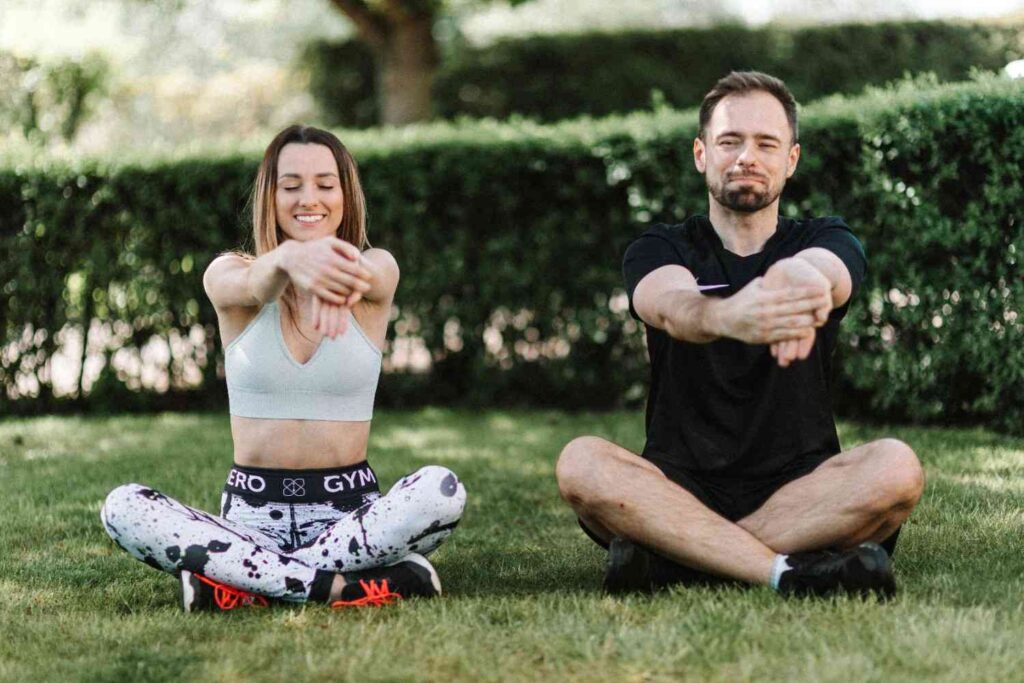
Stretching upon waking helps release muscle tension that may have accumulated during sleep. A simple routine might include:
· Neck rolls: Slowly roll head from side to side
· Shoulder shrugs: Lift shoulders toward ears, hold briefly, release
· Spinal twists: While seated or lying, gently twist upper body from side to side
· Forward fold: From standing, slowly bend forward, letting arms hang
· Leg swings: Gently swing one leg forward and back, then side to side
Stretching should never cause pain. Move gently and breathe naturally.
Walking (10-20 minutes)
A morning walk is one of the most accessible forms of exercise. Benefits include:
· Fresh air and sunlight exposure
· Gentle cardiovascular activity
· Time for mental preparation
· Connection with your environment
Walking doesn’t require special equipment—just comfortable shoes and appropriate clothing for the weather.
Yoga or Tai Chi (10-20 minutes)
These practices combine movement with breath awareness and mental focus. Many free resources offer short morning routines suitable for beginners.
Common morning yoga poses:
· Cat-cow stretch
· Downward-facing dog
· Child’s pose
· Standing forward fold
· Gentle sun salutations
Bodyweight Exercises (10-15 minutes)
For those wanting more vigorous activity, bodyweight exercises can be effective:
· Squats
· Lunges
· Push-ups (on knees or against wall if needed)
· Planks
· Glute bridges
Perform exercises at a comfortable pace, focusing on form rather than speed or quantity.
High-Intensity Options (15-20 minutes)
If you’re already accustomed to exercise, short high-intensity sessions can be effective. These might include:
· Jumping jacks
· High knees
· Burpees
· Mountain climbers
Always warm up briefly before intense activity and listen to your body.
—

—
Section 3: Creating a Sustainable Morning Routine
Designing a Practice You’ll Maintain
The most effective morning exercise is one you can sustain over time. Here are practical considerations for building a lasting habit.
A consistent morning routine helps build momentum for the rest of the day. Learn how to build habits that stick in our detailed guide.”
Start Small
If you’re new to morning exercise, begin with just 5-10 minutes. Short, consistent sessions are more valuable than occasional long workouts that feel overwhelming.
Prepare the Night Before
Reduce morning barriers by:
· Laying out exercise clothes
· Having shoes ready
· Preparing water bottle
· Setting out exercise mat if used
Anchor to Existing Habits
Attach your new exercise habit to something you already do consistently:
· Stretch after brushing teeth
· Walk after morning beverage
· Exercise before showering
Be Flexible
Some mornings will be busier than others. Having a “minimum” version (even 2-3 minutes of stretching) helps maintain consistency on challenging days.
Notice How You Feel
Pay attention to the effects of morning movement. Many people find that noticing improved energy or mood reinforces the habit naturally.
—
Section 4: Exercise and Mental Well-Being
The Mind-Body Connection
Morning exercise affects mental state as well as physical condition.
Stress Reduction
Physical activity helps metabolize stress hormones and can create a sense of calm. Many people find that morning movement makes them better equipped to handle daily challenges.
Mood Enhancement
The endorphins released during exercise are associated with improved mood. Even short sessions can contribute to feeling more positive throughout the day.
Mental Clarity and Focus
Exercise increases blood flow to the brain, which may support cognitive function. Some people find they think more clearly and concentrate better on mornings when they’ve moved.
“Physical activity doesn’t just boost energy—it also supports mental clarity and emotional balance. Discover more about the mind-body connection in our article.”
Sense of Accomplishment
Completing morning exercise provides an early sense of achievement that can carry through the rest of the day.
—
Section 5: Exercise and Physical Energy
How Movement Affects Energy Levels
It may seem counterintuitive, but expending energy through exercise often leads to feeling more energetic overall.
The Energy Paradox
Physical activity stimulates mitochondria—the energy-producing components of cells. Regular exercise actually increases the body’s capacity to produce energy.
Circulation Boost
Moving increases blood flow, delivering oxygen and nutrients throughout the body. This can reduce feelings of sluggishness and promote alertness.
Sleep Quality
Regular morning exercise is associated with better sleep quality in many studies. Better sleep, in turn, supports daytime energy.
Sustainable Energy
While caffeine provides temporary alertness followed by potential crashes, exercise tends to support more stable, sustainable energy throughout the day.
—

—
Section 6: Exercise for Different Lifestyles
Adapting Morning Movement to Your Situation
Everyone’s circumstances are different. Here are approaches for various situations.
For Parents of Young Children
· Involve children in movement (family walk, kid-friendly yoga)
· Exercise while children are occupied (during their screen time or play)
· Break exercise into smaller segments throughout morning
· Wake up 15 minutes earlier for quiet movement time
For Early Commuters
· Walk part of your commute (park farther away, get off transit early)
· Do brief stretches at your desk upon arrival
· Consider exercises that don’t require changing clothes
· Schedule movement during lunch if morning is impossible
For Those Working from Home
· Use commute-free time for movement
· Schedule exercise before starting work
· Take movement breaks between meetings
· Use online resources for guided sessions
For People with Limited Mobility
· Seated exercises (arm circles, seated leg lifts)
· Gentle stretching within comfortable range
· Chair yoga or tai chi
· Focus on what you can do, not what you can’t
For Those in Cold Climates
· Indoor options (stretching, bodyweight exercises, online workouts)
· Brief outdoor walks with appropriate clothing
· Mall walking when weather is severe
· Exercise near a window for natural light exposure
—
Section 7: Common Questions About Morning Exercise
General Information
Do I need to exercise on an empty stomach?
There’s no universal rule. Some people prefer exercising before eating; others feel better with a light snack. Experiment to see what works for you.
How long should morning exercise be?
Any amount is beneficial. Even 5-10 minutes can make a difference. The key is consistency rather than duration.
What if I’m not a morning person?
Start with very gentle movement, perhaps stretching in bed or while still in pajamas. Gradually, your body may adjust to morning activity. If mornings truly don’t work, the best time to exercise is whenever you can do it consistently.
Can I exercise if I didn’t sleep well?
Listen to your body. Gentle stretching or walking may still feel good and could help you feel more alert. Intense exercise when severely sleep-deprived is generally not recommended.
Should I shower before or after exercise?
Most people prefer to exercise first, then shower. If you’re very short on time, consider brief stretching followed by a quick rinse.
—
Section 8: Creating Your Personal Morning Exercise Plan
A Step-by-Step Approach
1. Choose your activity: Pick something you enjoy or are willing to try
2. Start small: Begin with 5-10 minutes
3. Set a realistic schedule: Aim for most mornings rather than every day
4. Prepare: Set out what you need the night before
5. Track briefly: Note how you feel after exercise for the first few weeks
6. Adjust: Modify based on what you learn about your preferences and energy
Sample Morning Exercise Plans
5-Minute Plan:
· 2 minutes gentle stretching
· 3 minutes walking in place or around room
15-Minute Plan:
· 3 minutes warm-up (walking, arm circles)
· 7 minutes chosen activity (bodyweight exercises, yoga, brisk walk)
· 5 minutes cool-down stretching
30-Minute Plan:
· 5 minutes warm-up
· 20 minutes main activity
· 5 minutes cool-down and stretching
—
Section 9: Safety Considerations
Exercising Safely in the Morning
Listen to Your Body
Exercise should not cause significant pain. Discomfort, mild muscle fatigue, and increased heart rate are normal. Sharp pain, dizziness, or unusual shortness of breath are not.
Warm Up Gradually
Morning muscles may be stiffer than later in the day. Begin with gentle movement before progressing to more vigorous activity.
Stay Hydrated
Drink water before, during (if exercising vigorously), and after exercise.
Consider the Weather
For outdoor exercise, dress appropriately for temperature and conditions. In extreme weather, have indoor alternatives available.
When to Consult a Professional
If you have existing health conditions, take medications, or are new to exercise, consider consulting a healthcare provider before starting a new routine.
—
Section 10: Beyond Exercise—Completing Your Morning Routine
Complementary Morning Practices
Exercise pairs well with other morning habits that support well-being:
· Hydration: Drinking water after waking
· Light exposure: Spending time outdoors or near a window
· Mindful moments: Brief meditation or gratitude practice
· Nutritious breakfast: Balanced meal to fuel the day
· Planning: Setting intentions for the day
These practices work together to create a morning routine that supports physical and mental well-being.
—
Conclusion: Small Steps, Significant Impact
Morning exercise doesn’t need to be complicated or time-consuming to be valuable. A few minutes of stretching, a short walk, or a brief yoga session can influence how you feel for hours afterward.
The key is consistency—finding a practice that fits your life and returning to it regularly. Some mornings will be easier than others. What matters is continuing, not perfection.morning exercise energy focus well-being
Start where you are. Choose one small movement practice and try it for a week. Notice how it affects your energy, focus, and mood. Adjust based on what you learn. Over time, these small steps accumulate into genuine, lasting change—a morning routine that supports your well-being throughout the day.
—
Disclaimer:
This content is for general informational and educational purposes only regarding morning exercise and physical activity. It presents general information about movement and wellness but does not constitute medical, health, fitness, or professional advice of any kind.
Individual fitness levels, health conditions, and responses to exercise vary significantly. This information should not be used for self-diagnosis, self-treatment, or as a substitute for professional medical care. Always consult qualified healthcare professionals—including physicians and fitness specialists—for personalized guidance regarding exercise, particularly if you have existing health conditions, take medications, or are new to physical activity.
Never disregard professional medical advice or delay seeking treatment because of information presented in this article. This information is current as of 2025 and will require updating as new research emerges.