
—
Introduction: Understanding Malaria Awareness Month
Each year, Malaria Awareness Month serves as an opportunity to educate communities about one of the world’s most persistent infectious diseases. Observed annually in April, this month-long campaign brings together health organizations, researchers, and communities to share information about malaria prevention, early detection, and ongoing efforts to reduce its global impact.malaria awareness, symptoms, prevention, global progress
Malaria remains one of the world’s most persistent infectious diseases, affecting millions annually. To understand how another mosquito-borne illness spreads, read our guide on dengue fever outbreak 2025.“
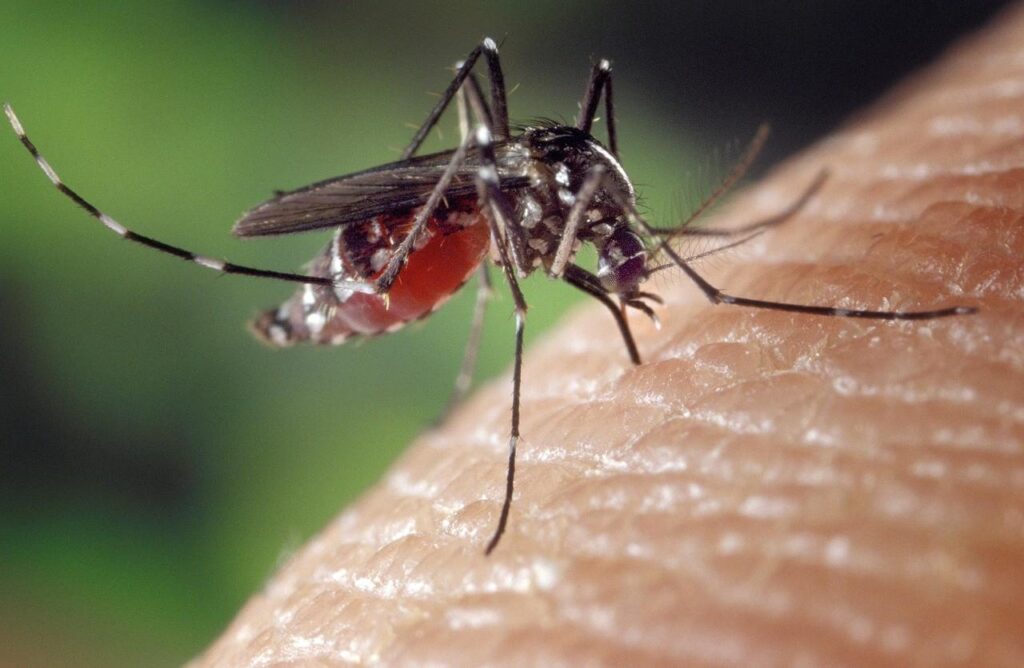
Malaria is a life-threatening disease caused by parasites transmitted to humans through the bites of infected female Anopheles mosquitoes. While significant progress has been made in recent decades, malaria continues to affect millions of people worldwide, particularly in tropical and subtropical regions.
This article provides general information about malaria symptoms, prevention strategies, and global progress. It is intended for educational purposes only and should not replace professional medical advice. If you suspect malaria or have been in an area where malaria is present, consult a healthcare provider immediately.
—
Section 1: What Is Malaria?
The Disease at a Glance
Malaria is caused by Plasmodium parasites, which are transmitted through mosquito bites. Five species of Plasmodium can infect humans, with Plasmodium falciparum and Plasmodium vivax posing the greatest threat.
How Malaria Spreads
· Mosquito vector: Female Anopheles mosquitoes transmit the parasite when feeding on blood
· Human host: Parasites multiply in the liver and then infect red blood cells
· Transmission cycle: An infected person can pass the parasite to mosquitoes, continuing the cycle
Where Malaria Is Found
Malaria is most common in:
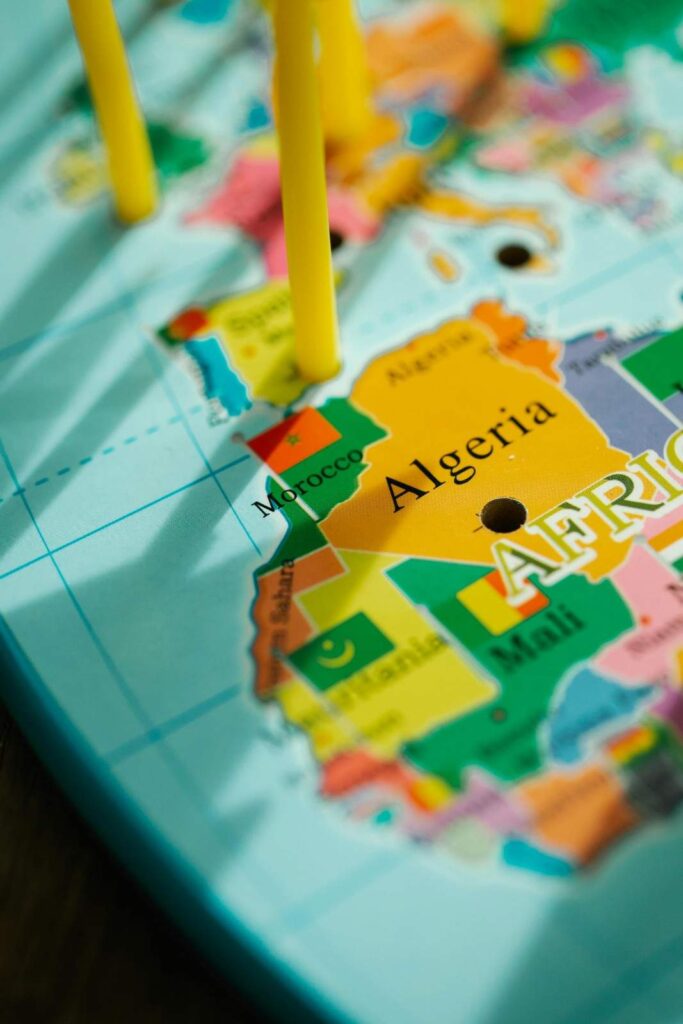
· Sub-Saharan Africa
· Southeast Asia
· Eastern Mediterranean regions
· Parts of South America and the Pacific Islands
According to the World Health Organization, approximately half of the world’s population remains at risk of malaria.
—
Section 2: Recognizing Malaria Symptoms
Common Signs and Symptoms
Malaria symptoms typically appear 10-15 days after an infected mosquito bite. Early recognition is important for prompt treatment.
Initial Symptoms
· Fever and chills
· Headache
· Muscle aches and fatigue
· Nausea and vomiting
· General malaise
Severe Malaria Symptoms
Without timely treatment, malaria can progress to severe illness with symptoms including:
· High fever with persistent chills
· Difficulty breathing
· Confusion or altered consciousness
· Seizures
· Severe anemia
· Yellowing of skin and eyes (jaundice)
Important Note
These symptoms can resemble other illnesses. Laboratory testing is necessary to confirm malaria diagnosis. Anyone experiencing fever after visiting a malaria-endemic area should seek medical evaluation promptly.
—
Section 3: Effective Prevention Strategies
Protecting Against Mosquito Bites
Prevention focuses on avoiding mosquito bites and reducing mosquito populations.
Preventing mosquito bites is the most effective way to protect against malaria. For general tips on protecting your family from seasonal illnesses, explore our guide on winter health challenges.”
Personal Protection Measures
· Insecticide-treated nets: Sleeping under treated nets reduces mosquito contact during peak biting hours
· Insect repellent: Products containing DEET, picaridin, or oil of lemon eucalyptus provide effective protection
· Protective clothing: Long sleeves and pants, especially during dawn and dusk when mosquitoes are most active
· Indoor protection: Using screens on windows and doors, and spraying insecticides indoors where appropriate
Environmental Measures
· Eliminating standing water where mosquitoes breed
· Supporting community vector control programs
· Using larvicides in water bodies that cannot be drained
Preventive Medication
For travelers to malaria-endemic areas, preventive medications (chemoprophylaxis) may be recommended by healthcare providers based on:
· Destination and local malaria risk
· Duration of stay
· Individual health factors
· Drug resistance patterns in the region
These medications must be prescribed by a healthcare professional and taken exactly as directed.
—

—
Section 4: Diagnosis and Treatment
How Malaria Is Diagnosed
Prompt and accurate diagnosis is essential for effective treatment and preventing severe illness.
Diagnostic Methods
· Microscopy: Examining blood samples under a microscope to identify parasites
· Rapid diagnostic tests: Simple tests that detect malaria antigens in blood
· Molecular testing: Polymerase chain reaction (PCR) tests for confirmation in some cases
Importance of Early Diagnosis
Early diagnosis allows for timely treatment, reduces the risk of severe disease, and helps prevent further transmission.
Treatment Approaches
Malaria treatment depends on several factors:
· The type of Plasmodium parasite
· The severity of illness
· Drug resistance patterns in the region
· Patient age and health status
First-Line Treatments
Artemisinin-based combination therapies (ACTs) are the recommended first-line treatment for uncomplicated P. falciparum malaria in most regions. Other antimalarial medications are used for different parasite species or specific situations.
Important Treatment Considerations
· Treatment should always be prescribed and supervised by qualified healthcare providers
· Completing the full course of medication is essential, even after symptoms improve
· Never attempt to self-treat malaria with leftover medications or unverified remedies
—
Section 5: Global Progress in Malaria Control
Recent Achievements
International efforts have led to significant reductions in malaria cases and deaths over the past two decades.
Key Statistics (WHO Data)
· Global malaria deaths have decreased by more than 30% since 2000
· Over 1.5 billion malaria cases have been averted through control efforts
· More than 20 countries have achieved zero indigenous malaria cases
Contributing Factors to Progress
· Widespread distribution of insecticide-treated nets
· Increased access to rapid diagnostic testing
· Availability of effective antimalarial treatments
· Strengthened health systems in endemic regions
· International funding and coordination
Ongoing Challڑenges
Despite progress, significant challenges remain:
· Drug and insecticide resistance
· Health system limitations in some regions
· Funding gaps for control programs
· Climate change affecting mosquito habitats
· Political instability in some endemic areas
—
Section 6: Special Considerations for Travelers
Preparing for Travel to Malaria-Endemic Areas
Travelers can take several steps to protect themselves:
Travelers to malaria-endemic areas need to take extra precautions. Learn how healthy lifestyle habits can support your immune system before and during travel.”
Before Travel
· Research malaria risk at your destination
· Consult a healthcare provider or travel medicine clinic 4-6 weeks before travel
· Obtain necessary preventive medications
· Pack appropriate protective items (nets, repellent, long clothing)
During Travel
· Use insect repellent consistently
· Sleep under treated nets when accommodations are not adequately screened
· Take preventive medications as prescribed
· Be aware of malaria symptoms
After Return
· Continue preventive medications for the full prescribed duration after leaving the endemic area
· Seek medical attention immediately if fever develops within one year of return
· Inform healthcare providers about recent travel
—
—
Section 7: Malaria Awareness Month Activities
How Communities Participate
During Malaria Awareness Month, various activities help spread knowledge and encourage action:
Common Initiatives
· Community education programs
· School-based awareness campaigns
· Free testing events in high-risk areas
· Net distribution programs
· Social media awareness campaigns
· Fundraising for malaria control efforts
Getting Involved
Individuals can participate by:
· Sharing accurate information about malaria prevention
· Supporting organizations working on malaria control
· Donating to net distribution programs
· Advocating for continued funding for malaria programs
—
Section 8: Common Questions About Malaria
General Information
Can malaria be cured?
Yes, malaria is treatable and curable when diagnosed promptly and treated with appropriate medications. However, some parasite species can remain dormant in the liver and cause relapses without proper treatment.
Is malaria contagious from person to person?
No, malaria is not directly contagious through casual contact. It spreads only through mosquito bites, though transmission can rarely occur through blood transfusion, organ transplant, or from mother to unborn child.
Can you get malaria more than once?
Yes. Previous infection does not provide lasting immunity. People can be infected multiple times, though partial immunity may develop in those living in high-transmission areas.
Is there a malaria vaccine?
Yes, the RTS,S/AS01 (Mosquirix) vaccine has been developed and is being implemented in some African countries as part of pilot programs. It provides partial protection against P. falciparum malaria in young children.
—
Section 9: The Future of Malaria Control
Emerging Strategies
Researchers and health organizations continue developing new tools and approaches:
Promising Developments
· Next-generation vaccines with higher efficacy
· Novel insecticides to combat resistance
· Genetic approaches to modify mosquito populations
· Improved diagnostics for field use
· New antimalarial drug combinations
Global Goals
The World Health Organization has set targets for malaria elimination, including:
· Reducing malaria cases and deaths by 90% by 2030
· Eliminating malaria in at least 35 countries
· Preventing re-establishment in malaria-free countries
Achieving these goals requires sustained commitment, funding, and international cooperation.
—
Conclusion: Awareness Leads to Action
Malaria Awareness Month reminds us that while significant progress has been made, malaria continues to affect millions of families worldwide. Understanding the symptoms, practicing prevention, and supporting global control efforts are essential components of the ongoing fight against this disease.
For individuals in endemic areas, simple measures like sleeping under treated nets and seeking prompt treatment for fever can be life-saving. For travelers, preparation and prevention are key. And for the global community, continued investment in research, control programs, and health system strengthening remains crucial.
By staying informed and taking appropriate precautions, we can all contribute to a world where malaria no longer threatens the health and well-being of millions. Awareness, after all, is the first step toward action.
—
Disclaimer:
This content is for general informational and educational purposes only regarding malaria awareness, symptoms, prevention, and global progress. It presents information based on public health data and educational materials from organizations such as the World Health Organization and the Centers for Disease Control and Prevention. This information does not constitute medical, health, or professional advice of any kind.
Malaria is a serious, life-threatening disease that requires prompt professional medical attention. This article should not be used for self-diagnosis or self-treatment. Always consult qualified healthcare providers for evaluation, diagnosis, and treatment of any medical condition, especially if you have traveled to malaria-endemic areas or experience symptoms such as fever.
Individual risk factors, medication needs, and prevention strategies vary based on destination, health status, and other personal circumstances. Travelers should consult travel medicine specialists or healthcare providers for personalized guidance before visiting malaria-endemic regions.
Never disregard professional medical advice or delay seeking treatment because of information presented in this article. This information is current as of 2025 and will require updating as new research emerges, treatments evolve, and global health data changes.