

—
Introduction: The Power of Daily Choices
When it comes to long-term health, many factors are beyond our control—genetics, environment, and circumstances. However, research consistently shows that daily habits and lifestyle choices play a significant role in overall well-being. The way we eat, move, rest, and manage stress can influence how we feel today and shape our health for years to come.healthy lifestyle habits long-term wellness
Small daily choices shape our long-term health in ways we often don’t realize. To understand how food choices impact your energy, explore our guide on understanding blood sugar and balanced eating.“
This guide explores evidence-informed lifestyle habits that support physical and mental wellness. Rather than promising specific outcomes or quick fixes, we focus on sustainable practices that individuals can adapt to their unique circumstances.
Individual needs and responses vary. This information is for educational purposes and should not replace personalized guidance from qualified healthcare professionals.
—
Section 1: Nutrition as Foundation
Building a Balanced Eating Pattern
Nutrition is not about strict rules or eliminating entire food groups. It’s about creating sustainable eating patterns that provide the nutrients your body needs.
The Plate Method
A simple, visual approach to balanced meals includes:
· Half the plate: Vegetables and fruits of various colors
· Quarter of the plate: Lean proteins (fish, poultry, legumes, tofu)
· Quarter of the plate: Whole grains or starchy vegetables
· Small addition: Healthy fats (avocado, nuts, olive oil)
This framework is flexible and can be adapted to different cuisines and preferences.
“A balanced plate with vegetables, protein, and whole grains supports steady energy. For more on essential nutrients, read our guide on food sources of key nutrients.“
Practical Nutrition Tips
· Eat a rainbow: Different colored fruits and vegetables provide various vitamins and phytonutrients
· Choose whole foods: Minimally processed foods typically contain more fiber and nutrients
· Stay hydrated: Water supports digestion, energy, and cognitive function
· Listen to your body: Pay attention to hunger and fullness cues
Individual Variation
Nutritional needs vary based on age, activity level, health status, and personal factors. What works well for one person may need adjustment for another.
—
Section 2: Physical Activity for Life
Moving Your Body Regularly
Regular physical activity is associated with numerous health benefits, including improved cardiovascular health, stronger bones and muscles, better mood, and enhanced cognitive function.
Types of Activity
A balanced approach includes:
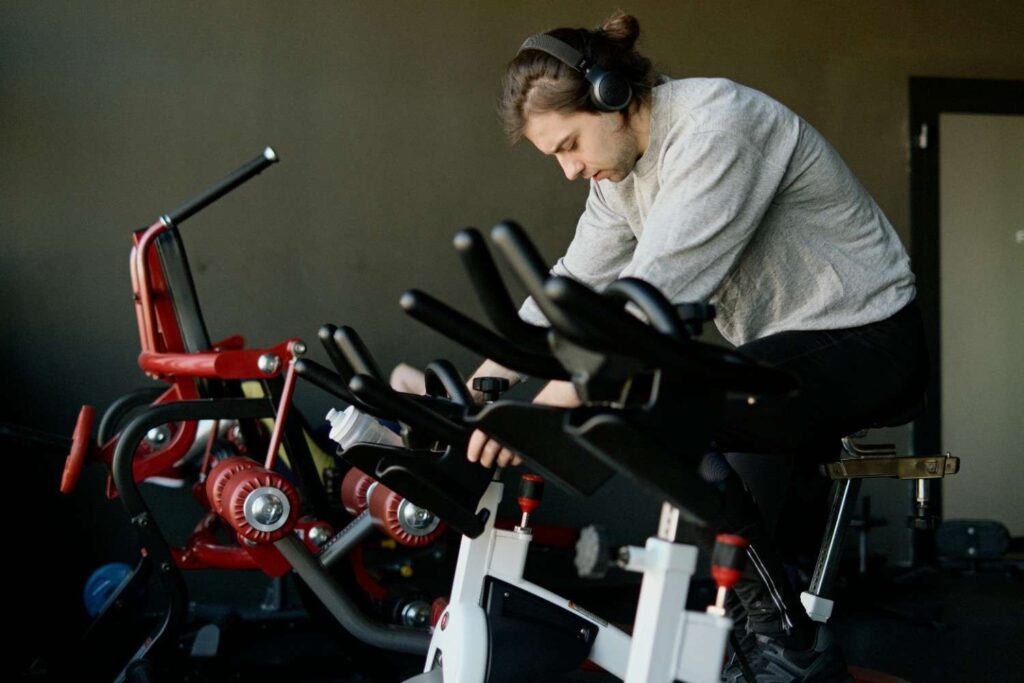
· Aerobic exercise: Walking, swimming, cycling, dancing (supports heart and lungs)
· Strength training: Lifting weights, bodyweight exercises, resistance bands (builds and maintains muscle)
· Flexibility work: Stretching, yoga, tai chi (maintains range of motion)
· Balance activities: Particularly important as we age to prevent falls
Finding What Works for You
The most sustainable exercise is what you enjoy and will do consistently. Options include:
· Daily walks
· Home workout videos
· Group fitness classes
· Sports and recreational activities
· Active hobbies like gardening or dancing
Starting and Staying Consistent
· Start where you are, even with 5-10 minutes daily
· Gradually increase duration and intensity
· Find an activity partner for accountability
· Celebrate consistency over perfection
—
—
Section 3: Sleep as a Pillar of Health
Understanding Sleep’s Role
Quality sleep is essential for physical recovery, cognitive function, emotional regulation, and overall well-being. Yet many people struggle to get adequate, restful sleep.
How Much Sleep Do Adults Need?
Most adults benefit from 7-9 hours of sleep per night, though individual needs vary. The key is consistency and waking feeling refreshed.
Common Sleep Challenges
· Difficulty falling asleep
· Waking during the night
· Waking too early
· Feeling unrested despite adequate time in bed
Sleep Hygiene Practices
· Consistent schedule: Go to bed and wake at similar times, even on weekends
· Wind-down routine: Create calming pre-sleep rituals (reading, gentle stretching, meditation)
· Environment: Keep bedroom cool, dark, and quiet
· Screen management: Limit device use 60 minutes before bed
· Caffeine awareness: Avoid caffeine in the afternoon and evening
· Physical activity: Regular exercise supports better sleep
When to Seek Help
Persistent sleep difficulties that affect daily functioning warrant consultation with a healthcare provider.
—
Section 4: Stress Management and Mental Wellness
The Mind-Body Connection
Stress is a normal part of life, but chronic stress can affect both mental and physical health. Developing effective stress management strategies supports overall wellness.
Recognizing Stress
Common signs of stress include:
· Irritability or mood changes
· Difficulty concentrating
· Fatigue or low energy
· Sleep disturbances
· Muscle tension
· Changes in appetite
Evidence-Informed Stress Management Approaches
· Breathing techniques: Simple practices like deep breathing can activate the relaxation response
· Physical activity: Exercise helps metabolize stress hormones
· Mindfulness: Paying attention to the present moment without judgment
· Social connection: Meaningful relationships provide emotional support
· Time in nature: Exposure to natural environments is associated with reduced stress
· Hobbies and interests: Engaging in enjoyable activities provides mental breaks
Building Resilience
Resilience—the ability to adapt to challenges—can be developed over time through:
· Maintaining supportive relationships
· Taking care of physical health
· Developing problem-solving skills
· Practicing self-compassion
· Finding meaning and purpose
—

—
Section 5: Preventive Health Practices
Partnering with Healthcare Providers
Regular medical care is an important component of long-term wellness. Building a relationship with healthcare providers allows for appropriate monitoring and guidance.
Recommended Health Screenings
Based on age, gender, and risk factors, healthcare providers may recommend:
· Blood pressure checks
· Cholesterol testing
· Blood sugar screening
· Cancer screenings as appropriate
· Bone density testing
· Eye and dental examinations
Immunizations
Staying up to date with recommended vaccines supports individual and community health. Healthcare providers can advise which vaccines are appropriate based on age, health status, and other factors.
Knowing Your Numbers
Understanding key health indicators—blood pressure, cholesterol, blood sugar, body mass index—provides a baseline for monitoring changes over time.
—
Section 6: Building Sustainable Habits
Small Steps, Lasting Change
Lasting lifestyle changes rarely happen overnight. They develop through consistent, manageable steps.
The Habit Formation Process
1. Start small: Choose one manageable change (adding a vegetable to dinner, a 10-minute daily walk)
2. Anchor to existing habits: Attach new practices to established routines
3. Be consistent: Repeat the practice regularly, even if imperfectly
4. Evaluate and adjust: Notice what works and refine as needed
5. Build gradually: Add new habits once initial changes feel established
Overcoming Obstacles
· Expect occasional setbacks; they are normal
· Focus on progress, not perfection
· Adjust approaches that aren’t working
· Seek support when needed
The Compound Effect
Small daily choices accumulate over time. A 10-minute daily walk becomes hours of activity over a year. One healthier meal per day becomes hundreds over time. These small changes compound into meaningful health benefits.
—
Section 7: Common Questions About Healthy Living
General Information
How quickly can lifestyle changes affect health?
Some changes, like improved sleep and reduced stress, may be noticeable within days or weeks. Others, like changes in fitness or body composition, develop gradually over months of consistent practice.
Do I need to follow a specific diet?
No single diet works for everyone. The most sustainable approach is one that includes a variety of nutritious foods, fits your preferences, and can be maintained long-term.
How much exercise is enough?
Health organizations often recommend at least 150 minutes of moderate activity weekly, but any movement is better than none. Start where you are and gradually increase.
Can lifestyle changes replace medication?
Never stop or change prescribed medications without consulting your healthcare provider. Lifestyle changes can complement medical treatment but should not replace it.
—
Section 8: Creating Your Personal Wellness Plan
A Framework for Action
Everyone’s health journey is unique. A personal wellness plan might include:
Self-Assessment
· What are my current habits?
· What would I like to improve?
· What feels manageable right now?
· What support do I have?
Building new habits takes time, but small steps lead to lasting change. Discover simple ways to start your day with our guide on morning exercise routines.“
Goal Setting
· Choose 1-2 specific, realistic goals
· Focus on behaviors, not outcomes (e.g., “walk 20 minutes daily” rather than “lose weight”)
· Set a timeline for checking progress
Tracking and Adjusting
· Notice what works and what doesn’t
· Celebrate small wins
· Adjust approaches as needed
· Be patient with the process
—
Conclusion: Wellness Is a Journey, Not a Destination
Long-term wellness is not about achieving perfect health or following rigid rules. It’s about making consistent, mindful choices that align with your values and circumstances. Some days will be easier than others. What matters is returning to healthy patterns, not abandoning them after setbacks.
The habits discussed in this guide—balanced nutrition, regular movement, quality sleep, stress management, preventive care—are not secrets or miracles. They are fundamental practices that support the body’s natural ability to maintain health.healthy lifestyle habits long-term wellness
Start where you are. Choose one small practice and commit to it consistently. Over time, these small steps accumulate into genuine, lasting change—a healthier, more balanced life built on choices you can control.
—
Disclaimer:
This content is for general informational and educational purposes only regarding healthy lifestyle habits and long-term wellness. It presents information based on current research in nutrition, exercise science, sleep medicine, and psychology but does not constitute medical, health, or professional advice of any kind.
Individual health needs, responses to lifestyle changes, and risk factors vary significantly. This information should not be used for self-diagnosis, self-treatment, or as a substitute for professional medical care. Always consult qualified healthcare professionals—including physicians, registered dietitians, and other appropriate providers—for personalized guidance regarding your health, particularly before making significant changes to diet, exercise, or sleep habits.
Never disregard professional medical advice or delay seeking treatment because of information presented in this article. This information is current as of 2025 and will require updating as