
—
Introduction: Nutrients Through a Food-First Lens
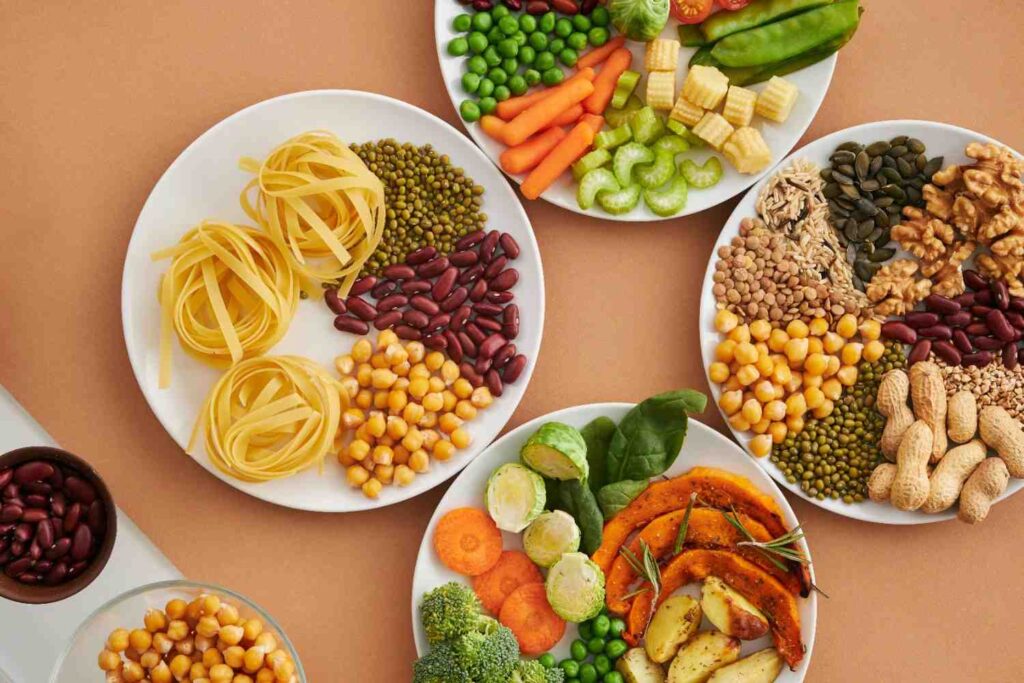
A balanced diet provides the foundation for good health. While individual nutrients often receive attention in supplements and health headlines, obtaining them through whole foods offers distinct advantages. Foods contain complex matrices of vitamins, minerals, fiber, and phytonutrients that work together in ways isolated supplements cannot replicate.food sources, vitamin D, magnesium, zinc, omega-3
A balanced diet provides the foundation for good health through whole foods rather than isolated supplements. To understand how food choices affect your daily energy, read our guide on understanding blood sugar and balanced eating.”
This guide focuses on four essential nutrients—vitamin D, magnesium, zinc, and omega-3 fatty acids—and the foods that naturally provide them. Rather than emphasizing deficiency or disease prevention, we explore how these nutrients fit into overall eating patterns and where to find them in everyday meals.
Individual nutritional needs vary based on age, activity level, health status, and dietary preferences. This information is for educational purposes and should not replace personalized guidance from qualified healthcare professionals or registered dietitians.
—
Section 1: Vitamin D – The Sunshine Vitamin
What Is Vitamin D?
Vitamin D is a fat-soluble nutrient that plays several important roles in the body. It supports calcium absorption, helps maintain healthy bones, and contributes to normal immune function. Unlike most vitamins, the body can produce vitamin D when skin is exposed to sunlight, which is why it is sometimes called the “sunshine vitamin.”
Food Sources of Vitamin D
Relatively few foods naturally contain significant amounts of vitamin D. However, several options can contribute to daily intake:
Fatty Fish
· Salmon (especially wild-caught)
· Mackerel
· Sardines
· Herring
· Canned tuna
Cod Liver Oil
While technically a supplement, cod liver oil has been used traditionally as a food source and provides vitamin D along with vitamin A and omega-3s.
Egg Yolks
Eggs from chickens raised outdoors or fed vitamin D-enriched feed contain higher amounts than conventionally produced eggs.
Fortified Foods
Many countries add vitamin D to commonly consumed foods:
· Milk (dairy and some plant-based alternatives)
· Breakfast cereals
· Orange juice
· Yogurt
· Margarine
Mushrooms Exposed to UV Light
Mushrooms, like humans, produce vitamin D when exposed to ultraviolet light. Some commercially grown mushrooms are treated with UV light to boost their vitamin D content.
Factors Affecting Vitamin D from Food
The amount of vitamin D in food varies considerably. For example, wild salmon typically contains more vitamin D than farmed salmon. Similarly, UV-treated mushrooms contain significantly more than untreated varieties.
—
Section 2: Magnesium – The Multitasking Mineral
Understanding Magnesium’s Role
Magnesium is involved in hundreds of biochemical reactions throughout the body. It contributes to normal muscle and nerve function, helps maintain steady heart rhythm, supports healthy bones, and plays a role in energy production.
Magnesium supports muscle function, energy production, and bone health. Learn how healthy lifestyle habits can help you absorb and use these nutrients effectively.”
Magnesium-Rich Foods
Magnesium is widely distributed in plant and animal foods. Including a variety of these foods in your diet can help maintain adequate intake:
Leafy Green Vegetables
· Spinach
· Kale
· Swiss chard
· Collard greens
· Beet greens
Nuts and Seeds
· Almonds
· Cashews
· Pumpkin seeds
· Chia seeds
· Flaxseeds
· Sesame seeds
Legumes
· Black beans
· Kidney beans
· Chickpeas
· Lentils
· Edamame
Whole Grains
· Brown rice
· Quinoa
· Oats
· Buckwheat
· Millet
· Whole wheat
Other Sources
· Avocados
· Bananas
· Dark chocolate (70-85% cocoa)
· Potatoes with skin
· Yogurt
· Tofu
Processing Effects on Magnesium Content
Refining grains removes much of their magnesium content. For example, white flour contains significantly less magnesium than whole wheat flour. Choosing whole grains over refined versions increases magnesium intake along with other nutrients and fiber.
—
—
Section 3: Zinc – Essential for Growth and Immunity
Why Zinc Matters
Zinc is an essential mineral that supports immune function, helps the body make proteins and DNA, and contributes to wound healing and growth during pregnancy, childhood, and adolescence.
Food Sources of Zinc
Zinc is found in a variety of animal and plant foods, though its absorption can vary depending on the food source.
Animal Sources (Highly Absorbable)
· Oysters (among the richest sources)
· Beef and lamb
· Crab and lobster
· Pork
· Chicken and turkey
· Eggs
Plant Sources (Contain Phytates That Reduce Absorption)
· Pumpkin seeds
· Sesame seeds
· Hemp seeds
· Cashews
· Almonds
· Chickpeas
· Lentils
· Beans
· Oats
· Quinoa
Fortified Foods
Some breakfast cereals are fortified with zinc, providing a significant amount per serving.
Improving Zinc Absorption from Plant Foods
Several simple food preparation methods can reduce phytate content and improve zinc absorption from plant sources:
· Soaking legumes and seeds before cooking
· Sprouting grains and legumes
· Leavening bread with yeast (which breaks down phytates)
· Pairing plant sources with animal proteins that enhance absorption
—
Section 4: Omega-3 Fatty Acids – Essential Fats
Understanding Omega-3s
Omega-3 fatty acids are a family of polyunsaturated fats that are essential for human health. The body cannot produce them on its own, so they must come from food. Three main types play important roles:
· ALA (alpha-linolenic acid): Found primarily in plant foods
· EPA (eicosapentaenoic acid): Found mainly in marine sources
· DHA (docosahexaenoic acid): Found mainly in marine sources
Marine Sources of EPA and DHA
Fatty fish are the most concentrated dietary sources of EPA and DHA:
· Salmon (wild and farmed)
· Mackerel
· Sardines
· Anchovies
· Herring
· Trout
· Tuna (especially fresh, not canned light)
Plant Sources of ALA
ALA is found in various plant foods, though the body converts only a small percentage to EPA and DHA:
· Flaxseeds and flaxseed oil
· Chia seeds
· Hemp seeds
· Walnuts
· Soybeans and tofu
· Canola oil
· Edamame
· Navy beans
Omega-3 Enriched Foods
Some foods are fortified with omega-3s, often through added fish oil or algal oil:
· Eggs (from hens fed omega-3 enriched feed)
· Milk and yogurt
· Breakfast bars
· Some juices
—

—
Section 5: Putting It All Together – Sample Meals
Combining These Nutrients in Everyday Eating
Rather than focusing on individual nutrients, thinking in terms of meals and food combinations can make healthy eating more practical and enjoyable.
“Combining these nutrients in everyday meals is easier than you think. Discover how morning exercise routines can complement your nutrition for better overall health.”
Breakfast Ideas
· Omelet with spinach and mushrooms: Eggs provide vitamin D (especially if from pasture-raised hens) and zinc; spinach adds magnesium
· Oatmeal topped with pumpkin seeds and walnuts: Oats contribute magnesium and zinc; seeds and nuts add magnesium, zinc, and ALA omega-3s
· Fortified cereal with milk and berries: Fortified cereal provides vitamin D and zinc; milk adds vitamin D and magnesium
Lunch Options
· Salmon salad sandwich: Canned salmon offers vitamin D, zinc, and omega-3s; whole grain bread contributes magnesium
· Quinoa bowl with chickpeas, spinach, and sesame seeds: Quinoa and chickpeas provide magnesium and zinc; spinach adds magnesium; sesame seeds contribute zinc, magnesium, and calcium
· Lentil soup with whole grain bread: Lentils offer magnesium, zinc, and fiber; whole grain bread adds magnesium
Dinner Suggestions
· Grilled mackerel with quinoa and roasted vegetables: Mackerel provides vitamin D, zinc, and omega-3s; quinoa contributes magnesium
· Stir-fried tofu with broccoli and cashews: Tofu offers magnesium and zinc; broccoli adds magnesium; cashews contribute zinc and magnesium
· Bean and vegetable chili: Beans provide magnesium and zinc; serve with brown rice for additional magnesium
Snack Combinations
· Apple slices with almond butter
· Greek yogurt with chia seeds and berries
· Handful of mixed nuts and seeds
· Dark chocolate square with walnuts
—
Section 6: Factors That Influence Nutrient Needs
Individual Variation in Nutrient Requirements
Nutritional needs are not one-size-fits-all. Several factors influence how much of each nutrient an individual may need:
Age and Life Stage
· Children and adolescents have higher zinc needs for growth
· Older adults may need more vitamin D and magnesium
· Pregnancy and lactation increase requirements for several nutrients
Dietary Patterns
· Vegetarians and vegans may need to pay particular attention to zinc and omega-3 intake from plant sources
· People with limited sun exposure may need more vitamin D from food
Health Status
· Certain digestive conditions can affect nutrient absorption
· Some medications interact with nutrient absorption or metabolism
The Role of Overall Diet Quality
Focusing on individual nutrients can be less helpful than considering overall dietary patterns. A diet rich in a variety of whole foods—vegetables, fruits, whole grains, legumes, nuts, seeds, and appropriate animal products—typically provides adequate amounts of these nutrients for most people.
—
Section 7: Common Questions About Food Sources
General Information
Can I get enough vitamin D from food alone?
For many people, it is challenging to obtain adequate vitamin D from food alone because relatively few foods naturally contain significant amounts. Fatty fish, cod liver oil, and fortified foods contribute, but sun exposure or supplementation may be necessary for some individuals, particularly during winter months or for those with limited sun exposure.
Are plant sources of zinc as good as animal sources?
Animal sources provide zinc in a form that is more easily absorbed. Plant sources contain phytates that can reduce absorption. However, combining plant sources with animal proteins or using preparation methods like soaking, sprouting, and leavening can improve absorption.
Can I get enough omega-3s from plant sources alone?
Plant sources provide ALA, which the body can convert to EPA and DHA, but the conversion rate is low. People who do not eat fish may benefit from including good ALA sources like flaxseeds, chia seeds, and walnuts regularly, and some may choose algae-based DHA supplements.
Do I need to take supplements for these nutrients?
Many people can meet their needs through food alone, especially with a varied diet that includes the foods mentioned in this guide. However, individual circumstances vary. Some people—such as pregnant women, older adults, people with certain medical conditions, or those with restricted diets—may need supplements. A healthcare provider or registered dietitian can offer personalized guidance.
—
Conclusion: Food First, Supplements When Needed
The five nutrients discussed in this guide—vitamin D, magnesium, zinc, and omega-3 fatty acids—play important roles in maintaining normal body functions. Fortunately, they are found in a wide variety of delicious and accessible foods.
A food-first approach to nutrition offers several advantages:
· Foods provide nutrients in complex combinations that work together
· Whole foods contain fiber and phytonutrients not found in supplements
· Eating a variety of foods supports overall dietary patterns rather than isolated nutrient fixation
· Meals and snacks can be enjoyable, cultural, and social experiences
For most people, focusing on including fatty fish occasionally, leafy greens regularly, nuts and seeds as snacks, whole grains at meals, and a variety of colorful vegetables provides a solid nutritional foundation. When food alone cannot meet needs—due to individual circumstances, health conditions, or lifestyle factors—supplements can play a supporting role under professional guidance.
Ultimately, the goal is not to track every milligram of magnesium or every IU of vitamin D but to build sustainable, enjoyable eating patterns that naturally provide these essential nutrients along with everything else the body needs.
—
Disclaimer:
This content is for general informational and educational purposes only regarding food sources of vitamin D, magnesium, zinc, and omega-3 fatty acids. It presents information about the nutritional composition of foods and general dietary concepts but does not constitute medical, health, nutritional, or professional advice of any kind.
Individual nutritional needs vary significantly based on age, sex, health status, activity level, dietary patterns, and numerous other factors. This information should not be used to self-diagnose nutrient deficiencies, self-prescribe supplements, or replace personalized guidance from qualified healthcare professionals or registered dietitians.
Food sources provide nutrients as part of complete dietary patterns. Isolating individual nutrients from their food context can oversimplify the complex nature of nutrition. Always consult qualified healthcare providers for personalized guidance regarding nutrient needs, especially if you have underlying health conditions, are pregnant or nursing, take medications, or are considering supplementation.
Never disregard professional medical advice or delay seeking treatment because of information presented in this article. This information is current as of 2025 and will require updating as new research emerges and dietary guidelines evolve.