
—
Introduction: Understanding the 2025 Dengue Situation
Dengue fever continues to be a significant public health concern in many tropical and subtropical regions worldwide. As we progress through 2025, several countries have reported increases in dengue cases, drawing attention to the importance of awareness, prevention, and early action.dengue fever outbreak symptoms prevention 2025
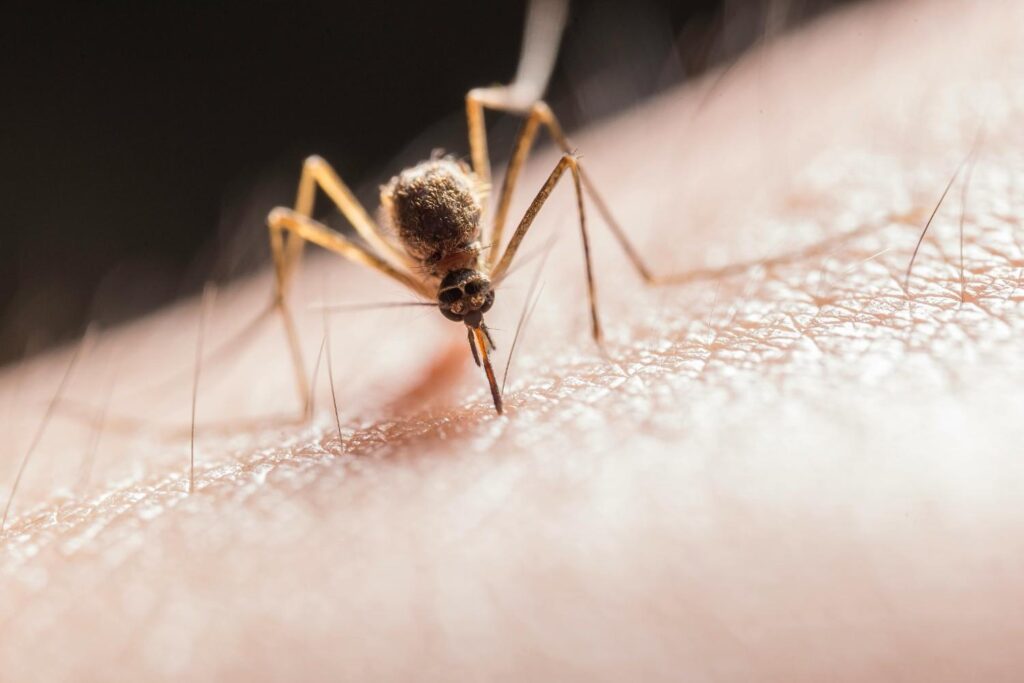
Dengue is a serious viral infection spread by mosquitoes, affecting millions worldwide each year. To understand how other mosquito-borne illnesses spread, read our guide on malaria awareness and prevention.”
Dengue is a viral infection transmitted to humans through the bite of infected Aedes mosquitoes, particularly Aedes aegypti. The disease affects millions of people annually, with outbreaks often occurring during and after rainy seasons when mosquito populations thrive.
This article provides general information about dengue fever—its symptoms, transmission, and prevention—to help families stay informed and take appropriate precautions. The content is for educational purposes only and should not replace professional medical advice. If you suspect dengue, consult a healthcare provider promptly.
—
Section 1: What Is Dengue Fever?
Understanding the Disease
Dengue fever is caused by four closely related viruses (DENV-1, DENV-2, DENV-3, and DENV-4). Infection with one serotype provides immunity to that specific type but not to others, meaning multiple infections are possible.
How Dengue Spreads
· Mosquito vector: Infected Aedes mosquitoes transmit the virus when biting humans
· Human-mosquito-human cycle: Mosquitoes become infected by biting infected humans and then spread the virus to others
· No direct human-to-human transmission: Dengue does not spread through casual contact, though rare transmission through blood transfusion or organ transplant can occur
Where Dengue Is Found
Dengue is common in:
· Southeast Asia
· South Asia
· Latin America and the Caribbean
· Pacific Islands
· Parts of Africa
· Increasingly in subtropical regions due to climate change
—
Section 2: Recognizing Dengue Symptoms
Common Signs and Symptoms
Dengue symptoms typically appear 4-10 days after an infected mosquito bite. Early recognition is important for timely medical care.
Mild to Moderate Symptoms
· Sudden high fever (104°F/40°C)
· Severe headache
· Pain behind the eyes
· Joint and muscle pain (sometimes called “breakbone fever”)
· Fatigue and weakness
· Nausea and vomiting
· Skin rash appearing 2-5 days after fever onset
· Mild bleeding (nose or gum bleeding, easy bruising)
Warning Signs of Severe Dengue
In some cases, dengue can progress to severe dengue (dengue hemorrhagic fever), which requires immediate medical attention. Warning signs include:
· Severe abdominal pain
· Persistent vomiting
· Bleeding from gums or nose
· Blood in vomit or stool
· Difficulty breathing
· Extreme fatigue or restlessness
· Pale, cold, or clammy skin
Important Note
Not everyone infected with dengue develops symptoms. Some have mild illness, while others experience severe symptoms. Anyone living in or traveling to dengue-prone areas should be aware of these signs and seek medical care if symptoms develop.
—
—
Section 3: The 2025 Outbreak Situation
Current Trends and Concerns
Health authorities in several countries have reported increased dengue cases in 2025. Factors contributing to outbreaks include:
Contributing Factors
· Seasonal weather patterns favoring mosquito breeding
· Climate change expanding mosquito habitats
· Urbanization creating more breeding sites
· Population movement and travel
· Multiple dengue virus serotypes circulating
Regional Variations
Different regions experience dengue outbreaks at different times, often linked to rainy seasons. Travelers should check local health advisories before visiting dengue-endemic areas.
Importance of Surveillance
Health organizations worldwide monitor dengue cases to detect outbreaks early and coordinate response efforts. Community participation in prevention is essential for controlling spread.
—
Section 4: Effective Prevention Strategies
Protecting Your Family from Dengue
Prevention focuses on avoiding mosquito bites and reducing mosquito breeding sites around homes and communities.
Preventing mosquito bites is the most effective way to protect your family from dengue. For general tips on staying healthy during different seasons, explore our guide on winter health challenges.”
Personal Protection Measures
· Insect repellent: Use EPA-approved repellents containing DEET, picaridin, or oil of lemon eucalyptus on exposed skin
· Protective clothing: Wear long sleeves, pants, and socks, especially during dawn and dusk when Aedes mosquitoes are most active
· Mosquito nets: Sleep under treated nets, particularly in areas with high dengue transmission
· Screens: Use window and door screens to keep mosquitoes out of living spaces
Household Mosquito Control
· Eliminate standing water: Empty, clean, or cover containers that collect water—flower pots, buckets, old tires, pet dishes
· Change water regularly: In bird baths, pet bowls, and plant saucers at least weekly
· Cover water storage: Ensure water tanks and barrels are tightly covered
· Clean gutters: Remove debris that can trap water and allow mosquito breeding
· Use larvicides: In water that cannot be drained, use appropriate larvicides following safety instructions
Community Efforts
· Participate in community clean-up campaigns
· Report potential breeding sites to local authorities
· Share prevention information with neighbors
· Support local vector control programs
—
Section 5: What to Do If You Suspect Dengue
Taking Appropriate Action
If you or a family member develops symptoms consistent with dengue:
Immediate Steps
1. Seek medical care promptly: Early evaluation is important, even for mild symptoms
2. Get tested: Blood tests can confirm dengue and rule out other illnesses with similar symptoms
3. Rest and hydrate: Adequate rest and fluid intake are essential during recovery
4. Monitor for warning signs: Be alert for signs of severe dengue requiring urgent care
What to Avoid
· Avoid aspirin and ibuprofen: These can increase bleeding risk; acetaminophen (paracetamol) is generally preferred for fever and pain, but consult a healthcare provider
· Avoid dehydration: Drink plenty of fluids, but follow medical advice regarding oral rehydration
· Do not delay care: Severe dengue can develop quickly; seek immediate help if warning signs appear
—

—
Section 6: Treatment and Recovery
Managing Dengue Illness
There is no specific antiviral treatment for dengue. Care focuses on managing symptoms and preventing complications.
Supportive Care
· Adequate rest
· Fluid intake to prevent dehydration
· Fever and pain management with appropriate medications (as advised by healthcare providers)
· Close monitoring for warning signs
Hospital Care
Severe dengue requires hospital treatment, which may include:
· Intravenous fluids
· Blood pressure monitoring
· Blood transfusions in some cases
· Close observation by medical professionals
Recovery Time
Most people recover from dengue within 1-2 weeks. However, fatigue and weakness may persist for several weeks after the acute illness. Adequate rest and nutrition support recovery.
—
Section 7: Dengue and Children
Special Considerations for Young Ones
Children can be affected by dengue and may require extra attention.
Symptoms in Children
Children may experience similar symptoms to adults but might have difficulty describing how they feel. Parents should watch for:
· Fever with no other obvious cause
· Unusual fussiness or irritability
· Decreased appetite
· Vomiting
· Rash
Preventing Dengue in Children
· Dress children in protective clothing
· Use child-safe insect repellents appropriately
· Ensure sleeping areas are protected with nets or screens
· Teach older children about mosquito avoidance
—
Section 8: Common Questions About Dengue
General Information
Can you get dengue more than once?
Yes. Because there are four different dengue virus types, infection with one type does not protect against the others. Subsequent infections with different types carry a higher risk of severe dengue.
Staying informed about infectious diseases helps families stay protected. Learn more about how your daily habits can support overall health in our guide on healthy lifestyle habits.”
Is there a dengue vaccine?
A vaccine (Dengvaxia) is available in some countries but is recommended only for individuals who have had a previous dengue infection. Other vaccines are under development. Consult healthcare providers for guidance.
How long does dengue virus survive in mosquitoes?
Infected mosquitoes remain capable of transmitting the virus for their entire lifespan, typically several weeks.
Can dengue spread from person to person?
No, dengue does not spread directly between people. It requires the mosquito vector.
—
Section 9: Community and Global Response
Working Together Against Dengue
Controlling dengue requires coordinated efforts at all levels—individual, household, community, and government.
Public Health Measures
· Mosquito surveillance and control programs
· Public education campaigns
· Outbreak preparedness and response
· Research into new prevention and treatment tools
Individual Role
Every family can contribute by:
· Maintaining mosquito-free homes
· Supporting community clean-up efforts
· Staying informed and sharing accurate information
· Seeking prompt medical care when needed
—
Section 10: Preparing for Travel to Dengue-Affected Areas
Travel Precautions
If traveling to regions with dengue, take these steps:
Before Travel
· Check travel advisories and dengue risk at your destination
· Pack appropriate insect repellent and protective clothing
· Consider consulting a travel medicine specialist
During Travel
· Use repellent consistently
· Sleep in screened or air-conditioned accommodations
· Avoid areas with standing water
· Be aware of dengue symptoms
After Return
· Monitor for symptoms for up to two weeks after return
· Seek medical attention if fever develops
· Inform healthcare providers about recent travel
—
Conclusion: Awareness and Action Protect Families
Dengue fever outbreaks remind us of the importance of vigilance, prevention, and community cooperation. While the disease affects millions annually, simple, consistent preventive measures can significantly reduce risk for individuals and families.dengue fever outbreak symptoms prevention 2025
Understanding the symptoms allows for early medical attention, which is crucial for proper management and preventing severe outcomes. By eliminating mosquito breeding sites around homes, using personal protection, and staying informed about local dengue situations, families can protect themselves and contribute to broader control efforts.
If you live in or travel to dengue-affected areas, make prevention a daily habit. And if symptoms develop, seek medical care promptly. With awareness and action, the impact of dengue can be minimized.
—
Disclaimer:
This content is for general informational and educational purposes only regarding dengue fever, its symptoms, prevention, and the 2025 outbreak situation. It presents information based on public health data from organizations such as the World Health Organization and the Centers for Disease Control and Prevention. This information does not constitute medical, health, or professional advice of any kind.
Dengue fever is a serious illness that requires prompt professional medical attention. This article should not be used for self-diagnosis or self-treatment. Always consult qualified healthcare providers for evaluation, diagnosis, and treatment of any medical condition, especially if you live in or have traveled to dengue-endemic areas and develop symptoms such as fever.
Individual risk factors, prevention needs, and medical recommendations vary based on location, health status, and personal circumstances. Travelers should consult healthcare providers or travel medicine specialists for personalized guidance before visiting dengue-affected regions.
Never disregard professional medical advice or delay seeking treatment because of information presented in this article. This information is current as of 2025 and will require updating as new research emerges, outbreak situations evolve, and public health guidance changes.