
When people hear the word “creatine,” they often think of bodybuilders and professional athletes—usually men—mixing powdered supplements after intense workouts. For decades, this perception has dominated fitness culture, leaving many women wondering whether creatine is something they should consider for their own health and wellness journeys.
The truth is far more interesting and inclusive. Recent research has begun uncovering how creatine may offer unique benefits specifically for women, from supporting muscle strength to potentially aiding brain function and bone health. Yet myths and misconceptions continue to surround this well-studied compound.creatine for women
This article takes a science-backed look at creatine and what current research suggests about its role in women’s health at different life stages.
—
—
What Is Creatine and Why Does It Matter?
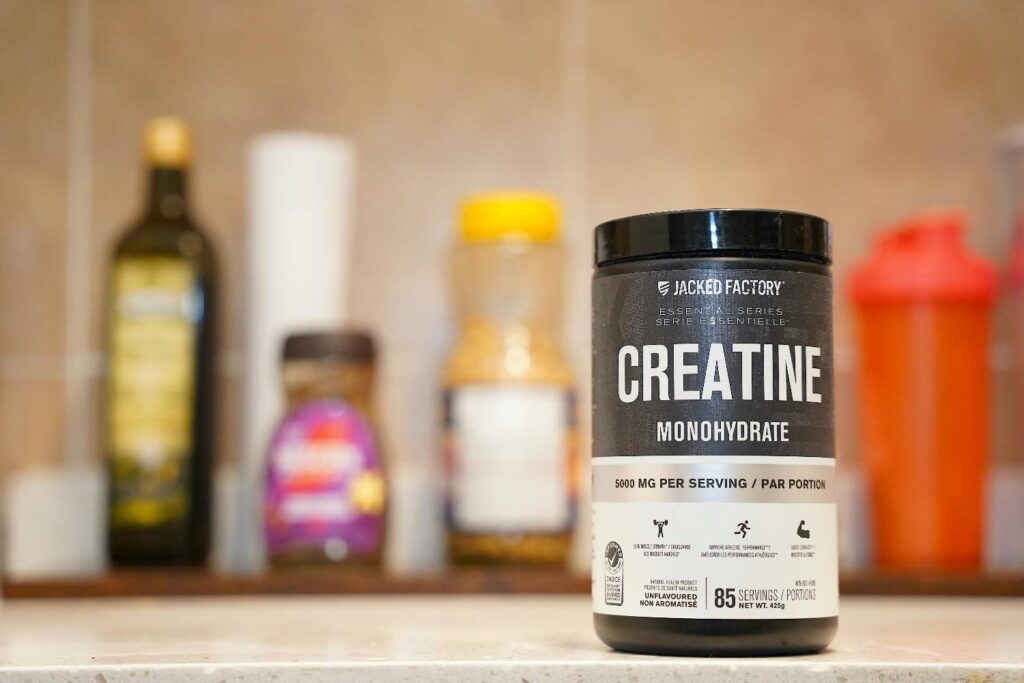
Creatine is a naturally occurring compound found primarily in muscle cells. It plays a fundamental role in energy production, particularly during short bursts of intense physical activity like sprinting or weight lifting.
The human body produces about one gram of creatine daily, mainly in the liver and kidneys. The remaining amount comes from dietary sources, primarily red meat and fish. For most people, this combination maintains adequate creatine levels.
However, factors like diet, activity level, and even biological sex can influence these baseline levels. Research indicates that women generally have lower natural creatine stores than men, which has sparked scientific interest in whether supplementation might offer particular benefits for female physiology.
“Understanding how creatine functions in the body helps explain why this compound has gained attention beyond athletic performance. For women interested in optimizing their overall wellness, learning about essential nutrients and their roles can be incredibly valuable. Our comprehensive guide on food sources of key nutrients provides detailed information about vitamin D, magnesium, zinc, and omega-3s—all important for women’s health.”
The Energy Connection
At the cellular level, creatine helps produce adenosine triphosphate (ATP)—often described as the body’s energy currency. During high-intensity activities, ATP stores deplete rapidly. Creatine steps in to help regenerate ATP, allowing muscles to maintain performance for slightly longer periods.
This mechanism explains why creatine is among the most researched and effective supplements for improving exercise performance. Studies consistently show that supplementation can enhance strength, power, and recovery in resistance training.
Beyond Muscles
Creatine isn’t limited to muscle tissue. Brain cells also require significant energy to function properly, and they too rely on ATP. Because creatine plays a role in cellular energy metabolism, researchers have begun investigating its potential effects on cognitive function, particularly in situations where brain energy demands are high or during aging.
—
—
Why Women May Respond Differently to Creatine
Biological differences between men and women extend to how bodies process and utilize creatine. Several factors make this an important area of study for women’s health.
Hormonal Influences
Research suggests that female hormones, particularly estrogen, may influence creatine metabolism. Some studies indicate that creatine levels in women fluctuate throughout the menstrual cycle, with potential implications for energy availability and muscle function.
Additionally, women generally have lower baseline creatine stores compared to men. This difference isn’t necessarily a disadvantage—it may simply mean that women have more room to benefit from supplementation.
The Menstrual Cycle and Beyond
Creatine’s potential relevance to women extends across different life stages. Researchers are particularly interested in how creatine might support women during:
· The menstrual cycle: Energy demands and physical performance can fluctuate. Some studies explore whether creatine helps maintain consistent energy levels
· Pregnancy: While research is limited and requires careful consideration, some investigations examine creatine’s role in fetal development
· Perimenopause and menopause: Hormonal shifts during this transition affect muscle mass, bone density, and cognitive function—areas where creatine shows theoretical promise
—
Potential Benefits of Creatine for Women
Current research suggests several areas where creatine supplementation may offer benefits specifically relevant to women.
Muscle Strength and Body Composition
Studies indicate that creatine supplementation, combined with resistance training, can help women increase lean muscle mass and improve strength. This matters beyond aesthetics—muscle mass supports metabolic health, bone density, and functional independence as women age.
A 2022 review of research found that women responding to creatine supplementation experienced improvements in strength and lean tissue mass similar to those observed in men.
“Building and maintaining muscle strength becomes increasingly important as women age. Regular physical activity, including both cardio and strength training, plays a crucial role in this process. Our guide on morning exercise offers simple ways to support energy, focus, and daily wellbeing—perfect for women looking to establish sustainable fitness routines.”
Bone Health
Osteoporosis affects women at significantly higher rates than men, particularly after menopause. Emerging research explores whether creatine might support bone health through its effects on muscle and direct influence on bone cells.
Some studies suggest that creatine supplementation, combined with resistance exercise, may help maintain bone mineral density. However, researchers emphasize that this area requires more investigation before drawing firm conclusions.
Cognitive Function
Brain cells demand substantial energy to function optimally. Because creatine supports cellular energy production, researchers have investigated whether supplementation might support cognitive performance.
Some studies suggest potential benefits for short-term memory and reasoning skills, particularly in situations of mental fatigue or stress. A 2023 meta-analysis found small but significant effects on memory and processing speed in healthy adults.
Mood and Mental Wellbeing
Preliminary research has explored connections between creatine and mood regulation. Some observational studies note that women with lower dietary creatine intake report higher rates of certain mood concerns. However, researchers caution that this relationship is complex and requires further study.
—
—
Natural Sources of Creatine
For those interested in obtaining creatine through diet rather than supplements, several foods provide this compound naturally:
· Red meat: Beef and lamb contain significant amounts of creatine
· Fish: Herring, salmon, and tuna are particularly good sources
· Pork: Provides moderate amounts
· Poultry: Chicken and turkey contain smaller amounts
Cooking methods affect creatine content. Grilling, broiling, or roasting helps retain more creatine compared to boiling, which can cause some loss into cooking liquids.
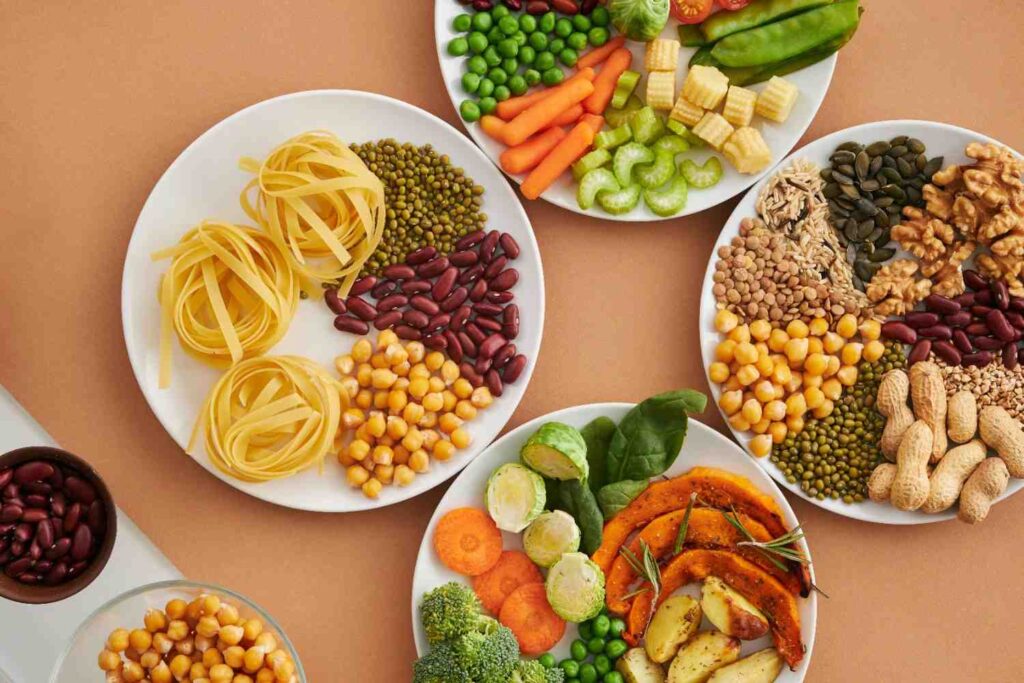
For individuals following vegetarian or vegan diets, natural creatine intake is substantially lower since plant foods contain negligible amounts. This has led some researchers to investigate whether supplementation might offer particular benefits for this population.
—
What Research Says About Safety and Dosage
Creatine is among the most studied supplements in sports nutrition, with decades of research examining its safety profile.
Generally Recognized as Safe
Major health organizations and sports medicine authorities consider creatine supplementation safe for healthy adults when used as directed. Hundreds of studies have examined its effects, with the most common side effect being minor digestive discomfort in some individuals.
Common Dosage Approaches
Research typically uses one of two approaches:
· Loading phase: 20 grams daily (split into 4 doses) for 5-7 days, followed by 3-5 grams daily for maintenance
· Direct maintenance: 3-5 grams daily from the start without a loading phase
The loading approach saturates muscles more quickly, while the maintenance-only approach achieves the same result over approximately three to four weeks.
Individual Responses Vary
Not everyone responds to creatine supplementation in the same way. Factors influencing response include:
· Baseline creatine levels (individuals with lower starting levels often show greater responses)
· Dietary habits (vegetarians may respond differently than meat-eaters)
· Physical activity levels
· Individual biochemistry
—
Considerations Before Using Creatine
While research supports creatine’s safety for most healthy adults, several considerations merit attention.
Quality Matters
The supplement industry varies widely in quality control. Choosing products from reputable manufacturers that undergo third-party testing helps ensure purity and accurate labeling. Certifications from organizations like NSF International or Informed Sport indicate rigorous testing.
Hydration
Creatine draws water into muscle cells. While this is part of how it works, maintaining adequate hydration is important. Drinking sufficient water throughout the day supports general health and helps minimize minor digestive concerns some people experience.
Individual Health Factors
Anyone with pre-existing health conditions, particularly kidney concerns, should consult a healthcare provider before starting any new supplement, including creatine. This is standard medical advice for any dietary supplement.
“Before starting any new supplement, it’s wise to consider your overall health picture. This includes understanding how various lifestyle factors—from stress management to sleep quality—affect your well-being. Our evidence-based guide to achieving inner peace and deep sleep naturally offers practical strategies that complement any wellness journey.”
Pregnancy and Breastfeeding
Research on creatine use during pregnancy and breastfeeding is extremely limited. For this reason, healthcare providers typically recommend avoiding supplementation during these periods unless specifically advised otherwise by a qualified professional.
—
Common Questions About Creatine for Women
Will creatine make me bulky?
This concern tops many women’s lists. Research consistently shows that creatine does not cause significant increases in body mass without accompanying resistance training. Any changes in body composition relate to increased muscle mass from training, not from creatine itself.
Is creatine only for athletes?
No. While extensively studied in athletic populations, researchers are increasingly investigating creatine’s potential applications for general health, aging populations, and various health conditions.
Can I get enough creatine from food alone?
For many people, dietary sources provide adequate creatine. However, individuals following vegetarian or vegan diets have lower natural intake, which is one reason researchers study supplementation in these populations.
How long does it take to work?
Effects depend on individual factors and the approach used. Some people notice differences in workout performance within one to two weeks, while others may take longer to experience noticeable effects.
—
Putting It in Perspective
Creatine is neither a magic solution nor something to fear. It is one of the most researched supplements available, with a strong safety record when used appropriately. For women interested in supporting their fitness goals, muscle health, or exploring evidence-based approaches to wellness, creatine represents a tool—not a shortcut.
The decision to use any supplement should consider individual health status, goals, and preferences. Consulting qualified healthcare providers helps ensure choices align with personal circumstances.
Research continues to evolve, particularly regarding women’s health applications. As scientists investigate further, understanding of how creatine affects female physiology will likely deepen, offering clearer guidance for women at different life stages.
Disclaimer
This content is for general informational purposes only and does not constitute medical, health, or professional advice. Always consult a qualified professional for personalized guidance before starting any new supplement regimen.