

—
Introduction: The Quest for Calm in a Busy World
In today’s fast-paced world, finding moments of genuine calm can feel challenging. Many people struggle with racing thoughts at bedtime, difficulty relaxing during the day, and the feeling that their minds are constantly “switched on.” These experiences are common and reflect the demands of modern life rather than personal failure.
Finding calm in a busy world is possible with simple daily practices. To understand how stress affects your mind and body, read our guide on stress, anxiety, and depression.”
This guide explores evidence-informed approaches to cultivating a calmer mind and achieving deeper, more restorative sleep. Rather than promising quick fixes or miracle solutions, we focus on practical strategies that research suggests may support mental relaxation and sleep quality.calm mind inner peace, deep sleep, natural guide
Individual responses to these approaches vary. What works well for one person may need adjustment for another. This information is for educational purposes and should not replace personalized guidance from qualified healthcare professionals, particularly for those with ongoing sleep difficulties or mental health concerns.
—
Section 1: Understanding the Mind-Sleep Connection
How Mental Activity Affects Sleep
The relationship between mind and sleep is bidirectional. A calm mind promotes restful sleep, and quality sleep supports emotional regulation and mental clarity.
The Brain at Rest and at Work
During wakefulness, the brain processes information, solves problems, and responds to the environment. When it’s time to sleep, this activity should gradually decrease. However, for many people, mental activity continues at high levels, interfering with the transition to sleep.
Common Obstacles to a Calm Mind
· Persistent worrying or rumination
· Information overload from devices and media
· Unresolved stress from work or relationships
· Irregular sleep schedules
· Caffeine or stimulating activities too close to bedtime
The Vicious Cycle
Poor sleep increases daytime stress and anxiety, which in turn makes it harder to sleep the following night. Breaking this cycle often requires addressing both sleep habits and daytime mental patterns.
—
Section 2: The Science of Relaxation
What Happens in the Body During Relaxation
Relaxation is not just a mental state—it involves measurable physiological changes.
The Parasympathetic Nervous System
When the body relaxes, the parasympathetic nervous system becomes more active. This “rest and digest” system counteracts the “fight or flight” stress response, leading to:
· Slower heart rate
· Decreased blood pressure
· Slower, deeper breathing
· Reduced muscle tension
· Improved digestion
When the body relaxes, the parasympathetic nervous system becomes more active. Learn more about morning habits that support calmness in our guide.”
Brain Wave Patterns
During relaxed wakefulness, the brain produces more alpha waves, associated with calm, alert attention. As sleep approaches, theta waves increase, marking the transition to deeper relaxation.
Stress Hormone Reduction
Practices that promote relaxation have been shown in studies to reduce cortisol and other stress hormones, supporting both mental calm and physical health.
—
—
Section 3: Breathing Techniques for Instant Calm
Using Breath to Influence the Nervous System
Breathing is one of the few bodily functions that operates automatically but can also be consciously controlled. This makes it a powerful tool for shifting from stress to calm.
Simple Breathing Practices
Box Breathing (4-4-4-4)
1. Inhale through nose for 4 seconds
2. Hold breath for 4 seconds
3. Exhale through mouth for 4 seconds
4. Hold empty lungs for 4 seconds
5. Repeat for 2-5 minutes
Extended Exhale Breathing
· Inhale for 3-4 seconds
· Exhale slowly for 6-8 seconds
· The longer exhale activates the parasympathetic nervous system
Alternate Nostril Breathing
A gentle practice that some find balancing:
· Close right nostril, inhale through left
· Close left nostril, exhale through right
· Inhale through right, close right, exhale through left
· Continue for several cycles
When to Practice
· During moments of daytime stress
· As part of a pre-sleep routine
· Upon waking to start the day calmly
· Any time the mind feels racing
—
Section 4: Mindfulness and Meditation Practices
Cultivating Present-Moment Awareness
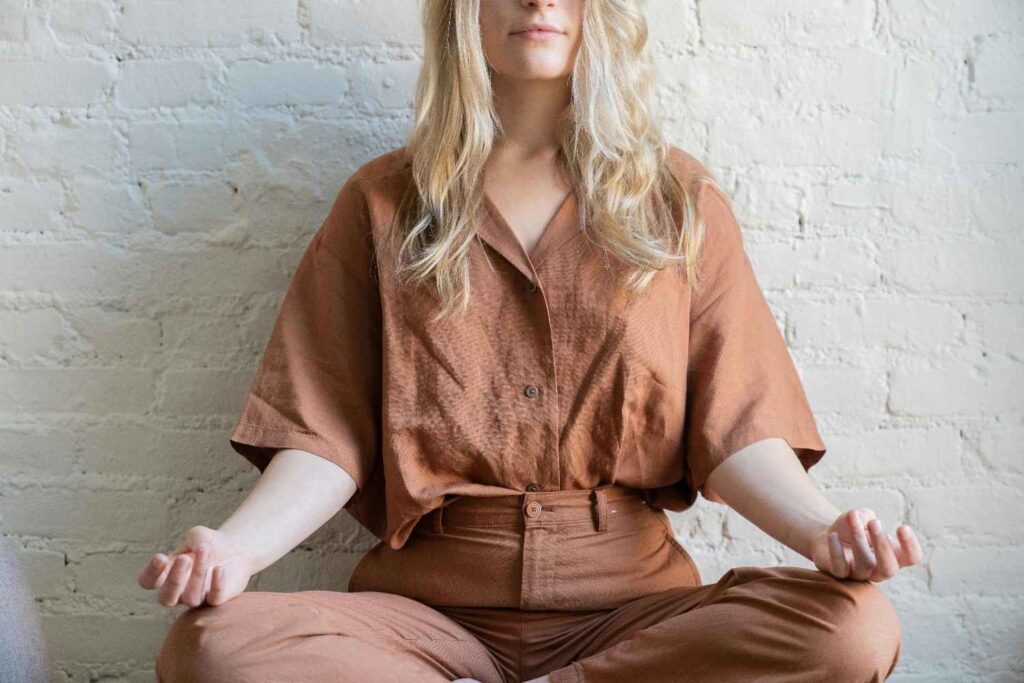
Mindfulness involves paying attention to the present moment without judgment. Research suggests that regular practice may reduce stress, improve emotional regulation, and support better sleep.
Getting Started with Mindfulness
· Start small: Even 2-5 minutes daily can be beneficial
· Focus on breath: Notice the sensation of breathing
· Observe thoughts: Notice thoughts without getting caught up in them
· Be consistent: Regular short practice is more effective than occasional long sessions
Simple Mindfulness Exercises
Body Scan
Lie down or sit comfortably. Slowly bring attention to different parts of the body, from toes to head, noticing sensations without trying to change them.
Five Senses Practice
Pause and notice:
· 5 things you can see
· 4 things you can feel
· 3 things you can hear
· 2 things you can smell
· 1 thing you can taste
Mindful Walking
Walk slowly, paying attention to the sensation of each step, the movement of air, and the environment around you.
Meditation Apps and Resources
Many free and low-cost resources can support a meditation practice, including guided sessions of varying lengths.
—
Section 5: Creating an Evening Wind-Down Routine
Preparing Mind and Body for Sleep
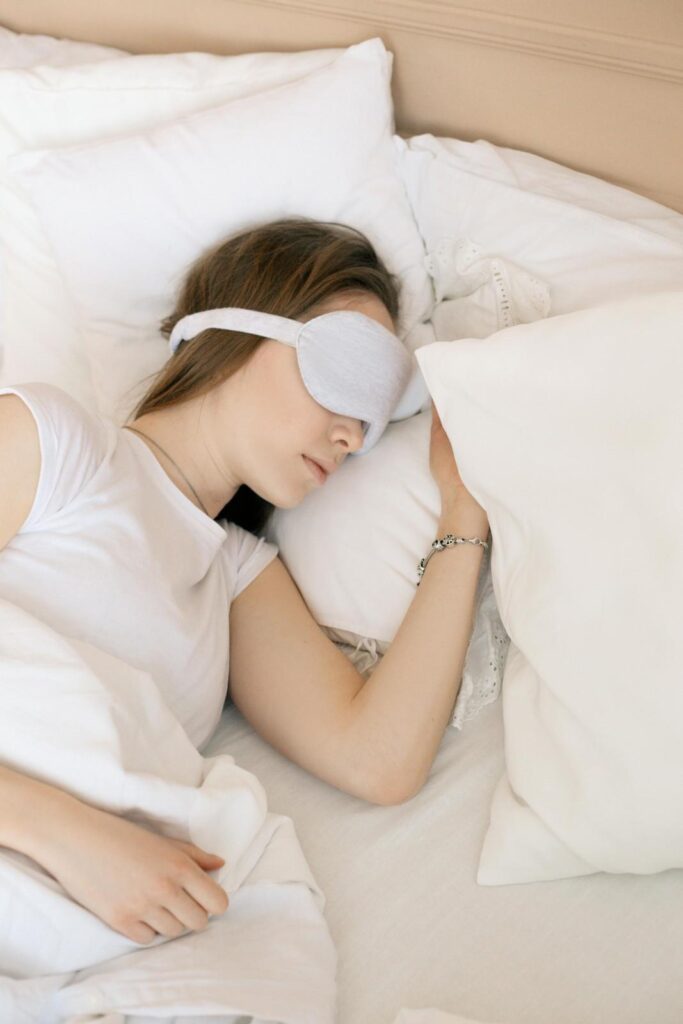
The hour before bed significantly influences sleep quality. A consistent wind-down routine signals to the brain that it’s time to transition from wakefulness to sleep.
A consistent evening routine signals your brain that it’s time to sleep. Discover simple healthy lifestyle habits that support better rest.”
Elements of an Effective Routine
· Consistent timing: Start winding down at the same time each evening
· Dim lighting: Reduce bright lights to support melatonin production
· Screen reduction: Limit exposure to phones, tablets, and computers 60-90 minutes before bed
· Calming activities: Reading, gentle stretching, listening to quiet music
· Warm bath or shower: The subsequent drop in body temperature promotes sleep
What to Avoid Before Bed
· Caffeine after mid-afternoon
· Heavy meals close to bedtime
· Intense exercise in the late evening
· Work-related activities
· Emotional or stimulating conversations
· Alcohol, which can disrupt sleep quality despite initial sedation
Creating a Sleep-Friendly Environment
· Cool, dark, and quiet room
· Comfortable mattress and pillows
· Consider blackout curtains if needed
· White noise or earplugs if noise is an issue
—
—
Section 6: Daytime Habits That Support Nighttime Calm
What You Do During the Day Matters
Sleep quality is influenced by habits throughout the day, not just what happens near bedtime.
Light Exposure
· Natural light exposure, especially in the morning, helps regulate circadian rhythms
· Time outdoors during daylight supports better sleep at night
· Consider light therapy lamps during darker months if needed
Physical Activity
· Regular exercise is associated with better sleep in many studies
· Even moderate activity like walking can make a difference
· Timing matters for some—morning or afternoon exercise tends to support sleep better than late evening workouts
Stress Management During the Day
· Take short breaks during work
· Practice brief breathing exercises
· Address stressors rather than letting them accumulate
· Set realistic expectations and boundaries
Caffeine and Stimulant Awareness
· Individual sensitivity varies significantly
· Some people need to limit caffeine after noon
· Pay attention to how caffeine affects your sleep and adjust accordingly
—
Section 7: Nutrition for Calm and Sleep
Foods and Nutrients That May Support Relaxation
While diet alone doesn’t determine sleep quality, certain nutritional factors can play a supporting role.
Magnesium
Magnesium is involved in nervous system regulation and muscle relaxation. Food sources include:
· Leafy greens
· Nuts and seeds
· Legumes
· Whole grains
Complex Carbohydrates
Foods with a lower glycemic index may help maintain stable blood sugar overnight, potentially reducing nighttime awakenings.
Herbal Teas
Some people find certain herbal teas soothing before bed:
· Chamomile
· Lavender
· Lemon balm
· Passionflower
What to Consider
· Avoid large meals close to bedtime
· Limit fluid intake immediately before bed to reduce nighttime bathroom trips
· Be aware that individual responses to foods vary
—
Section 8: When to Seek Professional Guidance
Recognizing When Additional Support Is Needed
While lifestyle strategies can be helpful, some situations warrant professional evaluation.
Signs That Professional Help May Be Beneficial
· Sleep difficulties persist for more than a few weeks
· Daytime fatigue significantly affects functioning
· Anxiety or low mood interferes with daily life
· You rely on alcohol or sleep aids regularly
· Physical symptoms like snoring or gasping during sleep
Types of Professionals Who Can Help
· Primary care physician: Initial evaluation and referral
· Sleep specialist: For suspected sleep disorders
· Therapist or counselor: For anxiety, stress, or emotional factors
· Psychiatrist: For medication evaluation if needed
Sleep Disorders
Some people have underlying sleep disorders such as insomnia, sleep apnea, or restless legs syndrome that require specific treatment. These cannot be addressed through lifestyle changes alone.
—
Section 9: Common Questions About Calm Mind and Sleep
General Information
How long does it take to see results from relaxation practices?
Individual responses vary. Some people notice immediate benefits during practice, while changes in overall calm and sleep quality may develop gradually over weeks of consistent practice.
Can meditation replace sleep?
No. Meditation and sleep serve different functions. Meditation can support relaxation and mental clarity but does not substitute for the restorative processes that occur during sleep.
What if I can’t quiet my mind no matter what I try?
Many people experience this. Rather than trying to stop thoughts, some find it helpful to gently redirect attention to breathing or bodily sensations. If the struggle persists, professional support may be beneficial.
Are sleep trackers helpful?
Sleep trackers can provide interesting data, but they are not medical devices. Focusing too much on sleep data can sometimes increase anxiety about sleep. Use them as general guides rather than absolute measures.
—
Section 10: Building a Sustainable Practice
Small Steps, Consistent Effort
Creating lasting change doesn’t require perfection. Small, consistent practices often yield better results than occasional intense efforts.
A Suggested Starting Approach
1. Choose one practice: Breathing, mindfulness, or evening routine
2. Start small: Even 2-5 minutes daily
3. Anchor to routine: Attach new practice to existing habits
4. Be patient: Allow several weeks before evaluating
5. Adjust as needed: Modify based on what feels supportive
Individual Variation
What works well for one person may need adjustment for another. Age, health status, lifestyle, and personal preferences all influence which strategies are most appropriate and sustainable.
—
Conclusion: The Path to Calm Is Built Step by Step
A calm mind and restful sleep are not destinations to reach through dramatic effort. They emerge gradually through consistent, gentle practices that support the nervous system’s natural tendency toward balance.calm mind inner peace, deep sleep, natural guide
The strategies explored in this guide—breathing techniques, mindfulness, evening routines, daytime habits—are tools you can adapt to your unique circumstances. None require perfection. All are accessible.
If you are navigating a particularly stressful period or have ongoing sleep difficulties, know that seeking professional support is a sign of self-awareness, not failure. Many effective treatments exist for sleep and anxiety concerns.
Start where you are. Choose one small practice and return to it consistently. Over time, these small steps accumulate into genuine, lasting change—a calmer mind, deeper sleep, and greater capacity to meet life’s challenges with ease.
—
Disclaimer:
This content is for general informational and educational purposes only regarding relaxation techniques, sleep habits, and mental wellness. It presents information based on current research in psychology, neuroscience, and sleep medicine but does not constitute medical, health, or professional advice of any kind.
Sleep difficulties and mental health concerns are complex and may have multiple contributing factors. This information should not be used for self-diagnosis or self-treatment. Always consult qualified healthcare professionals—including physicians, sleep specialists, psychologists, or psychiatrists—for personalized guidance regarding sleep problems, anxiety, or other mental health concerns.
Individual responses to relaxation techniques and lifestyle changes vary significantly based on genetics, health status, life circumstances, and other factors. Never disregard professional medical advice or delay seeking treatment because of information presented in this article.
If you have thoughts of harming yourself or others, please seek immediate help by contacting a crisis hotline, going to the nearest emergency room, or calling emergency services.
This information is current as of 2025 and will require updating as new research emerges.