

Introduction: More Than Just a Fruit
An apple a day keeps the doctor away. We’ve all heard this saying since childhood, but what makes this common fruit so special? Beyond its crisp texture and refreshing taste, the humble apple packs an impressive array of nutritional benefits that support everyday health. This isn’t about miraculous cures or exotic superfoods—it’s about understanding how this accessible, affordable fruit can contribute to a balanced lifestyle when enjoyed as part of a varied diet. apple nutrition benefits
An apple a day keeps the doctor away. We’ve all heard this saying since childhood, but what makes this common fruit so special? To understand how other fruits compare, read our guide on pomegranate nutrition and benefits
In this article, we’ll explore the practical nutritional benefits of apples and how they can fit into your daily routine. From their fiber content to their antioxidant properties, we’ll look at what science says about apples while maintaining a balanced, realistic perspective on their role in overall health.
Nutritional Profile: What’s Inside an Apple
Fiber Content for Digestive Health
A medium-sized apple contains about 4 grams of dietary fiber, which is approximately 14-17% of the recommended daily intake. This includes both soluble and insoluble fiber, each playing different roles in supporting digestive regularity and gut health.
Vitamin and Mineral Contributions
Apples provide vitamin C, potassium, and various B vitamins. While not exceptionally high in any single nutrient compared to some other fruits, they offer a valuable nutrient package that contributes to daily requirements when consumed as part of a varied diet.
Antioxidant Compounds
Apples contain several antioxidant compounds, including quercetin, catechin, and chlorogenic acid. These substances help combat oxidative stress in the body, which is a natural process that occurs during normal metabolism.
Apples contain several antioxidant compounds, including quercetin, catechin, and chlorogenic acid. Learn more about essential nutrients in our guide on food sources of key nutrients.”
Digestive Benefits and Gut Health
Natural Source of Pectin
Pectin, a type of soluble fiber found in apples, acts as a prebiotic—feeding the beneficial bacteria in your gut. A healthy gut microbiome supports various aspects of overall wellness, from digestion to immune function.
Supporting Regularity
The combination of soluble and insoluble fiber in apples can help maintain digestive regularity. This doesn’t mean apples solve digestive issues, but they can contribute to a fiber-rich diet that supports healthy digestion.
Whole Fruit vs. Juice
Eating whole apples provides significantly more fiber than drinking apple juice. The juicing process removes most of the fiber, leaving primarily sugars and some vitamins. For maximum benefit, the whole fruit is generally preferable.

Heart Health Considerations
Soluble Fiber and Cholesterol
The soluble fiber in apples, particularly pectin, may help support healthy cholesterol levels when consumed as part of a balanced diet rich in fruits, vegetables, and whole grains.
Potassium Content
Apples contain potassium, a mineral that plays a role in maintaining healthy blood pressure levels. Again, this is most effective as part of an overall dietary pattern rather than as an isolated solution.
Antioxidant Support
The antioxidants in apples may contribute to cardiovascular wellness by helping protect cells from oxidative damage. This is a gradual, supportive benefit rather than an immediate effect.
Weight Management and Satiety
Low Energy Density
Apples have high water content (about 85-86%) and fiber, which means they provide relatively few calories for their volume. This makes them a filling snack that can help with portion control.
Natural Sweetness Satisfaction
The natural sugars in apples, combined with their fiber, provide sweetness that can satisfy cravings for sugary treats. This can be helpful for those working to reduce added sugars in their diet.
Slow Eating Experience
The act of chewing a whole apple takes time, which allows your body to register fullness signals. This mindful eating experience contrasts with quickly consuming processed snacks.
Practical Lifestyle Benefits
Convenience and Portability
Apples require no preparation, come in their own natural packaging, and are highly portable. This makes them one of the easiest healthy snacks to incorporate into busy schedules.
Versatility in Meals
Beyond snacking, apples can be added to salads, oatmeal, baked goods (with mindful preparation), or paired with nut butter for a more substantial snack. This versatility helps maintain dietary variety.
Cost-Effectiveness
Compared to many other fruits and specialty health foods, apples are relatively affordable and widely available year-round in most regions, making them accessible to various budgets.
Compared to many other fruits and specialty health foods, apples are relatively affordable and widely available. Discover how healthy lifestyle habits can help you build a balanced diet with nutrient-rich foods
Shelf Stability
Properly stored apples can last several weeks in the refrigerator, reducing food waste and making them a practical staple for household planning.
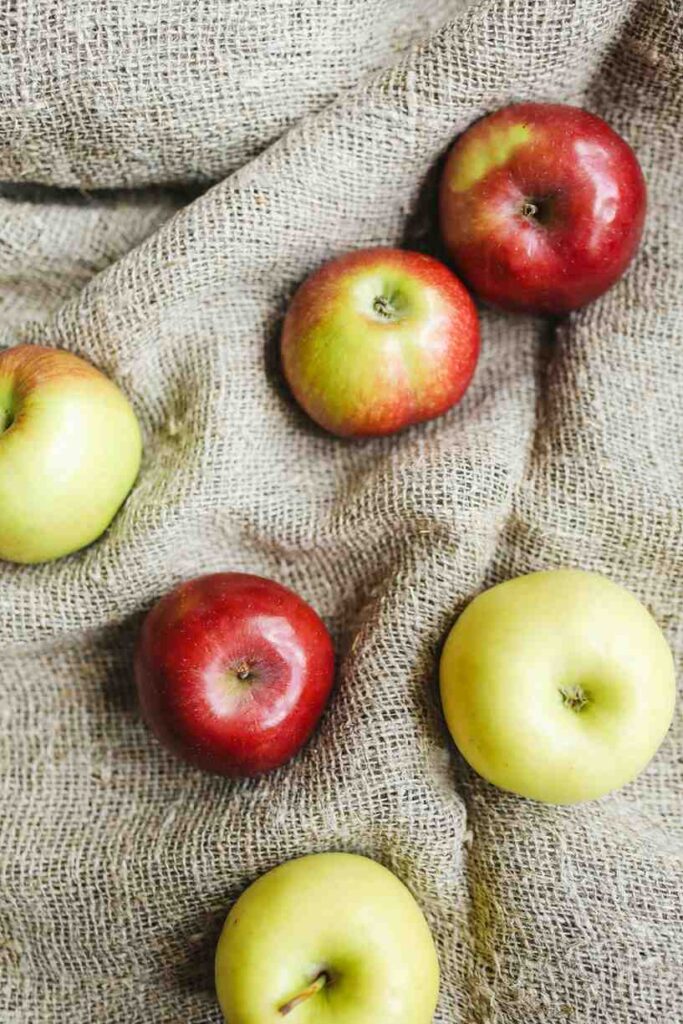
Different Apple Varieties and Their Characteristics
Sweet vs. Tart Varieties
From sweet Fuji and Gala apples to tart Granny Smith varieties, different apples offer varying flavor profiles that can suit different preferences and culinary uses.
Texture Differences
Some apples are crisp and firm (like Honeycrisp), while others are softer (like Red Delicious). These texture differences affect both eating enjoyment and cooking suitability.
Nutritional Similarities
While antioxidant levels and exact sugar content vary slightly between varieties, the fundamental nutritional profile remains similar across different types of apples.
Incorporating Apples into a Balanced Diet
As a Between-Meal Snack
Keeping washed apples accessible—on your desk, in your bag, or on the kitchen counter—makes healthy snacking easier when hunger strikes between meals.
Paired with Protein or Healthy Fats
Combining an apple with a handful of nuts, a tablespoon of nut butter, or a slice of cheese creates a more balanced snack with protein and healthy fats for sustained energy.
In Meal Preparation
Adding diced apples to morning oatmeal, incorporating them into salads for sweetness and crunch, or using them in healthy baking can increase fruit intake without feeling repetitive.
Common Questions About Apple Consumption
Should You Eat the Peel?
Most of the fiber and many antioxidants are concentrated in or just beneath the apple peel. Washing apples thoroughly allows you to benefit from these nutrients while minimizing concerns about surface residues.
Best Time to Eat Apples
There’s no universally “best” time—apples can be enjoyed whenever they fit into your eating pattern. Some people prefer them as a morning snack, others as an afternoon energy boost.
Organic vs. Conventional
Both organic and conventionally grown apples provide nutritional benefits. The choice between them often comes down to personal preference, budget considerations, and availability.
Balanced Perspective: Apples as Part of Whole Dietary Pattern
No Single Food Solution
While apples offer numerous benefits, they’re most effective as part of a varied diet rich in different fruits, vegetables, whole grains, lean proteins, and healthy fats.
Individual Responses Vary
Some people digest apples easily, while others might experience digestive discomfort, particularly if they have certain sensitivities or consume large quantities.
Whole Foods Over Supplements
The benefits of apples come from the combination of nutrients, fiber, and compounds working together—something that can’t be replicated by taking individual supplements.
Creative Ways to Enjoy Apples Beyond Plain Eating
Simple Preparation Ideas
· Thinly sliced apples with cinnamon
· Baked apple “chips” with minimal added sugar
· Grated apple mixed into yogurt or cottage cheese
· Sautéed apple slices as a topping for whole grain pancakes
Apples in Savory Dishes
Apples can add sweetness and texture to savory dishes like:
· Mixed green salads with nuts and light dressing
· Sandwiches or wraps with turkey or chicken
· Cooked alongside pork or chicken in balanced portions
Storage and Selection Tips
Choosing Fresh Apples
Look for firm apples without bruises or soft spots. The skin should be smooth, though some natural variations in appearance are normal.
Proper Storage Methods
Store apples in the refrigerator crisper drawer to maintain freshness. Keep them separate from other produce, as apples release ethylene gas that can accelerate ripening of nearby fruits and vegetables.
Preventing Browning
If preparing apples ahead of time, a squeeze of lemon juice or immersion in lightly salted water can prevent browning, though freshly cut apples are generally best.
Conclusion: A Simple Addition to Daily Wellness
Apples represent one of the simplest, most accessible ways to add nutritional value to your daily routine. They’re not a magical solution to health concerns but rather a practical, versatile food that offers multiple benefits when enjoyed regularly as part of a balanced lifestyle.
The true value of apples lies in their simplicity and reliability. They don’t require special preparation, aren’t dependent on culinary skill, and fit into almost any eating pattern. Whether you enjoy them as a quick snack, add them to meals, or experiment with different varieties, apples can contribute to your overall dietary pattern in a meaningful way.
Remember that variety remains key in nutrition. While apples offer numerous benefits, rotating different fruits and vegetables ensures you receive a wide spectrum of nutrients. An apple a day might not literally keep the doctor away, but incorporating them into a balanced diet certainly supports everyday wellness in practical, sustainable ways.
Disclaimer
This content is for general informational purposes only and does not constitute medical, health, nutritional, or professional advice. The information provided discusses general nutritional concepts and should not replace personalized guidance from qualified healthcare professionals or registered dietitians. Individual nutritional needs, allergies, and health conditions vary significantly. Always consult with appropriate professionals for dietary recommendations tailored to your specific situation.